Revana Family Vineyard

Falstaff Winery - Listed
Revana Family Vineyard sits on the Napa Valley floor in St. Helena, a corridor that has long set the reference point for California Cabernet.

Pearl is the En Primeur Club membership app — saves, bookings, and concierge access live there. Same editors, same standards.
- Address
- 2930 St Helena Hwy, St Helena, CA 94574
- Phone
- (707) 967-8814
- Website
- revanawine.com
- Directions
- Get directions
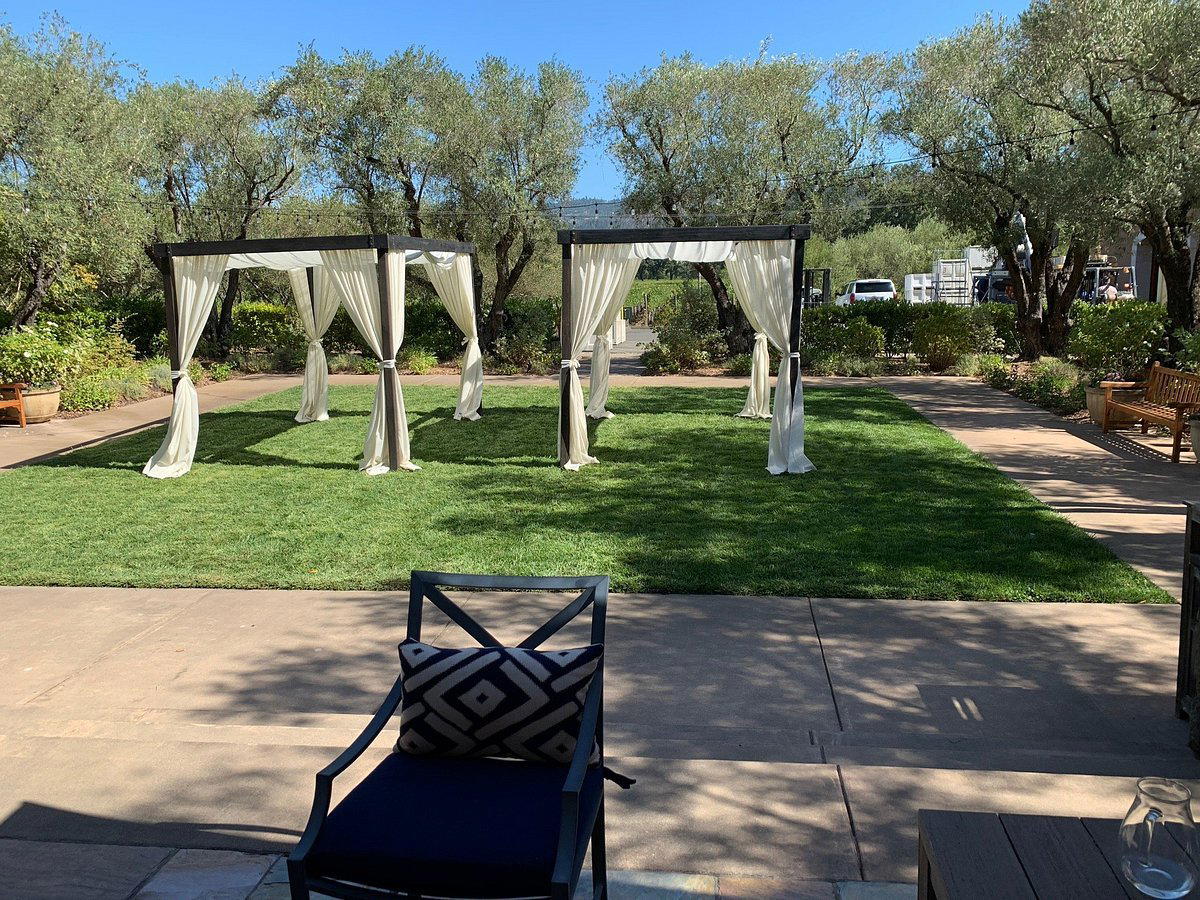
Arriving on the Napa Floor: What the St. Helena Corridor Signals Before You Even Taste
The stretch of Highway 29 running through St. Helena is one of the most legible wine addresses in California. Properties on this corridor are not discovered by accident; they sit in a zone where land values, appellation history, and producer reputation have converged over decades into something close to a fixed hierarchy. Revana Family Vineyard, located at 2930 St Helena Hwy, occupies that corridor directly, placing it in the same physical and competitive tier as a cluster of estate producers who treat Cabernet Sauvignon as a primary statement rather than a portfolio component. For the visitor approaching from the south, the setting reads immediately as serious: the valley floor here is flat, the canopy dense, and the wineries spaced far enough apart that each property carries a sense of deliberate separateness. That physical register sets expectations before you reach the door.
Within St.
Planning the Visit: The Booking Dynamic at Allocation-Driven Estates
Napa's premium estate tier has shifted substantially over the past fifteen years. The walk-in tasting, once common even at well-regarded producers, has largely been replaced by appointment-only models at properties operating in this price and production bracket. That shift is not incidental. It reflects a change in how these wineries think about visitor relationships: the appointment becomes a filtering mechanism, ensuring that the winery's limited hospitality capacity is directed toward buyers and collectors rather than casual traffic. For Revana, as with comparably positioned properties along Highway 29, this means that the booking process itself is the first signal of what the visit will involve.
Practical planning here follows a pattern consistent across the St. Helena estate tier. Contacting the winery directly, ideally several weeks ahead, is the standard approach. Tasting appointments at this level tend to run longer than cellar-door formats elsewhere in California — ninety minutes to two hours is not unusual — and are typically conducted by a host with direct knowledge of the vintage lineup. Visitors who arrive with a clear sense of which wines they want to discuss, and with some familiarity with the property's position in the valley, will get more from the conversation. Showing up with a standing inquiry about allocation availability is also reasonable: estates at this level generally manage mailing lists that precede or accompany public release, and the tasting visit is often where those conversations begin.
Seasonally, late spring and early autumn are the periods when the St. Helena corridor sees the heaviest visitor pressure. Harvest, running roughly from late August through October depending on the year, brings both refined interest and compressed winery schedules, since cellar teams are occupied. For a property like Revana, booking outside that window, April through June, or November, tends to produce a less crowded appointment and more attentive hosting. Winter tastings in Napa, particularly January and February, have developed a following among collectors precisely because the valley is quieter and winery staff have more latitude in how they run sessions.
Where Revana Sits in the St. Helena Competitive Set
St. Helena contains a higher concentration of Cabernet-focused estate producers than any other Napa sub-appellation, and the range within that category is wider than it appears from outside. At one end, larger operations with significant production and broad retail distribution; at the other, single-vineyard estates where annual output might amount to a few hundred cases across a tight lineup. Revana operates toward the latter end of that spectrum, consistent with the allocation model described above and with the production philosophy implied by estate-designation wines on the valley floor.
The comparison set matters for understanding what the visit is and is not. Properties like Accendo Cellars and Brand Napa Valley operate in a similar register: small production, prestige pricing, and a hospitality model built around individual attention rather than throughput. Charles Krug, by contrast, represents a different tier, historically significant and widely available, but not in the same allocation-dependent category. Understanding that distinction helps calibrate both expectations and the booking approach. If you are used to visiting larger Napa estates with open tasting rooms and broad menus of options, an appointment at Revana will feel more focused and more contained, in ways that are deliberately so.
For context beyond Napa, the estate-focused, appointment-driven model at this quality level mirrors what producers like Adelaida Vineyards in Paso Robles and Adelsheim Vineyard in Newberg have built in their respective regions, though the Napa floor carries a price premium that those appellations do not replicate. The logic, tight production, direct collector relationships, a visit structured around conversation rather than volume, is consistent across all of them.
The Wine Logic of the Valley Floor
St. Helena's valley floor soils are alluvial, deposited over centuries by the Napa River and its tributaries. That geology produces Cabernet Sauvignon with a particular structural character: generally fuller-bodied than hillside fruit, with tannins that tend toward plushness rather than grip, and a ripeness profile that rewards the sort of warm, dry growing seasons that define the appellation's leading years. Estate producers on this corridor are farming in a context where the raw material is exceptionally consistent, and where the differentiation between producers comes down to viticulture decisions, yield management, and cellar approach rather than any single climatic advantage.
For the visitor tasting through a Revana lineup, that context is worth holding in mind. Valley-floor Cabernet from St. Helena is not trying to be Howell Mountain or Spring Mountain; the wines express a different register of the grape, one that many collectors actively prefer precisely because of its accessibility and its aging arc. Comparing notes with producers like Alpha Omega Winery in Rutherford or Artesa Vineyards and Winery in Napa provides a useful cross-section of how different parts of the valley handle the same variety. Alexander Valley Vineyards in Geyserville and Andrew Murray Vineyards in Los Olivos offer further California reference points, though the appellation gap is significant.
Planning Details
Revana Family Vineyard is located at 2930 St Helena Hwy in St. Helena, California 94574, directly on Highway 29. St. Helena sits roughly in the middle of the valley, making it accessible from both the town of Napa to the south and Calistoga to the north; the drive from San Francisco runs approximately ninety minutes without traffic. For visitors structuring a broader St. Helena itinerary, our full St. Helena restaurants guide covers the wider food and drink picture in the area. Additional Napa producers worth contextualizing against Revana's positioning include Alban Vineyards in Arroyo Grande for a Rhone-focused contrast, and further afield, Aberlour in Aberlour and Achaia Clauss in Patras for a sense of how old-world estate models differ structurally from Napa's collector-driven format.
Nearby-ish Comparables
Comparable venues nearby, for context on price, style, and recognition.
| Venue | Cuisine | Price | Awards | Notes |
|---|---|---|---|---|
| Revana Family VineyardThis venue — the venue you are viewing | Cabernet Sauvignon, Merlot | Not listed | Falstaff Winery - Listed | Not listed |
| Failla Wines | Chardonnay, Pinot Noir | Not listed | Not listed | St. Helena |
| Taplin Cellars | Cabernet Sauvignon, Cabernet Franc | Not listed | Not listed | St. Helena |
| Volker Eisele Family Estate | Cabernet Sauvignon, Cabernet Franc | Not listed | Not listed | Chiles Valley |
| Keenan Winery | Cabernet Sauvignon, Merlot | Not listed | Not listed | Spring Mountain District |
| HALL Wines St. Helena | Cabernet Sauvignon, Merlot | $50–100 | Falstaff Winery - Listed | St. Helena |
Recognition history
Dated appearances from independent guides and award organizations, with the underlying list record or original source where available.
Falstaff Winery - Listed
Falstaff
Continue exploring
More in St. Helena
Wineries in St. Helena
Browse all →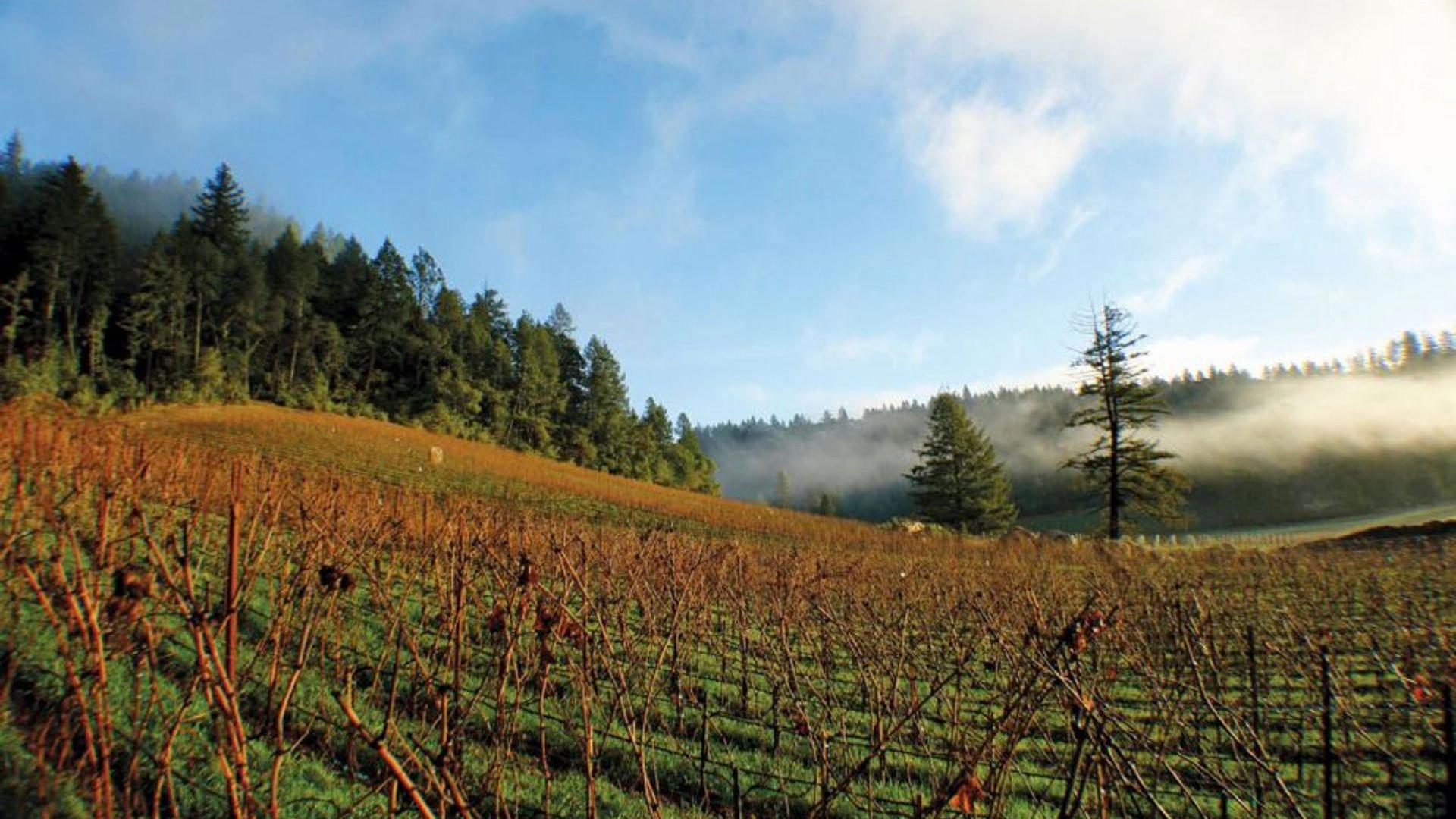
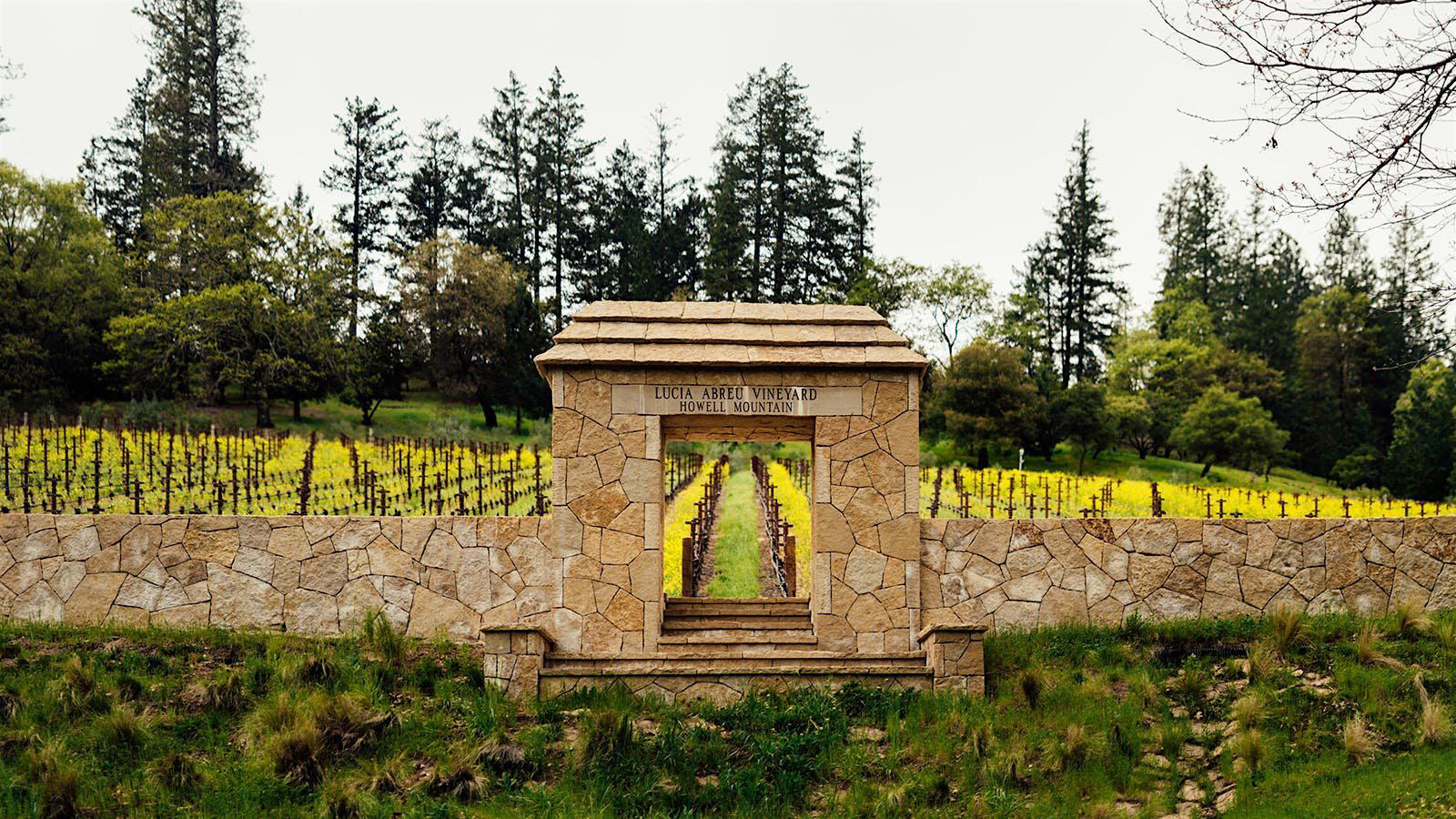
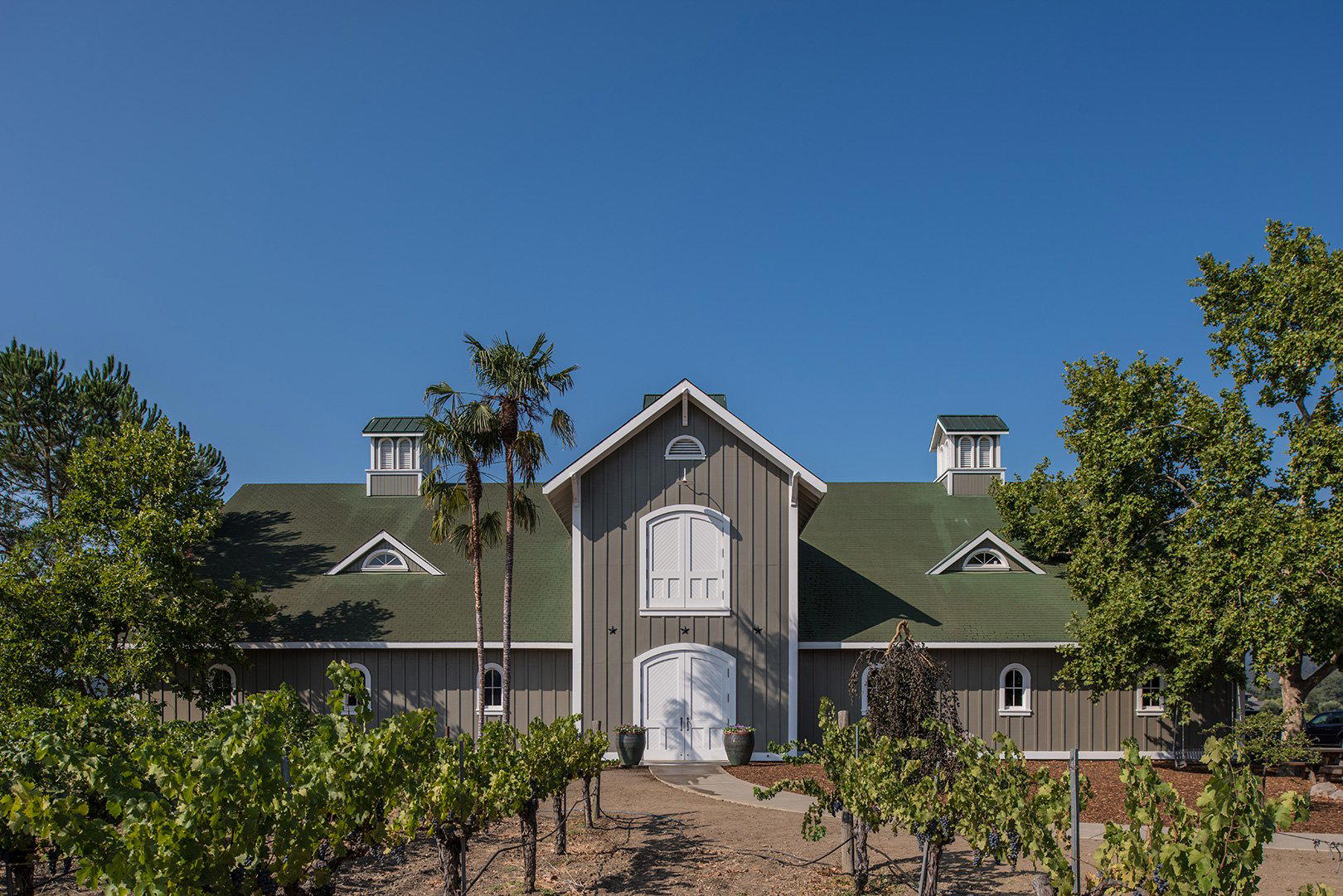
Bars in St. Helena
Browse all →
Restaurants in St. Helena
Browse all →
Details
- Elegant
- Romantic
- Scenic
- Intimate
- Classic
- Romantic Getaway
- Wine Education
- Special Occasion
- Group Outing
- Estate Grounds
- Private Tasting
- Panoramic View
- Vineyard Tour
- Sustainable
- Organic
- Vineyard
- Mountain
- Cabernet Sauvignon
- Merlot
- Cabernet Franc
- Petit Verdot
- Chardonnay
- Still Red
- Private Tasting
- Estate Tasting
- English
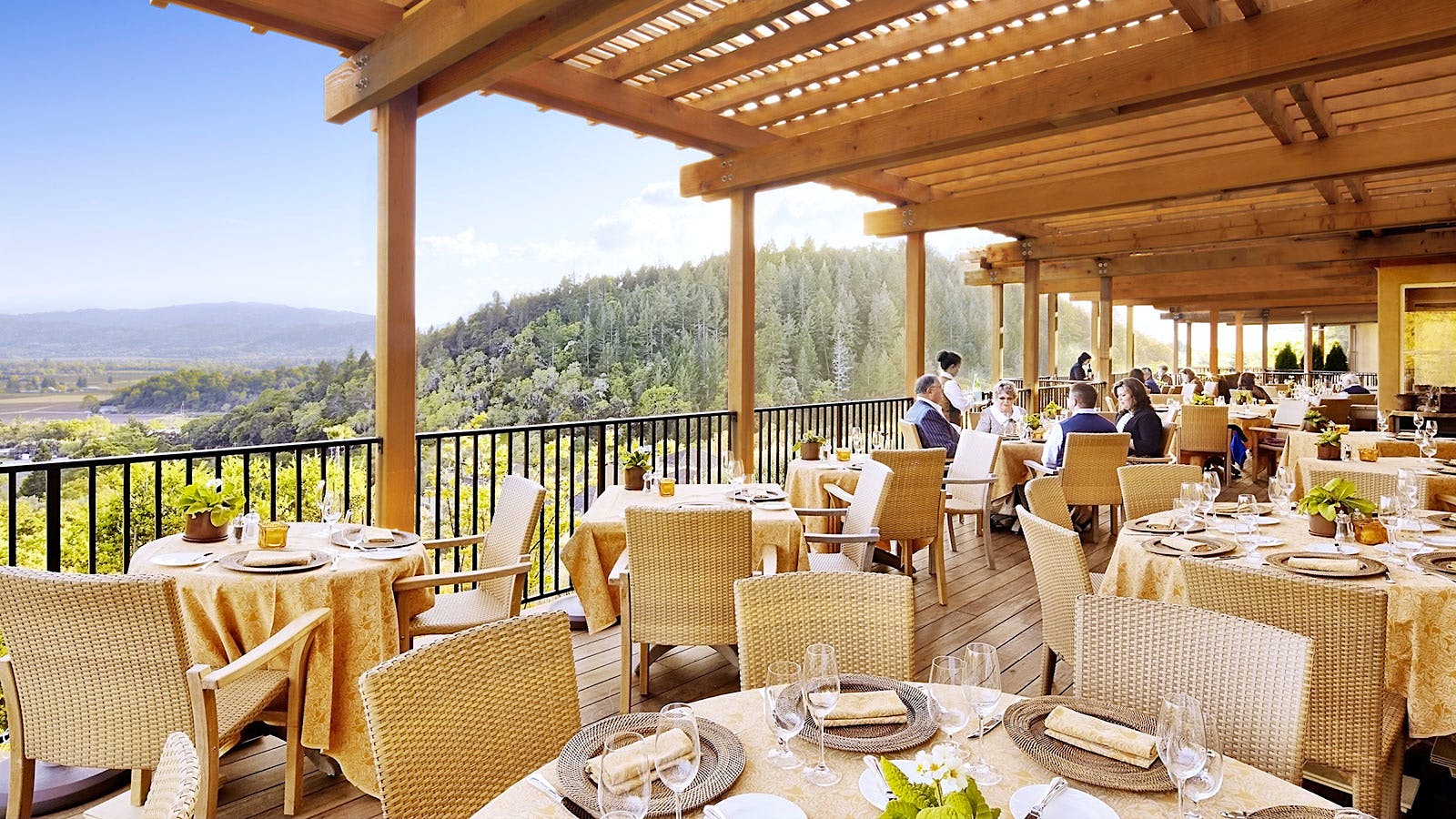
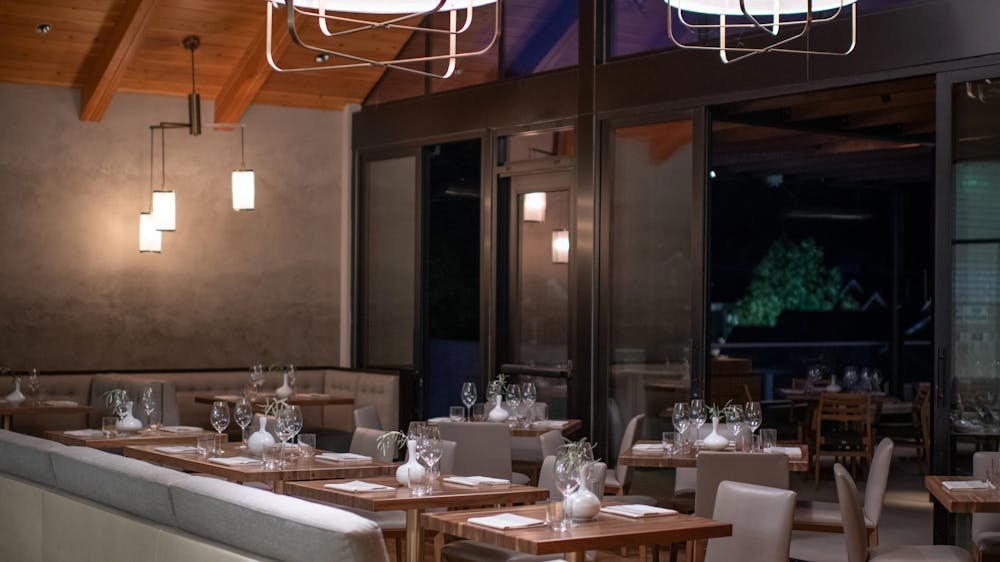
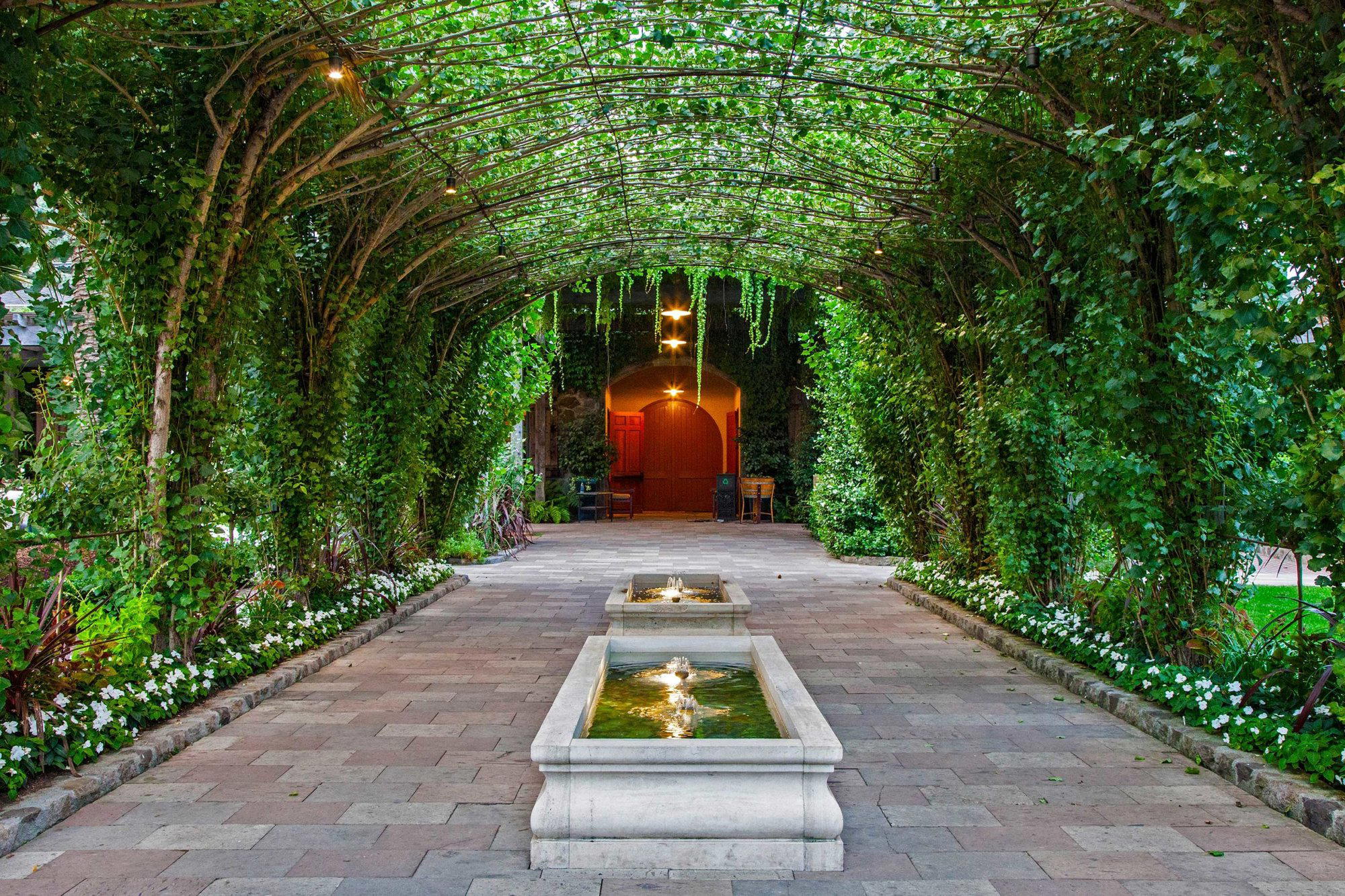
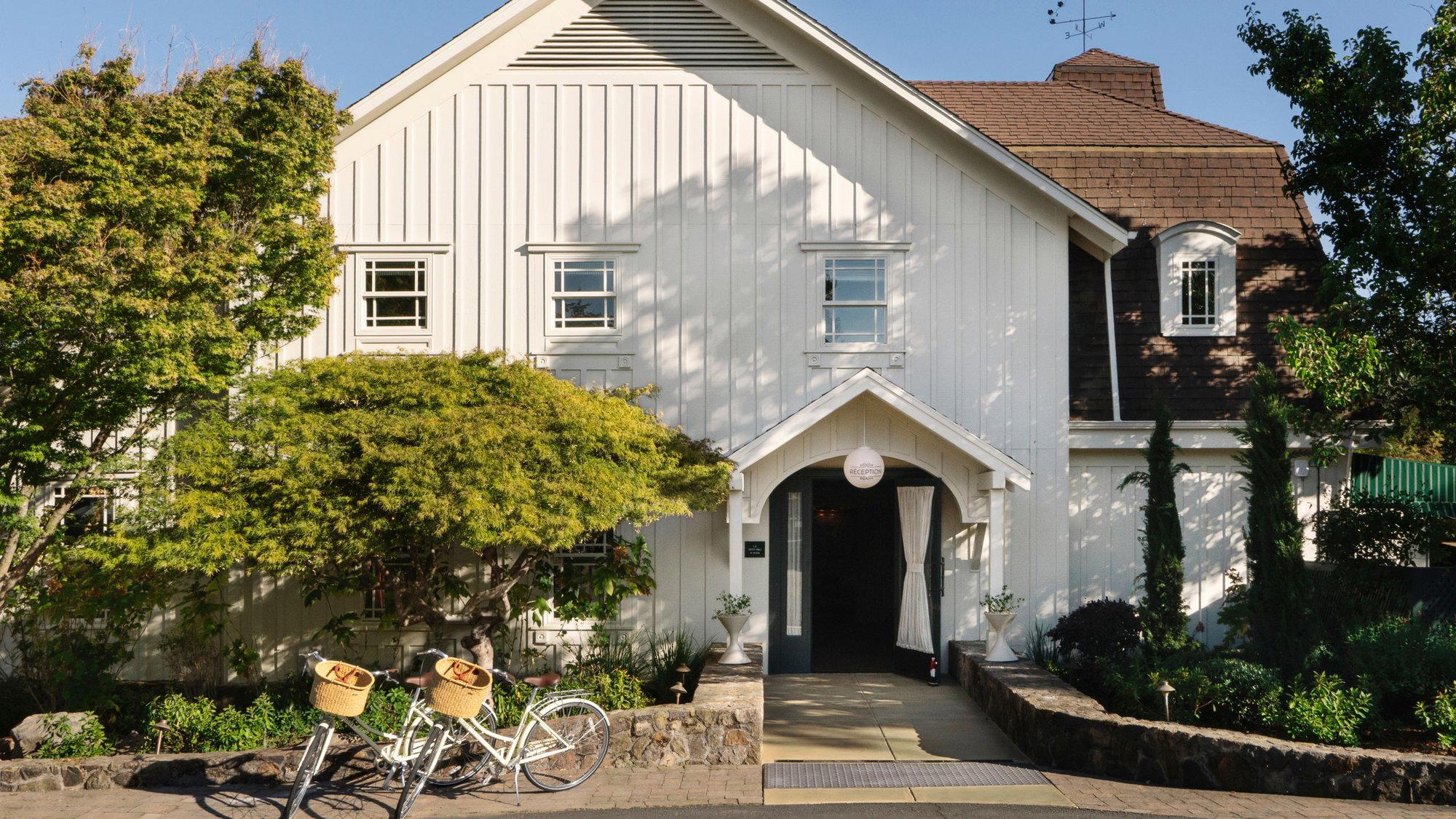
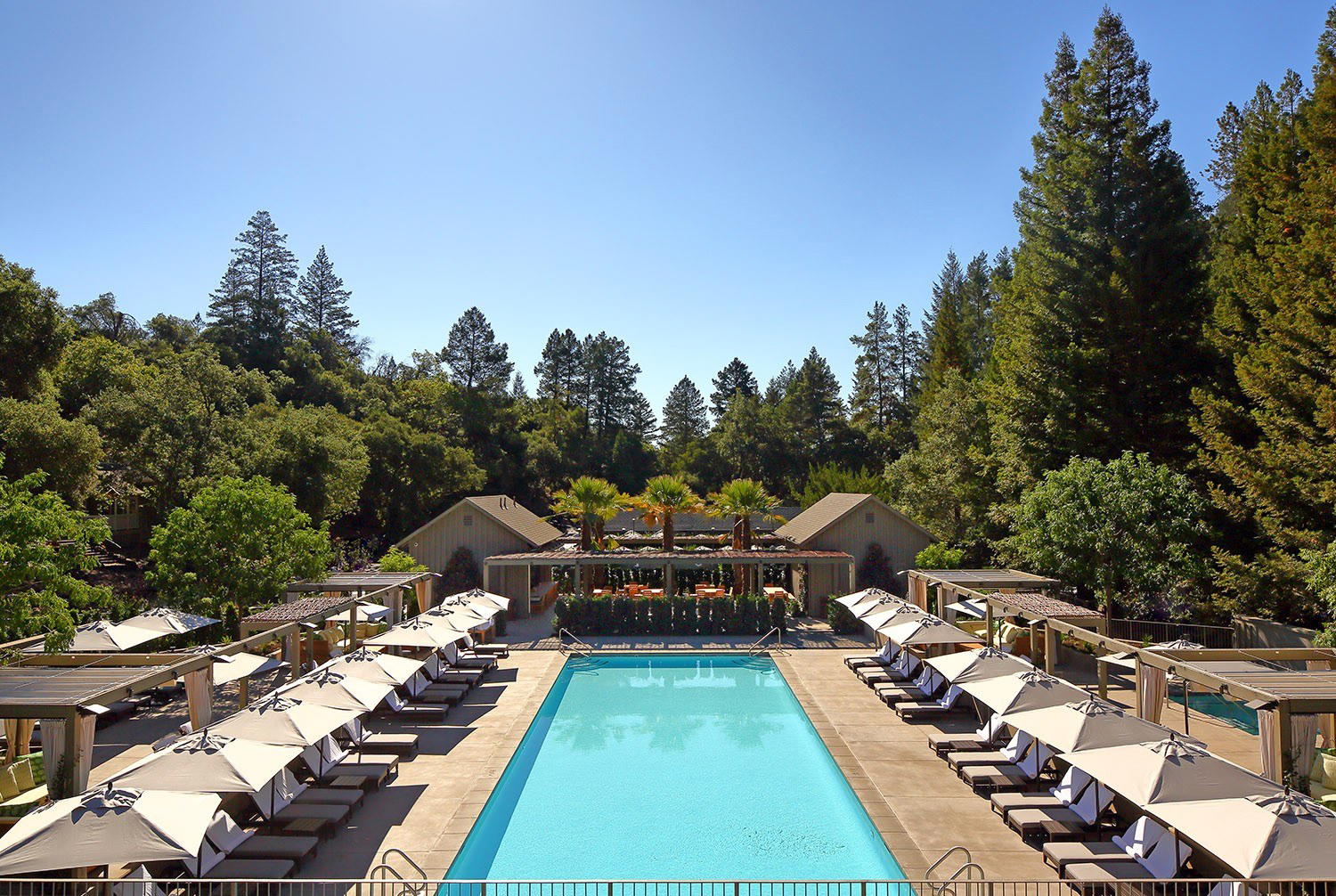
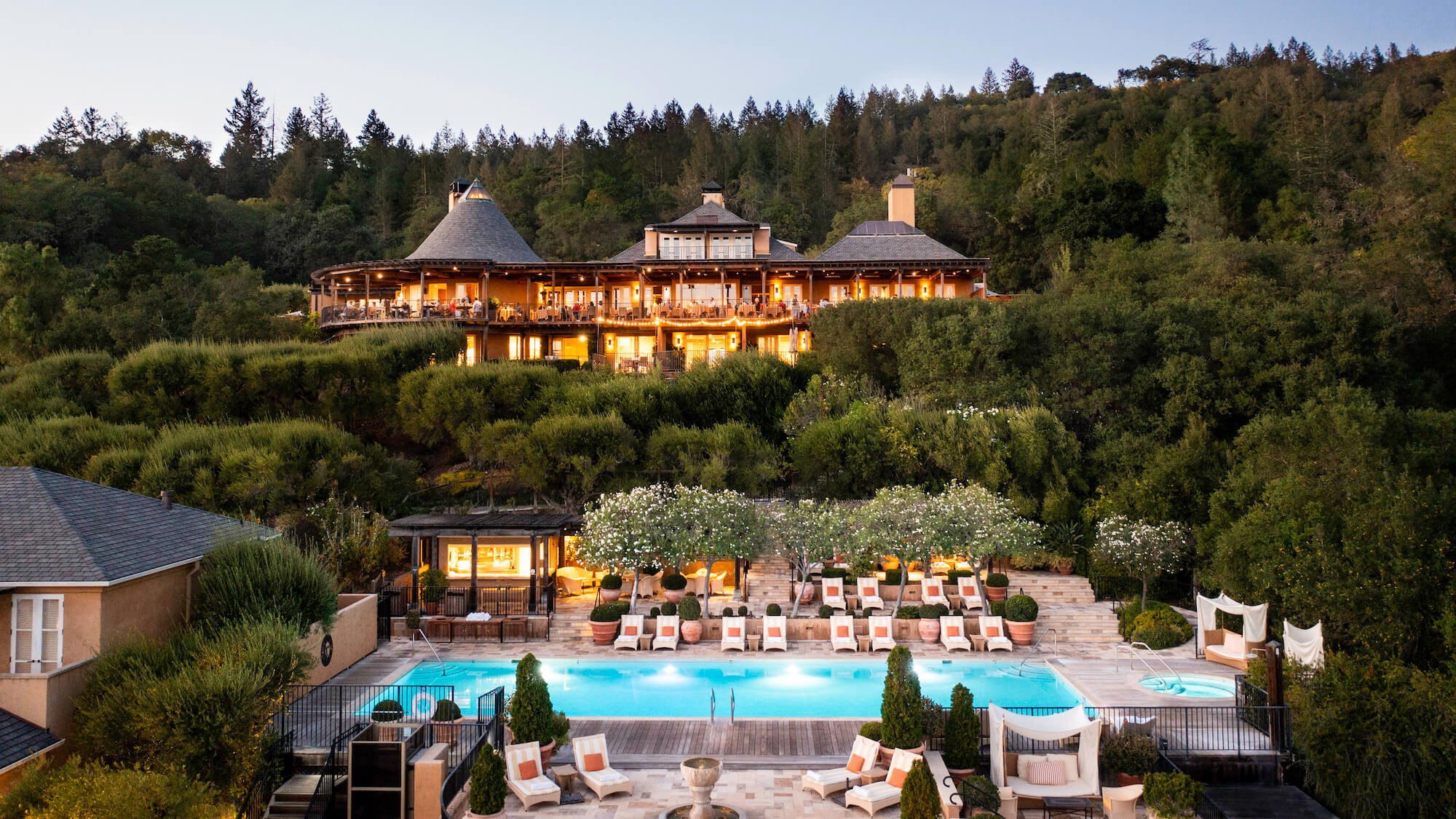
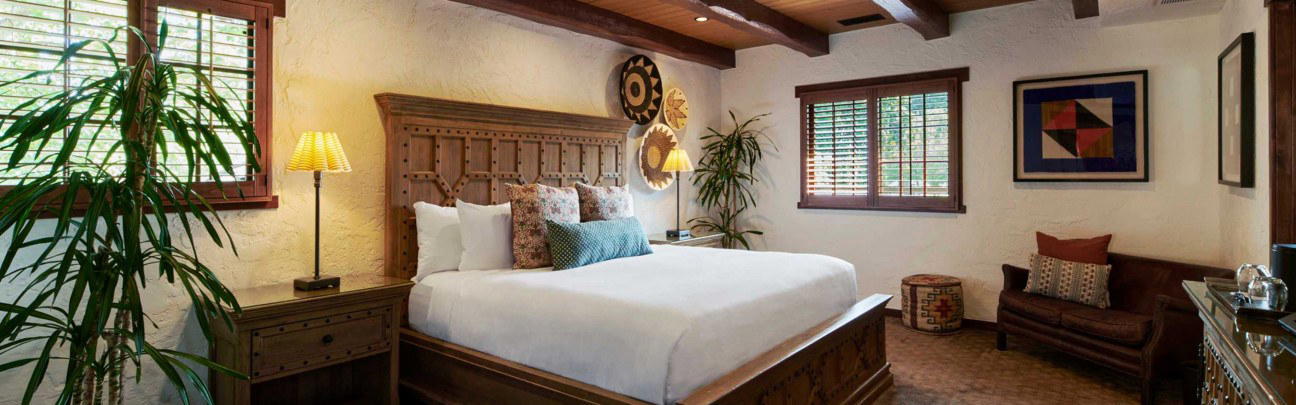
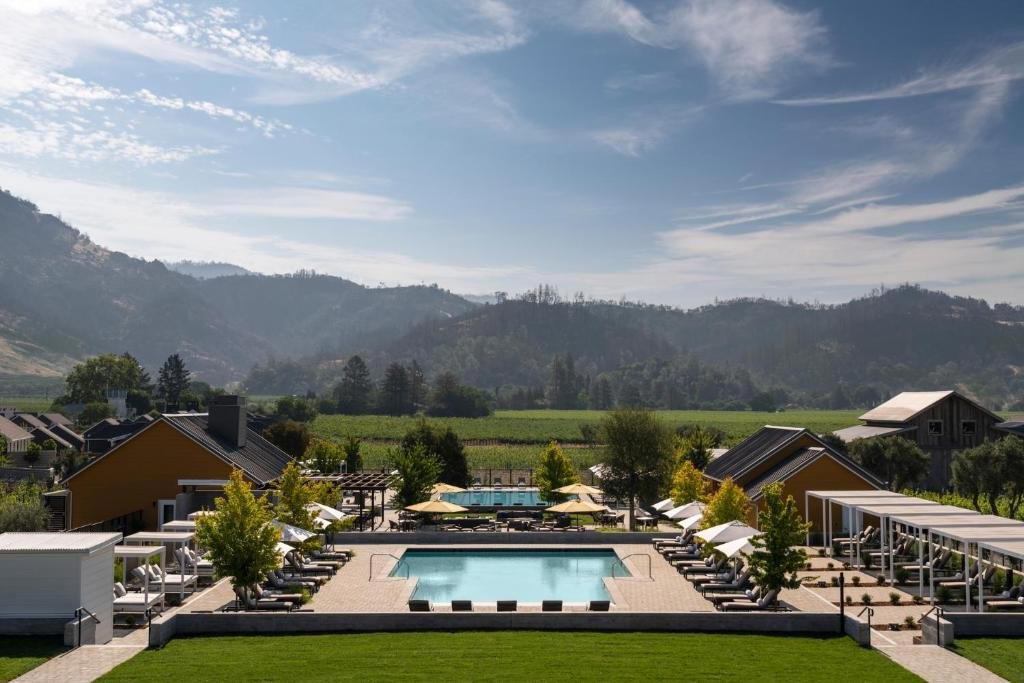
Warm and welcoming with elegant indoor and outdoor settings overlooking rolling vineyards; sophisticated yet approachable atmosphere designed for intimate tastings.