Redwood Empire Distillery

Redwood Empire Distillery earned a Pearl 1 Star Prestige award in 2025, placing it among a select tier of California spirits producers recognised for craft and consistency. Located in the Graton area of Sonoma County, the distillery operates where Northern California's agricultural identity and spirit-making tradition intersect. For visitors focused on California's broader drinks culture, it represents a credible stop alongside the region's wine producers.
Pearl is the En Primeur Club membership app — saves, bookings, and concierge access live there. Same editors, same standards.
- Address
- 1095 Nimitz Ave, Vallejo, CA 94592
 Saves & bookings on Pearl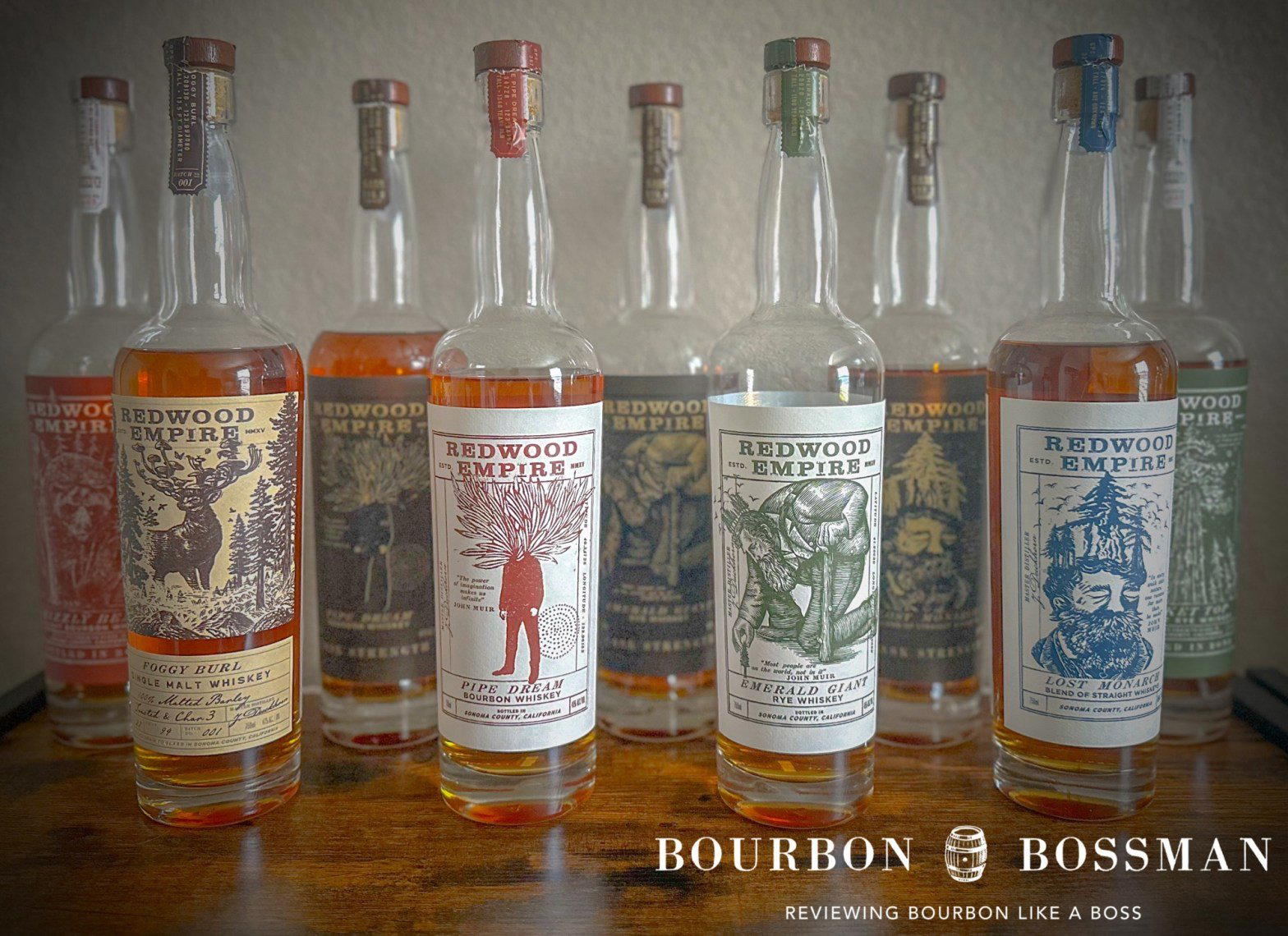
Where California's Spirit Tradition Takes a Different Turn
Sonoma County's drinks identity has long been written in wine. The county's appellations, from the fog-threaded valleys of the Petaluma Gap to the sun-warmed benchlands further north, have shaped a regional character that draws visitors from across the country. But running alongside that wine culture, a smaller and less-documented tradition of craft distilling has been building its own credentials. Redwood Empire Distillery received a Pearl 1 Star Prestige award in 2025.
The geography matters here. Redwood Empire Distillery is at 1095 Nimitz Ave, Vallejo, in Solano County, with Sonoma County references appearing elsewhere in the page. It is not the kind of address that announces itself on a wine map the way Rutherford or St. Helena do, but that lower profile has historically been part of what defines the area: small producers, agricultural seriousness, and a resistance to the more polished visitor infrastructure found further east.
The 2025 Pearl Recognition and What It Signals
Award recognition in craft spirits works differently from wine. The Pearl 1 Star Prestige designation, awarded to Redwood Empire Distillery in 2025, places it within a structured tier of acknowledged quality, which is a different kind of signal than simple popularity or Instagram reach. In a category where the gap between serious craft producers and volume operations is not always visible from the outside, a formal prestige award functions as shorthand for peer-reviewed quality.
California has a range of spirits producers at different scales and ambitions. At the upper end, producers like those operating in the North Coast region have drawn comparisons to the discipline found at wine estates, where agricultural sourcing, production method, and batch transparency all feed into a finished product with traceable character. The 2025 prestige recognition places Redwood Empire Distillery within that more serious cohort.
Terroir in Spirits: A Framework Worth Understanding
The concept of terroir, which in wine refers to the specific combination of soil, climate, and geography that shapes a finished product, has a contested but increasingly serious place in spirits production. For grain-based spirits, the argument centres on ingredient sourcing: whether the grain, water, and botanical inputs carry a sense of place, and whether production decisions preserve or erase that character. For producers in Northern California, the claim to terroir is at least geographically plausible, given the concentration of agricultural resources, distinct microclimates, and water sources that define the region.
Redwood Empire as a name points directly to the natural geography of California's North Coast, the belt of coastal redwood forest that runs through Humboldt, Mendocino, and Sonoma counties. That geographic identity, whether expressed through ingredient sourcing, barrel maturation conditions, or water character, is part of what separates producers with a regional anchoring from those that could operate from any industrial park in any state. The broader California craft spirits conversation has increasingly turned toward this kind of specificity, with producers at the serious end of the category making the case that place matters as much in a whiskey or gin as it does in a Pinot Noir.
For comparison, wine producers in Northern California have long built their identities around exactly this kind of specificity. Alexander Valley Vineyards in Geyserville and B.R. Cohn Winery in Glen Ellen both operate from estates where land character is central to the product's identity. Craft spirits producers in the same region are making an analogous argument, and the more credentialed among them are earning the kind of recognition that makes the comparison plausible rather than aspirational.
Placing Redwood Empire in a Broader California Drinks Context
California's premium drinks scene has diversified substantially over the past decade. Wine remains the dominant category by visitor volume and critical attention, with Napa Valley producers like Accendo Cellars in St. Helena, Alpha Omega Winery in Rutherford, and Aubert Wines in Calistoga occupying the upper tiers of the critical hierarchy. Further south, producers like Adelaida Vineyards in Paso Robles, Alban Vineyards in Arroyo Grande, and Andrew Murray Vineyards in Los Olivos have built serious reputations in Rhône varietals. Artesa Vineyards and Winery in Napa and Au Bon Climat in Santa Barbara represent another layer of the state's wine complexity.
Craft spirits sit in a smaller, less-mapped corner of that picture. Visitors who approach California drinks culture through wine first will find that the distillery category rewards the same kind of production-focused curiosity. The questions are analogous: Where does the base ingredient come from? What does the maturation environment contribute? How does the producer's approach differ from commodity production? At the prestige award level, these questions have substantive answers.
For those tracing spirits traditions across international contexts, producers like Aberlour in Aberlour and Achaia Clauss in Patras represent the kind of long-established production heritage that California craft producers are building toward, operating from locations where place and product are inseparable.
Planning a Visit: What to Know Before You Go
The address for Redwood Empire Distillery is 1095 Nimitz Ave, Vallejo, CA 94592.
Western Sonoma County, where Graton sits, is a shorter drive from San Francisco than the Napa Valley corridor, typically under an hour and a half depending on Bay Area traffic patterns. The area rewards a slower pace, combining distillery and winery visits with the agricultural character of the Sebastopol and Forestville belt. Producers at the credentialed end of both categories tend to offer more substantive tasting experiences than larger commercial operations, so building in adequate time rather than treating this as a drive-by stop reflects the category's character.
Adjacent wine country for the same trip could include Adelsheim Vineyard in Newberg for Oregon Pinot context, or Babcock Winery in Lompoc for a California coastal comparison, depending on how broadly you want to range.
Comparison Snapshot
Comparable venues nearby, for context on price, style, and recognition.
| Venue | Cuisine | Price | Notes |
|---|---|---|---|
| Redwood Empire DistilleryThis venue — the venue you are viewing | Winery | , | |
| Bodega Goyenechea | Winery | , | San Rafael |
| Pope Valley Winery | Cabernet Sauvignon, Sauvignon Blanc | $$ | Pope Valley |
| Arista Winery | Pinot Noir | $$ | Healdsburg |
| Kenwood Vineyards | Cabernet Sauvignon, Zinfandel | $$ | Kenwood |
| Gustafson Family Vineyards | Winery | , | Cloverdale |
Continue exploring