Bodega Goyenechea
The winery operates in a region where continental climate extremes and elevation shape vine character in ways distinct from California's coastal appellations. For visitors planning a wine-focused itinerary in San Rafael, Goyenechea warrants serious attention alongside the area's other prestige-tier estates.
Pearl is the En Primeur Club membership app — saves, bookings, and concierge access live there. Same editors, same standards.
- Address
- San Rafael, United States
- Directions
- Get directions
 Saves & bookings on Pearl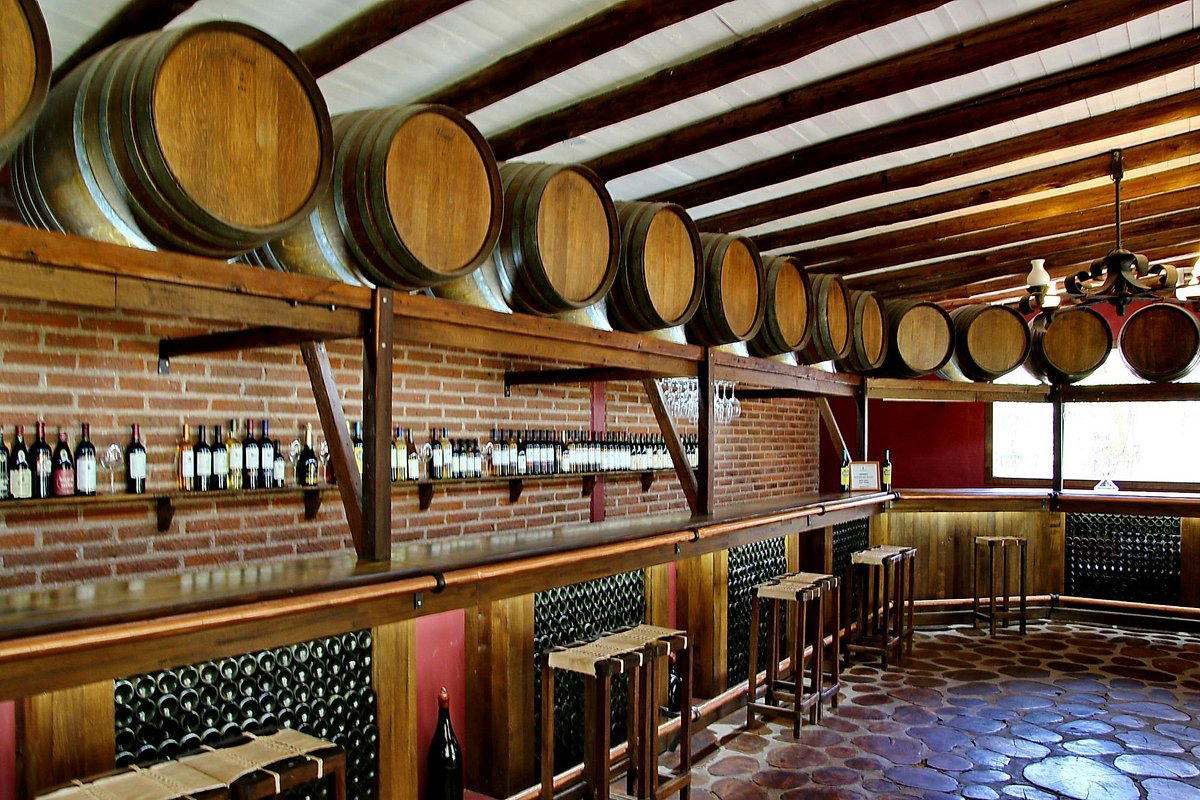
San Rafael's Continental Edge and What It Means for the Glass
California wine is most legibly mapped through its coastal appellations, Napa, Sonoma, Santa Barbara, where marine influence moderates growing seasons and frames the dominant conversation. San Rafael operates in a different register. Sitting further inland, the region absorbs more pronounced diurnal temperature swings, where afternoon heat gives way to sharp nocturnal cooling, a rhythm that tends to produce fruit with firmer structural integrity and more concentrated phenolic development than grapes grown closer to the Pacific. It is the kind of climate that rewards producers who understand its cadence rather than fighting it toward a softer, more commercially approachable profile.
Bodega Goyenechea works within that context. Bodega Valentín Bianchi, Bodega Jean Rivier, and Bodega Suter. Within San Rafael's producing community, prestige-tier recognition of this kind signals a producer operating with intention at the quality frontier rather than volume output.
Terroir as Argument: How Inland California Speaks Differently
The terroir argument in California has historically been fought on coastal ground. The marine-influenced appellations set the commercial and critical reference points, and producers from interior regions have often been read against that coastal template rather than on their own terms. That framing is worth resisting when approaching San Rafael's serious producers. The region's soil profiles, its elevation relative to sea level, and its more extreme seasonal temperature arc are not compensatory factors, they are the actual conditions under which the wines develop their character.
Inland California producers who work with this climate honestly tend to produce wines where structure and tension come from environment rather than intervention. The challenge, and where prestige-level producers distinguish themselves, is in calibrating extraction and winemaking decisions to the raw material the land delivers each vintage rather than pushing toward a house style that overrides what the season offers.
For a useful comparison of how terroir expression operates differently across California's inland and coastal producers, the range of approaches visible at Accendo Cellars in St. Helena, Alpha Omega Winery in Rutherford, and Artesa Vineyards and Winery in Napa illustrates how differently California's climatic bands shape vinification decisions.
Placing Goyenechea in the California Prestige Tier
California's wine recognition system has broadened in recent years beyond Michelin's restaurant focus to encompass dedicated wine-specific credentials.
Across California, producers earning similar recognition in less-profiled regions tend to sit in one of two categories: those who have consciously chosen regional specificity over appellation prestige, and those who have grown up within a tradition and refined it rather than importing a methodology from elsewhere. San Rafael's producing community has roots that stretch back well into the twentieth century, and several of its established estates have operated long enough to accumulate vintage depth.
The broader California inland wine scene is worth tracking in parallel. Properties like Adelaida Vineyards in Paso Robles, Andrew Murray Vineyards in Los Olivos, and Alban Vineyards in Arroyo Grande each represent how inland California sites develop their own logic independent of coastal benchmarks. Goyenechea's position in San Rafael connects to that broader inland California narrative even if it sits geographically apart from the Central Coast corridor.
Visiting San Rafael's Wine Country: What to Plan For
San Rafael functions as a compact wine destination where serious producers operate at a smaller scale than Napa's most-visited estates. For visitors approaching from California's central corridors, the town and its surrounding wineries are accessible without the traffic pressure that burdens weekend visits to Napa or the Highway 46 stretch in Paso Robles. That relative quietness is itself a feature for visitors who want substantive tasting conversations rather than production-line pours.
San Rafael's tasting experiences tend to sit in a more personal register than the high-capacity visitor centers of the larger appellations, and prestige-tier producers in the region typically operate with appointment preferences rather than open walk-in models. Contacting ahead allows you to arrange the kind of focused engagement the wines deserve.
Other producers worth scheduling alongside a Goyenechea visit include Bodega Valentín Bianchi and Bodega Jean Rivier, both of which operate in the same regional tradition. A single day across two or three San Rafael estates gives a cleaner picture of what the region's climate consistently produces than any single winery experience can offer in isolation.
How San Rafael's Recognition Compares to Other California Wine Regions
At prestige-level operations across the state, from Adelsheim Vineyard in Newberg through Au Bon Climat in Santa Barbara and Alexander Valley Vineyards in Geyserville, recognition correlates with consistent vineyard sourcing, technical winemaking discipline, and the kind of vintage-to-vintage continuity that critics and award systems reward over time. International wine recognition contexts, visible at producers like Aberlour and Achaia Clauss in Patras, operate under different frameworks, but the underlying logic of prestige recognition, consistency, identity, and terroir honesty, translates across systems.
For San Rafael, prestige recognition at the individual producer level matters disproportionately. A Pearl 1 Star for Goyenechea, read alongside comparable recognition at other regional estates, begins to constitute a case for San Rafael as a wine destination worth routing a California trip around rather than treating as an afterthought. That argument is still being built, which is precisely why paying attention to the region's recognized producers now, before the destination becomes crowded, carries forward-looking value.
How It Stacks Up
Comparable venues nearby, for context on price, style, and recognition.
| Venue | Cuisine | Price | Notes |
|---|---|---|---|
| Bodega GoyenecheaThis venue — the venue you are viewing | Winery | Not listed | Not listed |
| Bodega Suter | Winery | Not listed | San Rafael |
| Bodega Jean Rivier | Winery | Not listed | San Rafael |
| Bodega Valentín Bianchi | Winery | Not listed | San Rafael |
| Consilience Wines | Syrah, Grenache | $$ | Solvang |
| Zotovich Vineyards | Chardonnay, Viognier | $$ | Sta. Rita Hills |
Continue exploring
More in San Rafael
Wineries in San Rafael
Browse all →
Restaurants in San Rafael
Browse all →
At a Glance
- Classic
- Historic
- Rustic
- Wine Education
- Group Outing
- Solo Exploration
- Special Occasion
- Historic Building
- Barrel Room
- Estate Grounds
- Vineyard Tour
- Vineyard
- Mendoza
- Malbec
- Chardonnay
- Red Blends
- White Wines
- Still Red
- Still White
- Guided Tasting
- Cellar Tour
Historic and traditional, with preserved brickwork architecture and arch-tunneled wine cellars that create a classic cellar atmosphere.