Moosewood

Moosewood at 215 N Cayuga Street is one of Ithaca's most culturally significant dining addresses, a vegetarian institution whose influence on American plant-based cooking extends well beyond upstate New York. The restaurant operates within a cooperative model that has shaped its menu and service culture for decades, making it a reference point in conversations about collaborative, values-driven hospitality.
Pearl is the En Primeur Club membership app — saves, bookings, and concierge access live there. Same editors, same standards.
- Address
- 215 N Cayuga St, Ithaca, NY 14850
- Phone
- +1 607 273 9610
- Website
- moosewoodrestaurant.com
- Directions
- Get directions
 Saves & bookings on Pearl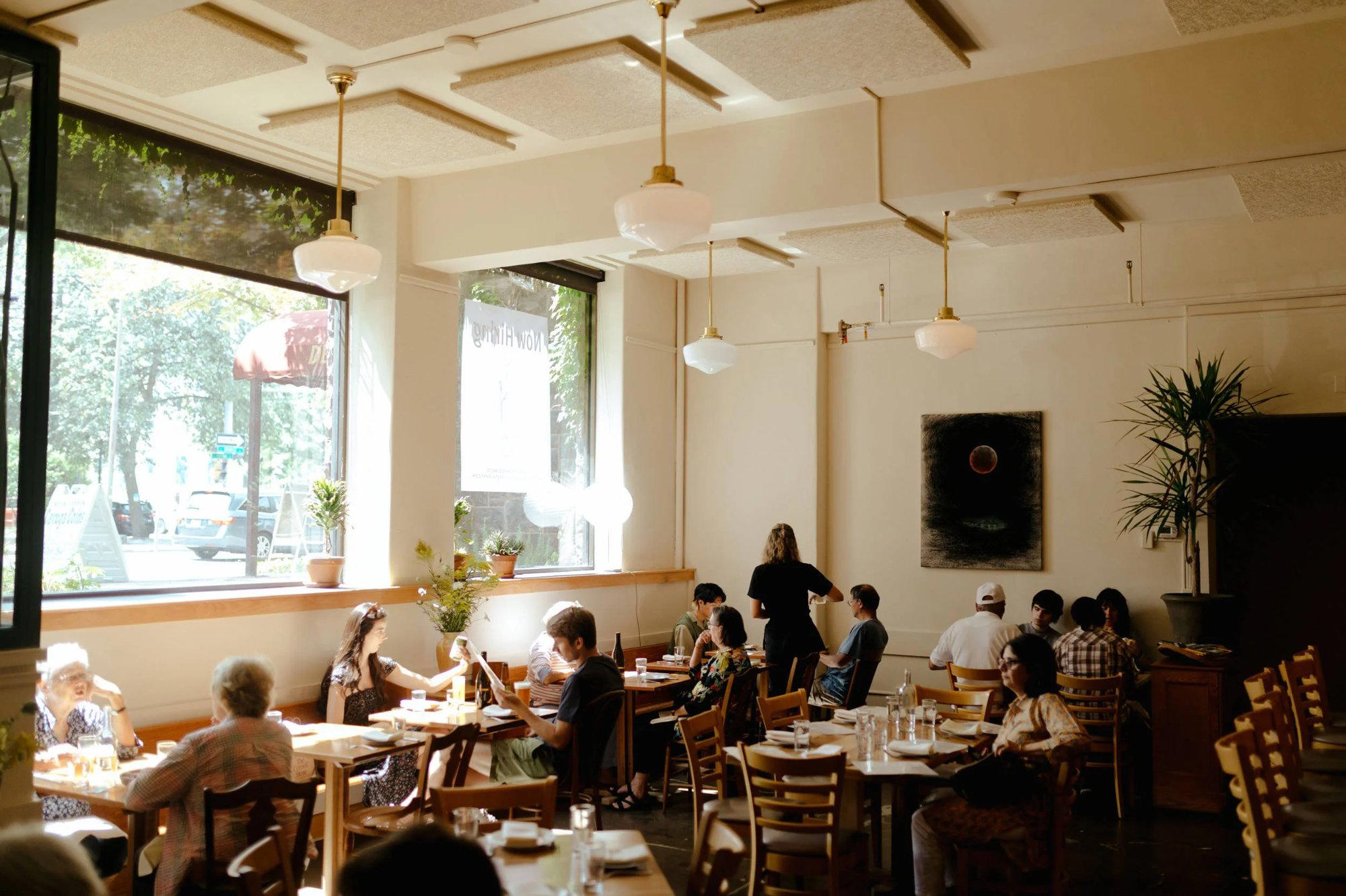
A Vegetarian Institution in a College Town That Earned National Reach
Ithaca's dining identity sits at an interesting crossroads: a university city with genuine food-literate locals, a surrounding agricultural region that keeps produce quality high, and a civic culture that has historically supported independent operators over chains. Within that context, Moosewood at 215 N Cayuga Street occupies a category of its own. It is not simply a well-regarded local restaurant; it is one of the addresses that helped define what vegetarian cooking in the United States could look like before the term carried any particular cultural cachet. That position, earned over decades rather than announced, gives it a different kind of authority than the Michelin-acknowledged rooms you find at Le Bernardin in New York City or The French Laundry in Napa, but authority nonetheless.
The address on North Cayuga Street places Moosewood in downtown Ithaca, within walking distance of the Commons and the broader cluster of independent restaurants that define the city's dining character. Ithaca is not a dining destination in the way that cities anchored by tasting-menu temples are, but it has a denser-than-expected independent scene for its size. Places like Cafe Dewitt and Carriage House Cafe each occupy distinct niches; Moosewood sits above most of them in historical weight, if not necessarily in format ambition.
The Cooperative Model as a Service and Kitchen Philosophy
What distinguishes Moosewood structurally from most restaurants is its worker cooperative format. In American hospitality, the dominant models are either proprietor-led or investor-backed; the cooperative, where ownership and decision-making sit with the staff collectively, remains rare at any scale. That structure has direct consequences for how the kitchen and front-of-house operate together. Rather than a hierarchical brigade anchored around a named chef whose personal vision filters down through line cooks and servers, the Moosewood model distributes creative input across its membership. The editorial angle here is not that this produces better or worse food than conventional structures, but that it produces a different kind of service culture: one where the person bringing plates to your table may have also shaped the menu, where institutional knowledge is genuinely collective, and where the relationship between kitchen and floor is less divided than in most professional dining rooms.
This stands in contrast to the collaboration models you see at high-tasting-menu addresses. At places like Smyth in Chicago or Atomix in New York City, the team dynamic is also central to the experience, but it operates within a clear authorial hierarchy. The sommelier, the chef, the front-of-house lead each hold defined creative domains that interlock. At Moosewood, the boundaries are more fluid by design, and the result is a consistency that comes from shared ownership rather than from top-down quality control.
Plant-Based Cooking Before It Was a Market Category
Vegetarian restaurants in the 1970s occupied a marginal, often earnest position in American dining. The assumption was that removing meat meant working within constraints, producing food defined by what it lacked. Moosewood helped shift that framing: its cookbooks, published from the early 1970s onward, reached audiences far outside Ithaca and made the case that vegetable-forward cooking was generative rather than restrictive. That influence is now well-documented in American food writing, placing Moosewood in a lineage that connects to the farm-to-table movement that later produced addresses like Blue Hill at Stone Barns in Tarrytown and Single Thread Farm in Healdsburg, even if the formats and price points differ substantially.
Within Ithaca itself, that plant-forward orientation aligns with the surrounding Finger Lakes agricultural region, where seasonal produce availability is genuinely strong from late spring through autumn. Other local operators, including BoL and Asian Noodle House, draw on different culinary traditions but operate within the same food-literate local customer base. Moosewood predates most of them and helped establish the expectation that a restaurant in Ithaca could have a point of view that extended beyond feeding Cornell students between classes.
Where Moosewood Sits in the Broader American Scene
It is worth being precise about what Moosewood is and is not. It is not a fine-dining address competing with the tasting-menu tier represented by Providence in Los Angeles or Addison in San Diego. It is not a destination restaurant in the sense that people book flights to Ithaca specifically to eat there. What it is, and what gives it a claim on serious attention, is a decades-long proof of concept for a dining model that most of the industry dismissed and that has since become a serious area of interest: collectively run, vegetable-forward, rooted in a specific community without being parochial about its influences.
The cookbook output is the clearest evidence of reach. Multiple Moosewood titles have sold in the hundreds of thousands of copies, a figure that puts the restaurant's influence in a different category from most local institutions. That wider cultural footprint is what separates Moosewood from, say, a well-executed neighborhood vegetarian spot and makes it a legitimate reference point in any serious survey of American restaurant history. Compare that trajectory to the farm-anchored ambition at Emeril's in New Orleans or the precision-led programs at Lazy Bear in San Francisco, and the contrast in format and philosophy is instructive: Moosewood achieved national recognition through accessibility and replication rather than through scarcity and exclusivity.
For visitors approaching Ithaca with interest in the full range of what the city offers, Franco's Pizzeria and other casual operators fill different slots in the dining week. Moosewood is its own category. For anyone with an interest in American food history, plant-based cooking traditions, or cooperative business models in hospitality, it remains a relevant address even decades after its founding period. For international context on how chef-driven philosophy and local sourcing intersect at the fine-dining tier, Atelier Moessmer Norbert Niederkofler in Brunico offers a useful comparison point, though the formats and price expectations are entirely different. And for those curious how collaborative service culture operates at the highest tasting-menu level, The Inn at Little Washington in Washington represents one version of how team dynamics can become a signature in themselves.
Planning Your Visit
Moosewood operates at 215 N Cayuga Street in downtown Ithaca, accessible on foot from most of the city's central accommodation.
Cost and Credentials
Comparable venues nearby, for context on price, style, and recognition.
| Venue | Cuisine | Price | Notes |
|---|---|---|---|
| MoosewoodThis venue — the venue you are viewing | Not listed | $$ | Not listed |
| Monks on the Commons | Not listed | $$ | Downtown Ithaca, Modern American Comfort Food |
| Asian Noodle House | Not listed | $$ | Ithaca College, Thai-leaning Asian Noodle House |
| Ithaca Beer Co | Ithaca, American Brew Pub | $$ | Not listed |
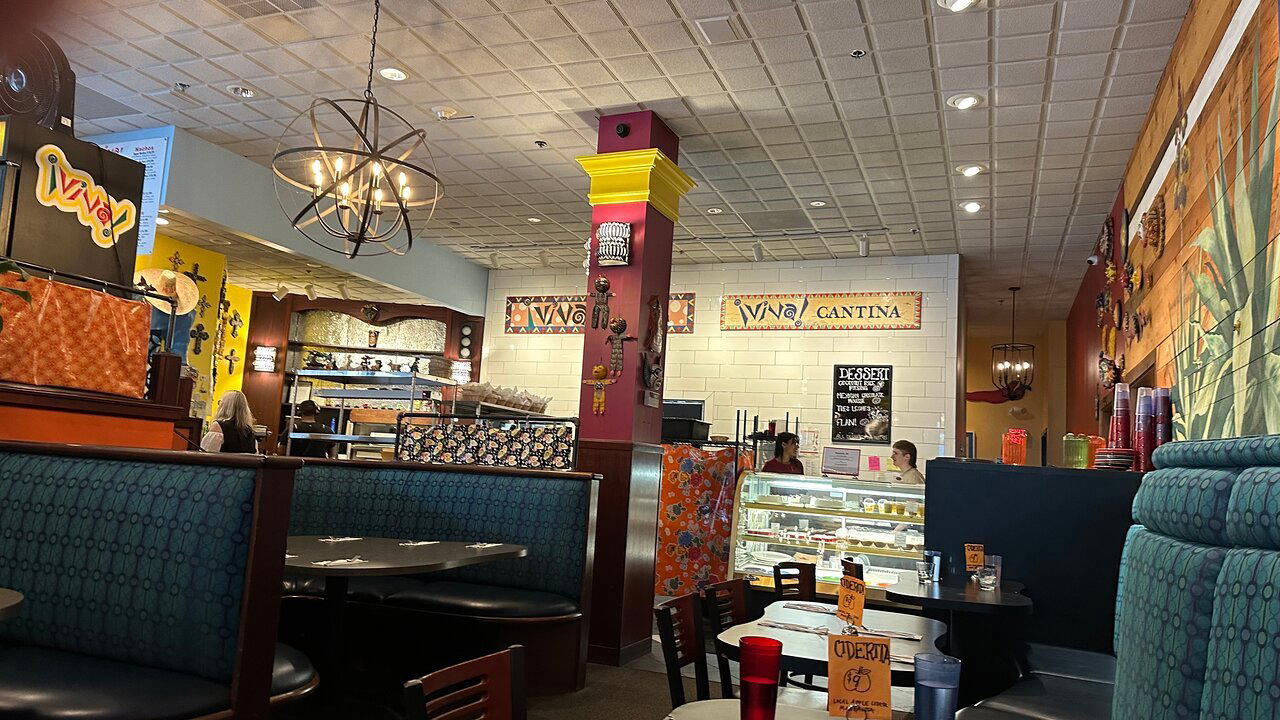
| Viva Taqueria & Cantina | Not listed | $$ | Downtown Ithaca Commons, California-Style Mexican Taqueria |
| Carriage House Cafe | Collegetown, Farm-to-Table American Cafe | $$ | Not listed |
Recognition history
Dated appearances from independent guides and award organizations, with the underlying list record or original source where available.
James Beard Award America's Classics
James Beard Award
Continue exploring
More in Ithaca
Restaurants in Ithaca
Browse all →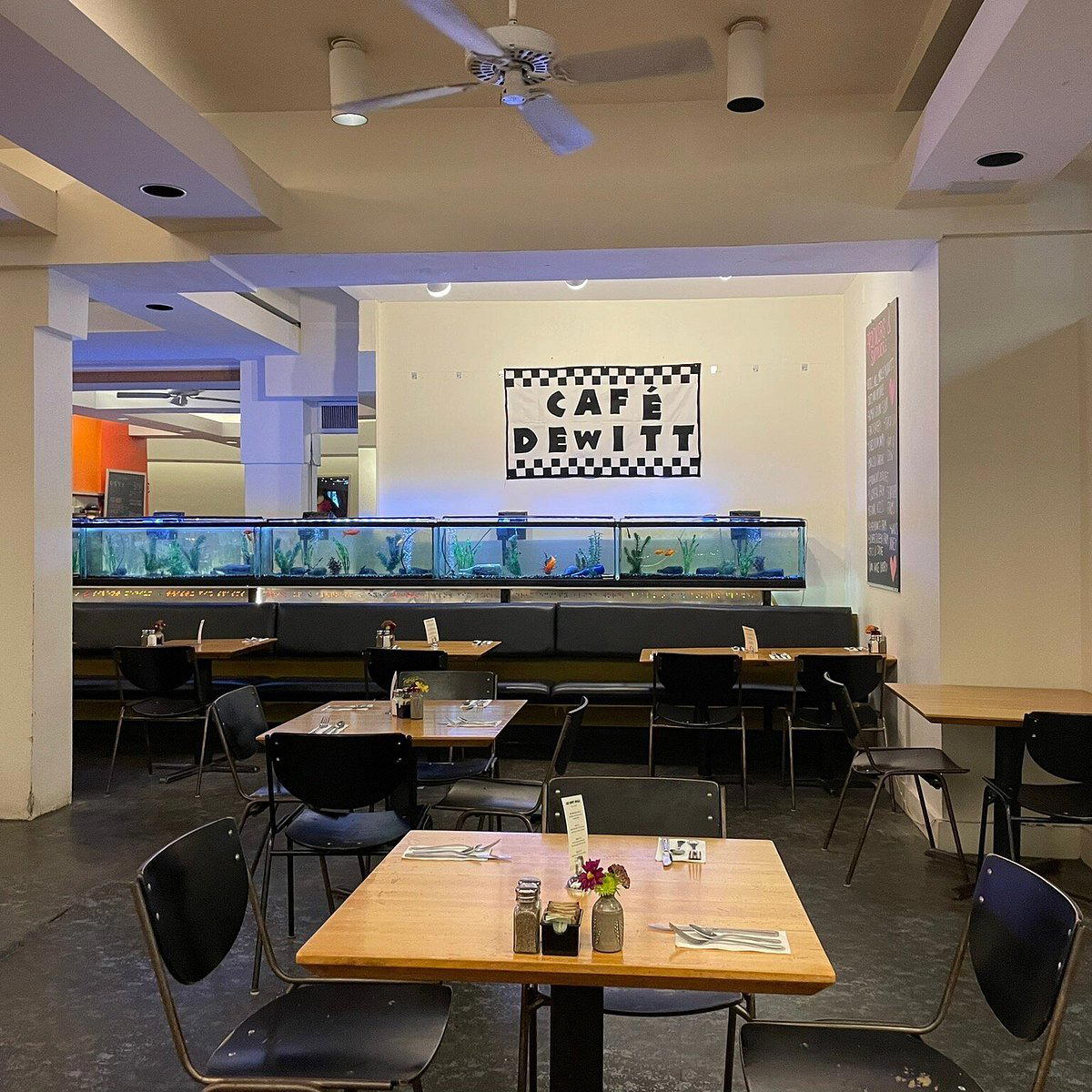
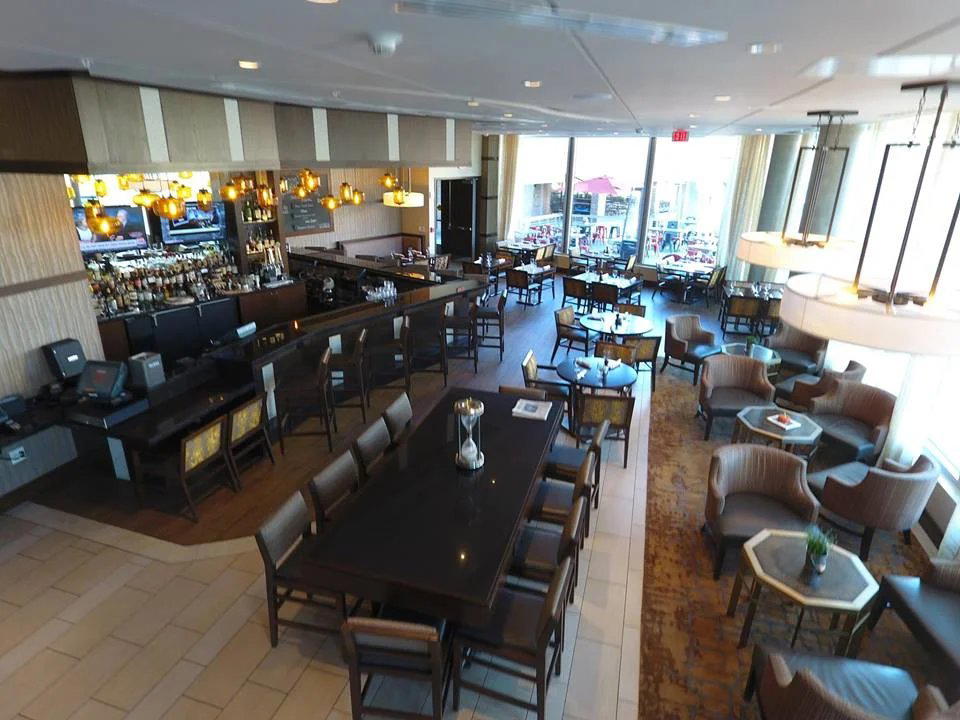
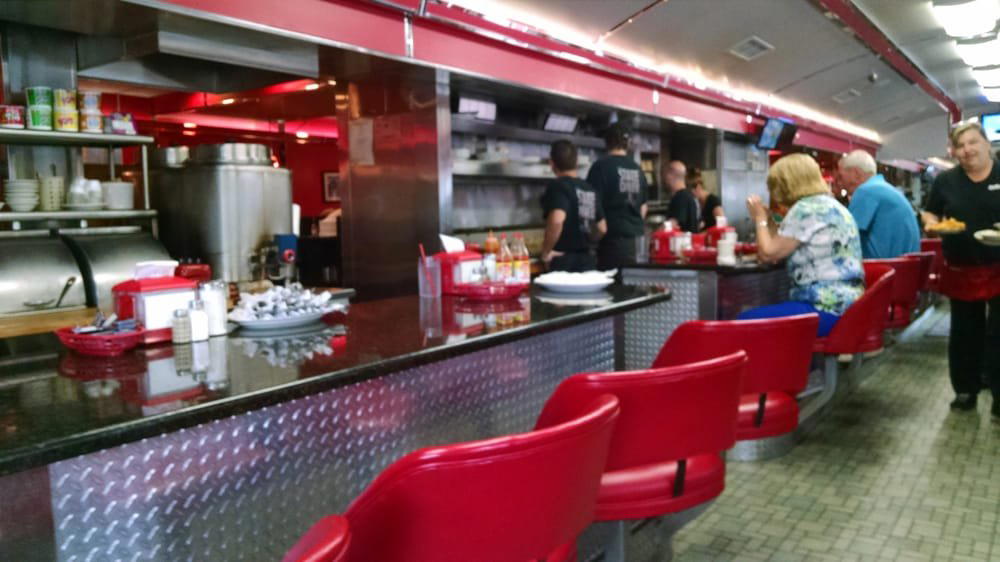
Bars in Ithaca
Browse all →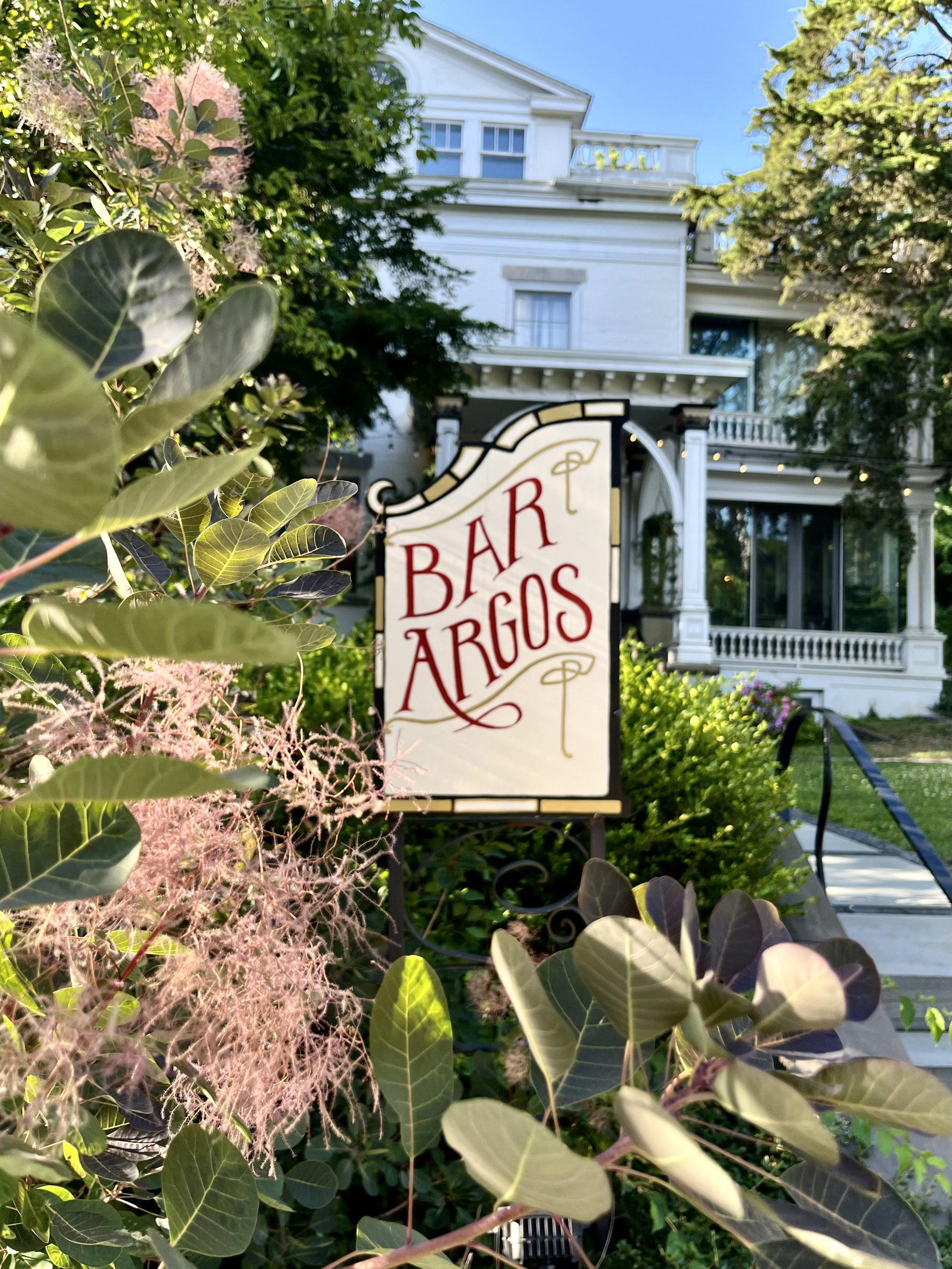
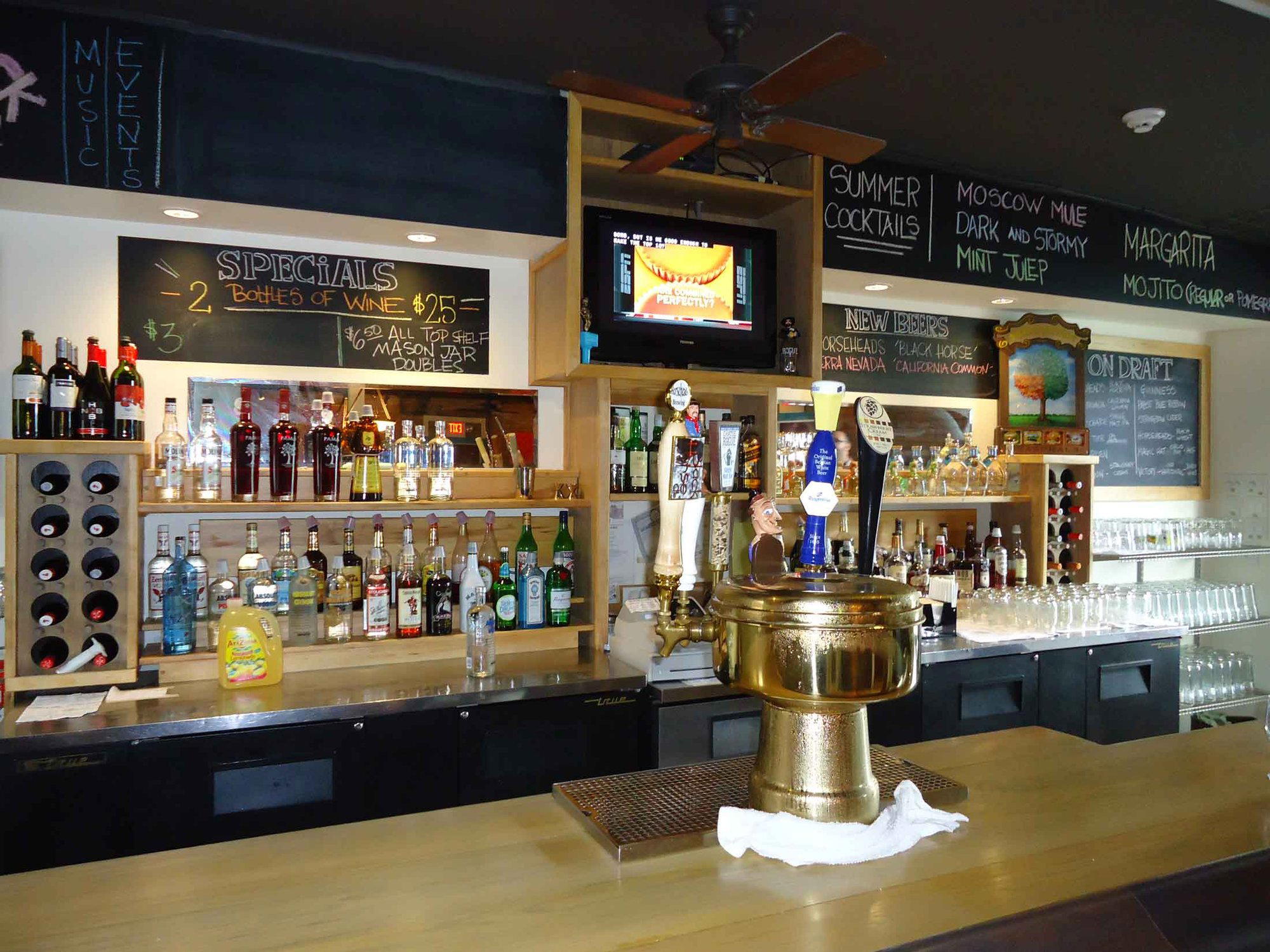
Hotels in Ithaca
Browse all →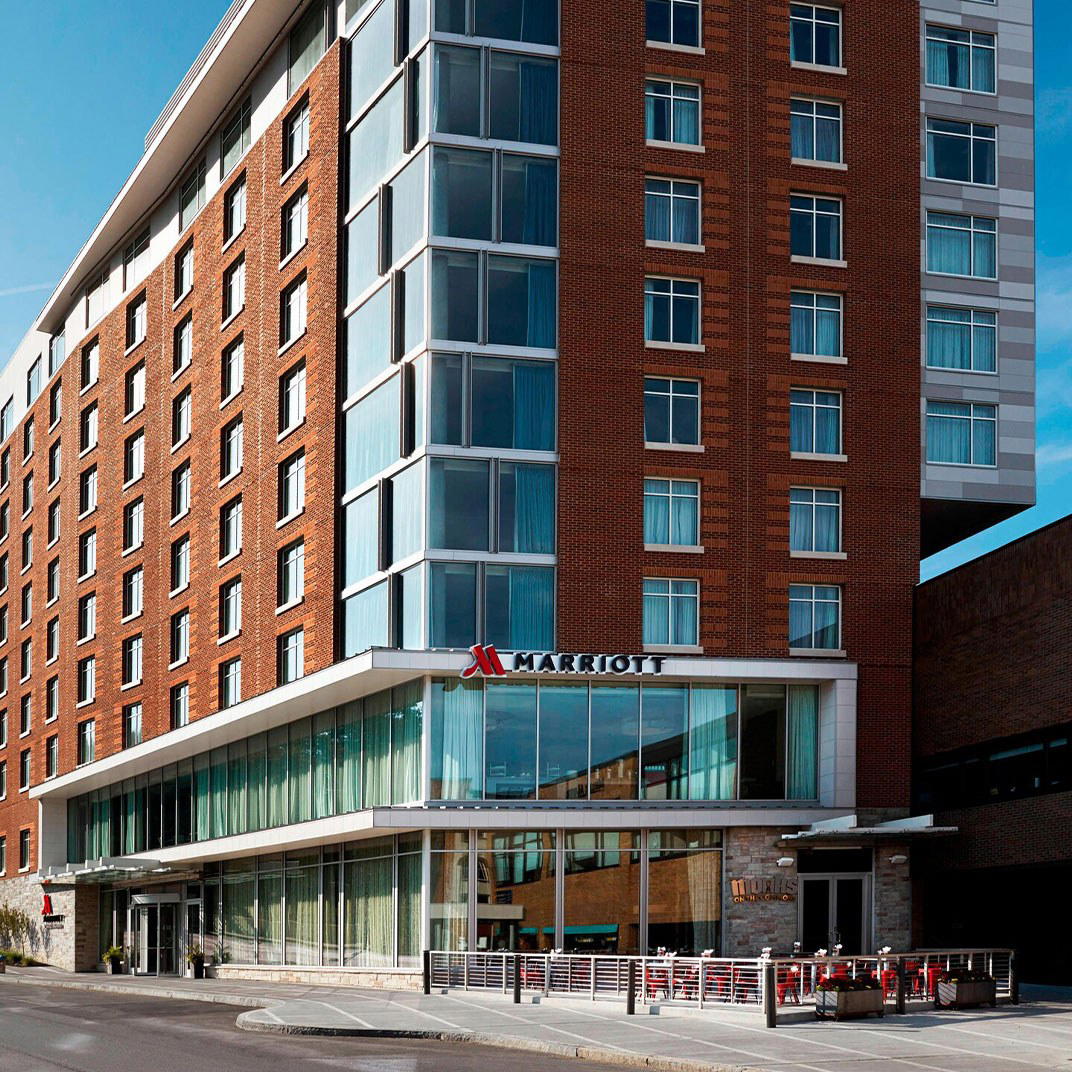
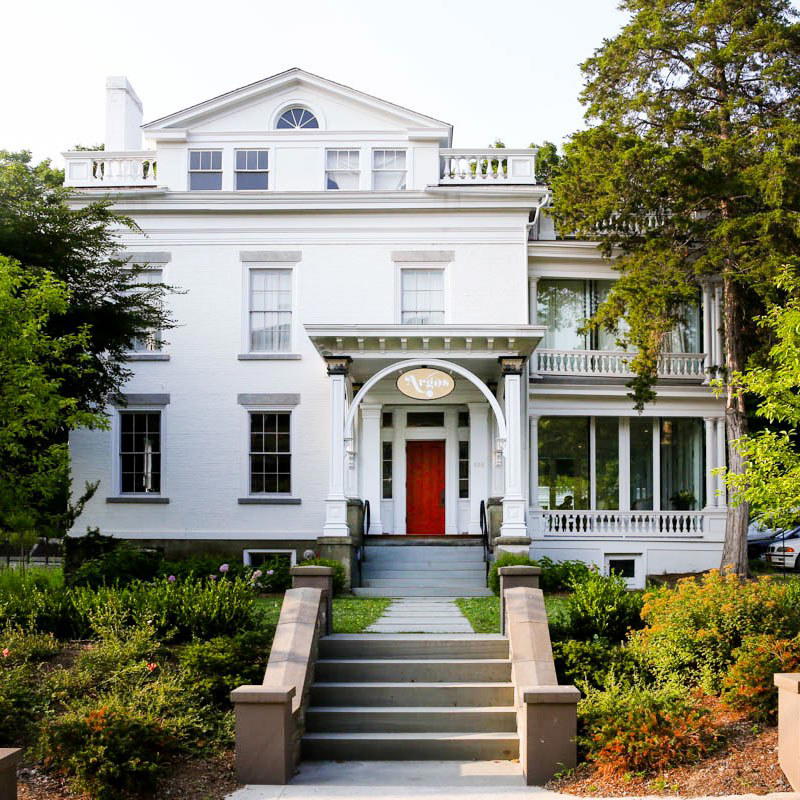






At a Glance
- Cozy
- Well Known
- Bohemian
- Classic
- Date Night
- Family
- Celebration
- Casual Hangout
- Group Dining
- Standalone
- Craft Cocktails
- Zero Proof
- Beer Program
- Farm To Table
- Local Sourcing
- Organic
Current opening hours
- Monday
- 11:30 AM–3 PM, 5–9 PM
- Tuesday
- Closed
- Wednesday
- 11:30 AM–3 PM, 5–9 PM
- Thursday
- 11:30 AM–3 PM, 5–9 PM
- Friday
- 11:30 AM–3 PM, 5–9 PM
- Saturday
- 10:30 AM–2:30 PM, 5–9 PM
- Sunday
- 10:30 AM–2:30 PM, 5–9 PM
Hours can change for holidays and private events. Last verified .
Warm and inviting with polished wood, pottery and art on the walls; cozy in winter with outdoor seating available in summer; maintains an authentic Ithaca vibe.