Poggio Antico

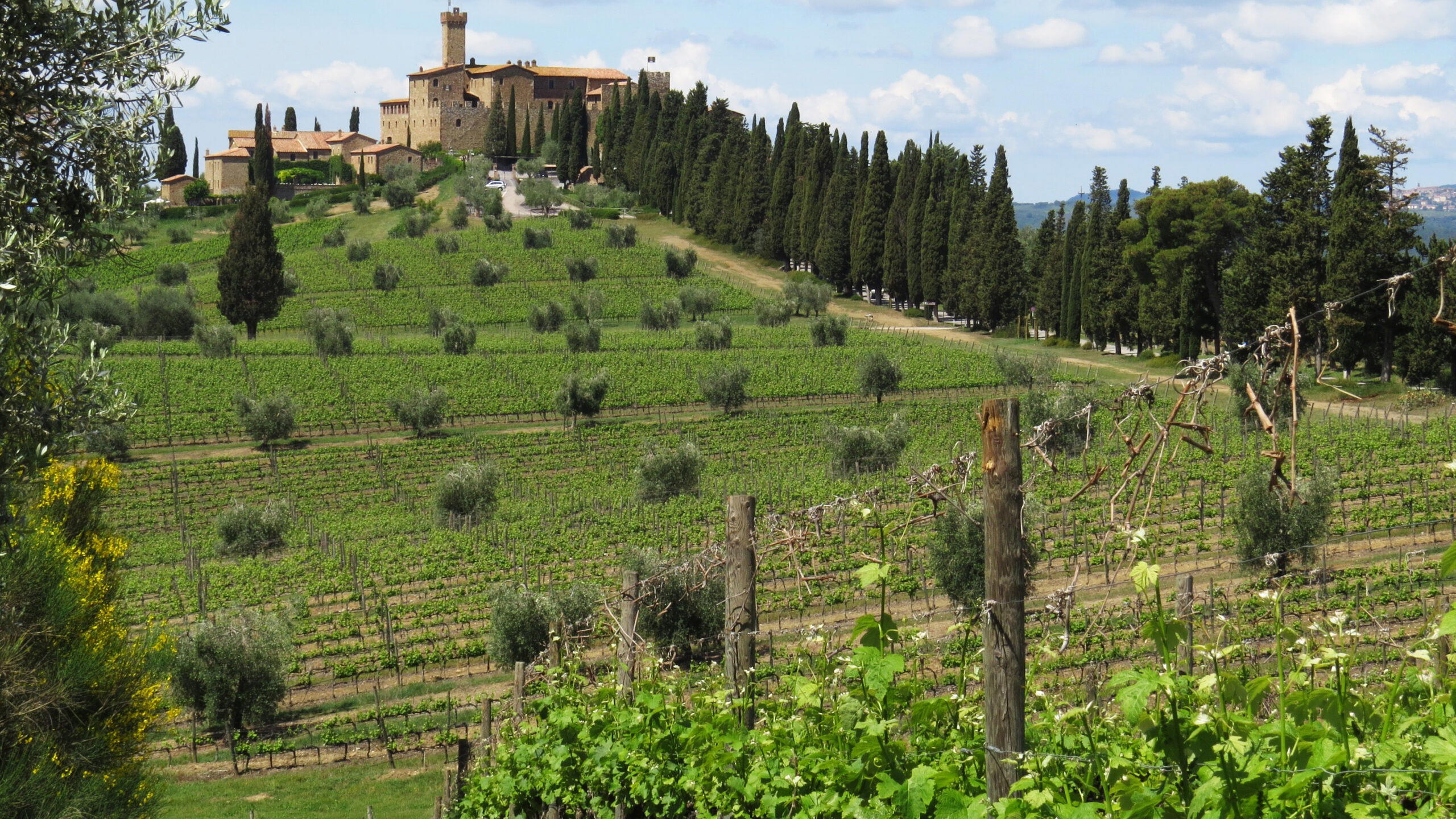
Poggio Antico frames Brunello through altitude: vineyards above 550 meters, Tyrrhenian airflow, and a hilltop approach south of Montalcino. The experience suits travelers who want a quiet, terroir-led tasting rather than a casual cellar stop, with seated guided formats, estate tours, and a portfolio centered on Brunello di Montalcino DOCG.
Pearl is the En Primeur Club membership app — saves, bookings, and concierge access live there. Same editors, same standards.
- Address
- Montalcino, Tuscany, Italien
- Directions
- Get directions
 Saves & bookings on Pearl
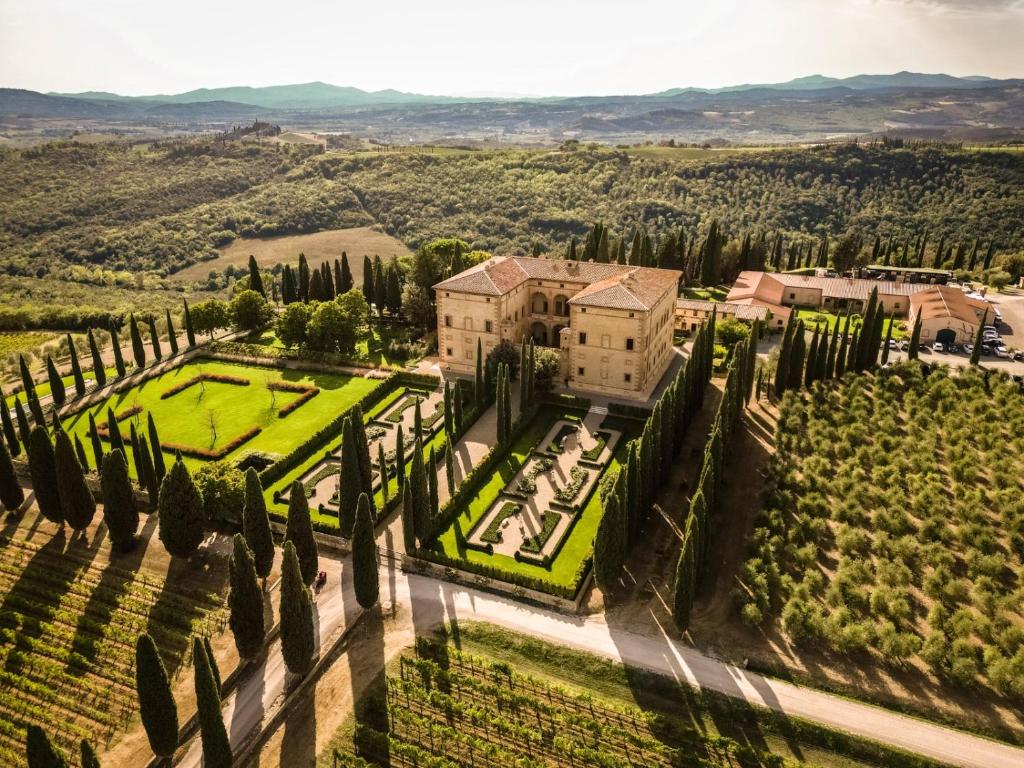
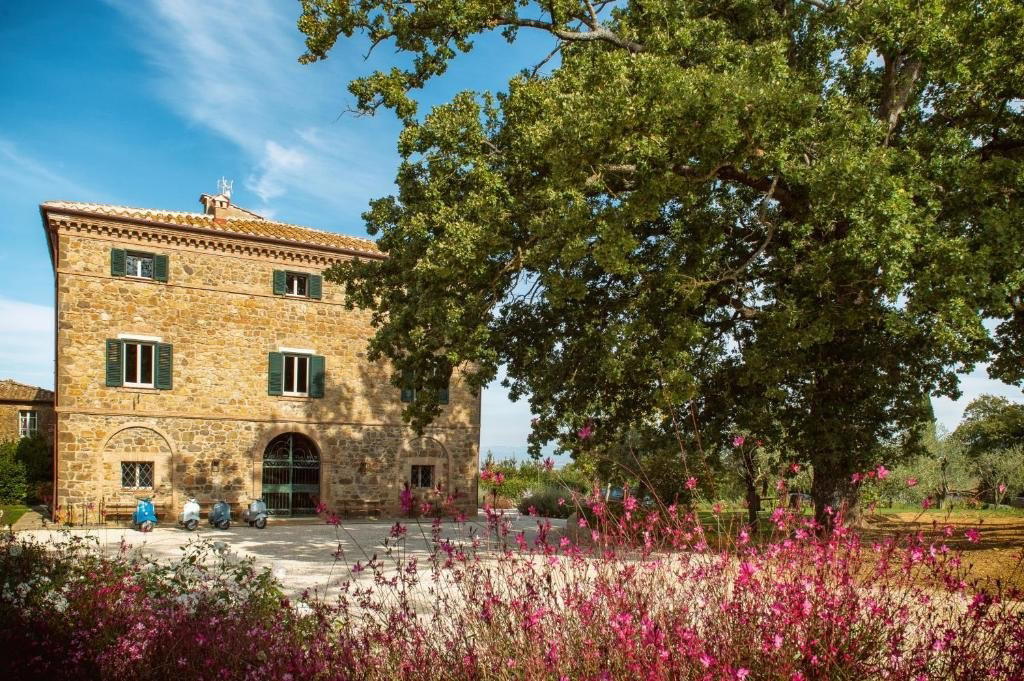
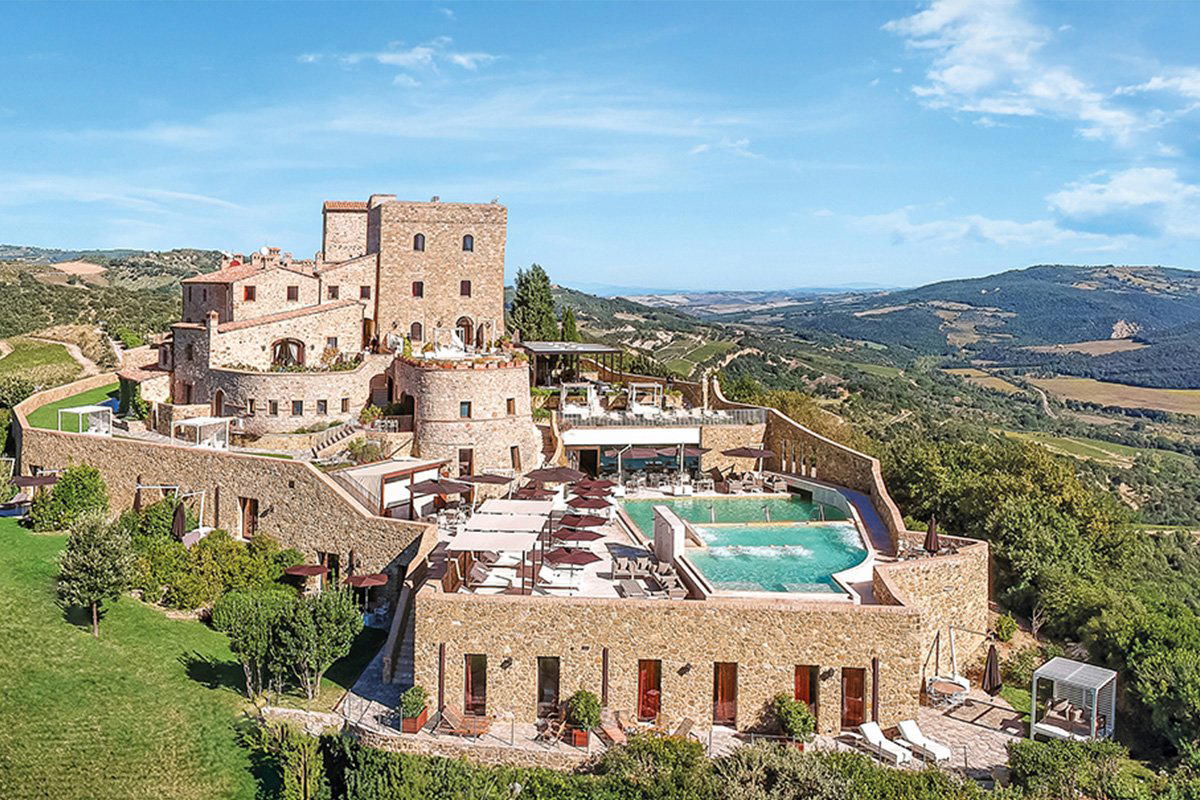
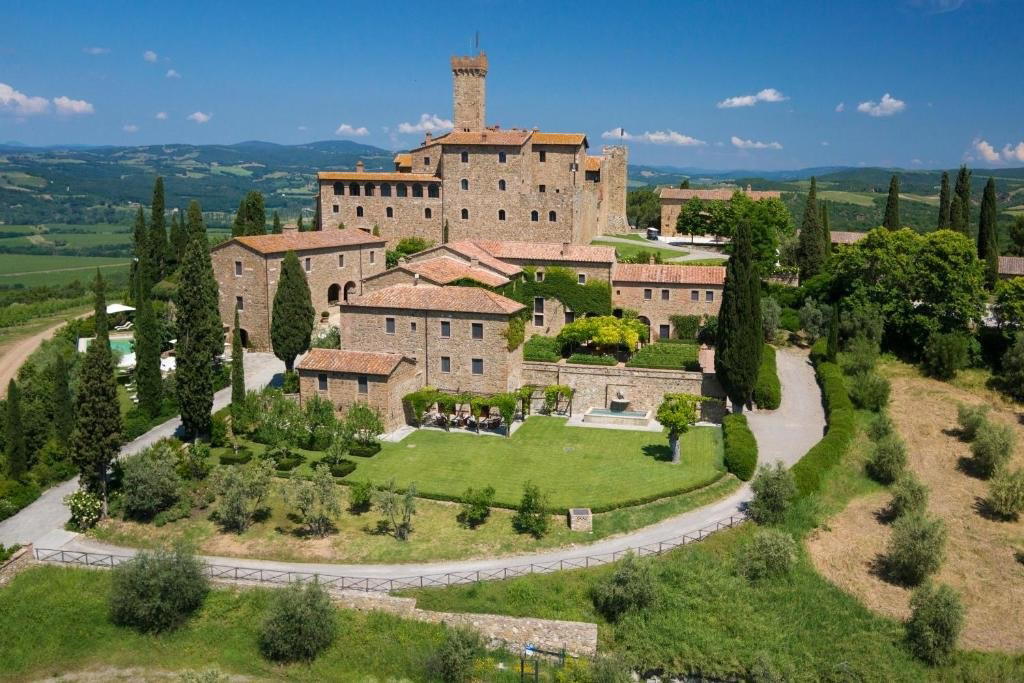
The road up to Poggio Antico matters before a glass is poured. Cypress trees mark the climb, the village of Montalcino drops behind, and the estate’s high position turns Brunello from an appellation label into a physical argument: elevation, exposure, air movement, and patience. In a region where Sangiovese can speak in many registers, this is a property that makes altitude the first chapter.
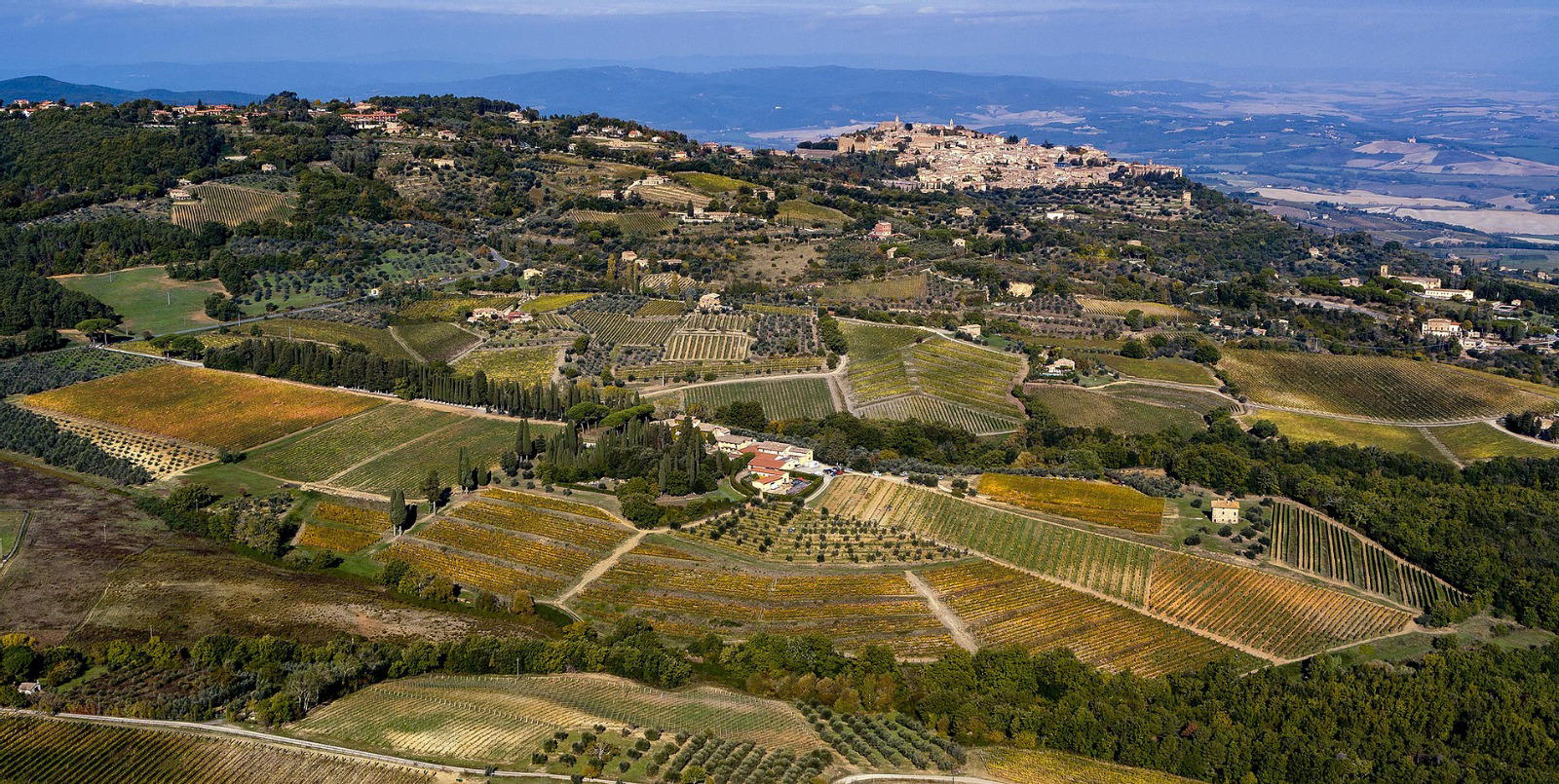
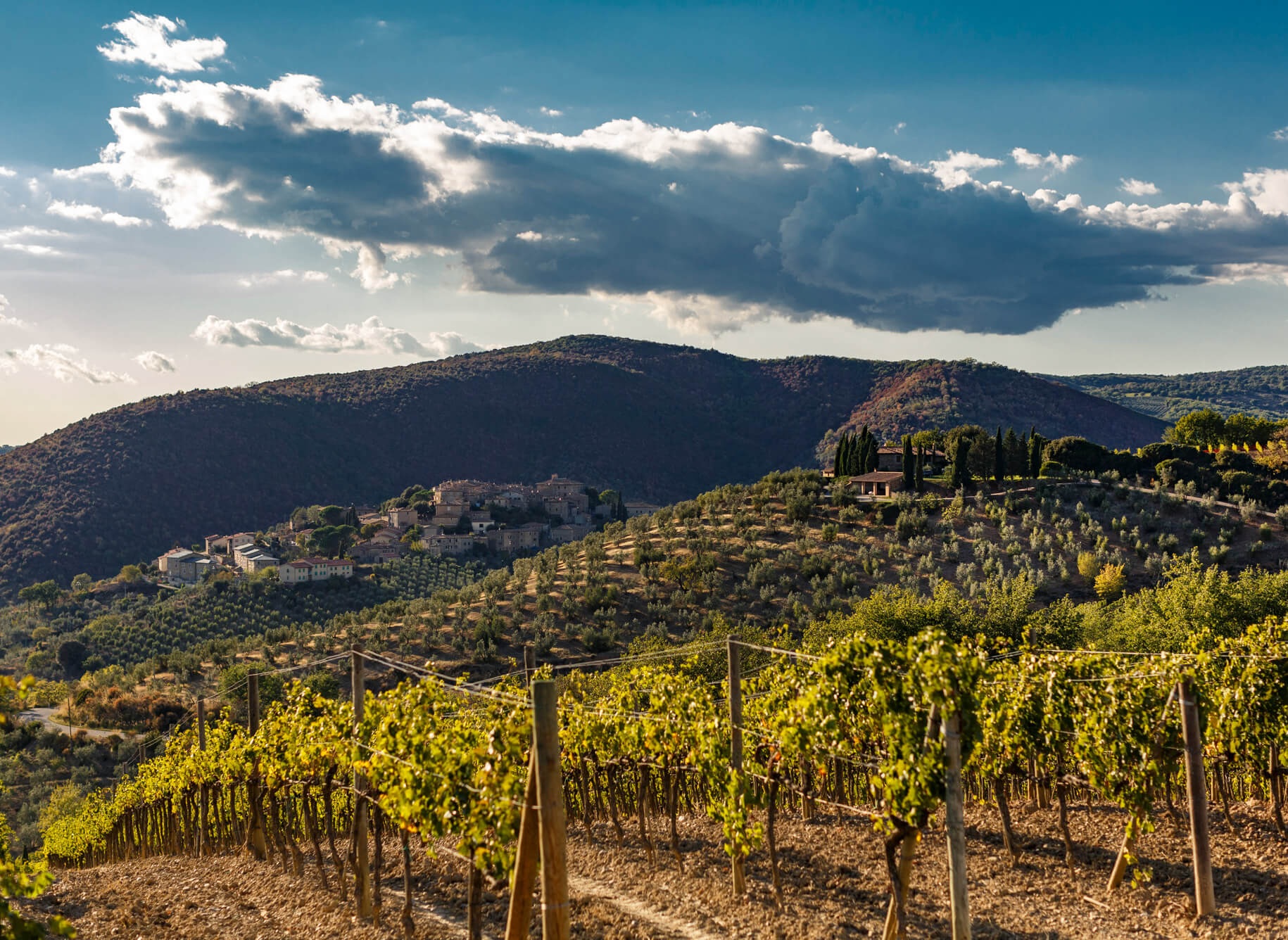
Montalcino’s serious winery visits tend to split between heritage-led estates, cellar-focused tastings, and properties where the view is not decoration but evidence. Poggio Antico sits in the last group. Its vineyards rise above 550 meters, among the higher positions in the Brunello di Montalcino DOCG zone, and the estate points to a steady Tyrrhenian influence as part of its climate story. That combination gives the visit a clear theme: the wine is being explained through site rather than through personality.
Altitude is the organizing principle here
Brunello is never just Sangiovese with a famous postal code. The appellation’s long aging requirements, village reputation, and producer hierarchy all push visitors to ask why one estate’s expression differs from another’s. At Poggio Antico, the answer is framed around height. Vineyards above 550 meters create a different proposition from lower, warmer sectors of Montalcino, and the estate’s language around “Brunello reaches its elevation” is not throwaway branding. It is the central claim.
The portfolio follows that logic. The named range includes Madre I.G.T. Brunello di Montalcino DOCG, Vigna I Poggi Brunello di Montalcino DOCG, and Riserva Brunello di Montalcino DOCG. That structure places the estate inside the classic Brunello hierarchy while giving visitors more than a single regional expression to consider: a core appellation wine, a site-designated Brunello, a Riserva tier, and an I.G.T. bottling with more stylistic latitude. For travelers trying to understand Montalcino rather than simply drink it, that lineup is useful because it turns classification into a comparative exercise.
The production identity is described as organic, terroir-focused, and centered on Sangiovese, with Cabernet Sauvignon and Chardonnay also listed among the varietals. Scale is medium rather than boutique in the tiny sense, with annual production around 100,000 to 130,000 bottles from roughly 33 to 37 hectares. Those numbers matter: they place the estate beyond hobbyist scarcity while keeping the conversation close to site, vineyard exposure, and a defined Brunello identity.
A contemplative tasting, not a cellar-door sprint
Hospitality format is built for visitors who want structure. Tastings are by reservation, with seated tastings, guided flights, private tastings, and estate tour-and-tasting formats listed. The stated duration runs 75 to 120 minutes, which signals a visit with enough time for vineyard context and portfolio explanation rather than a quick pour at a counter. Italian, English, German, and Danish are listed for tour languages, a useful detail in a region that receives serious wine travelers from across Europe and beyond.
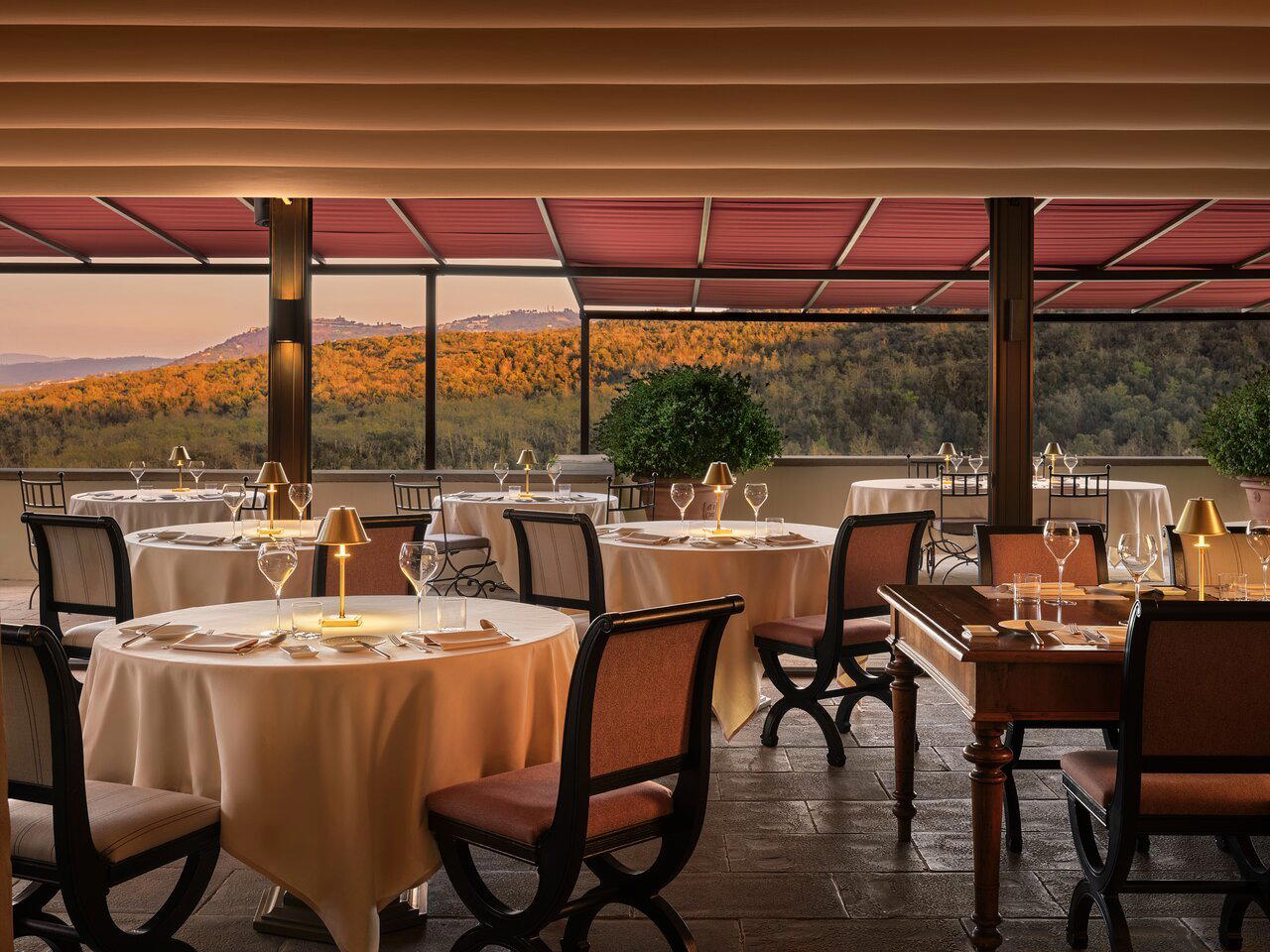
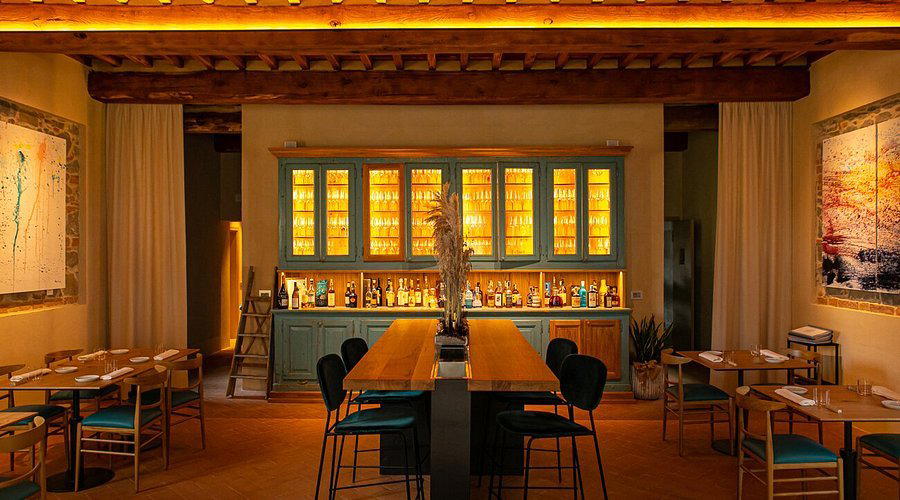
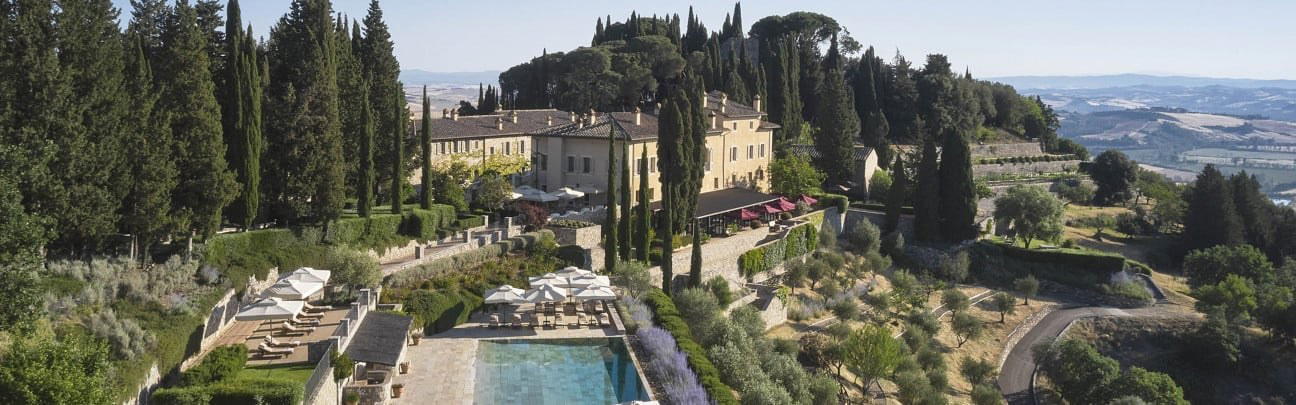
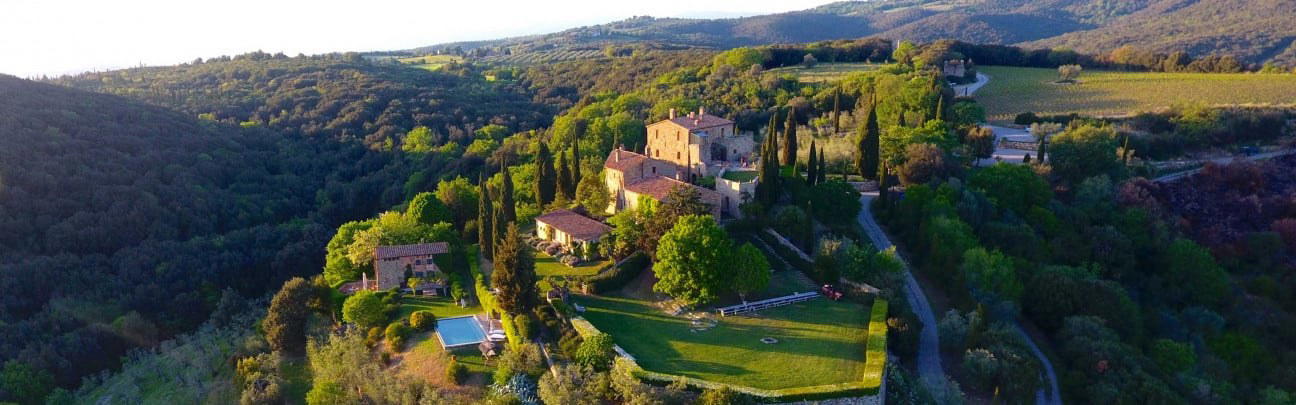
Tone is quiet and polished rather than theatrical. Outdoor seating, terrace elements, vineyard views, mountain views, and garden views all support the same idea: Montalcino hospitality here is tied to looking outward across the land that the wines are meant to interpret. The estate’s setting south of Montalcino also helps separate the experience from village-center tourism. This is the side of Brunello travel where the drive, the air, and the slope become part of the tasting logic.
Food is not the point of the visit. The winery lists no food pairing format, which keeps the focus on the glass, the vineyard, and the guide’s explanation of the range. That will suit visitors who want a wine-education session or a slower special-occasion stop; it may feel too narrow for families or travelers seeking a casual picnic-style estate afternoon. The listed noise level is quiet, and children are not marked as a fit, so the experience reads as adult, composed, and wine-centered.
How to place it within a Montalcino itinerary
A Brunello trip rewards contrast. The winery is useful when the itinerary needs a high-elevation reference point, especially for travelers comparing how altitude and airflow shape Sangiovese across the appellation. The estate’s open allocation status and shipping availability also make it practical for visitors who want the tasting to continue into cellar buying rather than end at the terrace.
For broader planning, pair a winery-focused day with the city’s dining and sleep options rather than treating tastings as isolated appointments. EP Club’s Montalcino coverage includes Our full Montalcino wineries guide, Our full Montalcino restaurants guide, Our full Montalcino hotels guide, Our full Montalcino bars guide, and Our full Montalcino experiences guide. Nearby winery research can also start with Aglieta Roberto, Agostina Pieri, Agricola Poggio Rubino, Aisna, and Altesino.
Readers building a wider Italy-and-Europe wine map can extend from Tuscany to 3GP SRL in Treviso, 47 Anno Domini in Trebaseleghe, A Mano Wine in Noci, »der Steiner« Hans Steiner in Podersdorf am See, and & Handwein in Mannheim. The winery belongs in that research not as a generic Tuscan postcard, but as a case study in how a high Montalcino site turns climate and geography into the main subject of the glass.
Recognition history
Dated appearances from independent guides and award organizations, with the underlying list record or original source where available.
Falstaff Winery - 4 Stars
Falstaff
Continue exploring
More in Montalcino
Wineries in Montalcino
Browse all →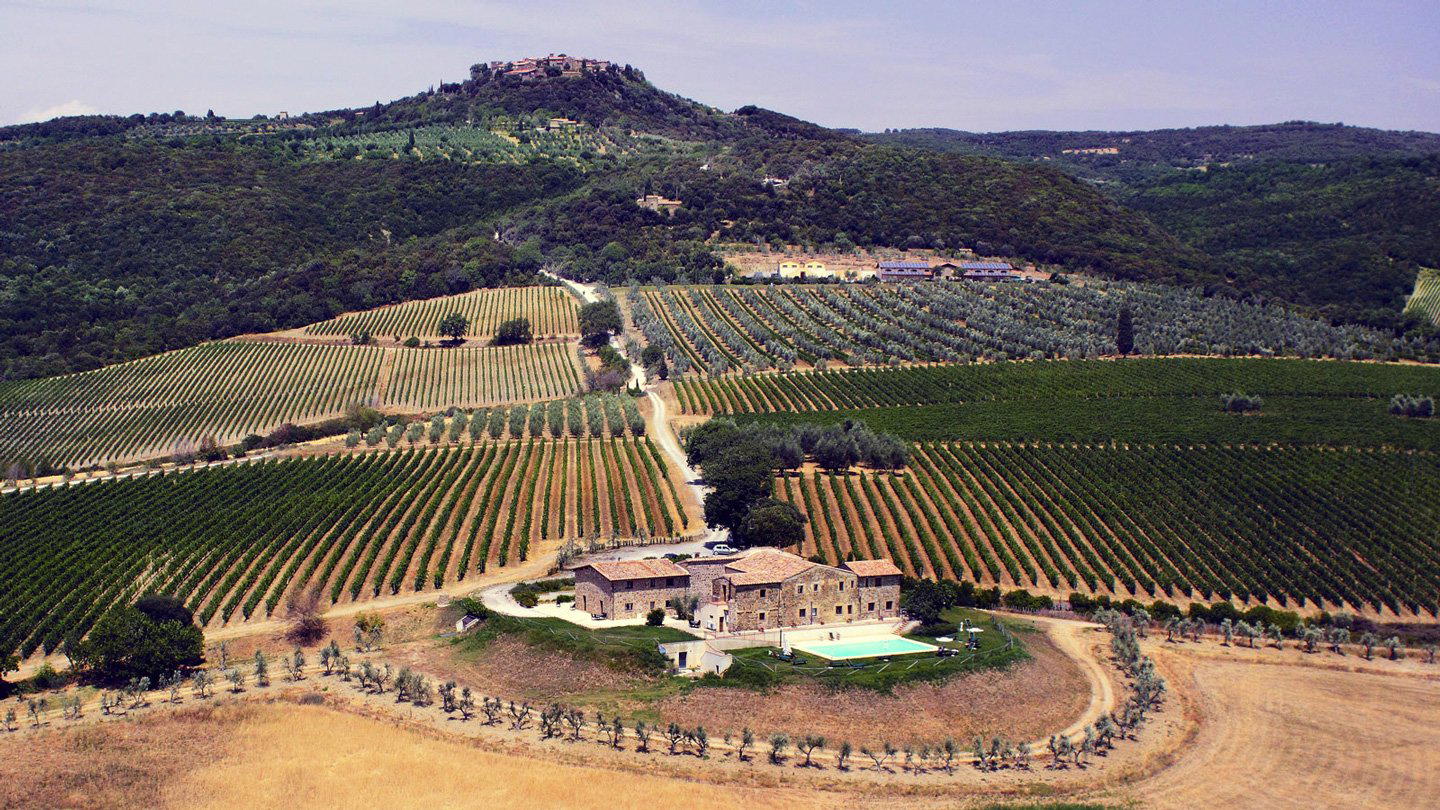
Bars in Montalcino
Browse all →
Restaurants in Montalcino
Browse all →
At a Glance
- Scenic
- Elegant
- Classic
- Rustic
- Romantic
- Well Known
- Romantic Getaway
- Group Outing
- Wine Education
- Special Occasion
- Solo Exploration
- Vineyard Tour
- Estate Grounds
- Panoramic View
- Terrace
- Private Tasting
- Organic
- Sustainable
- Vineyard
- Mountain
- Garden
- Brunello Di Montalcino DOCG
- Sangiovese
- Cabernet Sauvignon
- Chardonnay
- Still Red
- Still White
- Seated Tasting
- Guided Flight
- Private Tasting
- Estate Tour + Tasting
High-altitude Tuscan estate with a serene, scenic setting reached via a cypress-lined road, combining rustic countryside charm with a modern, polished winery environment focused on contemplative Brunello tastings and vineyard tours.