Poderi Melini

Falstaff Winery - 2 Stars
Poderi Melini is a historic Chianti Classico estate in Poggibonsi, founded in 1705 and shaped around Sangiovese, named podere sites and hillside production. Its appeal is less boutique lounge than working Tuscan wine culture: old cellar fabric, gravity-flow winery architecture, vineyard views and a portfolio that runs from Chianti Classico to Vin Santo.

Pearl is the En Primeur Club membership app, where members save venues, book tables and use the concierge.

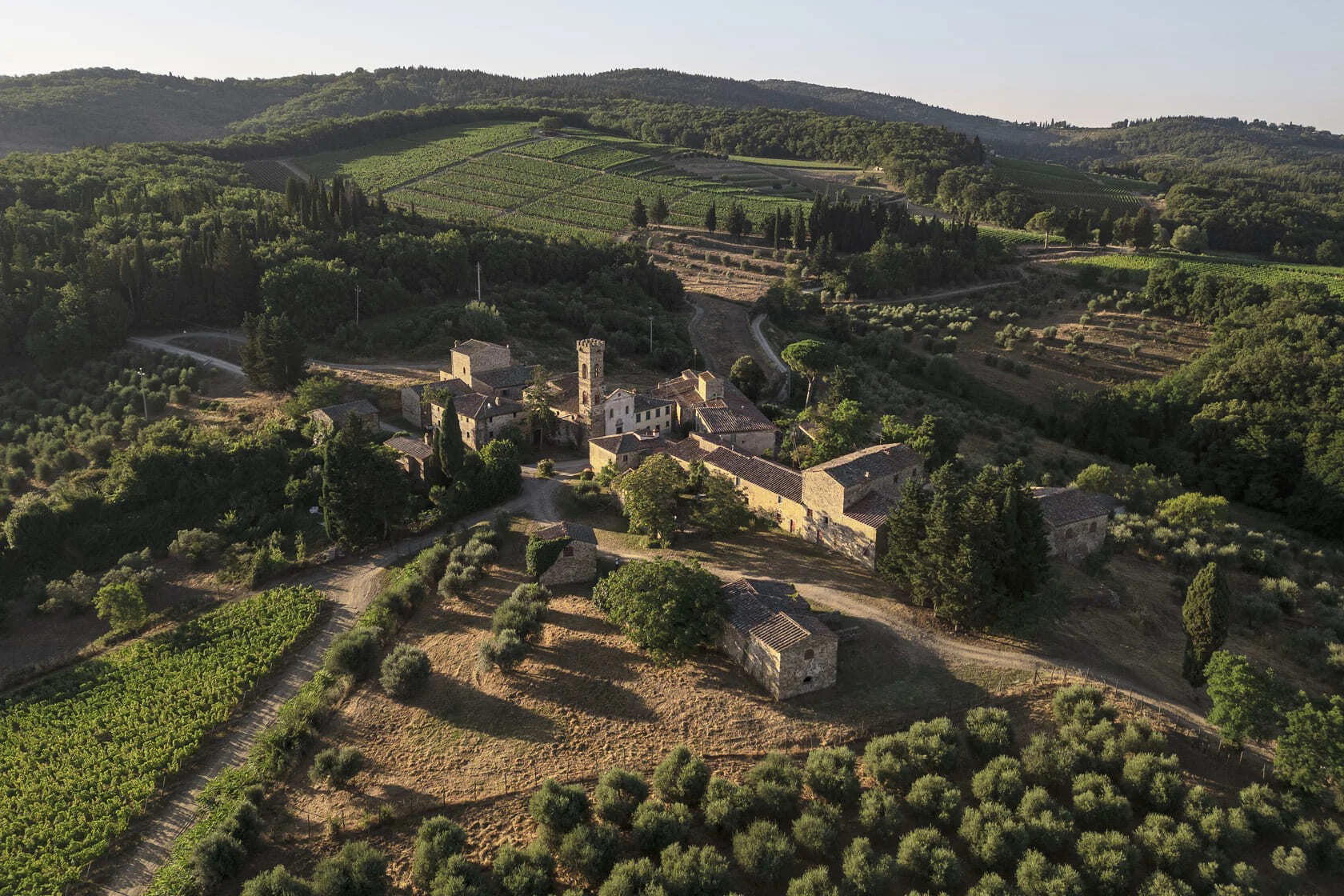
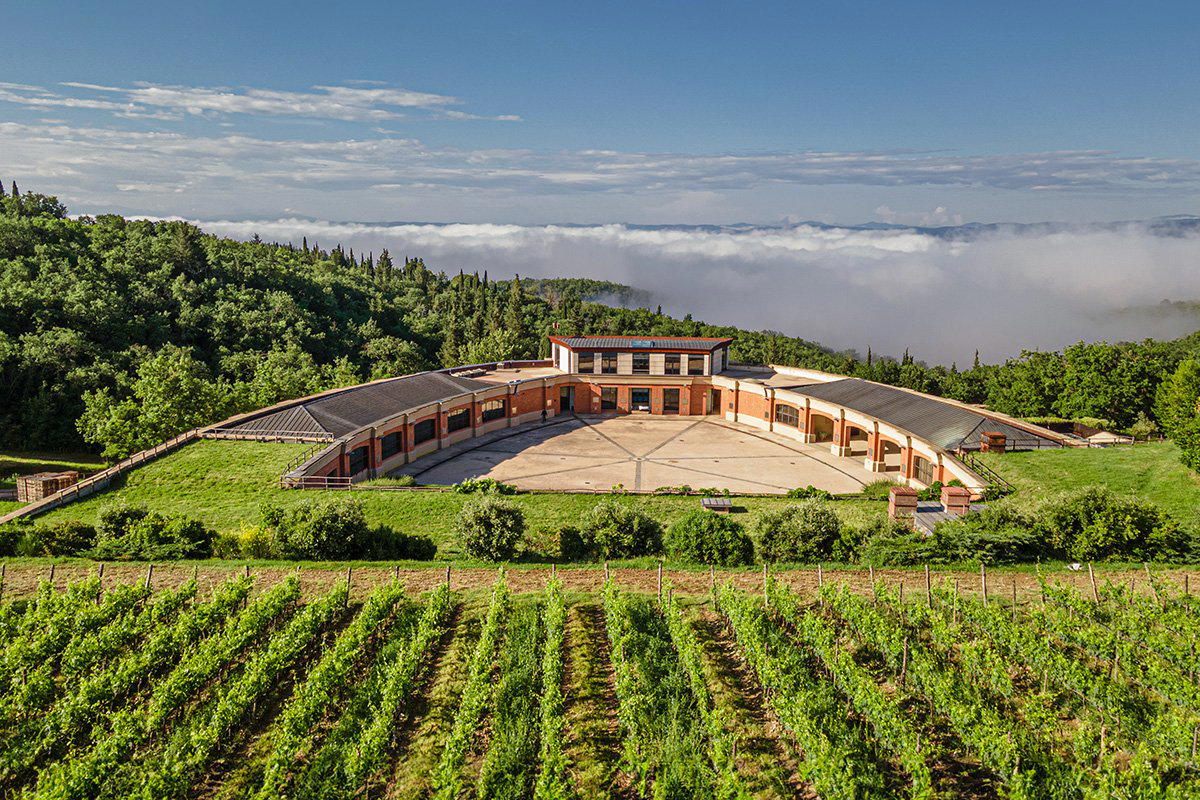
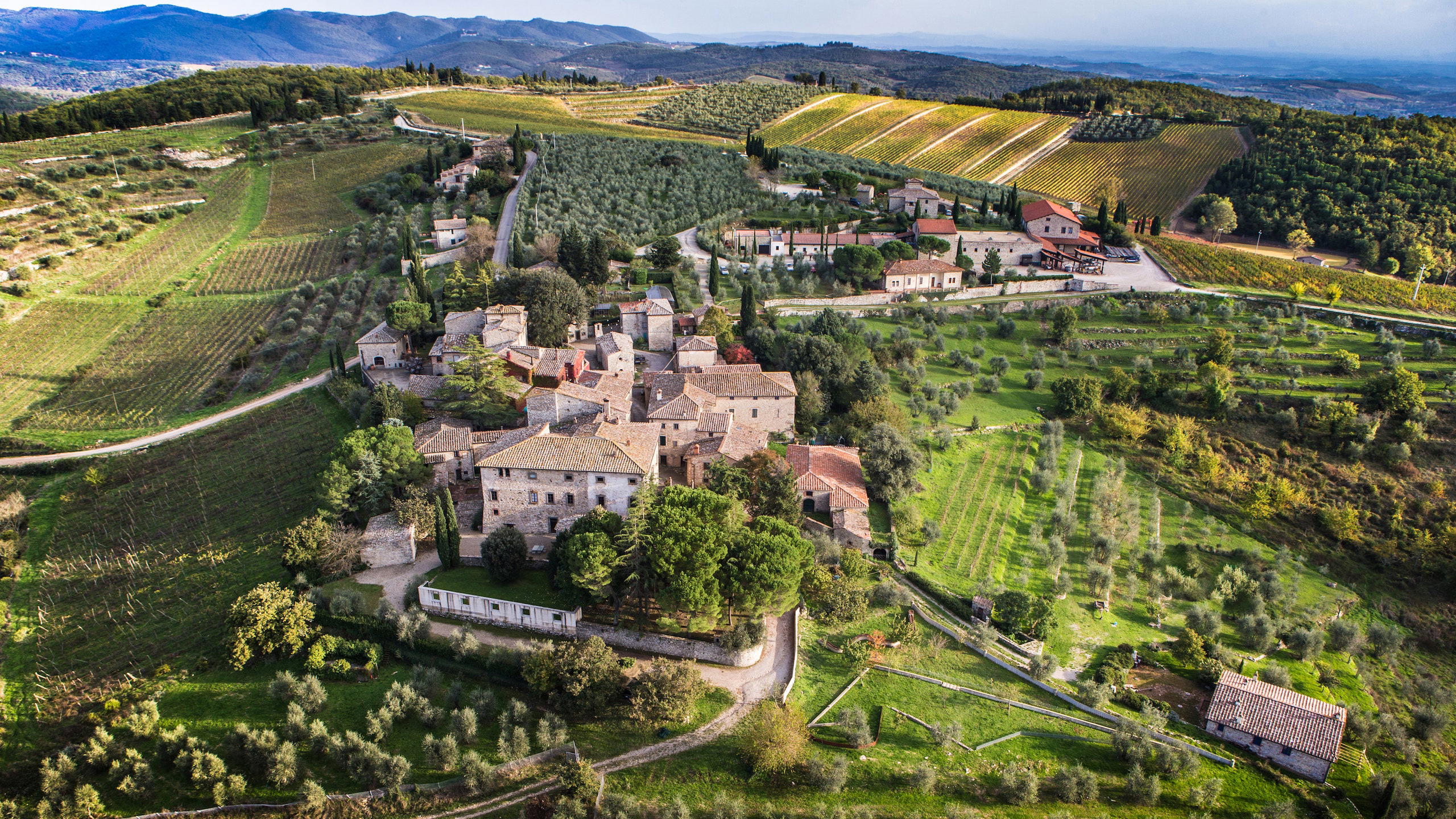
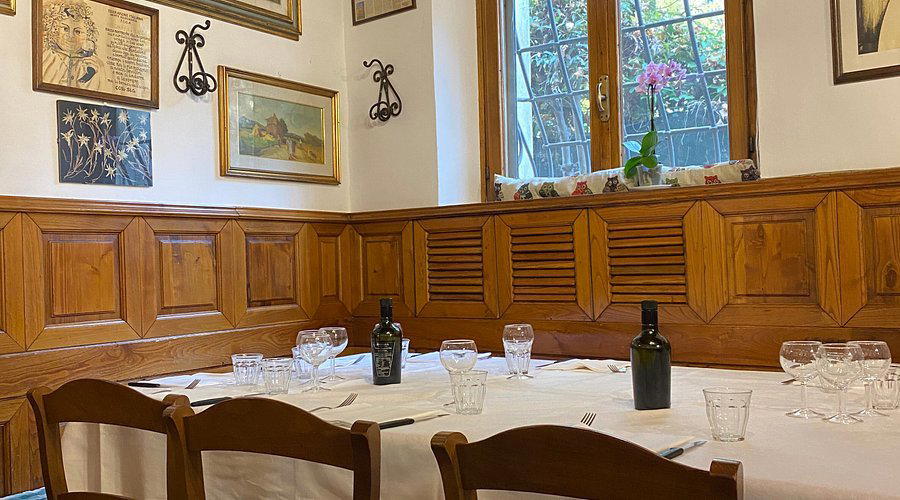
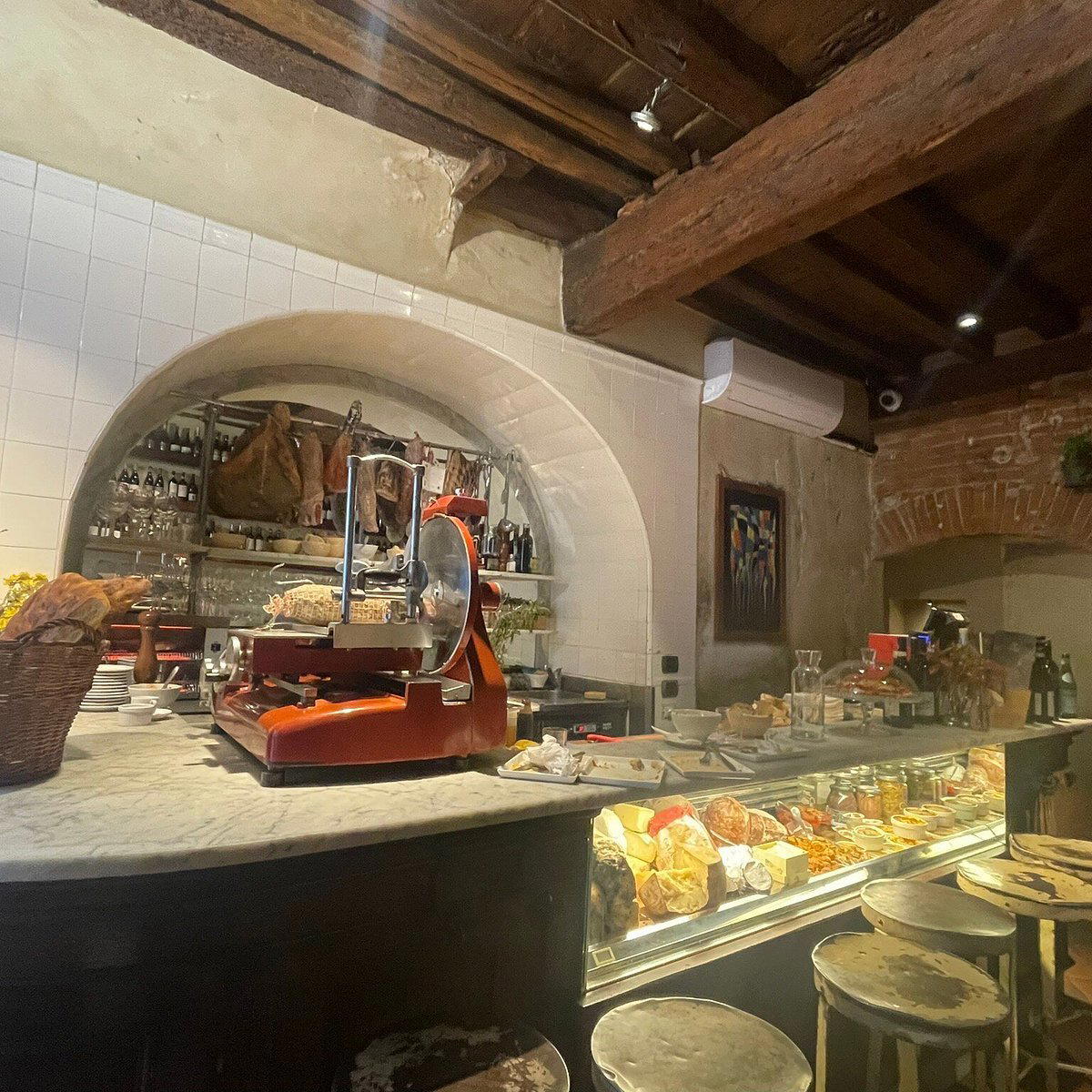
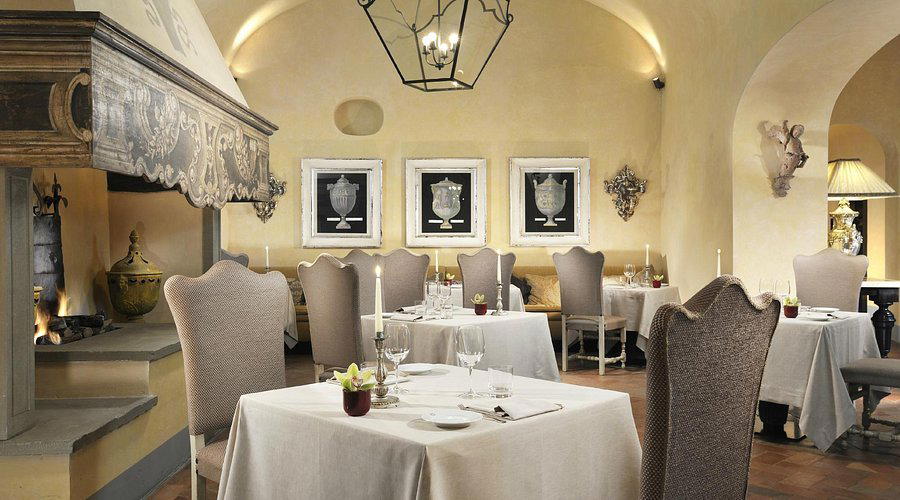
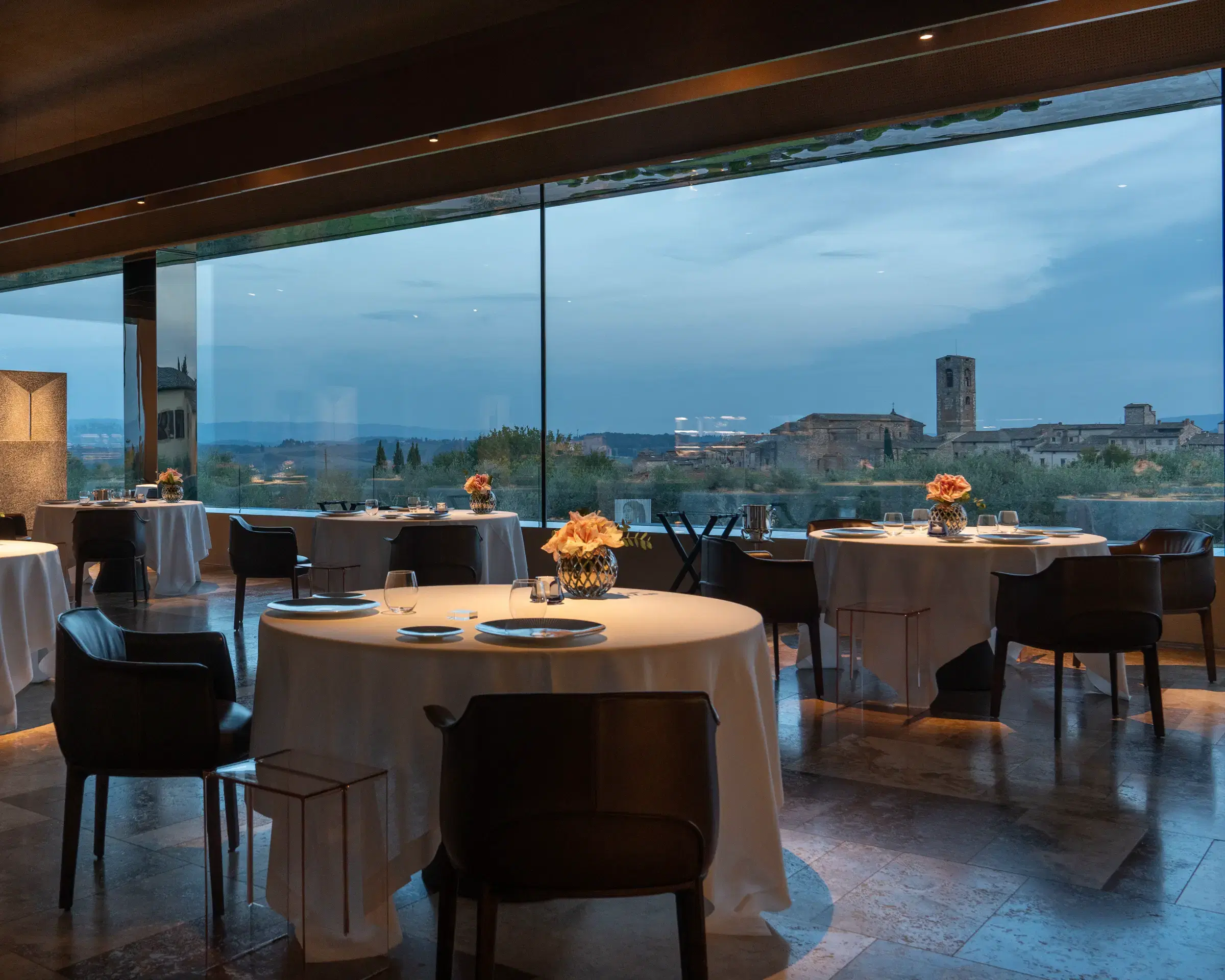
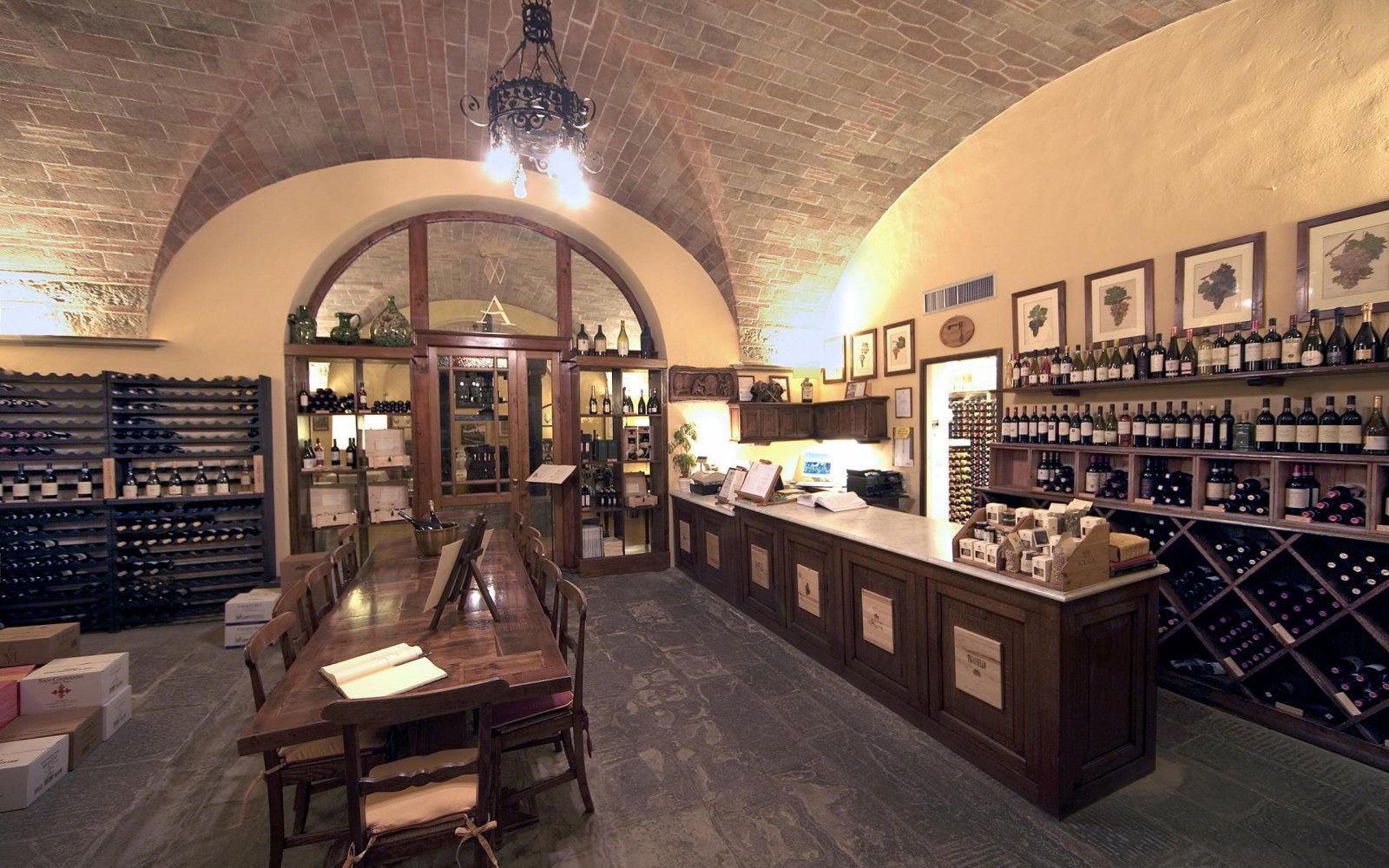
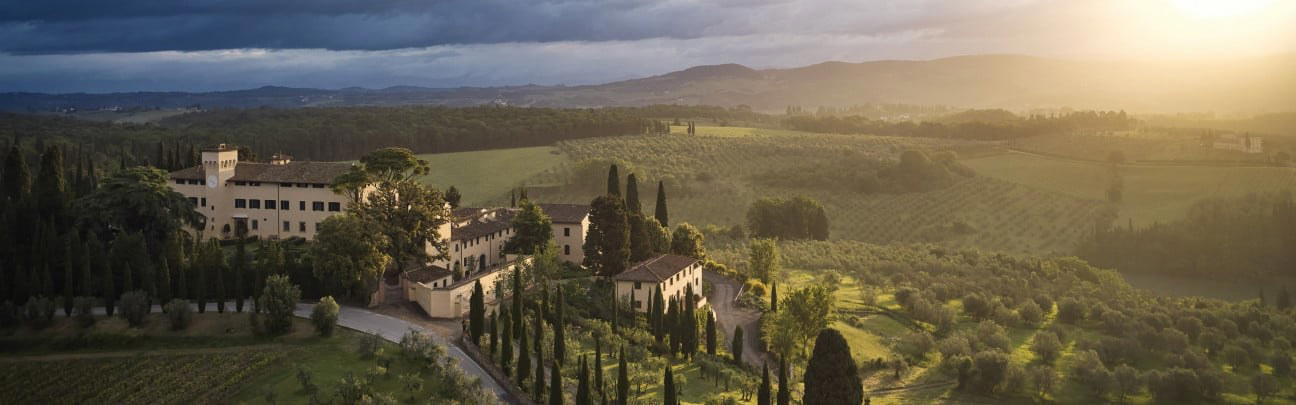
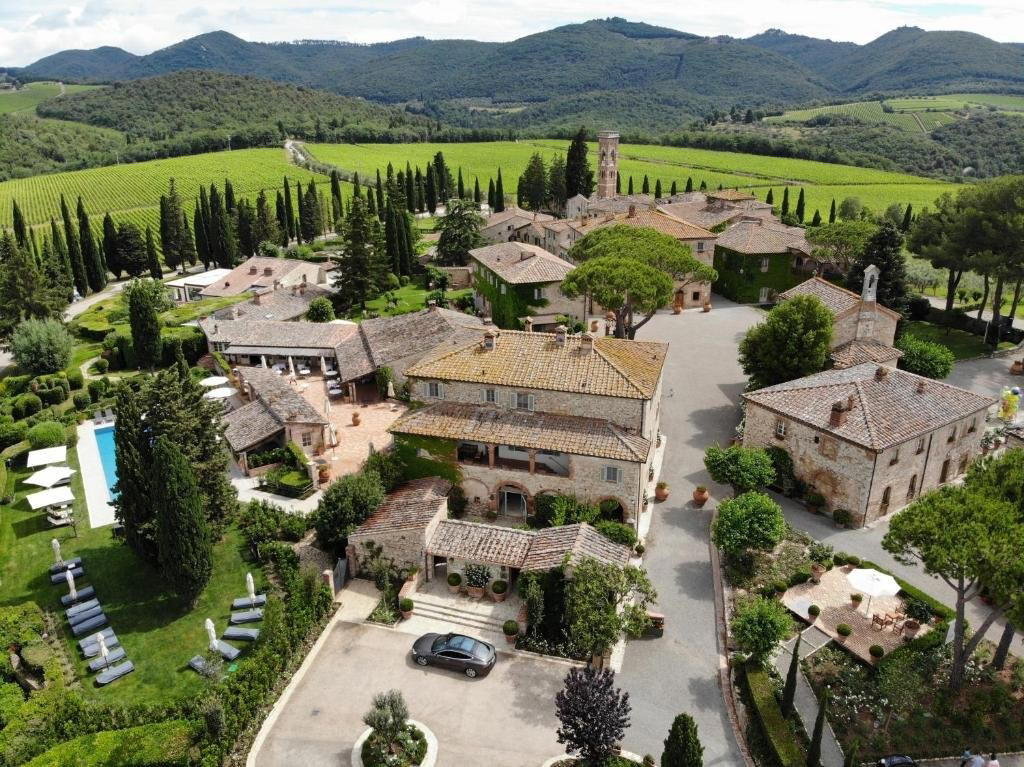
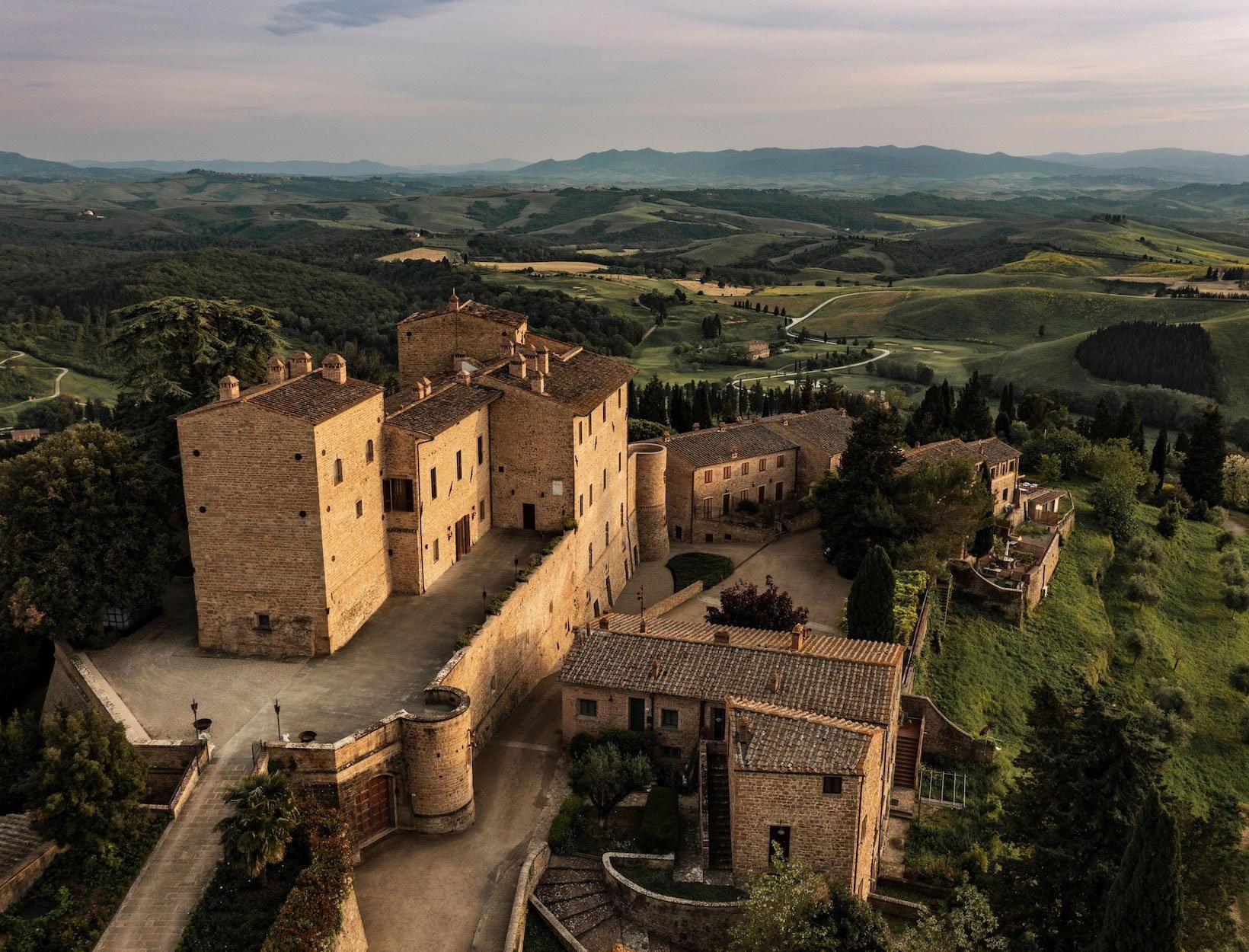
The approach to a Tuscan estate still matters. Around Poggibonsi, the picture for Poderi Melini is grounded in landscape and production rather than restaurant-style detail: forests, vineyards, cypress nature reserve, an ancient cellar block, and a modern multi-floor gravity-flow winery carved into the hillside. It is best understood as a historic Tuscan estate winery focused on Chianti and Chianti Classico, where the setting and the winery fabric do much of the descriptive work.
That distinction is useful for planning. Poderi Melini is not documented here through a chef, a tasting menu, a restaurant format, a seat count or a detailed visitor schedule. The reliable appeal is simpler: a Poggibonsi wine estate where historic cellar architecture and contemporary hillside winemaking infrastructure sit within a classic Tuscan setting. For EP Club purposes, that means the venue should be read first as a place of wine production and estate atmosphere, rather than as a restaurant or hospitality concept with a fixed public format.
Chianti, Chianti Classico and the estate frame
The identity of Poderi Melini centers on Chianti and Chianti Classico. Rather than relying on unconfirmed bottle lists, tasting notes or vineyard specifications, the safest way to place the estate is as part of the broader Tuscan wine landscape around Poggibonsi, without expanding into specific cuvées or technical claims. This keeps the emphasis on the confirmed regional frame and avoids presenting the estate as something more narrowly defined than the available information supports.
For visitors comparing wine estates, the important confirmed context is architectural and environmental: an ancient cellar block paired with a modern multi-floor gravity-flow winery, all set among forests, vineyards and cypress nature reserve. That gives the estate a clear sense of place without needing to invent details about tours, pairings, production volumes or hospitality formats. The contrast between older cellar structures and contemporary hillside infrastructure is enough to explain why the property may interest travellers who care about how a Tuscan wine estate is physically organized.
The listed price level is $$, which places Poderi Melini in a moderate bracket for EP Club planning purposes. That price signal should be treated as a general planning indicator rather than a substitute for current, directly confirmed visit details.
A working estate rather than a boutique tasting salon
Poderi Melini reads as a Tuscan wine estate rather than a venue defined by restaurant service or boutique-lounge polish. The confirmed combination of old cellar fabric and modern gravity-flow production space suggests a place where the winery itself is central to the experience. In other words, the draw is not a named dining room or a staged menu, but the relationship between landscape, cellar history and winemaking structure.
What can be said with confidence is that the estate is in Poggibonsi, is focused on Chianti and Chianti Classico, and is set in a range of forests, vineyards and cypress nature reserve. Those elements provide a measured but meaningful profile: Tuscan location, wine identity, estate landscape and a clear architectural contrast.
For wine travellers, that makes Poderi Melini a useful option when the goal is to understand a historic Tuscan estate setting and the physical structure of a hillside winery. Anyone seeking a guaranteed guided tour, food pairing, lunch, private tasting or event format should confirm those details directly, because they are not part of the information here. The absence of those specifics is not a weakness so much as a boundary: the estate can be appreciated for what is confirmed without turning it into an undocumented hospitality venue.
How to place it in a Poggibonsi wine itinerary
For travellers interested in Tuscan wine country, Poderi Melini fits an itinerary focused on Chianti, Chianti Classico and estate architecture. Its confirmed strengths are the setting, the cellar contrast and the hillside gravity-flow winery, not a documented dining program or a named hospitality package. It therefore suits planning that prioritizes place, production context and the feel of a working estate over restaurant-style certainty.
For a wider local circuit, compare Poderi Melini with other Poggibonsi dining and wine options generically, checking current details before booking. The most reliable planning approach is to treat Poderi Melini as a historic estate winery in Poggibonsi and verify any practical visit information directly. That is especially important if the visit depends on timing, access, tastings, meals or any hosted format.
In a broader European wine context, Poderi Melini’s place is clear enough without unsupported embellishment: a Tuscan estate in Poggibonsi, focused on Chianti and Chianti Classico, with an ancient cellar block, a modern multi-floor gravity-flow winery carved into the hillside, and a surrounding range of forests, vineyards and cypress nature reserve. The value of the listing lies in that grounded profile: a recognizable Tuscan wine estate defined by landscape, cellar heritage and contemporary production architecture.
Recognition history
Dated appearances from independent guides and award organizations, with the underlying list record or original source where available.
Falstaff Winery - 2 Stars
Falstaff
Continue exploring
More in Poggibonsi
Wineries in Poggibonsi
All wineries in Poggibonsi →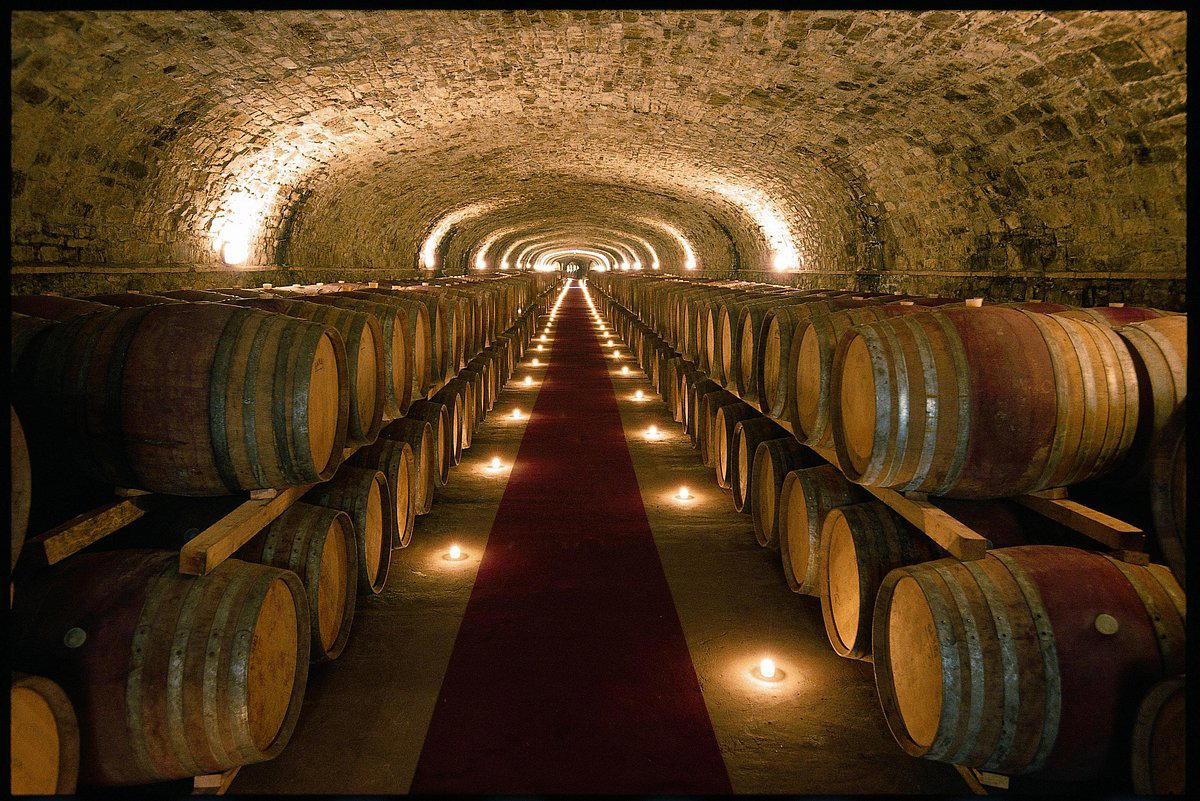
Bars in Poggibonsi
Browse all →
Details
- Classic
- Rustic
- Scenic
- Romantic
- Elegant
- Wine Education
- Group Outing
- Special Occasion
- Solo Exploration
- Romantic Getaway
- Estate Grounds
- Vineyard Tour
- Private Tasting
- Historic Building
- Vineyard
- Garden
- Sangiovese
- Canaiolo
- Colorino
- Malvasia Del Chianti
- Trebbiano Toscano
- San Colombano
- Vernaccia
- Still Red
- Still White
- Still Rosé
- Dessert
- Estate Tasting
- Guided Tour
- Reservation Only
- Italian
- English
- German
Historic Tuscan estate winery focused on Chianti and Chianti Classico, with a mix of an ancient cellar block and a modern multi‑floor gravity‑flow winery carved into the hillside, surrounded by forests, vineyards and cypress nature reserve, giving a classic, rustic yet professional production feel rather than a boutique lounge vibe.