
Pisquera Casa Juliá operates from Monte Patria in Chile's Coquimbo region, where the Elqui and Limarí valleys converge to produce some of the country's most characterful pisco. Awarded Pearl 2 Star Prestige recognition in 2025, the producer sits within a small tier of Chilean pisco houses drawing serious attention from spirits critics. For those tracing the geography of Chilean distilling, Monte Patria is a logical place to start.
 Discover on Pearl
Pearl is the En Primeur Club membership app — saves, bookings, and concierge access live there. Same editors, same standards.
- Address
- Calle Manuel Antonio Matta s/n, Monte Patria, Coquimbo
- Phone
- +56954229825
- Website
- piscowiluf.cl
Where the Limarí Valley Shapes the Spirit
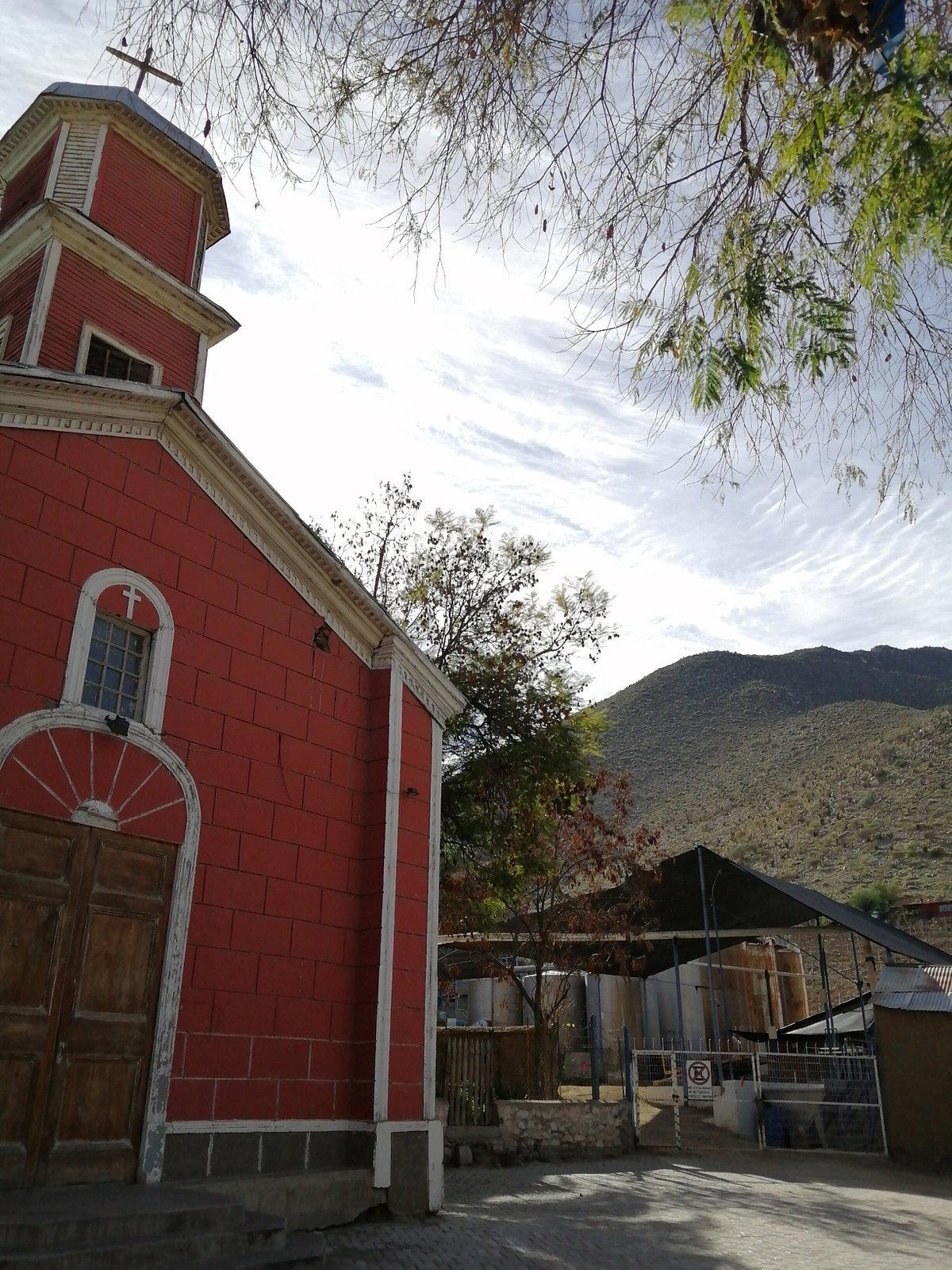
Monte Patria sits in the upper reaches of the Limarí Valley, roughly 400 kilometres north of Santiago, at an altitude where the daytime heat is sharp and the nights drop cold enough to slow fermentation and concentrate aromatic compounds. This thermal oscillation is not incidental to pisco quality here, it is the mechanism behind it. The Coquimbo region, which encompasses both the Limarí and Elqui valleys, has been legally defined as one of only two designated zones where Chilean pisco can be produced, and the differences between sub-zones within that boundary are increasingly legible in the glass. Pisquera Casa Juliá, operating from an address on Calle Manuel Antonio Matta in Monte Patria, sits inside a part of the Limarí valley that is drier and more gravelly than the coastal lowlands, conditions that stress the muscat-family varieties used in pisco production and tend to yield smaller berries with more concentrated sugars and aromatic intensity.
The broader Chilean pisco category has spent the better part of two decades repositioning itself against Peruvian competition and against the international spirits market's growing appetite for provenance-led, terroir-expressive distillates. The producers who have gained the most traction in that conversation are those making the geography legible, using single-valley fruit, preserving varietal character through lower distillation cuts, and resisting the impulse to smooth everything into anonymity through heavy blending. Monte Patria-based producers operate within that context, and Pisquera Casa Juliá's 2025 Pearl 2 Star Prestige award from EP Club places it inside a tier of Chilean pisco houses that have earned structured recognition rather than simply regional goodwill.
The Coquimbo Terroir Argument
Understanding what Pisquera Casa Juliá represents requires understanding what the Coquimbo designation means in practice. Chile's pisco denomination covers an area stretching from roughly the Atacama border south through the Coquimbo region, but the character of the spirit shifts significantly depending on where within that zone the grapes are grown and processed. The Elqui Valley, farther north and higher in altitude, tends toward more floral and intensely aromatic profiles in its pisco, a character associated with producers like Viña Falernia in Vicuña, which works across both wine and distillate from that sub-zone. The Limarí Valley, where Monte Patria lies, has historically been more associated with wine, particularly the Chardonnay and Syrah that put the valley on the international wine map, but it also produces pisco grapes whose lower absolute altitude and different soil profiles give a distinct weight and texture to the finished spirit.
The stone-fruit richness and fuller body that characterises Limarí-sourced pisco relative to some northern Elqui examples is a function of these conditions rather than a production choice. For a producer like Pisquera Casa Juliá, working within Monte Patria means the terroir argument is already embedded in the address. Compare this to how Chilean wine producers have increasingly used valley-specific and even single-vineyard sourcing to differentiate in a crowded export market: Viña Tabalí, also based in the Limarí sub-region near Ovalle, has built its identity around precisely this kind of geographic specificity for its wine program. The logic translates directly to pisco.
Pisco's Critical Tier and Where Casa Juliá Sits
Chilean pisco has historically occupied a bifurcated market: volume-oriented blended products sold domestically for cocktail use, and a smaller, growing category of premium or artisanal expressions aimed at a more considered consumer. The latter segment has expanded significantly over the past decade, partly driven by the same bartender culture that refined mezcal and aged rum, and partly by Chilean producers seeking to reframe pisco as a serious aged or varietal spirit rather than simply the base of a pisco sour. The Pearl 2 Star Prestige designation that Pisquera Casa Juliá received in 2025 places it within the more serious tier of that premium segment, a recognition that goes beyond regional participation to assert a level of craft and consistency that stands up to structured critical evaluation.
Within the broader Chilean spirits and wine scene, this kind of structured recognition has become a meaningful differentiator. Producers across Chile's wine valleys have used awards and critical credentialing to establish export credibility: Viña De Martino in Isla de Maipo, Viña Casa Silva in San Fernando, and Viña MontGras in Palmilla all demonstrate how Chilean producers across categories have learned to translate critical recognition into international positioning. For pisco producers, the same mechanism applies, and Pisquera Casa Juliá's award signals a producer operating with that kind of seriousness of intent.
For comparison in the distilling space, Pisco Alto del Carmen Distillery in Huasco represents another approach to the premium Chilean pisco category, operating from the Atacama region to the north and working within a different geographic and climatic context. The contrast between Alto del Carmen's Atacama-adjacent production environment and Casa Juliá's Limarí Valley base illustrates how meaningfully geography inflects even spirits that share a legal designation and base variety.
Planning Your Visit to Monte Patria
Monte Patria is not a destination that falls conveniently on the path between Santiago and Atacama, which is part of why producers here remain less visited than their counterparts in the Elqui Valley or the wine regions of central Chile. The town sits approximately 60 kilometres east of Ovalle along the road that follows the Limarí River upstream into the pre-Andean foothills, and the journey from La Serena, the regional capital, takes roughly two hours by road.
Visiting requires advance research through local tourism networks in Monte Patria or Ovalle, or arriving with the flexibility that rural Chilean producers often reward. The address on Calle Manuel Antonio Matta in Monte Patria provides a starting point, and the town itself is navigable on foot once you arrive.
Timing matters in the Limarí Valley. Outside harvest, the high desert light and thermal range of Monte Patria still justify the detour for anyone travelling the Coquimbo region with a serious interest in where Chilean pisco actually comes from, rather than how it presents on a cocktail menu in Santiago or abroad.
The Wider Chilean Spirits and Wine Circuit
Pisquera Casa Juliá sits at one end of a long Chilean production corridor that stretches from the Atacama south through the wine valleys of the Central Zone. Tracing that corridor in terms of serious, award-recognised producers means moving between very different climate regimes and product categories. At the northern end, pisco dominates; south of the Coquimbo region, wine takes over almost entirely, through producers like El Gobernador (Miguel Torres Chile) in Curicó and further south. Premium Chilean wine producers working at the highest tier include Viña Seña in Panquehue, Viña Undurraga in Talagante, Viña Valdivieso in Lontué, Viña Ventisquero in Santiago, and Viña Santa Rita in Buin, none of which overlap with the pisco geography of Coquimbo, but all of which form part of the serious Chilean producer circuit that EP Club tracks across categories. For those whose interests extend beyond Chile entirely, the structural parallel between terroir-led distilling in Monte Patria and single-malt production in Scotland finds an interesting echo at Aberlour in Aberlour, where geography and water source play an analogous role in shaping spirit character, or in Napa at Accendo Cellars in St. Helena, where place-specificity drives premium positioning in a different category altogether.
Comparison Snapshot
Comparable venues nearby, for context on price, style, and recognition.
| Venue | Cuisine | Price | Awards | Notes |
|---|---|---|---|---|
| Pisquera Casa JuliáThis venue — the venue you are viewing | Moscatel Rosada, Moscatel de Alejandría | , | 1 recognition | |
| Viña Tabalí | Pinot Noir, Chardonnay | $$$ | 1 recognition | Ovalle |
| Hanaq Pacha Distillery | Winery | , | 1 recognition | Coquimbo |
| Viña Ventisquero | Sauvignon Blanc | $$ | 1 recognition | Apalta Valley |
| Viña Chocalán | Cabernet Sauvignon, Carmenère | $$ | 1 recognition | Santa Eugenia |
| Viña Concha y Toro | Cabernet Sauvignon, Chardonnay | $$ | 1 recognition | Pirque |
At a Glance
- Rustic
- Classic
- Wine Education
- Vineyard Tour
- Vineyard
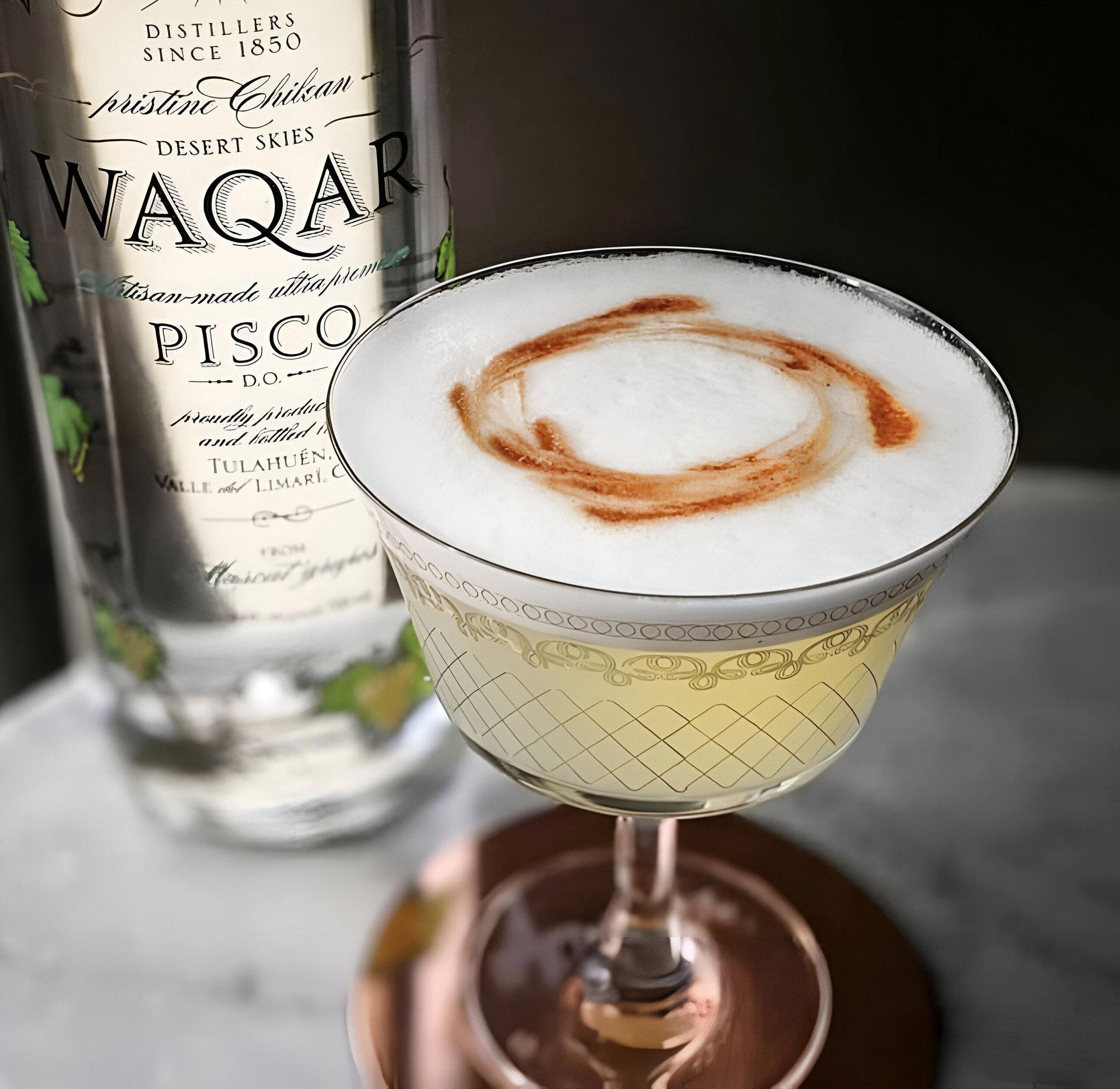
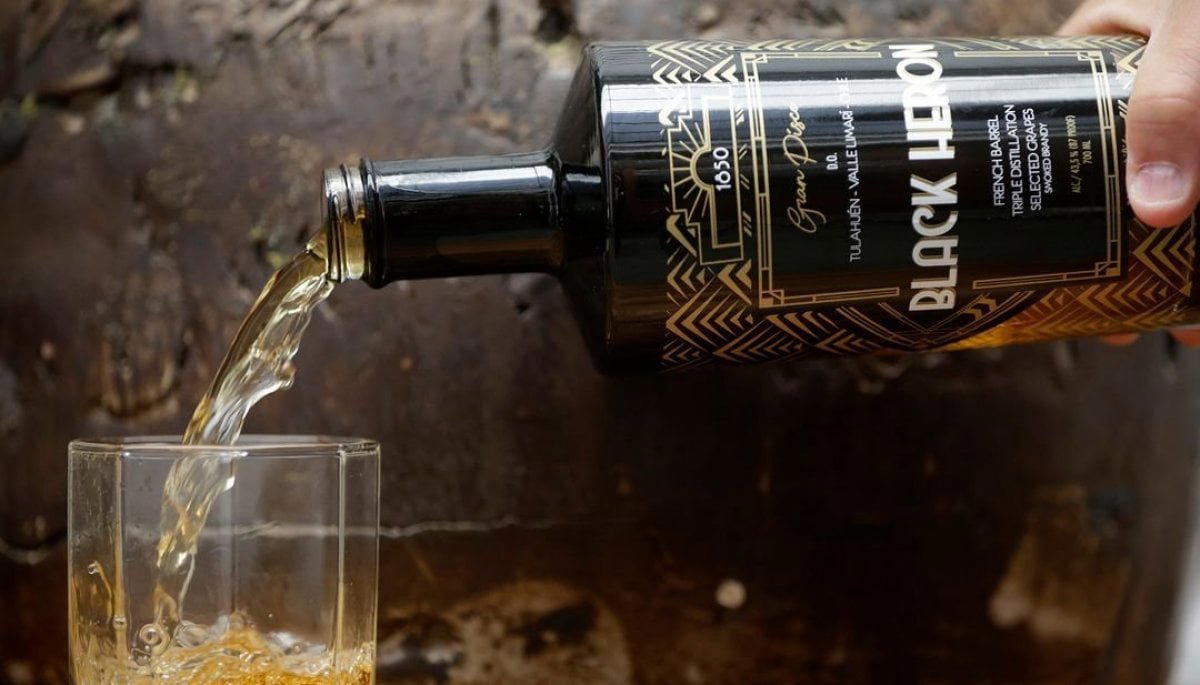
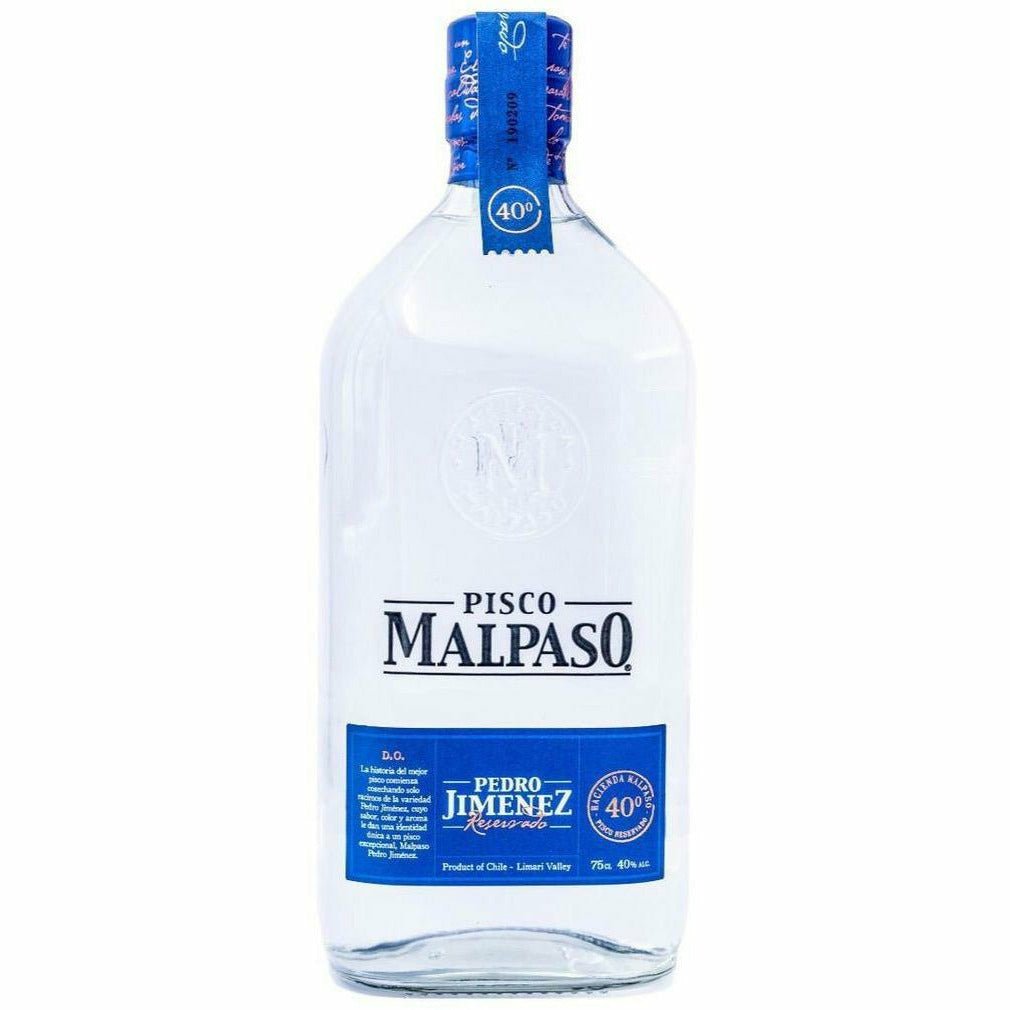
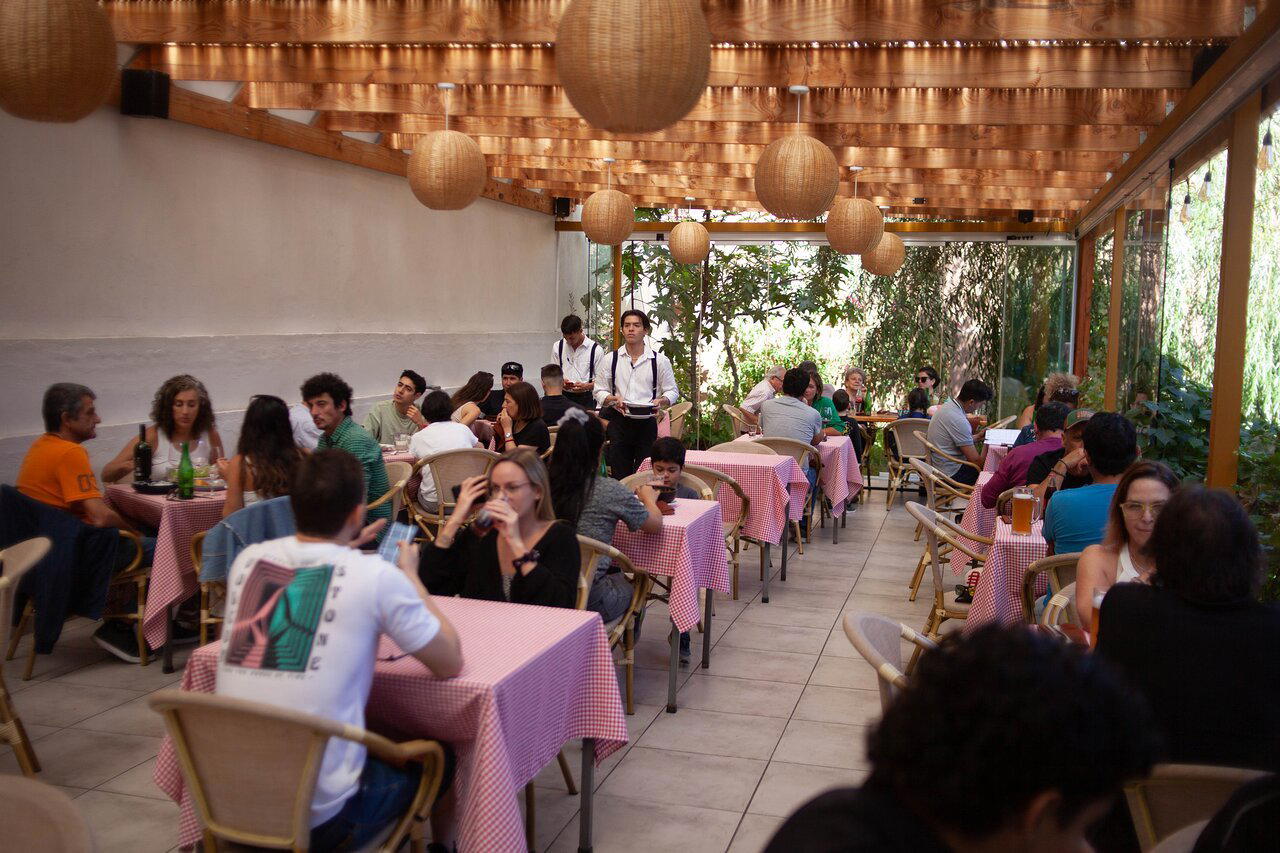
Traditional and artisanal atmosphere focused on pisco production.