
Viña Chocalán sits along Ruta G-60 in the Maipo Valley, one of Chile's most historically significant wine corridors, where the Andes-influenced climate shapes Cabernet Sauvignon of notable structure and precision. For visitors travelling through the Región Metropolitana, it represents a serious stop on any wine-focused itinerary west of Santiago.
Pearl is the En Primeur Club membership app — saves, bookings, and concierge access live there. Same editors, same standards.
- Address
- Ruta G-60 km 6, Melipilla, Región Metropolitana
- Phone
- +56 9 7878 2048
- Website
- chocalanwines.com
- Directions
- Get directions
 Saves & bookings on Pearl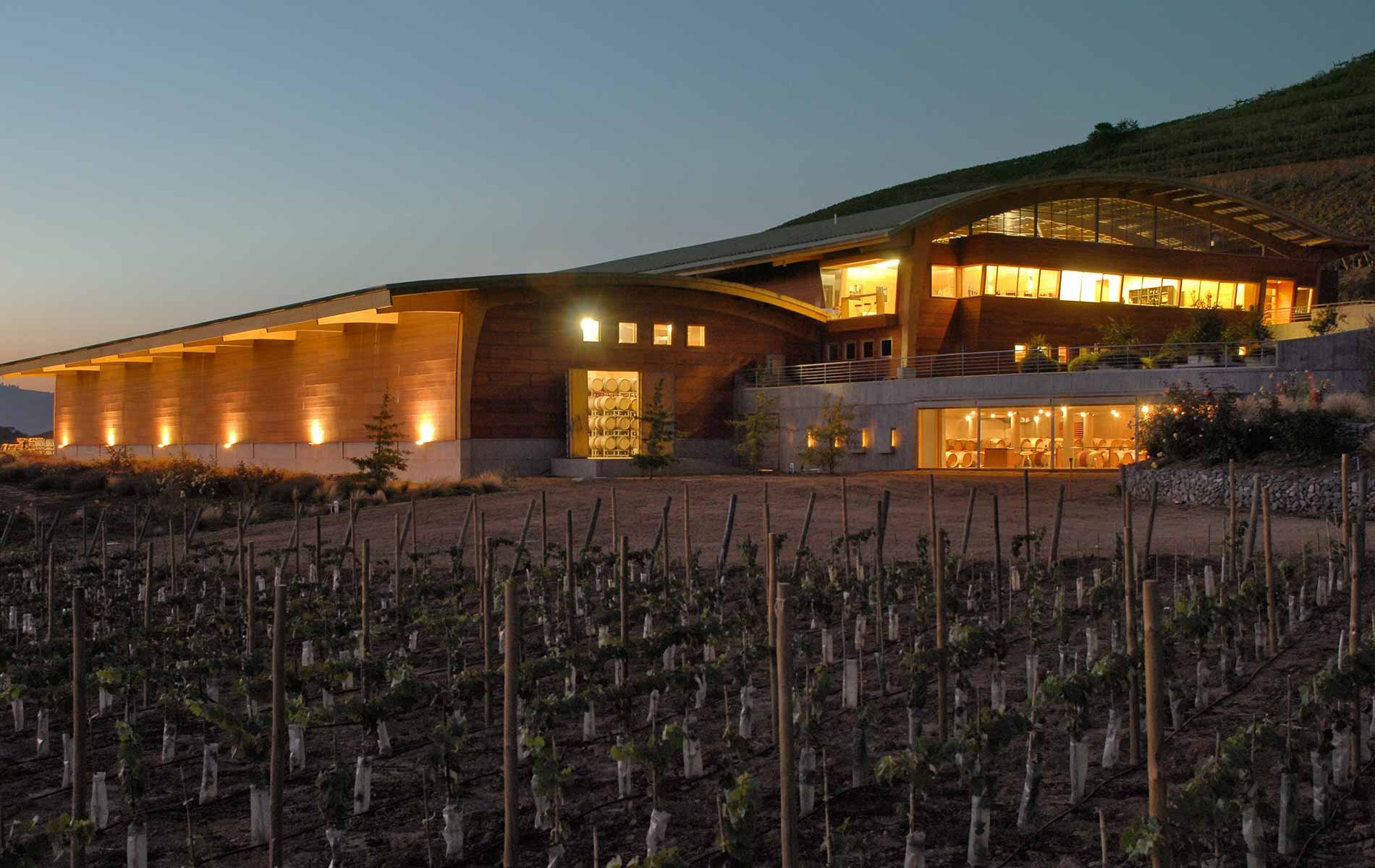
Where the Maipo Foothills Shape the Glass
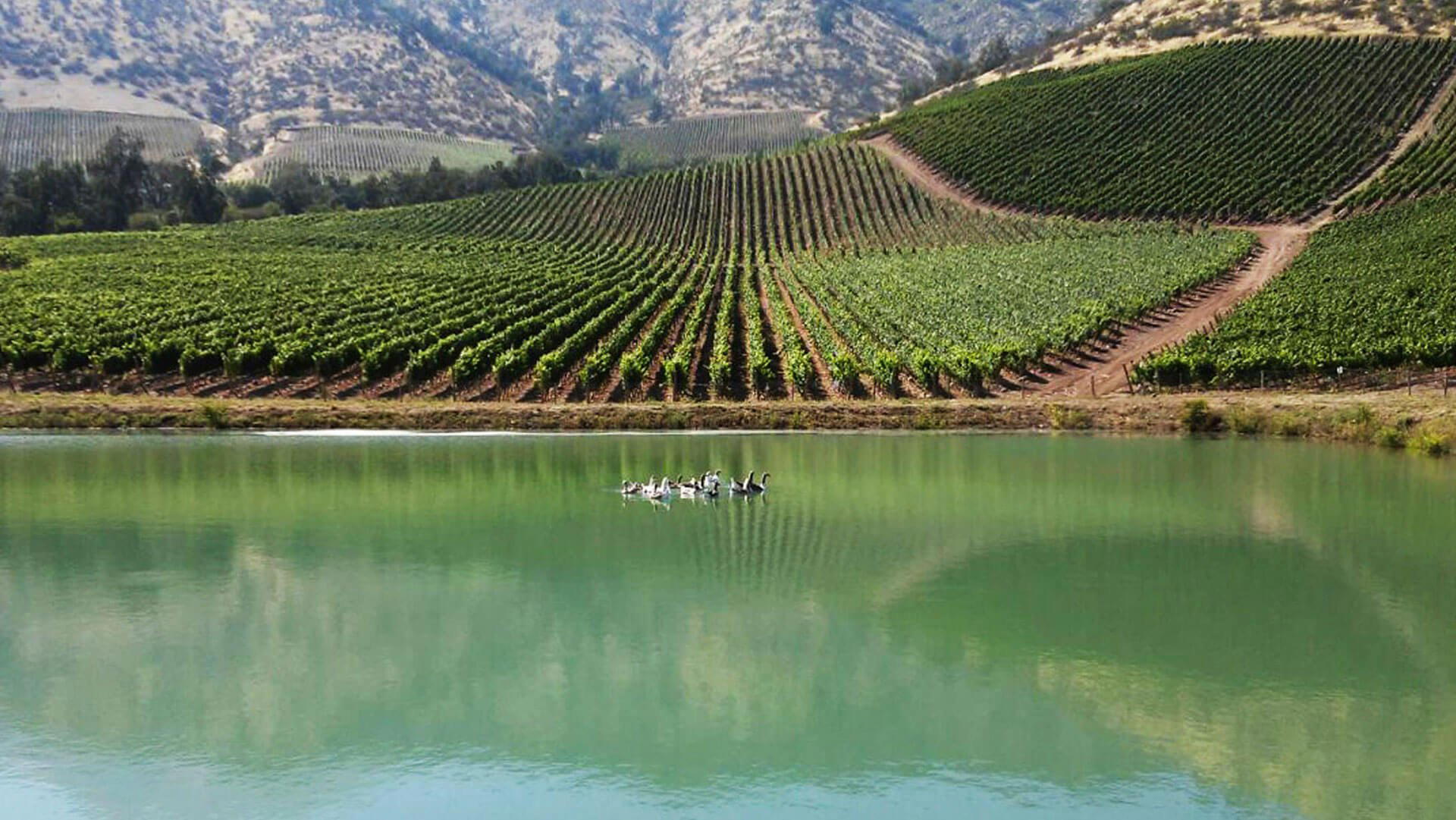
Approaching the Maipo Valley from Santiago along Ruta G-60, the landscape shifts incrementally: the urban periphery gives way to low scrub, then vineyard rows, then the Andean foothills begin to assert themselves on the horizon. Viña Chocalán sits at kilometre 6 on that road, outside Melipilla, at a point where the valley's western sector takes on a character distinct from the better-publicised Alto Maipo corridor. The air is drier here, the diurnal temperature swings pronounced, and the soil profile leans toward clay and gravel combinations that retain moisture without waterlogging the vine roots. These are not incidental conditions. They are the reason Cabernet Sauvignon planted across this sub-region tends toward firm tannin architecture and a slower phenolic evolution than examples grown on the valley floor closer to the city.
In the broader context of Chilean wine geography, Maipo has carried the country's Cabernet identity for over a century. The valley's proximity to Santiago made it the first commercially developed wine region, and its Cabernet-led reputation was consolidated long before any appellation system formalised the distinctions. Today, serious producers across Maipo operate within a comparable set that rewards terroir specificity over volume, a shift reflected in the concentration of prestige-rated estates in the region.
The Western Maipo as a Distinct Terroir Argument
The Maipo Valley is not a monolith. Alto Maipo, centred around Pirque and Puente Alto, attracts critical attention for Cabernet, partly because its proximity to the Andean snowmelt provides reliable irrigation and produces wines of notable concentration. The valley's central and western sectors, however, make a different argument. Soils here tend toward greater alluvial deposit, with layers of silt and clay over gravel, and the Pacific influence, moderated through the coastal mountain passes, introduces a cooling effect that extends the growing season without the dramatic cold extremes found at higher elevations.
Chocalán's position at the western end of the Maipo corridor places it in a sub-zone where winemakers have long had to balance ripeness management with the risk of over-extraction. The leading wines from this part of the valley carry a textural richness that distinguishes them from the more angular, mineral-driven profiles of Alto Maipo, while avoiding the flabbiness that comes from simply chasing sugar accumulation. This balance is what prestige-tier recognition in the region tends to track: not scale, but the ability to translate a specific piece of ground into something identifiable in the glass.
For comparison, producers working the broader Maipo corridor, including Viña De Martino in Isla de Maipo and Viña Undurraga in Talagante, each represent different inflections of the same general terroir argument: that the soils and climate west of Santiago produce Cabernet with a character worth taking seriously on its own terms, not simply as a more accessible alternative to Alto Maipo's benchmark estates. Viña Santa Rita in Buin anchors the valley's southern edge and provides another point of reference for understanding how soil transition affects the region's Cabernet profile.
Chile's Prestige Tier and What the Rating Signals
In a country where wine production spans an enormous range from commodity bulk to collector-grade allocation, the prestige tier functions as a filtering mechanism for serious visitors and buyers. A 2-star placement suggests a producer operating above the regional median on quality metrics, with sufficient track record to warrant the recognition as a standing designation rather than a one-cycle anomaly.
Within Chile's wider wine map, that tier places Chocalán in company with producers who have moved beyond the country's traditional export positioning, value-driven Cabernet and Carménère for European and North American supermarket shelves, toward wines that hold a legitimate conversation with mid-range Bordeaux and serious New World Cabernet from comparable climatic zones. Viña Seña in Panquehue and Viña MontGras in Palmilla each hold their own prestige positions within Chile's quality framework, illustrating how recognition is distributed across multiple valleys and not concentrated exclusively in Maipo or Colchagua. Further afield, El Gobernador (Miguel Torres Chile) in Curicó and Viña Valdivieso in Lontué show how the country's quality story extends well south of Santiago. For context beyond Chile's wine valleys entirely, Viña Falernia in Vicuña works the Elqui Valley at altitude, a production environment so different from Maipo that the comparison clarifies how much the Maipo terroir is defined by its moderate, Andean-proximate conditions rather than any extreme.
Planning a Visit to the Western Maipo Corridor
Viña Chocalán sits at Ruta G-60 km 6, Melipilla, in the Región Metropolitana, accessible by road from Santiago in under an hour depending on traffic through the city's western edge. The Melipilla road corridor is less developed for wine tourism than routes heading south toward the Colchagua Valley or east toward Pirque, which means visits here tend to attract a more deliberate traveller rather than day-trippers following a well-worn circuit. That relative quiet is part of the appeal: the tasting experience is unlikely to compete with tour groups on the same schedule.
Given the limited public information currently available about Viña Chocalán's booking procedures and visiting hours, prospective visitors should contact the estate directly before planning travel. The prestige-tier designation suggests an operation accustomed to receiving serious wine visitors, but the western Maipo's smaller infrastructure compared to the Colchagua or Casablanca circuits means advance coordination is prudent. Pairing a visit here with stops at Viña Ventisquero in Santiago or Viña Casa Silva in San Fernando extends the itinerary across Chile's central wine zones without excessive backtracking.
For visitors building a broader Chilean spirits and wine itinerary, the country's northern production zones offer a sharp contrast: Pisco Alto del Carmen Distillery in Huasco and Atacamasour Distillery in San Pedro de Atacama represent the desert-altitude production tradition that runs parallel to Chile's wine identity. The contrast between pisco country and Maipo Cabernet country is not incidental to understanding Chilean wine culture: they reflect two entirely different relationships between landscape and fermentation.
Our full Maipo restaurants and winery guide maps the valley's visiting options in more detail, including logistics for multi-stop itineraries across the region's sub-zones.
In Context: Similar Options
Comparable venues nearby, for context on price, style, and recognition.
| Venue | Cuisine | Price | Notes |
|---|---|---|---|
| Viña ChocalánThis venue — the venue you are viewing | Cabernet Sauvignon, Carmenère | $$ | Not listed |
| Viña Ventisquero | Sauvignon Blanc | $$ | Apalta Valley |
| Viña Caliterra | Cabernet Sauvignon, Carmenere | $$ | Colchagua Valley |
| El Gobernador (Miguel Torres Chile) | Cabernet Sauvignon, Malbec | $$ | Curicó Valley |
| Viña Santa Ema | Cabernet Sauvignon, Carmenere | $$ | Isla de Maipo |
| Hanaq Pacha Distillery | Winery | Not listed | Coquimbo |
Recognition history
Dated appearances from independent guides and award organizations, with the underlying list record or original source where available.
Falstaff Winery - Listed
Falstaff
At a Glance
- Scenic
- Rustic
- Elegant
- Wine Education
- Group Outing
- Solo Exploration
- Vineyard Tour
- Estate Grounds
- Panoramic View
- Sustainable
- Vineyard
- Mountain
- Valle Del Maipo
- Cabernet Sauvignon
- Carmenère
- Syrah
- Sauvignon Blanc
- Chardonnay
- Merlot
- Still Red
- Still White
- Cave Tasting
- Private Tasting
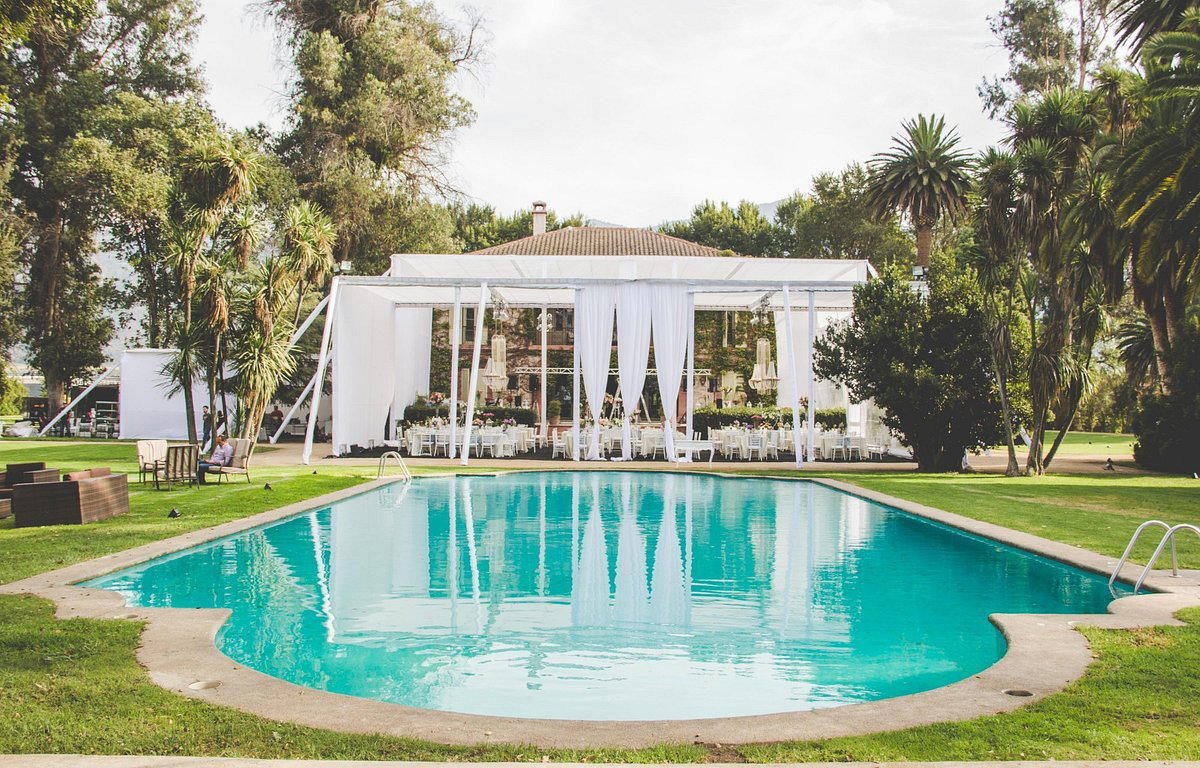
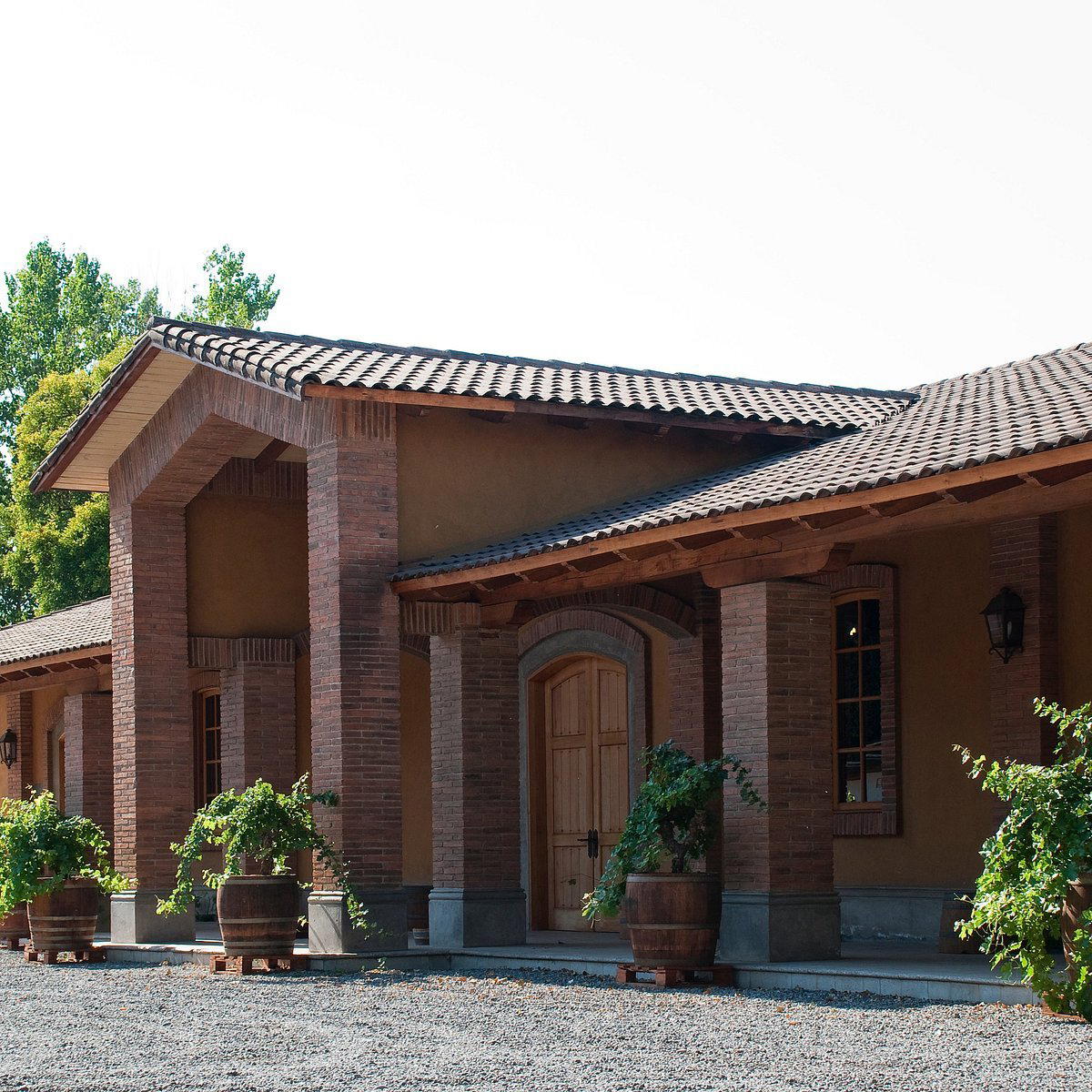
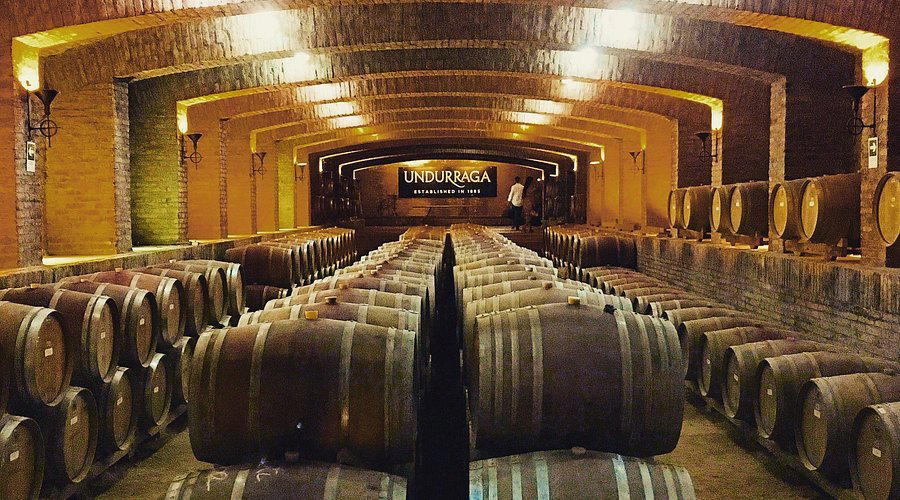
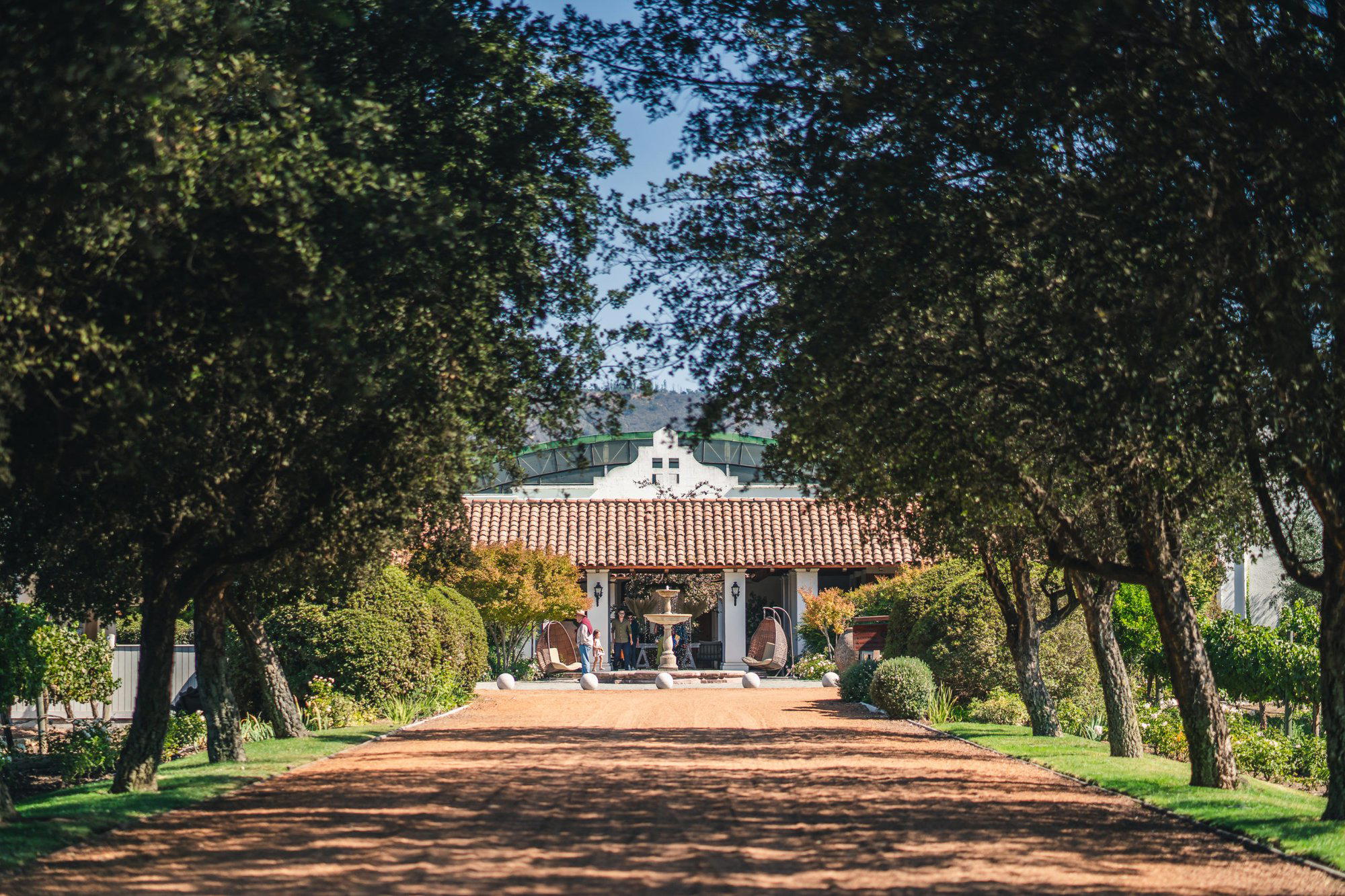
Hillside architectural setting amid vineyards offering an elegant, natural atmosphere with magical aromas and scenic coastal influences.