The estate operates in one of the country's most closely watched red-wine corridors, where Cabernet Sauvignon and Carmenère define the regional character. It belongs to a tier of Colchagua producers that compete on precision and provenance rather than volume.

Pearl is the En Primeur Club membership app — saves, bookings, and concierge access live there. Same editors, same standards.
- Address
- Camino Isla de Yáquil - s/N, 3160000 Palmilla, O'Higgins
- Phone
- +56 9 9733 8304
- Website
- montgras.cl
- Directions
- Get directions
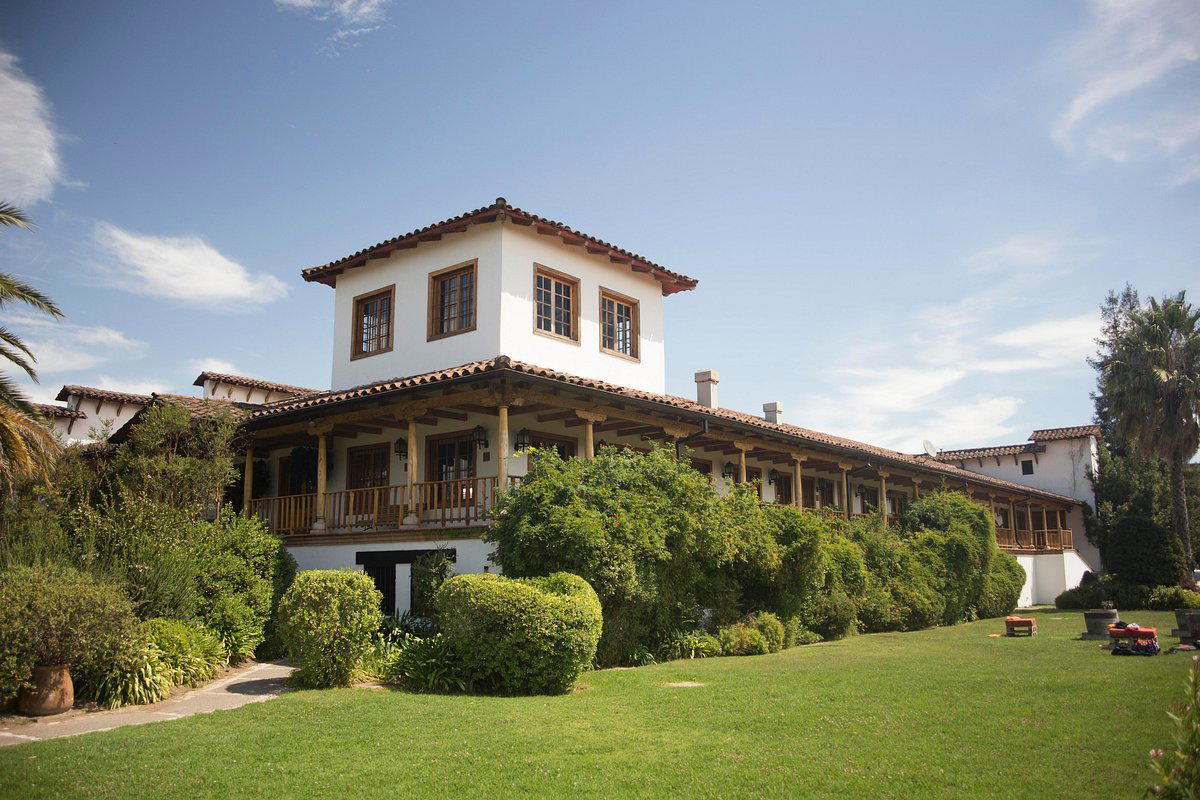
The Colchagua Valley and Where MontGras Fits Within It
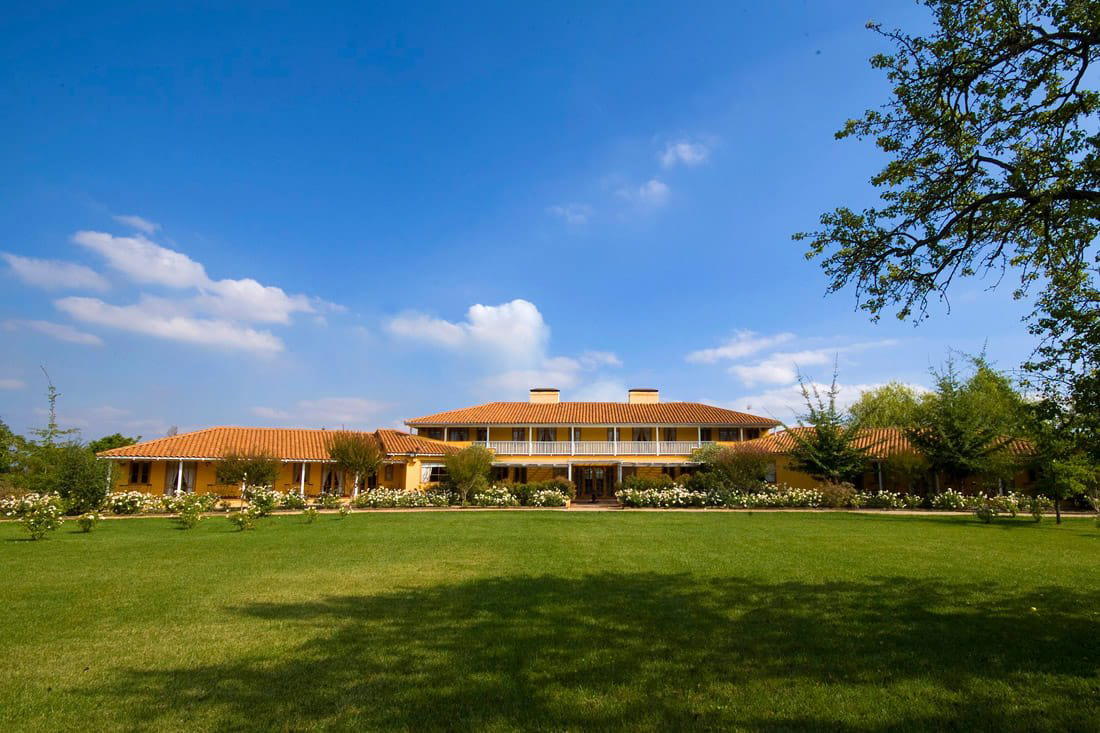
Chile's central wine regions have spent the last two decades sorting themselves into clearer tiers. In the Colchagua Valley, that sorting has produced a distinct upper bracket: estates whose identity is tied to specific valley sub-zones, whose wines circulate on allocation in key export markets, and whose hospitality infrastructure reflects long-term thinking about how visitors engage with a working winery. The road in from Santa Cruz passes through working vineyards and orchards, and the physical approach to any estate here tends to be unhurried, partly by necessity and partly by design. The valley's hospitality culture has developed to match: visits are rarely rushed, and the expectation on arrival is that wine and landscape will share equal billing.
A Winemaking Tradition Rooted in Colchagua's Signature Varieties
The Colchagua Valley's reputation in international markets rests substantially on two varieties: Cabernet Sauvignon and Carmenère. The latter is particularly tied to Chilean identity, having been misidentified as Merlot for much of the twentieth century before ampelographic work in the 1990s established its true origin as a Bordeaux variety that had effectively gone extinct in France. In Colchagua, Carmenère found conditions that suited its late-ripening character: warm afternoons, cool nights driven by Pacific influence through the Colchagua gap, and well-drained soils with significant clay and gravel content at higher elevations.
Estates in this valley that have built reputations in the prestige tier typically do so through a combination of terroir-specific vineyard work and calibrated winemaking intervention. The approach across the upper bracket tends to resist over-extraction, which was the dominant aesthetic in Chilean red wines through the late 1990s and early 2000s, in favour of wines with more defined structure and better aging potential. That shift has been documented across the Chilean wine press and has influenced how Colchagua estates like MontGras position their premium ranges relative to high-volume international competitors. Compare this direction with the approach at Viña De Martino in Isla de Maipo, which has pursued a similar restraint-led philosophy from its Maipo base, or Viña Ventisquero in Santiago, whose Apalta-sourced reds operate in an overlapping competitive set.
It does not indicate a single exceptional vintage or a one-off critical endorsement; it reflects a sustained performance across wine quality, estate experience, and access.
Within the Colchagua Valley specifically, this places MontGras in company with a small number of estates that have invested in both their vineyards and their visitor offer over the long term. Across Chile more broadly, the prestige tier spans a wide geographic range, from Viña Falernia in Vicuña in the Elqui Valley to Viña Undurraga in Talagante in the Maipo Valley and Viña Valdivieso in Lontué in the Curicó Valley. Each operates from a different regional base with a different primary variety, which illustrates how the prestige designation functions as a cross-regional quality signal rather than a style endorsement.enprimeurclub.
The Estate as a Destination: Hospitality and Visitor Logic
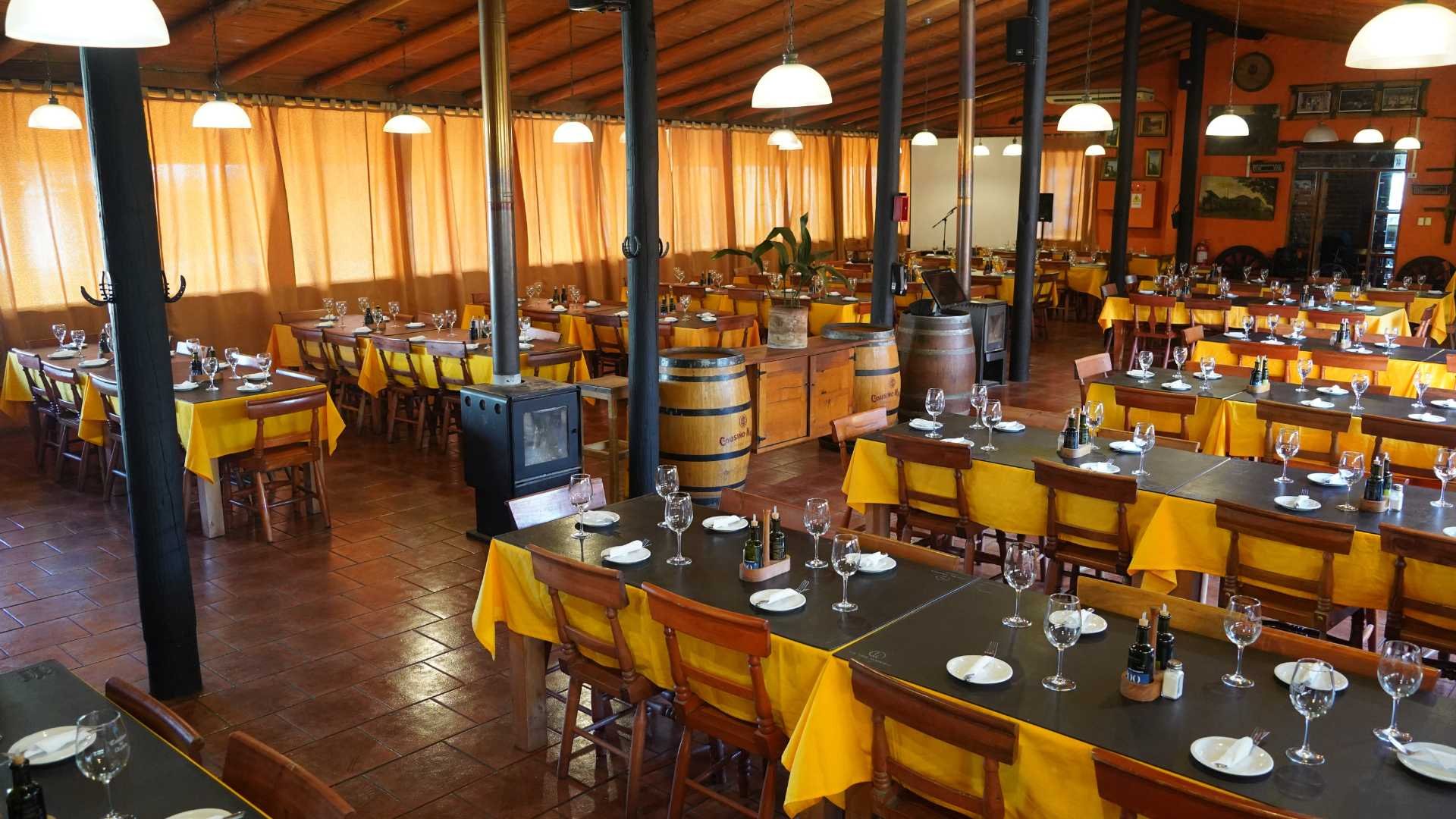
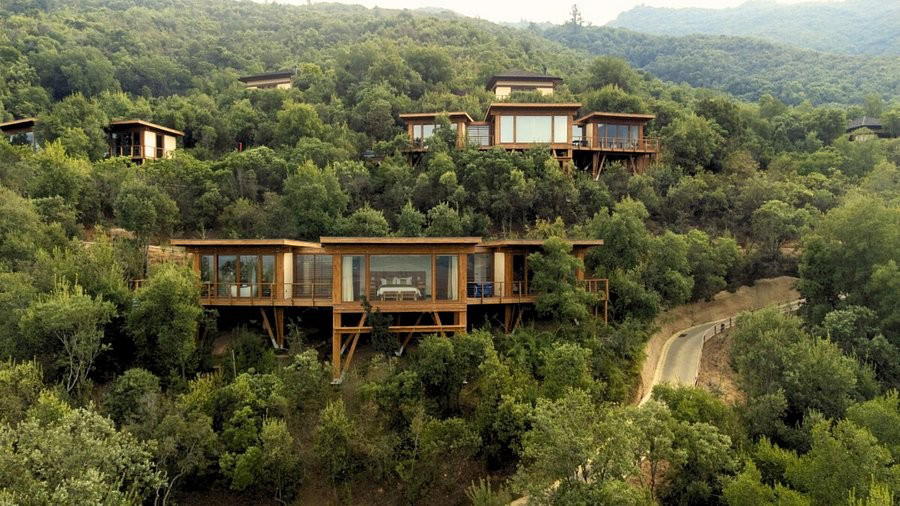
The OS-1 atmospheric mandate reflects a genuine truth about how Colchagua estate visits work: the physical environment does most of the framing before you reach the tasting room. The effect, arriving in the growing season, is of being inside the production system rather than presented with a curated version of it.
Colchagua's upper-tier estates have moved toward a hospitality model that integrates vineyard access, structured tastings, and in some cases accommodation or dining, reflecting a broader shift in Chilean wine tourism that mirrors developments in Mendoza and in parts of South Africa's Stellenbosch. The logic is that international visitors who have flown to Santiago and driven two hours south into the valley are not making a casual stop; they are committing a day or more, and the estate experience needs to justify that commitment. Santa Cruz functions as the valley's service hub, with hotels, restaurants, and the Colchagua Museum, making it the natural base for multi-estate itineraries. An estate visit to MontGras pairs logically with a visit to El Gobernador (Miguel Torres Chile) in Curicó, whose parent company operates across multiple continents and whose brand recognition is built on a different logic. Nor does it share a competitive frame with Pisco Alto del Carmen in Huasco or Atacamasour in San Pedro de Atacama, which represent entirely different categories of Chilean production.
For visitors building a Chilean wine itinerary, the estate sits in one of the country's most coherent wine-touring corridors. Viña Santa Rita in Buin anchors the northern end of this corridor from the Maipo Valley, while estates like MontGras define its southern reaches.
Planning Your Visit
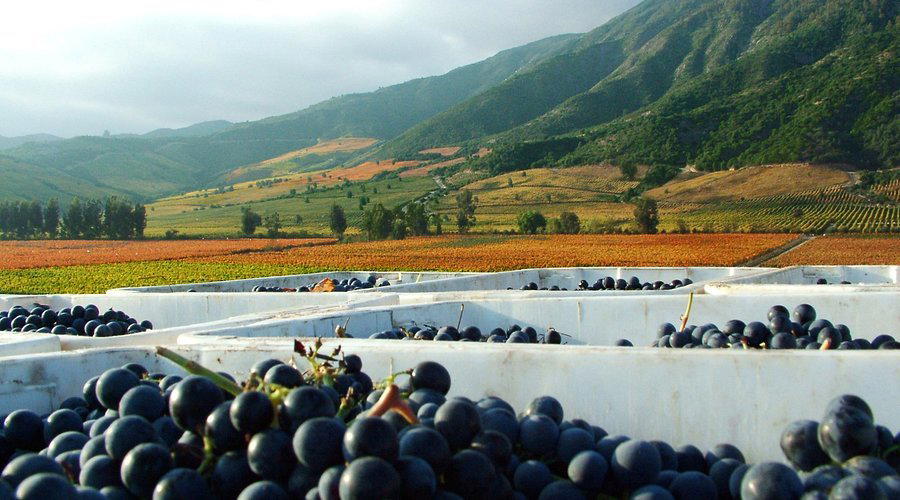
The valley's peak visiting season runs from November through April, aligning with the Southern Hemisphere summer and harvest; visiting in March or early April places you in the property during the harvest period, when vineyard activity is at its highest and the estate atmosphere shifts accordingly. Off-season visits in June through August are quieter and sometimes allow for more time with the winemaking team, though access and programming may vary.
Cost Snapshot
Comparable venues nearby, for context on price, style, and recognition.
| Venue | Cuisine | Price | Notes |
|---|---|---|---|
| Viña MontGrasThis venue — the venue you are viewing | Palmilla, Cabernet Sauvignon, Carmenère | $30–50 | Not listed |
| Viña Maquis | Palmilla, Carmenere, Malbec | $30–50 | Not listed |
| Viña Koyle | Not listed | Not listed | Los Lingues, Alto Colchagua, Carmenere, Garnacha |
| Pisco Horcón Quemado | Winery | Not listed | Not listed |
| Viña Undurraga | Talagante, Cabernet Sauvignon, Carmenère | Not listed | Not listed |
| Hanaq Pacha Distillery | Winery | Not listed | Not listed |
Continue exploring
More in Palmilla
Wineries in Palmilla
Browse all →

Restaurants in Palmilla
Browse all →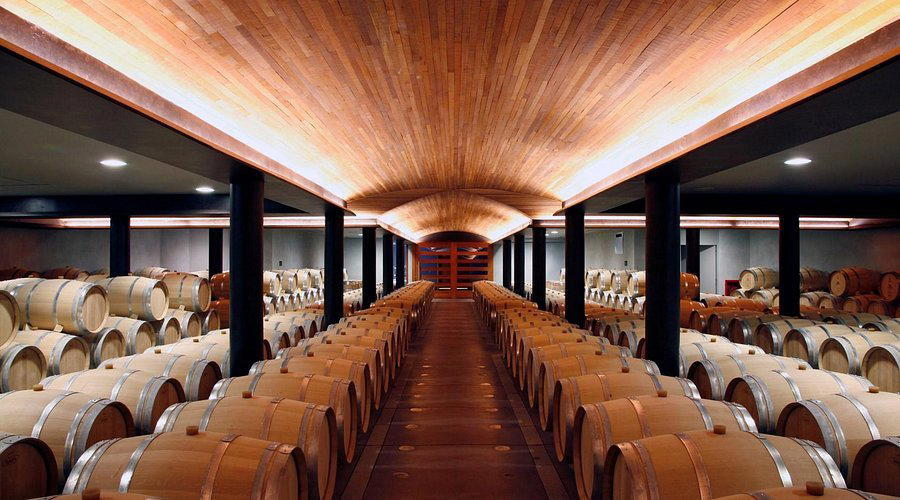

Details
- Scenic
- Rustic
- Elegant
- Group Outing
- Wine Education
- Celebration
- Vineyard Tour
- Barrel Room
- Picnic Area
- Panoramic View
- Sustainable
- Vineyard
- Mountain
- Cabernet Sauvignon
- Carmenère
- Syrah
- Malbec
- Merlot
- Cabernet Franc
- Still Red
- Tours Con Degustación
- Haga Su Propio Vino
- Español
- Inglés
Welcoming atmosphere with dramatic Andes and vineyard views, warm hospitality, and educational tastings in a family-friendly setting.