
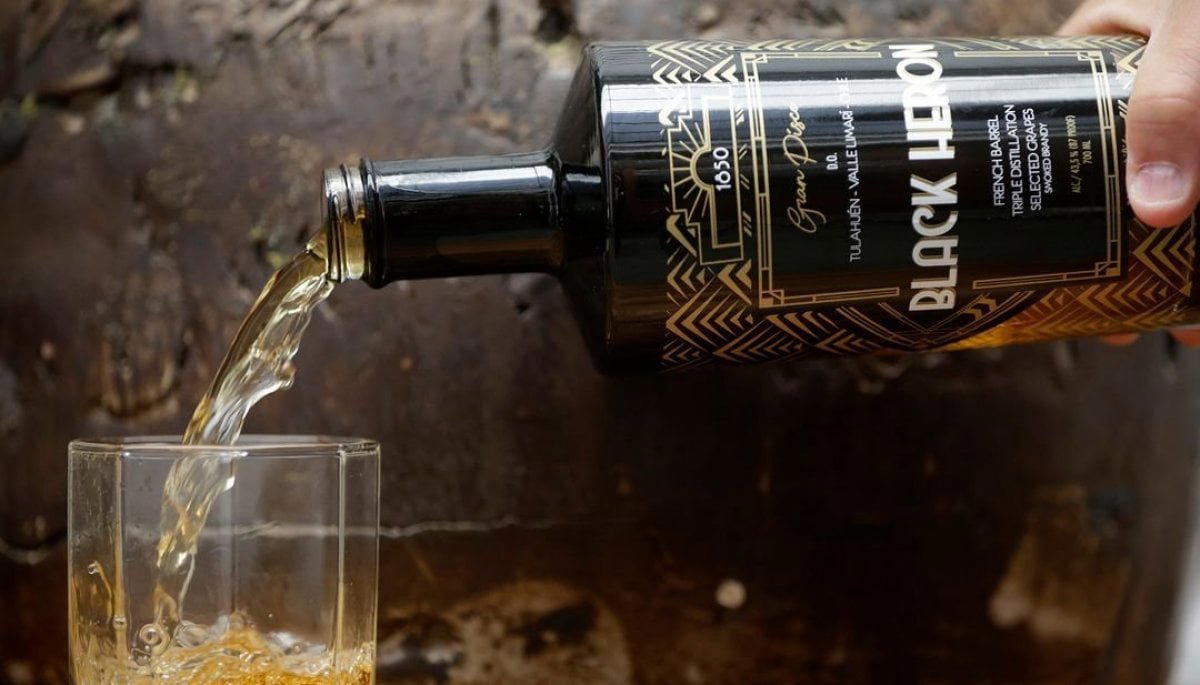
Black Heron Pisco Distillery operates in Tulahuén, Monte Patria, deep within Coquimbo's Elqui and Limarí valleys, Chile's designated pisco heartland. A 2025 Pearl 2 Star Prestige award places it among the region's recognised producers. The distillery sits at the intersection of high-altitude terroir and traditional grape-based spirit production, making it a reference point for anyone tracing Chile's pisco tradition from the land upward.
 Discover on Pearl
Pearl is the En Primeur Club membership app — saves, bookings, and concierge access live there. Same editors, same standards.
- Address
- Vicuña Mackenna s/n, Tulahuén, Monte Patria, Coquimbo Region, Chile
- Phone
- +56936760064
- Website
- pisqueratulahuen.cl
Where the Andes Shape the Spirit
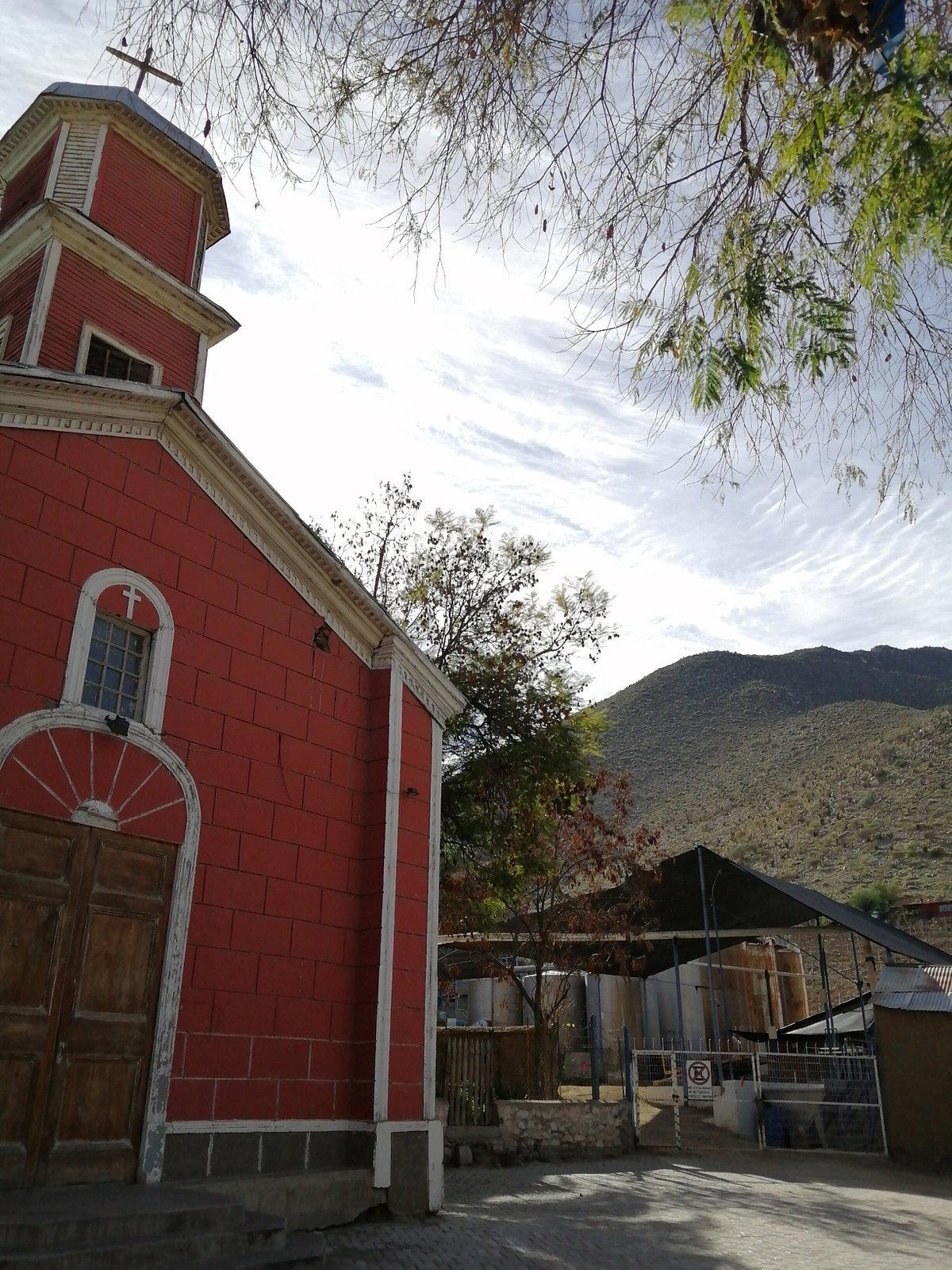
The road into Tulahuén, a small agricultural settlement in the Monte Patria commune of Coquimbo's Limarí Valley, gives you the clearest possible argument for terroir-driven pisco. The valley floor is dry, the air carries the particular aridity of a high-desert river corridor, and the Andes press in from the east, forcing the few rivers that exist to work hard for every vine they sustain. This is not incidental backdrop. The conditions here, intense solar radiation, cold nights, mineral-dense soils derived from granite and alluvial deposits, are the same conditions that determine the aromatic intensity and structure of the Muscat-family grapes that define Chilean pisco at its most serious.
Black Heron Pisco Distillery operates within this geography, at an address that places it squarely in Coquimbo's designated pisco production zone. The region holds legal demarcation status under Chilean appellation rules, meaning production here is tied to specific grape varieties and processing methods that the state has codified over decades. The distillery's 2025 Pearl 2 Star Prestige recognition confirms it as a producer operating at a meaningful level within that regulated framework.
The Limarí Valley and Chile's Pisco Tradition
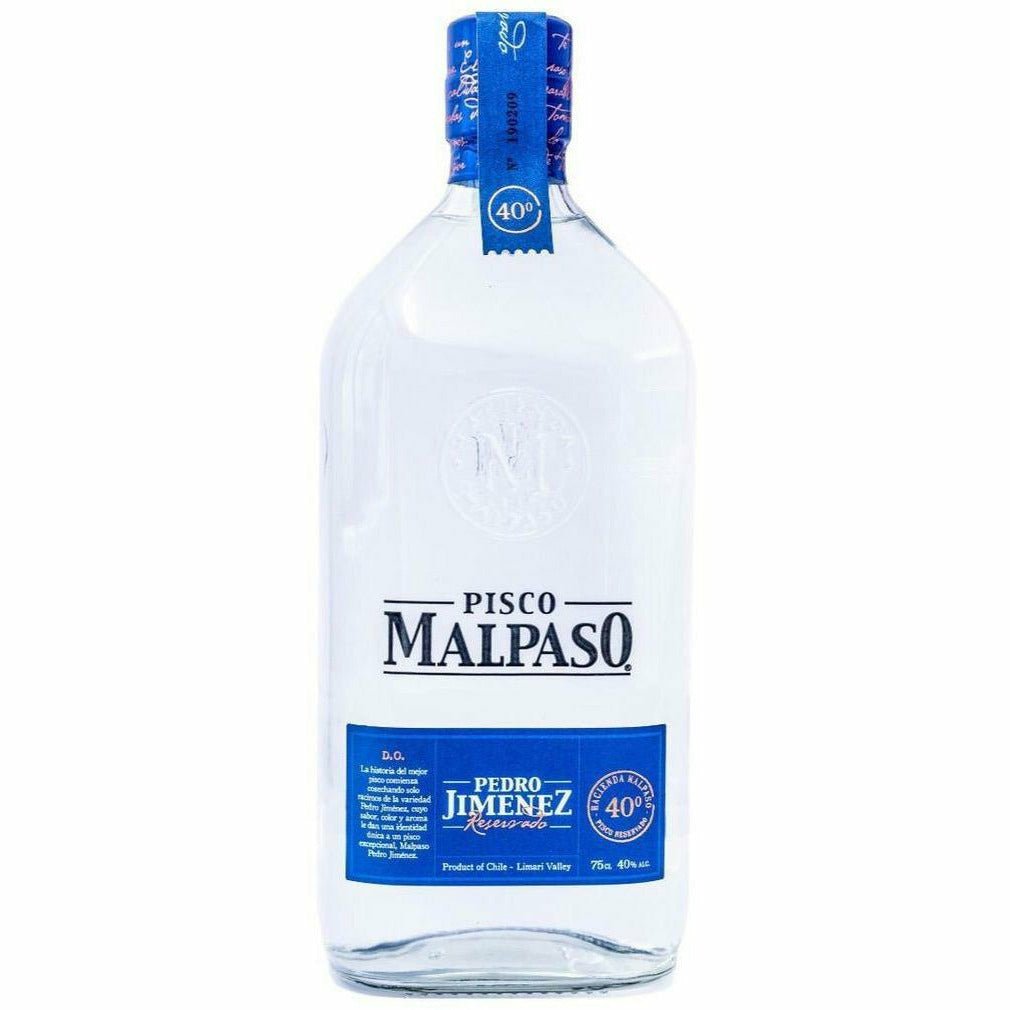
Chilean pisco is made principally from aromatic grape varieties: Moscatel de Alejandría, Moscatel Rosada, Pedro Jiménez, and Torontel, among others designated by Chilean law. The Coquimbo region, which encompasses both the Elqui and Limarí valleys, holds the bulk of Chile's serious pisco production. Viña Falernia in Vicuña, one of the better-known wine producers operating in the same geographic area, illustrates how the same elevation and latitude that produce concentrated, high-acid wine grapes also generate the raw material for structured, fragrant pisco.
Within this tradition, the distinction between commodity pisco, produced at industrial scale for mixing, and artisan or single-origin production has widened considerably in the past decade. Producers who work at the distillery level with estate or regionally sourced grapes, controlling fermentation and distillation closely, occupy a different tier from the volume brands. Black Heron's Pearl 2 Star Prestige award signals it belongs to the more considered end of that spectrum. For comparison, Hanaq Pacha Distillery, also operating in Coquimbo, represents the wider movement of craft-focused producers giving this appellation renewed critical attention.
Terroir as the Central Argument
To understand why location matters this specifically in pisco production, it helps to consider what the Limarí Valley does to grape development that other regions cannot replicate. The valley sits at roughly 30 degrees south latitude, in a semi-arid zone where annual rainfall is minimal and irrigation comes almost entirely from snowmelt channelled through river systems fed by Andean glaciers. The resulting vines are water-stressed in a controlled way, producing smaller berries with concentrated sugar and aromatic compounds. Combined with the diurnal temperature swings that define high-altitude sites across the Andes, this translates directly into spirit character: more terpene complexity, better acid retention, and a structural clarity that distinguishes Limarí-sourced pisco from lower-altitude production.
This is the argument that makes a distillery like Black Heron worth tracking against the broader Chilean spirits category, rather than just evaluating it as an isolated producer. The land carries the case. The distillery's role is to translate that argument faithfully through its process. The Pearl 2 Star Prestige recognition in 2025 suggests it is doing so at a level the market is beginning to register.
Coquimbo's Emerging Spirits Identity
Coquimbo as a region has historically exported its reputation through wine, with producers across the Elqui and Limarí valleys gaining international attention through categories like Syrah and Chardonnay adapted to extreme conditions. The pisco sector has run alongside that wine identity but attracted less critical infrastructure, fewer specialist reviewers, less export narrative, less comparison framework. That is changing, partly because international interest in South American spirits has grown, and partly because producers within the appellation have pushed quality standards in ways that demand more careful attention.
Black Heron sits within that shift. Tulahuén, as an address, is not one of the better-known entry points to the Coquimbo region, visitors more commonly approach via La Serena or Vicuña, but Monte Patria commune has its own agricultural identity and a production history that predates the modern appellation framework. The Pisco Alto del Carmen Distillery in Huasco, operating further north in the Atacama region, sits in the parallel Chilean pisco appellation and provides a useful comparative reference for understanding how geography shifts the character of production even within the same legal category.
How Black Heron Positions Within the Regional comparable set
Chile's wine and spirits producers in Coquimbo operate across a wide quality and scale range. At the volume end, large cooperative structures dominate production and distribution. At the craft end, smaller distilleries and estate wineries compete on provenance, process transparency, and critical recognition. Black Heron's EP Club Pearl 2 Star Prestige places it in the recognised craft tier, where comparable set comparisons involve producers prioritising terroir expression over volume.
This is a different competitive frame from the Chilean wine producers further south. Estates like Viña Seña in Panquehue or Viña De Martino in Isla de Maipo operate in appellation zones where international press has built comparison infrastructure over decades. Pisco producers in Coquimbo are working in a category where that critical scaffolding is younger, which means early recognition carries proportionally more signal weight. A Pearl 2 Star in 2025 places Black Heron at a tier where consistent quality over the next several vintages will determine whether it builds lasting positioning or remains a local reference.
Other Chilean producers worth understanding as context include Viña Valdivieso in Lontué, Viña Undurraga in Talagante, and Viña MontGras in Palmilla, producers who demonstrate how Chilean producers across regions are articulating provenance through awards and critical engagement. El Gobernador (Miguel Torres Chile) in Curicó adds further context from a producer with strong international visibility in an adjacent category.
Planning a Visit
Black Heron Pisco Distillery is located at Vicuña Mackenna s/n, Tulahuén, in the Monte Patria commune. Tulahuén is accessible by road from Ovalle, the main urban centre of the Limarí Valley, which itself connects to La Serena and the Pan-American Highway corridor. The address puts the distillery in a genuinely agricultural setting, away from tourist infrastructure, which suggests visits are leading approached as intentional excursions rather than casual stops. Our full Coquimbo restaurants guide covers the broader region and can help frame a multi-stop itinerary that includes both wine and spirits producers.
For those building a dedicated pisco-focused itinerary through Coquimbo, pairing Black Heron with a visit to Hanaq Pacha Distillery and wine producers like Viña Falernia creates a coherent narrative of how the same Andean corridor produces both grapes and spirits at meaningfully different price and style points.
Side-by-Side Snapshot
Comparable venues nearby, for context on price, style, and recognition.
| Venue | Cuisine | Price | Awards | Notes |
|---|---|---|---|---|
| Black Heron Pisco DistilleryThis venue — the venue you are viewing | Moscatel | $$$ | 1 recognition | |
| Hanaq Pacha Distillery | Winery | , | 1 recognition | Coquimbo |
| Pisco Horcón Quemado | Winery | , | 1 recognition | Combarbalá |
| Pisco Waqar Distillery | Muscat of Alexandria, Pink Muscat | $$$ | 1 recognition | Tulahuén |
| Pisco Alto del Carmen Distillery | Muscat, Muscat of Alexandria | $$$ | 1 recognition | Huasco Valley |
| Casa Marín | Sauvignon Blanc, Pinot Noir | $$$ | 1 recognition | Lo Abarca |
Continue exploring
More in Coquimbo
Wineries in Coquimbo
Browse all →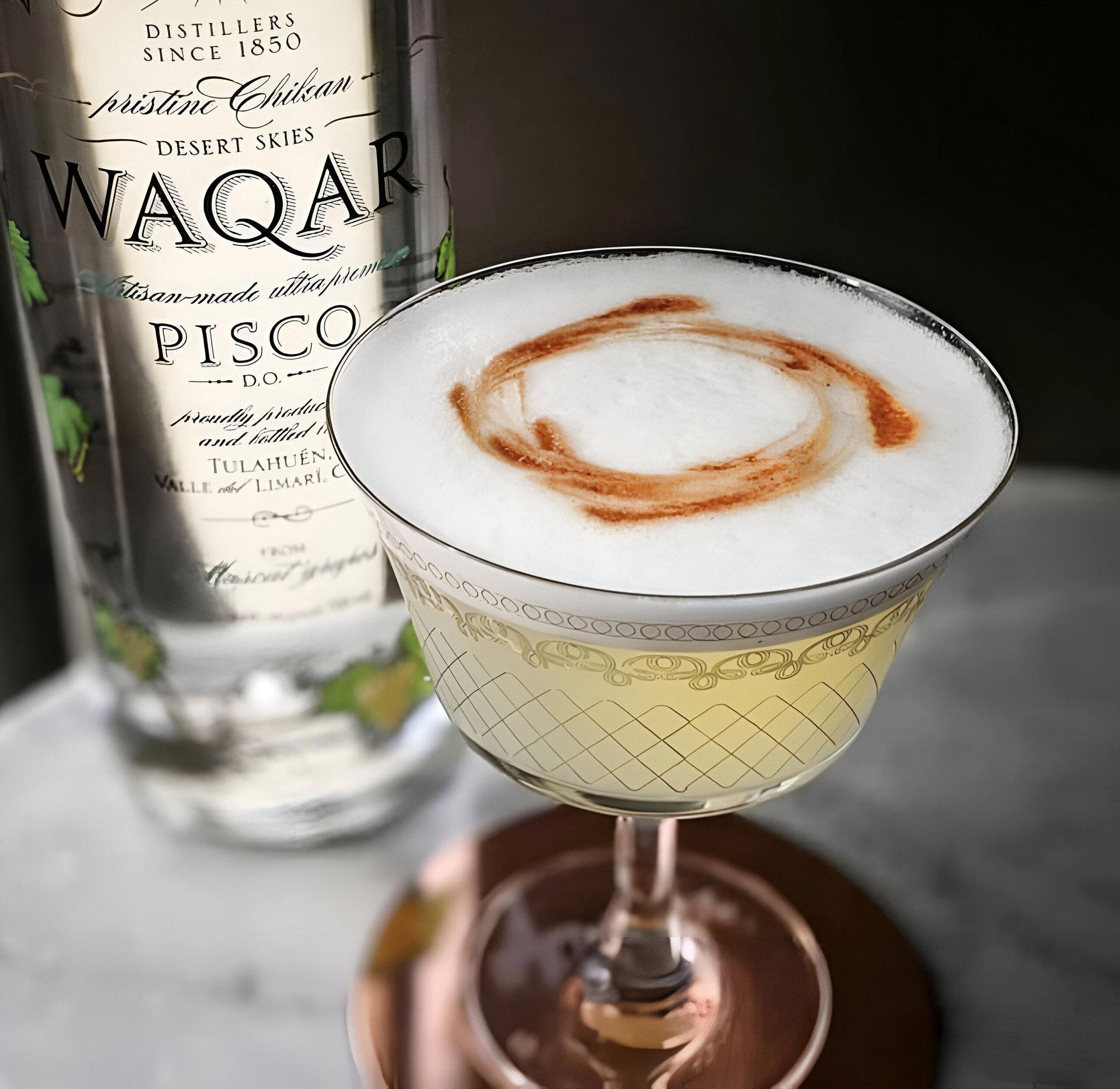
Restaurants in Coquimbo
Browse all →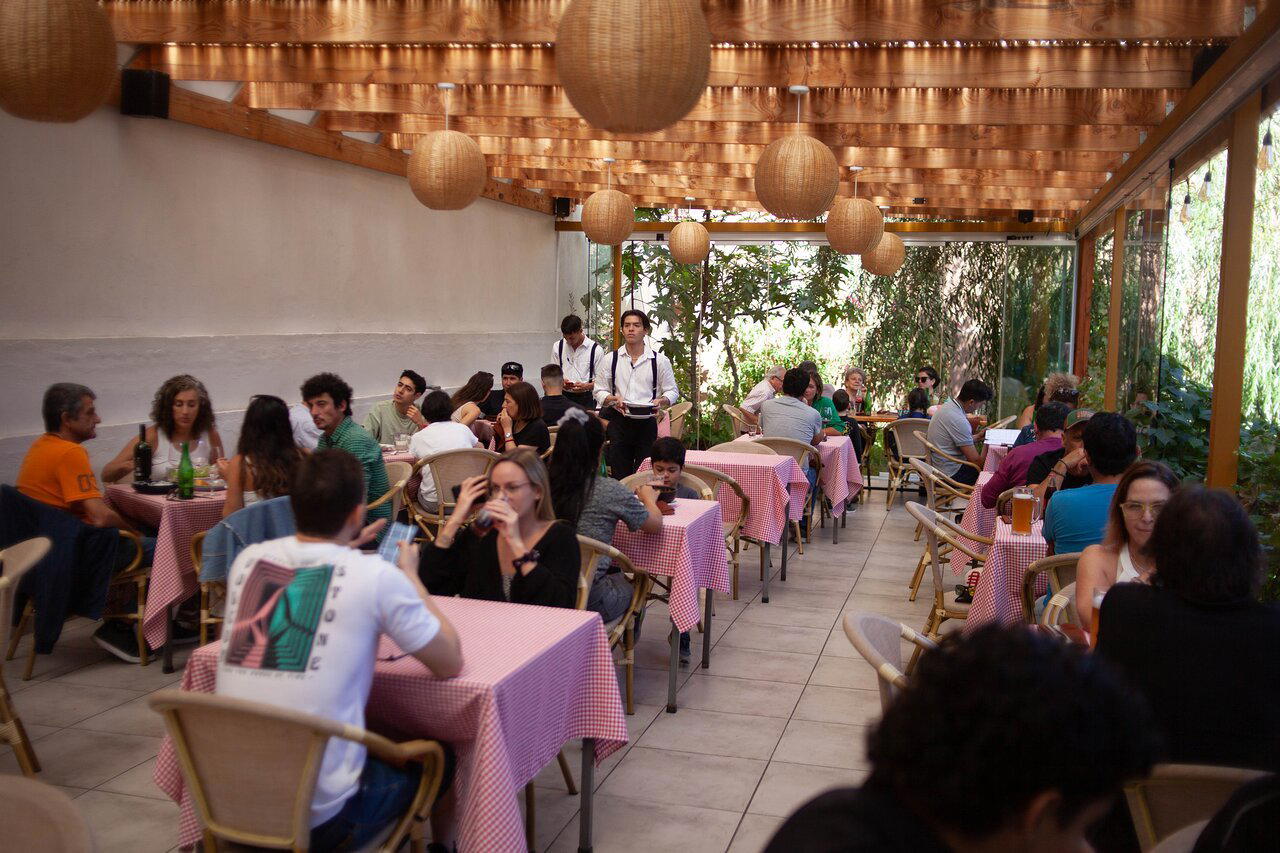
At a Glance
- Rustic
- Scenic
- Intimate
- Wine Education
- Solo Exploration
- Estate Grounds
- Historic Building
- Mountain
- Vineyard
Rustic highland distillery atmosphere with a historic, artisanal feel evoking the 1920s glamour and smoky tradition.