
Pisco Waqar Distillery operates from Tulahuén in Chile's Coquimbo region, where the Elqui and Limarí valleys converge to produce Muscat-driven piscos of unusual aromatic intensity. The distillery earned a Pearl 2 Star Prestige rating in 2025, placing it among a small tier of Chilean pisco producers recognised for craft distinction. For anyone tracing Chilean spirits at source, Tulahuén is a serious address.
 Discover on Pearl
Pearl is the En Primeur Club membership app — saves, bookings, and concierge access live there. Same editors, same standards.

Where Andean Altitude Meets Pisco Tradition
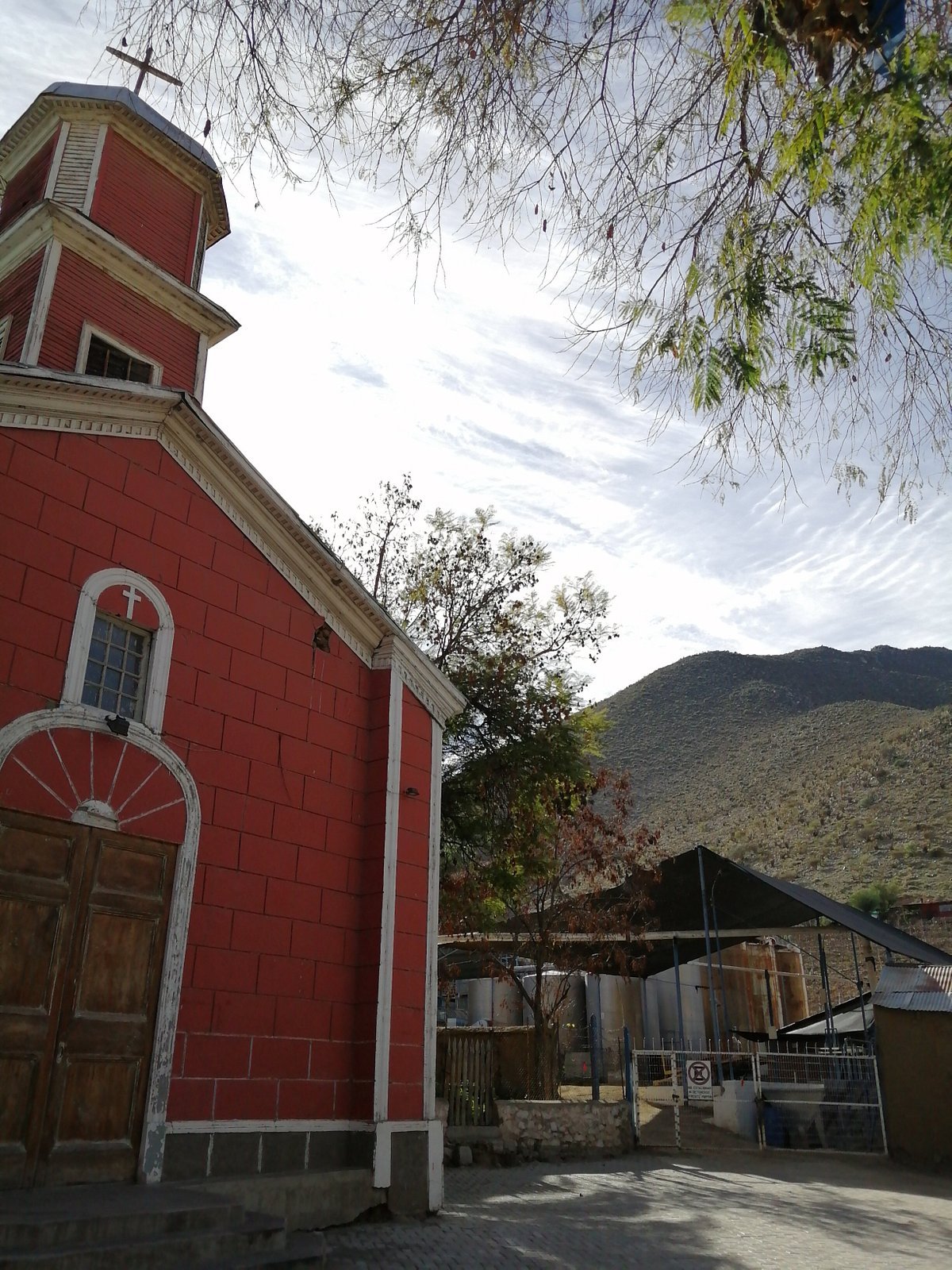
The road into Tulahuén runs through a valley that narrows as it climbs, the scrub giving way to terraced vine rows stitched against pale hillsides. This is inland Coquimbo, a region most international visitors associate with wine rather than spirits, yet it sits at the geographic and climatic core of Chilean pisco country. The Limarí River catchment, which defines this stretch of the Norte Chico, delivers the kind of stark diurnal temperature swings — hot days, cold nights driven by altitude — that concentrate sugar and aromatic compounds in Muscat grapes before they reach the still. Pisco Waqar Distillery is located on Avenida Vicuña Mackenna in Tulahuén, within the Monte Patria commune, and the address alone signals intent: this is a producer working at the origin of the ingredient, not a bottler operating at a remove from the land.
Terroir and the Pisco Distinction
Chilean pisco's identity crisis has been well documented. For decades the category sat between industrial scale and artisan ambition, with most production concentrated in the Elqui Valley to the north and the Limarí Valley further south. Tulahuén occupies a transitional zone, and distilleries here have increasingly drawn attention as the craft tier of Chilean pisco separates from the commodity mainstream. The argument for terroir in pisco is not merely theoretical: Muscat of Alexandria and Muscat Rosé, the two varieties that dominate Chilean pisco production, express vine stress and soil mineralogy in ways that translate through distillation if the producer is attentive. Sandy loam soils on alluvial slopes, irrigation drawn from Andean snowmelt, and daytime temperatures that can exceed 30°C before dropping sharply after sunset , these are not neutral inputs. They produce grapes with refined Brix readings and aromatic profiles that persist into the final spirit.
Pisco Waqar's 2025 Pearl 2 Star Prestige award, granted by EP Club's review programme, places it inside the upper tier of the Chilean pisco category. At this level, the peer set is small. Producers like Pisco Alto del Carmen Distillery in Huasco and Atacamasour Distillery in San Pedro de Atacama represent different expressions of Chilean spirits geography, with Alto del Carmen working the Huasco Valley and Atacamasour operating at extreme elevation near the Atacama. What each shares with Waqar is a commitment to letting provenance drive product character rather than standardising for mass-market consistency.
The Coquimbo Region in Context
Coquimbo is better known internationally for its wine producers than its distillers. Viña Falernia in Vicuña has built a reputation for high-altitude Syrah and Carménère from the Elqui Valley, demonstrating that this latitude can yield wines with structural seriousness rather than tropical excess. That same altitude logic applies to pisco grapes: the cool nights that preserve acidity in wine grapes also preserve the terpene compounds in Muscat that give well-made pisco its floral and citrus register. Further south, Chilean wine production concentrates in the Central Valley, with estates like Viña Casa Silva in San Fernando, Viña De Martino in Isla de Maipo, and Viña Undurraga in Talagante operating in warmer, more irrigated conditions that favour different variety profiles entirely. The Norte Chico, by contrast, imposes constraints that tend to sharpen rather than soften character in both grapes and the spirits derived from them.
The broader Chilean premium spirits and wine circuit also connects to estates working across different categories and price tiers: Viña MontGras in Palmilla, Viña Valdivieso in Lontué, Viña Ventisquero in Santiago, Viña Santa Rita in Buin, and Viña Seña in Panquehue all represent points on Chile's quality production map that help contextualise where the craft pisco tier sits within the national drinks industry. Outside Chile, the comparison extends to prestige spirits production in other traditions: Aberlour in Aberlour demonstrates what distillery-origin terroir communication looks like in a mature single-malt market, and Accendo Cellars in St. Helena illustrates the premium credentials that come from working a single-site approach in an internationally recognised appellation. The craft pisco tier in Chile is building toward a similar kind of origin-differentiated identity, and Waqar's recognition signals that the category is reaching a point where individual producers earn reputations distinct from the generic category label.
Visiting Tulahuén: What to Expect
Tulahuén is not a destination with established tourism infrastructure in the way that, say, Colchagua or Casablanca Valley wine regions are. That is partly its appeal for a certain kind of traveller: there is no convivial tasting-room circuit, no wine bus, no hotel cluster. Reaching the Monte Patria commune requires a journey inland from La Serena or Ovalle, the latter sitting roughly an hour south by road. The terrain is semi-arid, the light sharp and high, and the valley agriculture is oriented around stone fruit and the vine rows that feed local pisco production. For visitors arriving from wine-country itineraries further south, the contrast is immediate. This is a different register of Chilean landscape: narrower, more austere, with a climate that reads as inhospitable until you understand how it shapes the raw material.
Given the limited publicly available information on visiting hours, booking process, and tasting formats, travellers should verify current access arrangements directly before making a dedicated trip. The distillery's address on Avenida Vicuña Mackenna places it within the town itself rather than on a remote rural property, which may mean more accessible drop-in visits than some estate distilleries allow, but confirmation is advisable. For a fuller picture of what the area offers, our full Tulahuén restaurants guide maps the broader food and drink options in the commune.
Those building a longer Norte Chico itinerary might cross-reference a visit to Waqar with a stop at Viña Falernia in Vicuña, which lies further north in the Elqui Valley and offers an established visitor programme, or trace the spirits geography southward toward Pisco Alto del Carmen in Huasco. The combination provides a working cross-section of how Chilean pisco's craft tier is developing across distinct valley systems. For those approaching from a wine-country base further south, El Gobernador (Miguel Torres Chile) in Curicó represents the kind of estate with structured visitor infrastructure that can anchor the southern end of such a circuit before heading north.
Quick Comparison
These are the closest comparables we have in our database for quick context.
| Venue | Cuisine | Price | Awards | Notes |
|---|---|---|---|---|
| Pisco Waqar Distillery | This venue | |||
| El Gobernador (Miguel Torres Chile) | ||||
| Viña Casa Silva | ||||
| Viña De Martino | ||||
| Viña Falernia | ||||
| Viña MontGras |
Continue exploring
More in Tulahuén
Wineries in Tulahuén
Browse all →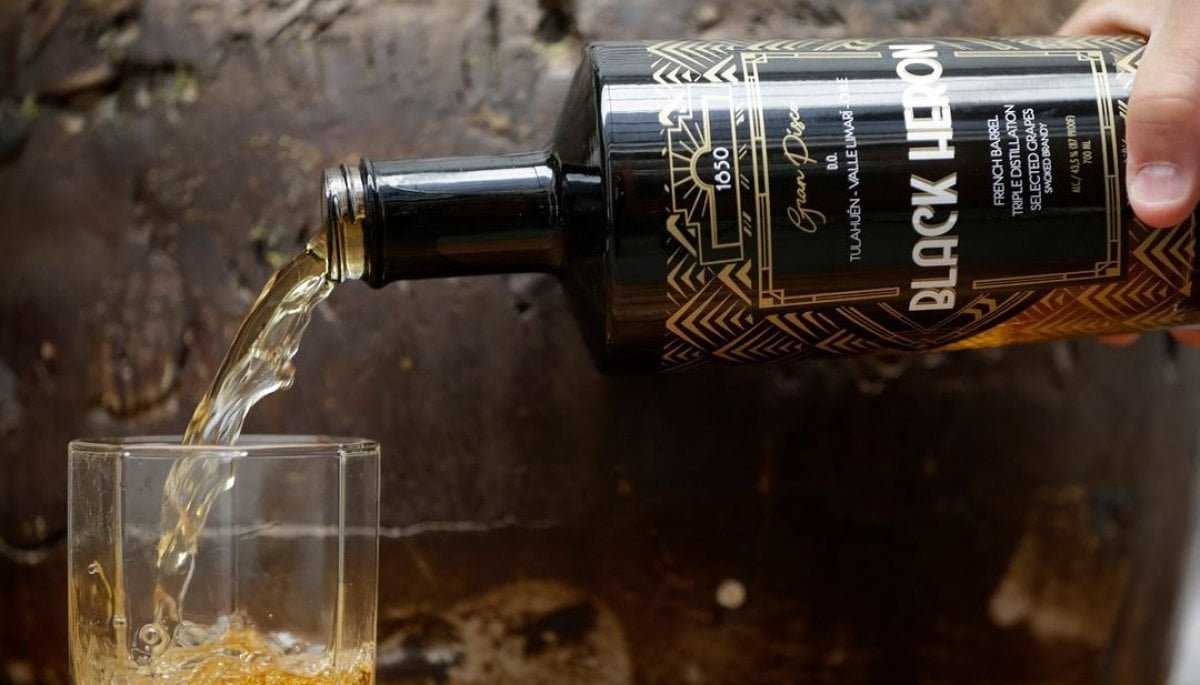

Restaurants in Tulahuén
Browse all →
At a Glance
- Rustic
- Scenic
- Classic
- Intimate
- Wine Education
- Special Occasion
- Solo Exploration
- Estate Grounds
- Historic Building
- Vineyard Tour
- Sustainable
- Dry Farmed
- Mountain
- Vineyard
Artisanal, traditional production environment with emphasis on heritage craftsmanship and terroir expression; clear, vibrant spirits with floral and fruity aromatics reflecting the mountain setting.