Pisco Mal Paso operates from Fundo Huamalata in the Coquimbo region, producing pisco in one of Chile's driest and most extreme growing environments. For visitors tracing the serious end of Chilean pisco production, this is a producer that rewards attention.

Pearl is the En Primeur Club membership app — saves, bookings, and concierge access live there. Same editors, same standards.
- Address
- Fundo Huamalata, Ovalle, Coquimbo
- Hours
- Mon–Thu 8 AM–5:30 PMFri 8 AM–12 PMSat–Sun Closed
- Directions
- Get directions
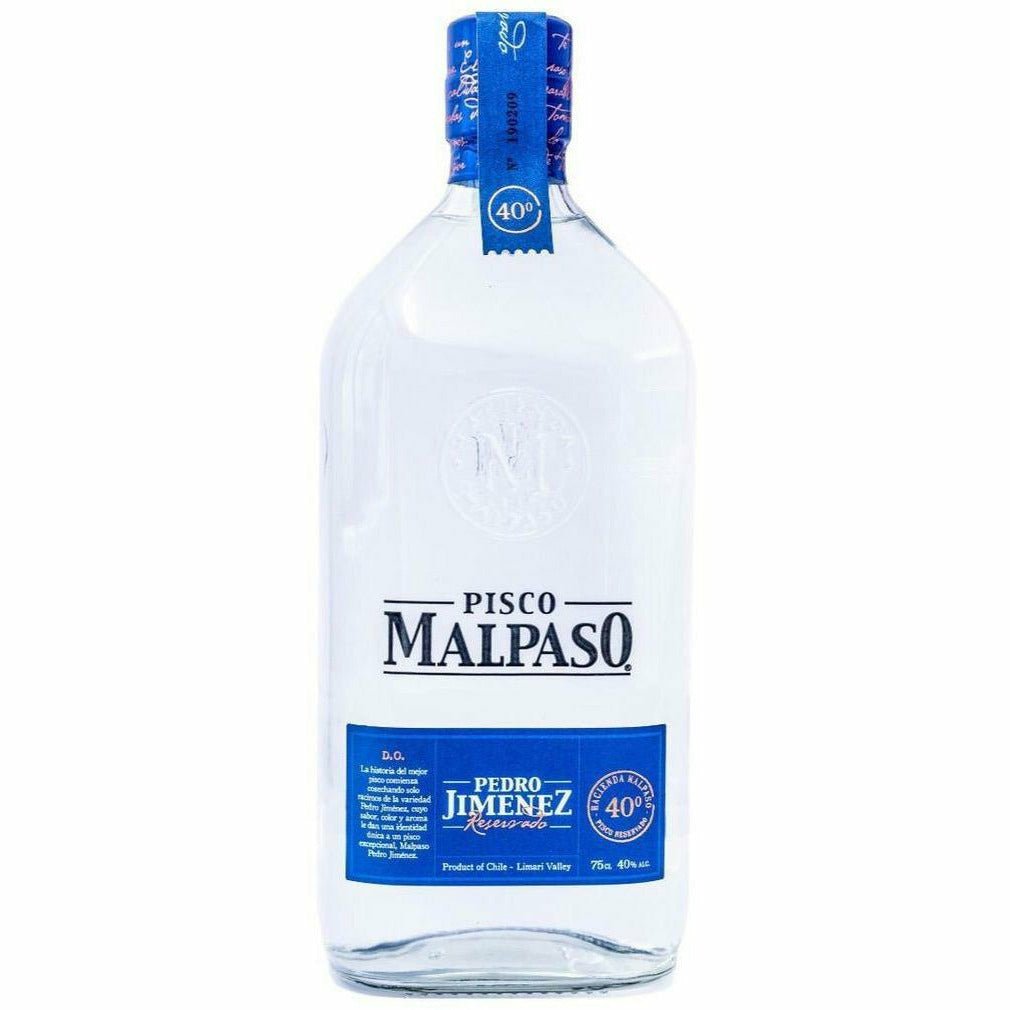
Where the Elqui Valley Gets Serious About Pisco
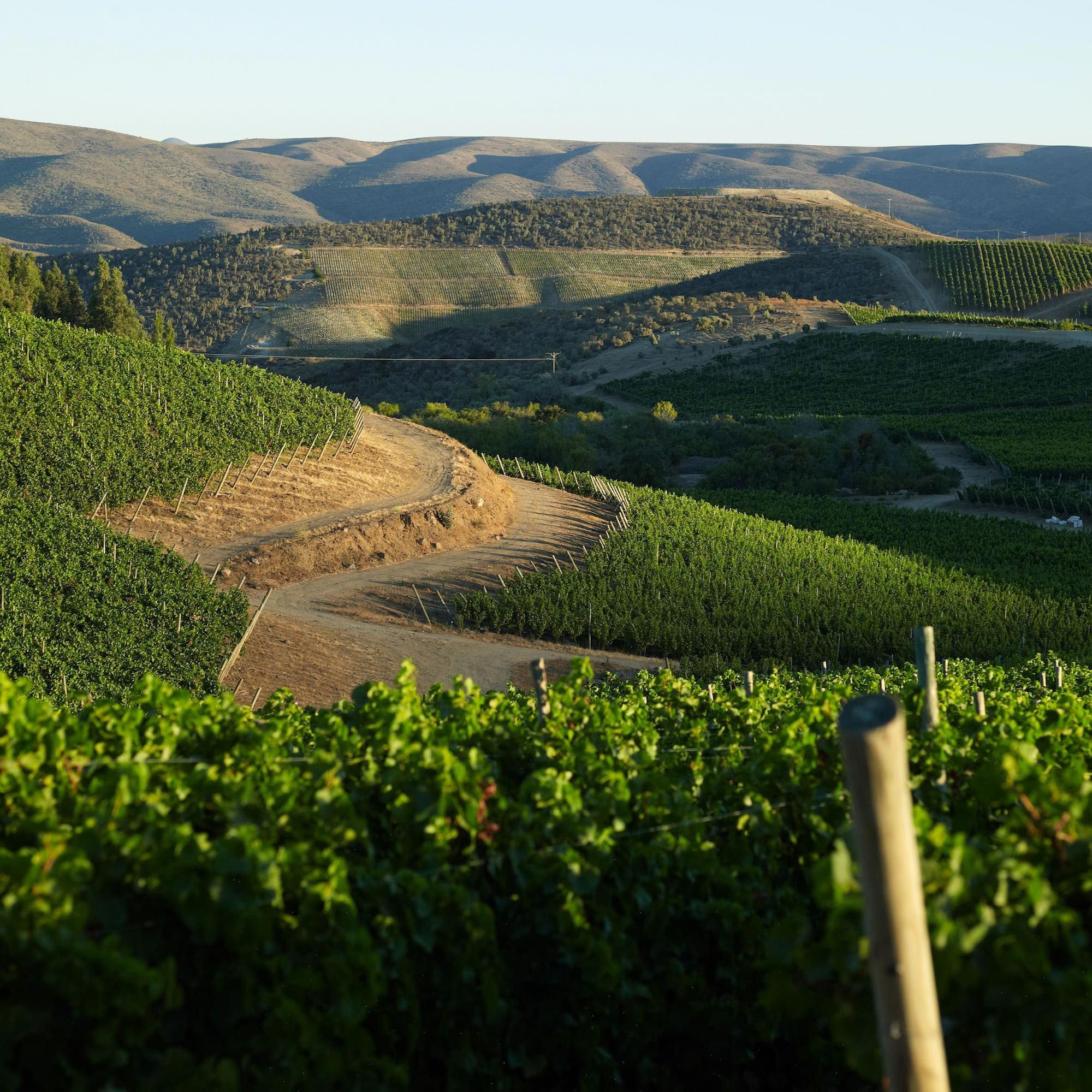
The road into the Elqui Valley shifts character somewhere past Vicuña. The Andes close in, the light flattens to a pale, mineral white, and the villages thin out. Fundo Huamalata, the estate address attached to Pisco Mal Paso, sits inside this more remote reach of Coquimbo — a range of extreme dryness and altitude where the conditions that make pisco production difficult are precisely the conditions that make it interesting. The grape has to work harder here, and the spirit, when it lands right, carries that effort forward.
Pisco as a category has spent years caught between two poles: the high-volume industrial producers who dominate Chilean supermarket shelves, and a smaller cluster of estate and artisan operations pressing for recognition on quality terms. Mal Paso belongs to the latter group.
The Elqui as a Pisco Appellation
Chilean law restricts pisco production to two regions: Atacama to the north and Coquimbo, of which the Elqui Valley is the most celebrated sub-zone. Within Coquimbo, the Elqui runs roughly east-west from the coast toward the Argentine border, gaining altitude and aridity as it narrows. The grape varieties permitted for pisco production are a restricted list of muscat-family cultivars, primarily Moscatel de Alejandría, Pedro Jiménez, and Torontel, among others. At higher elevations, these grapes accumulate sugars slowly under intense UV radiation, producing base wines with aromatic intensity that the distillation process concentrates rather than obscures.
This is the productive argument for Elqui Valley pisco over its Atacama counterpart: elevation and diurnal temperature swings that preserve acidity and complexity in the must. It is also why the valley has attracted producers willing to operate at small scale, the terroir argument holds, but only if the grapes and the distillation are handled with enough care to let it show. Producers across the valley, including Viña Falernia, Doña Josefa de Elqui, and Pisquera ABA, have each staked out different positions along this spectrum, from grape-forward pisco to wood-aged expressions that court international spirits categories.
Producer Philosophy in a Region Defining Its Own Terms
The editorial angle on Mal Paso is not about individual biography, the producer's public record does not offer that kind of detail, and filling the gap with speculation would be reductive. The more useful frame is what the Prestige recognition implies about approach. A Coquimbo distillery at Fundo Huamalata earning that designation suggests a level of deliberateness that is not common across the category.
The comparison set here matters. Capel Pisco Plant and Viña Mayu both operate in Vicuña and represent different points on the scale-versus-craft axis. Capel is co-operative in structure and wide in distribution; Mayu approaches pisco from a winemaking sensibility, with grape sourcing and viticulture logic informing the spirit side. Mal Paso, based on its award profile and fundo-specific address, reads closer to the estate-producer model, a single-site operation where the address is also the argument.
For context on how this kind of estate thinking plays out at the serious end of Chilean wine and spirits more broadly, the work at Viña Seña in Panquehue and Viña De Martino in Isla de Maipo offers useful parallels, producers where site-specificity is the starting point rather than a marketing layer. The logic translates to pisco even if the category operates under different rules.
What the Coquimbo Context Adds
Pisco production in Coquimbo is inseparable from the social and agricultural history of the Norte Chico. The Elqui Valley was farming pisco grapes long before the denomination was formalised, and several of the valley's producer families trace continuous operation back generations. The current quality push, visible in award cycles, in specialist export interest, and in the emergence of aged and single-variety expressions, represents a structural shift rather than a trend. Producers that have been positioning for quality over volume for some years are now finding formal recognition arriving to confirm what the spirits were already saying.
This matters for how Mal Paso should be read. The estate address at Fundo Huamalata in the Ovalle sub-zone of Coquimbo suggests a deliberate remove from the more tourist-facing operations concentrated in the town of Vicuña itself. See our full Vicuña restaurants and producers guide for broader context on the area.
For reference on how distillery tourism operates at scale in Chile's pisco-producing regions, Pisco Alto del Carmen Distillery in Huasco offers a useful comparison point in the Atacama denomination to the north.
Placing Mal Paso in the Wider Chilean Spirits Picture
Chilean pisco exists in a complicated export position relative to Peruvian pisco, where the international market is more established and the narrative better developed. Chilean producers have historically oriented toward the domestic market, where pisco-and-cola (piscola) is a mass-consumption category. The estate and artisan tier has had to build its case separately, in specialist retail and in award circuits that address the international spirits trade rather than domestic volume metrics.
The producers worth tracking in this context share certain characteristics: defined appellations within Coquimbo or Atacama, identifiable grape-sourcing logic, and a willingness to sit outside the piscola-mix value segment. Mal Paso's Prestige recognition places it in this peer group. For readers already familiar with the Chilean wine industry's quality arc, through producers like Viña Casa Silva, Viña Undurraga, or Viña MontGras, the pattern of a smaller, site-focused producer claiming a quality position against larger category players is a familiar one. The same logic now runs through the upper end of Chilean pisco.
For readers coming from a Scotch whisky or Californian wine background, the structural comparison is instructive: Aberlour in Aberlour and Accendo Cellars in St. Helena each operate in categories where terroir and production philosophy are the primary differentiators, and where formal recognition functions as external validation of what the producer has already built on its own terms. Mal Paso is at an earlier stage in that trajectory, but the 2025 Prestige recognition suggests the foundation is there. And separately, El Gobernador (Miguel Torres Chile) in Curicó provides a useful data point on how international producers have approached Chilean appellations with a quality-first framework.
Planning a Visit
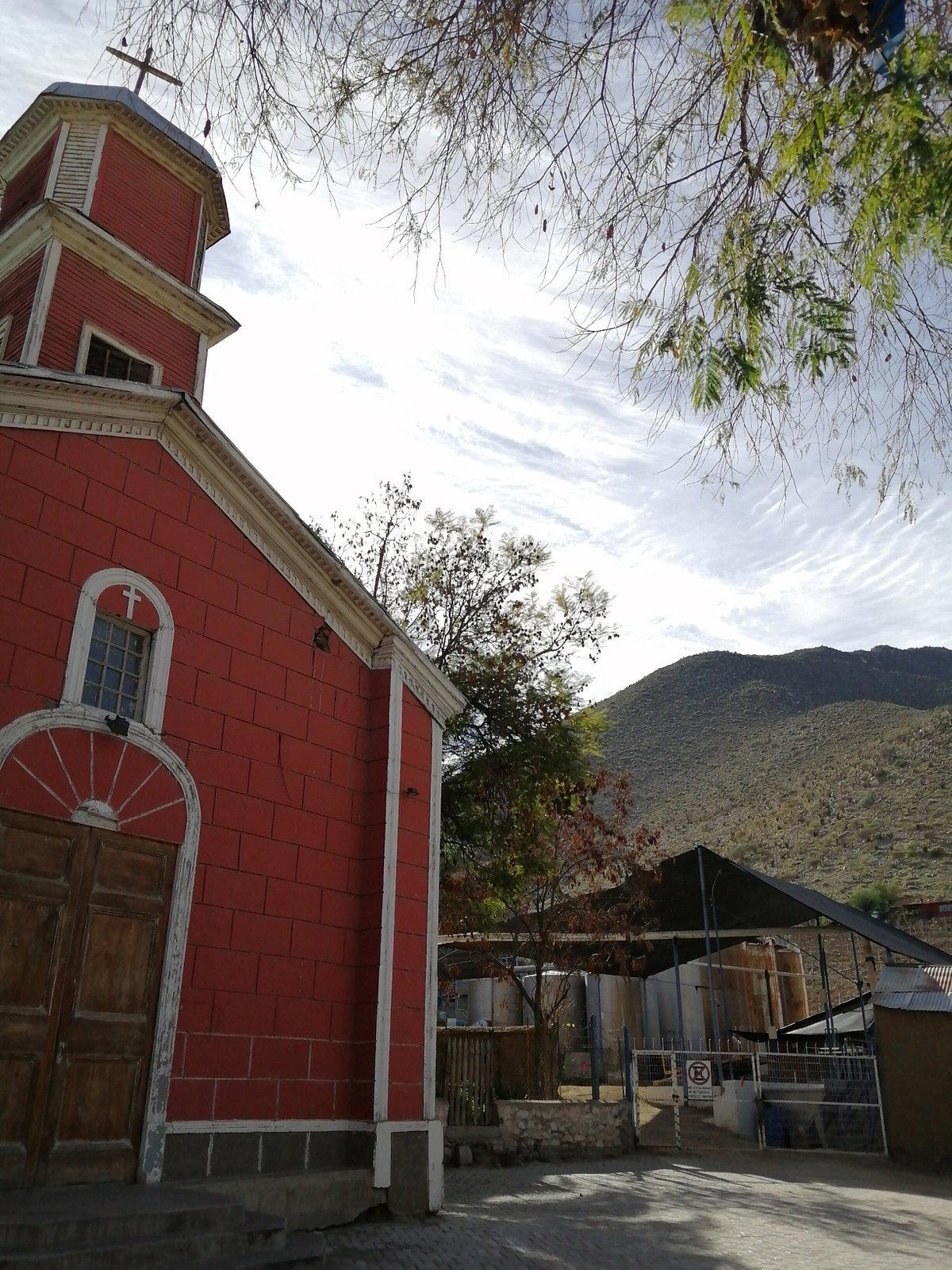
Fundo Huamalata is listed under the Ovalle address in Coquimbo, a location that places it somewhat outside the main Vicuña tourist corridor. Visitors planning around the estate should approach it as a specific destination rather than a drop-in stop along the valley route. No booking contact, hours, or formal visitor programme details are published in the available record, so direct outreach to confirm access before travel is the practical approach.
Pricing, Compared
| Venue | Price | Awards |
|---|---|---|
| Pisco Mal PasoThis venue — the venue you are viewing | Not listed | Not listed |
| Viña Falernia | $10–20 | Falstaff Winery - Listed |
| Capel Pisco Plant | $10–20 | Not listed |
| Pisquera ABA | $1–10 | Not listed |
Details
- Quiet
- Scenic
- Rustic
- Classic
- Solo Exploration
- Wine Education
- Special Occasion
- Historic Building
- Private Tasting
- Mountain
- Moscatel Rosada
- Moscatel De Alejandría
- Fortified
- Guided Tasting
Current opening hours
- Monday
- 8 AM–5:30 PM
- Tuesday
- 8 AM–5:30 PM
- Wednesday
- 8 AM–5:30 PM
- Thursday
- 8 AM–5:30 PM
- Friday
- 8 AM–12 PM
- Saturday
- Closed
- Sunday
- Closed
Hours can change for holidays and private events. Last verified .
Quiet, serious, and terroir-driven, with an elemental estate setting in one of Chile's driest and most extreme growing environments.