Ox-Eye Vineyards
The Shenandoah Valley's elevation, limestone-threaded soils, and continental temperature swings give the region a terroir argument that Virginia's coastal producers cannot replicate. Ox-Eye is one of the focused producers making that case with credibility.

Pearl is the En Primeur Club membership app — saves, bookings, and concierge access live there. Same editors, same standards.
- Address
- 44 Middlebrook Ave, Staunton, VA 24401
- Phone
- (540) 849-7926
- Website
- oxeyevineyards.com
- Directions
- Get directions
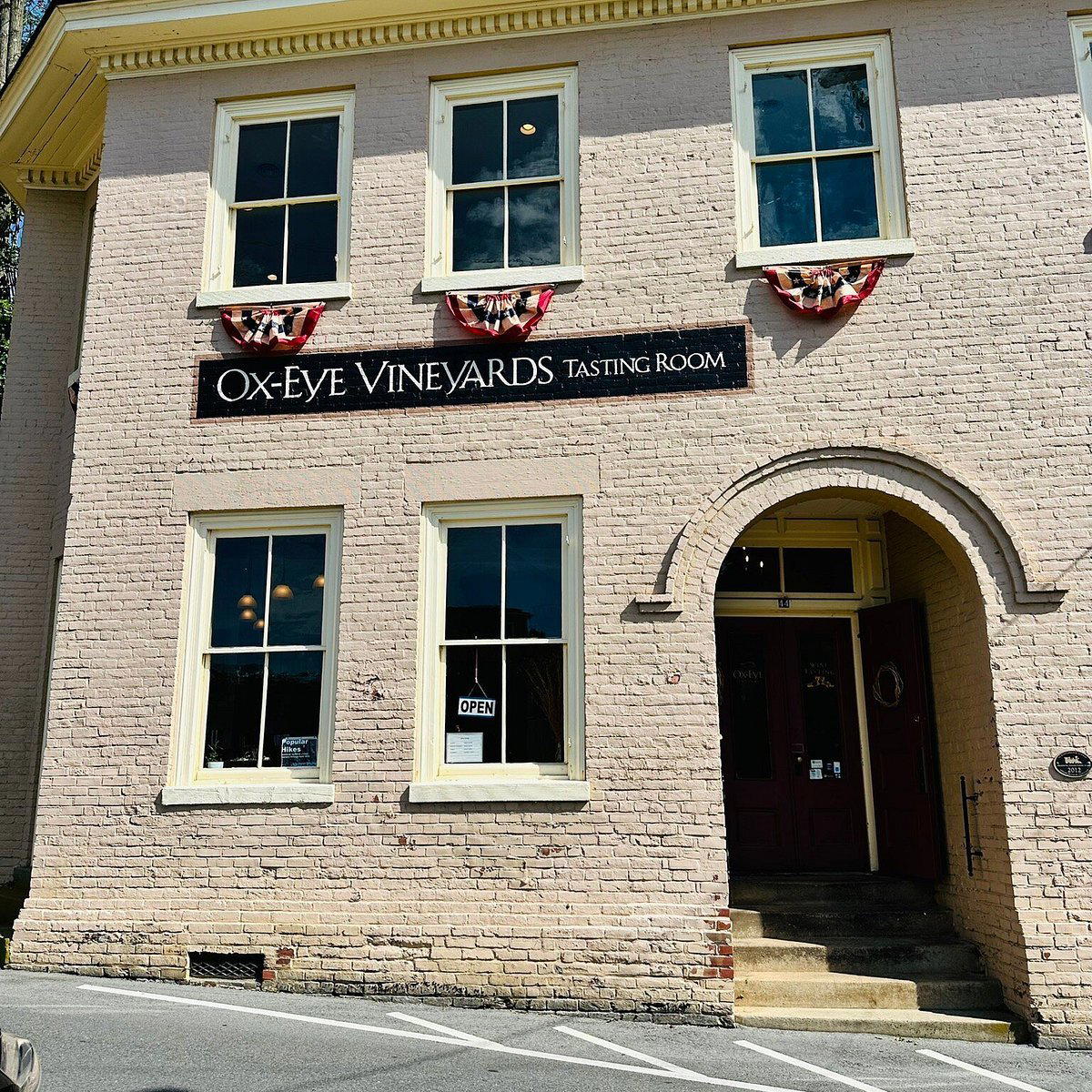
Where the Shenandoah Valley Makes Its Terroir Argument
Staunton sits at the northern end of the Great Valley of Virginia, a corridor carved by the North Fork of the Shenandoah River and flanked by the Blue Ridge to the east and the Allegheny highlands to the west. The elevation here runs between 1,700 and 2,200 feet across the surrounding hillsides, and that altitude matters for viticulture in ways that separate this subregion from Virginia's warmer, lower-lying Piedmont producers. Cool nights preserve acidity. The diurnal temperature range in late summer can exceed 25 degrees Fahrenheit, a gap that slows ripening and gives grapes a longer hang time on the vine. The result, at its finest, is wine with structural tension rather than heat-driven softness.
Ox-Eye Vineyards, at 44 Middlebrook Ave in Staunton, operates within this context. That distinction matters in a state where the quality spread between producers is still wide, and where terroir-led producers and high-yield commercial operations exist within the same AVA boundaries.
The Shenandoah Valley Terroir Case
Virginia has spent two decades repositioning itself in the American wine conversation. The early strategy leaned heavily on Viognier and Petit Verdot, varieties that tolerated the state's humid summers and found reliable markets among mid-Atlantic consumers. The Shenandoah Valley's higher elevations and better-draining limestone and shale soils opened a different argument: that Virginia could produce wines of genuine cool-climate character, with acidity and freshness rather than extraction and residual warmth.
Compare this, structurally, with what Burgundy-trained producers did in the Willamette Valley through the 1980s and 1990s: the process of demonstrating that a region's climate and geology can deliver something that established wine regions produce differently, not worse. The Shenandoah Valley is at an earlier stage of that process, which makes producers who commit to site-specific viticulture now the ones most likely to define the region's identity as critical attention grows.
Ox-Eye's location in Staunton, rather than the more trafficked wine corridor around Charlottesville to the east, places it in a part of Virginia where the terroir story is less developed in the consumer mind but arguably more geologically distinctive. The valley floor's limestone content influences drainage and mineral expression in ways that the clay-heavy Piedmont soils do not replicate. For those who have spent time with Rhône whites or Northern Italian mountain reds, the structural parallels in well-made Shenandoah Valley wines are worth pursuing.
Visiting Staunton: Timing and the Wine Circuit
Staunton is accessible from Washington, D.C. in roughly two and a half to three hours by car via I-81, which makes it a practical weekend destination for East Coast travelers who want a wine region without the Napa-weekend price architecture. The city itself has a concentrated historic downtown with the Woodrow Wilson Presidential Library, the American Shakespeare Center, and a dining scene that has grown in sophistication alongside the region's wine profile.
For wine visits, the period from late September through early November offers a convergence of harvest activity and peak foliage across the Blue Ridge, which brings visitor volume to the valley. Those who prefer quieter tasting experiences and the chance to talk seriously about site and vintage with the people pouring should consider the shoulder months: late April through early June, or the first weeks of September before harvest crowds arrive.
Staunton is also positioned as a logical anchor for a broader Shenandoah Valley wine itinerary. Producers in the valley represent a range of scale and ambition, from estate-focused operations working with specific blocks to larger operations drawing from multiple sources. For comparison with how similar terroir-committed producers operate in other American regions, the work being done at Adelsheim Vineyard in Newberg in the Willamette Valley offers a useful reference point for what a decades-long commitment to cool-climate site expression can yield.
Virginia in the American Premium Wine Conversation
The broader American premium wine conversation has been expanding its geography steadily. Napa Cabernet and California Pinot remain the dominant reference points for collectors and critics, but the last ten years have accelerated recognition of producers in Oregon, the Finger Lakes, Texas Hill Country, and Virginia who are making wines that compete on structural terms rather than by mimicking California's warmth-driven profile. Producers such as Accendo Cellars in St. Helena, Alpha Omega Winery in Rutherford, and Aubert Wines in Calistoga define the California premium tier, while Adelaida Vineyards in Paso Robles and Alban Vineyards in Arroyo Grande demonstrate what Rhône-focused producers can achieve in warmer California appellations. Andrew Murray Vineyards in Los Olivos, Au Bon Climat in Santa Barbara, Alexander Valley Vineyards in Geyserville, Artesa Vineyards and Winery in Napa, Babcock Winery and Vineyards in Lompoc, and B.R. Cohn Winery in Glen Ellen collectively illustrate how California's internal diversity plays out across appellations and styles.
Virginia's path is different. The state's producers are building recognition without the established critical infrastructure that California has accumulated over half a century. For drinkers whose reference library extends to Aberlour in Aberlour or Achaia Clauss in Patras and who understand what terroir-committed producers look like across different traditions, the Shenandoah Valley's most serious producers deserve the same analytical attention.
Planning Your Visit
Ox-Eye Vineyards is located at 44 Middlebrook Ave in Staunton, Virginia. Staunton's downtown is compact enough to cover on foot, and the city's accommodation options range from historic inn properties to national brands, with the inn tier generally offering better proximity to the arts and dining district. For a comprehensive picture of where Ox-Eye sits within the city's broader food and drink scene, our full Staunton restaurants guide provides the editorial context. Booking directly with the vineyard before arrival is advisable; contact and hours data were not available at time of writing, so confirm current tasting room policies through their official channels.
Comparison Snapshot
Comparable venues nearby, for context on price, style, and recognition.
| Venue | Cuisine | Price | Awards | Notes |
|---|---|---|---|---|
| Ox-Eye VineyardsThis venue — the venue you are viewing | Lemberger, Riesling | $10–20 | Not listed | Not listed |
| Barren Ridge Vineyards | Cabernet Franc, Merlot | $1–10 | Not listed | Shenandoah Valley |
| CrossKeys Vineyards | Cabernet Franc | Not listed | Not listed | Shenandoah Valley |
| Rockbridge Vineyard & Brewery | Vidal, Vignoles | Not listed | Not listed | Raphine |
| Glen Manor Vineyards | Cabernet Sauvignon, Cabernet Franc | Not listed | Falstaff Winery - Listed | Huntly |
| Blenheim Vineyards | Viognier, Chardonnay | $20–30 | Not listed | Albemarle County |
Continue exploring
More in Staunton
Wineries in Staunton
Browse all →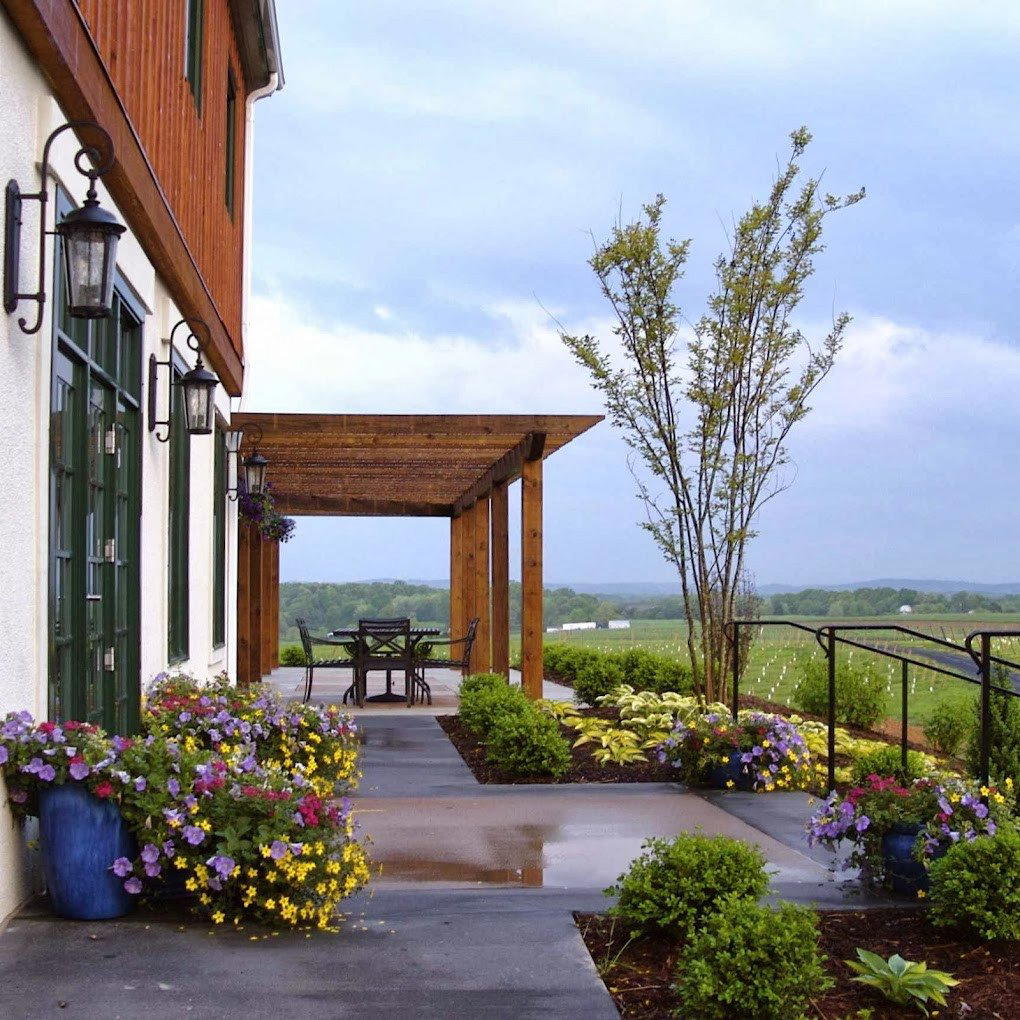
Bars in Staunton
Browse all →
Restaurants in Staunton
Browse all →
Hotels in Staunton
Browse all →
Details
- Rustic
- Cozy
- Historic
- Intimate
- Solo Exploration
- Wine Education
- Historic Building
- Estate Grounds
- Lemberger
- Riesling
- Chardonnay
- Cabernet Franc
- Traminette
- Grüner Veltliner
- Chenin Blanc
- Saperavi
- Pinot Noir
- Still Red
- Still White
- Tasting Room
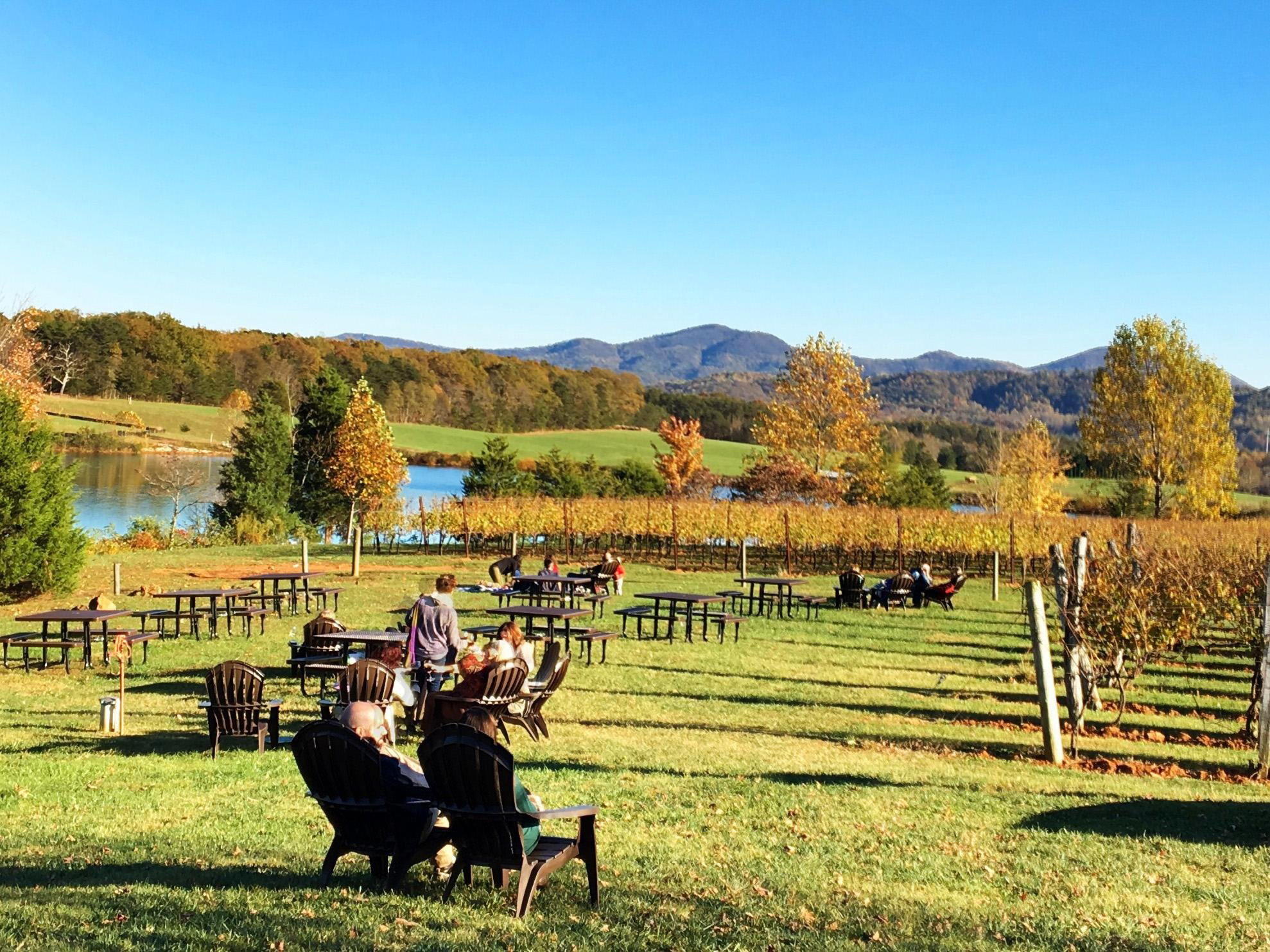
Cozy historic stone building with art gallery, leather chairs, and covered outdoor patio for relaxed sipping.