Brix & Columns Vineyards
Brix & Columns Vineyards sits in the Shenandoah Valley foothills outside McGaheysville, Virginia. The property represents the quieter, terroir-focused tier of Virginia's emerging wine scene, where mountain-influenced climate and limestone-laced soils do the heavy lifting. Plan your visit around the property's setting, where the elevation and diurnal temperature swings that define this corridor shape every glass poured.

Pearl is the En Primeur Club membership app — saves, bookings, and concierge access live there. Same editors, same standards.
- Address
- 1501 Dave Berry Rd, McGaheysville, VA 22840
- Phone
- (540) 810-0566
- Website
- brixandcolumns.com
- Directions
- Get directions
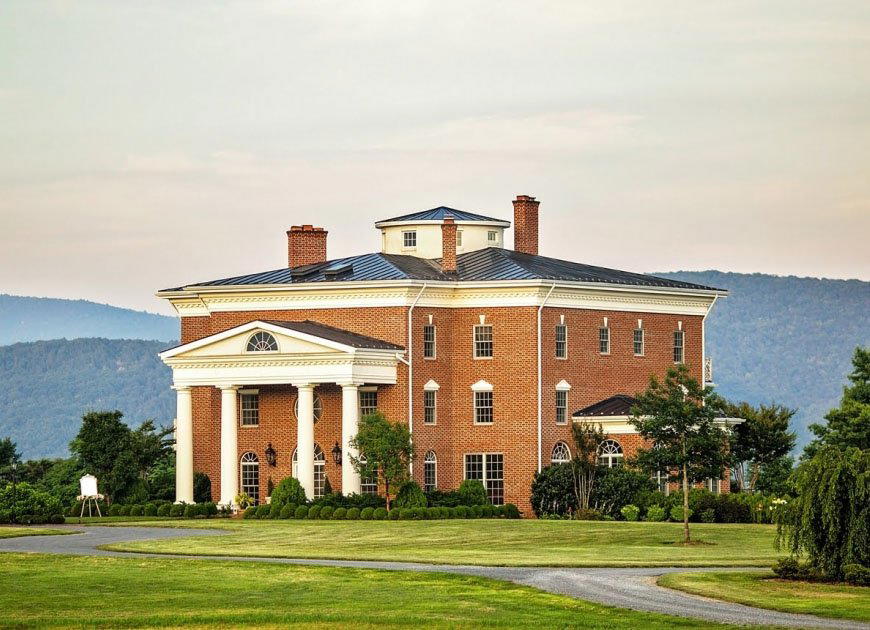
Where the Blue Ridge Does the Work
The drive into McGaheysville along Route 33 sets the context before you arrive anywhere. The Blue Ridge Mountains rise on the western horizon, the valley floor sits in that particular mid-Atlantic light that shifts from hazy gold to sharp blue depending on the season, and the air carries the cooler charge that separates this corridor from the flatter, warmer vineyards of the Virginia Piedmont. By the time you reach 1501 Dave Berry Road, the landscape has already made an argument about what the wines here are trying to be.
Virginia's wine identity has spent the last two decades sorting itself into tiers. On one side sit the established appellations closer to the Washington D.C. metro corridor, where Charlottesville and the Monticello AVA have built a recognizable export identity around Viognier, Cabernet Franc, and Petit Verdot. On the other side, further into the mountain-influenced zones of the Shenandoah Valley, a smaller cohort of producers works with cooler growing conditions that demand different decisions from the vine to the cellar. Brix & Columns Vineyards operates in that second tier, where the elevation buffers summer heat and the diurnal temperature swings between warm days and cold nights extend the growing season, preserving acidity and aromatic complexity in ways the warmer valley floor cannot replicate as reliably.
The Shenandoah Valley as a Wine Region
The Shenandoah Valley AVA is one of Virginia's more geologically layered wine regions. Limestone karst formations underlie significant stretches of the valley, contributing the kind of mineral charge that winemakers across the Atlantic spend decades chasing in Burgundy or the Loire. The valley's north-south orientation channels both cold air drainage from the mountains and the moderating effect of the range itself, creating a mesoclimate that sits cooler than the state average and pushes vine stress toward the productive rather than the damaging end of the spectrum.
For comparison, producers in warmer American wine regions — from Adelaida Vineyards in Paso Robles to Alexander Valley Vineyards in Geyserville — are contending with heat accumulation that demands earlier harvesting, higher natural sugars, and structural management in the cellar to maintain freshness. The Shenandoah Valley's cooler profile pushes the problem in the opposite direction: vine ripening is slower and more contingent on site selection, but the reward is wines where fruit, acid, and structure integrate without requiring intervention to preserve balance.
This is the tradition Brix & Columns Vineyards has positioned itself within. In Virginia wine terms, that signal matters: the state's wine industry is still at a stage where award recognition helps separate the quality-focused smaller producers from the large estate operations built primarily around tourism throughput.
The Experience at Brix & Columns
Visiting a property in the McGaheysville area requires building in travel time from the nearest urban hubs. Charlottesville sits roughly 25 miles to the south along the Shenandoah Valley corridor, making Brix & Columns accessible as a day trip from the city or as part of a longer itinerary that includes the Monticello wine trail. The property address on Dave Berry Road places it away from the main highway, which means arrival is a deliberate choice rather than an impulse stop, and the atmosphere reflects that: visitors here have made a specific decision to come, which shapes the character of who is in the tasting room on any given afternoon.
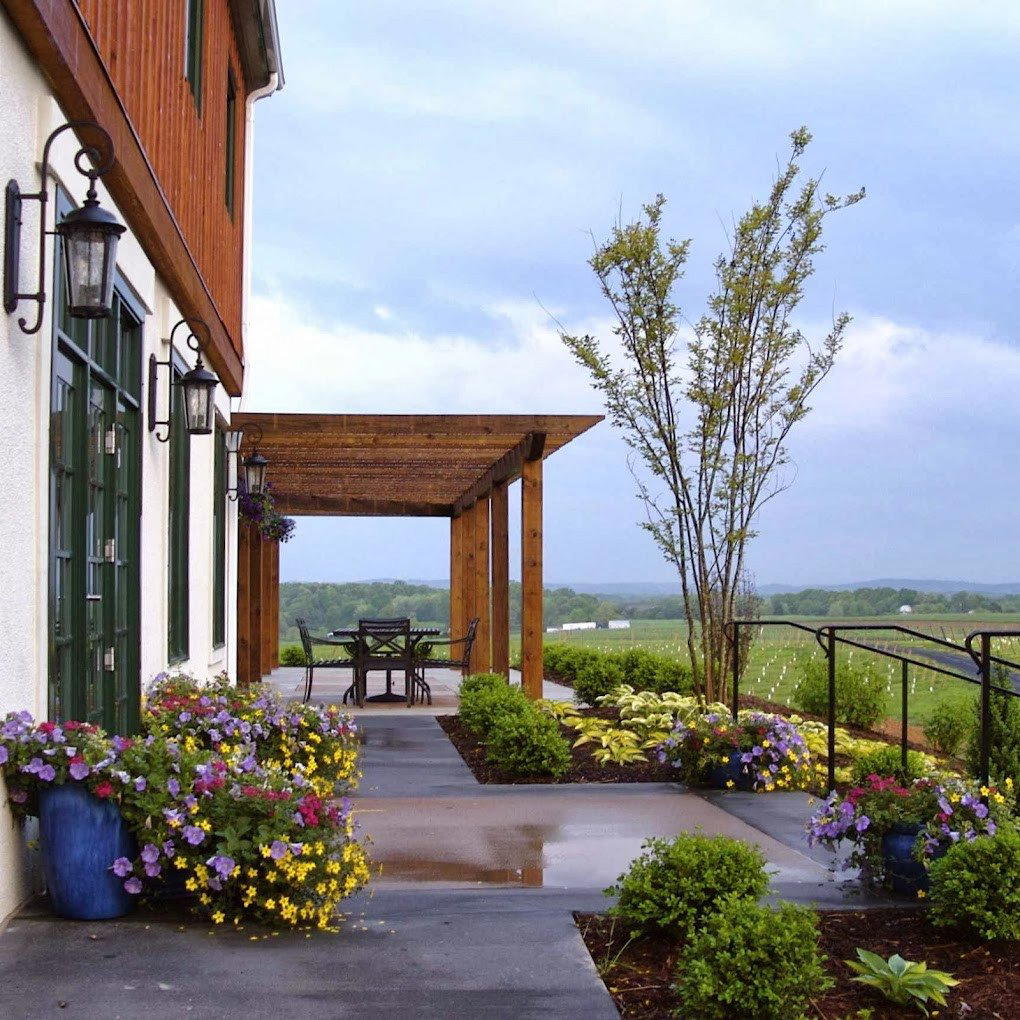
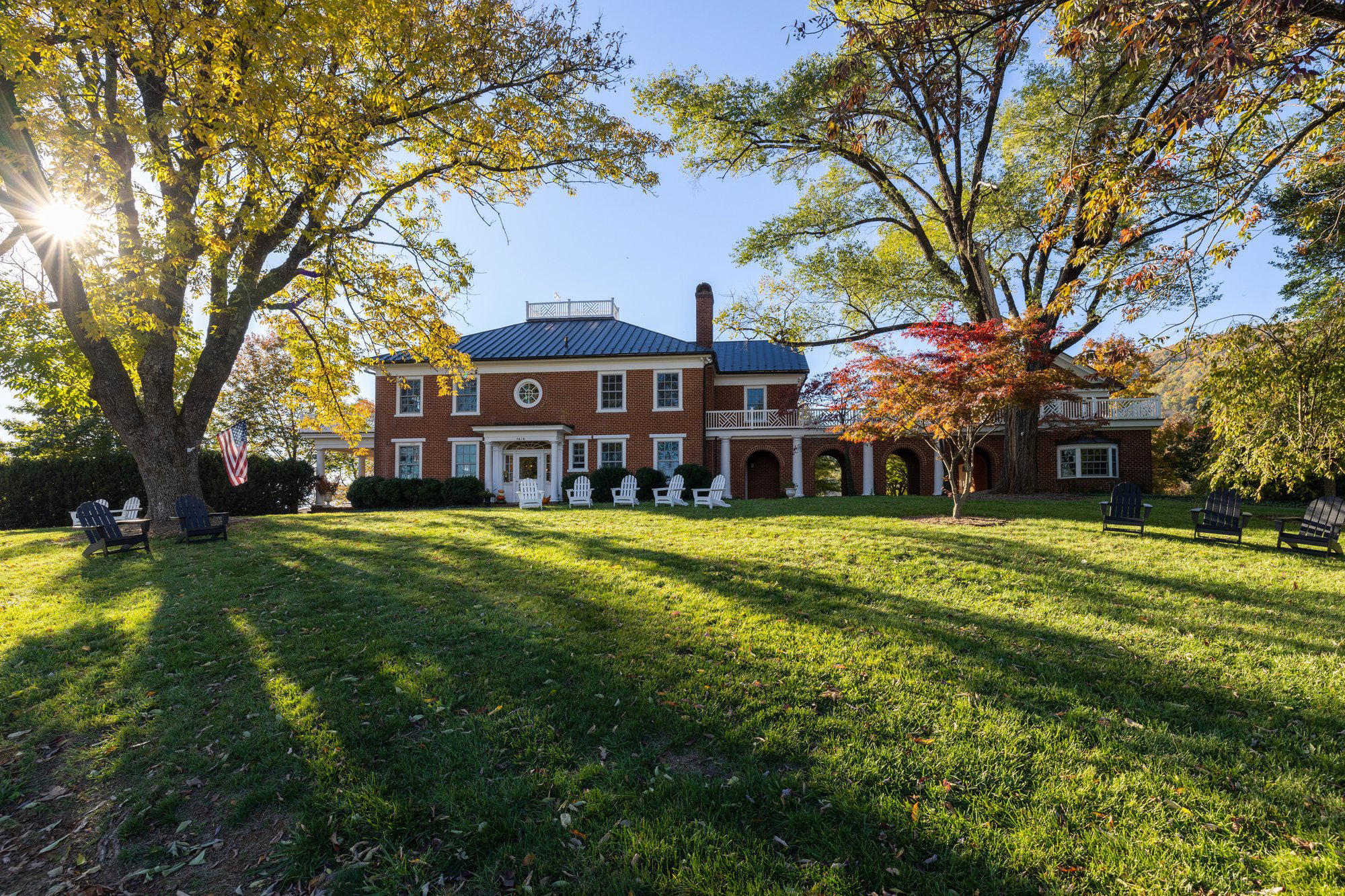
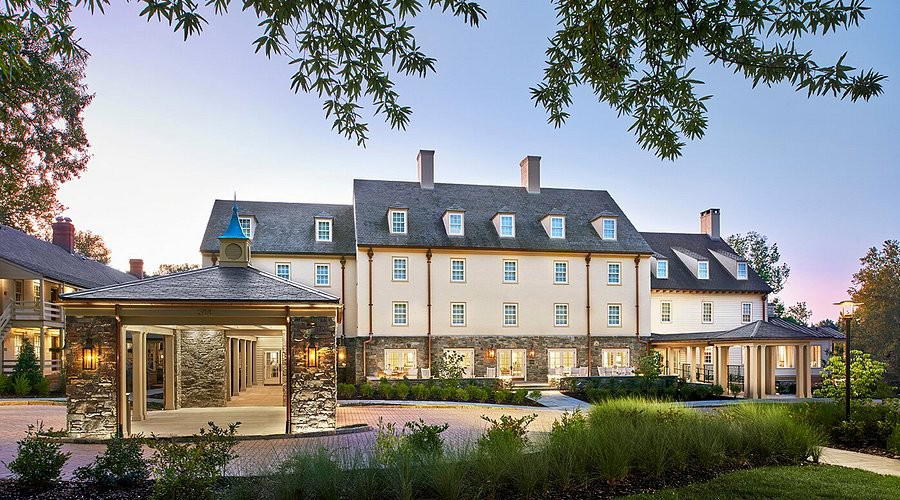
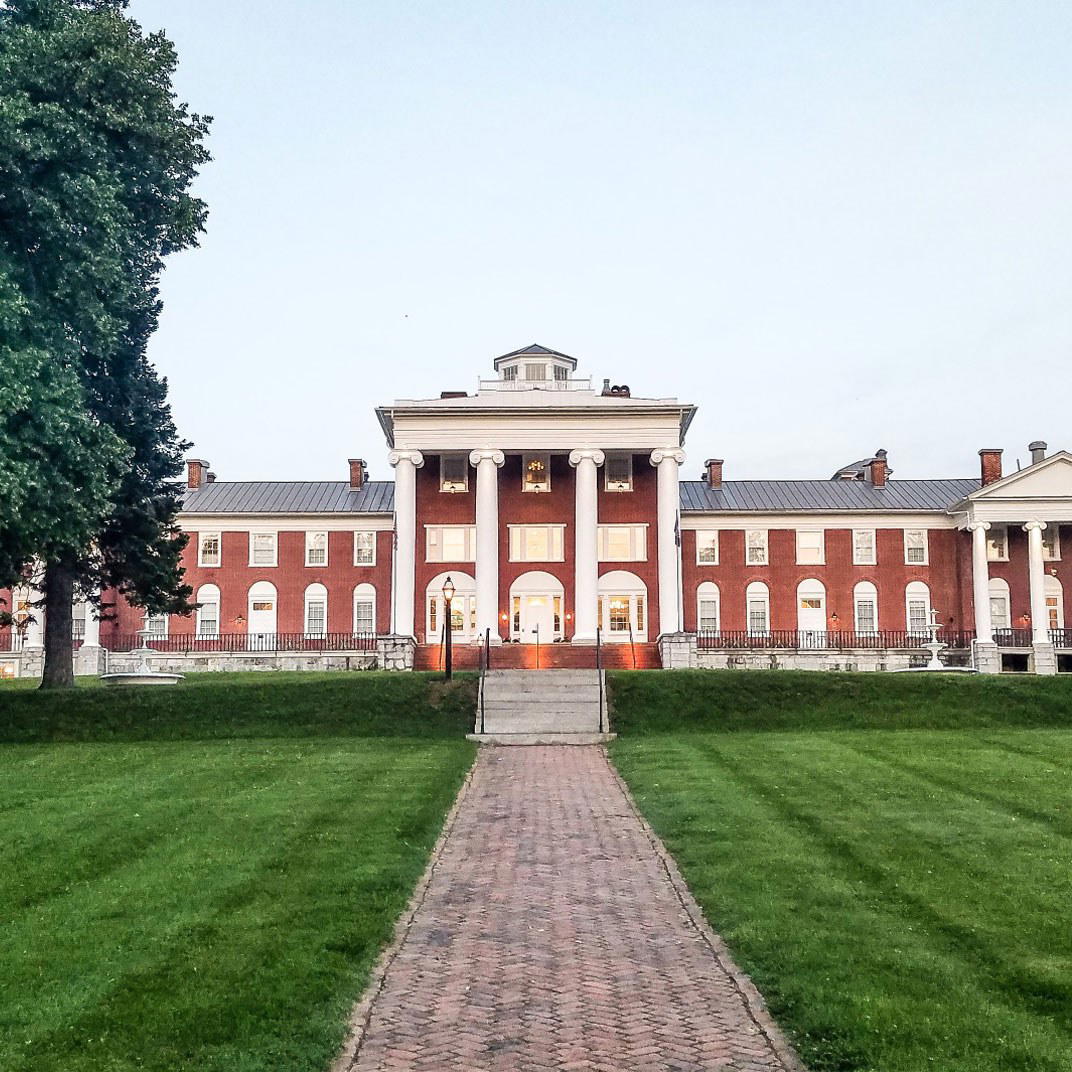
The physical setting follows the logic of mountain-adjacent Virginia wine properties. Open sightlines, farm-scale architecture, and the kind of quiet that comes from distance from urban density are the backdrop against which the wines are assessed. That context is not incidental: tasting wines in the environment where the vines grow changes the reference frame. The same mineral charge or cool-climate acidity that reads as austere in a city wine bar reads as native logic when you can look out at the ridgeline that created the growing conditions in the first place.
For practical planning, the property sits off Route 33 east of McGaheysville. Given that contact details and booking specifics are not publicly consolidated at time of writing, visitors should verify current tasting hours and reservation requirements directly before making the trip, particularly for weekend visits when the Shenandoah wine corridor draws day-trippers from both Charlottesville and the Northern Virginia markets.
How It Sits in the Wider Virginia Wine Conversation
Virginia wine is at an inflection point. The state now has over 300 licensed wineries, but the quality conversation has narrowed considerably to a smaller cohort of producers who are making site-specific, appellation-honest wines rather than generic fruit-forward bottles designed for tasting room throughput. Brix & Columns Vineyards, with its Shenandoah Valley address and formal 2025 recognition, fits the profile of that quality cohort.
The comparison is instructive against West Coast peers working in similarly cool-climate niches. Adelsheim Vineyard in Newberg built its reputation in the Willamette Valley by treating Pinot Noir and Chardonnay as cool-climate expressions rather than California-adjacent alternatives. Au Bon Climat in Santa Barbara made a similar argument for the Santa Barbara coastal corridor by betting on Burgundian varieties in a region most observers had assigned to warmer grape profiles. The shared logic across these producers is that terroir expression requires patience with the specific conditions of a place rather than adjustment toward a market-acceptable style.
Virginia's Shenandoah producers are making a comparable argument, with the added layer that the East Coast wine market has been slower to develop the kind of informed consumer base that rewards restraint and site specificity over immediate richness. That is changing. Properties earning formal recognition in the 2025 award cycle, as Brix & Columns Vineyards has, are building the credibility infrastructure that moves the conversation forward.
For visitors already building a winery itinerary, the broader American fine wine context includes producers like Aubert Wines in Calistoga, Artesa Vineyards and Winery in Napa, and Accendo Cellars in St. Helena operating at the upper end of the West Coast quality spectrum. Against that peer field, a Shenandoah Valley producer earning prestige-level recognition in 2025 is staking a claim that the eastern corridor deserves serious attention rather than regional curiosity status. That claim is worth testing in person. See our full McGaheysville restaurants guide for broader planning context when building out a trip to the area.
Other producers worth considering when mapping the American fine wine landscape further include Alban Vineyards in Arroyo Grande, Andrew Murray Vineyards in Los Olivos, Alpha Omega Winery in Rutherford, Babcock Winery & Vineyards in Lompoc, B.R. Cohn Winery in Glen Ellen, and internationally, Aberlour in Aberlour and Achaia Clauss in Patras for European reference points on estate-driven production at regional scale.
In Context: Similar Options
Comparable venues nearby, for context on price, style, and recognition.
| Venue | Cuisine | Price | Notes |
|---|---|---|---|
| Brix & Columns VineyardsThis venue — the venue you are viewing | Cabernet Franc, Chambourcin | $30–50 | Not listed |
| CrossKeys Vineyards | Cabernet Franc | Not listed | Shenandoah Valley |
| Bluestone Vineyard | Petit Verdot, Traminette | $10–20 | Bridgewater |
| Horton Vineyards | Viognier, Cabernet Franc | $1–10 | Gordonsville |
| Castle Hill Cider | Albemarle Pippin | Not listed | Keswick |
| 50 West Vineyards | Tannat, Petit Verdot | Not listed | Aldie |
Continue exploring
More in McGaheysville
Wineries in McGaheysville
Browse all →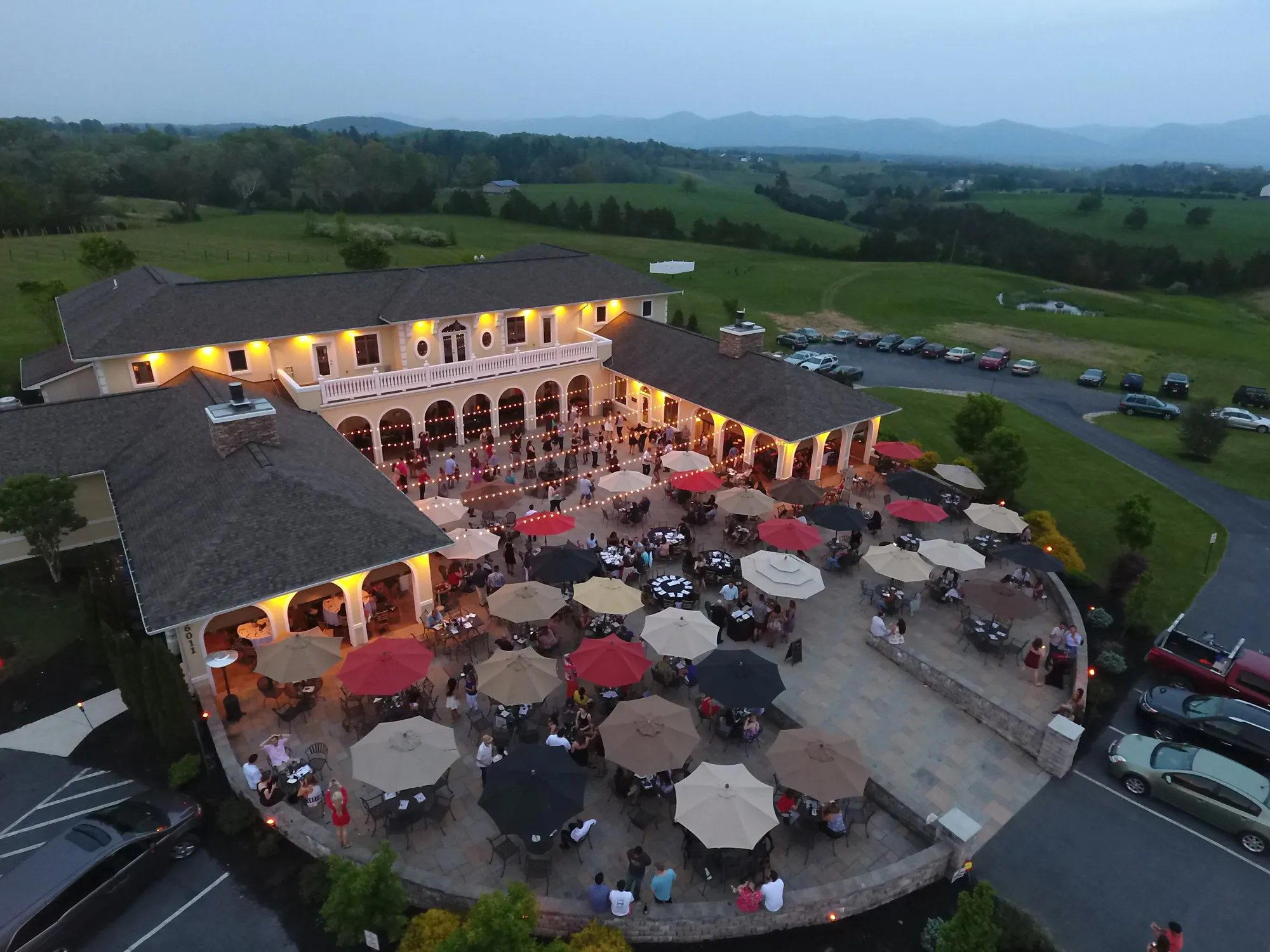
Bars in McGaheysville
Browse all →
Restaurants in McGaheysville
Browse all →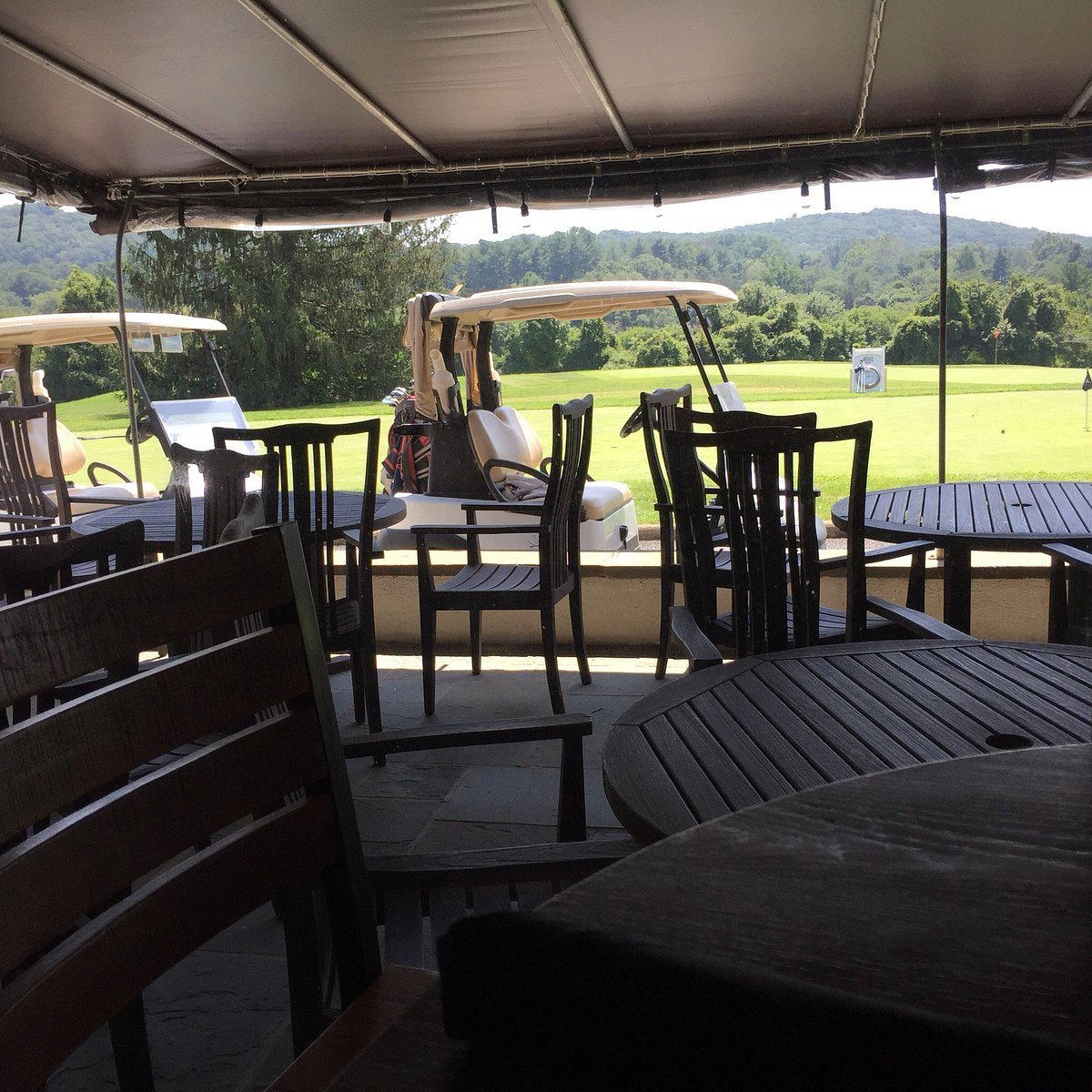

Details
- Romantic
- Scenic
- Elegant
- Rustic
- Cozy
- Romantic Getaway
- Group Outing
- Celebration
- Special Occasion
- Family
- Vineyard Tour
- Estate Grounds
- Picnic Area
- Terrace
- Panoramic View
- Mountain
- Vineyard
- Cabernet Franc
- Chambourcin
- Chardonnay
- Petit Verdot
- Vidal
- Viognier
- Still Red
- Still White
- Dessert
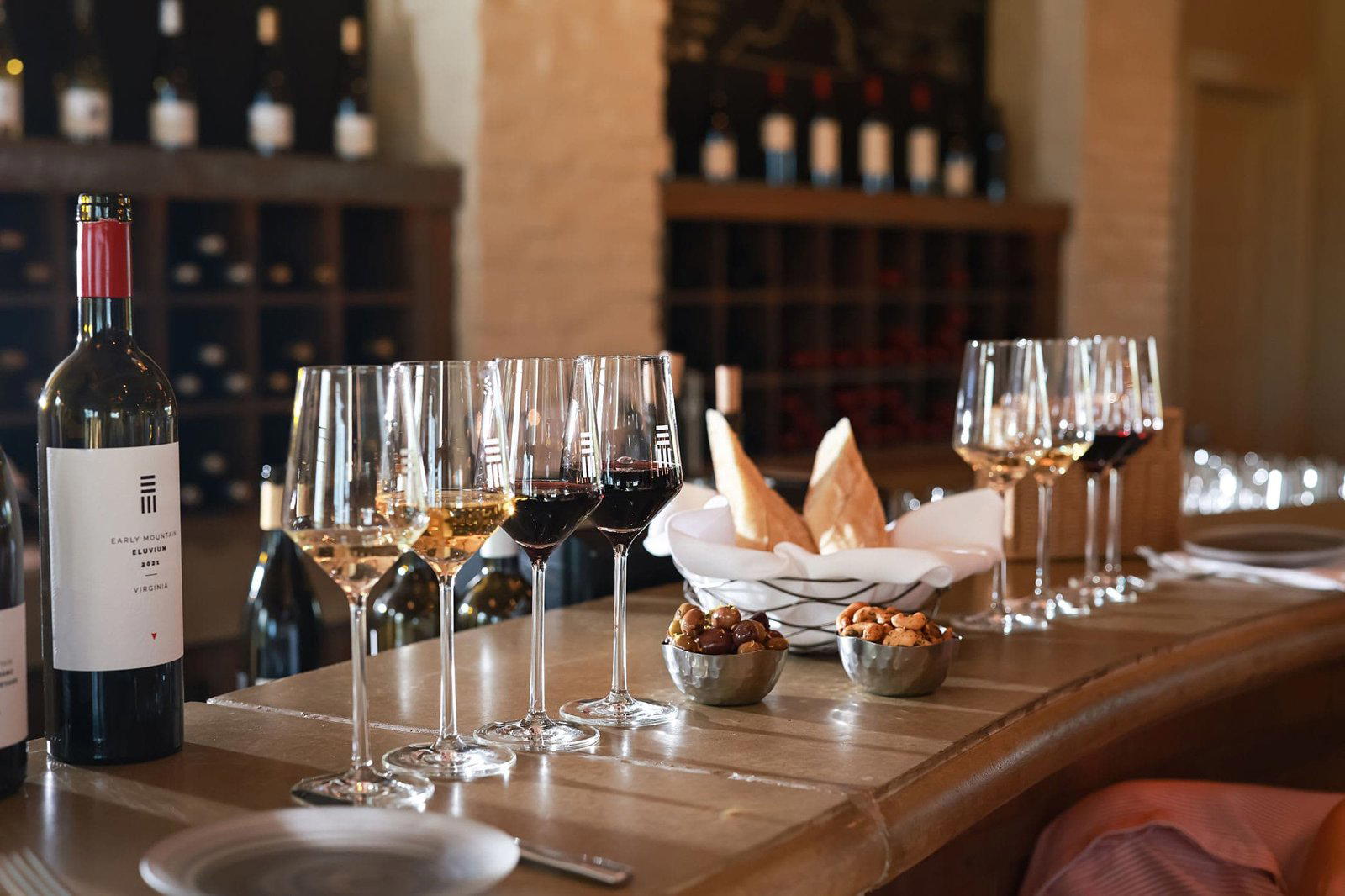
- Flight Tasting
- Wine By The Glass
- English
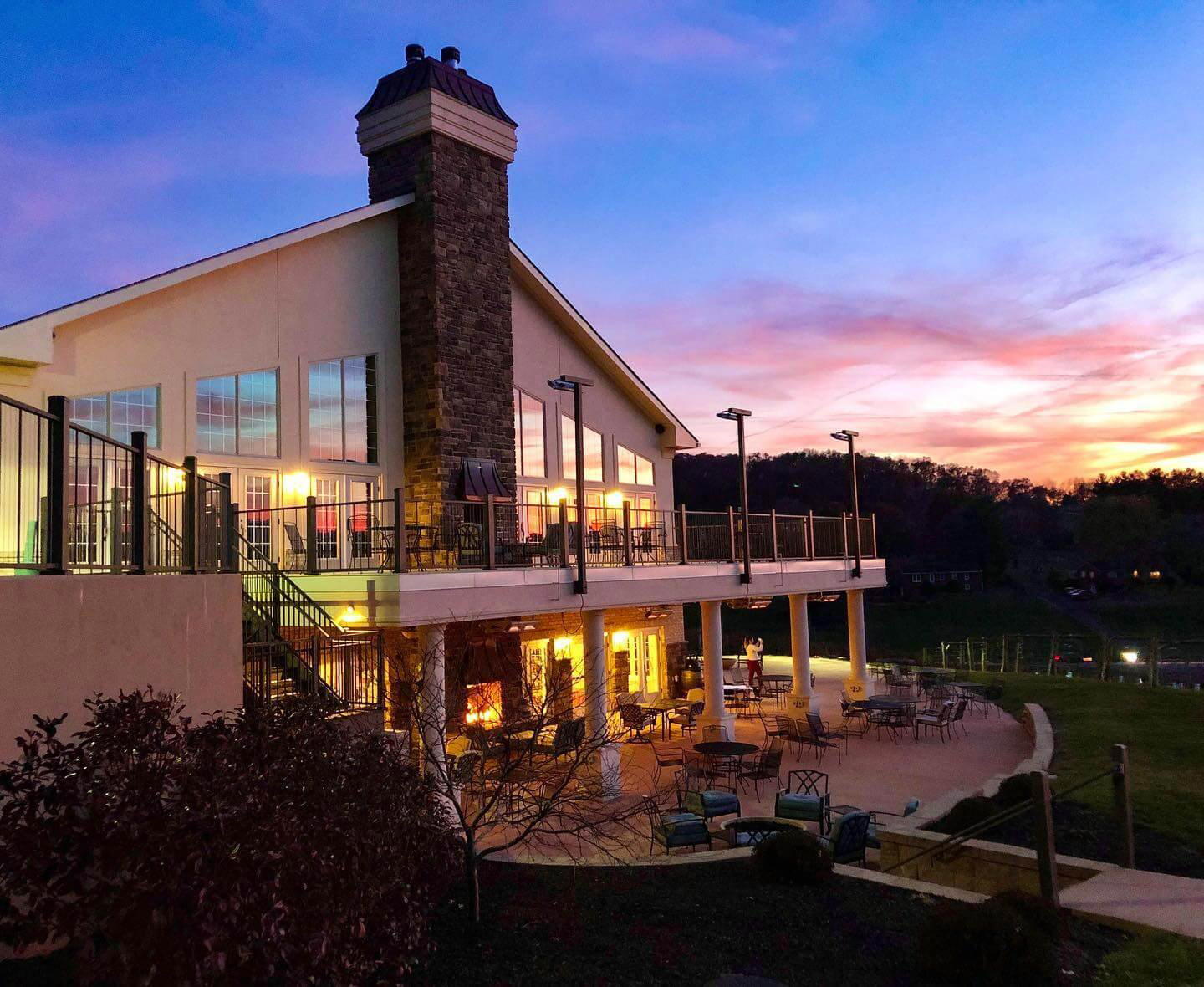
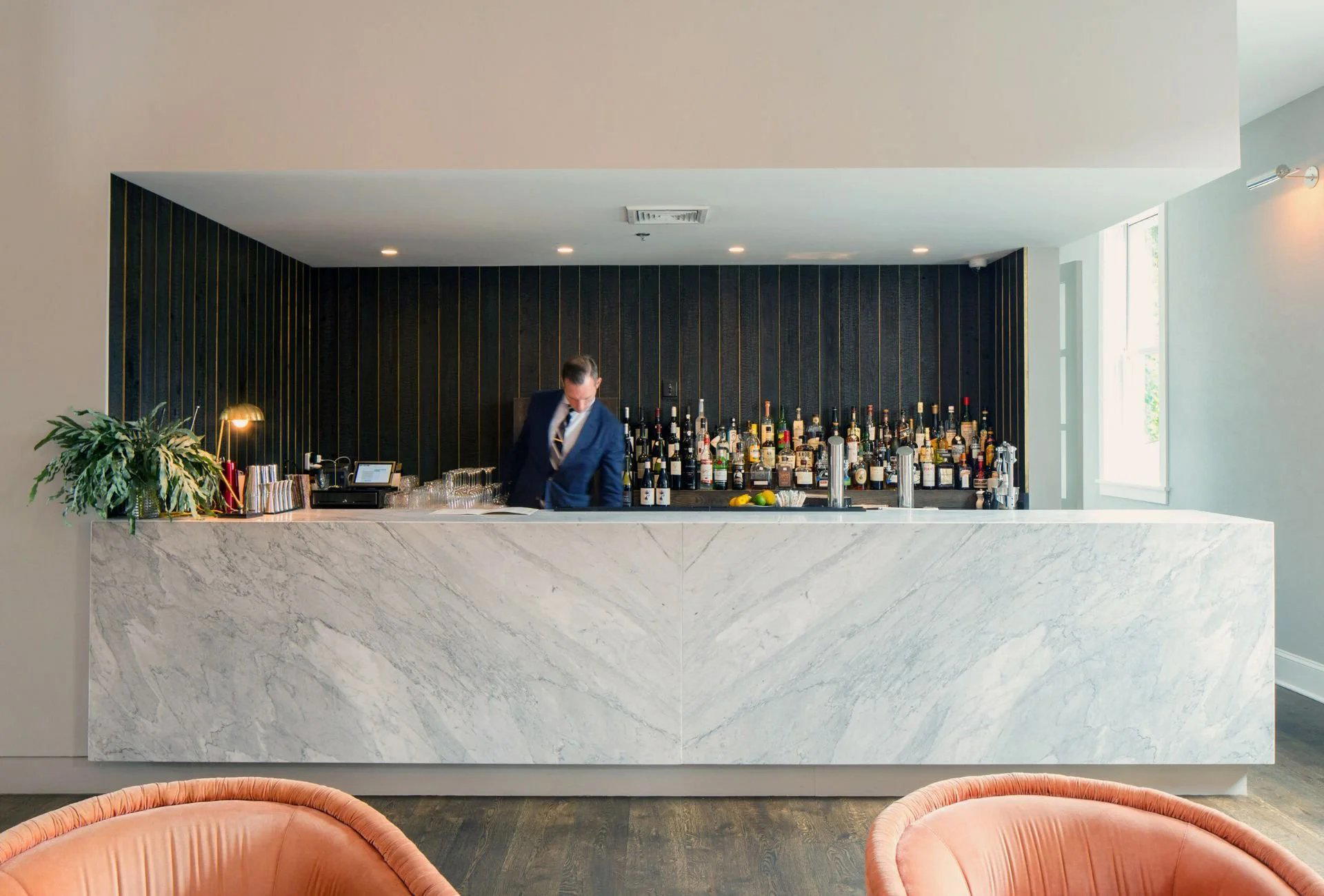
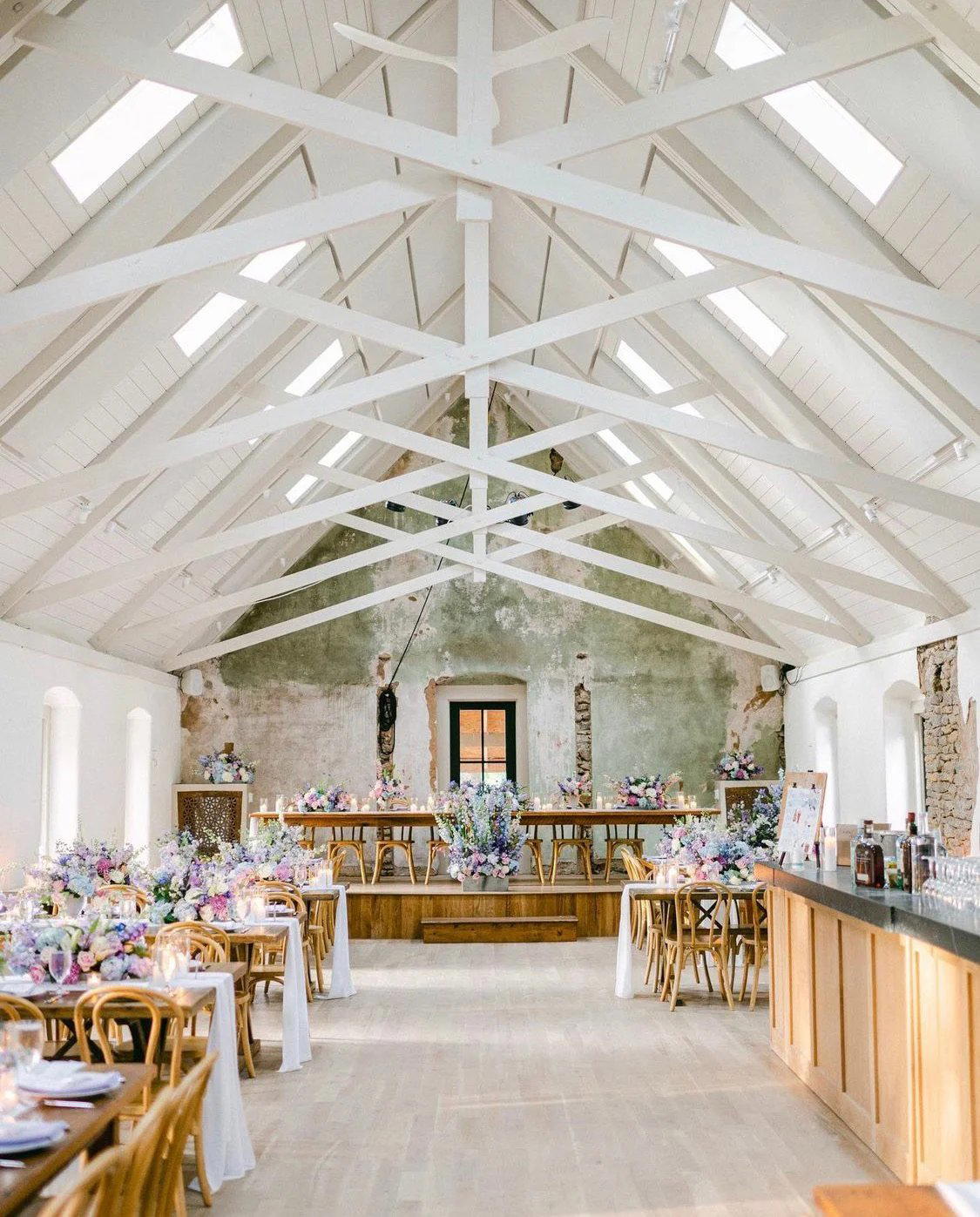
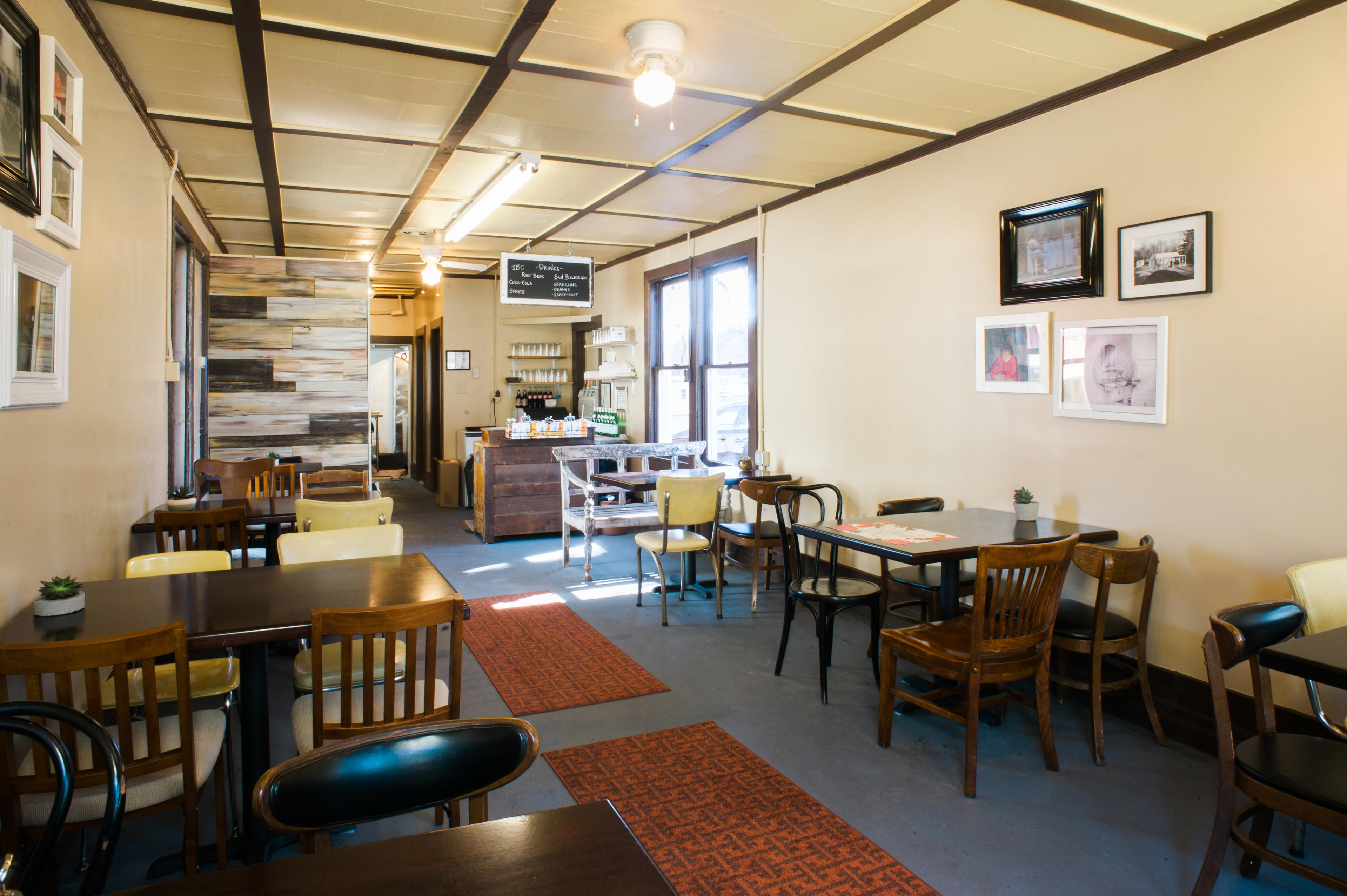
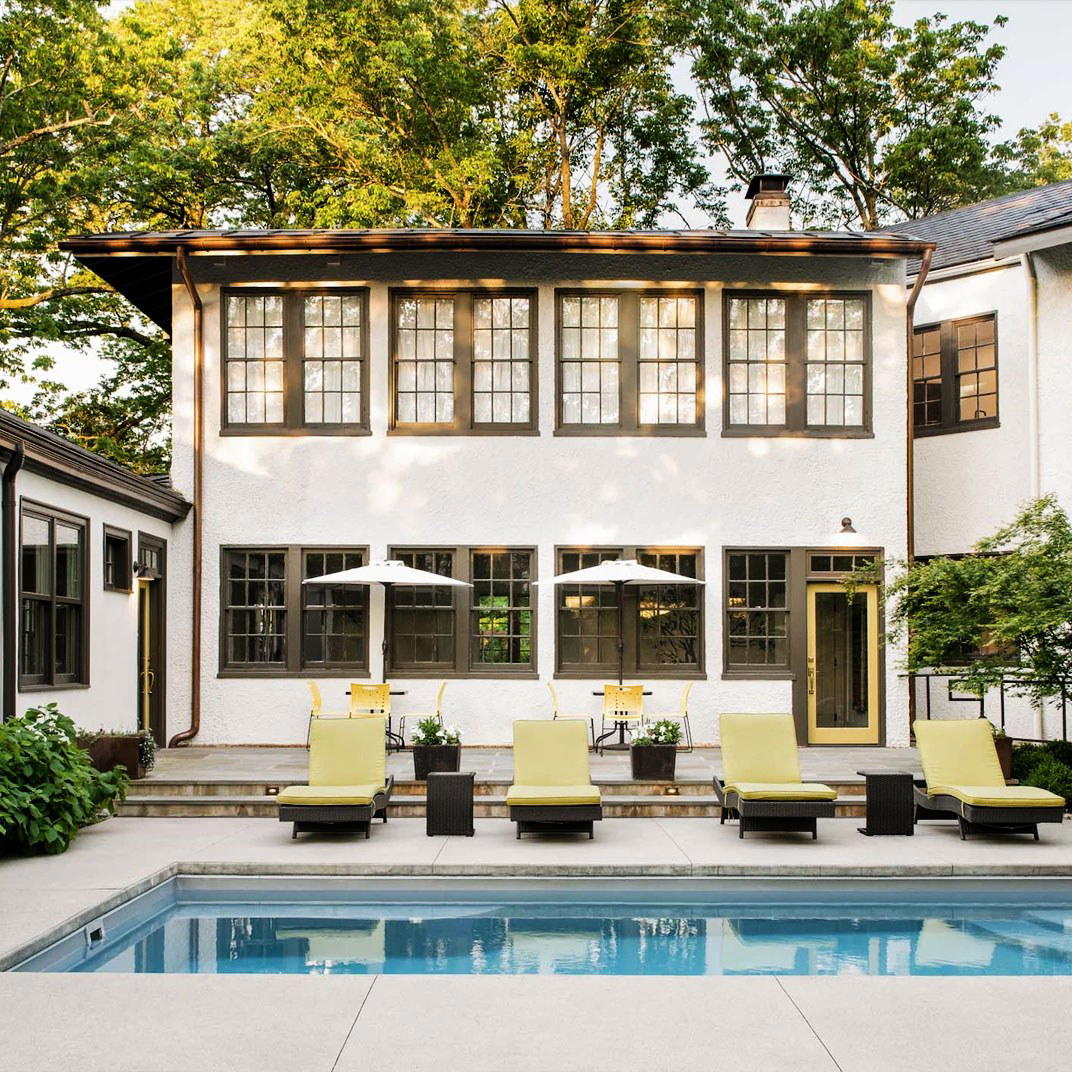
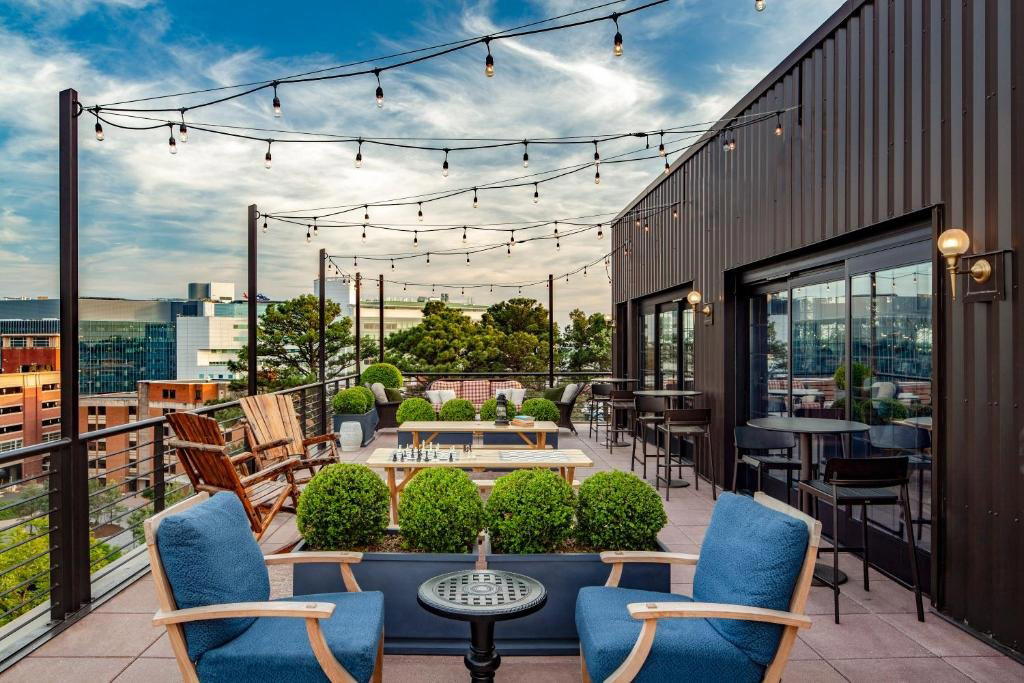
Warm and relaxed with natural light from large windows and outdoor patio seating; features a fireplace indoors and live music on select evenings.