Nederburg Wines

Nederburg Wines sits among Paarl's most historically grounded estates. The property on Sonstraal Road places visitors within the Cape Winelands' core, where mountain-framed vineyards and a long production heritage define the tasting experience. It belongs to the tier of Paarl producers that combine scale with sustained critical recognition.
Pearl is the En Primeur Club membership app — saves, bookings, and concierge access live there. Same editors, same standards.
- Address
- Sonstraal Rd, Paarl, 7646
- Phone
- +27 21 877 5183
- Website
- nederburg.com
- Directions
- Get directions
 Saves & bookings on Pearl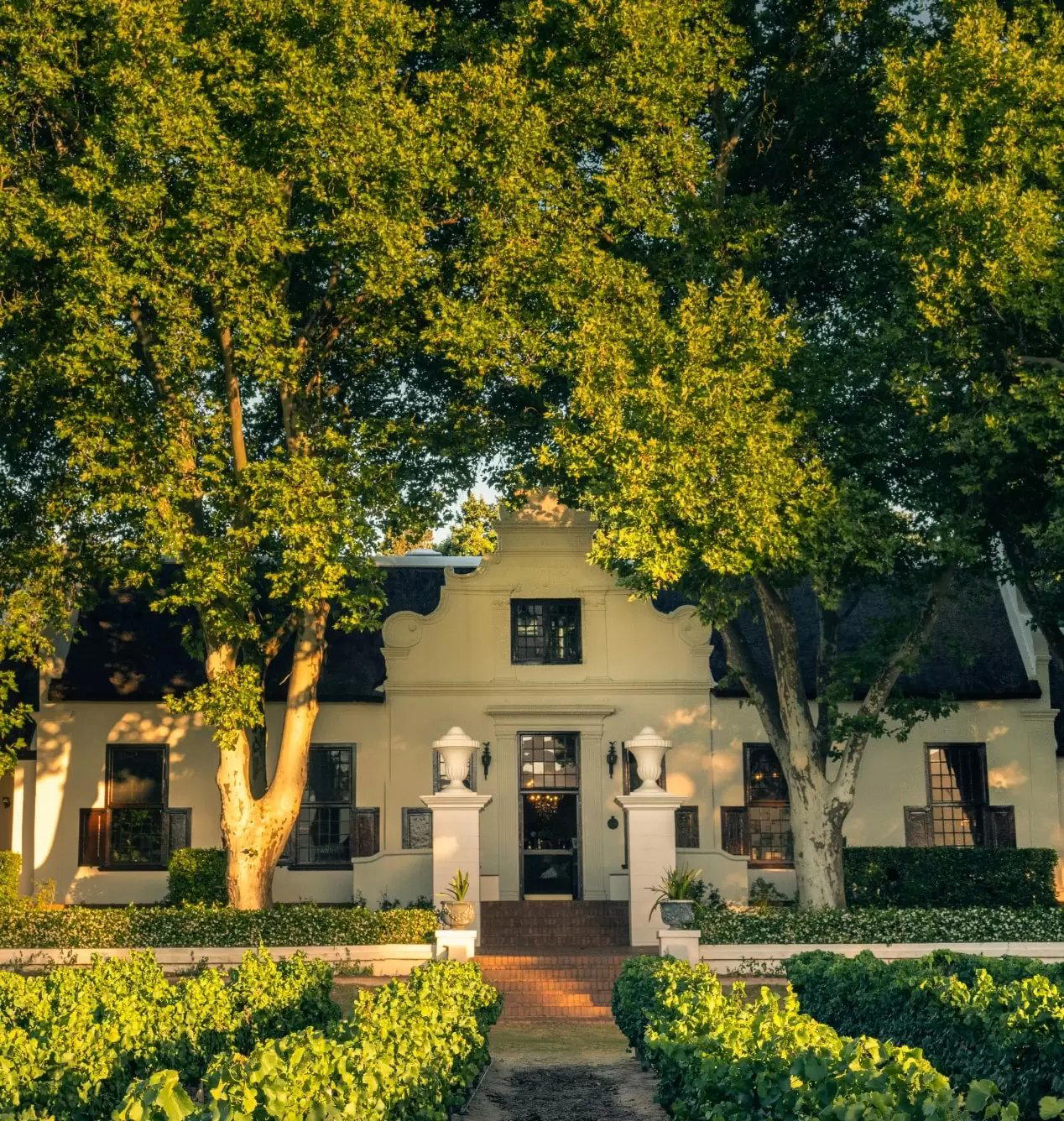
Where the Cape Winelands Take Shape
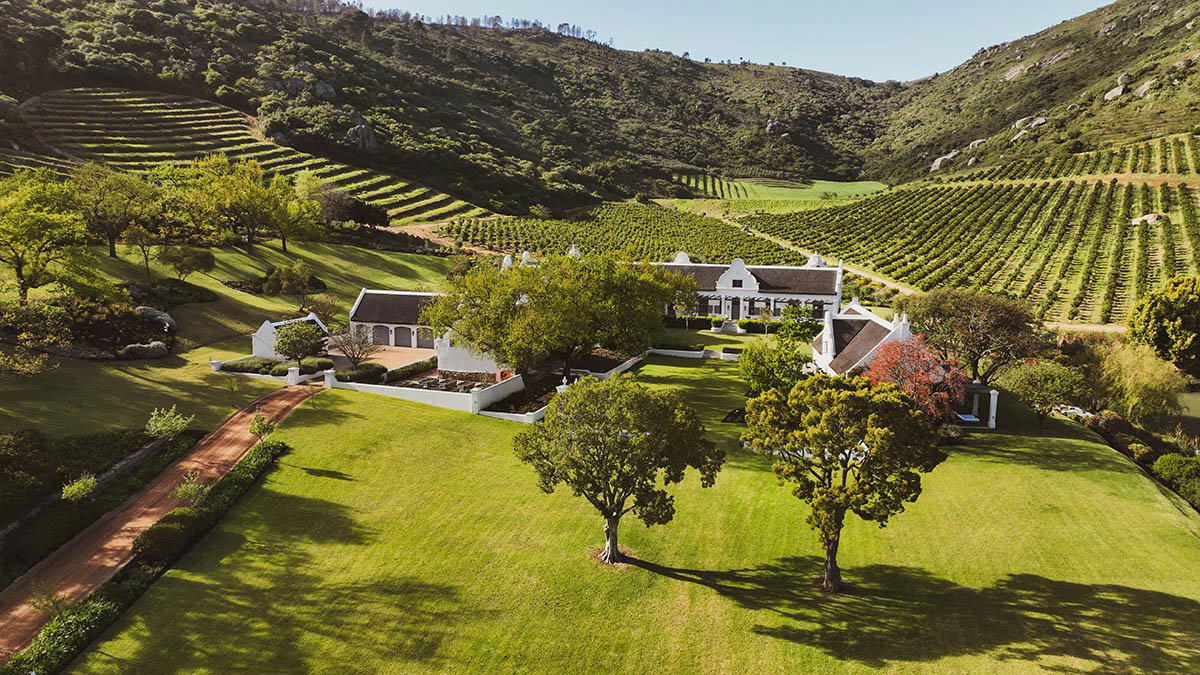
Approach Paarl from the N1 and the valley opens in a way that reminds you why this region has been producing wine since the late seventeenth century. The Drakenstein and Paarl Mountain ranges form a broad natural basin, and the estates along roads like Sonstraal sit inside that frame as if the topography planned them. Nederburg Wines occupies this address with the quiet authority of a property that does not need to announce itself. The drive in signals what the tasting room will confirm: you are in working wine country.
That distinction matters more in Paarl than in neighbouring appellations. Where parts of Franschhoek have shifted toward hospitality-forward design, Paarl's better estates tend to keep production visible. The vineyards press close to the visitor spaces, the cellar architecture is functional rather than theatrical, and the wines are the argument rather than the backdrop.
The Paarl Context: Why This Valley Produces at This Level
Paarl's wine identity is harder to summarise than Stellenbosch's Cabernet-centric narrative or Constantia's cool-climate Sauvignon Blanc story, and that complexity is part of its appeal. The valley runs roughly north to south, exposing different slopes to different light and airflow. Granite-derived soils dominate on the higher ground near Paarl Mountain, while heavier alluvial soils occupy the valley floor. The result is a region capable of producing full-bodied reds, aromatic whites, and fortified styles without any single variety dominating the conversation.
This breadth is one reason estates of Nederburg's scale have historically thrived here. A producer working across multiple varieties and price tiers needs a region that can deliver those grapes without compromise, and Paarl's diverse terroir provides that. Peer estates in the valley, including Fairview Wine & Cheese, Glen Carlou, and Backsberg, each demonstrate this range in different ways, but Nederburg's sustained critical presence places it in a distinct bracket: estates where the production programme spans everyday drinking wine and prestige-tier releases within the same address.
That vertical range is relatively rare in South Africa's wine geography. Many producers either commit fully to a premium, small-batch model or operate at volume without a credible top tier. KWV Wine Emporium in Paarl and Val de Vie Estate represent adjacent approaches to the same challenge, each finding a different balance between accessibility and premium positioning.
Terroir in the Glass: What Paarl's Soils Produce
The Cape Winelands' elevation and Mediterranean-influenced climate, warm dry summers tempered by the Cape Doctor wind, produce grapes with natural phenolic ripeness and enough acid retention to age. Paarl sits slightly warmer than Stellenbosch on average, which tends to push reds toward fuller body and earlier drinkability, though the mountain-facing sites temper that warmth considerably. For a producer like Nederburg, sourcing from different elevations and exposures within the broader region gives the winemaking team material to work with across the range.
South African Chenin Blanc deserves specific attention in any discussion of Cape Winelands white wines. The variety took hold in the Cape through early planting programmes, and it now covers more ground here than anywhere else in the world. Paarl Chenin, grown on older bush vine plantings, tends toward texture and stone fruit over the lean, Loire-influenced style, and it has become one of the region's strongest arguments for attention from an international audience that once looked past South Africa for premium whites. Producers across the Cape, from Babylonstoren in Franschhoek to Vergelegen Wine Estate in Somerset West, have invested heavily in Chenin's potential, and Paarl sits at the centre of that conversation.
A Property Built for the Long View
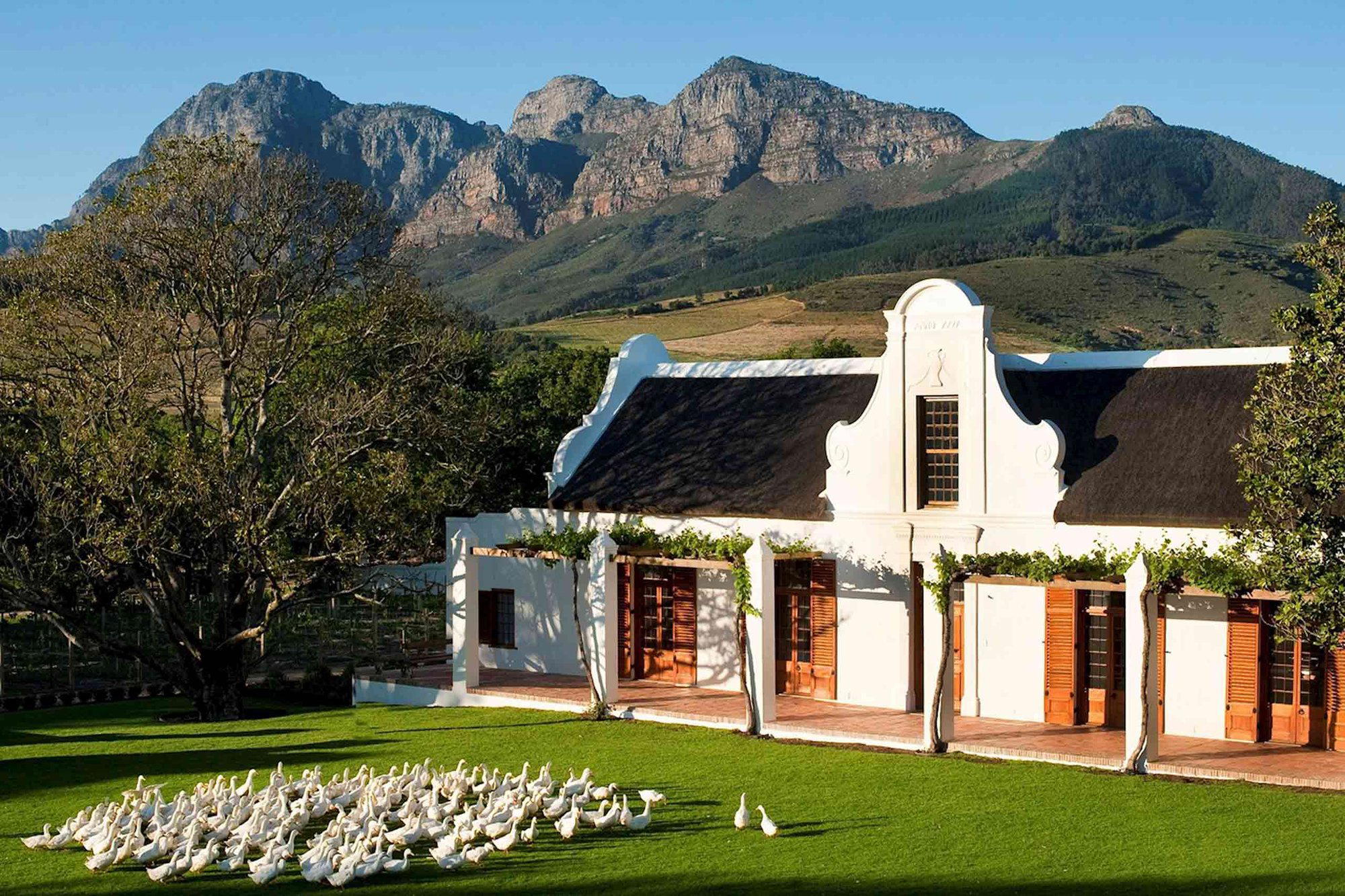
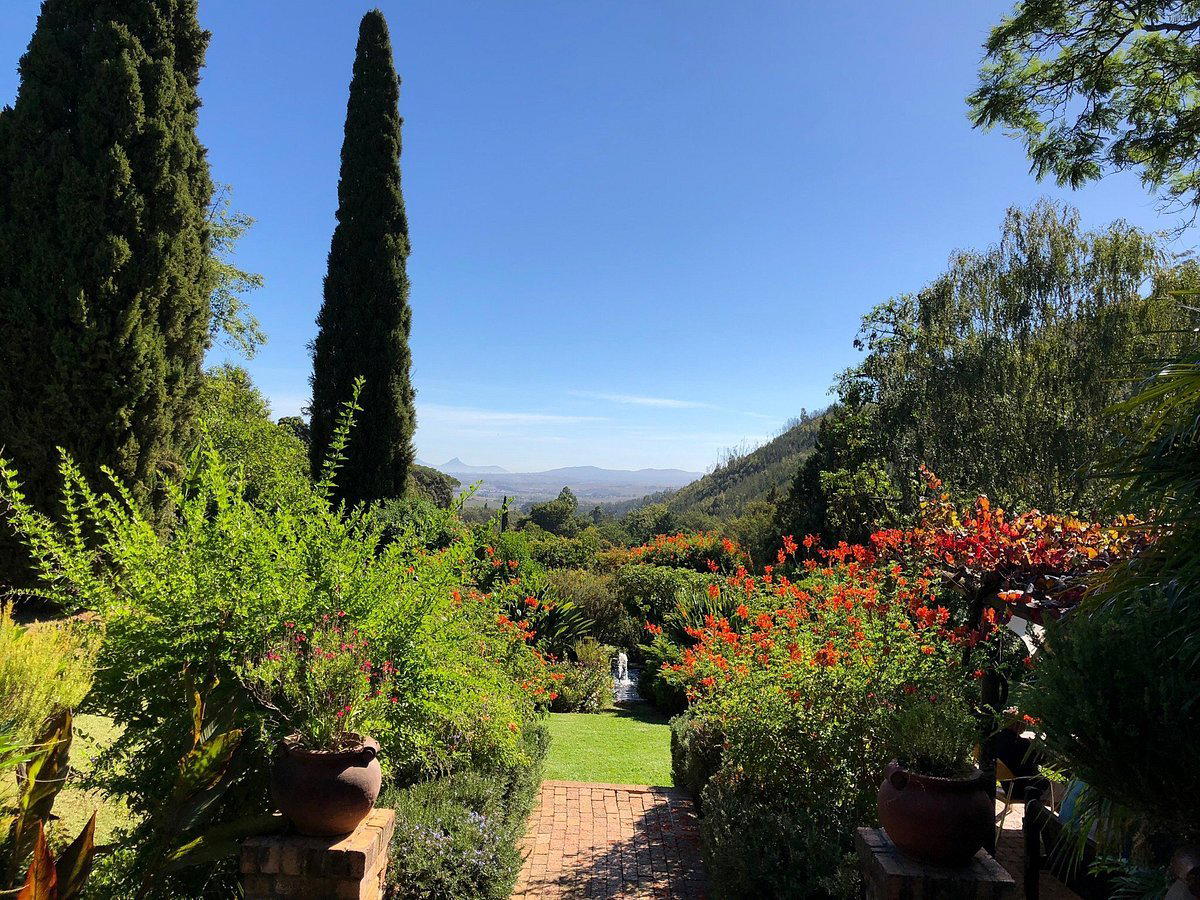
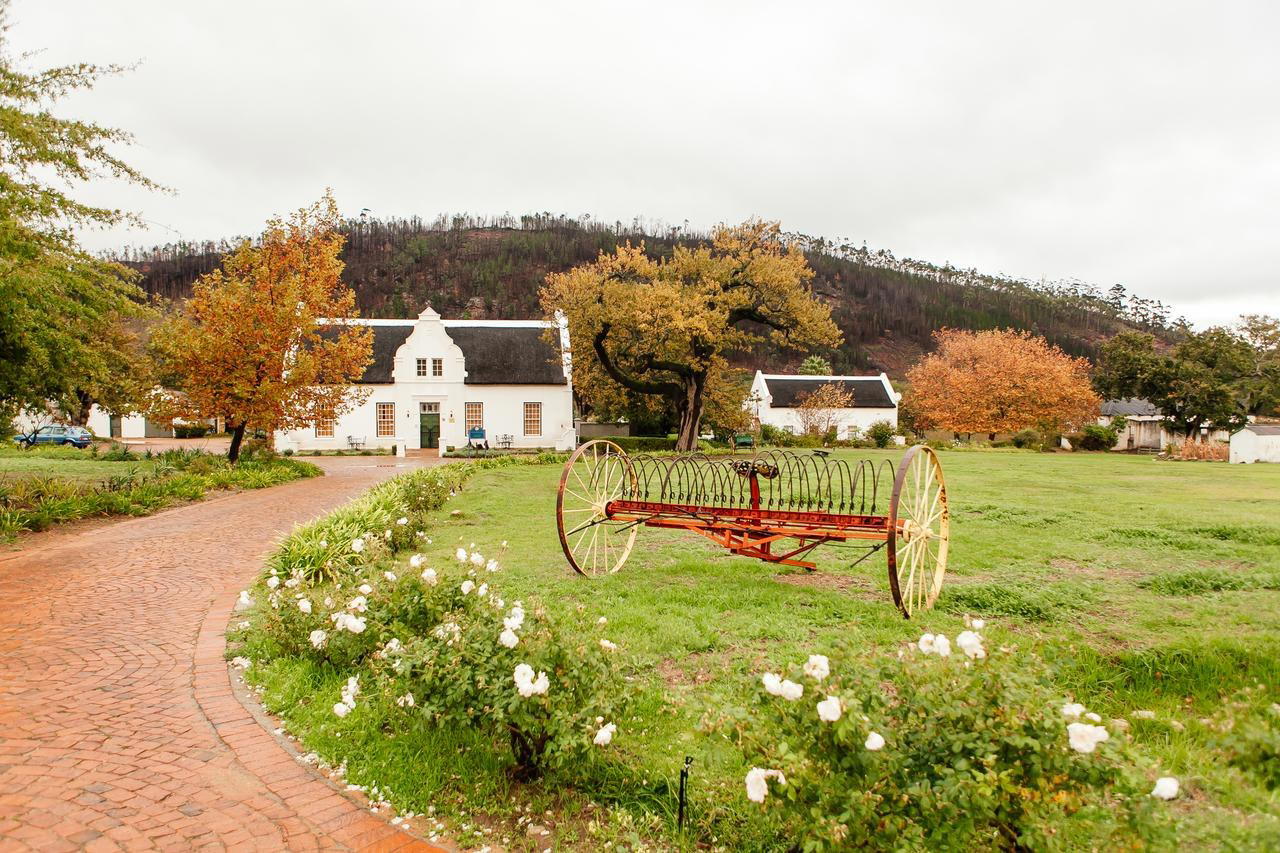
The physical setting at Sonstraal Road does what good wine estate design should do: it removes the visitor from the daily register and places them inside a slower rhythm. The mountain views that define Paarl's visual identity are present from the estate, and the working vineyard around the tasting area provides a seasonal anchor that polished urban wine bars cannot replicate. In late summer, when the vine canopy is full and the harvest is approaching, the property reads differently than in winter, when the stripped rows and low light give the granite soils prominence. Both versions are worth the visit.
This seasonal character is something the Cape Winelands share with the world's great wine regions: the property itself is an argument for returning, not just visiting once. Estates like Creation Wines in Hermanus and Neethlingshof Estate in Stellenbosch have built their visitor appeal around this idea, and Nederburg's position within Paarl's mountain-backed geography gives it the same advantage.
Placing Nederburg in the Wider South African Picture
South Africa's wine category has undergone a significant reputational shift over the past fifteen years. The country's producers, once treated as value alternatives to European appellations, now compete credibly in the premium tier at international tastings and earn recognition from the same critical bodies that assess Burgundy and Napa.
For comparison, estates like Graham Beck Wines in Robertson have built prestige reputations through specific category focus, while Constantia Glen in Cape Town trades on terroir specificity. Nederburg's approach, working across a broader range from a historically significant Paarl address, represents a different kind of ambition, one that requires consistent quality across multiple price points rather than the easier discipline of a single-tier programme.
Planning a visit to Paarl should account for the valley's density of options. A day that includes Nederburg can reasonably extend to two or three other estates without feeling rushed, and the Sonstraal Road location places it within the core of the valley rather than a distant outlier. The full picture of what Paarl produces is best understood across several producers.
Just the Basics
Comparable venues nearby, for context on price, style, and recognition.
| Venue | Cuisine | Price | Notes |
|---|---|---|---|
| Nederburg WinesThis venue — the venue you are viewing | Not listed | $$ | Not listed |
| KWV Wine Emporium | Paarl, Sauvignon Blanc, Chardonnay | $$ | Not listed |
| Wilderer Distillery | Suider-Paarl, Paarl | $$ | Not listed |
| Fairview Wine & Cheese | Suider Paarl, Shiraz, Pinotage | $$ | Not listed |
| Backsberg | Not listed | $$ | Franschhoek Valley, Cabernet Sauvignon, Chardonnay |
| Rhebokskloof Wine Estate | Paarl, Shiraz, Chardonnay | $$$ | Not listed |
Recognition history
Dated appearances from independent guides and award organizations, with the underlying list record or original source where available.
Falstaff Winery - Listed
Falstaff
Continue exploring
More in Paarl
Wineries in Paarl
Browse all →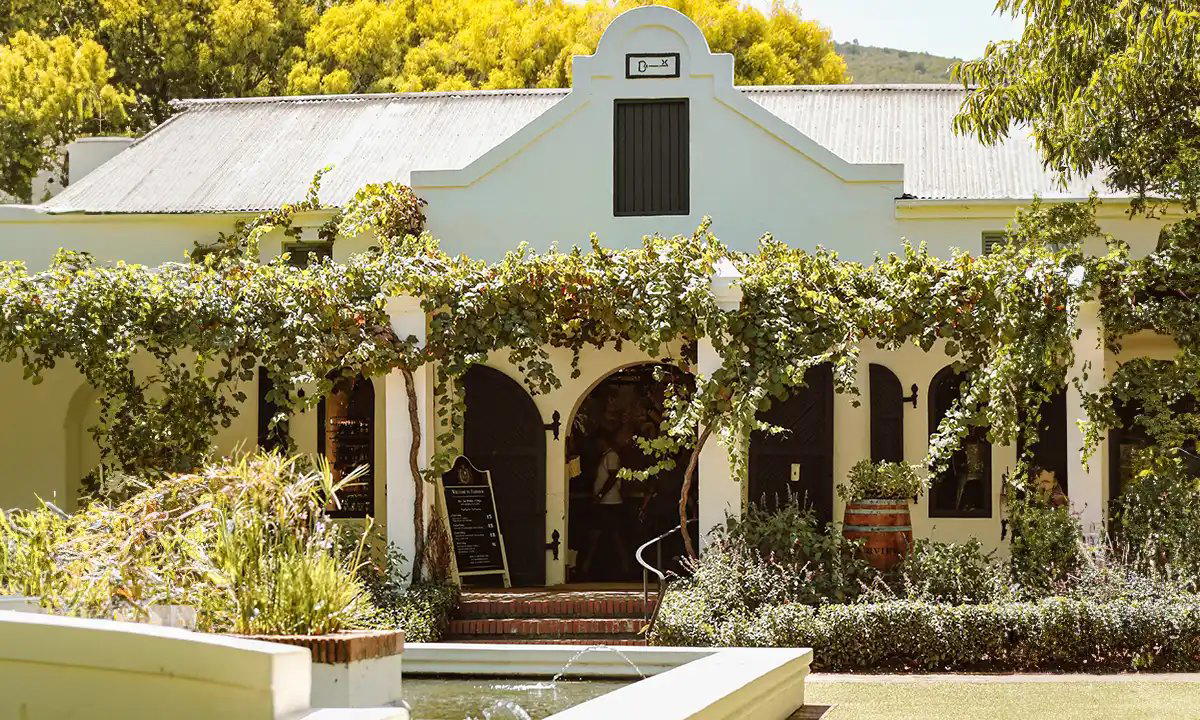
Bars in Paarl
Browse all →
Restaurants in Paarl
Browse all →
At a Glance
- Classic
- Historic
- Elegant
- Rustic
- Wine Education
- Celebration
- Corporate Event
- Group Outing
- Vineyard Tour
- Barrel Room
- Historic Building
- Estate Grounds
- Sustainable
- Mountain
- Vineyard
- Garden
- Paarl
- Chenin Blanc
- Cabernet Sauvignon
- Merlot
- Grenache
- Shiraz
- Gewürztraminer
- Sauvignon Blanc
- Still Red
- Still White
- Still Rosé
- Sparkling
- Cellar Tasting
- Paired Tasting
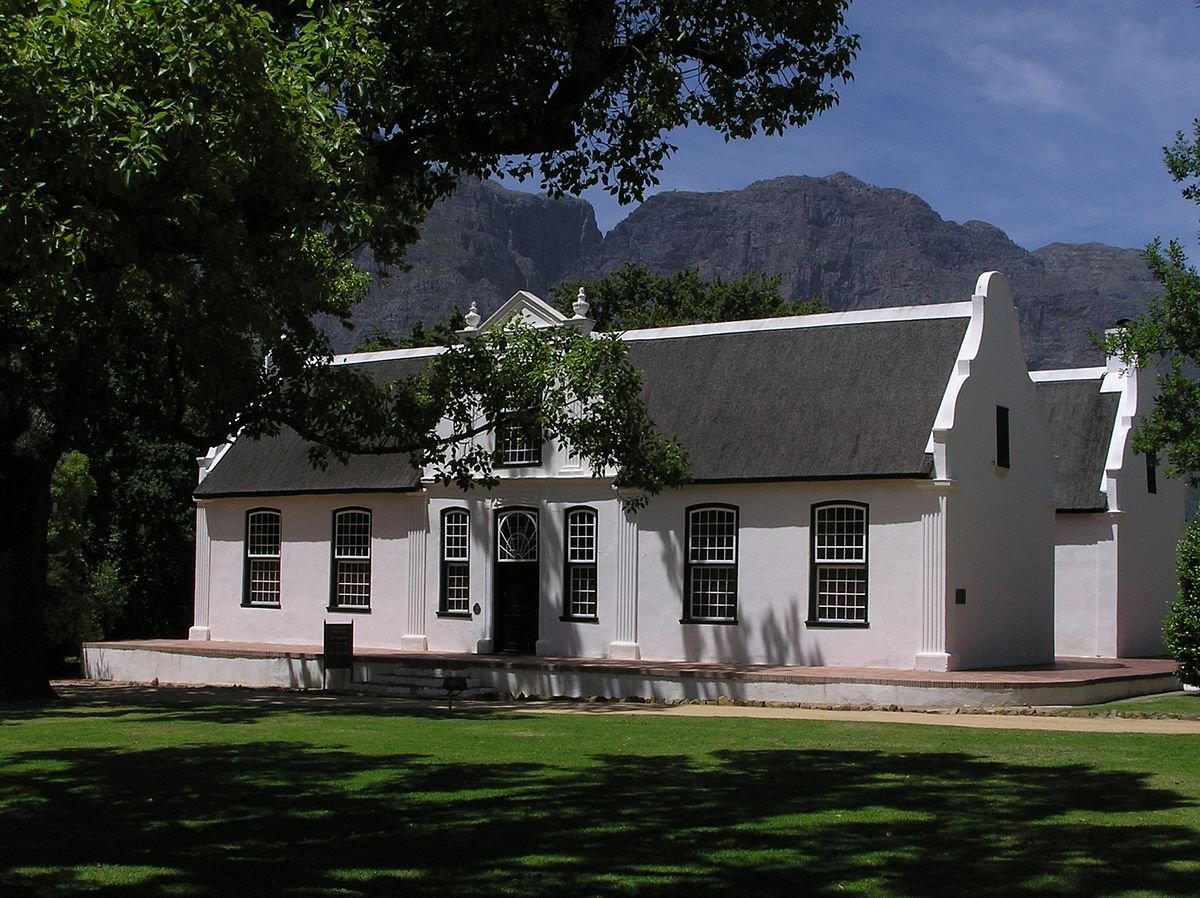
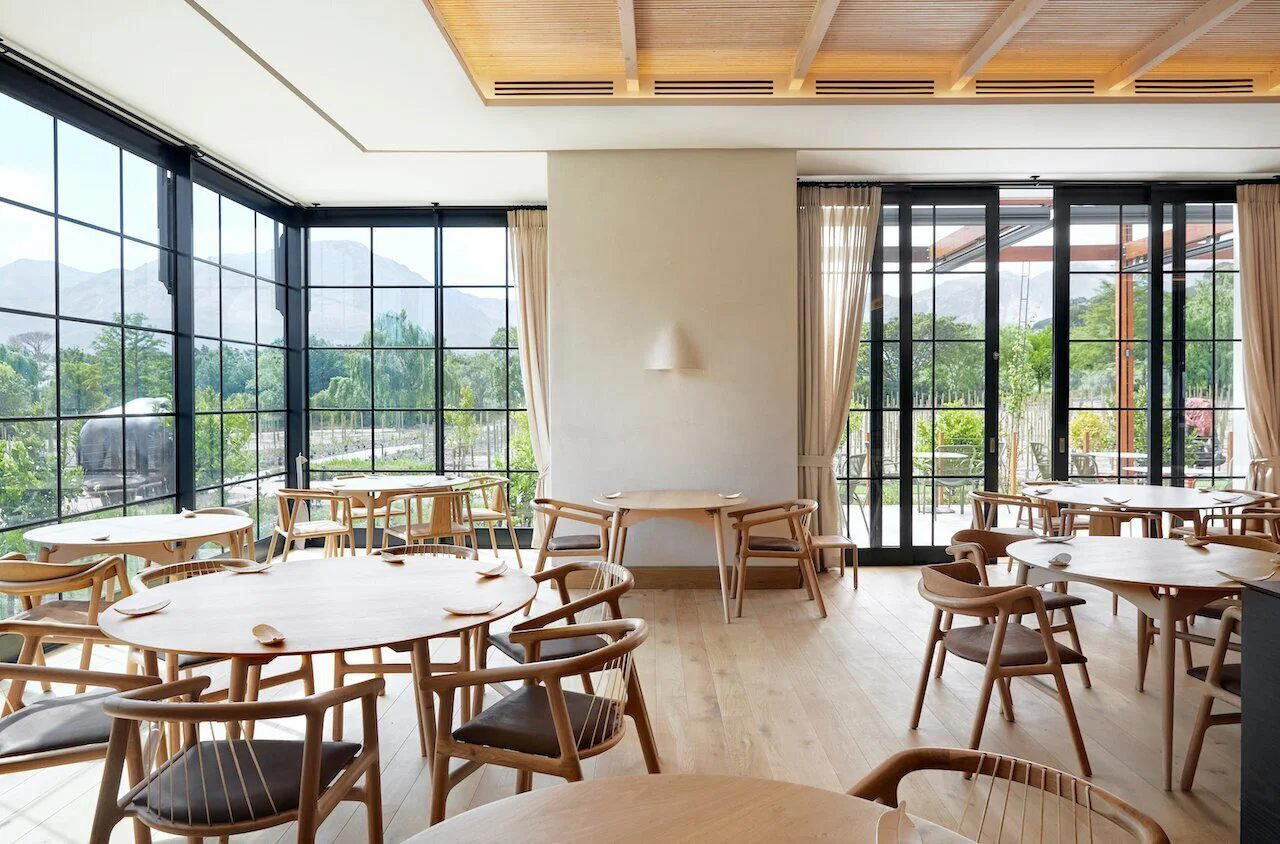
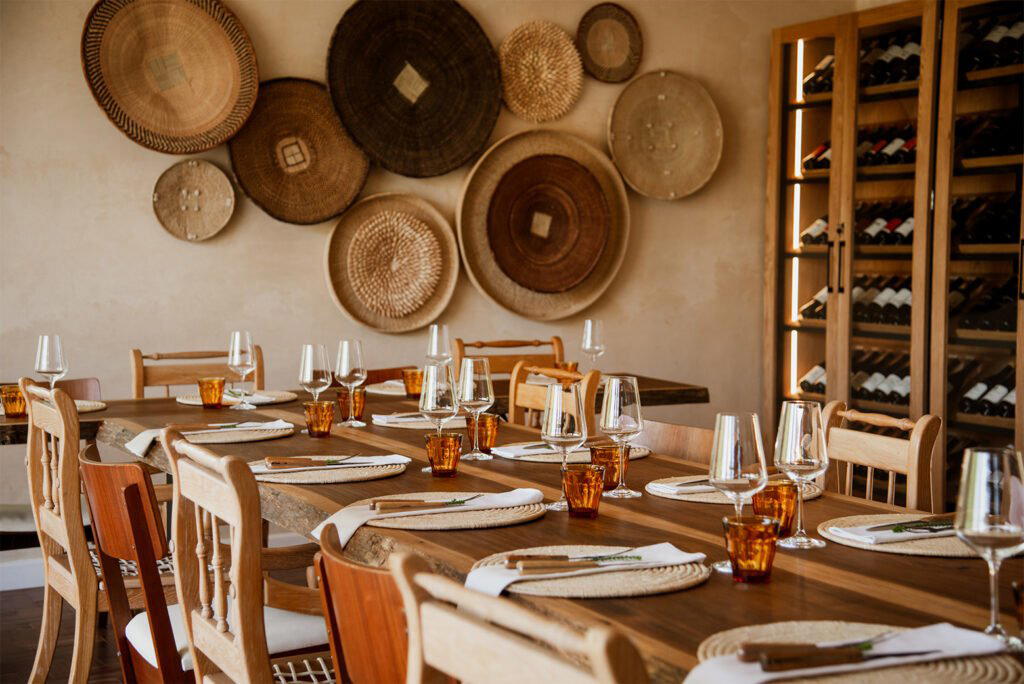
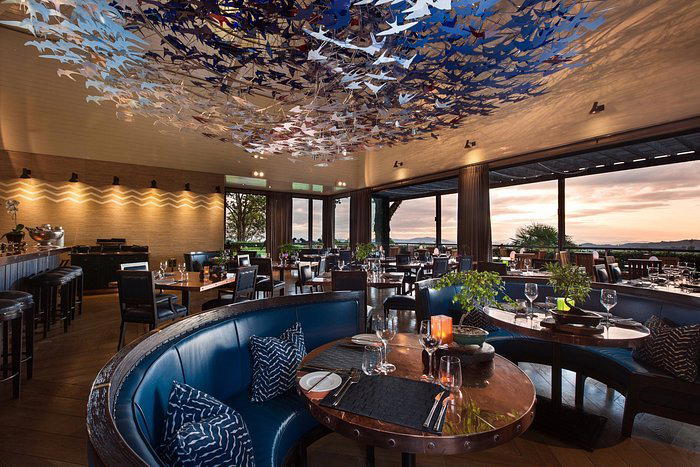
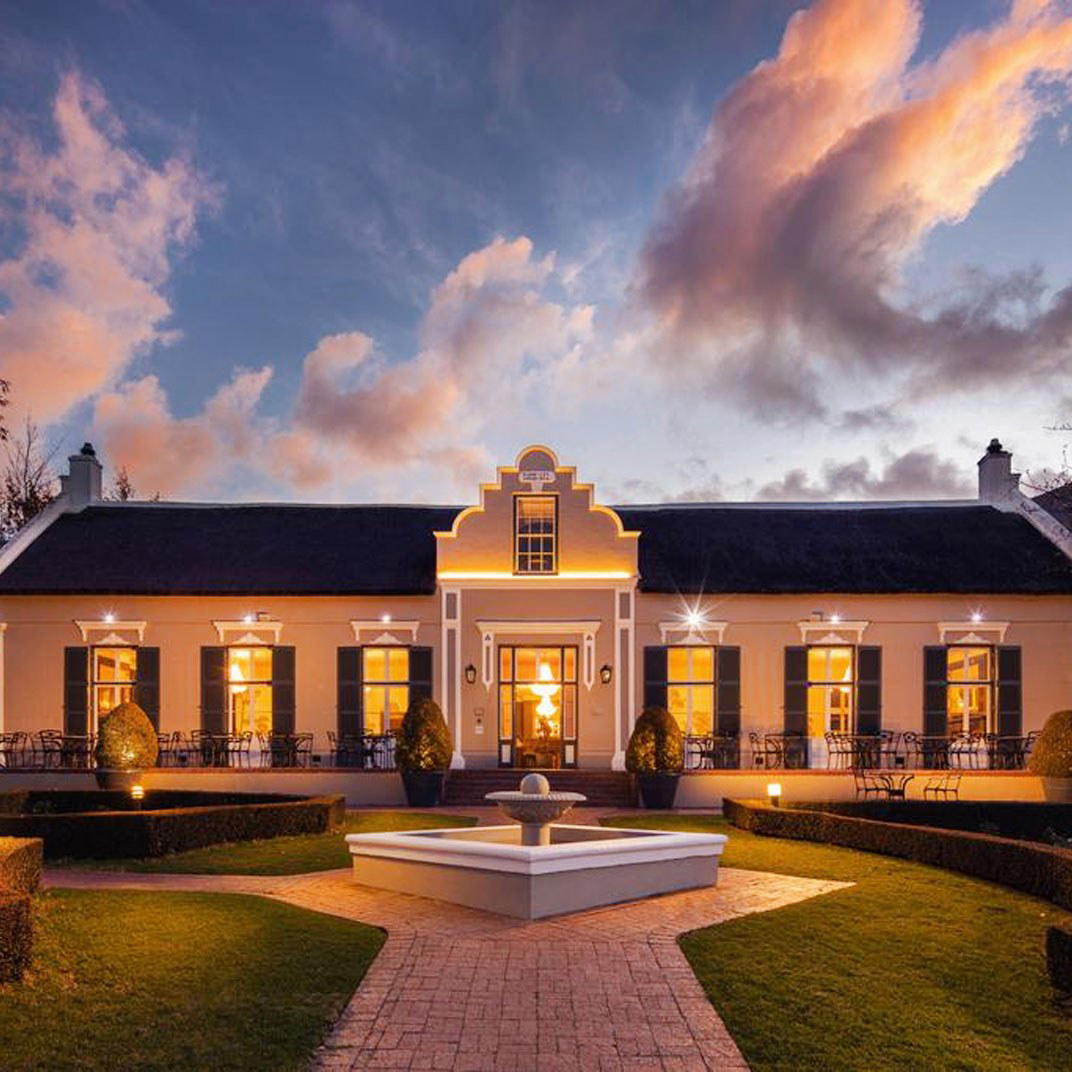
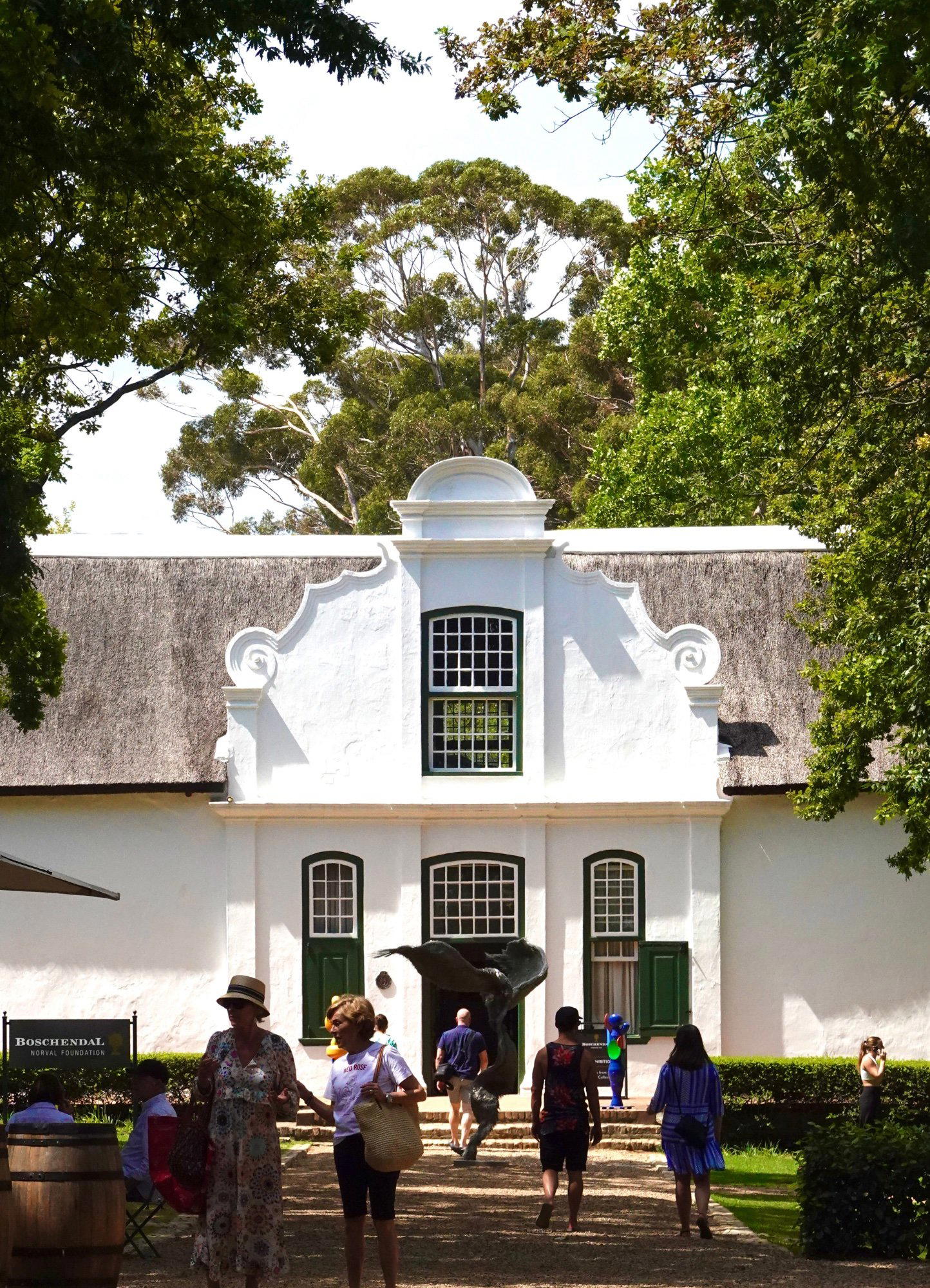
Classic luxury in the historic manor house with antiques, original fireplaces, cozy tasting room lounge around a roaring fireplace, and tranquil outdoor seating among vines.