La Motte Wine Farm
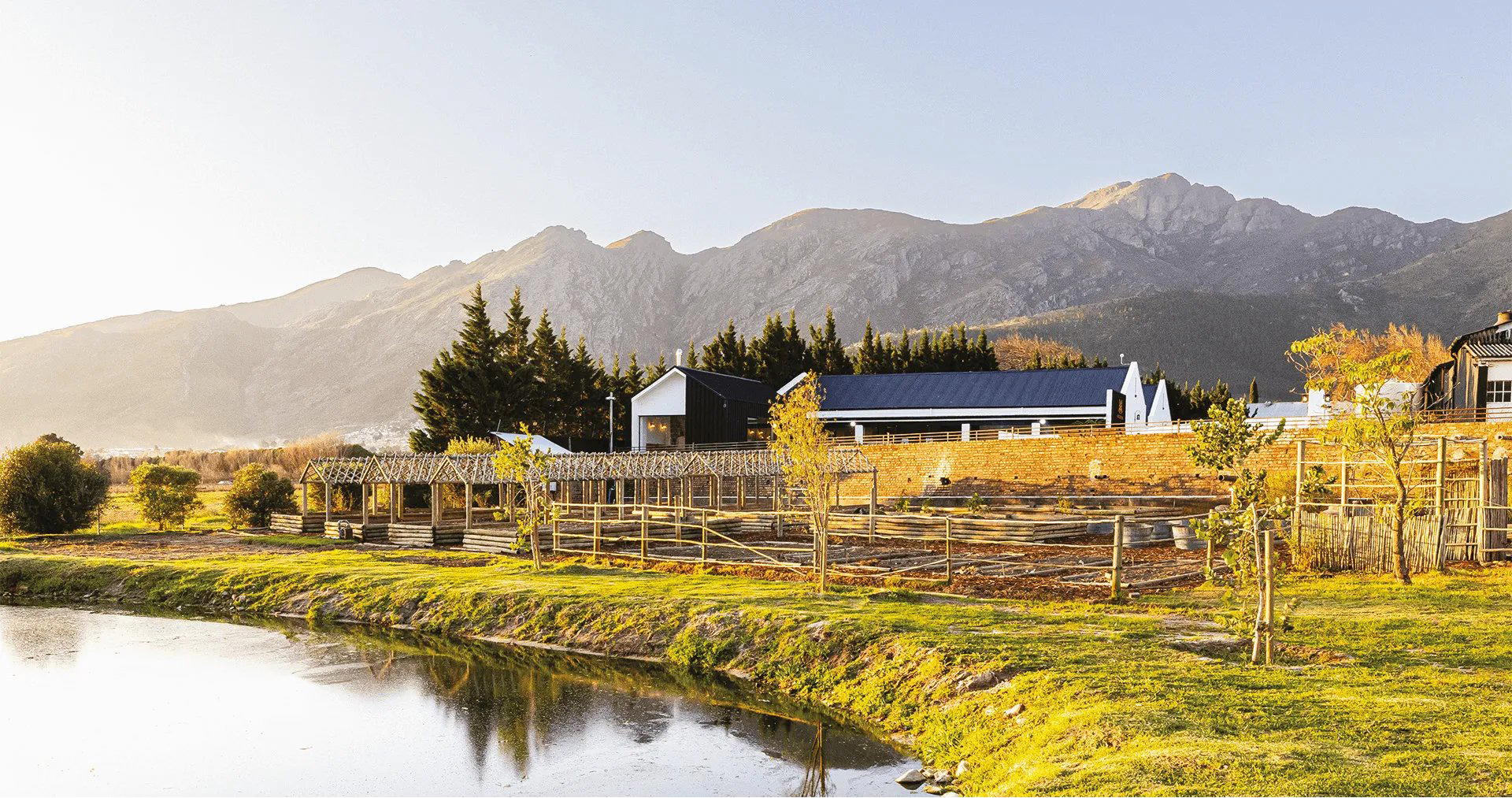
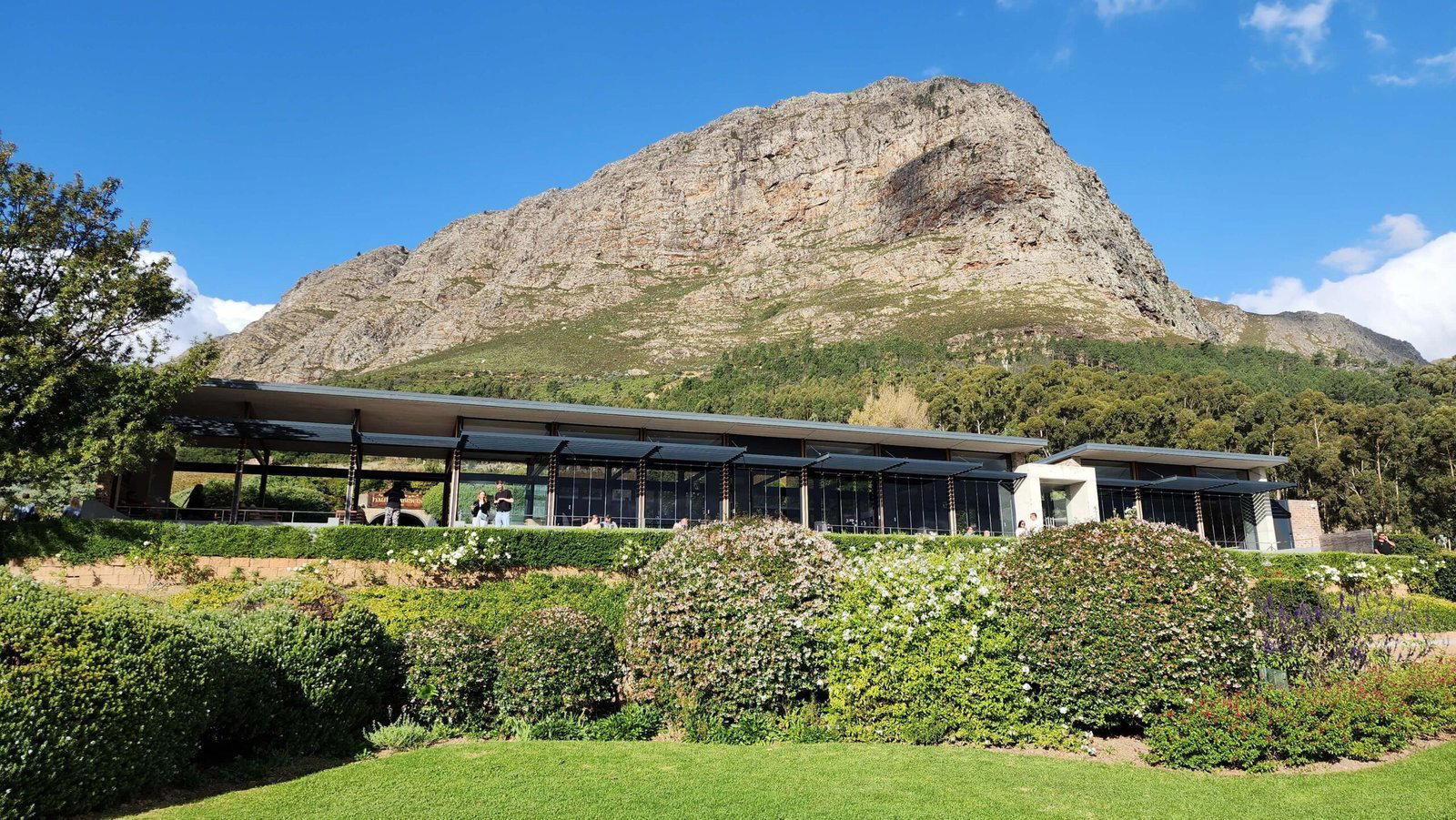
La Motte Wine Farm sits on the R45 outside Franschhoek, where the Winelands' estate-dining tradition runs deepest. The property operates within a long-established farm culture that pairs wine production with hospitality, placing it alongside Franschhoek's most serious estate experiences. Visitors come for the combination of farm setting, estate wines, and a dining offer rooted in the produce of the surrounding valley.
Pearl is the En Primeur Club membership app — saves, bookings, and concierge access live there. Same editors, same standards.
- Address
- R45, Franschhoek, 7691, South Africa
- Phone
- +27 21 876 8000
- Website
- la-motte.com
- Directions
- Get directions
 Saves & bookings on Pearl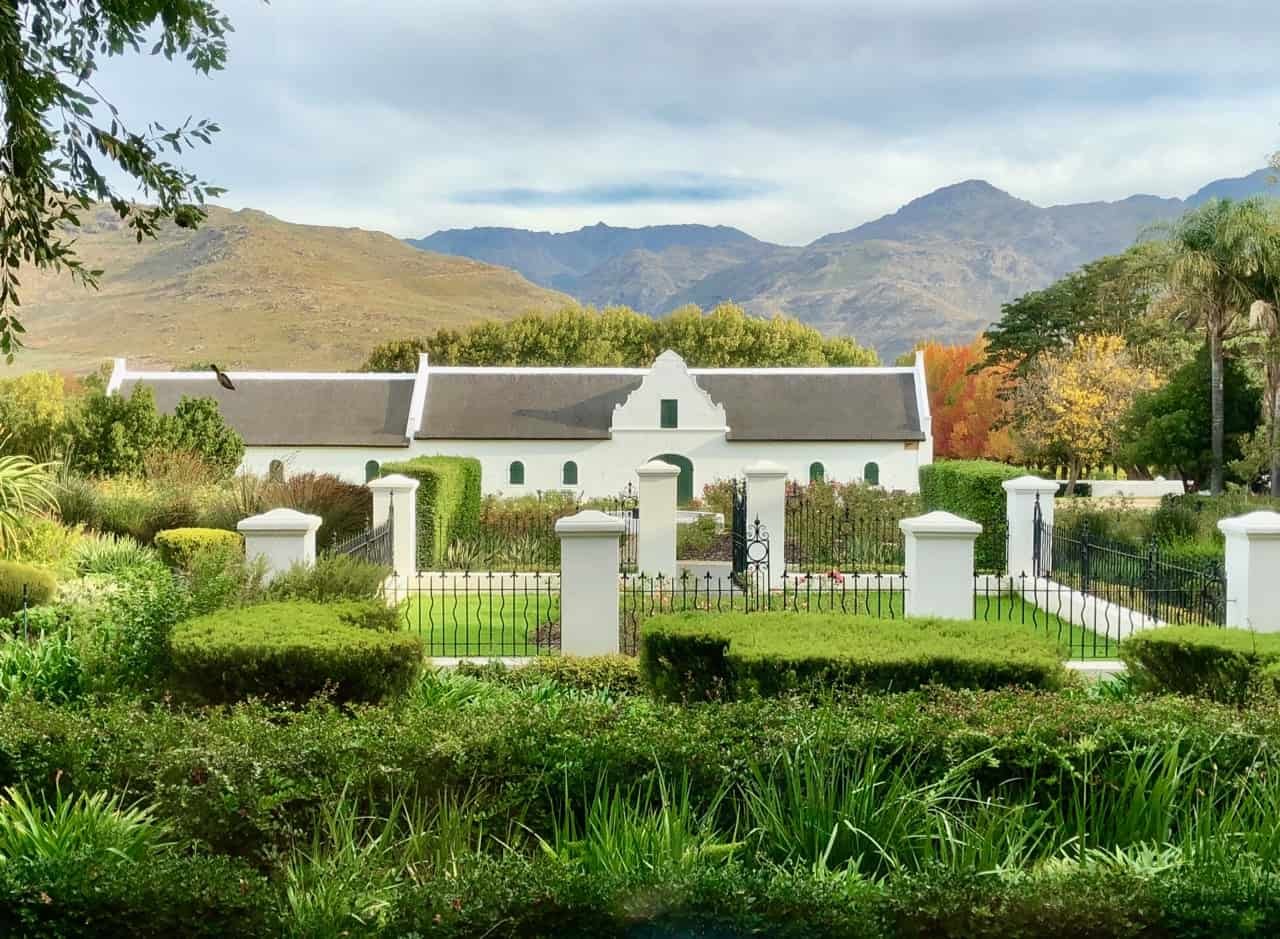
Wine Farm Hospitality at the Franschhoek End of the Winelands
La Motte Wine Farm sits on this corridor, in a region where estate hospitality has evolved well beyond cellar-door tastings into something closer to a full cultural programme. The Franschhoek Valley has historically attracted estates with this ambition, and La Motte operates in that established tradition, where the farm itself is as much the subject as the wine in the glass.
Within the Stellenbosch and Franschhoek wine estate category, properties have split into roughly two tiers over the past decade. The first tier keeps the experience simple: tasting room, a few bottles, a view. The second tier commits to depth, operating restaurants, art collections, heritage programmes, and accommodation alongside the cellar. La Motte belongs to the second group, which places it in a competitive set that includes estates where a half-day visit is genuinely warranted rather than incidental.
The Estate Wine Offer and What It Signals
Franschhoek estates operating in this tier tend to anchor their identity in a defined house style across several varietals rather than volume production. The valley's cooler growing conditions, relative to parts of Stellenbosch closer to the coast, support Shiraz as a reference point alongside white varieties. For visitors accustomed to estate wine programmes in Europe or California, the Franschhoek model is notable for the directness of the farm-to-glass story: the vineyard, cellar, and tasting space occupy the same property, and the wine offer reflects that without intermediaries.
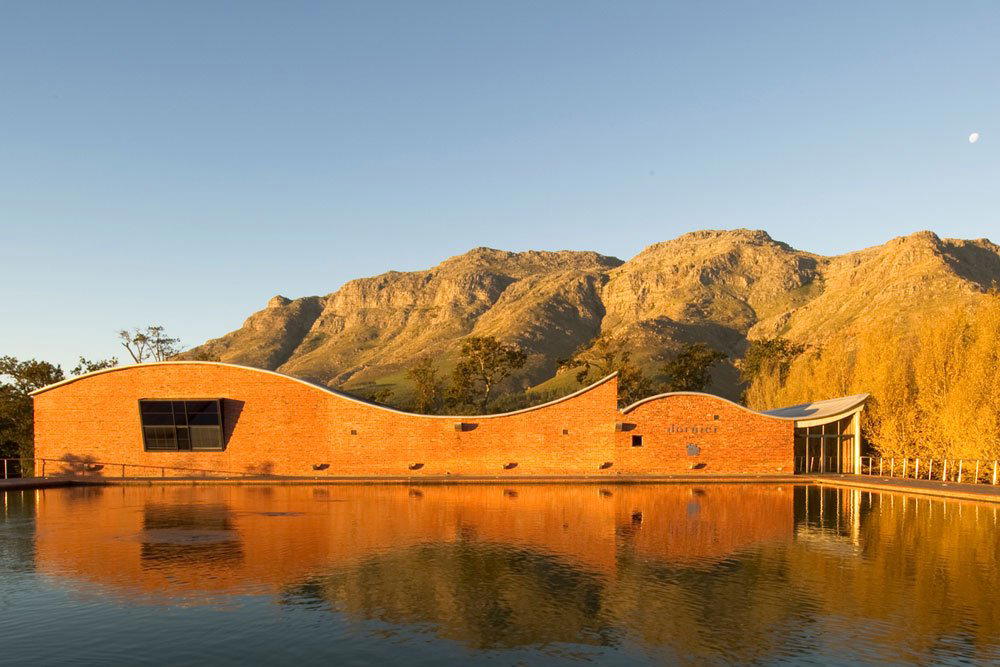
Dornier Wine Estate in Stellenbosch operates a comparable integrated model, with its own art collection and estate restaurant. Simon Wine Emporium and Stellenbosch Wine Bar take a different approach, curating across multiple producers rather than representing a single estate. Spek & Bone leans further into the food-led experience. Each represents a distinct philosophy about how wine is leading encountered in the Winelands, and La Motte sits squarely in the single-estate, full-programme camp.
Reading the Farm Setting as an Editorial Statement
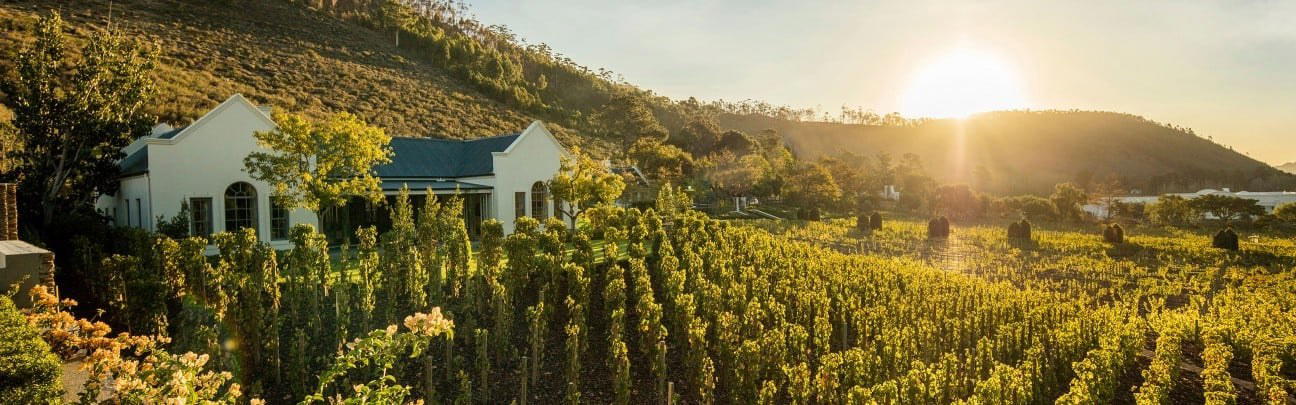
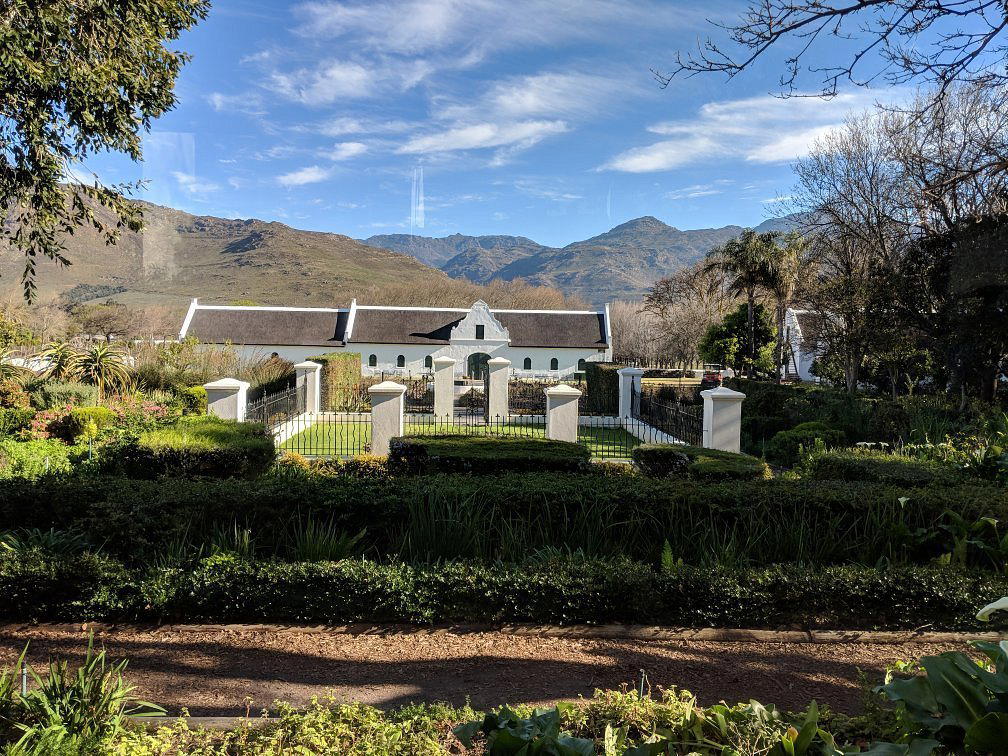
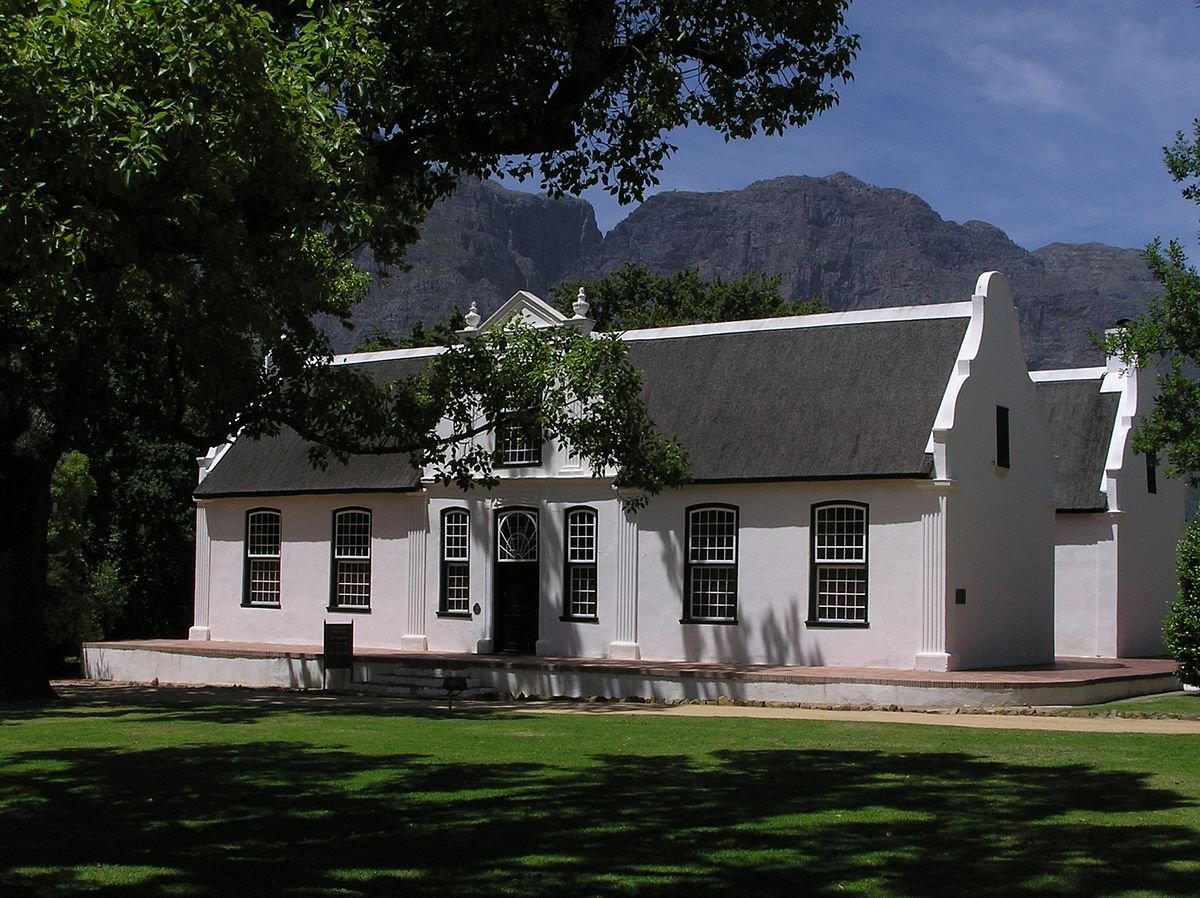
In a region where most estates draw on Cape Dutch architectural heritage, the physical character of a property carries meaning beyond aesthetics. Farm buildings from the eighteenth and nineteenth centuries, restored and maintained at this scale, signal a particular level of investment and a commitment to the historical identity of the Western Cape wine culture. Approaching along the R45, the estate layout communicates that relationship before a single bottle is opened.
This matters for how visitors should calibrate expectations. La Motte is not a casual drop-in wine bar. The experience is structured around the estate as a whole, which means arriving with time is the operative condition. Visitors who treat Franschhoek estates as a series of quick stops tend to underuse properties operating at this depth.
Situating La Motte in the Broader South African Drinks Scene
South Africa's premium drinks culture has diversified considerably over the past decade. In Cape Town, venues like Asoka represent the cocktail-led direction, where the focus is on technical bartending and spirits curation rather than estate provenance. In Johannesburg, programmes at Sin + Tax and San Deck, Bar & Restaurant in Sandton address an urban, spirits-forward clientele. Further afield, Vee & Forti in Pretoria and Van Buuren Rd & Hawley Rd in Hillbrow show how different South African cities have developed their own distinct drinking cultures.
The Winelands estate model that La Motte represents is rooted and place-specific. Internationally, the comparison is instructive. Programmes like Bar Leather Apron in Honolulu or Jewel of the South in New Orleans demonstrate how a strong sense of place can anchor a drinks offer in a way that transcends the merely transactional. Franschhoek estates make the same argument from a wine and heritage position rather than a cocktail one.
Planning a Visit: What to Know Before You Go
La Motte sits on the R45 in Franschhoek, approximately one hour's drive from Cape Town's city centre via the N1 and R45 (the exact duration varies with traffic through Paarl). Visitors arriving by car have greater flexibility, as the estate layout and the surrounding valley road benefit from being driven at pace rather than rushed through on a tour bus schedule. The Franschhoek Wine Tram provides an alternative for those visiting multiple properties in a single day, though it imposes its own timing structure on the visit.
The Western Cape wine tourism calendar peaks over the summer months of November through February, when both accommodation and tasting slots at leading estates fill well in advance. Visiting outside that window, particularly in the April to June shoulder season, offers a materially quieter experience with more spontaneous access.
Budget Reality Check
Comparable venues nearby, for context on price, style, and recognition.
| Venue | Price | Notes |
|---|---|---|
| La Motte Wine FarmThis venue — the venue you are viewing | $$$ | Not listed |
| Simon Wine Emporium | $$$ | Stellenbosch, wine_bar |
| Stellenbosch Wine Bar | $$$ | Ludwigsdorf, wine_bar |
| Spek & Bone | $$$ | Stellenbosch Central, wine_bar |
| Dornier Wine Estate | $$$ | Blaauwklippen, wine_bar |
| The Wine Glass | $$$ | Stellenbosch Central, wine_bar |
Continue exploring
More in Stellenbosch
Bars in Stellenbosch
Browse all →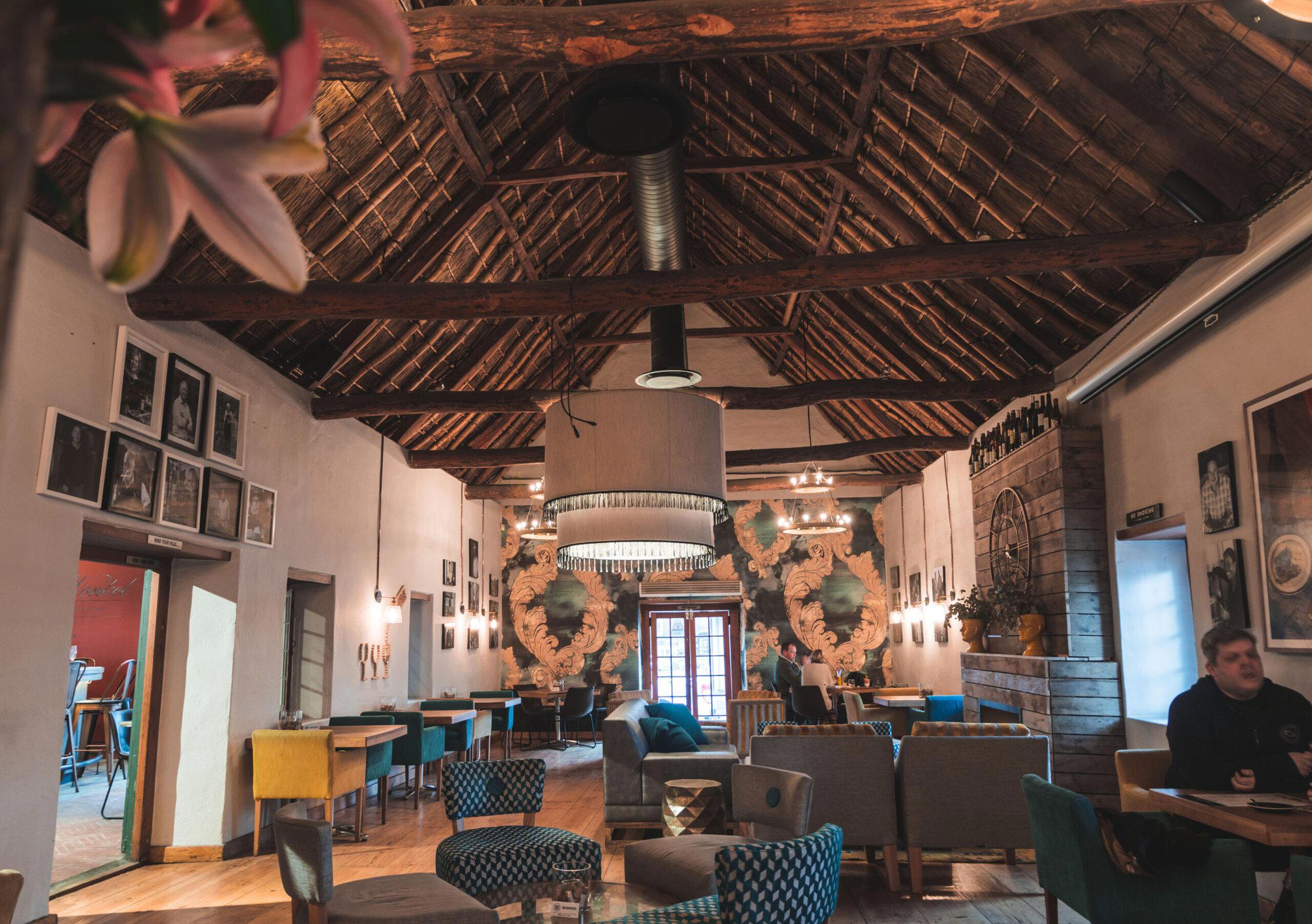
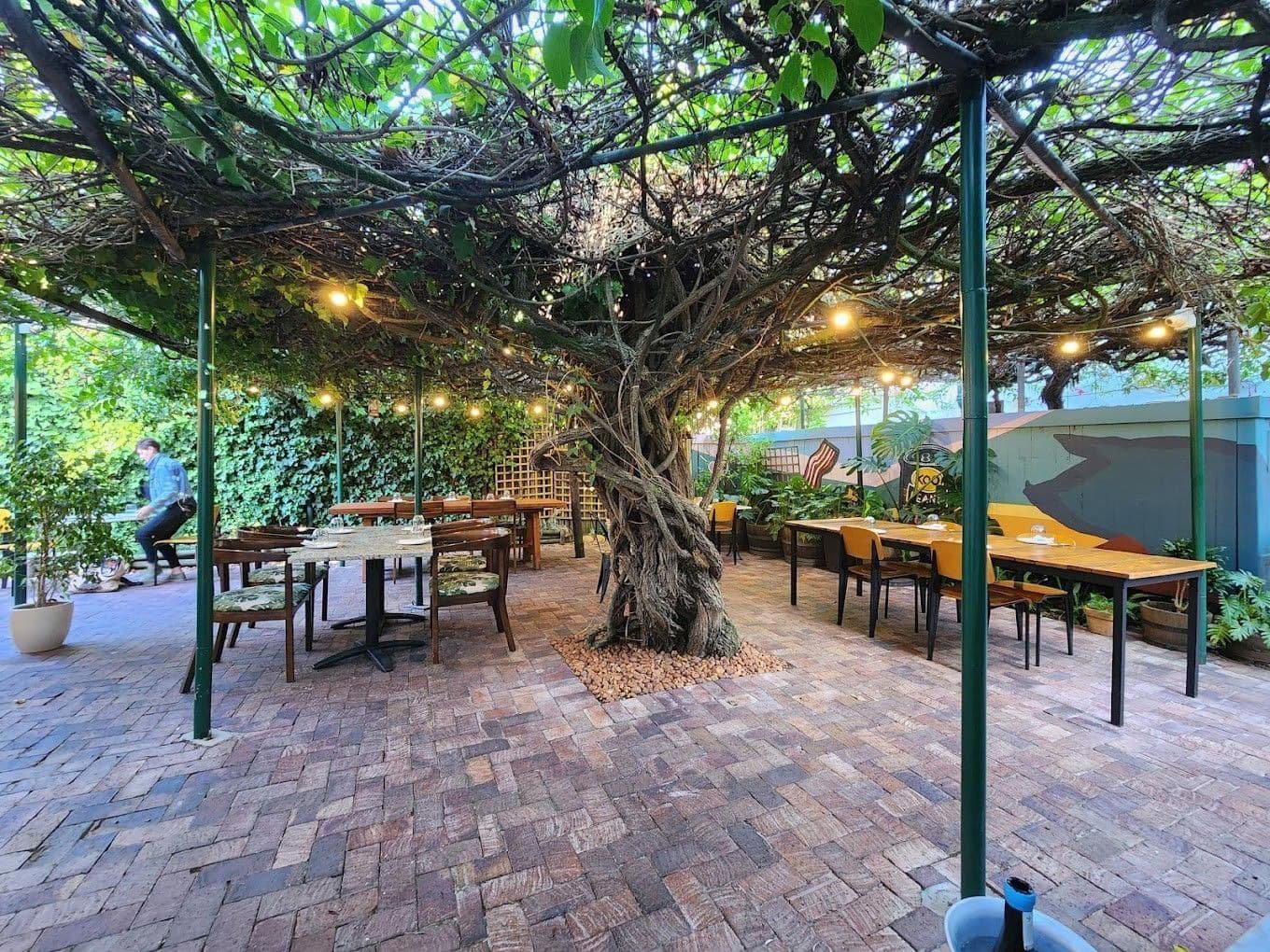
Restaurants in Stellenbosch
Browse all →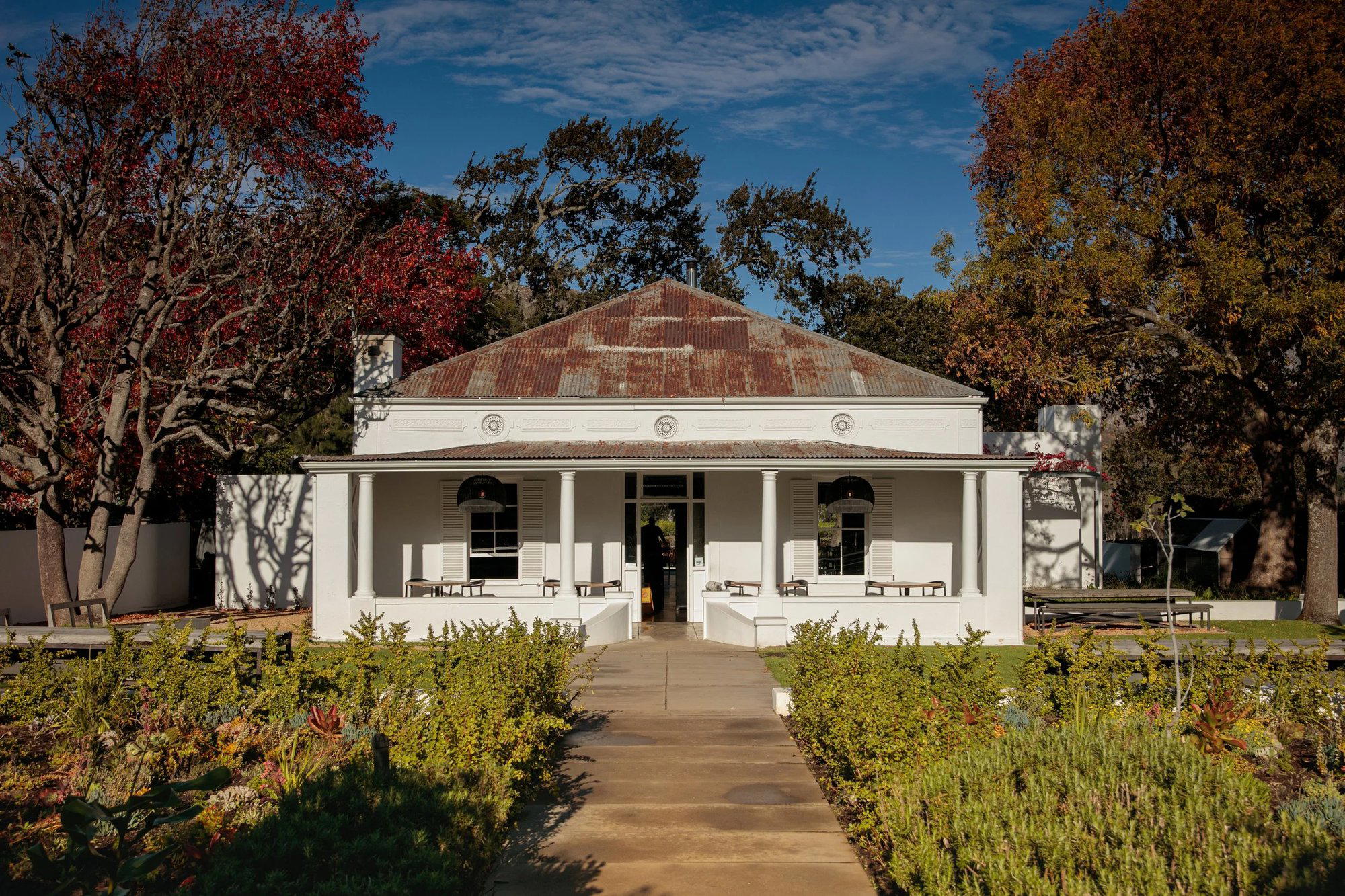
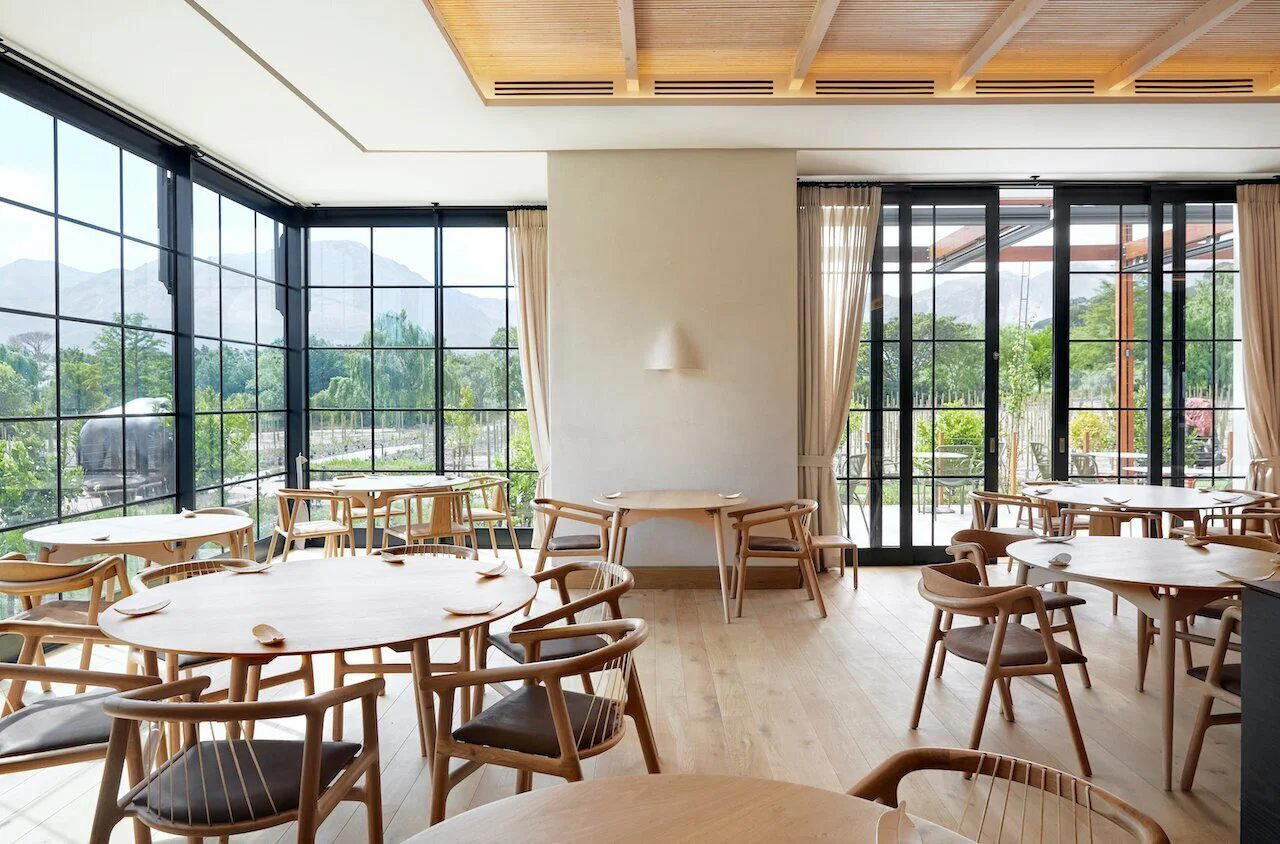
Hotels in Stellenbosch
Browse all →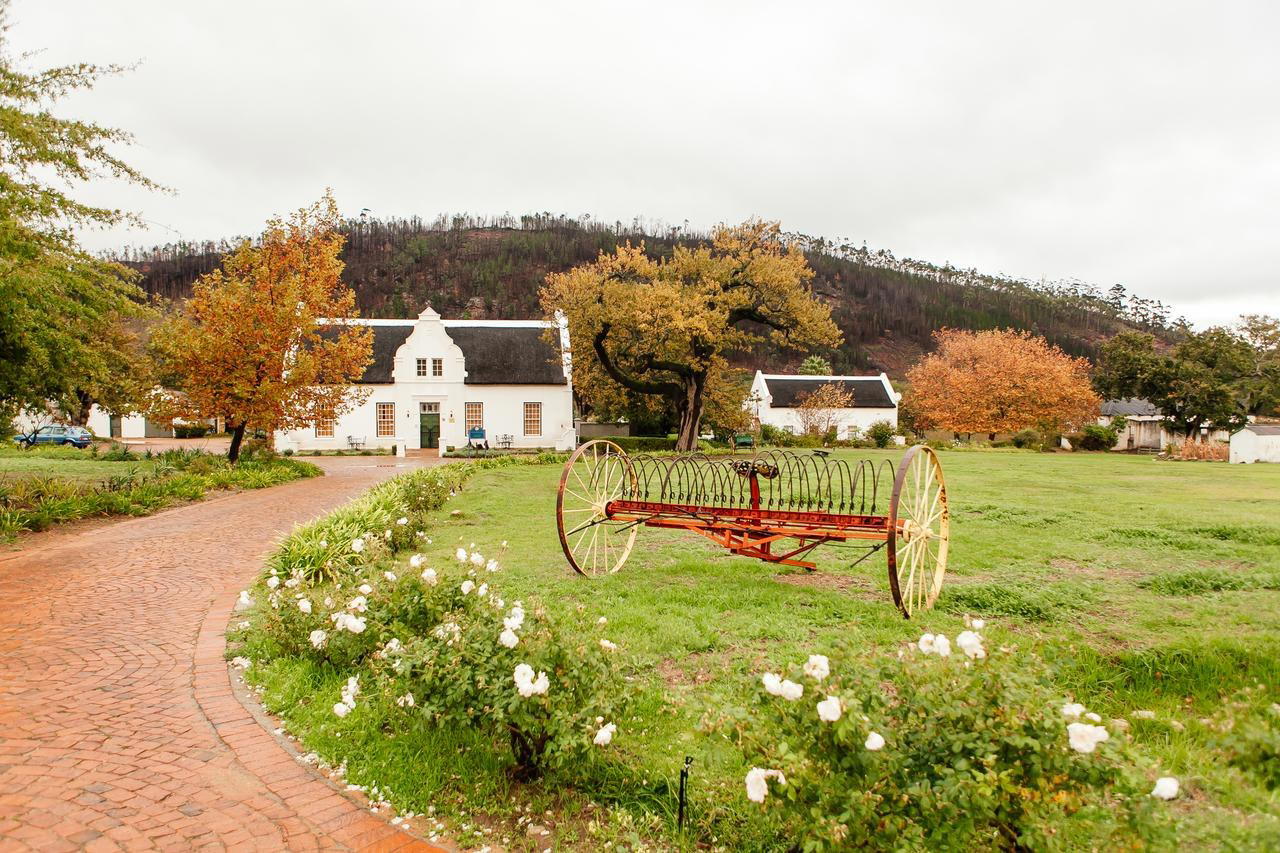
At a Glance
- Scenic
- Elegant
- Rustic
- Sophisticated
- Date Night
- Special Occasion
- Casual Hangout
- Garden
- Historic Building
- Lounge Seating
- Outdoor Terrace
- Conventional Wine
- Garden
- Vineyard
- Mountain
Current opening hours
- Monday
- 9 AM–5 PM
- Tuesday
- 9 AM–5 PM
- Wednesday
- 9 AM–5 PM
- Thursday
- 9 AM–5 PM
- Friday
- 9 AM–5 PM
- Saturday
- 9 AM–5 PM
- Sunday
- 9 AM–5 PM
Hours can change for holidays and private events. Last verified .
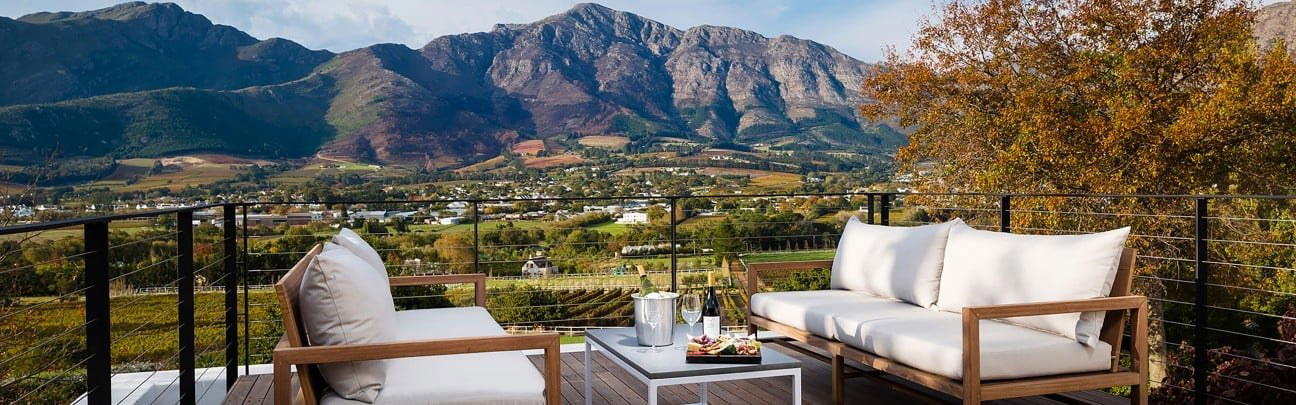
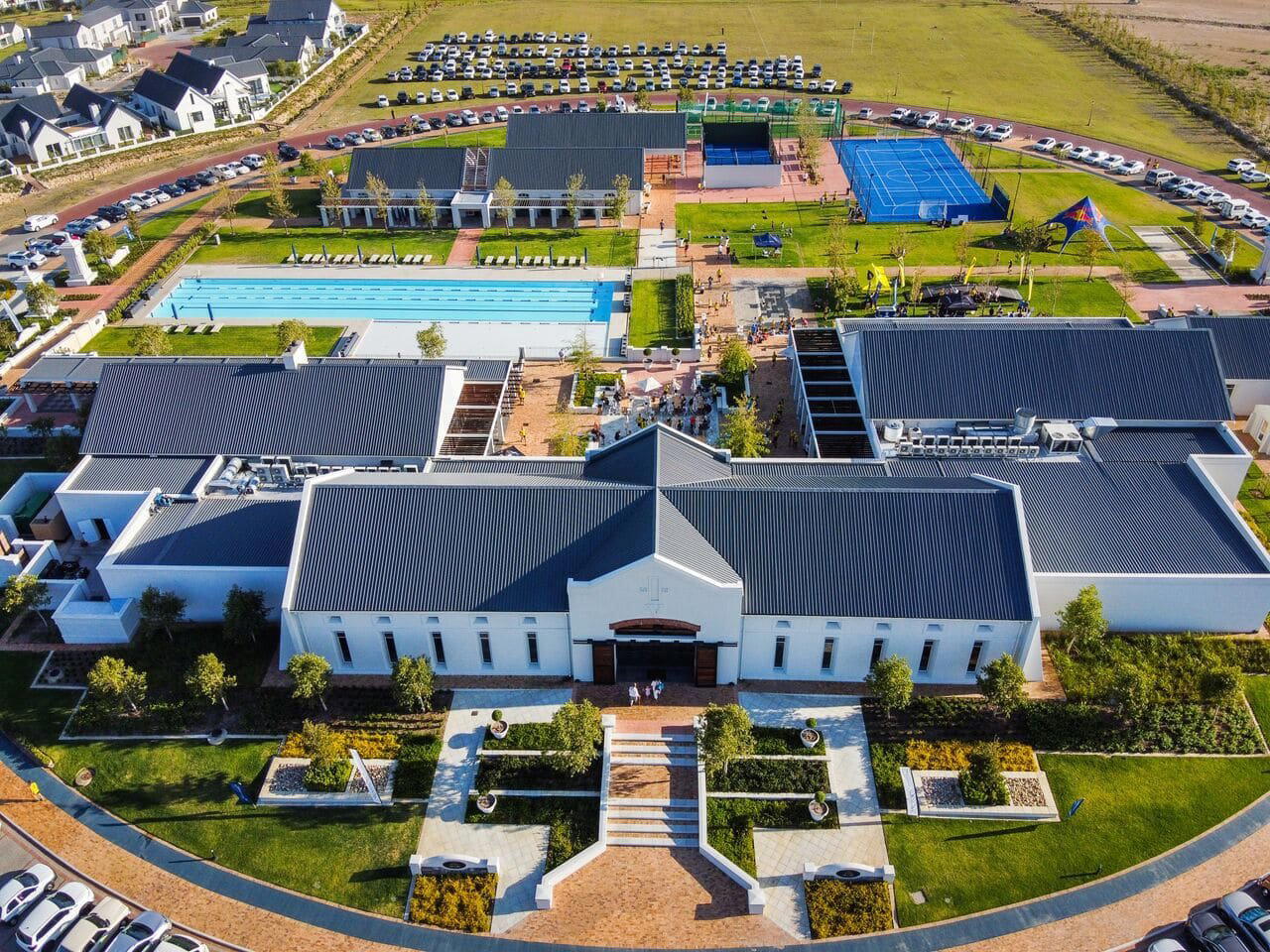
Serene and relaxed with immaculately maintained gardens, age-old oaks, and elegant historic interiors.