Chefs Warehouse - Maison Estate

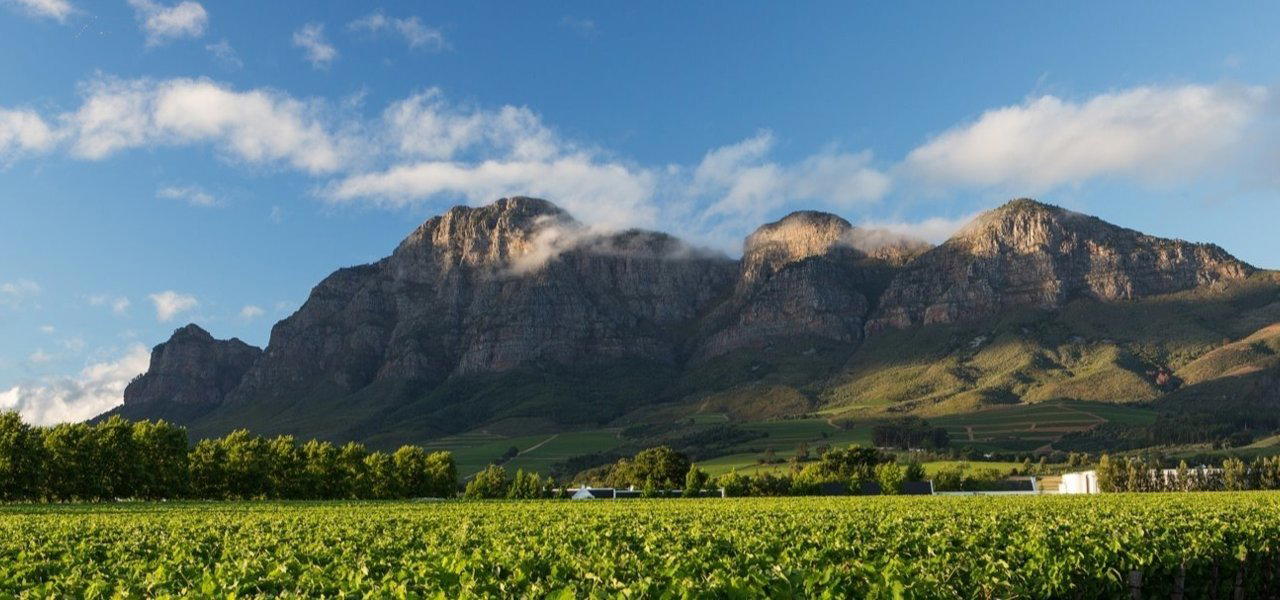
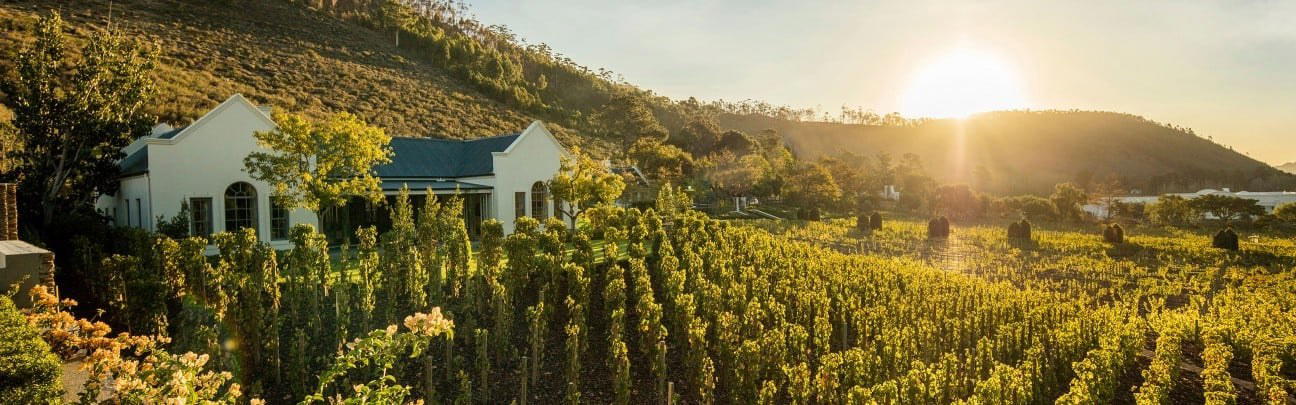
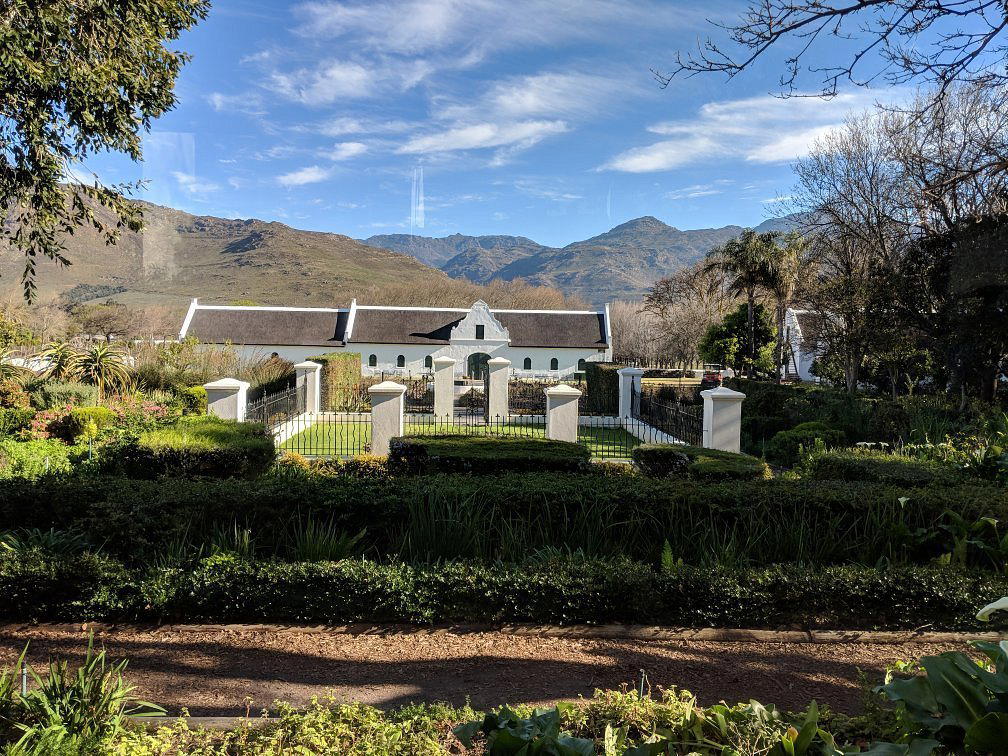
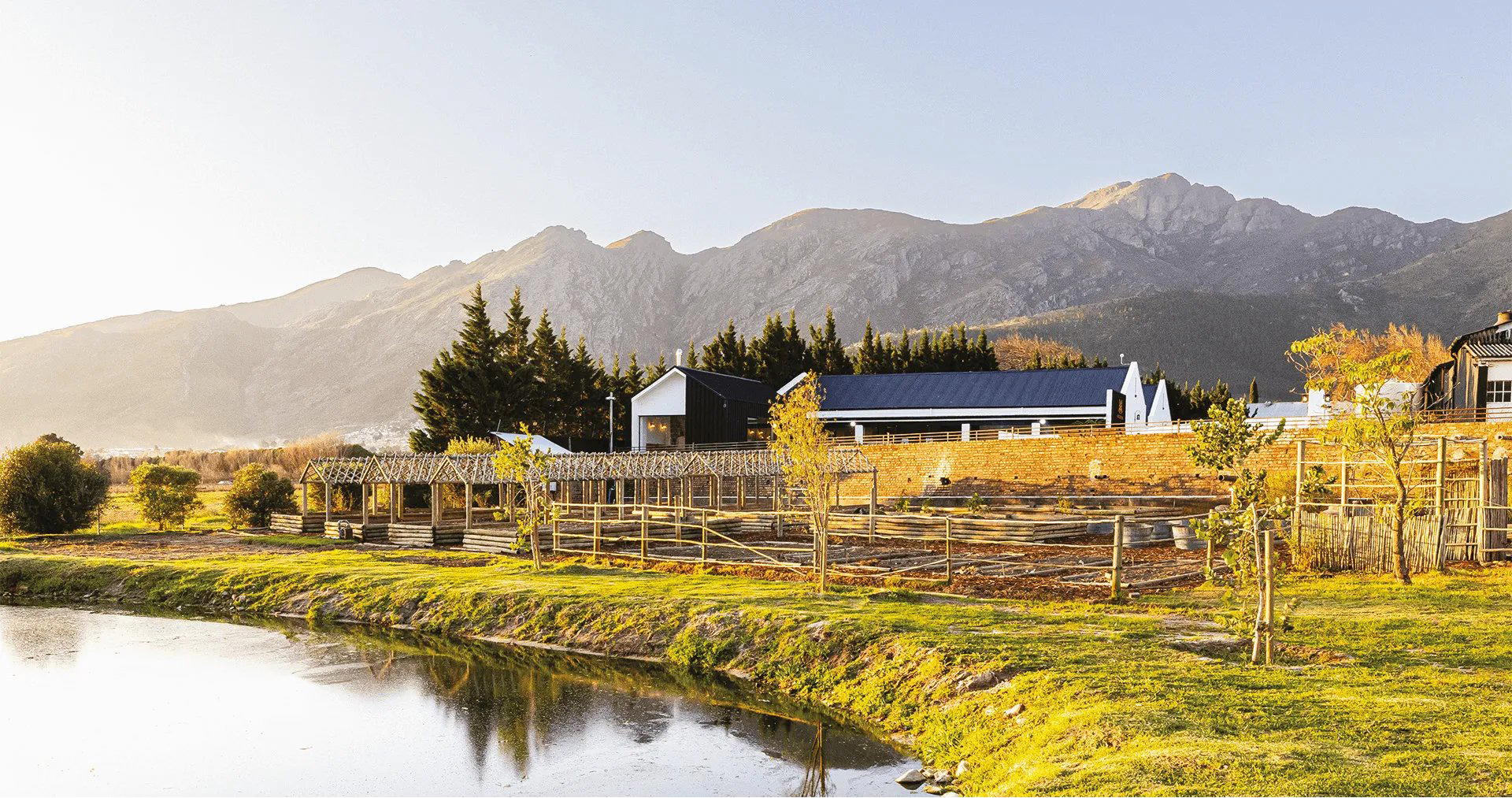
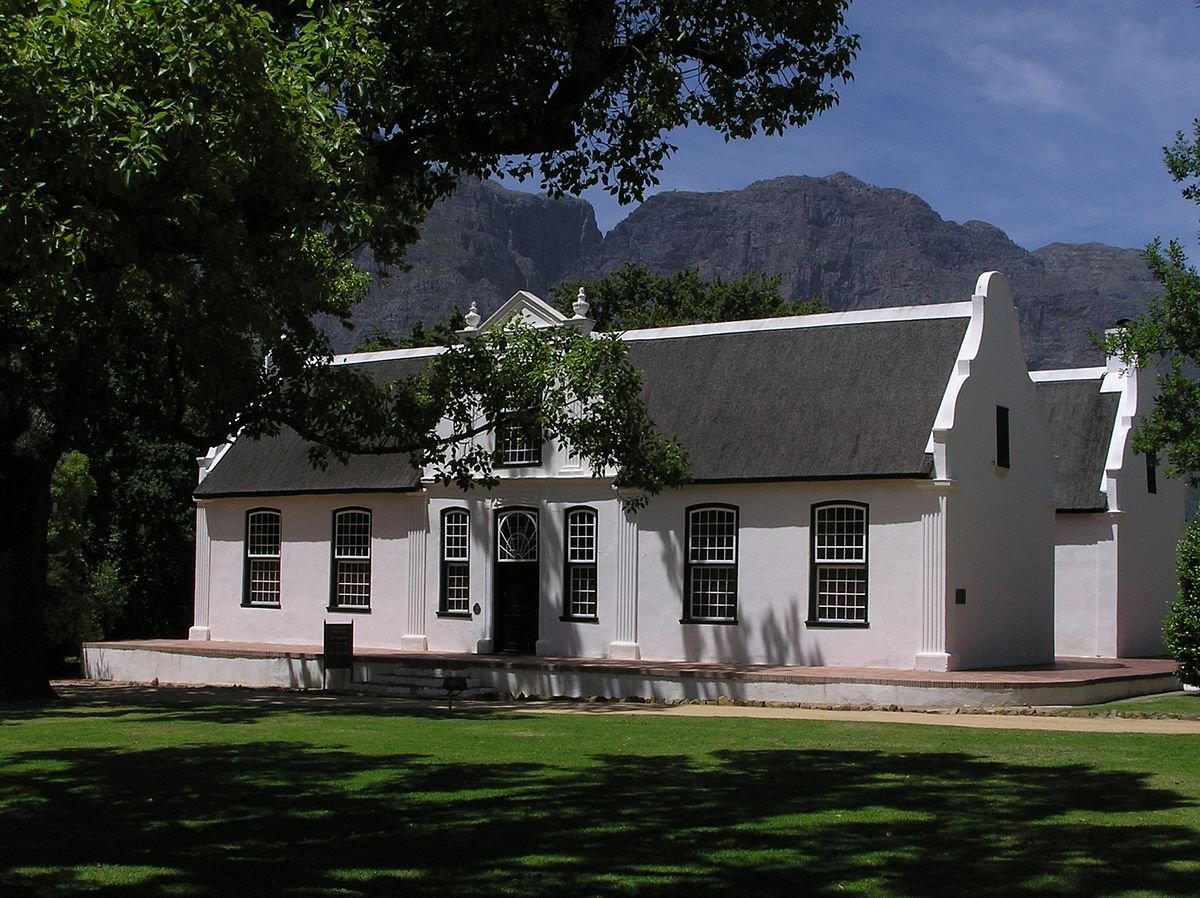
Set among the vineyards on the R45 with the Franschhoek Mountains as backdrop, Chefs Warehouse Maison Estate delivers the relaxed, ingredient-led format that has made the Chefs Warehouse name a fixture in South African fine-casual dining. Chef David Schneider leads a kitchen that accommodates plant-based menus with the same care as the full menu, and a cookbook shop on-site adds an unexpected layer to the visit.
Pearl is the En Primeur Club membership app — saves, bookings, and concierge access live there. Same editors, same standards.
- Address
- R45, Franschhoek, 7690, South Africa
- Phone
- +27 21 876 2116
- Website
- chefswarehouse.co.za
- Directions
- Get directions
 Saves & bookings on Pearl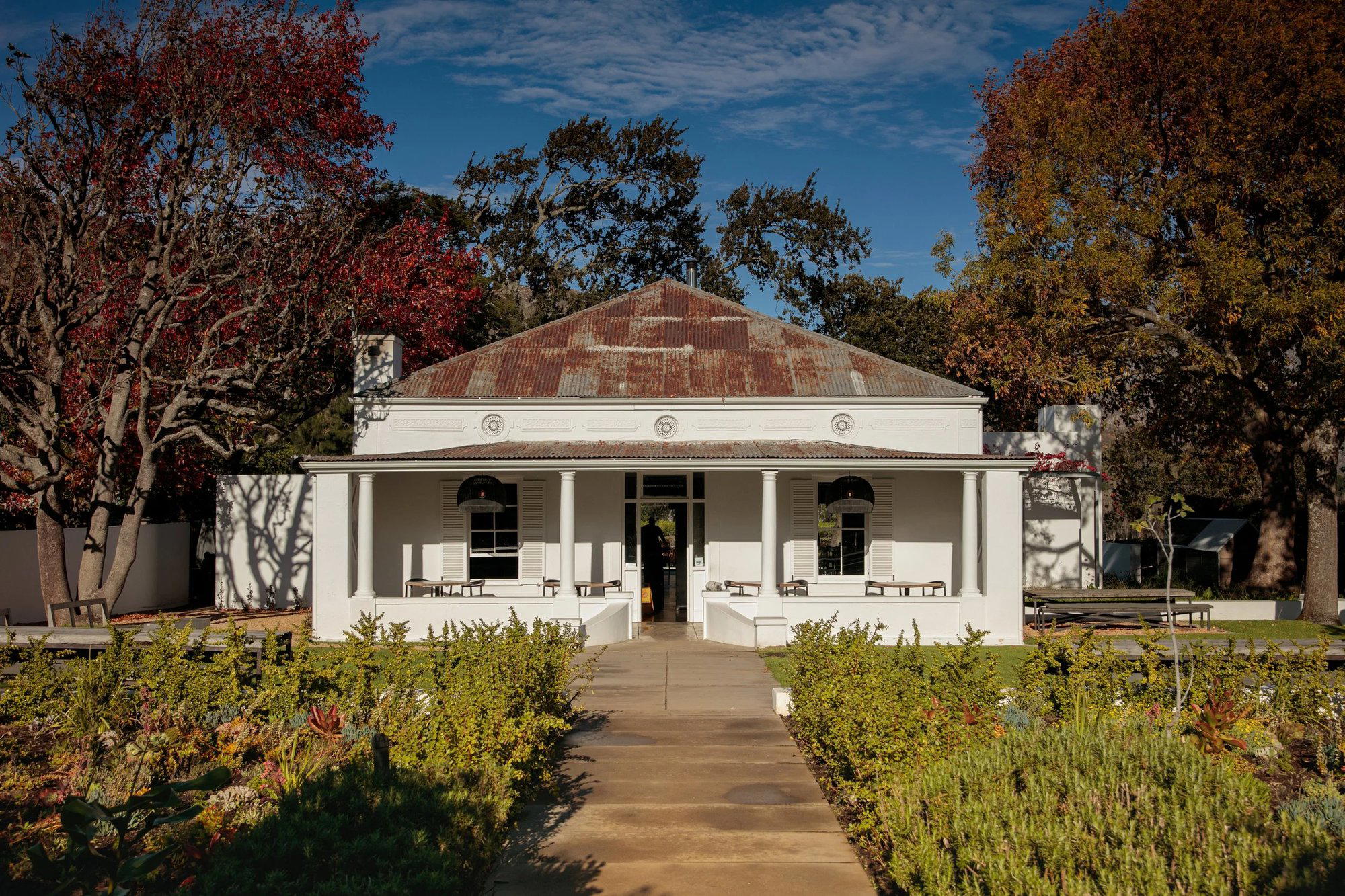
Vineyard Dining in the Franschhoek Valley: Setting the Scene
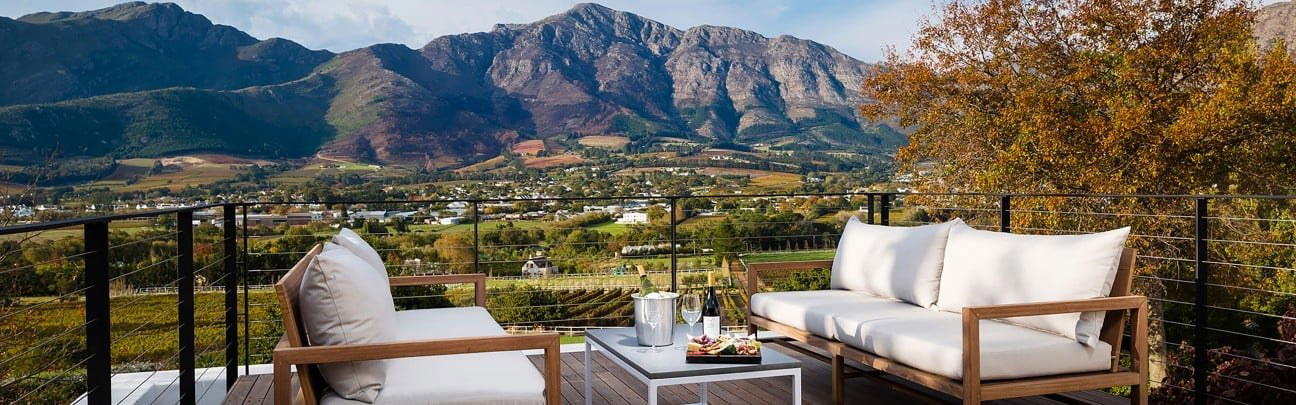
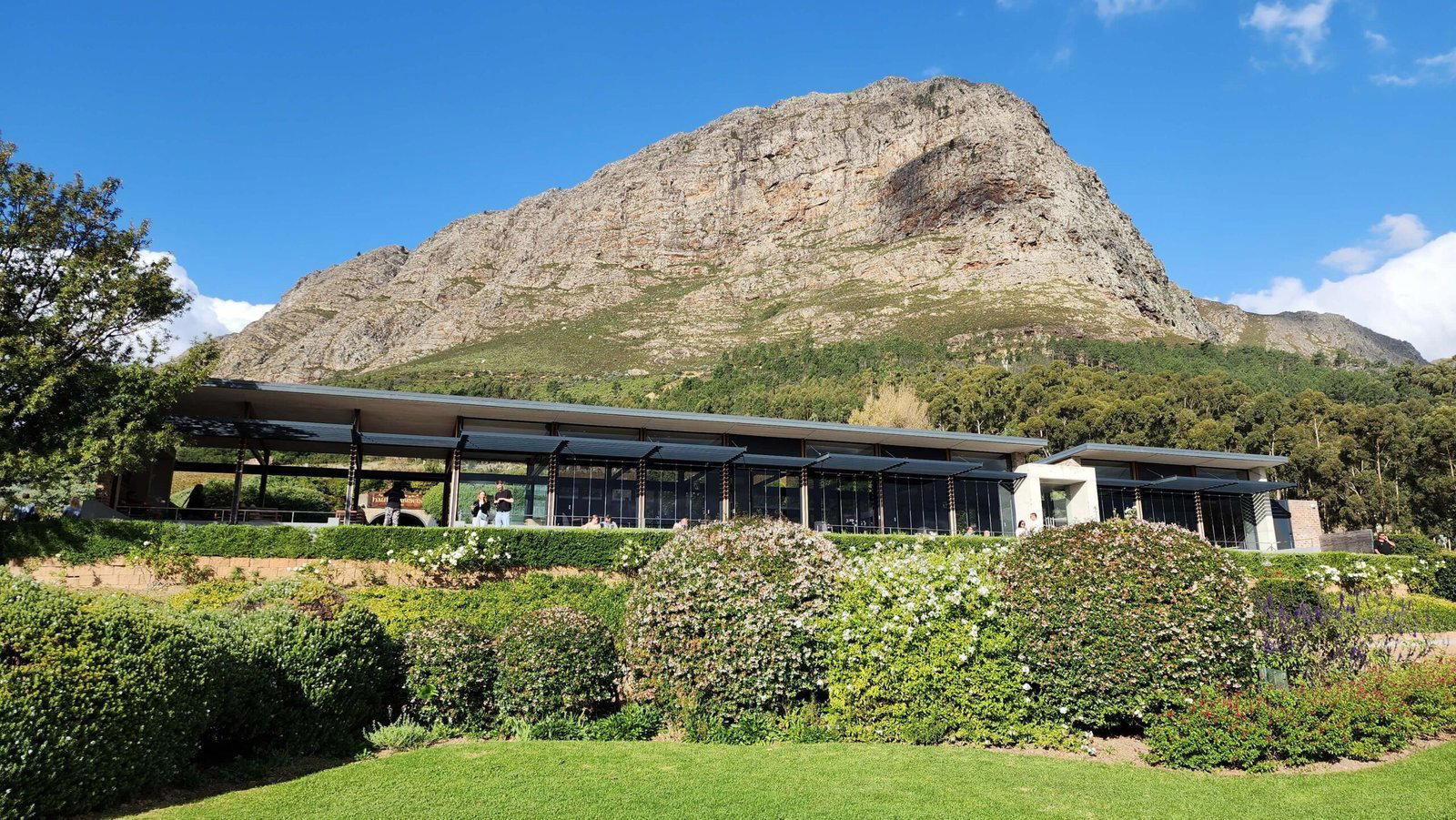
The Franschhoek Valley has long occupied an unusual position in South African dining. It is small enough to cross by bicycle yet dense enough in serious restaurants to sustain comparisons with wine-country dining destinations far beyond the continent. The R45, the road that threads through the valley floor past farm gates and estate entrances, has become one of the more compelling dining corridors in the Western Cape. Chefs Warehouse Maison Estate sits on that road, positioned in the middle of active vineyards with an unobstructed sightline to the Franschhoek Mountains. In a valley where setting and table compete for attention, this is a location that makes both arguments simultaneously.
The broader Chefs Warehouse model is built around a shared-plate format that sits between casual and fine dining without fully committing to either register. That position has proven durable. At the Maison Estate iteration, the vineyard context adds a layer that the urban Chefs Warehouse locations cannot replicate: the cooking is framed by the agriculture that in part supplies it, and the mountains that define the valley's microclimate are visible from the table.
The Franschhoek Fine-Casual Tier
Franschhoek's restaurant scene has stratified over the past decade into broadly three tiers: destination tasting-menu addresses, estate dining rooms that anchor a wine visit, and the smaller category of places that treat lunch as the primary event without the formality of a multi-course progression. La Petite Colombe and Le Quartier Français occupy the tasting-menu tier with the sustained critical attention that entails. Epice, Café du Vin, and Protégé each occupy different segments of the mid-register. Chefs Warehouse Maison Estate competes in the estate-lunch category, where the wine list, the view, and the quality of the cooking carry roughly equal weight in the visitor's calculus.
Across the Winelands, estate dining has moved away from the generic bistro format that dominated the early 2000s. Properties like Delaire Graff on the Helshoogte Pass showed that estate restaurants could operate at fine-dining level without disconnecting from their agricultural surroundings. The Chefs Warehouse approach at Maison takes a different path: the shared-plate format keeps the register approachable while the setting provides the occasion-dining quality that draws visitors making a dedicated trip from Cape Town or Stellenbosch.
Plant-Based Menus as a Structural Feature, Not an Afterthought
In South African fine-casual dining, plant-based accommodation is often retrofitted rather than designed. Many kitchens at this level will substitute or omit rather than build a parallel menu with its own integrity. The Maison kitchen signals a different approach: diners are invited to indicate a plant-based preference in advance, and the kitchen constructs accordingly. This matters because it shifts plant-based dining from an exception-handling problem to a menu-design problem, which produces a meaningfully different result on the plate.
The broader South African fine-dining scene has been slower than some international peer cities to treat plant-forward cooking as a primary creative register. Fyn in Cape Town and Wolfgat in Paternoster have each engaged with indigenous and foraged South African ingredients in ways that push the question of what plant-led South African cooking could look like at the leading end. The Maison approach is less polemical and more pragmatic, but the practical outcome for the visiting diner who eats no meat or fish is a full-length meal rather than a reduced one.
The Cookbook Shop
The on-site cookbook shop is a detail that sits oddly in a purely functional restaurant assessment but lands correctly when the venue is understood as a place that wants visitors to extend their engagement with food beyond the meal itself. Cookbook retail at restaurant sites has precedent internationally, often positioned as a secondary revenue line or a branding exercise. At Maison, it functions more naturally: a visitor who has just spent two hours eating in a vineyard setting and discussing food is already in the frame of mind to browse food literature. The shop is less a commercial add-on than a logical extension of the room's atmosphere.
Chefs Warehouse Maison in the Wider South African Context
Chefs Warehouse group has operated as one of the more consistent brands in South African fine-casual dining, with its shared-plate format remaining distinctive enough to carry across multiple locations without becoming formulaic. At the national level, South African restaurant culture is producing cooking that engages seriously with local ingredients, indigenous techniques, and the country's complex food heritage. Dusk in Stellenbosch and Ellerman House in Bantry Bay represent different expressions of how that engagement can manifest at the premium end. The Maison kitchen under Chef David Schneider operates at the intersection of estate hospitality and ingredient-led cooking, a combination that the Franschhoek valley geography makes available in a way that urban addresses cannot replicate.
For readers planning a wider South African trip that extends beyond the Winelands, the dining tradition that Maison participates in has parallels in the country's safari lodge sector. Esiweni Luxury Safari Lodge illustrates how location-embedded cooking operates in a different biome. The shared logic, cooking that responds to its physical context rather than ignoring it, is present across both formats.
Planning Your Visit
Chefs Warehouse Maison Estate is located on the R45 in Franschhoek, the main valley road, making it accessible from the village centre and from Stellenbosch via the mountain pass. The Franschhoek valley is a forty-five-minute to one-hour drive from central Cape Town depending on the route and traffic, and most visitors combine a Maison lunch with wine-estate visits on the same day. Given the Chefs Warehouse name's draw across the Cape dining circuit and the limited estate capacity typical of this format, booking ahead is advisable rather than optional, particularly for Friday through Sunday lunch and during the December-January high season when the Western Cape fills with domestic and international visitors. Diners with plant-based requirements should communicate that preference at booking rather than at the table, as the kitchen builds those menus to order.
Budget Reality Check
Comparable venues nearby, for context on price, style, and recognition.
| Venue | Cuisine | Price |
|---|---|---|
| Chefs Warehouse - Maison EstateThis venue — the venue you are viewing | Not listed | $$$$ |
| La Petite Colombe | Franschhoek, Modern French Fine Dining | $$$$ |
| Café du Vin | Franschhoek Village, European Bistro | $$$ |
| Le Coin Français | Franschhoek, Modern French Fine Dining | $$$$ |
| Foliage | Dining | Not listed |
| Ryans Kitchen | Dining | Not listed |
Recognition history
Dated appearances from independent guides and award organizations, with the underlying list record or original source where available.
We're Smart World 2 Radishes
We're Smart World
Continue exploring
More in Franschhoek
Restaurants in Franschhoek
Browse all →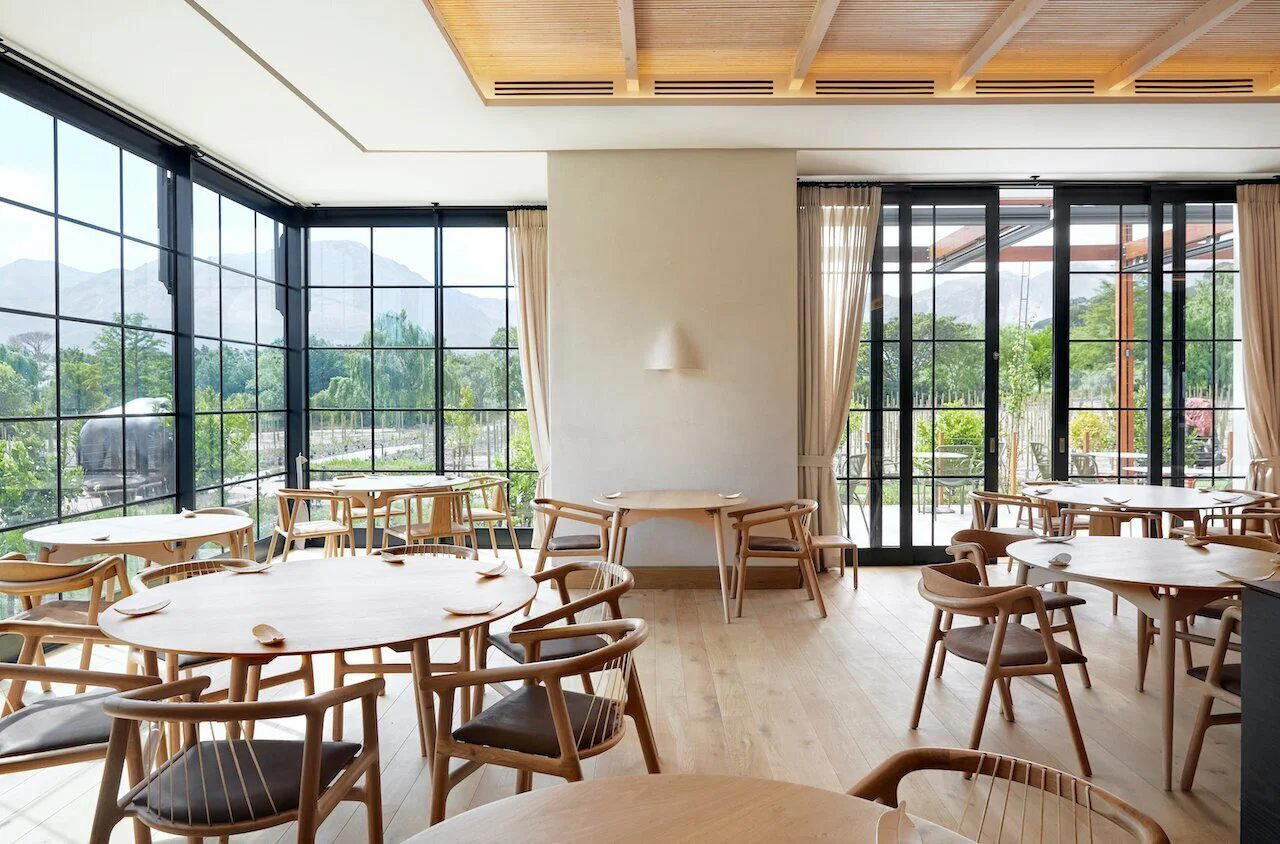
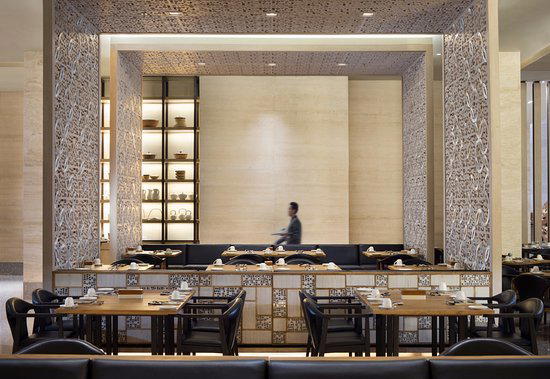
Bars in Franschhoek
Browse all →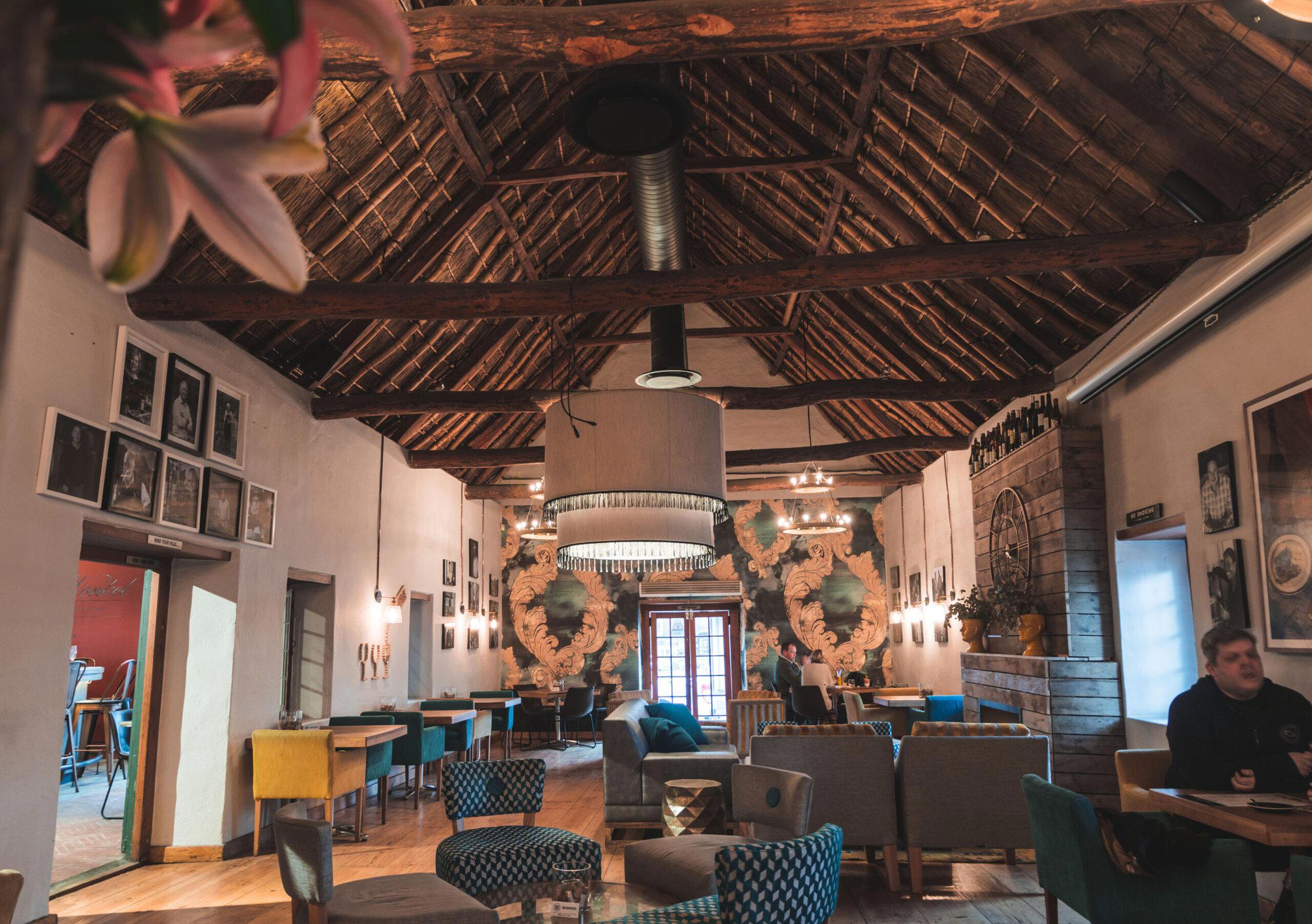
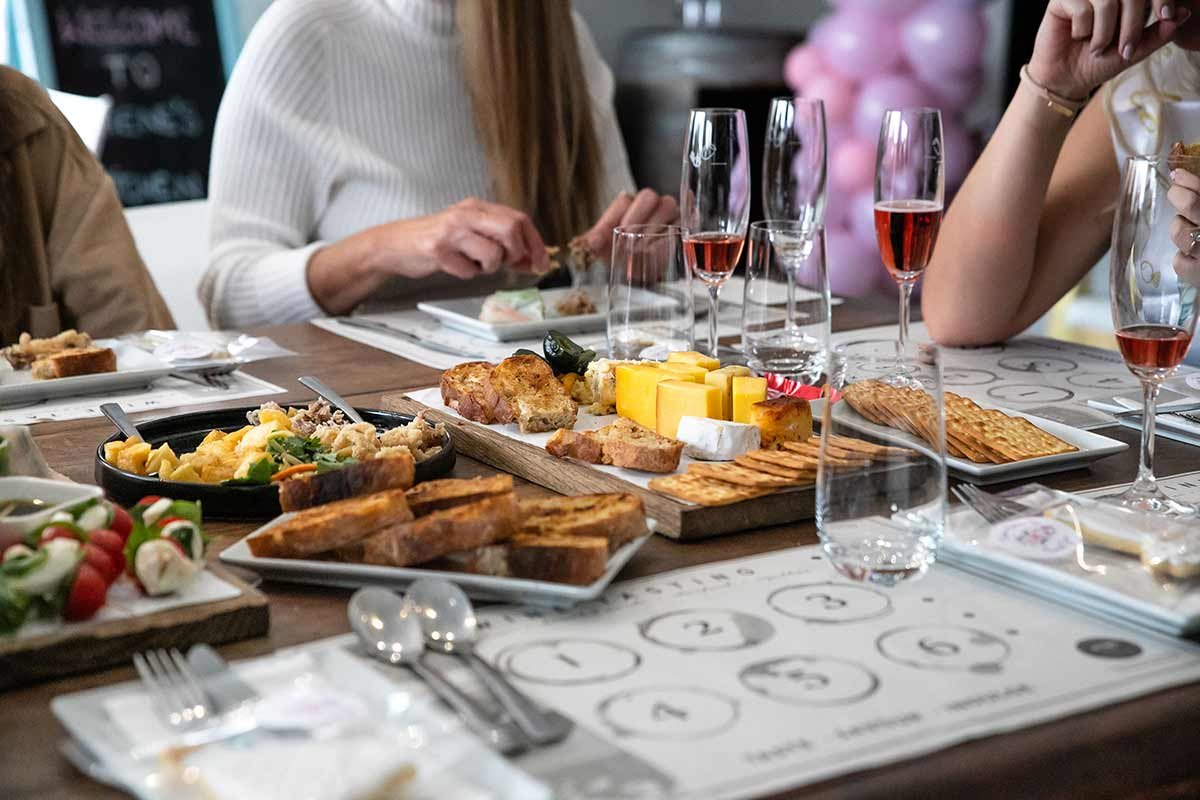
Hotels in Franschhoek
Browse all →
At a Glance
- Elegant
- Rustic
- Scenic
- Sophisticated
- Date Night
- Special Occasion
- Celebration
- Garden
- Terrace
- Extensive Wine List
- Local Sourcing
- Farm To Table
- Vineyard
- Mountain
- Garden
Current opening hours
- Monday
- 12–8:30 PM
- Tuesday
- 12–8:30 PM
- Wednesday
- 12–8:30 PM
- Thursday
- 12–8:30 PM
- Friday
- 12–8:30 PM
- Saturday
- 12–8:30 PM
- Sunday
- 12–3 PM
Hours can change for holidays and private events. Last verified .
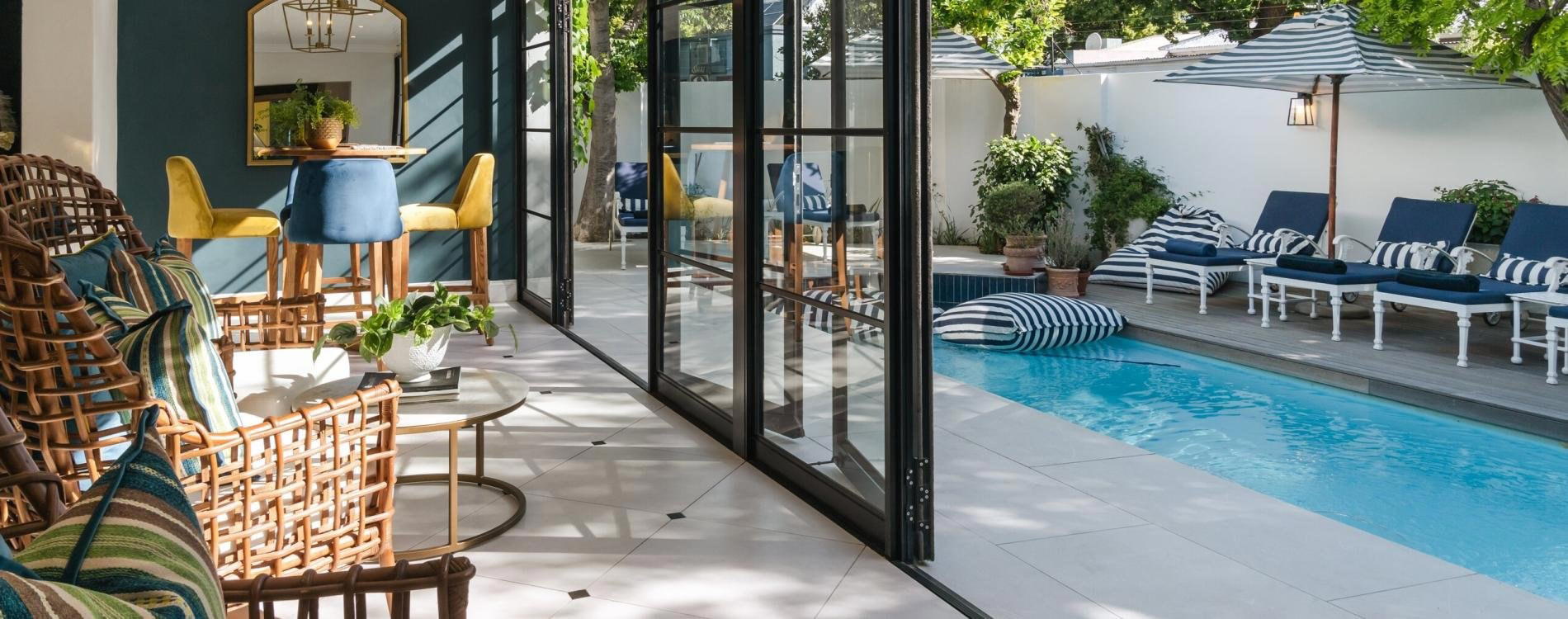
Relaxed yet chic countryside atmosphere with dramatic vineyard and mountain views through glass walls, enhanced by natural light and rustic charm.