Neethlingshof Estate

Falstaff Winery - Listed
The estate sits in a tier of Cape Winelands properties where physical setting and wine credentials carry equal weight, placing it alongside rather than beneath the region's most formally recognised names.

Pearl is the En Primeur Club membership app — saves, bookings, and concierge access live there. Same editors, same standards.
- Address
- Polkadraai Rd, Stellenbosch, 7600
- Phone
- +27 21 883 8988
- Website
- neethlingshof.co.za
- Directions
- Get directions
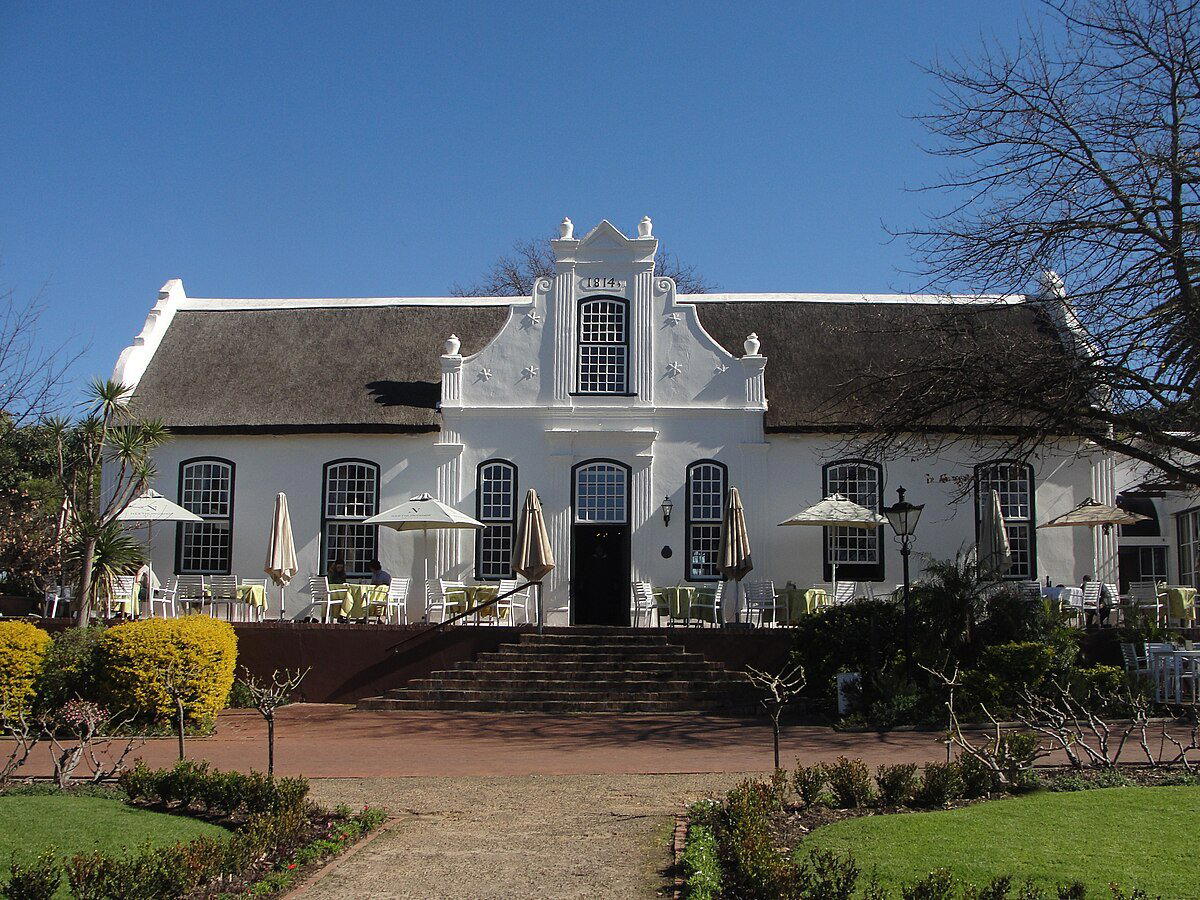
A Manor Built Before the Wine Route Had a Name
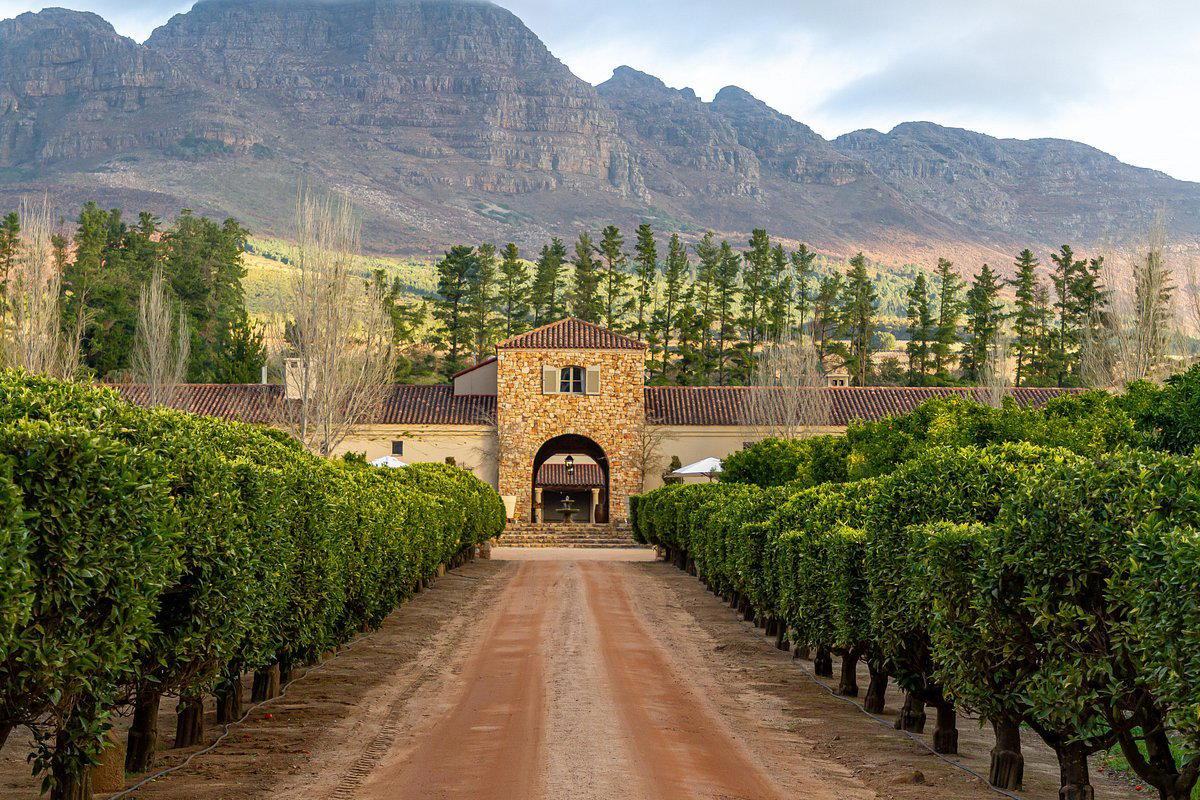
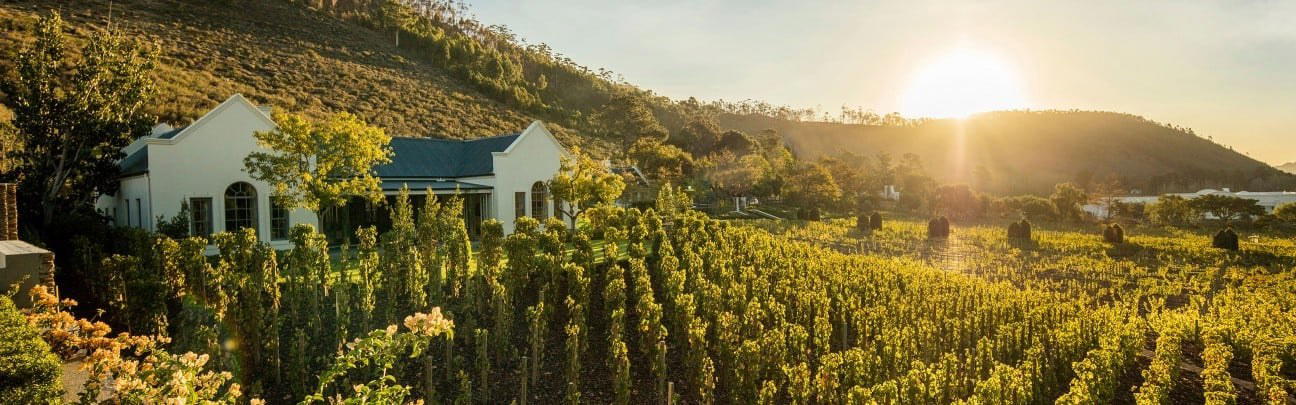
The approach to Neethlingshof along Polkadraai Road follows a pattern that defines the older end of Stellenbosch's estate culture: a long avenue, a whitewashed Cape Dutch gable visible before any signage, and the gradual sense that you are entering a working agricultural property rather than a visitor attraction. This architectural grammar — gabled manor, oak-lined approach, cellar buildings positioned at a respectful distance from the house — was established in the eighteenth century and remains the dominant spatial language of the Stellenbosch interior. What distinguishes the properties that carry it well from those that merely inherit it is whether the built environment still organises your experience or has been overwhelmed by retrofit hospitality infrastructure. At Neethlingshof, the historic skeleton remains legible.
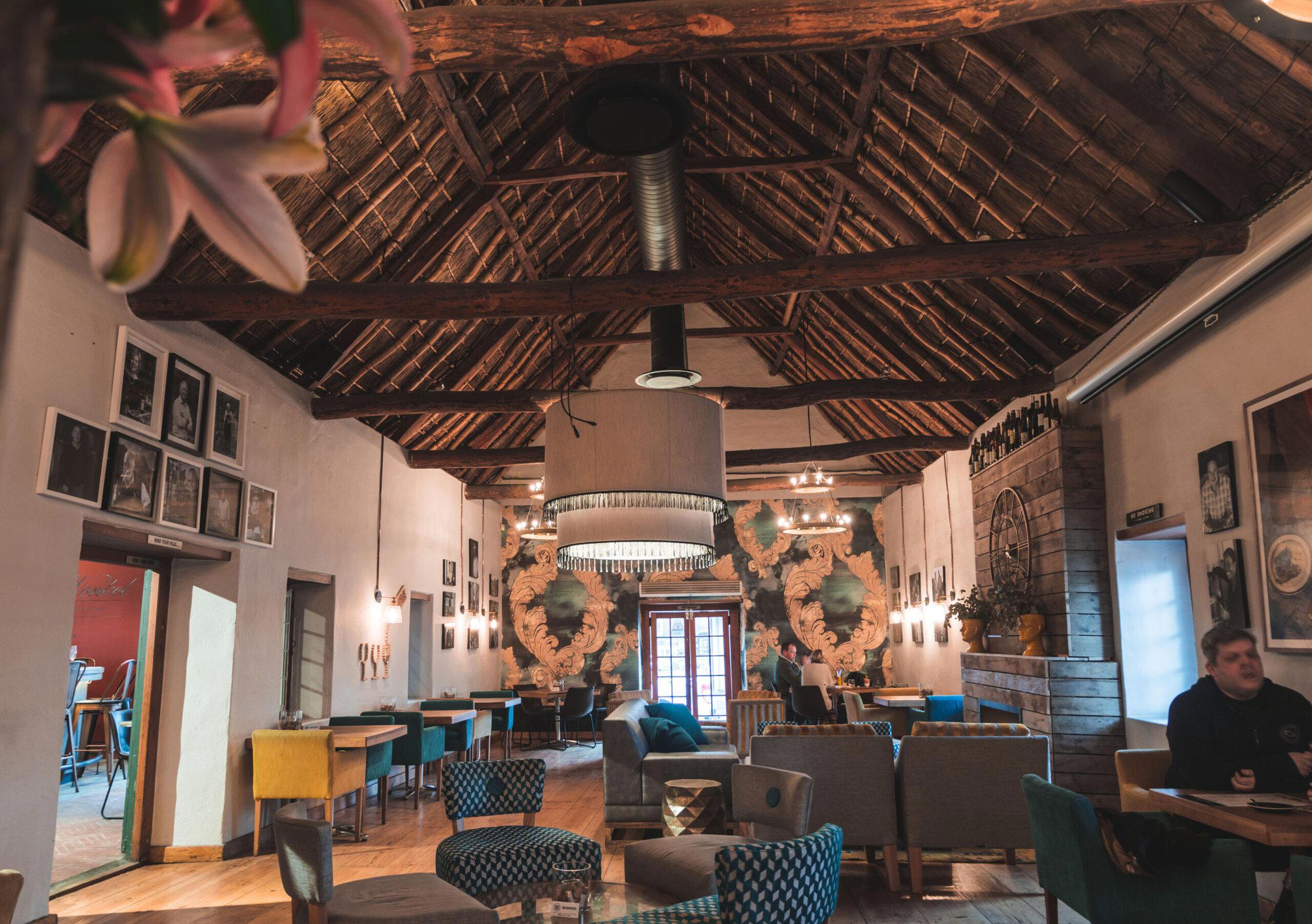
Cape Dutch architecture rewards slow arrival. The whitewash, the thatched or slate roof, the symmetrical gable with its curved plasterwork: these are not decorative choices but responses to climate and available material. The thick walls that characterise the style were engineered to moderate temperature, a logic that has practical relevance in a wine cellar context and an aesthetic consequence in how spaces feel from the inside. Rooms read cooler, quieter, and more deliberate than their equivalents in contemporary construction. For a visitor whose reference point is the glass-and-steel wine hospitality format that has become common in Napa or parts of Franschhoek, stepping into an estate that has retained this architecture at scale is a perceptual shift worth noting.
Where Neethlingshof Sits in the Stellenbosch Tier
Stellenbosch's wine estate scene has stratified considerably over the past decade. At one end, properties have invested heavily in international-standard restaurant and accommodation facilities, competing on the same terms as urban fine-dining destinations. Delaire Graff Estate represents that pole most visibly, with art collections, a lodge, and a restaurant that prices against Cape Town's upper tier. At the other end, working farms with tasting rooms operate with minimal hospitality infrastructure, directing attention almost entirely to the bottle.
That tier is where most of Stellenbosch's historically significant estates now operate. Spier Wine Farm and Asara Wine Estate occupy a similar register, blending heritage setting with multi-format hospitality without fully committing to the luxury lodge model. Tokara Winery takes a different approach, leaning into contemporary architecture and a restaurant program that draws visitors who may not be primarily focused on wine. Each property is essentially making a distinct argument about what a Stellenbosch estate should be in 2025.
The Physical Container and What It Implies
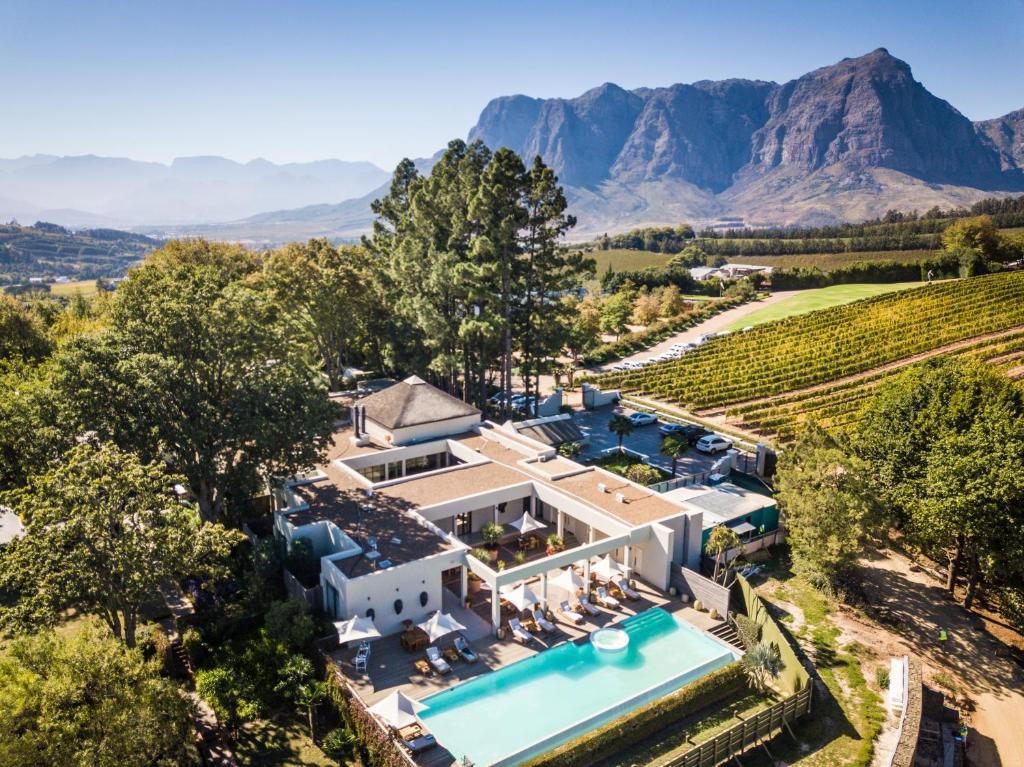
Stellenbosch's Cape Dutch estates function as spatial arguments for a particular kind of wine culture: one in which the vineyard, the cellar, and the manor house exist on the same property, visible to each other, the production chain compressed into a single address. This is different from the winery-as-destination model, where the tasting experience is architecturally separated from viticulture and the visitor is essentially at a venue that happens to make wine. At properties where the historic layout is intact, you are positioned within the agricultural system rather than adjacent to it.
That spatial compression has editorial consequences for how you read a wine in a tasting room. Drinking a Stellenbosch red within sight of the vineyard block it came from is not the same sensory experience as drinking it in an urban wine bar, even if the liquid is identical. The estate format asks the visitor to make a connection between landscape and product that is more environmental than intellectual. Whether that connection produces better tasting notes is debatable; it almost certainly produces a more committed memory of the wine.
For visitors moving between multiple Stellenbosch estates in a single day, the physical character of each property becomes a differentiating factor. Autograph Distillery offers a counterpoint to the vineyard-estate format, its spirits program occupying a different sensory and architectural register. Comparing Neethlingshof's historic manor setting with the production-focused environments of newer operations clarifies how much of any wine estate visit is architecture and how much is wine.
The Wider Western Cape Context
Stellenbosch is the densest concentration of serious wine production in South Africa, but the region's strengths extend across a broader geography. Babylonstoren in Franschhoek has built a hospitality model around garden, farm, and accommodation that is influential enough to have shifted expectations for what a Cape Winelands estate visit should include. Vergelegen Wine Estate in Somerset West carries perhaps the deepest historical pedigree in the region, with gardens and architecture that predate most of Stellenbosch's current estate infrastructure. Constantia Glen in Cape Town demonstrates that Bordeaux-variety production at a serious level is possible within a valley that has been cultivated since the late seventeenth century.
Beyond the immediate Western Cape, South African wine extends into less-visited regions. Graham Beck Wines in Robertson has built a reputation on sparkling wine that earns direct comparison with European method-traditional benchmarks. Creation Wines in Hermanus operates in a cooler coastal register that suits Pinot Noir and Chardonnay. Val de Vie Estate in Paarl straddles the boundary between wine estate and lifestyle development. Each represents a distinct argument about what South African wine can be. Neethlingshof's position within this geography is Stellenbosch-core: historic, Cabernet-capable terroir with an estate format that prioritises permanence over novelty.
For distillery visitors whose itinerary extends beyond wine, Oude Molen Distillery in Grabouw provides a brandy and spirits context that connects South Africa's grape-based spirits tradition to its wine culture. The Cape's brandy heritage is older than most visitors expect, and properties like Oude Molen anchor that narrative.
Planning a Visit
Neethlingshof is located on Polkadraai Road, Stellenbosch, placing it within reach of the town centre and accessible within a standard Winelands day itinerary. Stellenbosch's busiest periods run from November through February, when the combination of harvest activity and summer tourism compresses availability at estate-level tasting rooms. Shoulder months, particularly March to May, offer harvest context without peak-season visitor density.
For visitors structuring a multi-estate day around Polkadraai Road and the greater Stellenbosch valley, our full Stellenbosch restaurants and wine guide maps the region's key properties against neighbourhood, style, and price tier. Booking ahead is advisable for any estate that operates at Prestige level; tasting room formats at this tier typically involve guided pours rather than walk-in counter service.
How It Stacks Up
Comparable venues nearby, for context on price, style, and recognition.
| Venue | Cuisine | Price | Awards | Notes |
|---|---|---|---|---|
| Neethlingshof EstateThis venue — the venue you are viewing | Pinotage, Cabernet Sauvignon | $20–30 | Falstaff Winery - Listed | Not listed |
| Eikendal Vineyards | Cabernet Sauvignon, Merlot | $30–50 | Not listed | Helderberg |
| Glenelly Estate | Cabernet Sauvignon, Merlot | Not listed | Falstaff Winery - Listed | Idas Valley |
| Ken Forrester Vineyards | Chenin Blanc, Sauvignon Blanc | $30–50 | Falstaff Winery - Listed | Stellenbosch |
| De Morgenzon | Chenin Blanc, Chardonnay | $50–100 | Falstaff Winery - Listed | Stellenbosch Kloof |
| Kanonkop Wine Estate | Pinotage, Cabernet Sauvignon | $20–30 | Falstaff Winery - Listed | Stellenbosch |
Recognition history
Dated appearances from independent guides and award organizations, with the underlying list record or original source where available.
Falstaff Winery - Listed
Falstaff
Continue exploring
More in Stellenbosch
Wineries in Stellenbosch
Browse all →
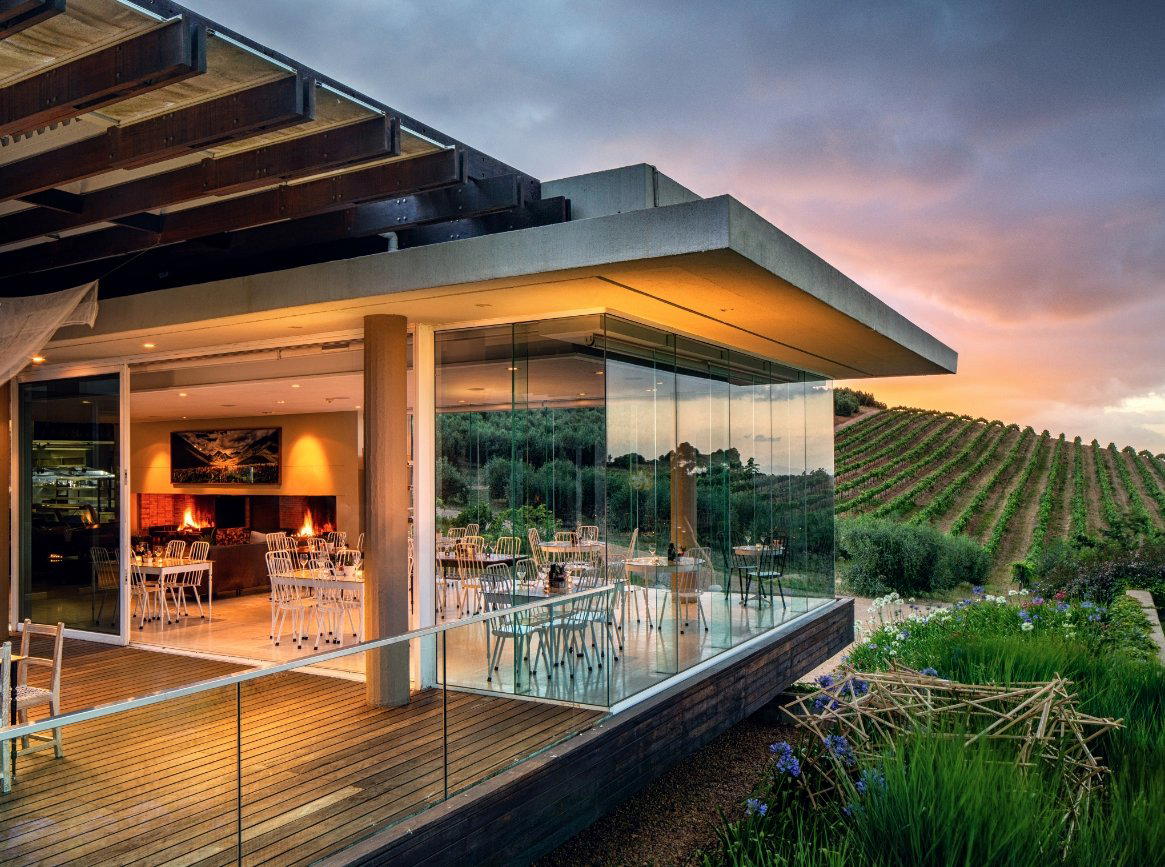
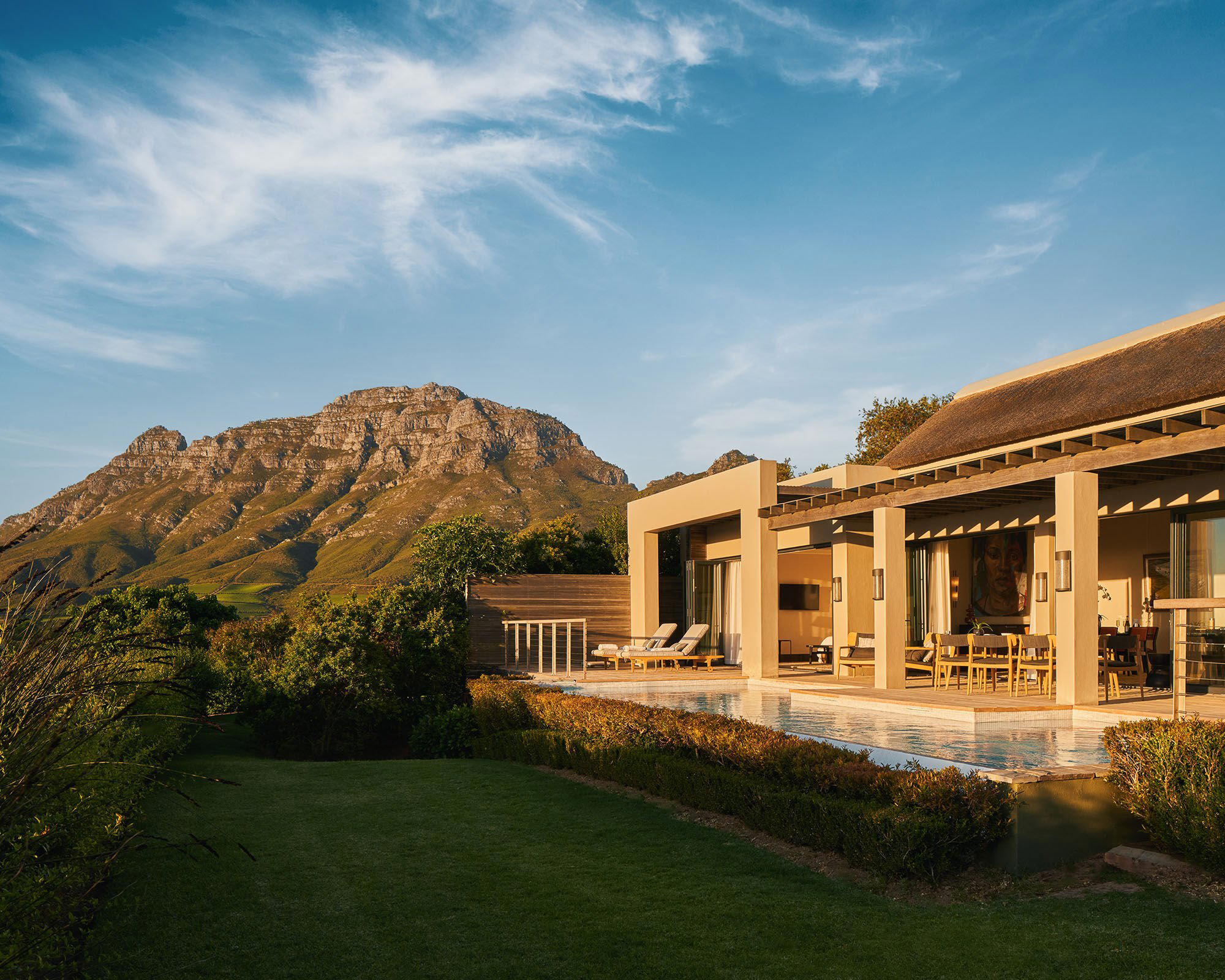
Bars in Stellenbosch
Browse all →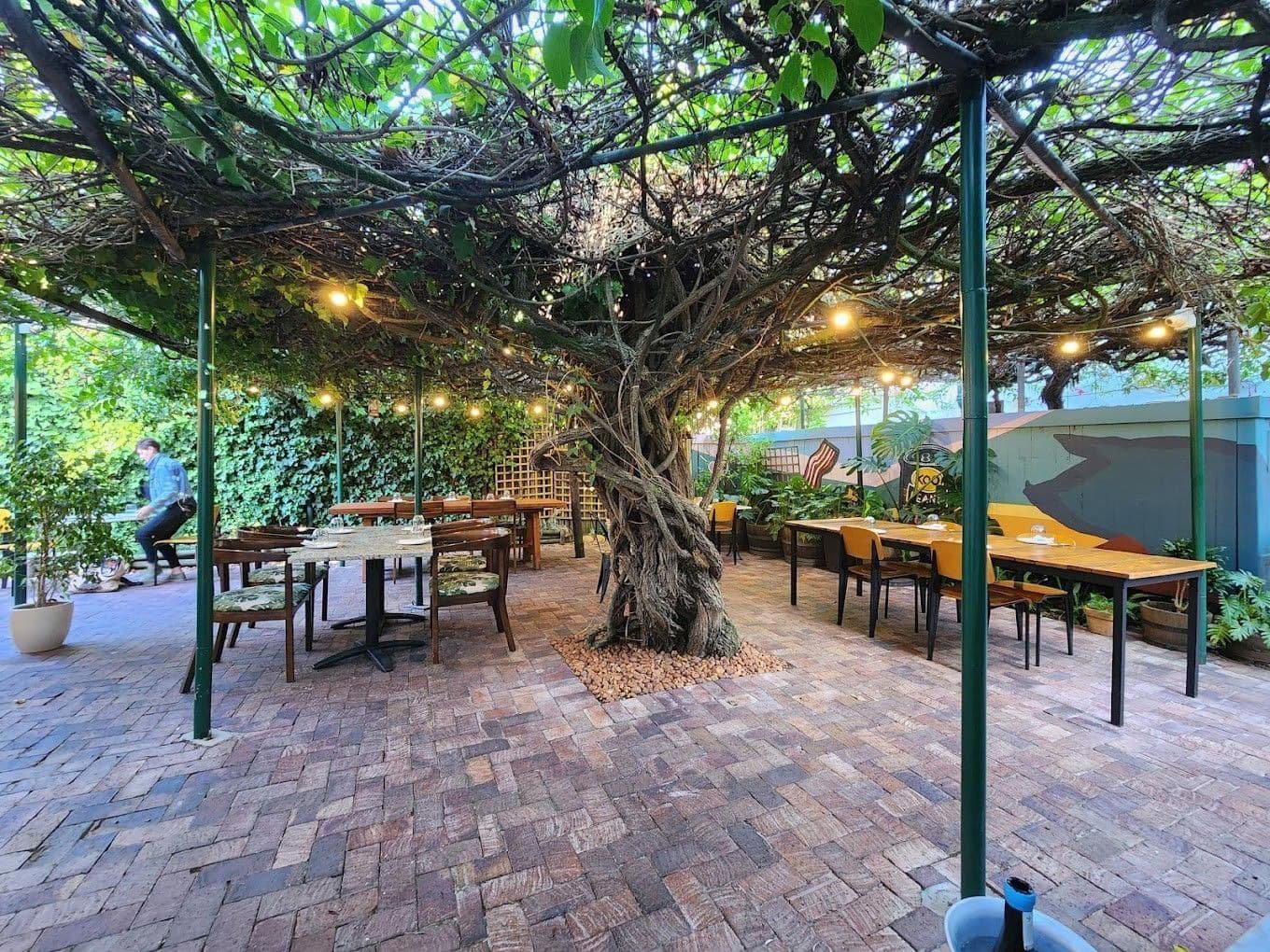
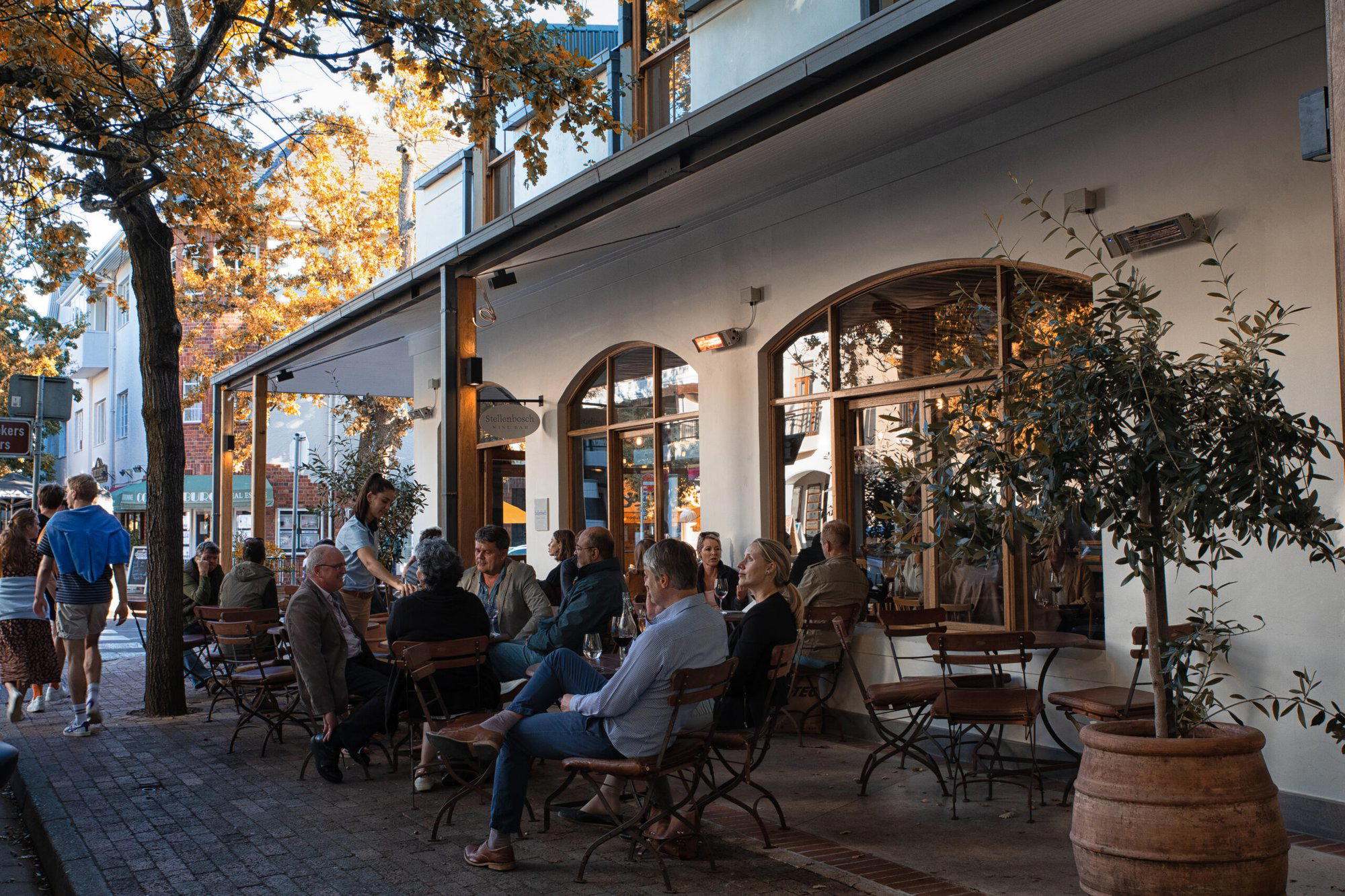
Restaurants in Stellenbosch
Browse all →
Details
- Classic
- Scenic
- Rustic
- Elegant
- Well Known
- Wine Education
- Special Occasion
- Group Outing
- Vineyard Tour
- Estate Grounds
- Historic Building
- Panoramic View
- Sustainable
- Vineyard
- Mountain
- Garden
- Pinotage
- Cabernet Sauvignon
- Merlot
- Shiraz
- Sauvignon Blanc
- Chardonnay
- Gewurztraminer
- Weisser Riesling
- Still Red
- Still White
- Still Rosé
- Dessert
- Cellar Tasting
- Food Pairing
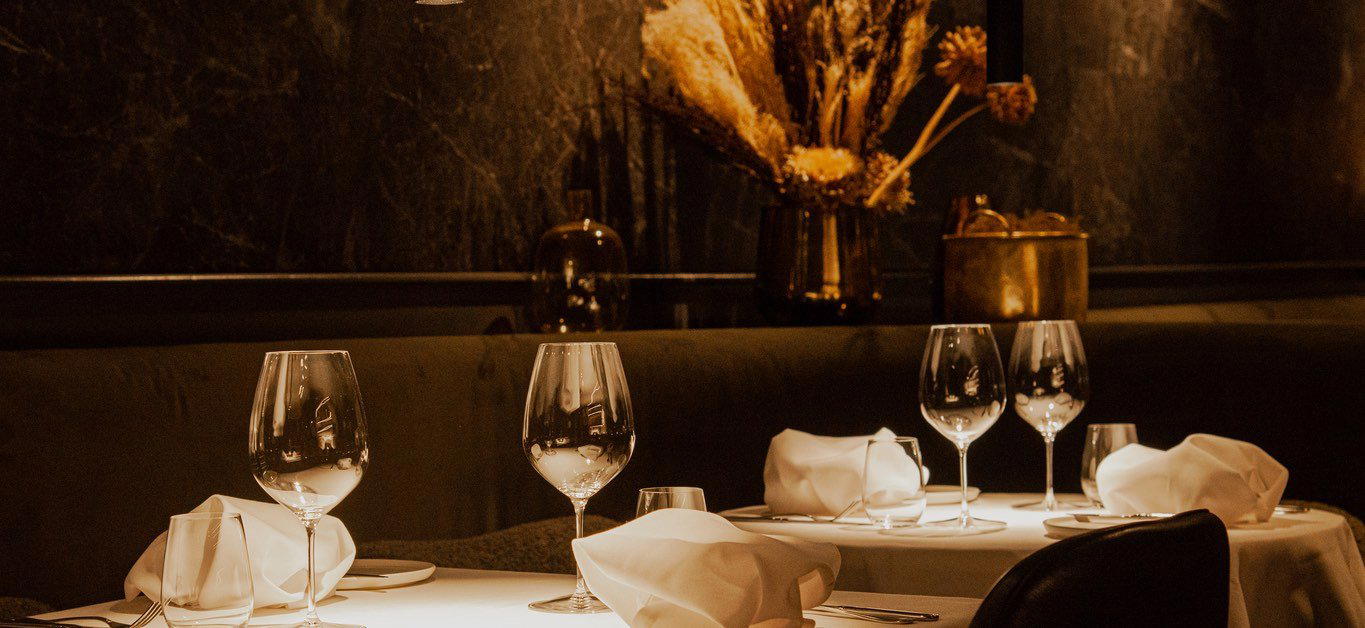
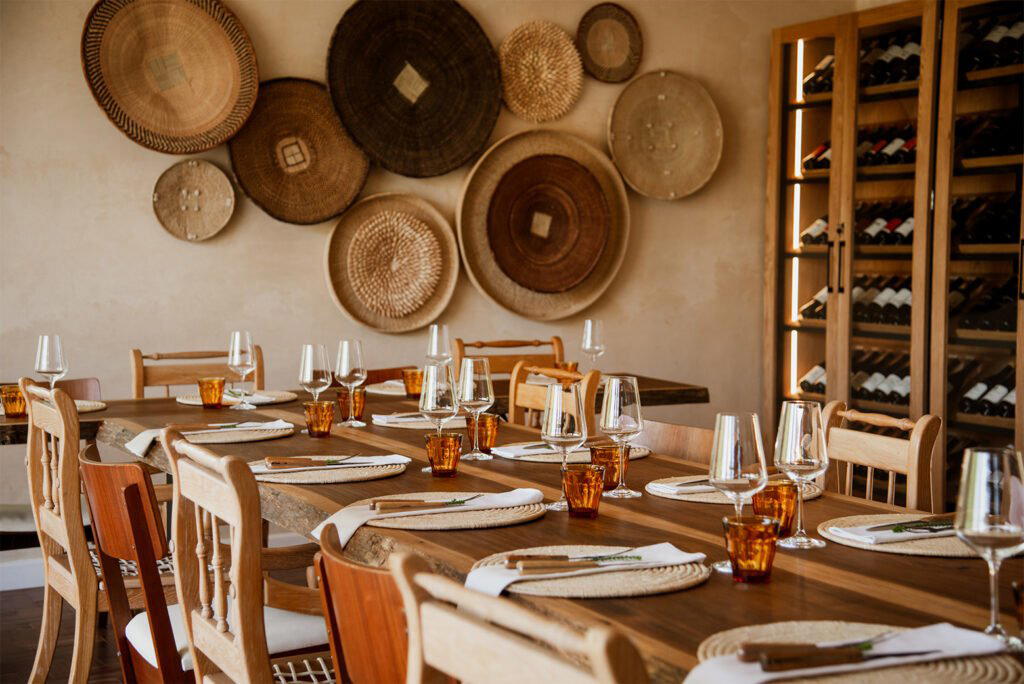
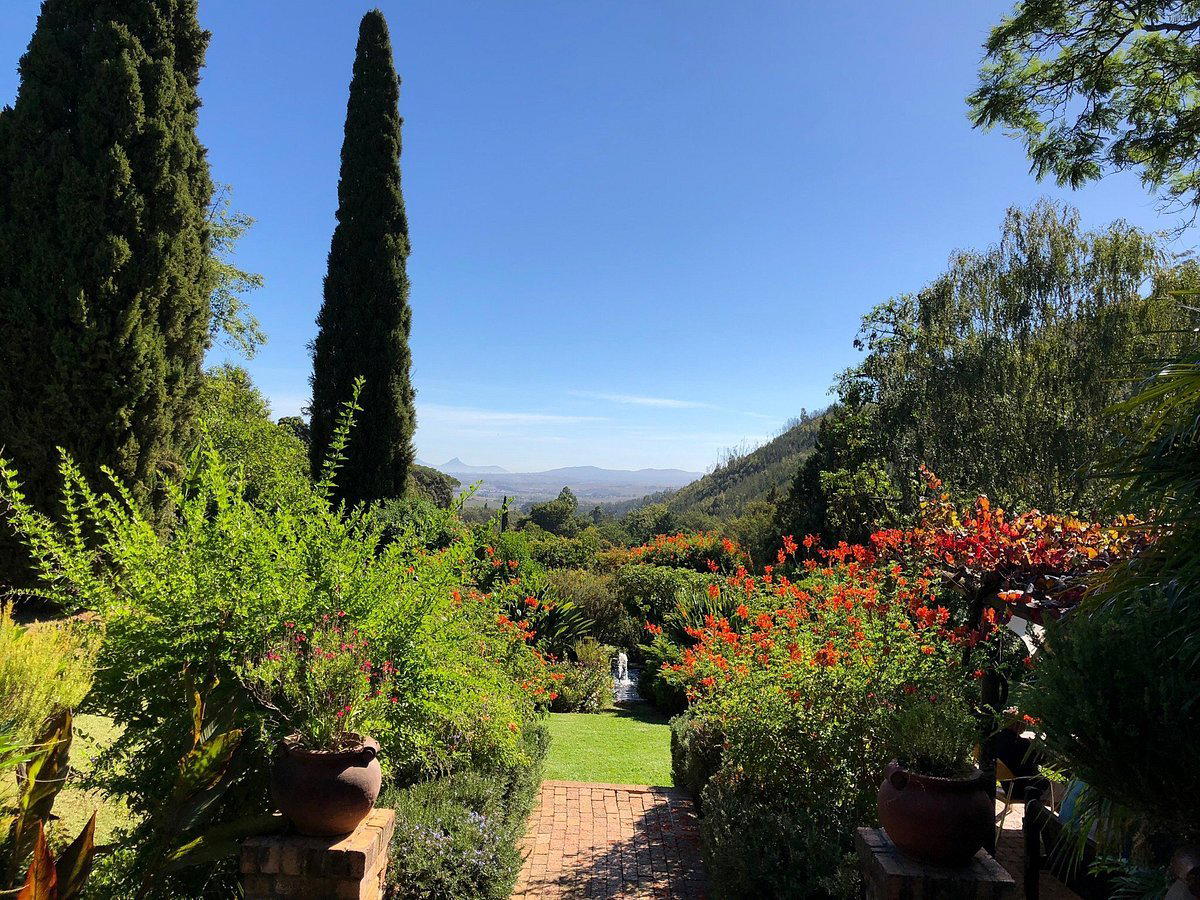
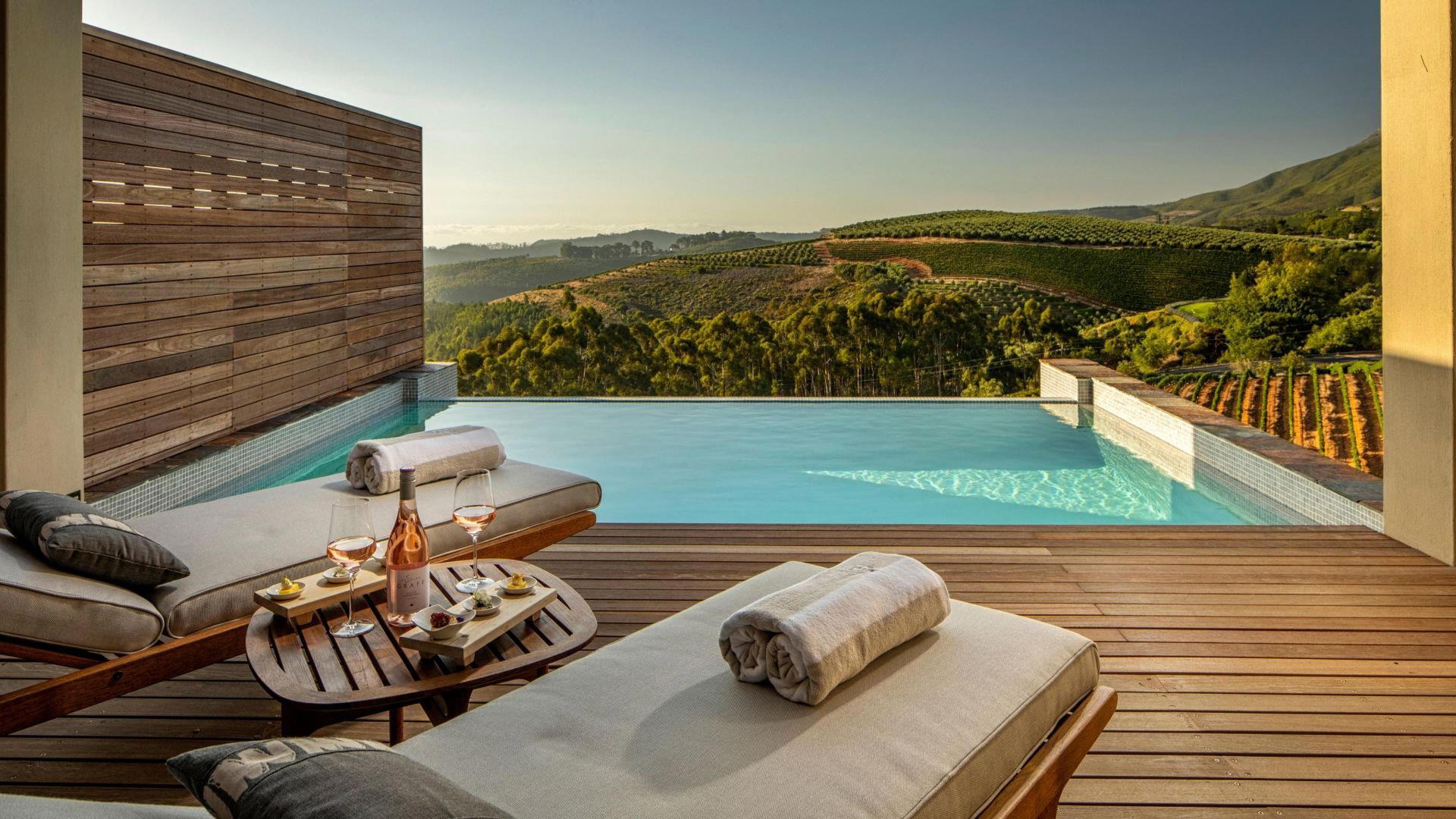
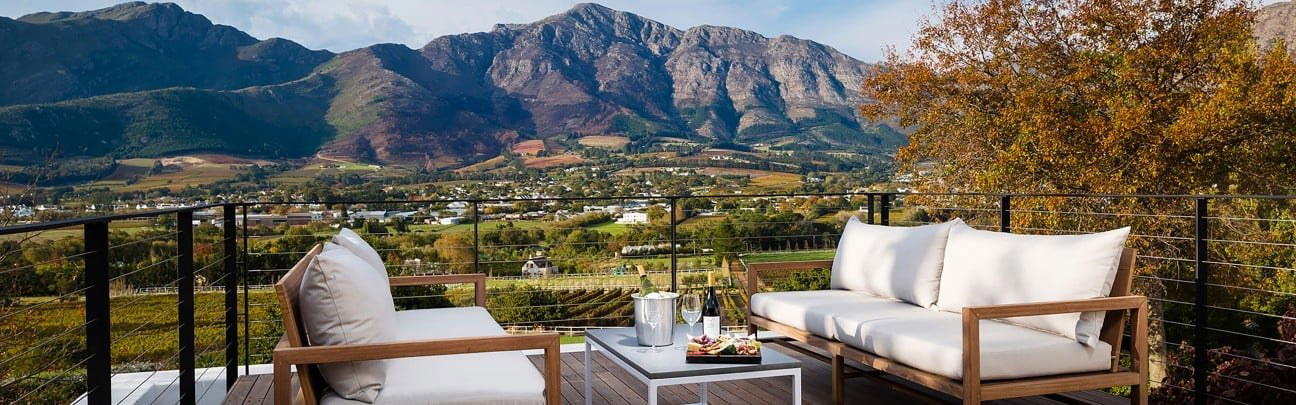
Historic and elegant with far-reaching vineyard and mountain views, traditional Cape culture blended with natural serenity.