Stellenbosch Wine Bar

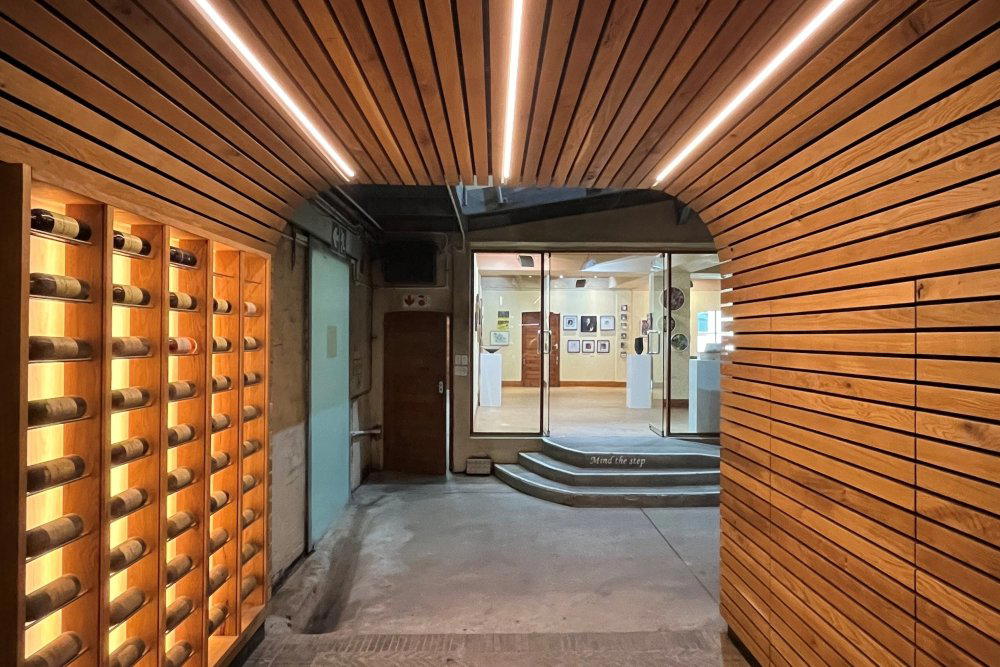
On the corner of Church and Andringa Streets in Stellenbosch Central, Stellenbosch Wine Bar operates as a collective outpost for the region's wine farms, offering a focused, unhurried way into the Cape Winelands by the glass. The format is relaxed rather than ceremonial, making it a practical entry point for visitors and a familiar stop for locals who want to drink well without the full estate experience.
Pearl is the En Primeur Club membership app — saves, bookings, and concierge access live there. Same editors, same standards.
- Address
- Church St, Stellenbosch Central, Stellenbosch, 7599, South Africa
- Phone
- +27 63 646 3207
- Directions
- Get directions
 Saves & bookings on Pearl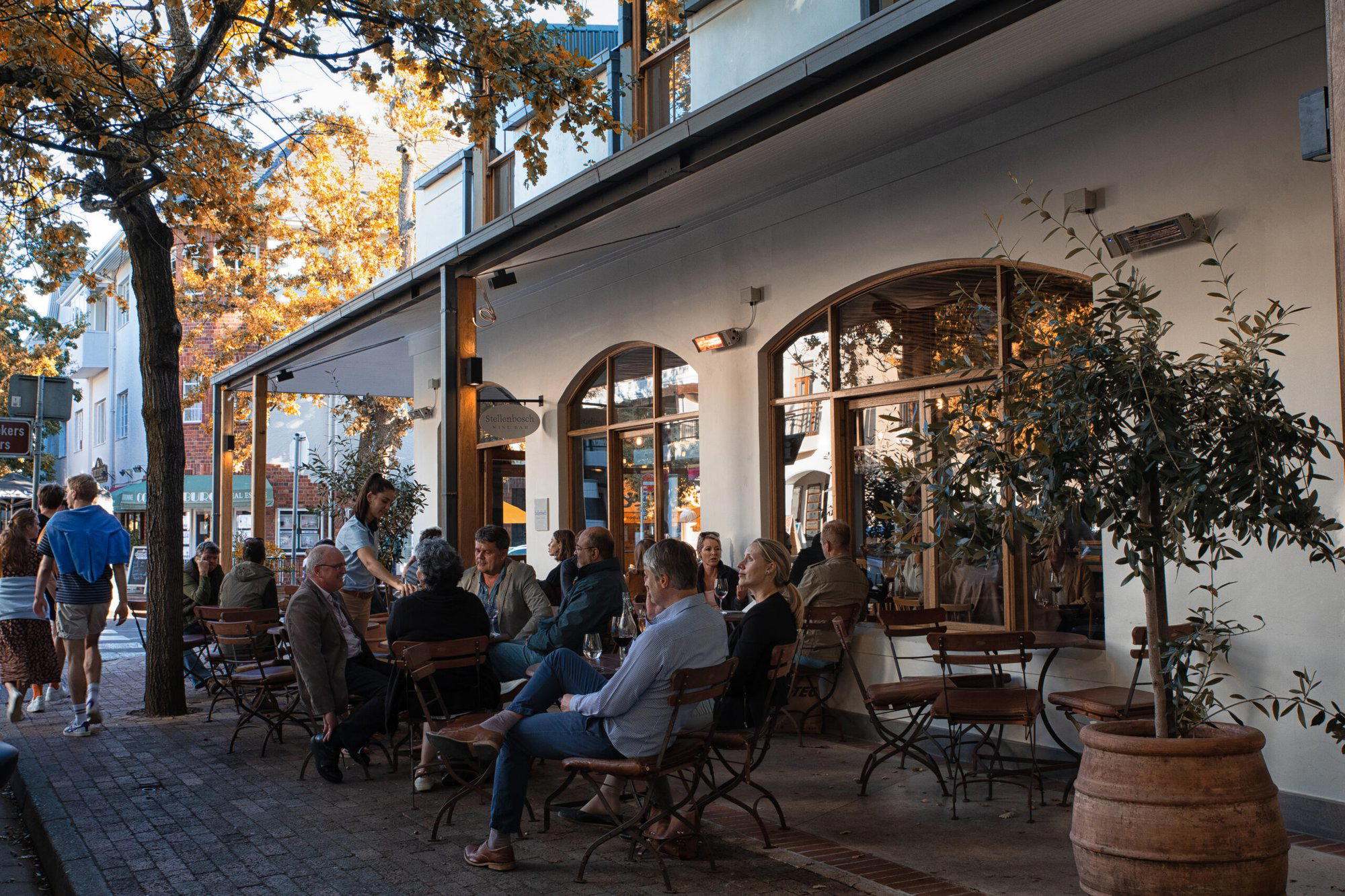
Where Church Street Meets the Winelands
Students, wine trade professionals, and tourists navigating between tasting rooms pass through this stretch regularly, and the Stellenbosch Wine Bar occupies it with a deliberate ease. The space is stylish without being stiff, which positions it differently from the more formal estate-tasting formats that define much of the Cape Winelands experience. Walk-ins are welcome, though reservations are recommended.
Stellenbosch's wine scene has always operated on two tracks: the estate experience, which requires transport, time, and advance planning, and the town-centre option, which asks for none of those things. The Wine Bar sits firmly on the second track, and it does so as a collective rather than as an independent operator. It represents a group of wine farms, which means the selection reflects multiple producers rather than a single winery's portfolio. That structure is relatively uncommon in Stellenbosch's centre, where most town-based wine bars either align with one estate or curate broadly from across the Western Cape.
The Collective Model and What It Means for the Glass
Wine collectives in South Africa have emerged partly as a response to the cost and logistics of operating flagship tasting rooms in central urban locations. By sharing infrastructure and a single address, member farms can maintain a town presence that individual operations might not sustain independently. For the drinker, this translates into a selection shaped by the participating estates rather than by a buyer working across the full appellation. It is a narrower lens in one sense, but a more coherent one in another: the wines on the list are connected by producer relationships and, often, by a shared regional identity within Stellenbosch's sub-valleys.
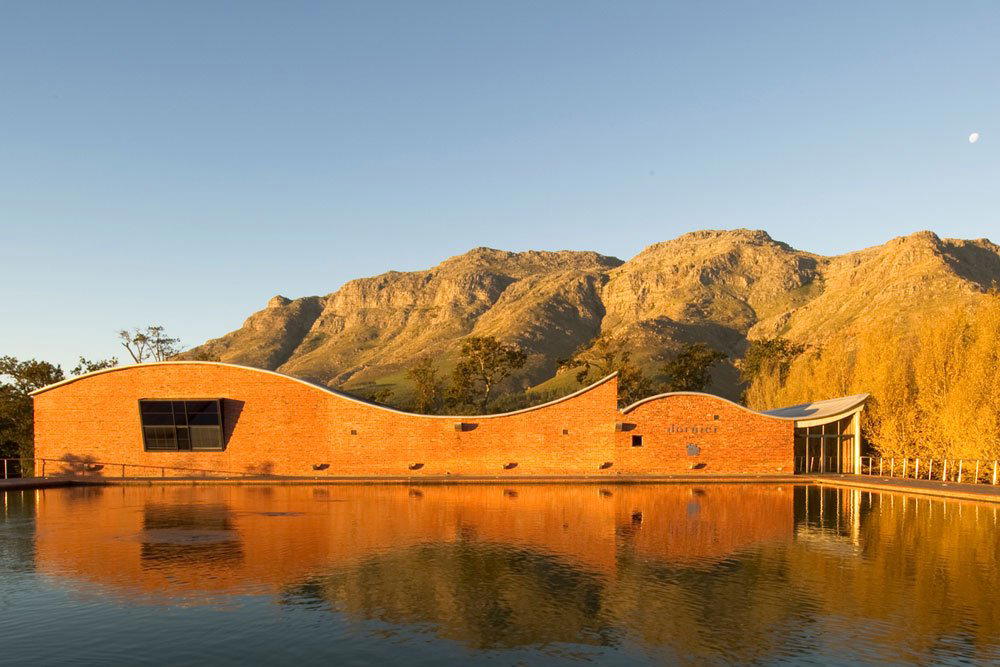
Stellenbosch is one of South Africa's oldest and most densely planted wine regions, with sub-appellations ranging from the cooler, granite-driven slopes of Simonsberg to the clay-heavy valley floors around Bottelary. The collective model means that what appears on the list at any given time reflects which farms are current members. Visitors looking for the kind of depth found at estate-specific venues such as Dornier Wine Estate or La Motte Wine Farm will find a different proposition here: breadth across members rather than depth within a single producer's range.
The Bar as Gathering Point
Church Street runs through the older part of Stellenbosch, flanked by oak trees that have been there longer than most of the town's restaurants and wine venues. The street carries a particular weight in the town's social geography. Locals who work nearby, academics from Stellenbosch University a few blocks away, and wine industry workers who have spent the morning at a farm and the afternoon in town all converge on this stretch. The Wine Bar's format suits that mix. It is the kind of place where a single glass of Chenin Blanc works as well as a longer exploratory session across multiple producers.
For comparison, Simon Wine Emporium and Spek & Bone both occupy points on Stellenbosch's town-centre circuit, each with a distinct format and customer rhythm. The Wine Bar's collective identity gives it a slightly different character: it functions more as an ambassador space for its member farms than as an independent editorial voice on the region's wines. That distinction matters when you are deciding where to go first and where to go when you already know what you want.
Drinking in Context: Stellenbosch's Town-Centre Wine Culture
South African wine tourism has shifted considerably over the past decade. The old model, estate visits by car with designated-driver logistics, has been joined by a more urban, by-the-glass culture concentrated in towns like Stellenbosch, Franschhoek, and increasingly in Cape Town's inner suburbs. Venues that can serve as entry points, where a visitor can calibrate their palate before committing to a full estate day, have become genuinely useful. The Wine Bar's position on Church Street places it in that role naturally.
The stylish-but-relaxed description that applies to the space is not incidental. Stellenbosch has a significant student population, a working wine trade, and a steady flow of domestic and international tourism, and venues that can hold all three without alienating any of them require a calibrated tone. Too formal, and the locals stop coming. Too casual, and the wine loses its framing. The corner site, with its natural pedestrian visibility and its collective backing, manages that balance through structure rather than through atmosphere alone.
How It Compares Across South Africa's Drinking Scene
Stellenbosch's wine bar culture is distinct from what you find in South Africa's larger cities. In Cape Town, venues like Asoka operate with cocktail-forward programming and late-night energy. In Johannesburg, the emphasis at places like Sin + Tax leans toward spirits and urban bar culture. Further afield, Vee & Forti in Pretoria, San Deck in Sandton, and Van Buuren Rd & Hawley Rd in Hillbrow each reflect the drinking priorities of their neighbourhoods. What Stellenbosch Wine Bar does sits entirely outside that conversation: it is a wine-specific venue in a wine-producing town, serving wine from farms that collectively operate the space. The international comparison is closer to something like Bar Leather Apron in Honolulu or Jewel of the South in New Orleans in terms of specialist focus, even if the product category is entirely different.
Planning Your Visit
The address is Church Street at Andringa, Stellenbosch Central, 7599. The corner location is walkable from most of the town's accommodation and from the main R44 axis that connects Stellenbosch to the surrounding wine valleys. Reservations are recommended. Visiting earlier in the day or mid-week gives a stronger chance of finding space at the pace you want, particularly during the summer harvest season from January to March when tourist volumes in Stellenbosch peak. The collective format means there is no single estate experience to replicate here, but as a starting point for understanding what the member farms are producing, and as a comfortable place to be on Church Street, the format is coherent and the location is convenient.
Where the Accolades Land
Comparable venues nearby, for context on price, style, and recognition.
| Venue | Cuisine | Price | Notes |
|---|---|---|---|
| Stellenbosch Wine BarThis venue — the venue you are viewing | wine_bar | $$$ | Not listed |
| The Wine Glass | wine_bar | $$$ | Stellenbosch Central |
| Simon Wine Emporium | wine_bar | $$$ | Stellenbosch |
| Spek & Bone | wine_bar | $$$ | Stellenbosch Central |
| Dornier Wine Estate | wine_bar | $$$ | Blaauwklippen |
Recognition history
Dated appearances from independent guides and award organizations, with the underlying list record or original source where available.
Star Wine List
Star Wine List
Continue exploring
More in Stellenbosch
Bars in Stellenbosch
Browse all →
Restaurants in Stellenbosch
Browse all →
Hotels in Stellenbosch
Browse all →
At a Glance
- Cozy
- Elegant
- Rustic
- Date Night
- Casual Hangout
- Courtyard
- Outdoor Terrace
- Lounge Seating
- Conventional Wine
- Garden
- Mountain
Current opening hours
- Monday
- 11 AM–10 PM
- Tuesday
- 11 AM–10 PM
- Wednesday
- 11 AM–10 PM
- Thursday
- 11 AM–10 PM
- Friday
- 11 AM–10 PM
- Saturday
- 11 AM–10 PM
- Sunday
- 11 AM–8 PM
Hours can change for holidays and private events. Last verified .
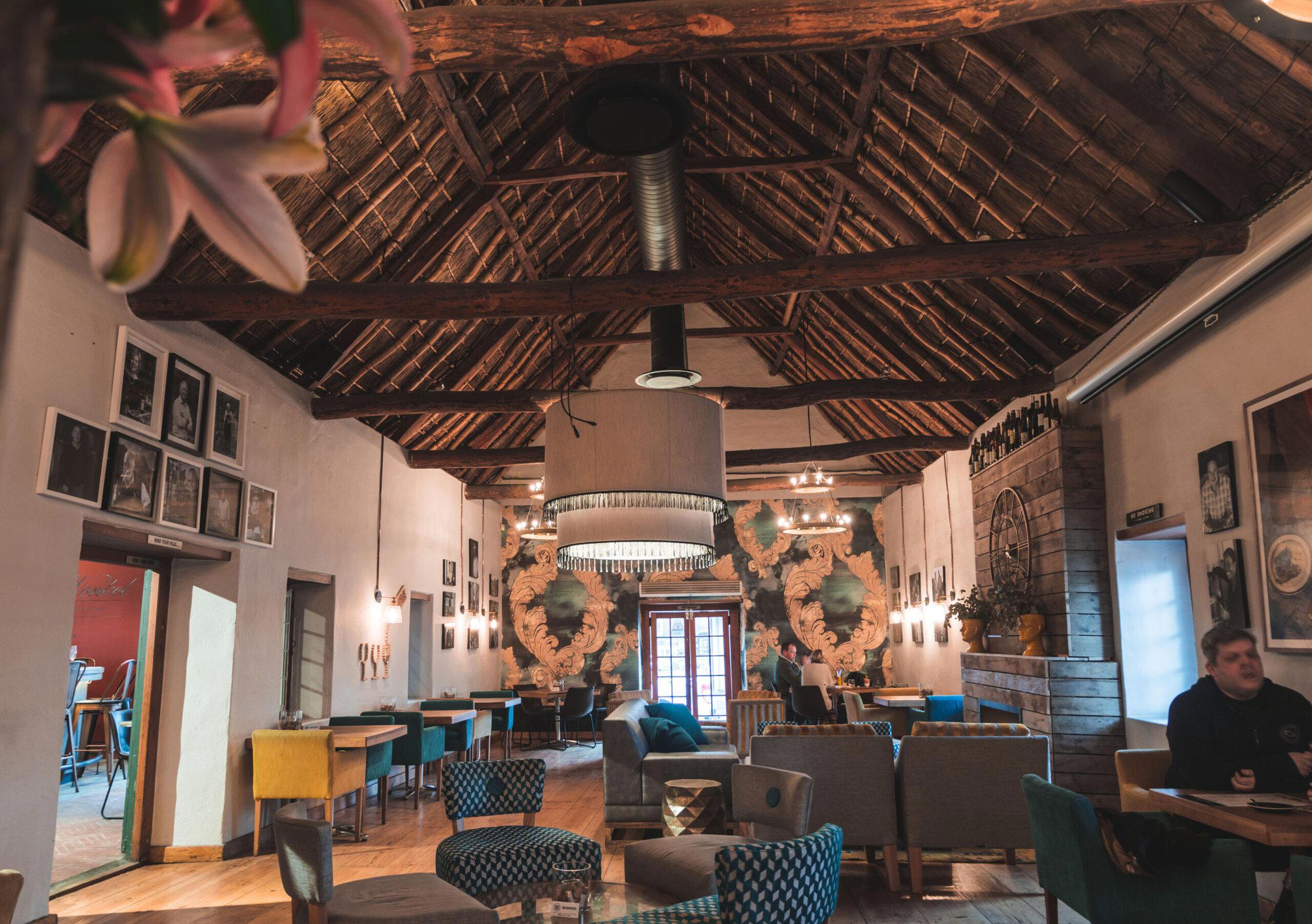
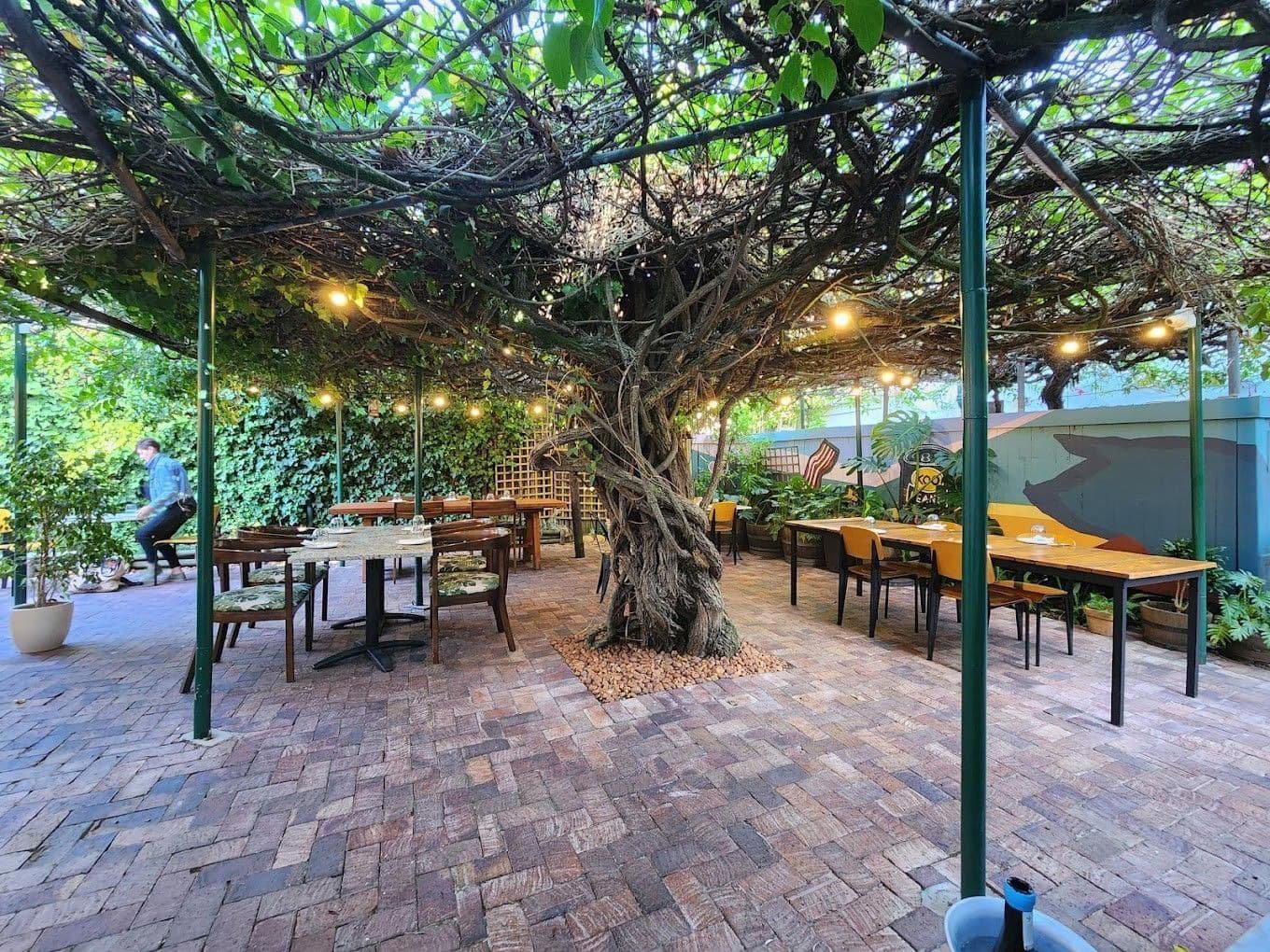
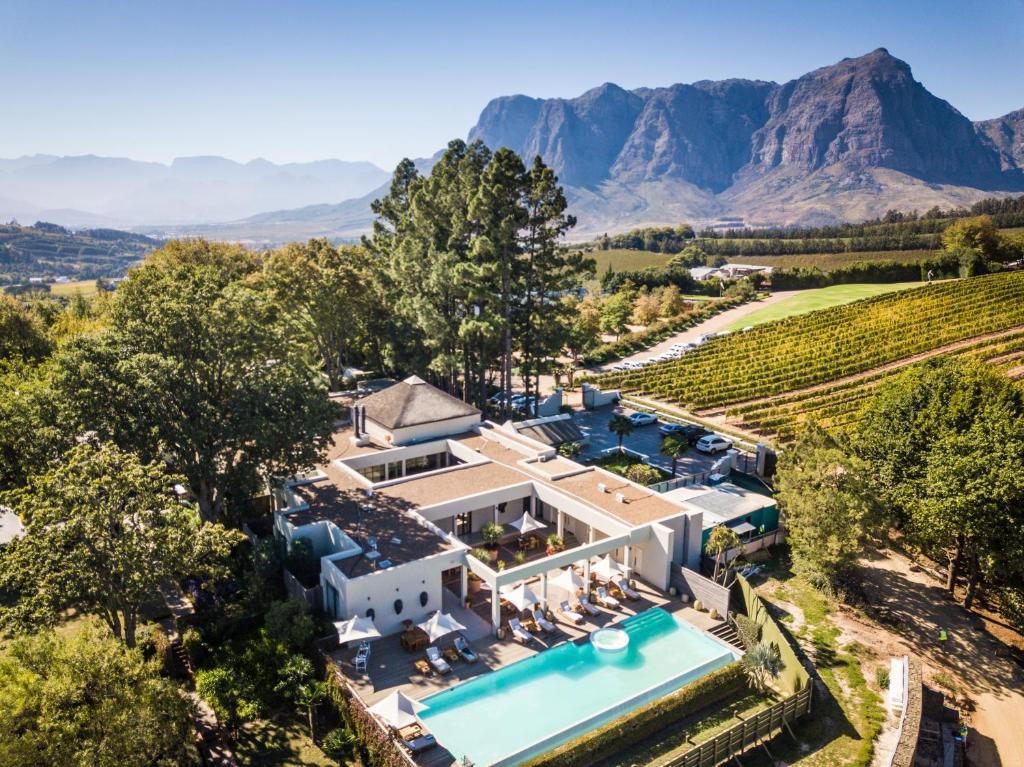
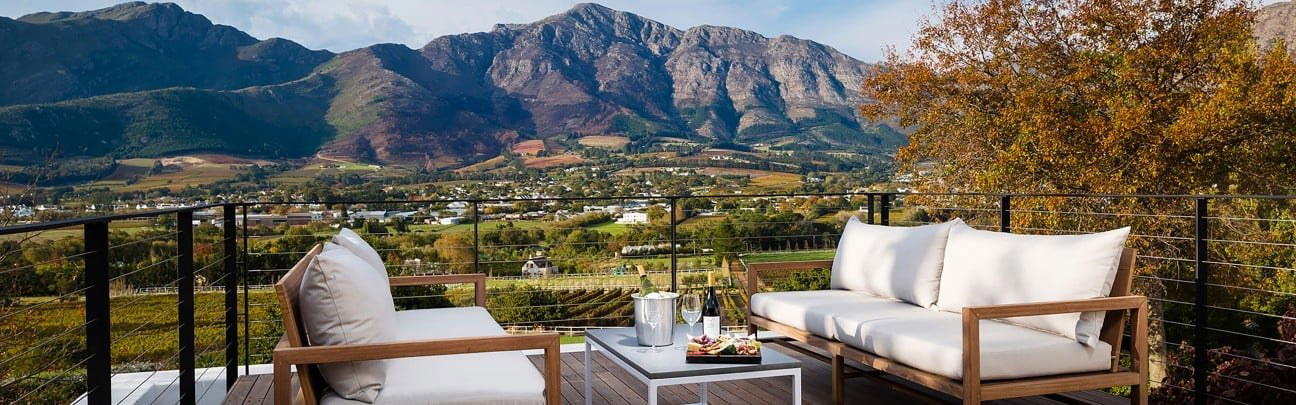
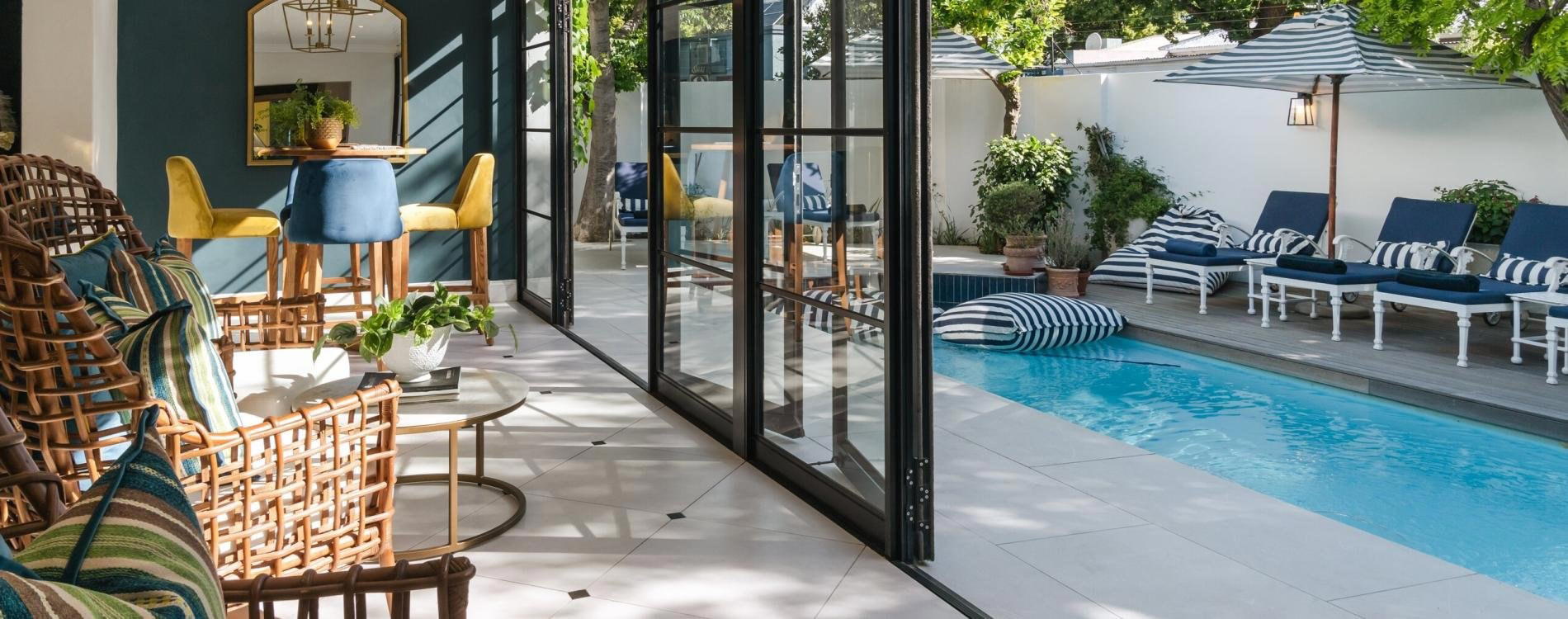
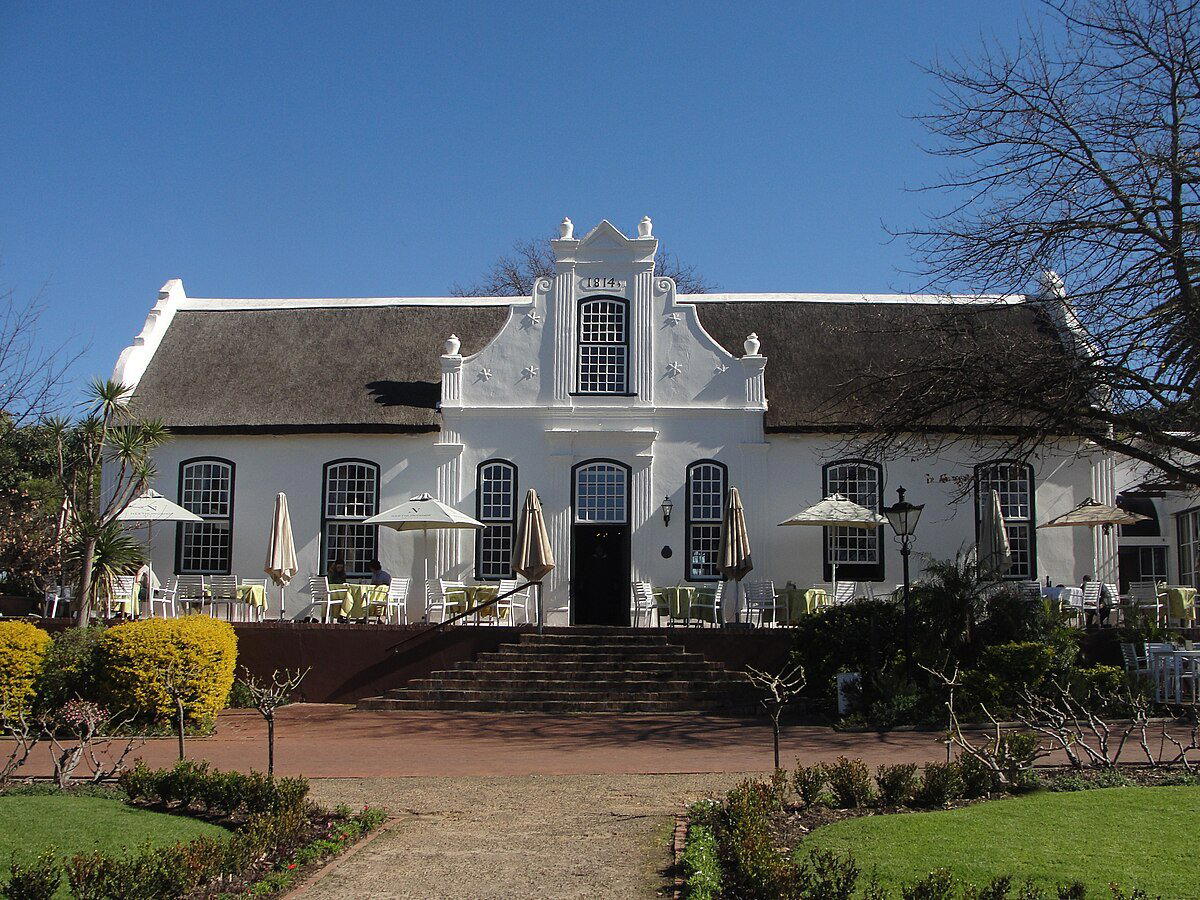
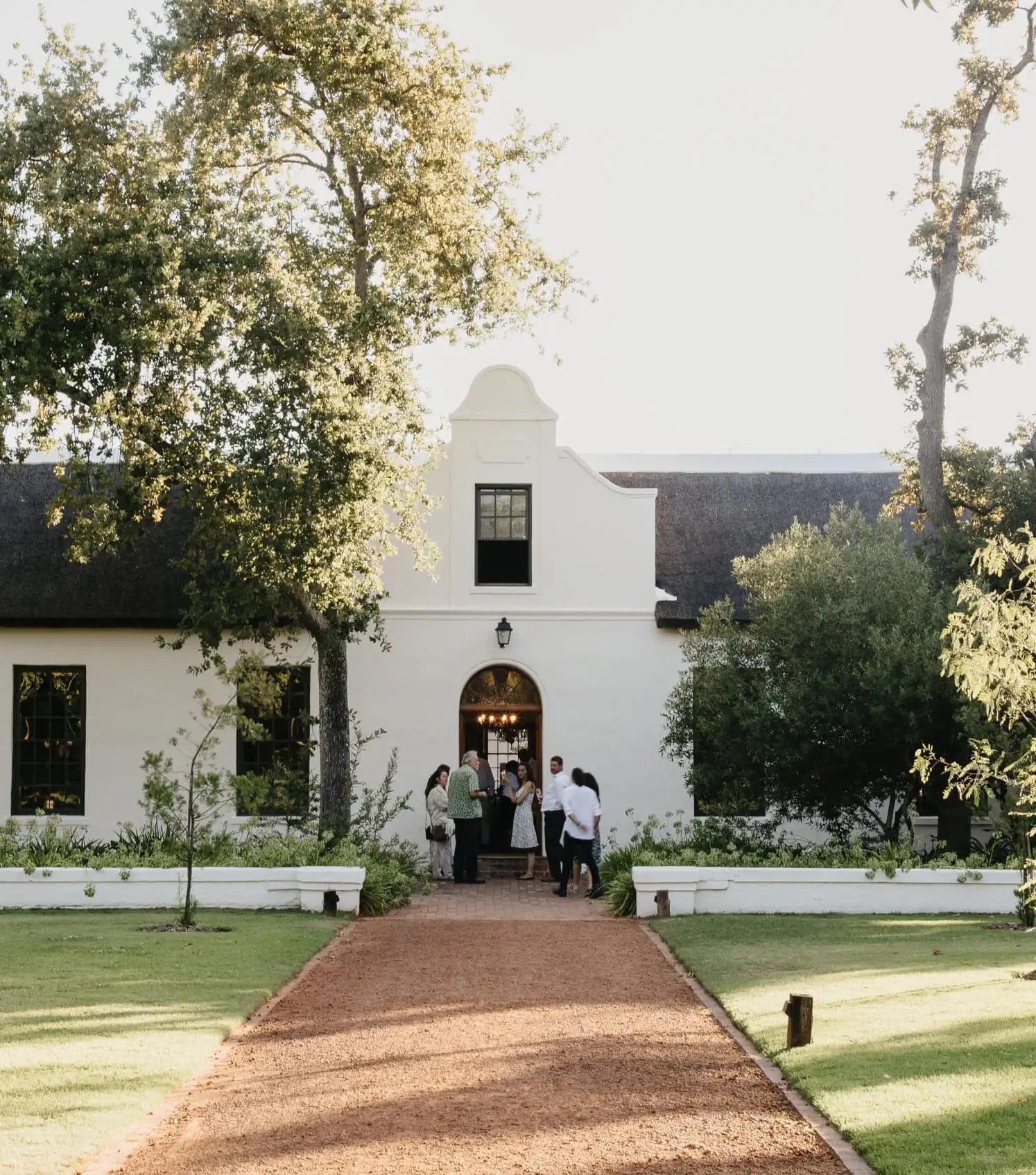
Cozy and lively atmosphere in a shady, stylish courtyard under trees with Spanish hacienda style architecture.