La Motte Wine Estate


World's 50 Best #94 · Falstaff Winery - Listed
La Motte Wine Estate sits on Franschhoek's R45 corridor. Beyond the cellar, a working artisan bakery and lavender-based fragrance range produced from estate-grown botanicals signal a deliberate, unhurried approach to hospitality that sets it apart from pure wine-tasting stops.

Pearl is the En Primeur Club membership app — saves, bookings, and concierge access live there. Same editors, same standards.
- Address
- R45, Franschhoek, 7691
- Phone
- +27 21 876 8000
- Website
- la-motte.com
- Directions
- Get directions
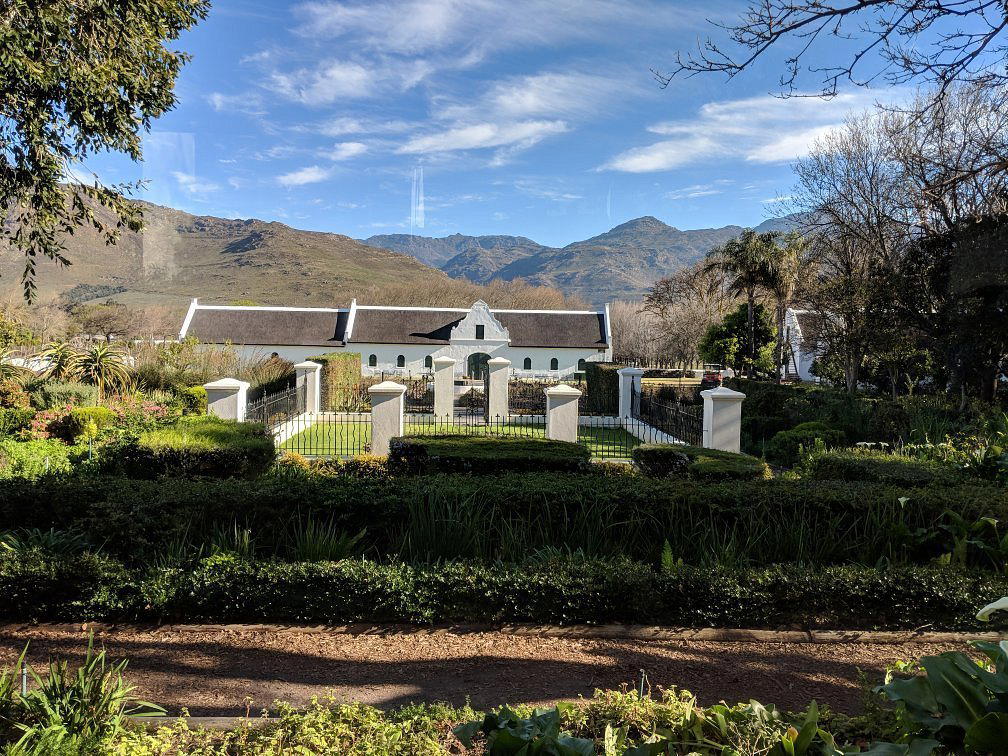
Arriving at La Motte: The Pace Begins Before You Reach the Door
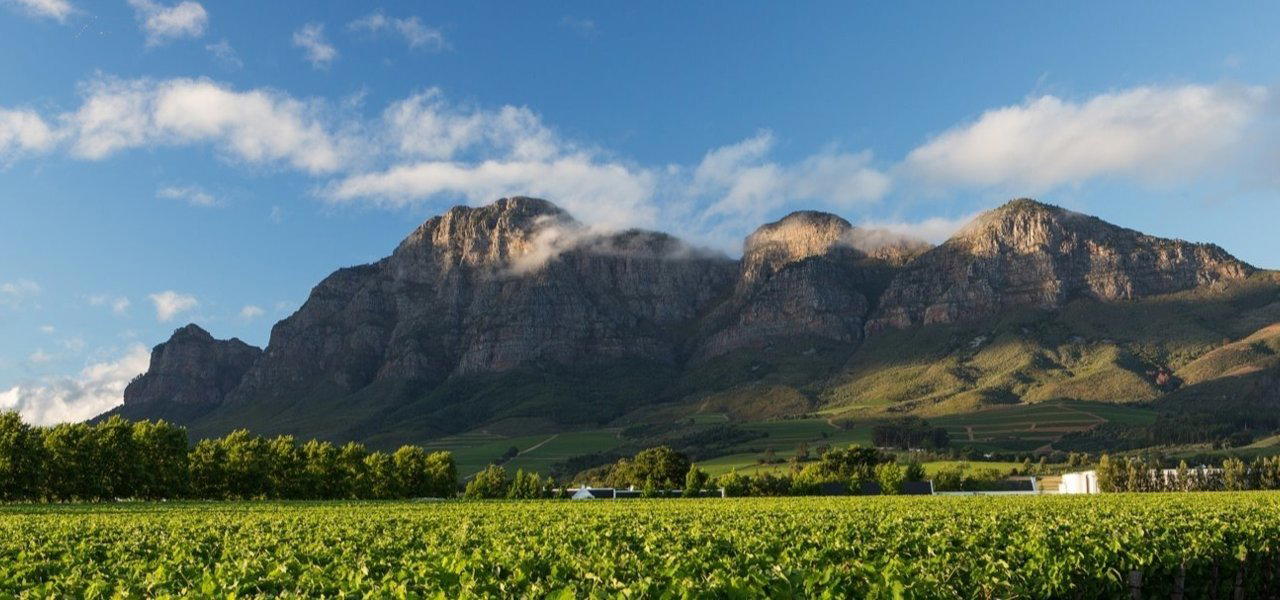
The Cape Winelands have a particular way of slowing time. On the R45 road that threads through Franschhoek Valley, mountain ranges on both sides and oak-lined driveways at regular intervals, the ritual of a wine estate visit starts with the approach itself. La Motte, accessed directly from the R45 in Franschhoek, sits within this corridor and asks something of its visitors the moment they arrive: patience, presence, and a willingness to follow the estate's rhythm rather than impose their own.
That rhythm is the point. Where some Franschhoek estates compress the experience into a tasting flight and a transaction, La Motte structures a longer arc. The artisan bakery, the lavender and geranium body products made from botanicals grown on the estate, the wine programme: these elements are not presented as separate offerings but as chapters in the same afternoon. The etiquette here is to move slowly, to let one element inform the next.
The Estate as a Dining and Tasting Ritual
Franschhoek's wine estates have split broadly into two categories: those that have added hospitality infrastructure as an afterthought around the cellar, and those that have built the visit as a composed sequence. La Motte belongs to the second type.
The artisan bakery operation is significant in this context. Across the Cape Winelands, baking programmes attached to wine estates remain rare. Most estates source from external suppliers; having an in-house bakery changes the texture of the visit. Bread and pastry made on-site shifts the food component from accompaniment to a statement of estate philosophy, the same ethos that connects farm-grown ingredients to table. This matters to how the tasting ritual is paced: when bread is fresh from an on-site oven, there is reason to linger, reason to order more, reason to treat the wine alongside something genuinely made rather than simply procured.
For visitors arriving from Cape Town, which sits roughly an hour's drive away via the N1 and R45, La Motte makes sense as an anchor stop rather than a quick detour. Its peer estates along the same R45 corridor, including Babylonstoren, Boschendal, and Haute Cabrière, all operate with similar full-day hospitality logic. La Motte's lavender and botanical product range adds a dimension those peers do not replicate: the estate extends into fragrance and body care, with geranium and lavender grown on-site and processed into products sold at the estate. This is an uncommon overlap between viticulture and artisanal craft production in the South African wine context.
How the Visit Unfolds: Customs and Pacing
A structured estate visit at La Motte follows the logic of tasting by season and intention. The Franschhoek Valley's elevation and valley orientation create conditions that favour Shiraz and Bordeaux-style blends, though the valley also produces expressive Chardonnay and Sauvignon Blanc from cooler pockets. La Motte's position in this valley places it in a natural conversation with neighbouring estates pursuing similar varietal strategies.
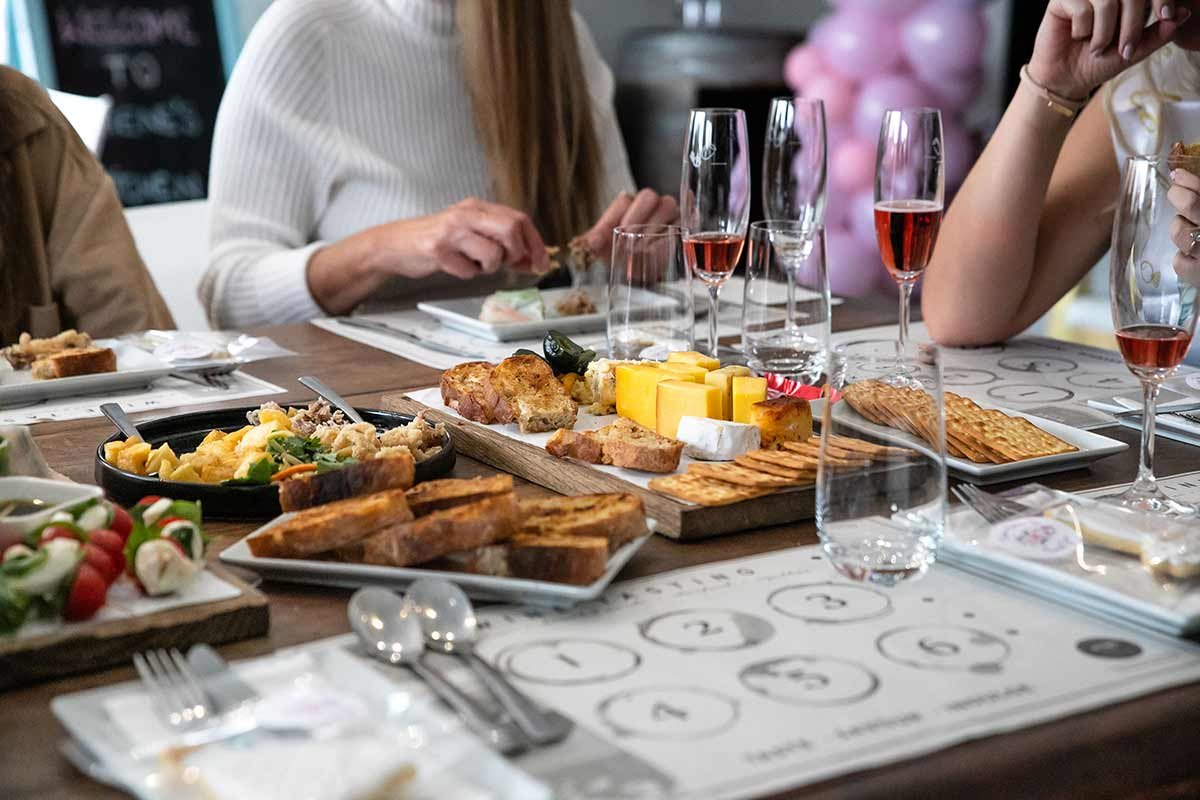
The convention at estates holding prestige ratings in South Africa is to present wines in a structured sequence, moving from lighter whites through to more tannic reds, often with a reserve or premium tier offered separately. Visitors who have spent time at comparable estates, such as Anthonij Rupert Wyne (L'Ormarins) or Boekenhoutskloof in the valley, will recognise this sequencing immediately. At La Motte, the bakery component folds into this sequence naturally: baked goods punctuate the tasting, providing palate context and extending the time each flight of wine is given to develop in the glass.
This approach to pacing has parallels elsewhere in the South African wine belt. At Vergelegen Wine Estate in Somerset West and Constantia Glen in Cape Town, the estate visit has similarly evolved into an experience that extends well beyond a counter tasting. The difference at La Motte is the botanical production dimension, which creates a third act to the visit: fragrance and body products derived from estate-grown plants give visitors something to bring home that is tied directly to the land they spent the afternoon on.
Franschhoek Valley Context: Where La Motte Sits in the Field
Franschhoek is a small valley by global wine geography standards, roughly 8 kilometres long and enclosed by the Franschhoek Mountains, but it punches at a weight disproportionate to its size. The Huguenot settlers who arrived in the late seventeenth century established farming traditions that eventually contributed to South Africa's wine culture, and the valley retains a concentrated density of serious estates within a short distance of each other.
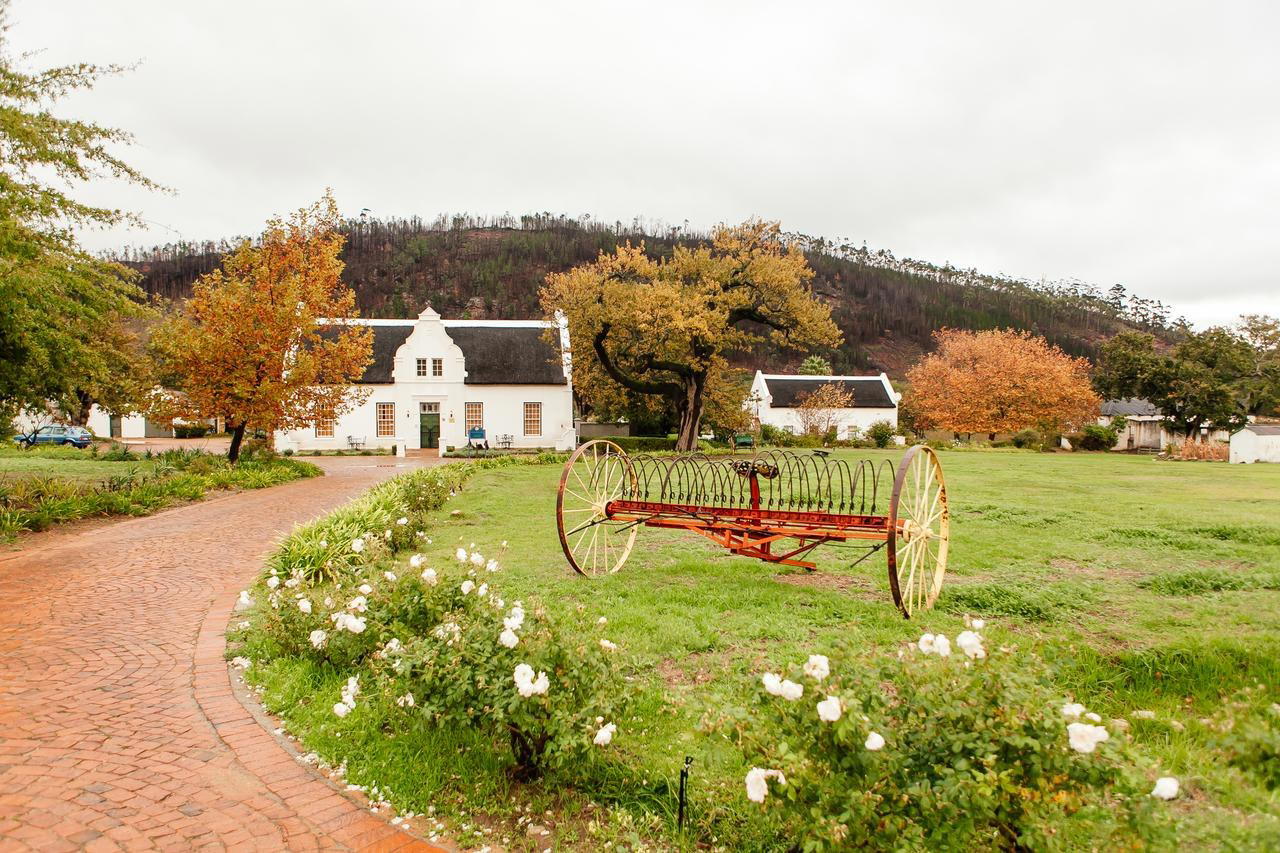
La Motte's position on the R45 places it within the main artery of that concentration. The valley has attracted significant investment over the past two decades, and the estates that have held ground at the prestige tier have generally done so by committing to full hospitality programmes rather than wholesale production. Further afield in the Western Cape wine belt, estates such as Graham Beck Wines in Robertson, Neethlingshof Estate in Stellenbosch, Creation Wines in Hermanus, and Val de Vie Estate in Paarl each operate within distinct sub-regional identities. La Motte is Franschhoek in character: food-forward, Cape Dutch in its architectural register, oriented toward the full afternoon rather than the short stop.
For those building a multi-day Western Cape itinerary, the Franschhoek Valley works well as a base. Our full Franschhoek restaurants guide covers the town's dining and estate options in detail, and La Motte appears within a peer group of estates where the visit itself is the product, not merely the wine. Visitors who want to understand the artisanal and craft production side of South African estate culture alongside pure viticulture will find La Motte's bakery and botanical range offer a different register than the pure cellar-and-tasting model at, say, Oude Molen Distillery in Grabouw, where the craft focus falls on spirit production.
Planning the Visit
La Motte is located at the R45, Franschhoek, 7691, and is accessible by car from Cape Town in approximately 60 to 75 minutes depending on traffic through Paarl and the Franschhoek Pass approach. The valley's peak season runs from November through March, when summer temperatures bring high visitor volumes across all estates. Arriving mid-week or in the shoulder months of April through May gives more space at the tasting counter and a better chance of moving through the bakery and botanical retail experience without competing with large groups. As with most prestige-rated estates in the Cape Winelands, checking the estate website directly before travel is advisable given that seasonal programming, harvest activities, and special events can affect opening hours and tasting availability. For visitors interested in comparing La Motte's production philosophy against international estate models, the contrast with allocation-driven small producers such as Accendo Cellars in St. Helena or the single-malt heritage of Aberlour in Aberlour is instructive: both represent the opposite end of the accessibility spectrum from Cape Winelands estate hospitality, where the visit itself has always been as central as the bottle.
Standing Among Peers
Comparable venues nearby, for context on price, style, and recognition.
| Venue | Cuisine | Price | Awards | Notes |
|---|---|---|---|---|
| La Motte Wine EstateThis venue — the venue you are viewing | Syrah, Sauvignon Blanc | Not listed | World's 50 Best #94 · Falstaff Winery - Listed | Not listed |
| Boschendal | Chardonnay, Sauvignon Blanc | $30–50 | Falstaff Winery - Listed | Groot Drakenstein Valley, Franschhoek |
| Anthonij Rupert Wyne (L’Ormarins) | Cabernet Sauvignon, Merlot | $50–100 | Not listed | Franschhoek Valley |
| Chamonix Wine Farm | Chardonnay, Pinot Noir | $30–50 | Falstaff Winery - Listed | Franschhoek |
| Grande Provence | Chenin Blanc, Sauvignon Blanc | $20–30 | Not listed | Franschhoek |
| Rupert & Rothschild Vignerons | Merlot, Cabernet Sauvignon | Not listed | Falstaff Winery - Listed · We're Smart World 3 Radishes | Franschhoek Valley |
Recognition history
Dated appearances from independent guides and award organizations, with the underlying list record or original source where available.
World's 50 Best Vineyards #94
World's 50 Best
Falstaff Winery - Listed
Falstaff
Continue exploring
More in Franschhoek
Wineries in Franschhoek
Browse all →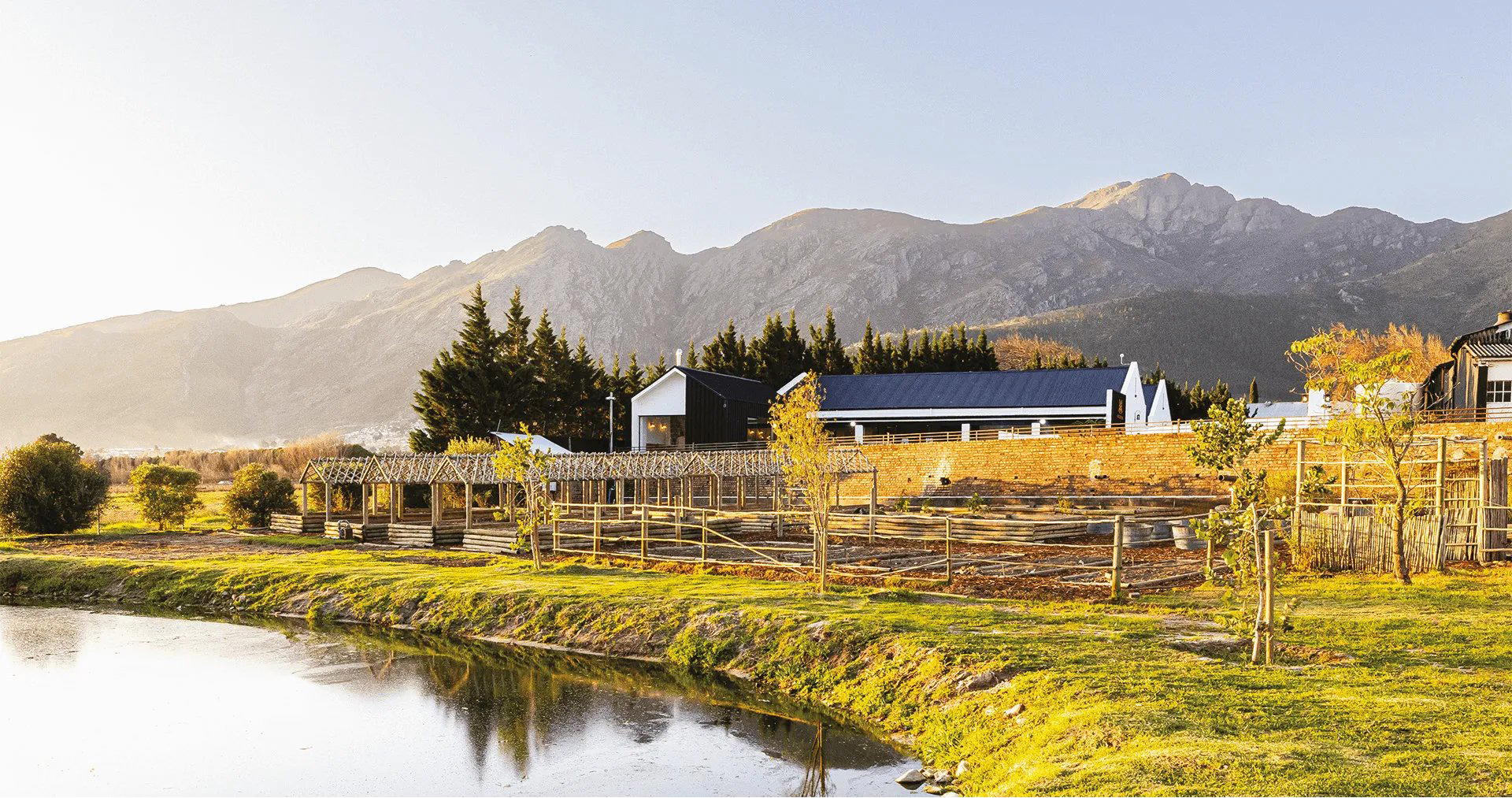
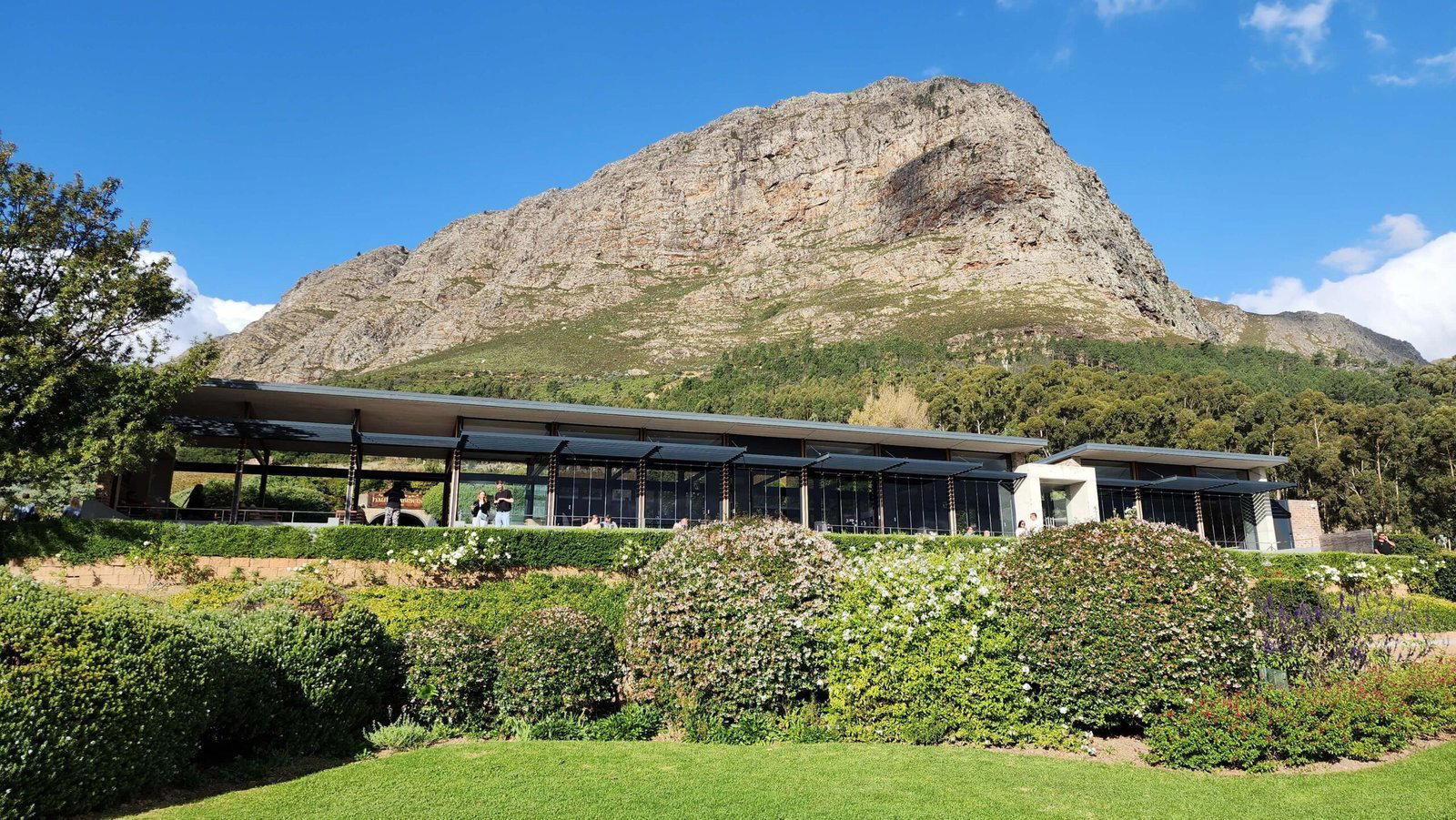
Bars in Franschhoek
Browse all →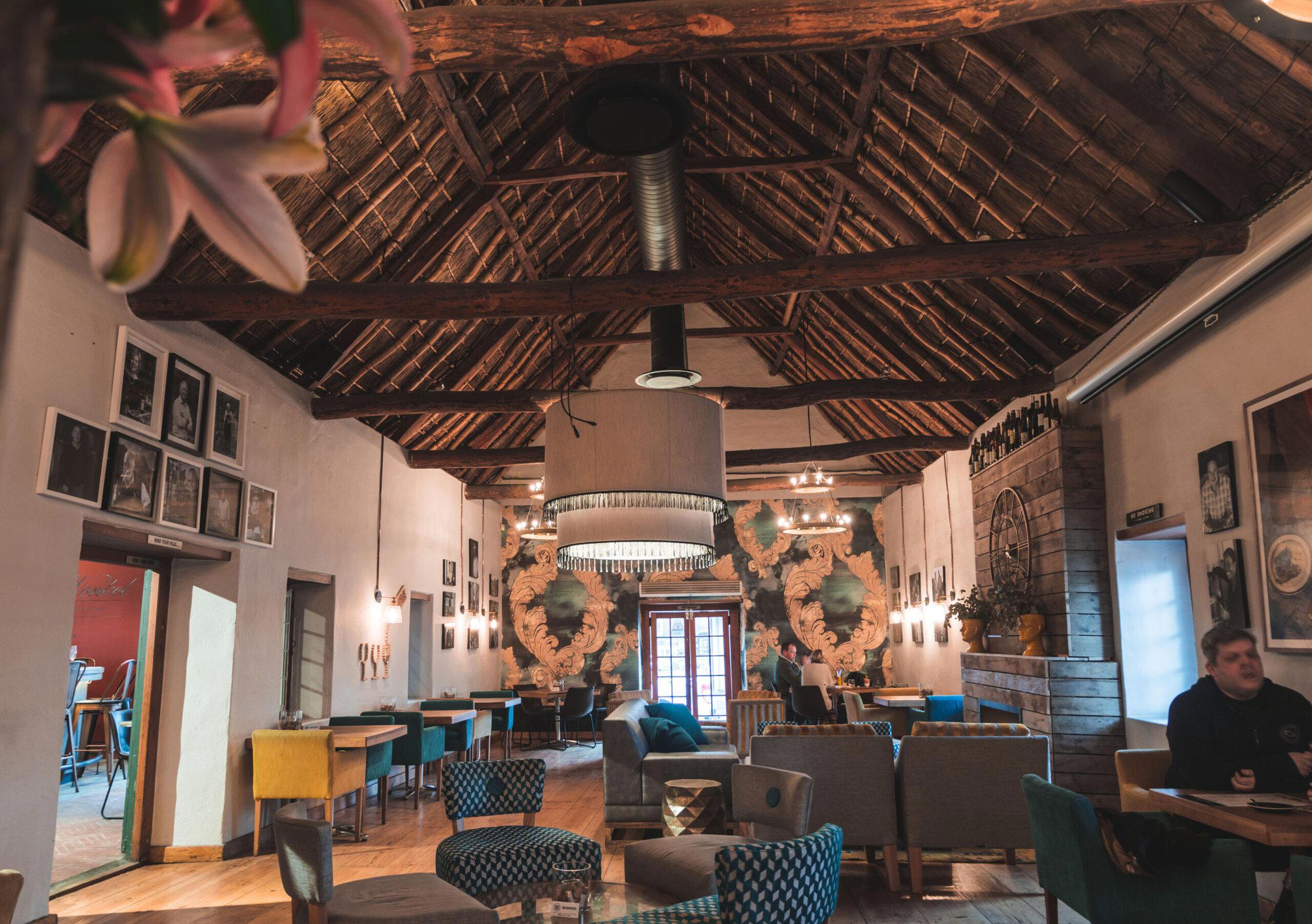
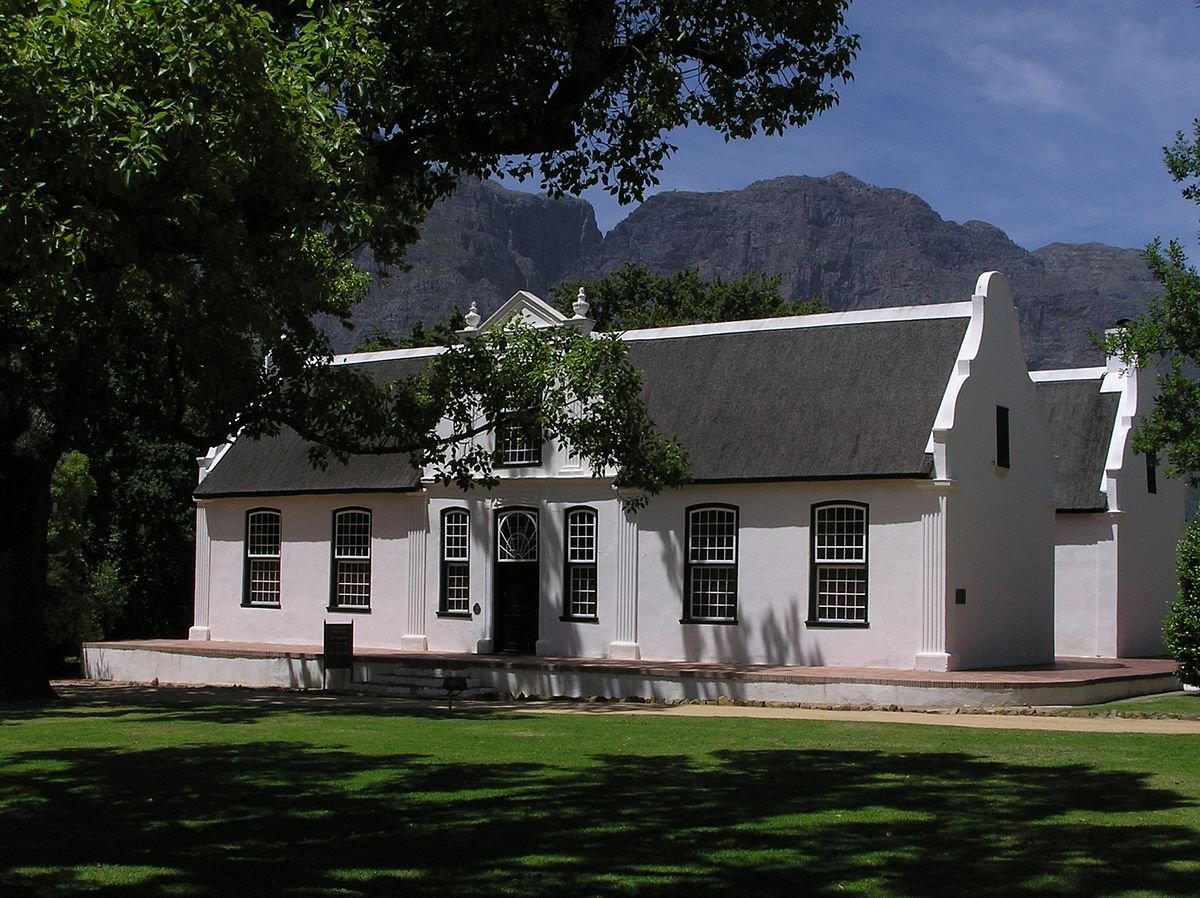
Restaurants in Franschhoek
Browse all →
Details
- Elegant
- Scenic
- Sophisticated
- Classic
- Romantic Getaway
- Special Occasion
- Wine Education
- Vineyard Tour
- Estate Grounds
- Garden
- Historic Building
- Panoramic View
- Sustainable
- Mountain
- Vineyard
- Garden
- Syrah
- Sauvignon Blanc
- Cabernet Sauvignon
- Chardonnay
- Merlot
- Cabernet Franc
- Viognier
- Grenache
- Still Red
- Still White
- Still Rosé
- Sparkling
- Walk In
- Private Tasting
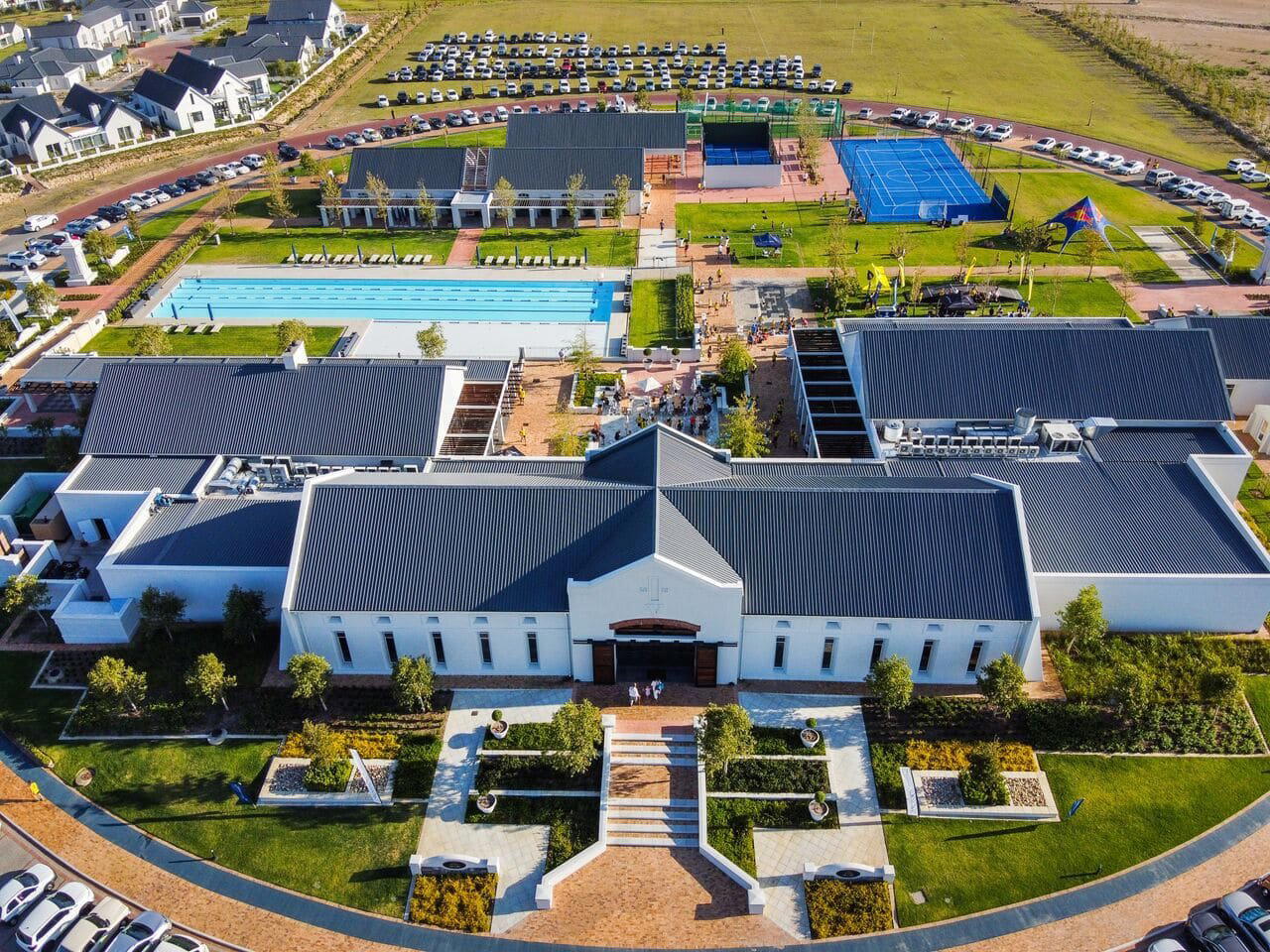
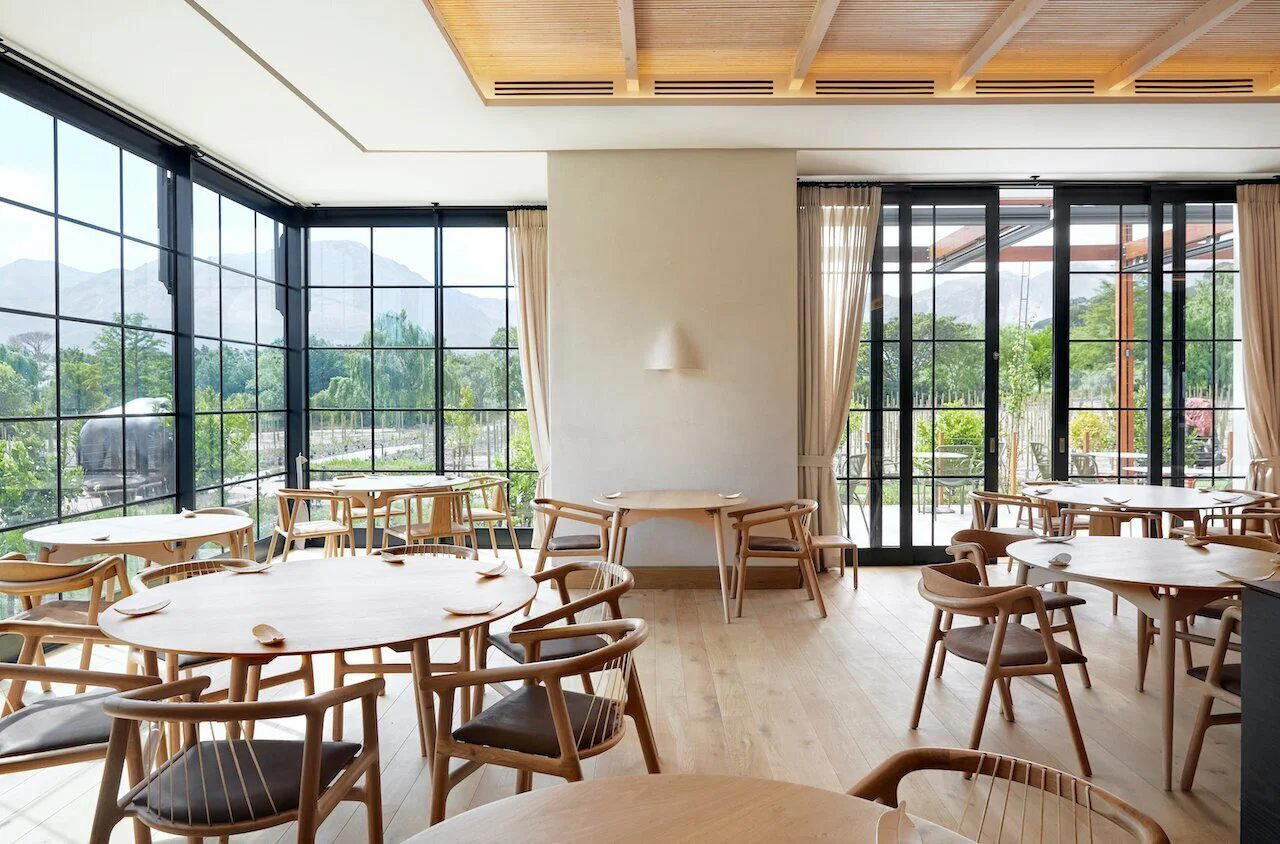
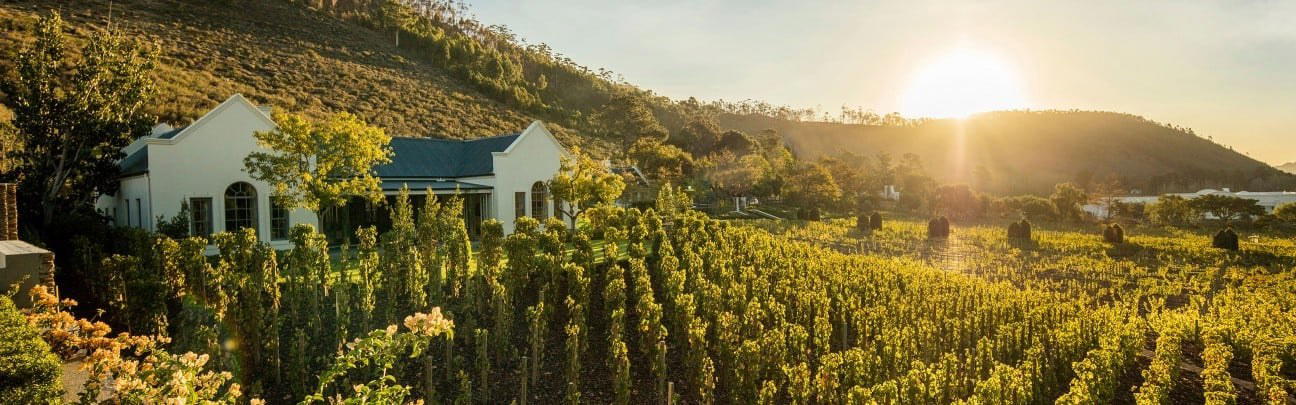
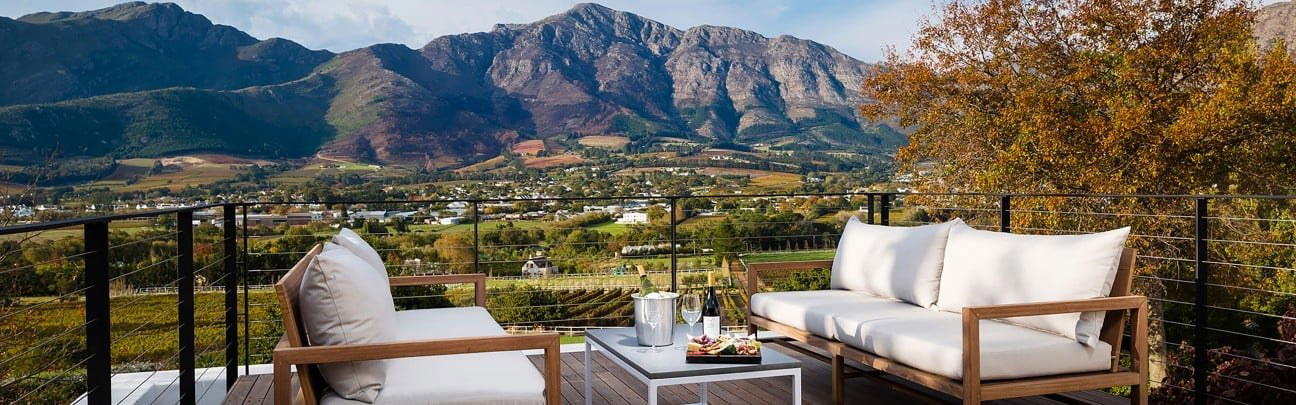
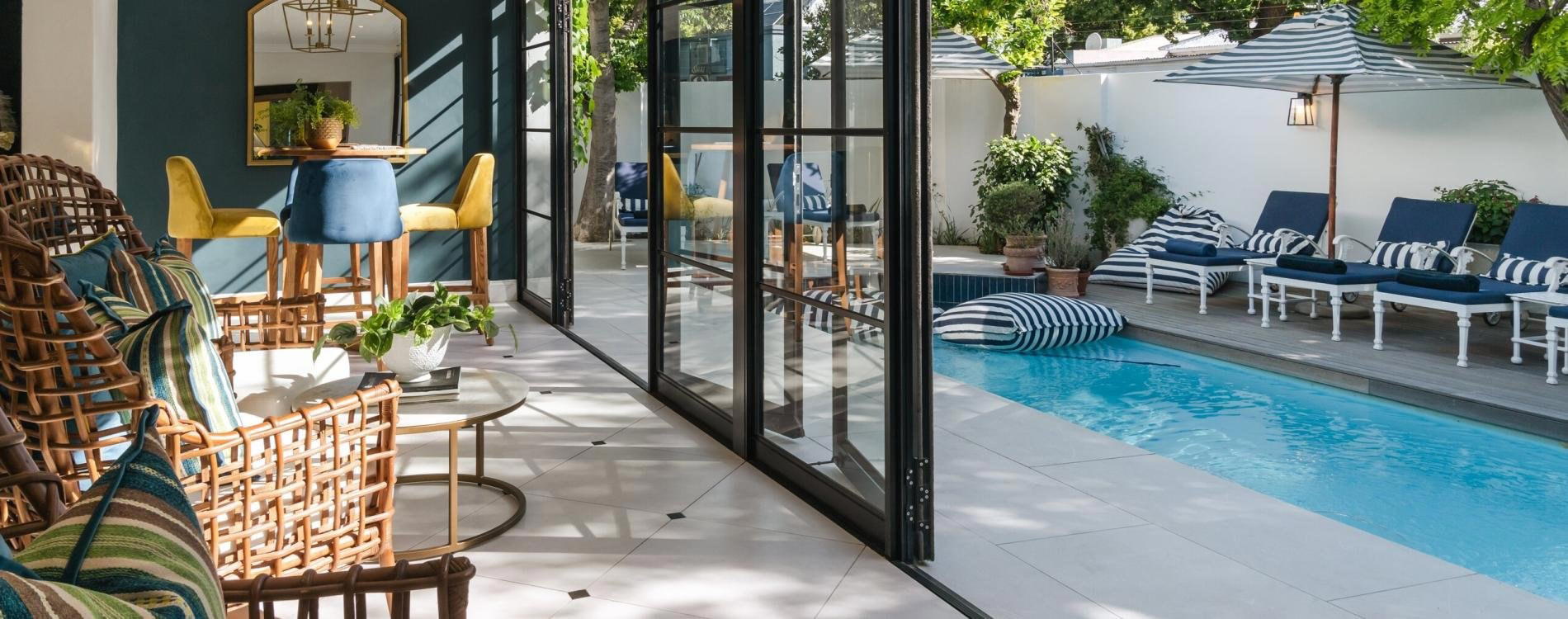
Serene and elegant with historic Cape Dutch architecture, lush gardens, lavender fields, and panoramic mountain and vineyard vistas.