Val de Vie Estate
Val de Vie Estate sits in the Paarl wine corridor along the R301, where Berg River soils and mountain-facing slopes define the growing conditions.. It holds a position in the estate-winery category where land, cellar decisions, and aging programmes carry more weight than visitor volume.

Pearl is the En Primeur Club membership app — saves, bookings, and concierge access live there. Same editors, same standards.
- Address
- R301 Jan Van Riebeeck Dr, Paarl, 7646
- Phone
- +27 21 863 6100
- Website
- valdevie.co.za
- Directions
- Get directions
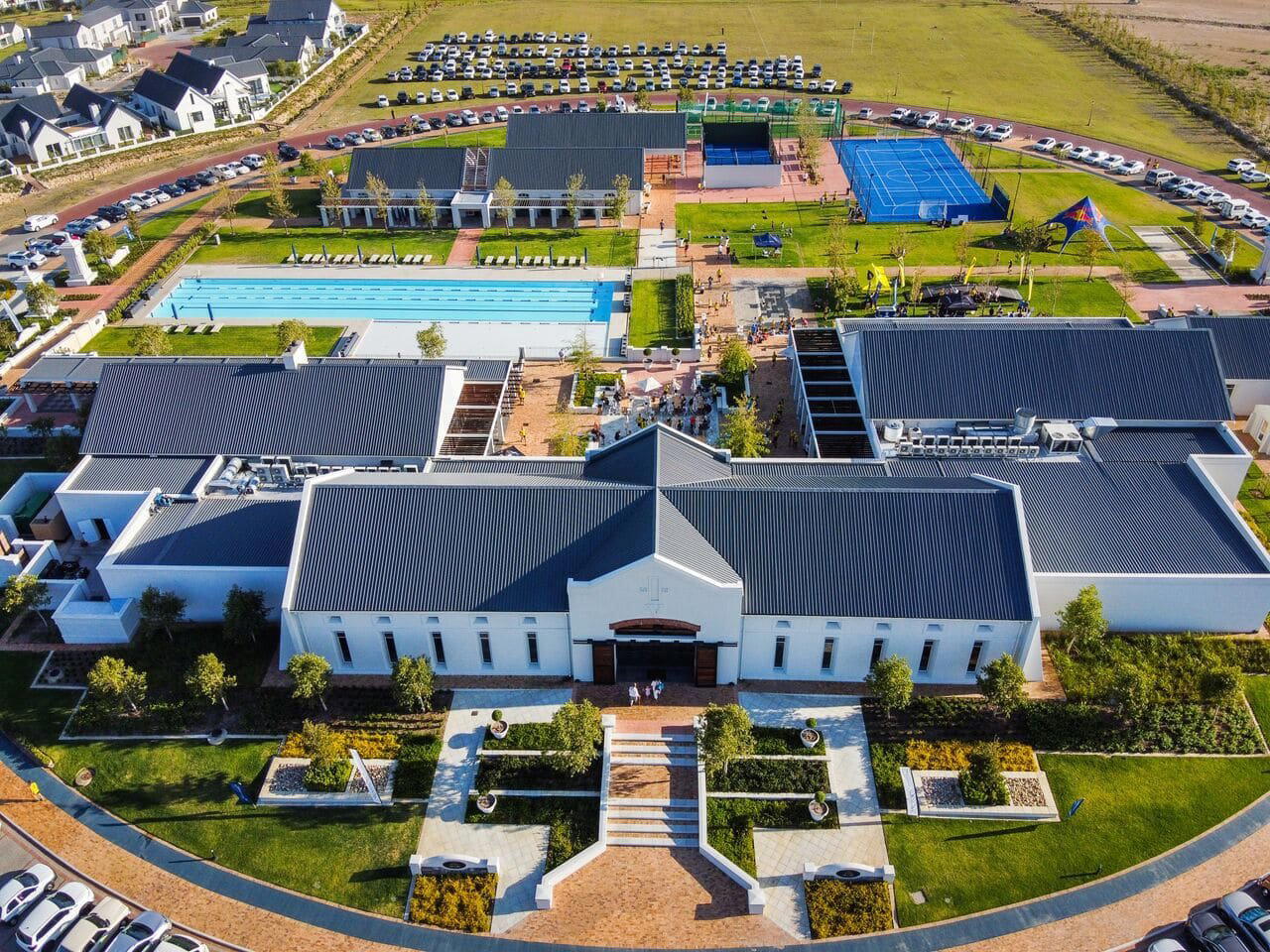
Where the Berg River Corridor Shapes the Wine
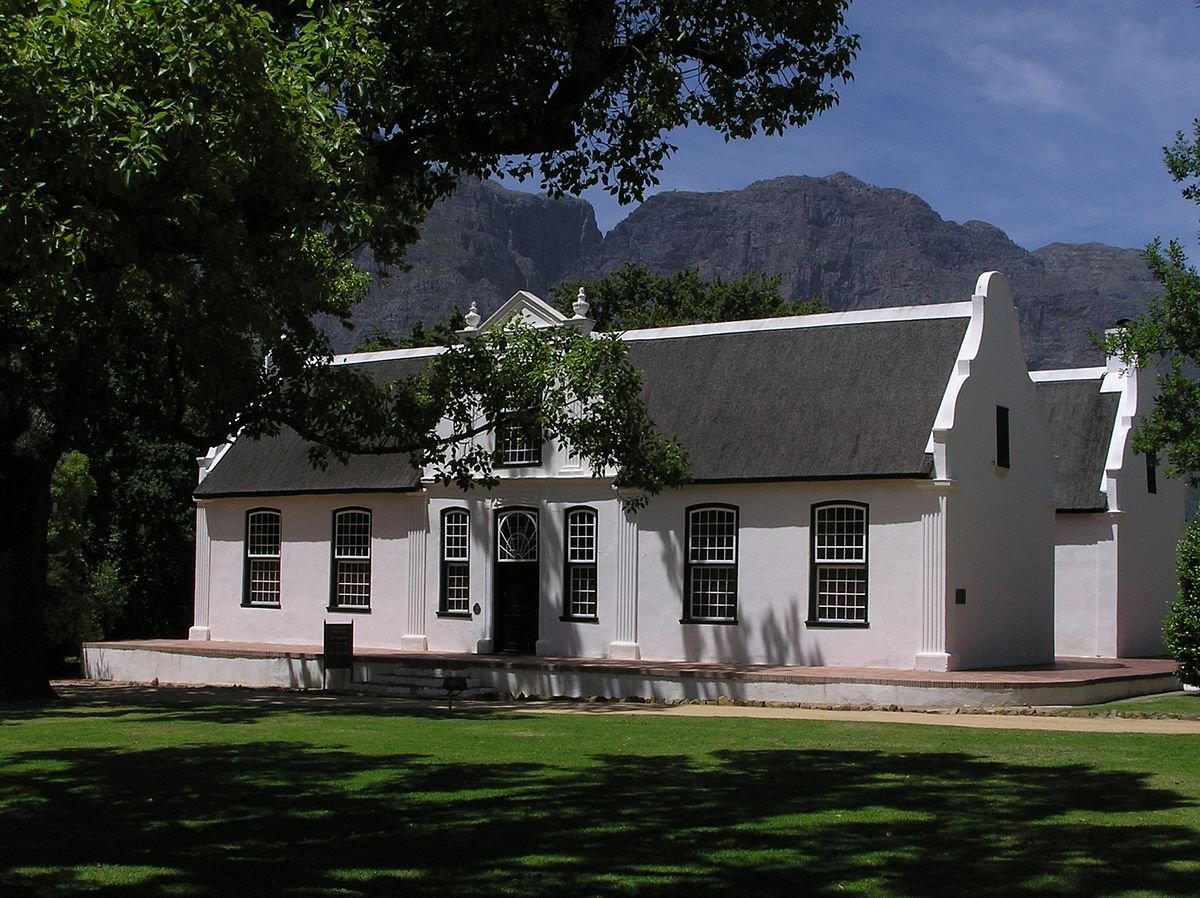
The drive along the R301 Jan van Riebeeck Drive into Paarl tells you something before you arrive anywhere. The road cuts between mountain ranges — the Paarl Rock formations to one side, the Simonsberg foothills receding to the other — and the estates visible from the road are large, land-anchored properties that predate the current wave of boutique Cape wine tourism. Val de Vie Estate sits in this corridor, its address placing it squarely within a stretch of Paarl that has quietly become one of the Western Cape's more serious growing zones, even as Franschhoek and Stellenbosch tend to dominate the international conversation. Paarl's wine identity is distinct: warmer than Stellenbosch's slopes, more continental in character than the coastal Hermanus region, and structured around estates large enough to maintain their own cellars, their own blending programmes, and their own long-term aging decisions.
That scale matters when you are thinking about what a winery actually does after harvest. In smaller production houses, aging decisions are sometimes made by necessity rather than strategy. At estate level in Paarl, there is enough volume and enough infrastructure to make deliberate choices about barrel selection, time in oak, and when a wine moves from cellar to bottle to market.
The Post-Harvest Conversation: Aging in the Paarl Context
South African wine regions have spent the past decade renegotiating their cellar philosophies. The old approach, which favoured extended oak aging and high-extract styles built for export markets, has given way in many cellars to shorter oak contact, older barrels, and blending strategies designed to preserve site character rather than impose a house style. Paarl's warmer growing season produces fruit with natural concentration, which means the cellar decisions that follow harvest are about calibration rather than compensation. Too much new oak on a Paarl Cabernet or Shiraz can obscure what the terroir contributed; the better producers in the valley are increasingly working with a lighter touch in barrel.
The estate-scale properties along the R301 corridor have the advantage of barrel inventory that smaller cellars cannot maintain. The ability to select from French and American oak across different ages of cooperage, to rest wines in concrete or older foudres during part of their maturation, and to blend across sub-blocks of the same variety gives the winemaking team options that directly translate into what ends up in the glass. Val de Vie's Prestige-tier recognition is consistent with this kind of programme, where the awards process rewards sustained cellar discipline across a range of wines rather than crediting a single flashy release.
For context across the Cape, estates like Vergelegen Wine Estate in Somerset West have built international reputations partly on the rigour of their barrel aging and blending decisions, and Constantia Glen in Cape Town has demonstrated that site-specific aging approaches can hold their own against Bordeaux varietal benchmarks. The Paarl corridor is making a similar argument, and Val de Vie is part of that case.
Paarl's wine scene is more varied than casual visitors tend to expect. At one end, KWV Wine Emporium operates at substantial scale with a history rooted in the cooperative era of South African wine. At the other, estates like Laborie Estate have developed a reputation around a more curated visitor experience alongside their production programme. Backsberg represents the family-estate model that has long been central to Paarl's identity, while Fairview Wine & Cheese has carved a distinctive position by pairing its wine range with an artisan cheese programme, drawing visitors for a combined food and wine offer. Glen Carlou has historically been associated with Chardonnay at a time when few Paarl producers were championing white varietals at that quality tier.
That bracket is not large. Across the Western Cape, the Prestige tier of regional recognition functions as a filter for producers whose total quality programme, including cellar execution, aging, and range consistency, clears a bar that most volume-oriented estates do not reach.
For comparison across other Cape regions, Neethlingshof Estate in Stellenbosch and Creation Wines in Hermanus illustrate how estate-level producers in adjacent regions have used sustained awards recognition to build allocation demand. Babylonstoren in Franschhoek has taken a different path, integrating hospitality deeply into the estate model, a direction that several Paarl estates, including those on the R301 corridor, are watching closely.
Beyond the Cape: Putting the Estate Category in Wider Context
The estate winery model, where the same landholding grows the fruit, operates the cellar, and manages the aging programme end to end, has a specific logic that separates it from négociant or cooperative production. At Graham Beck Wines in Robertson, the estate structure has supported a consistent sparkling wine programme built on long lees-aging decisions made possible by in-house cellar control. Accendo Cellars in St. Helena operates in Napa's upper tier on the same logic: full estate control enables the kind of block-by-block blending decisions that define premium-tier positioning. Even outside wine entirely, the principle holds. Oude Molen Distillery in Grabouw applies the same post-production aging focus to spirits, and the Scottish distilling tradition visible at Aberlour in Aberlour is built almost entirely around what happens in the barrel after distillation. The through-line across all of these is that production quality at the top tier is mostly decided in the aging room, not on the vine.
Planning a Visit to Val de Vie Estate
Val de Vie Estate is located on the R301 Jan van Riebeeck Drive in Paarl, roughly an hour from central Cape Town depending on traffic through the N1 corridor. The Paarl wine route is most rewarding between March and May, when harvest activity in the valley gives the estates a different energy and the light through the Berg River valley is at its most useful for understanding what the landscape is actually contributing to the wine. Autumn visits also avoid the high-summer heat that compresses the visitor experience at some of the more exposed estates along the route. Given that booking details for Val de Vie are best confirmed through current channels, arriving with prior contact is advisable rather than assuming walk-in access, which is the general approach at the Prestige tier across Paarl estates. For a broader picture of what Paarl offers across its restaurant and wine estate range, our full Paarl guide covers the valley comprehensively.
Same-City Peers
Comparable venues nearby, for context on price, style, and recognition.
| Venue | Cuisine | Price | Awards | Notes |
|---|---|---|---|---|
| Val de Vie EstateThis venue — the venue you are viewing | Sauvignon Blanc, Chardonnay | $20–30 | Not listed | Not listed |
| Rhebokskloof Wine Estate | Shiraz, Chardonnay | $20–30 | Falstaff Winery - Listed | Paarl |
| Plaisir de Merle | Cabernet Sauvignon, Merlot | Not listed | Not listed | Simondium |
| KWV Wine Emporium | Sauvignon Blanc, Chardonnay | $1–10 | Not listed | Paarl |
| Fairview Wine & Cheese | Shiraz, Pinotage | Not listed | Falstaff Winery - Listed | Suider Paarl |
Continue exploring
More in Paarl
Wineries in Paarl
Browse all →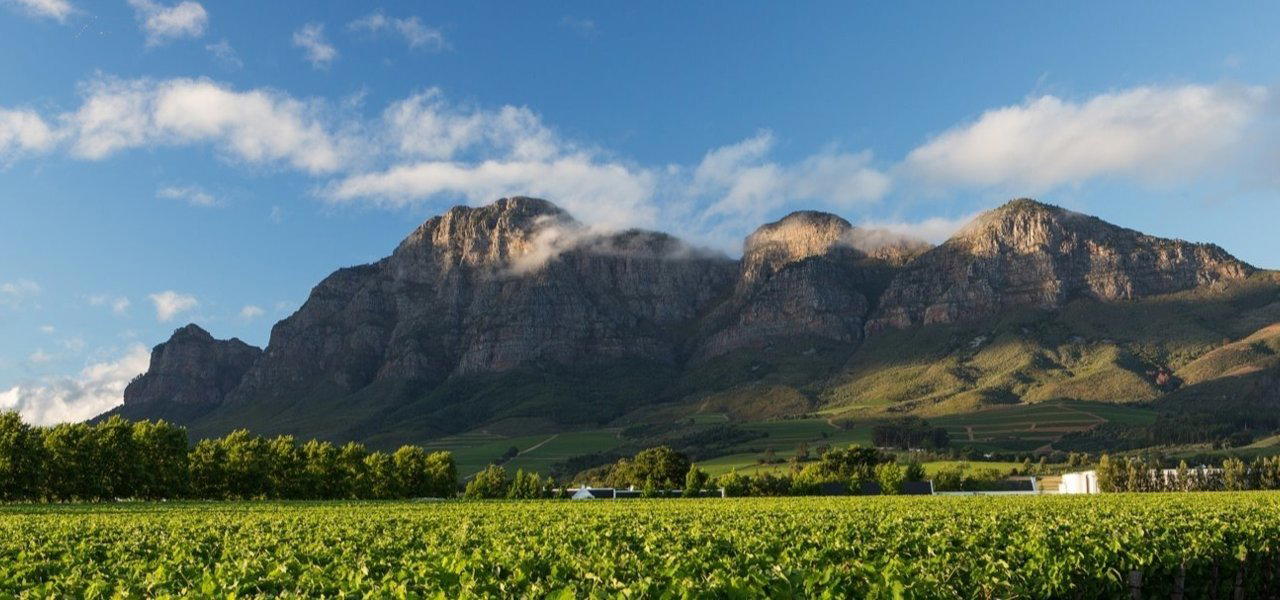
Bars in Paarl
Browse all →
Restaurants in Paarl
Browse all →
Details
- Romantic
- Scenic
- Elegant
- Sophisticated
- Romantic Getaway
- Celebration
- Special Occasion
- Corporate Event
- Wine Education
- Estate Grounds
- Vineyard Tour
- Historic Building
- Panoramic View
- Private Tasting
- Terrace
- Sustainable
- Mountain
- Vineyard
- Garden
- Sauvignon Blanc
- Chardonnay
- Pinot Noir
- Merlot
- Chenin Blanc
- Cabernet Sauvignon
- Shiraz
- Grenache Noir
- Mourvedre
- Cinsaut
- Carignan
- Petite Syrah
- Viognier
- Roussanne
- Grenache Blanche
- Clairette Blanche
- Ugni Blanc
- Still Red
- Still White
- Sparkling
- Wine Tasting
- Private Tasting
- Estate Experience
- English
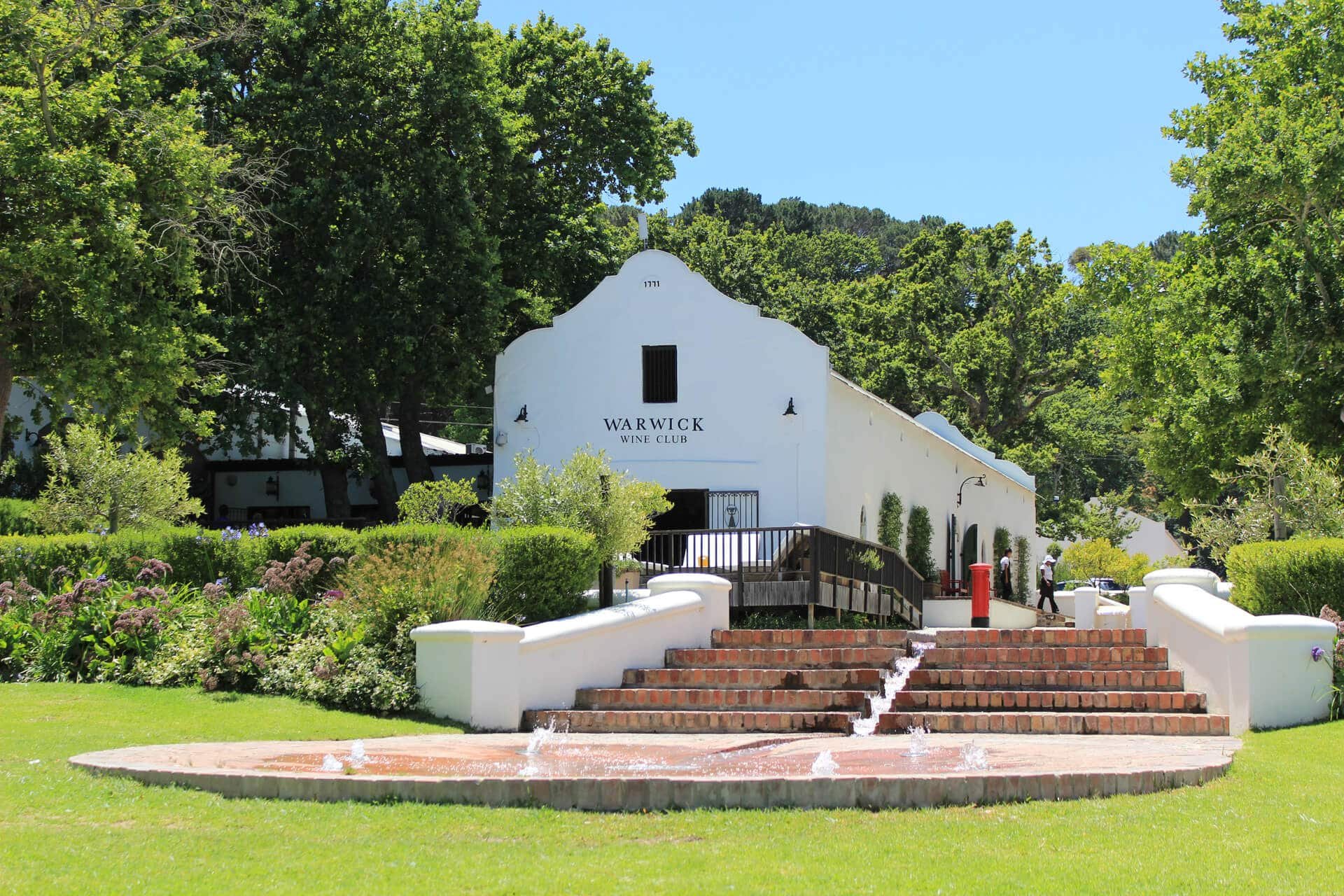
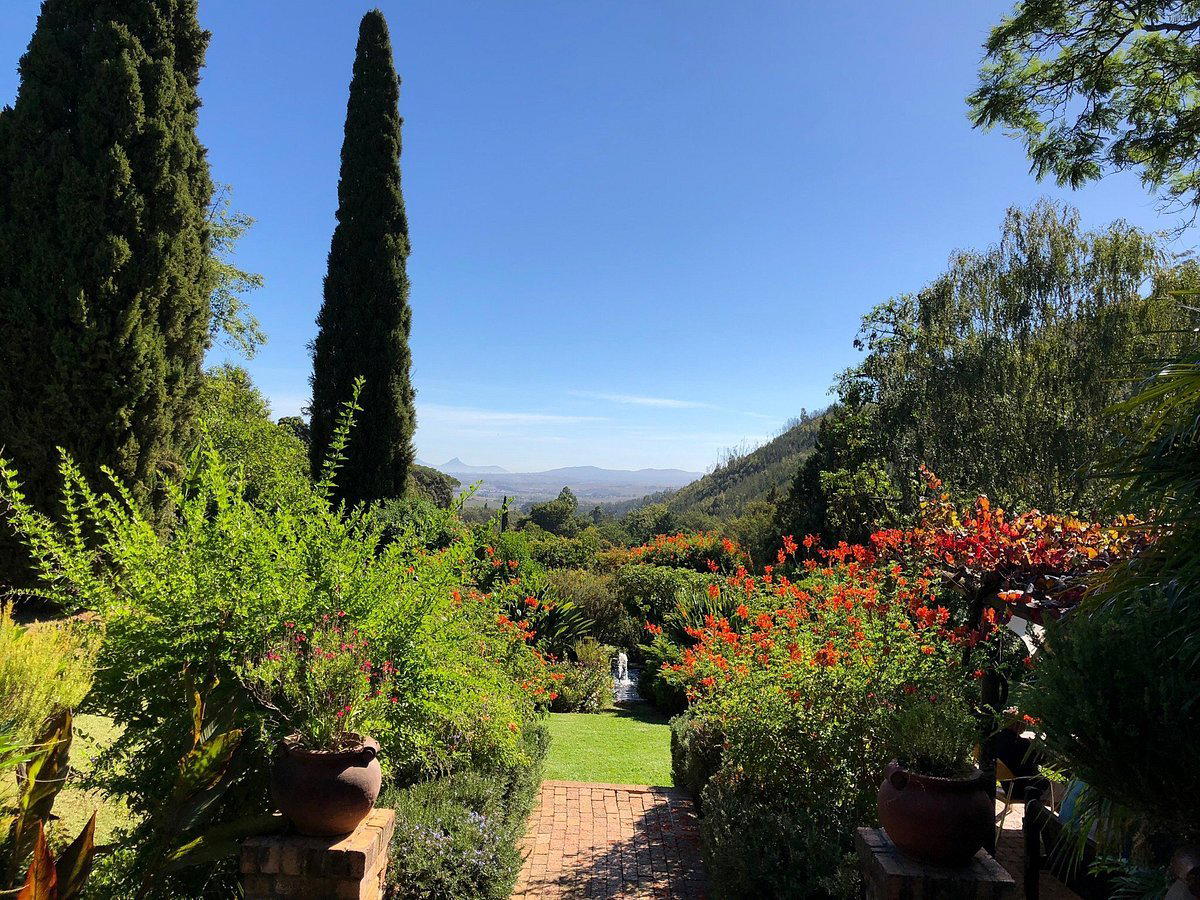
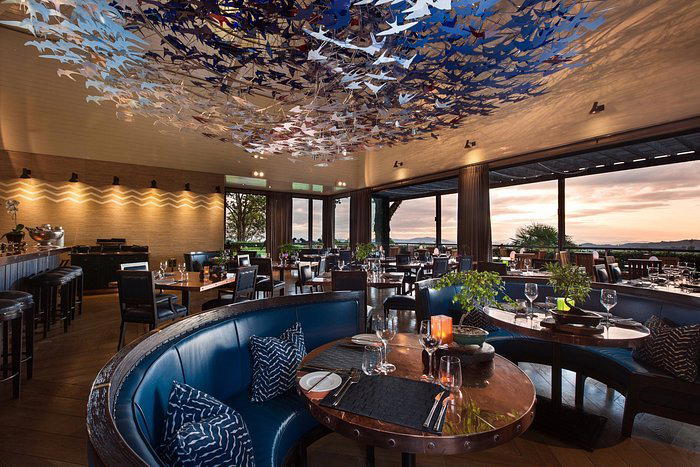
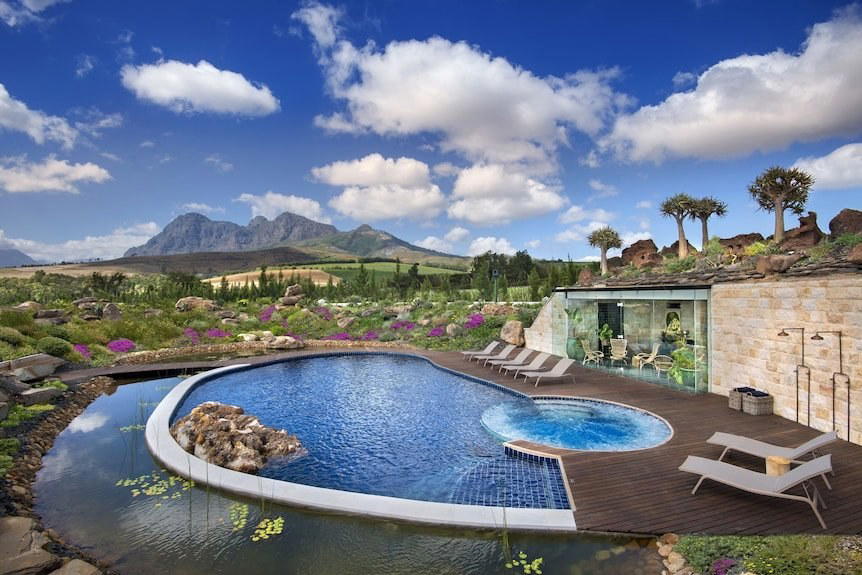
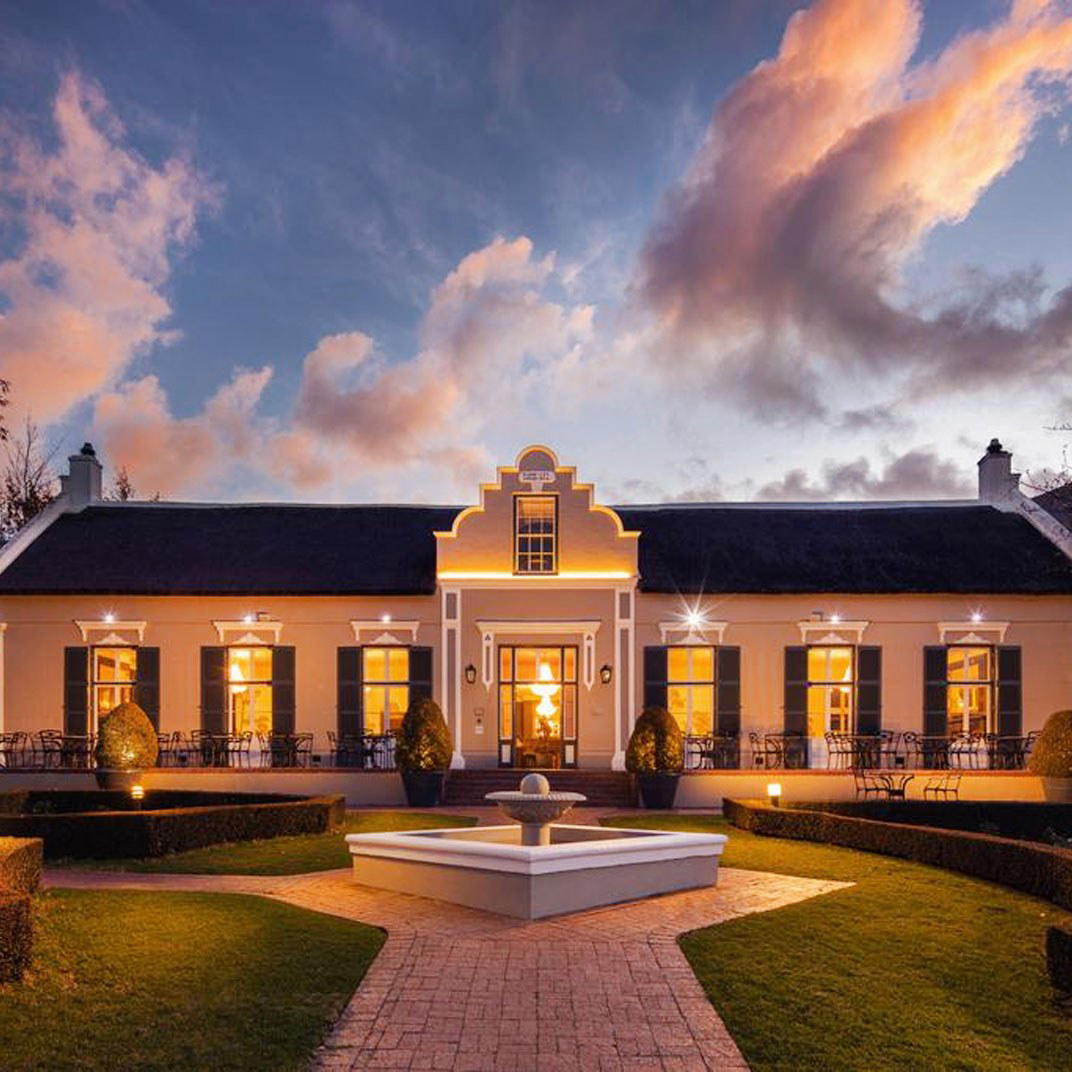
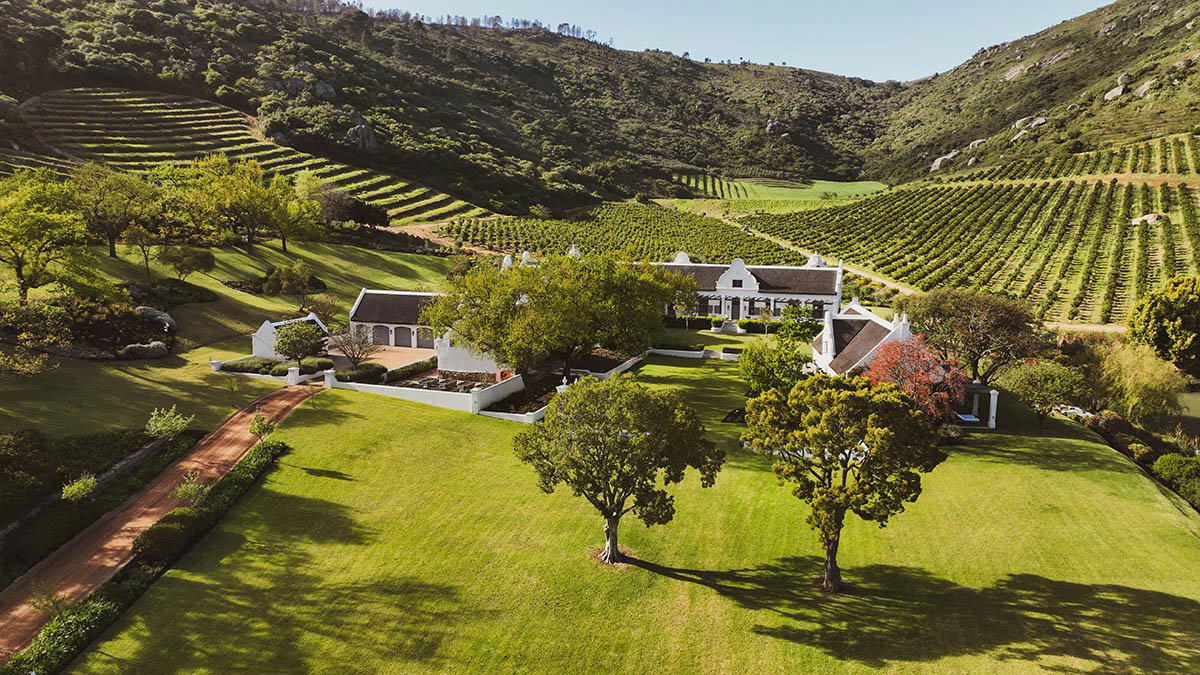
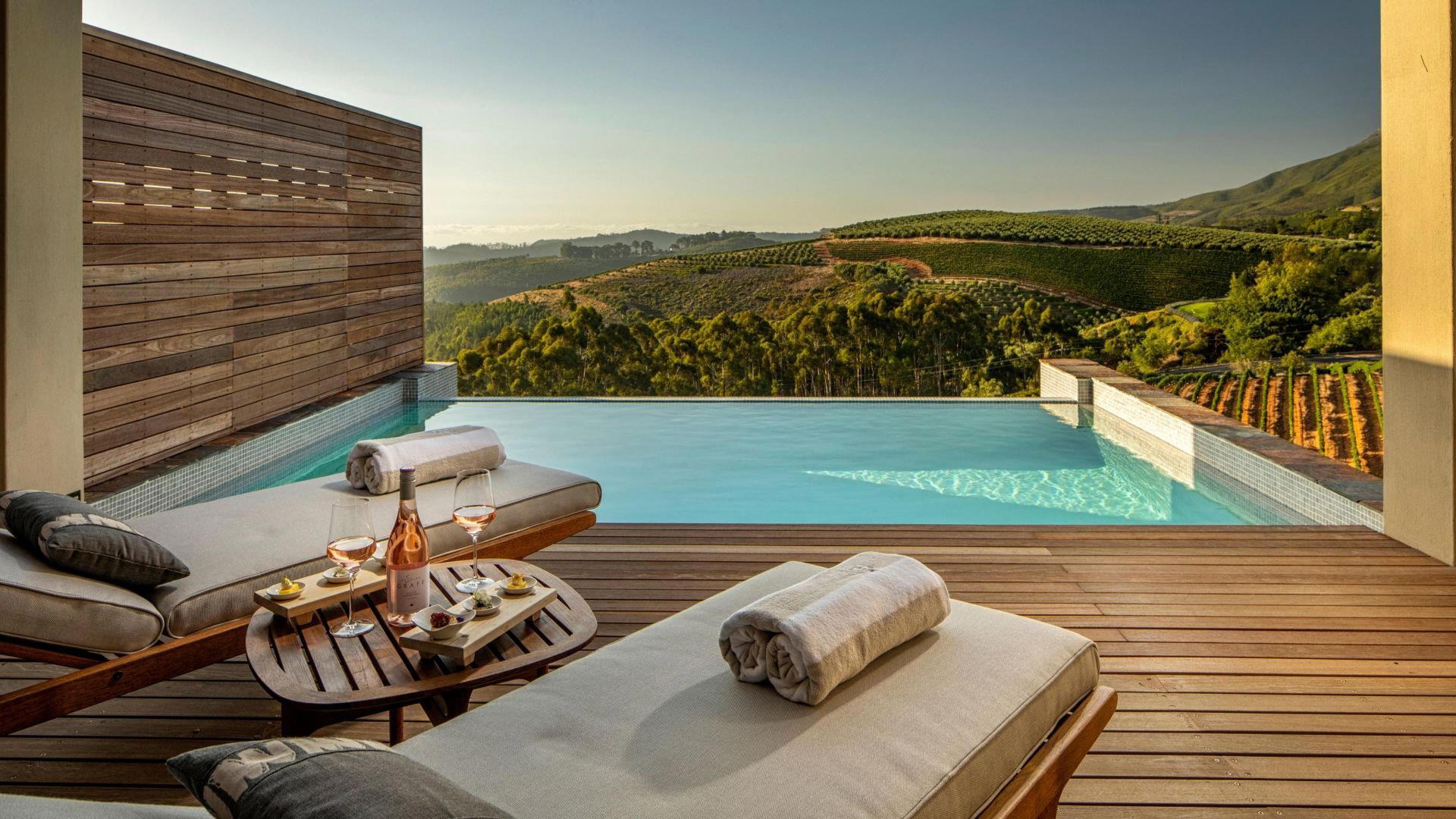
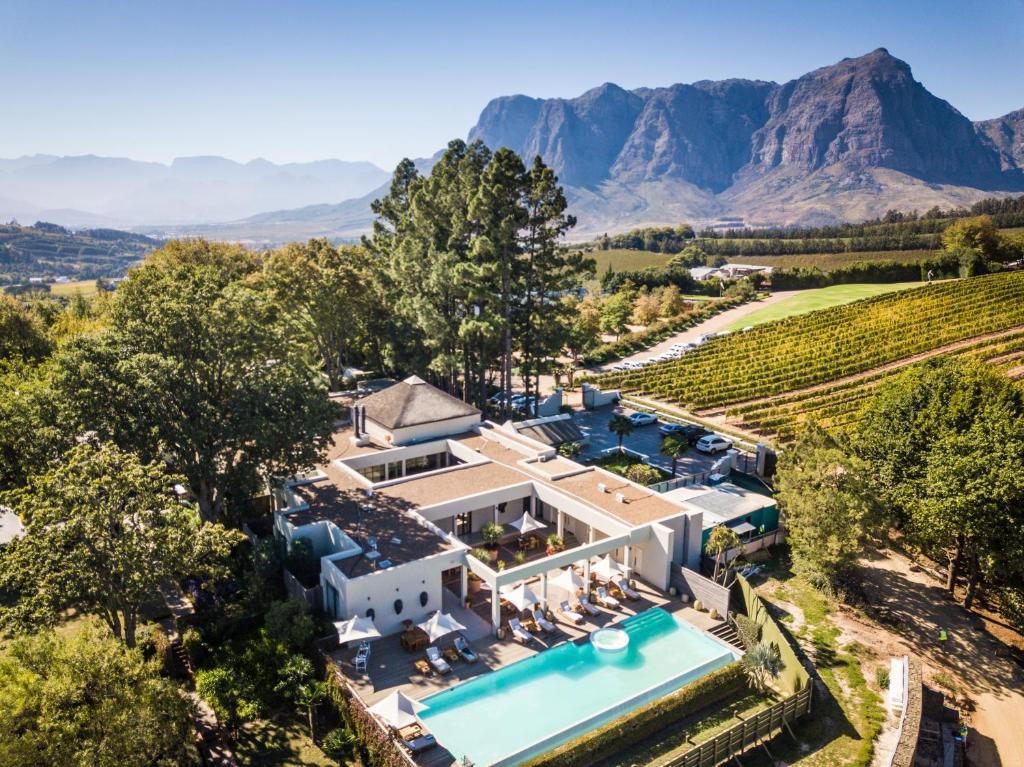
Elegant and refined with mountain and vineyard views, combining historic winemaking tradition with modern luxury in a relaxed country environment.