Basse Provence Country House

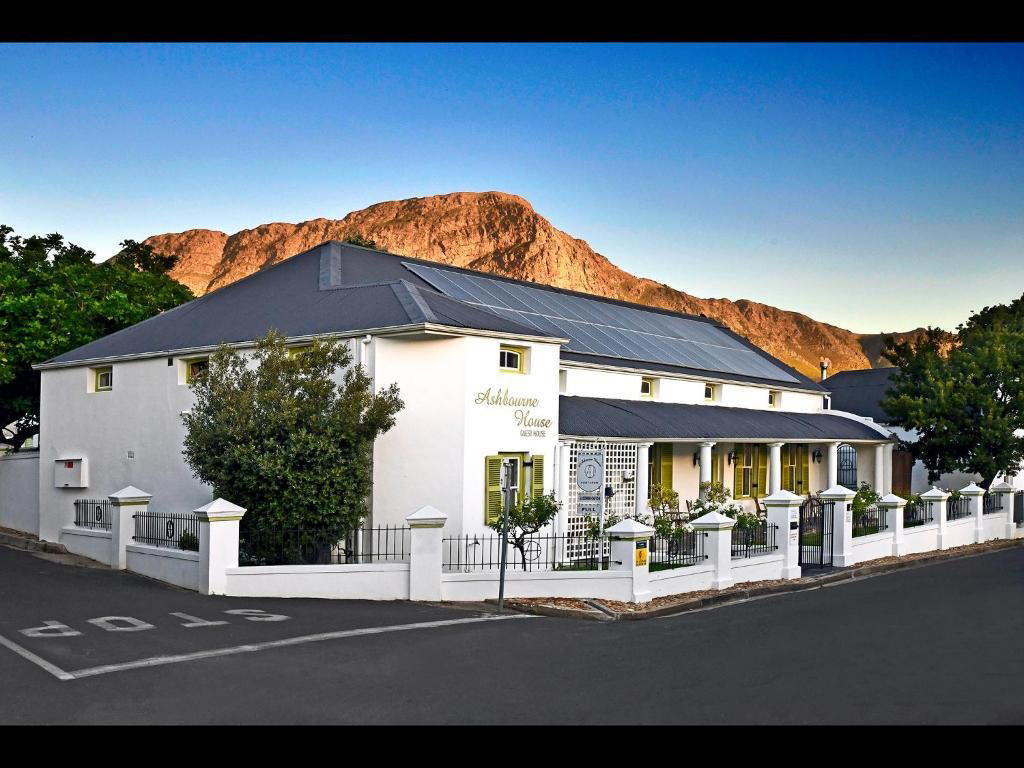
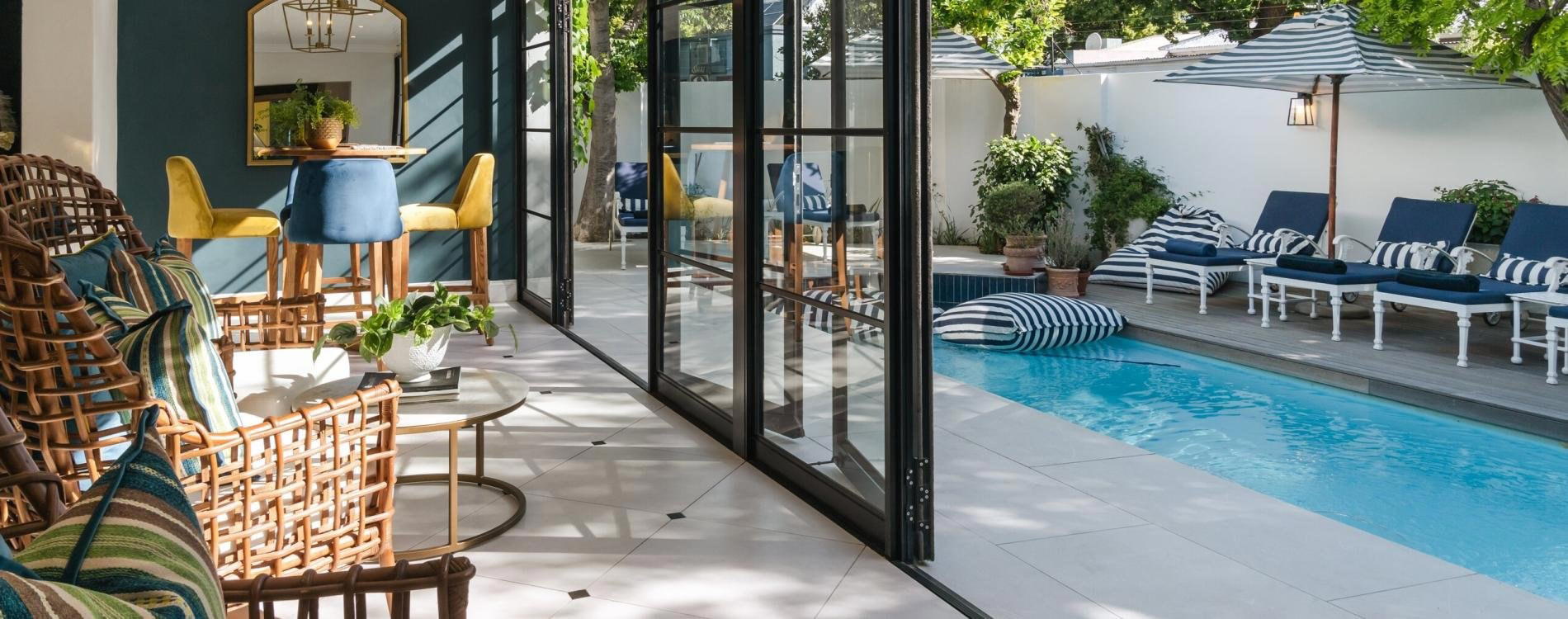
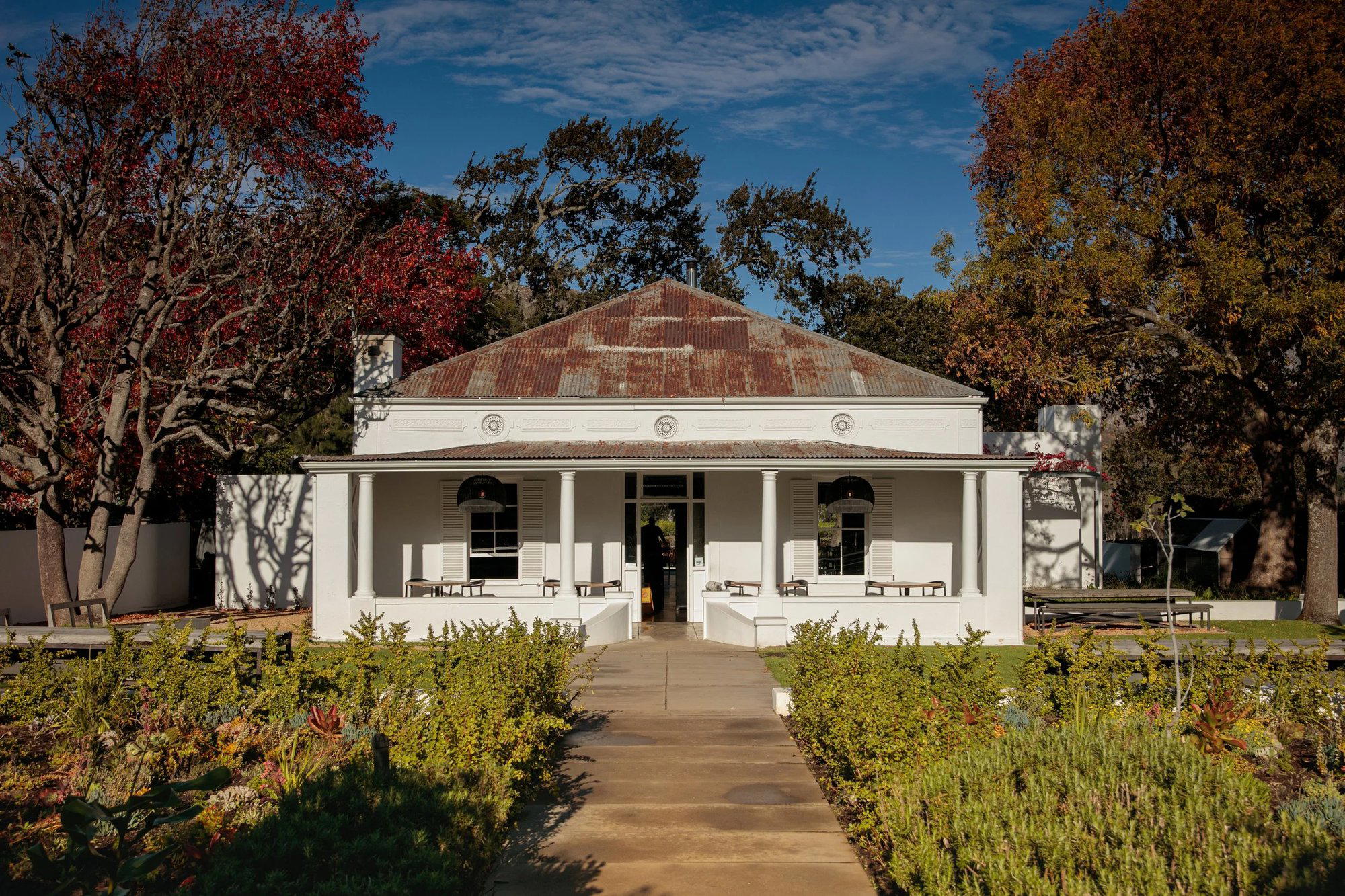
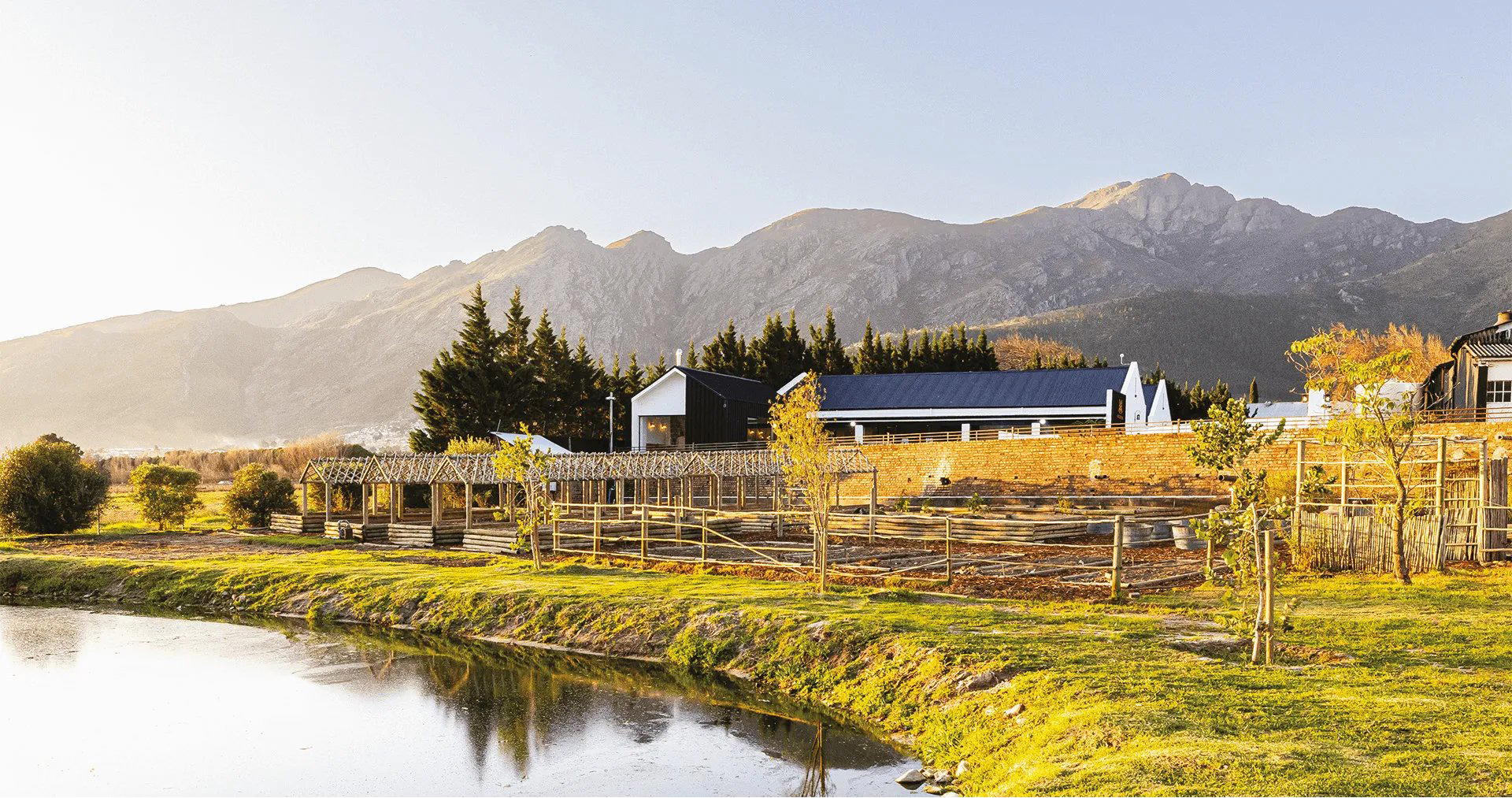
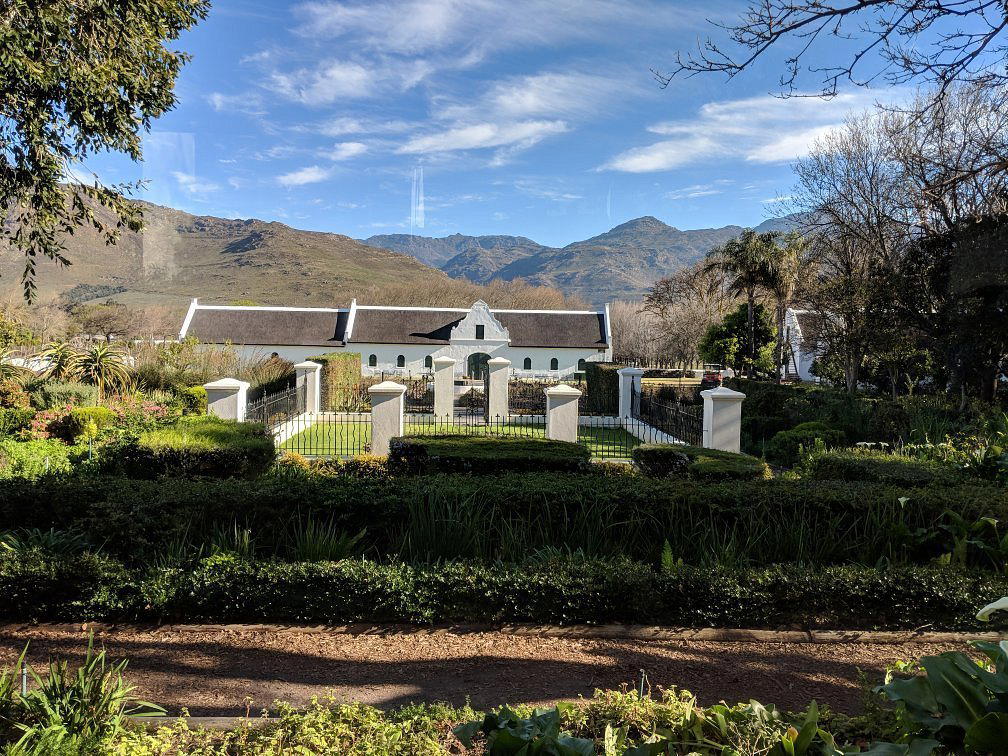
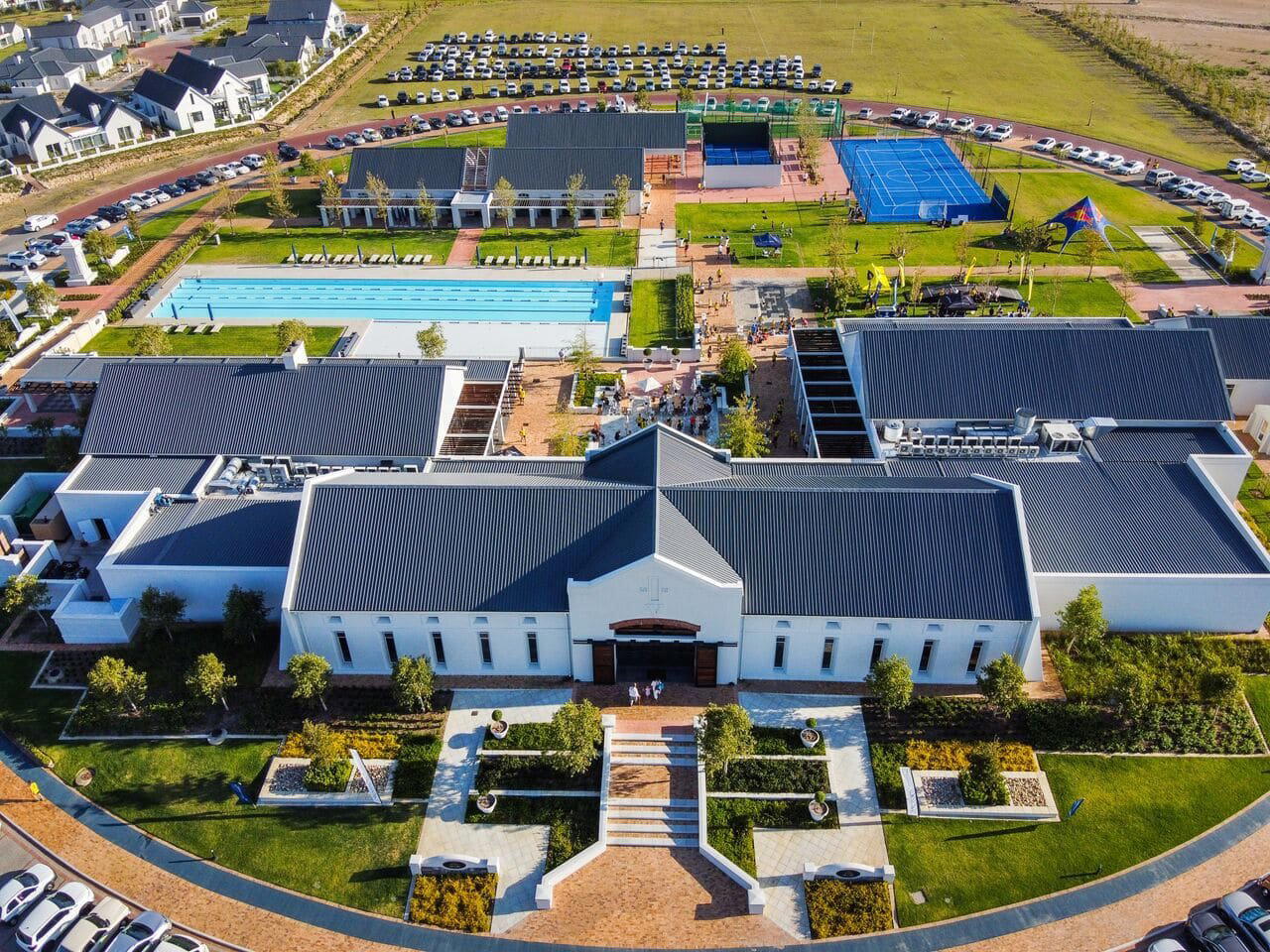
A Michelin Selected country house on Franschhoek's main road, Basse Provence sits within the Cape Winelands' most concentrated hospitality corridor, offering a quieter counterpoint to the valley's larger estate properties. The architecture and setting draw from the Cape Dutch vernacular that defines this stretch of the R45, positioning it in the smaller, character-led tier of Franschhoek accommodation.
Pearl is the En Primeur Club membership app — saves, bookings, and concierge access live there. Same editors, same standards.
- Address
- 45 Main Rd, Franschhoek, 7690, South Africa
- Phone
- +27 21 876 2994
- Directions
- Get directions
 Saves & bookings on Pearl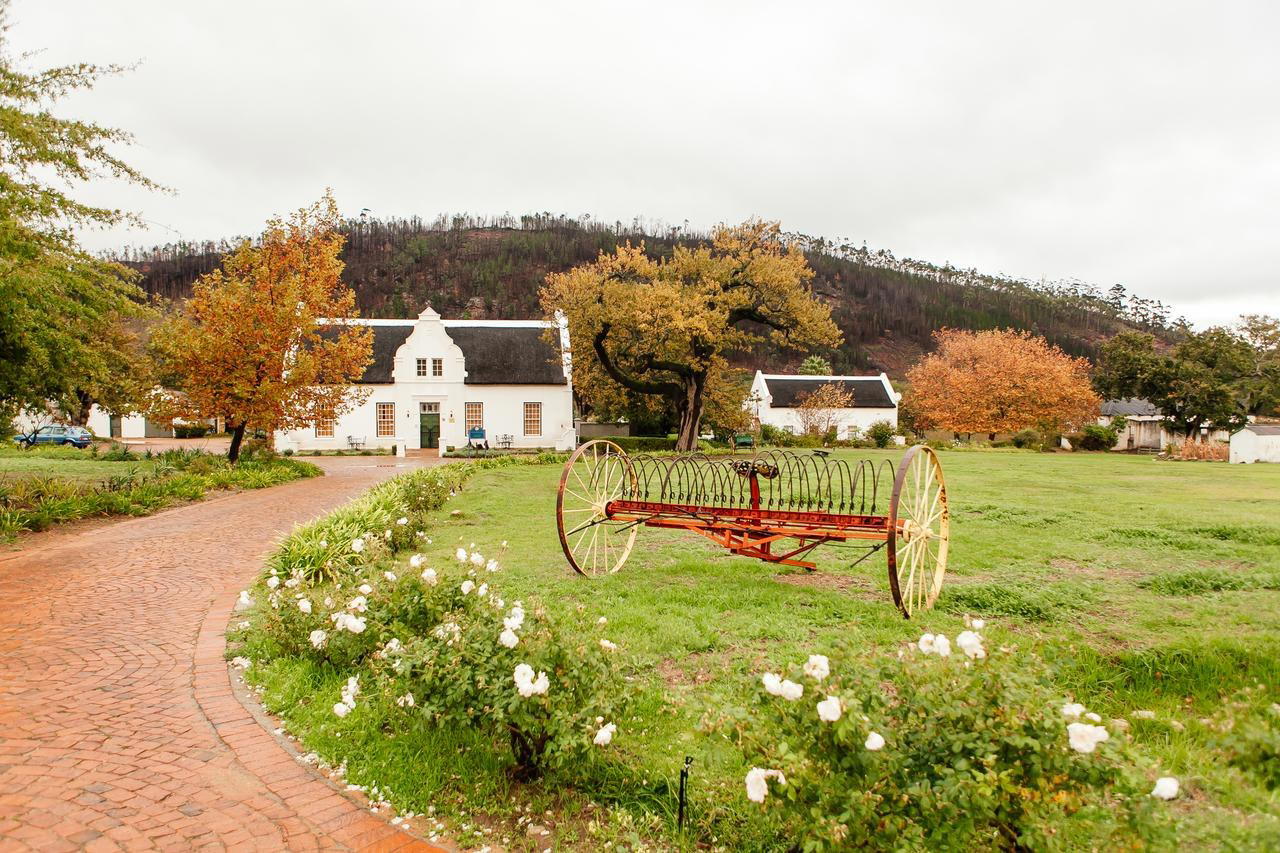
Where the R45 Slows Down
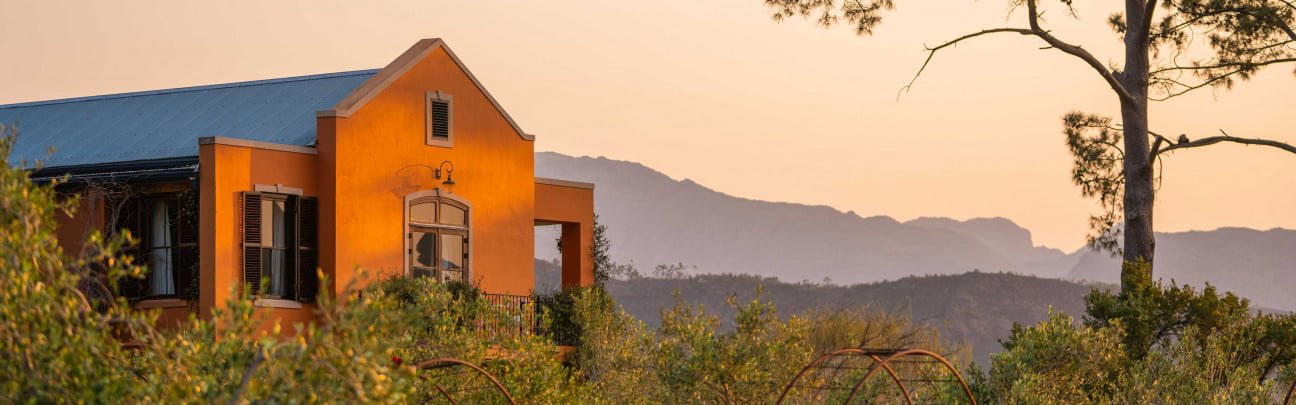
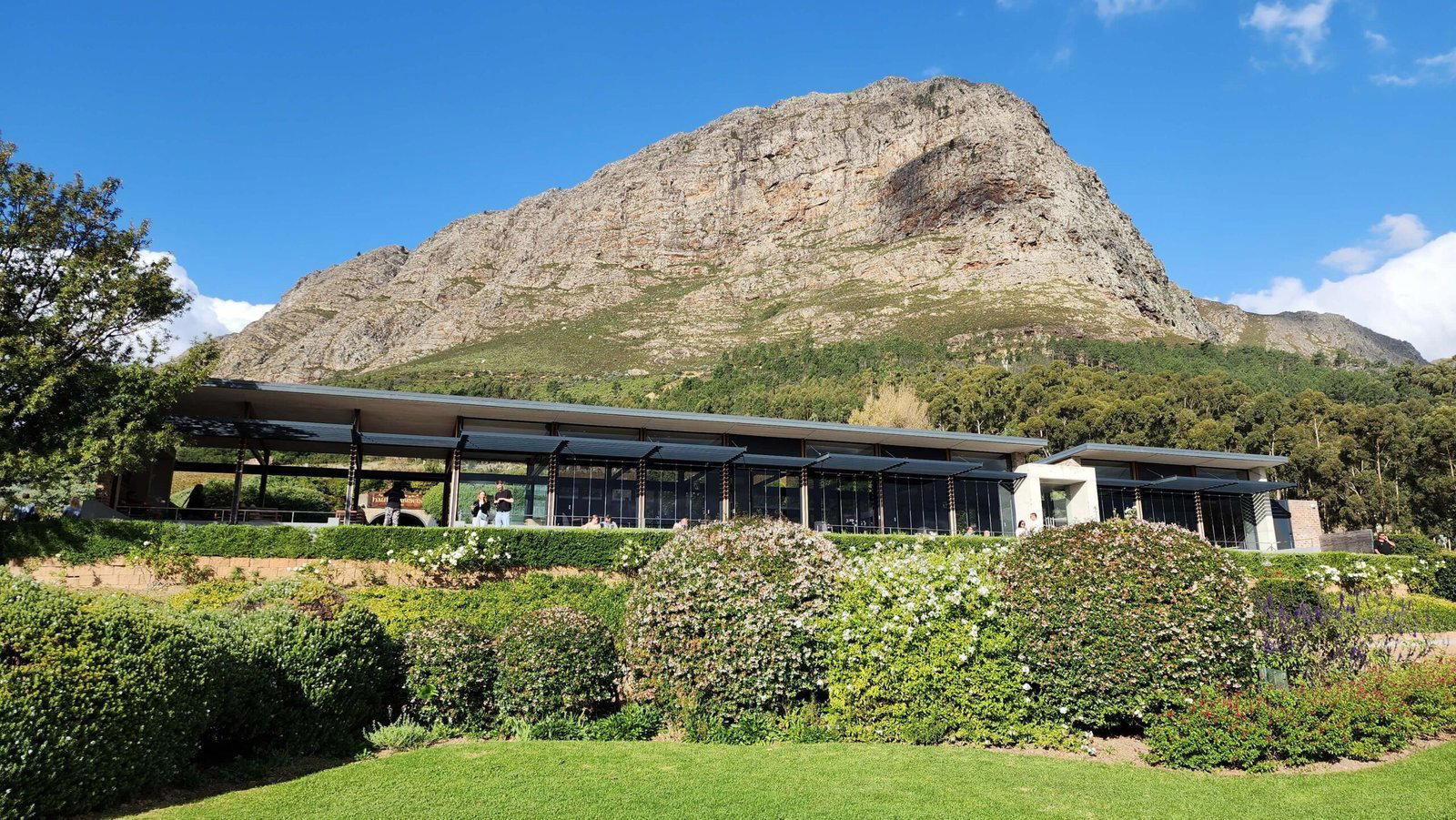
Approaching Franschhoek from the Paarl side, the R45 traces a corridor of whitewashed gables, vineyards pressed close to the road, and mountain faces that shift colour through the afternoon. This is among the more architecturally coherent stretches of road in the Cape Winelands, where the Cape Dutch vernacular is not a stylistic affectation but a structural inheritance from the original Huguenot land grants of the late seventeenth century. Basse Provence Country House sits at 45 Main Rd, Franschhoek, 7690, South Africa, placing it squarely within the valley's established hospitality band rather than refined on a hillside or tucked behind a wine estate gate.
That positioning matters. Franschhoek has spent the past two decades splitting into two accommodation tiers: large estate-anchored properties with spa facilities, multiple restaurants, and expansive grounds, and smaller, house-scale properties that trade on intimacy, design coherence, and direct access to the village. Basse Provence belongs to the second group, in company with addresses like Akademie Street Boutique Hotel and Guest House and, at the upper end of that format, Le Quartier Francais. The logic of choosing this tier over a larger estate property is direct: the guest-to-staff ratio is tighter, the architecture is more readable as a single composition, and the morning walk to Franschhoek's restaurant strip is measured in minutes rather than a shuttle ride.
The Cape Dutch Frame
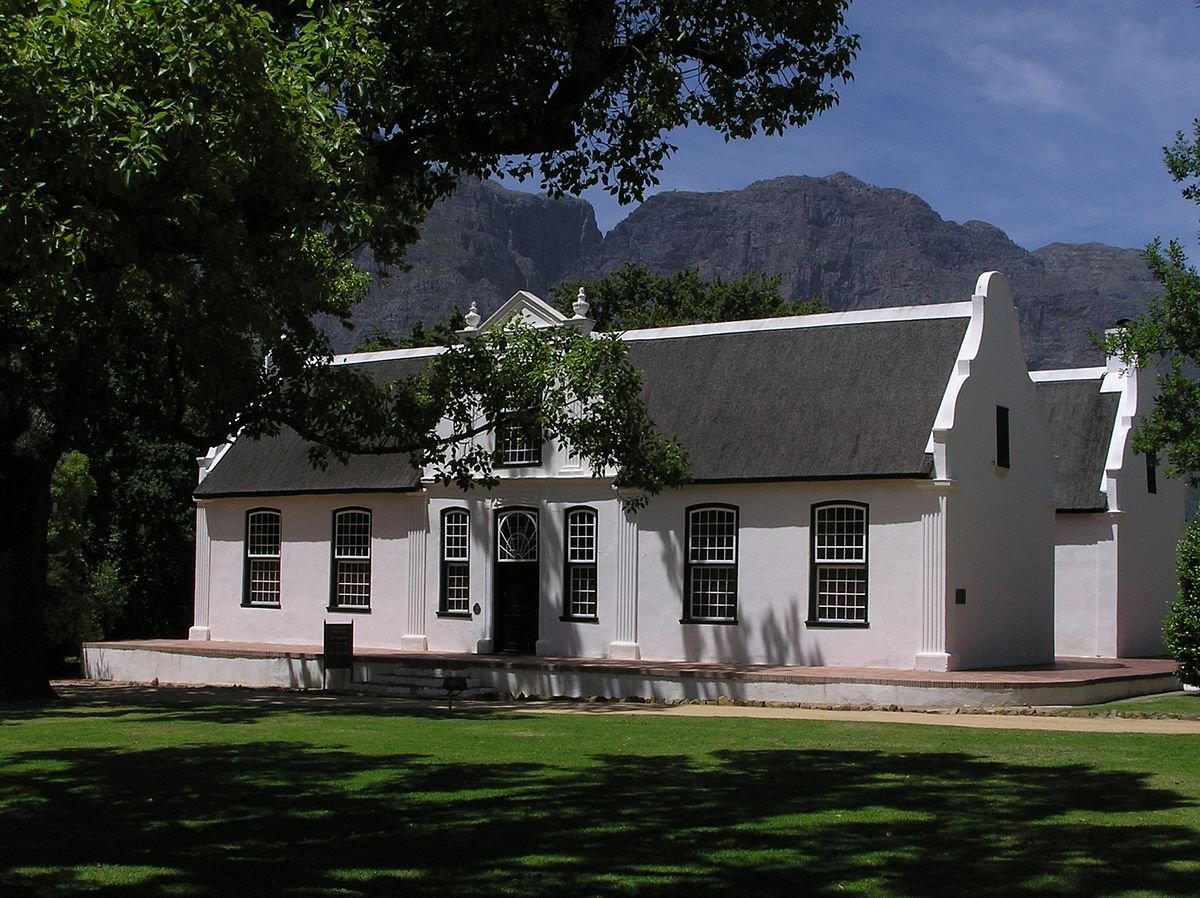
Country houses of this type in the Western Cape draw from a design vocabulary that has remained remarkably stable since the VOC period: thick lime-washed walls, thatched or slate rooflines, shuttered windows proportioned for both ventilation and shade, and a relationship to the surrounding mountains that feels deliberate rather than incidental. The Cape Dutch farmhouse was an engineering response to a specific climate, and properties that maintain those proportions tend to age in a way that more architecturally adventurous buildings in the valley do not.
What distinguishes the better examples of this format from mere pastiche is whether the interior logic matches the exterior composition. The risk with country house conversions throughout the Franschhoek valley is that the original farmhouse envelope gets preserved while the interior is renovated in a generically comfortable direction that erases the spatial qualities that made the building worth preserving. The properties that handle this leading, including several along the R45 corridor, tend to keep ceiling heights, floor materials, and room proportions close to their original configuration rather than homogenising them toward a boutique hotel standard.
Basse Provence holds a Michelin Selected designation in the 2025 Michelin Hotels guide, which signals a consistent baseline of quality across physical comfort, service, and setting. Within Franschhoek's competitive set, that credential places it in confirmed territory alongside properties like La Petite Ferme and La Residence, which also carry Michelin recognition in the valley.
How It Fits the Valley's Wider Map
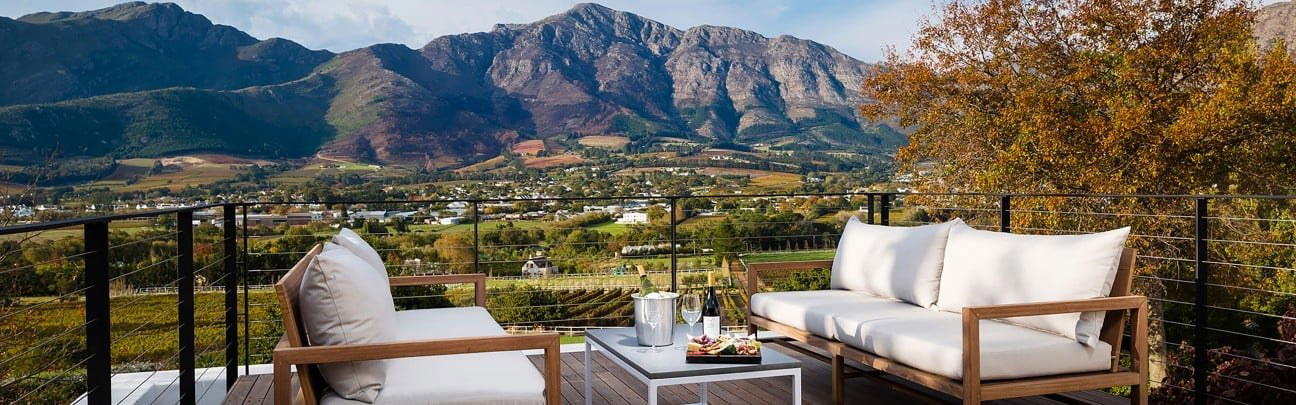
Franschhoek is a small town with an outsized hospitality infrastructure, which means the choice of where to stay shapes the experience more than it would in a larger city. The valley's upper-tier estate properties, among them Leeu Estates and Mont Rochelle, offer self-contained environments where leaving the property is optional. Smaller houses like Basse Provence operate on a different premise: the property is a base, and the valley is the programme. That means access to Franschhoek's restaurant concentration, its wine tram route across the valley's farm roads, and the walking-distance reach of the village's food and wine retail strip.
For visitors building a wider Cape itinerary, Franschhoek sits roughly 75 kilometres east of Cape Town, making it a workable combination with the city's own accommodation options, including Mount Nelson in Cape Town. The drive through the Franschhoek Pass or via Stellenbosch adds meaningful landscape to the transfer. Properties like Clouds Estate in Stellenbosch and The Marine in Hermanus extend that Cape circuit further for travellers not anchoring in the Winelands alone.
For guests combining a Winelands stay with a safari leg, the practical gap between Franschhoek and the Kruger or Sabi Sand reserves is substantial, but properties like Singita in Kruger National Park, Singita Ebony Lodge in Sabi Sand, and Thornybush Game Lodge in Bushbuckridge are well-established pairings for South Africa itineraries that move between wine country and game reserve. Pondoro Game Lodge in Hoedspruit and MalaMala Game Reserve offer further options in the greater Kruger zone.
Planning a Stay
The Franschhoek valley operates on a seasonality that is worth understanding before booking. Summer (November through February) brings the heaviest visitor concentration, with the village restaurants fully booked on weekends and wine farm tasting rooms running at capacity. Autumn harvest, from late February through April, is the period most aligned with the wine industry's own rhythm and tends to attract visitors with a specific interest in following the vintage. Winter (June through August) is quiet, cooler, and increasingly promoted by the valley's properties as a value-period alternative, with fewer crowds and the mountain views occasionally cloud-draped in dramatic rather than inconvenient ways.
Reservations for Basse Provence are managed directly via the property on the R45. Given the smaller scale of country house properties in this tier, peak-season availability closes faster than the larger estate hotels, and advance planning of six to eight weeks is prudent for summer weekends.
Other properties worth considering within the same general Franschhoek tier include Leeu House in the village itself and Sterrekopje Healing Farm for a more wellness-oriented approach to the valley.
Comparison Snapshot
Comparable venues nearby, for context on price, style, and recognition.
| Venue | Cuisine | Price | Awards | Notes |
|---|---|---|---|---|
| Basse Provence Country HouseThis venue — the venue you are viewing | Cape Dutch manor house on wine estate | $$$ | 4-Star | Not listed |
| La Petite Ferme | Traditional country-style luxury with contemporary Cape Dutch architecture blending heritage design with modern elegance. | $$$$ | 4-Star | Franschhoek |
| Mont Rochelle | Cape Dutch architecture with contemporary interiors amidst a wine estate | $$$$ | 5-Star | Franschhoek |
| La Residence | Cape château on a private vineyard estate | $$$$ | 5-Star | Franschhoek |
| The Last Word Franschhoek | historic Cape Huguenot residence with modern comforts | $$$$ | Michelin 1 Key | Franschhoek village |
| Sterrekopje Healing Farm | Restored 17th-century healing farm sanctuary blending regenerative agriculture with luxurious, handcrafted accommodations. | $$$$ | Not listed | Franschhoek |
Recognition history
Dated appearances from independent guides and award organizations, with the underlying list record or original source where available.
Michelin Selected
Michelin
Continue exploring
More in Franschhoek
Hotels in Franschhoek
Browse all →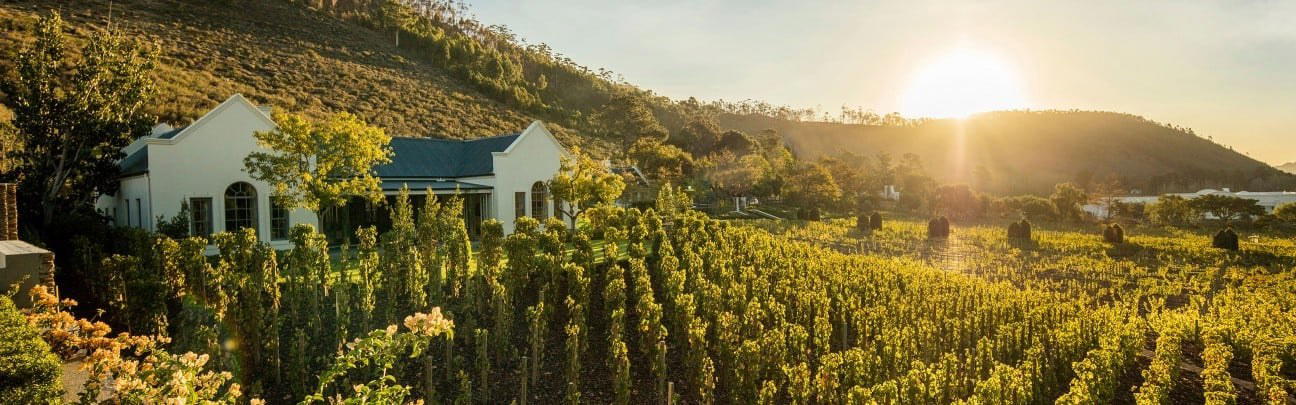
Bars in Franschhoek
Browse all →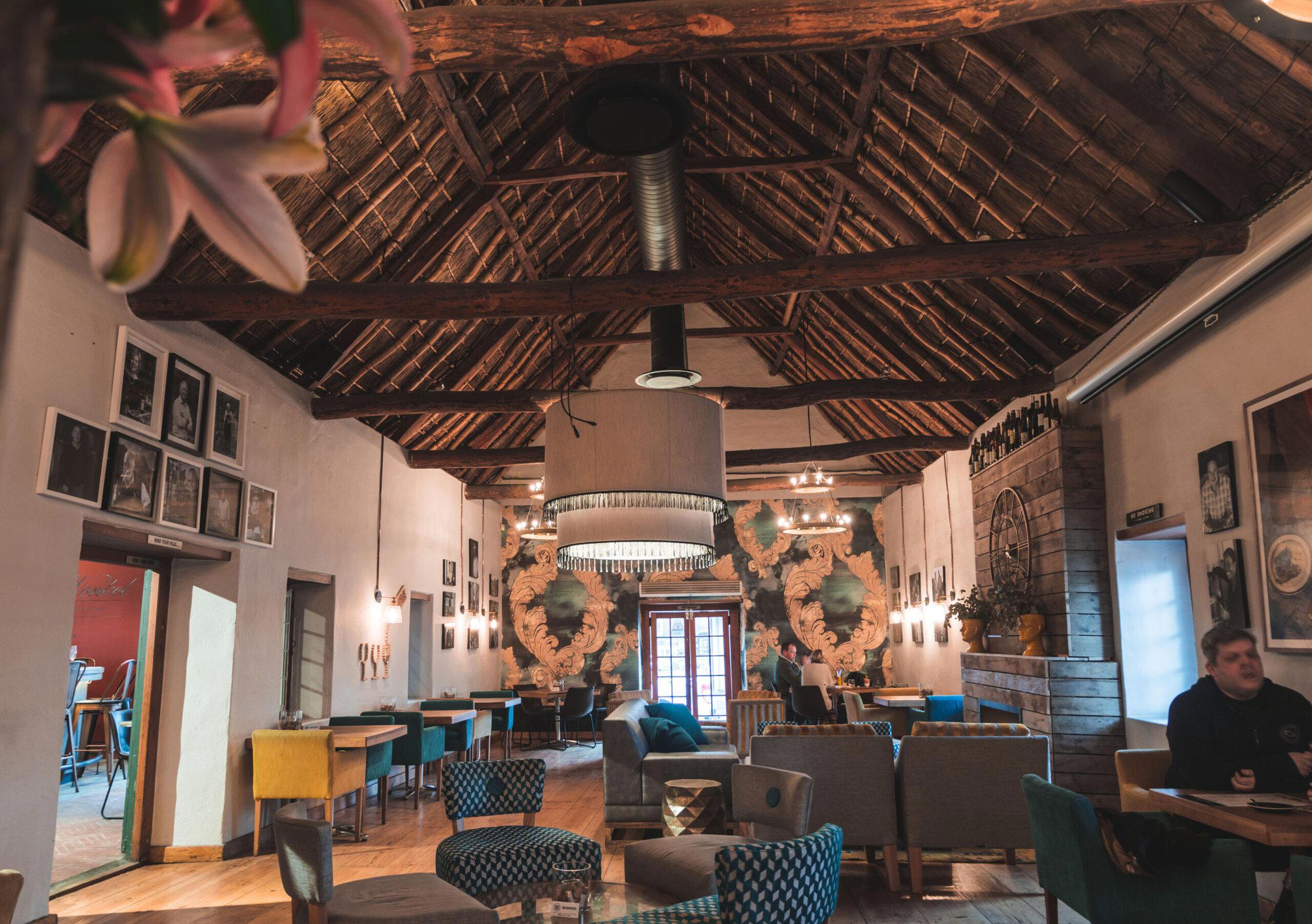
Restaurants in Franschhoek
Browse all →
At a Glance
- Classic
- Quiet
- Scenic
- Rustic
- Elegant
- Romantic Getaway
- Family Vacation
- Weekend Escape
- Historic Building
- Panoramic View
- Wi Fi
- Pool
- Spa
- Laundry Service
- Air Conditioning
- Mountain
- Vineyard
- Garden
- Wi Fi
- Pool
- Spa
- Laundry Service
- Air Conditioning
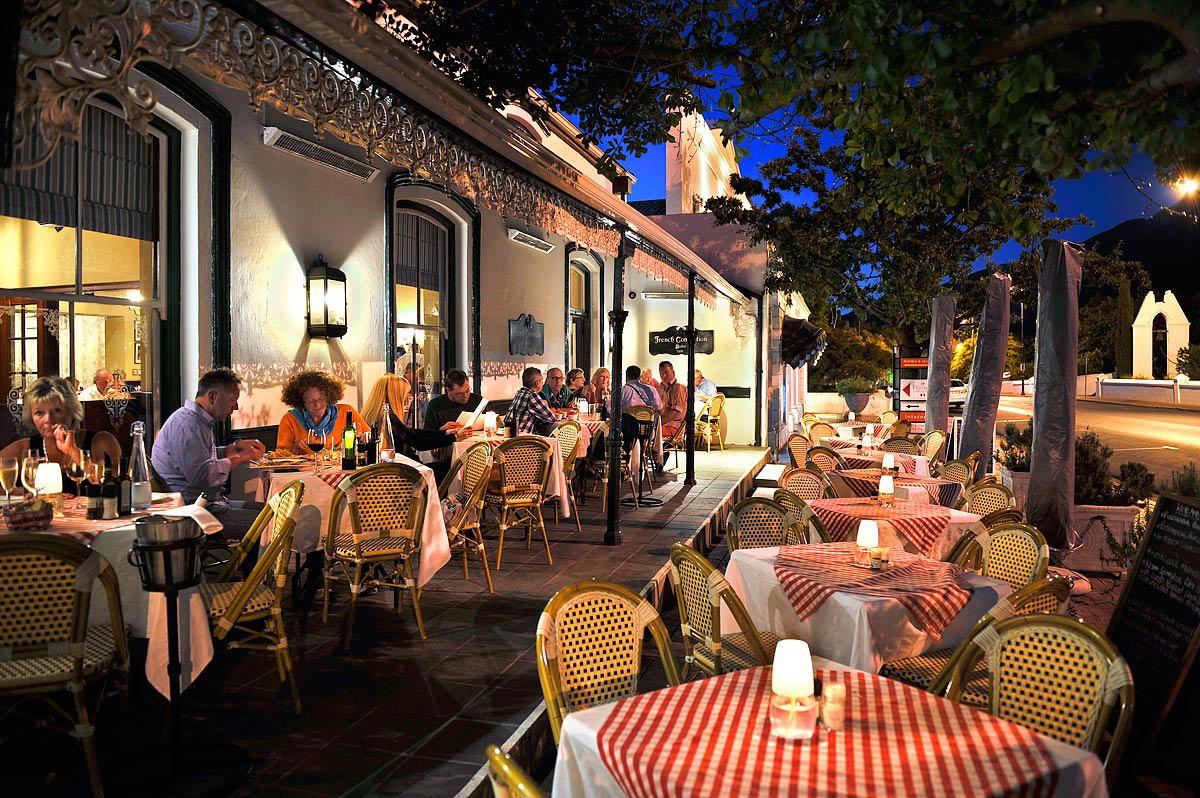
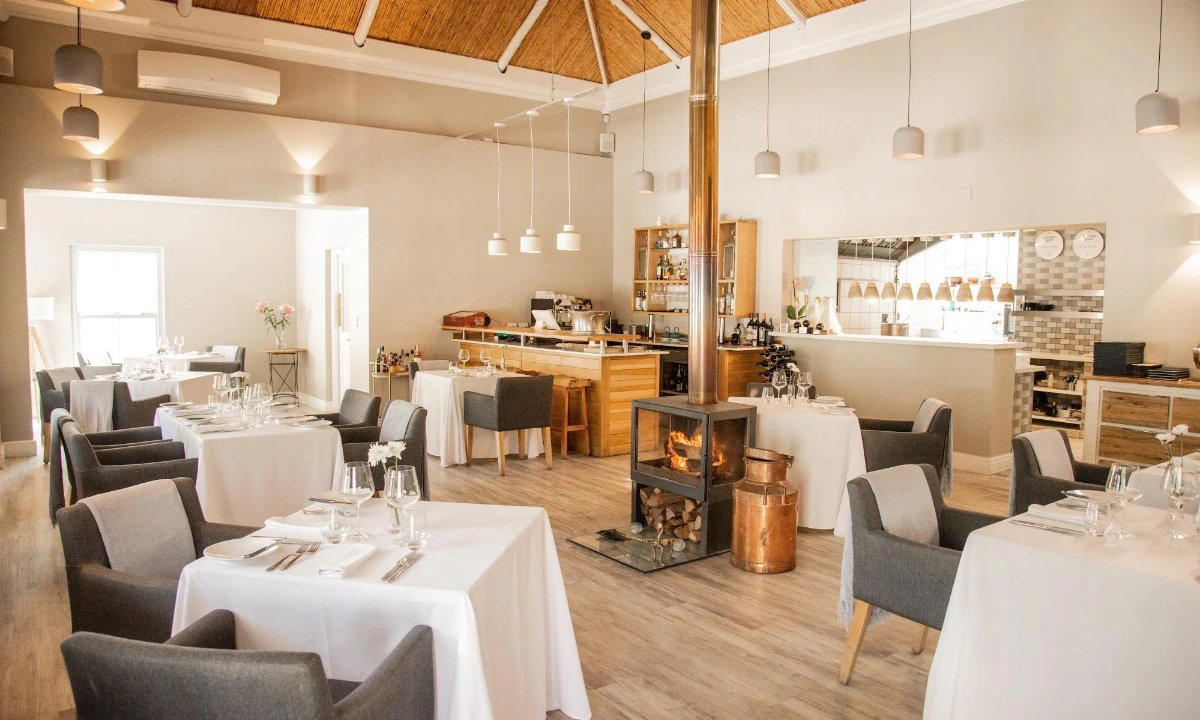
Warm lighting with bunches of wildflowers creates a down-to-earth, classic rural charm blending timeless Cape Dutch elegance and modern comforts.