Google: 4.5 · 674 reviews
Babylonstoren

Babylonstoren sits at the intersection of working farm and restaurant, drawing its menu directly from one of the Cape Winelands' most photographed gardens. The kitchen leans on seasonal produce over technique, and the result is food that reads as honest rather than elaborate. Set on the Klapmuts-Simondium road in the Franschhoek Valley, it draws visitors from across the region for the grounds as much as the meal itself.
 Discover on Pearl
Pearl is the En Primeur Club membership app — saves, bookings, and concierge access live there. Same editors, same standards.
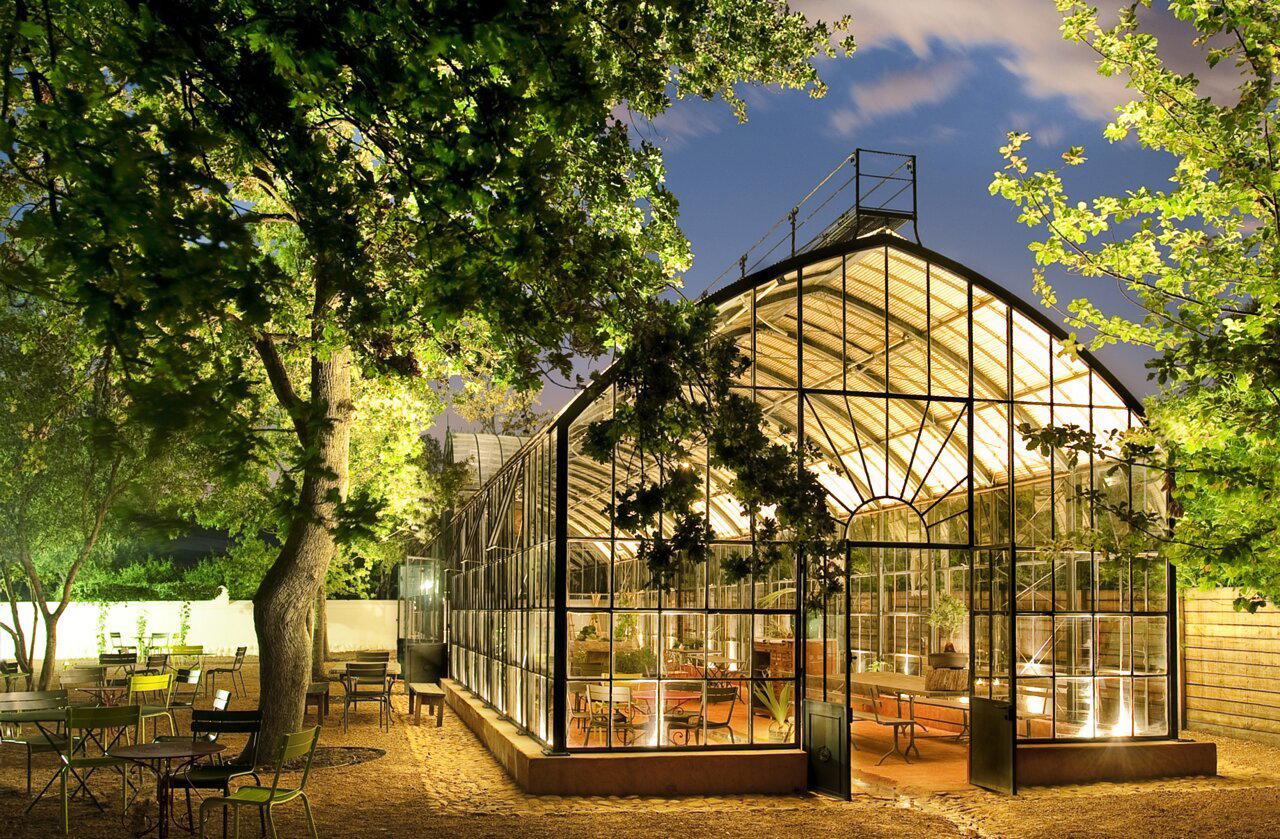
Where the Garden Is the Kitchen
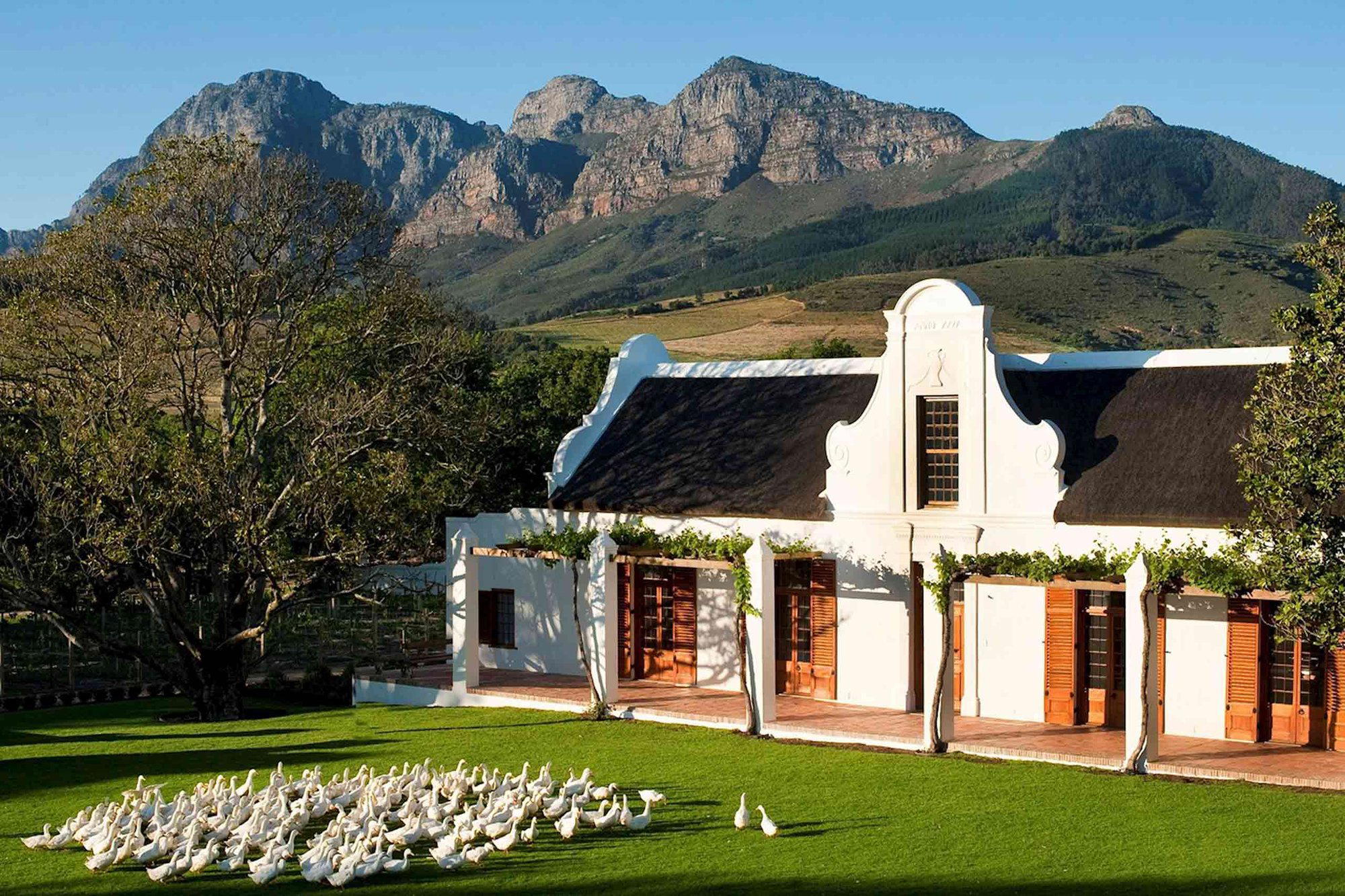
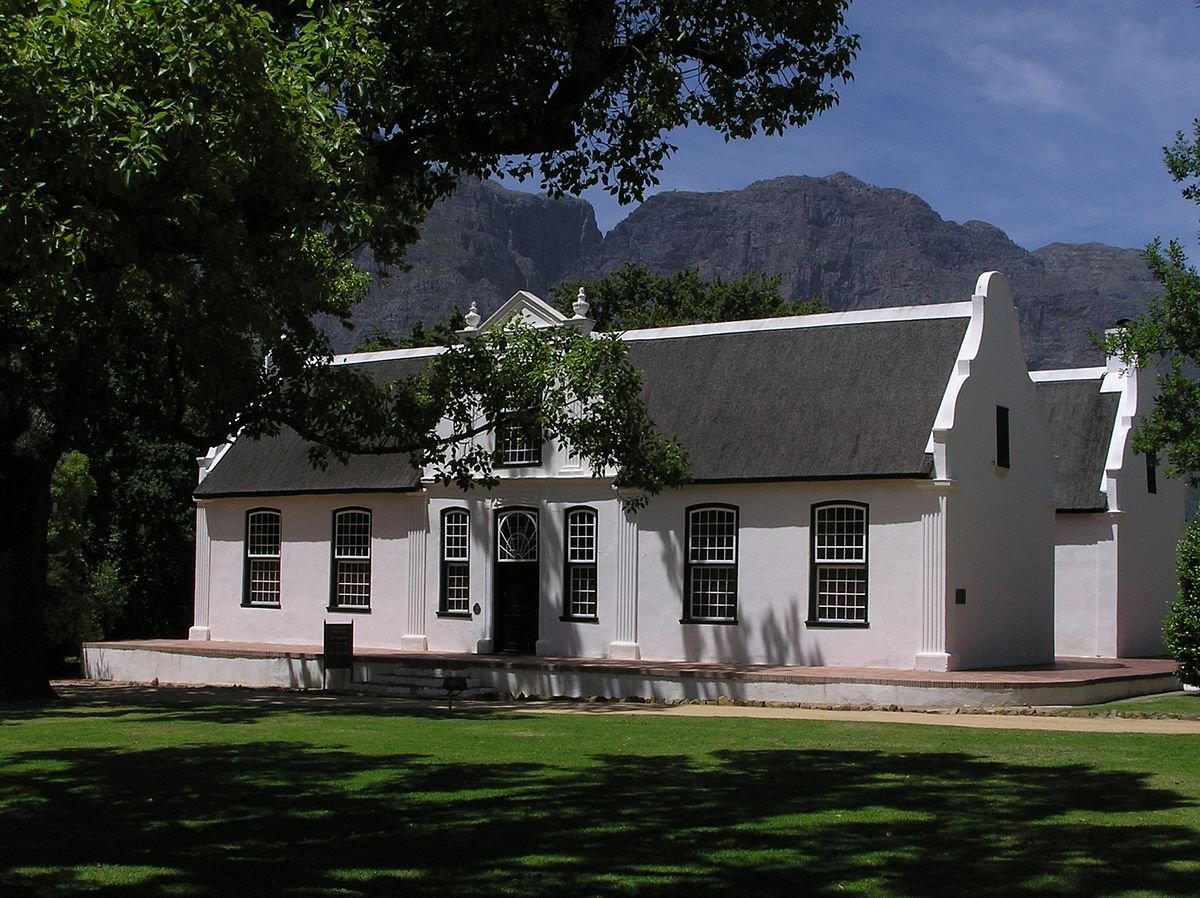
The Cape Winelands have built a dining identity around two overlapping traditions: the wine-estate lunch and the chef-driven tasting menu. Babylonstoren, on the Klapmuts-Simondium road outside Franschhoek, occupies a third position that sits adjacent to both but belongs to neither. The farm's historic Cape Dutch estate, with its documented gardens dating back centuries, functions as the primary ingredient source for its restaurant. The result is a model where provenance is not a marketing claim but a physical fact visible from the dining room window. In a region where sourcing credentials are often asserted and rarely verifiable, that transparency carries real weight.
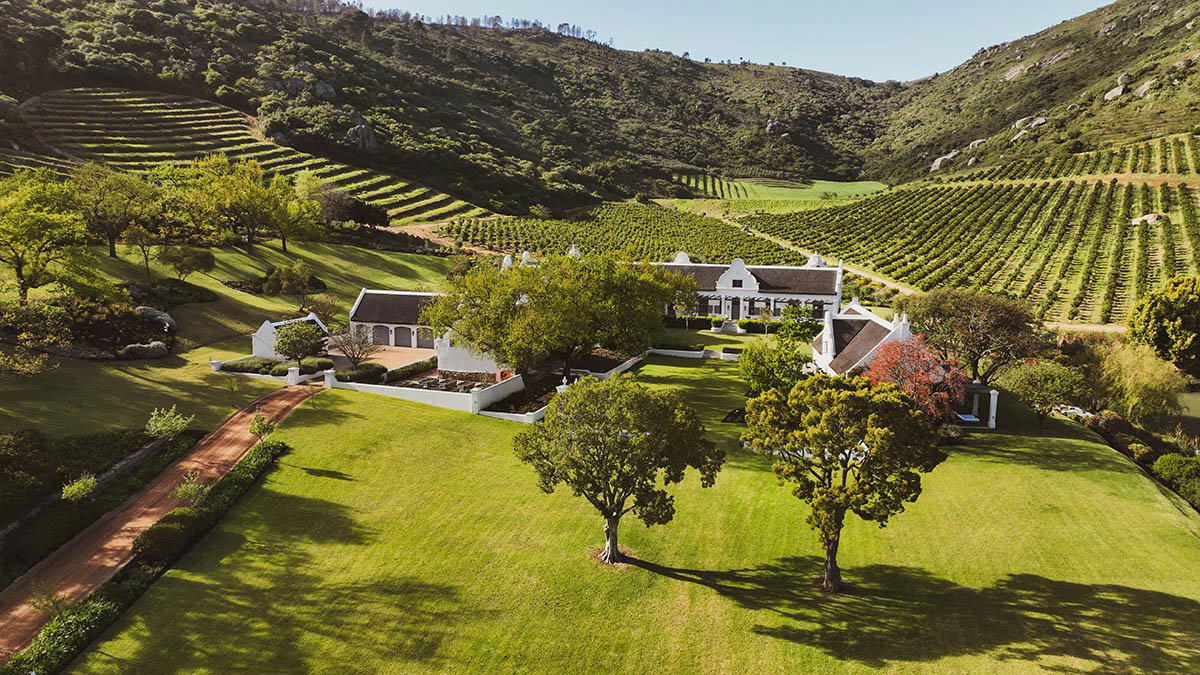
Arriving at the property, the scale of the garden makes the premise immediately legible. The cultivated beds, fruit trees, and herb sections are not ornamental additions to a restaurant — they are the supply chain. This is a materially different operating logic from the farm-to-table language used loosely across the Western Cape's dining scene, and the distinction matters when you sit down to eat. For comparable estate-dining context across the Winelands, see Delaire Graff Lodges & Spa in Helshoogte Pass and Le Quartier Français in Franschhoek, both of which work within estate settings but with different emphases on technique and formality.
What the Garden Produces, the Kitchen Uses
South Africa's ingredient-led restaurant movement has grown substantially over the past decade, shaped in part by the international recognition that venues like Wolfgat in Paternoster brought to hyperlocal sourcing and foraged coastal ingredients. Babylonstoren operates within that broader shift but with a different physical foundation: a managed, cultivated garden rather than a wild or foraged supply. The discipline this imposes on the kitchen is genuine — the menu reflects what is in season in that specific garden on that specific week, not a curated selection of premium suppliers across the country.
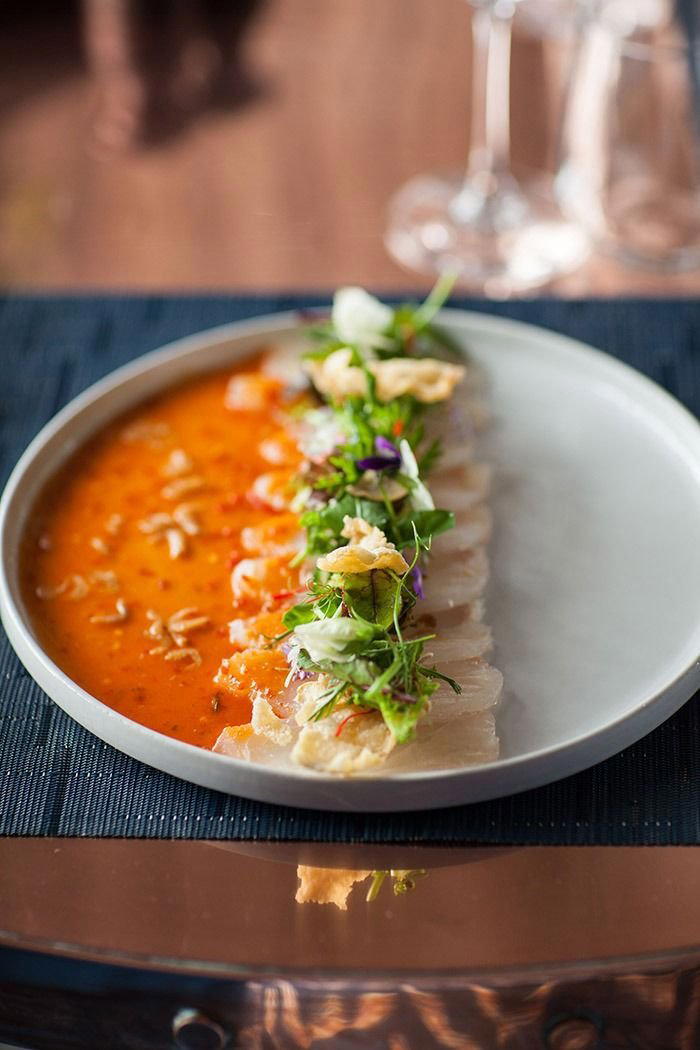
The cooking style that emerges from this constraint has been described in editorial assessments as notably pure and direct. The fruit and vegetables carry the main load of each dish, presented with minimal intervention. Techniques are restrained rather than elaborate, and the flavors are described as present and immediate rather than built through layered preparation. For visitors accustomed to the technical ambition of venues like Fyn in Cape Town or Dusk in Stellenbosch, the approach here will read as a conscious step away from that register. Whether that reads as a limitation or a deliberate editorial stance from the kitchen depends entirely on what you are looking for.
The honest assessment of the food is that the garden's quality does the heavy lifting. Where the produce is exceptional , and by multiple accounts it consistently is , the dishes work. The kitchen's restraint, which may or may not reflect a formal philosophy, means that weaker preparation is not masked by sauce or technique. This is a high-risk, high-reward approach to running a restaurant: when the garden is at its peak, the food is compelling; when it is not, there is less in reserve. The seasonal dependency is both the concept's strength and its structural vulnerability.
The Broader Experience: Farm, Garden, and Setting
Babylonstoren's restaurant is one component of a larger property that includes accommodation, a bakery, and the gardens themselves. This positions it within a category of destination estates where the dining experience is woven into a longer visit rather than designed as a standalone meal. Across South Africa, this model appears most fully realized at safari lodge dining operations like Jabulani Safari in Hoedspruit and Londolozi Game Reserve in Kruger National Park, where the surrounding environment is inseparable from the meal. At Babylonstoren, the farm context performs a similar function without the wilderness setting.
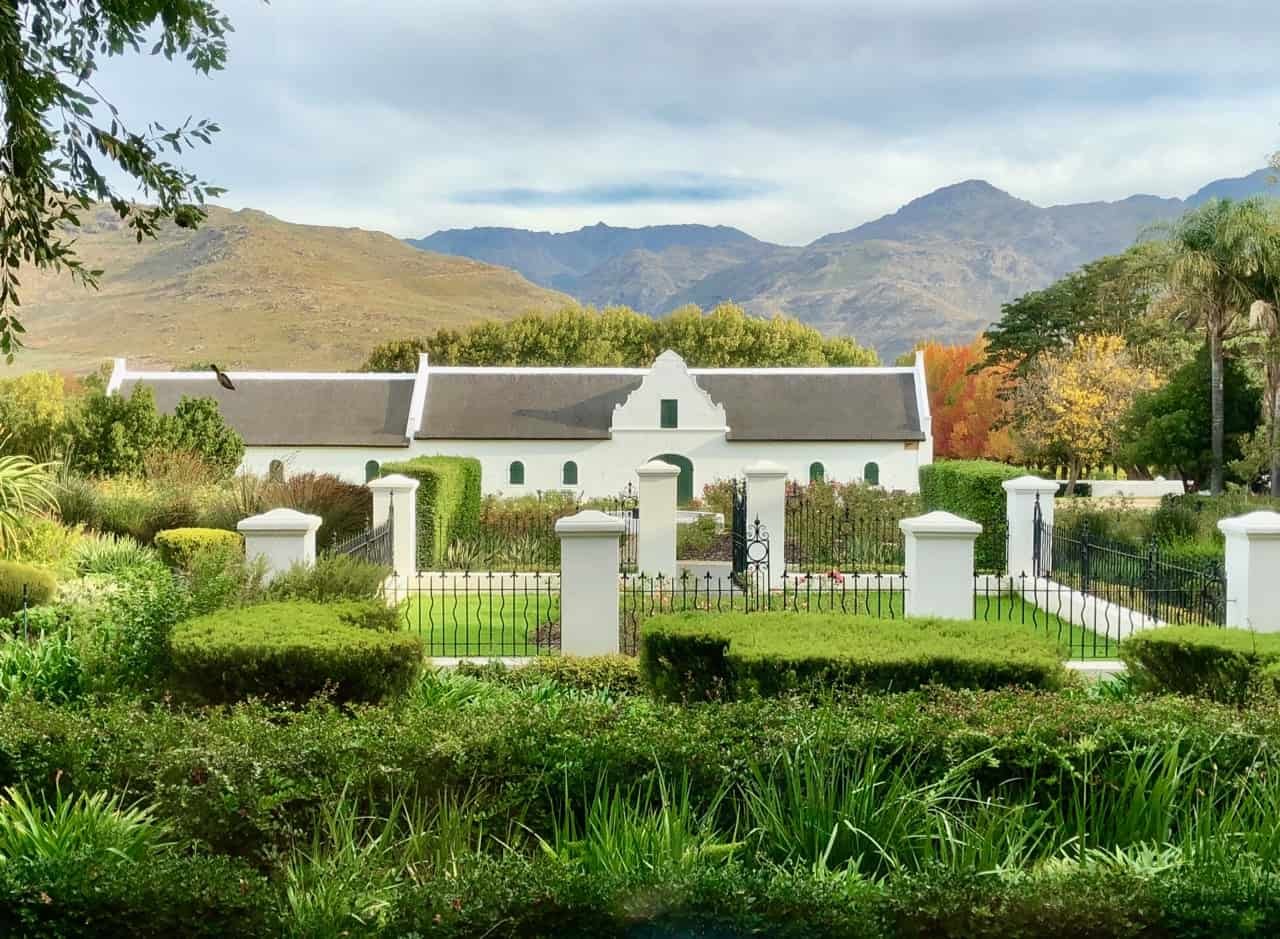
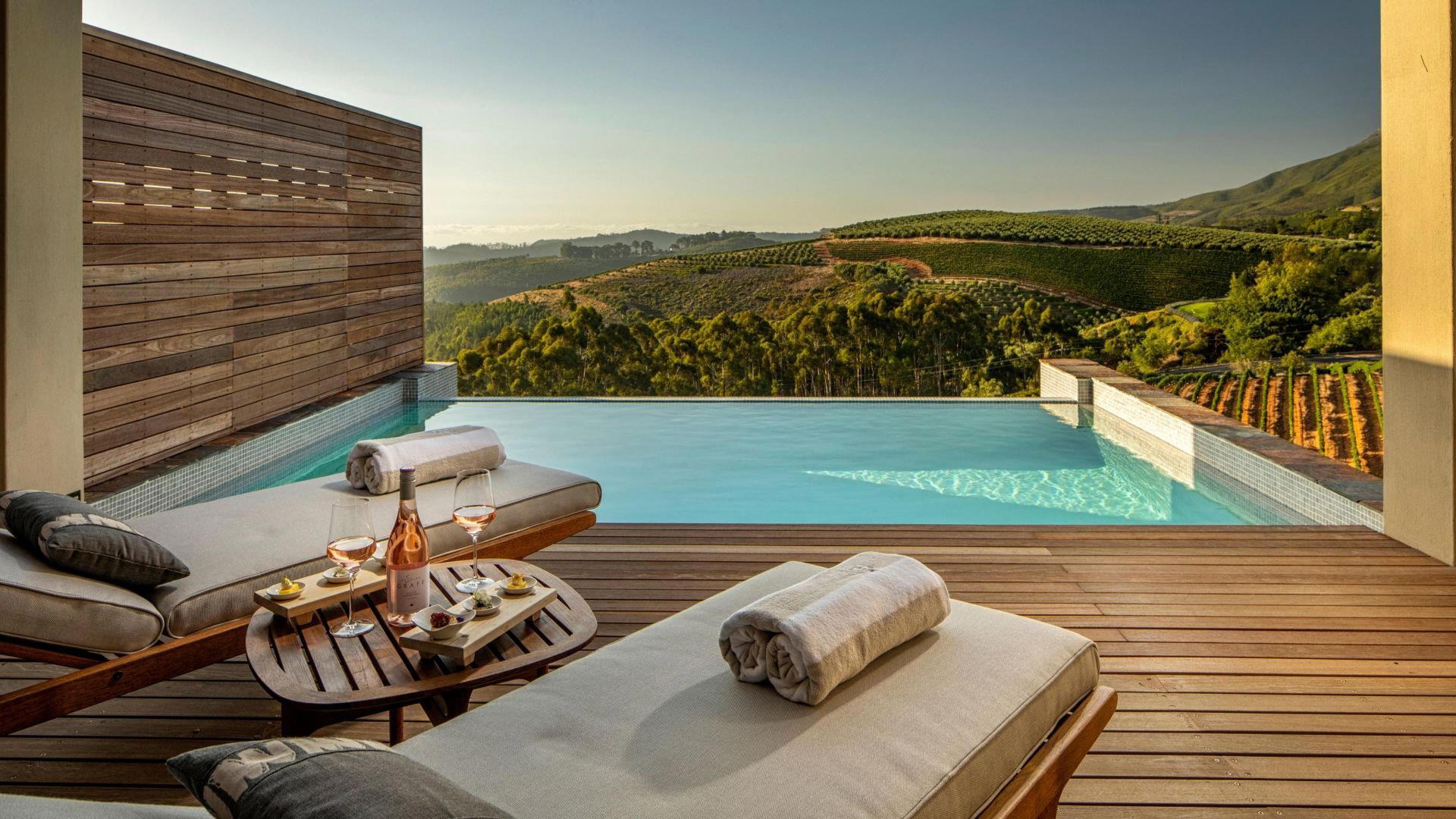
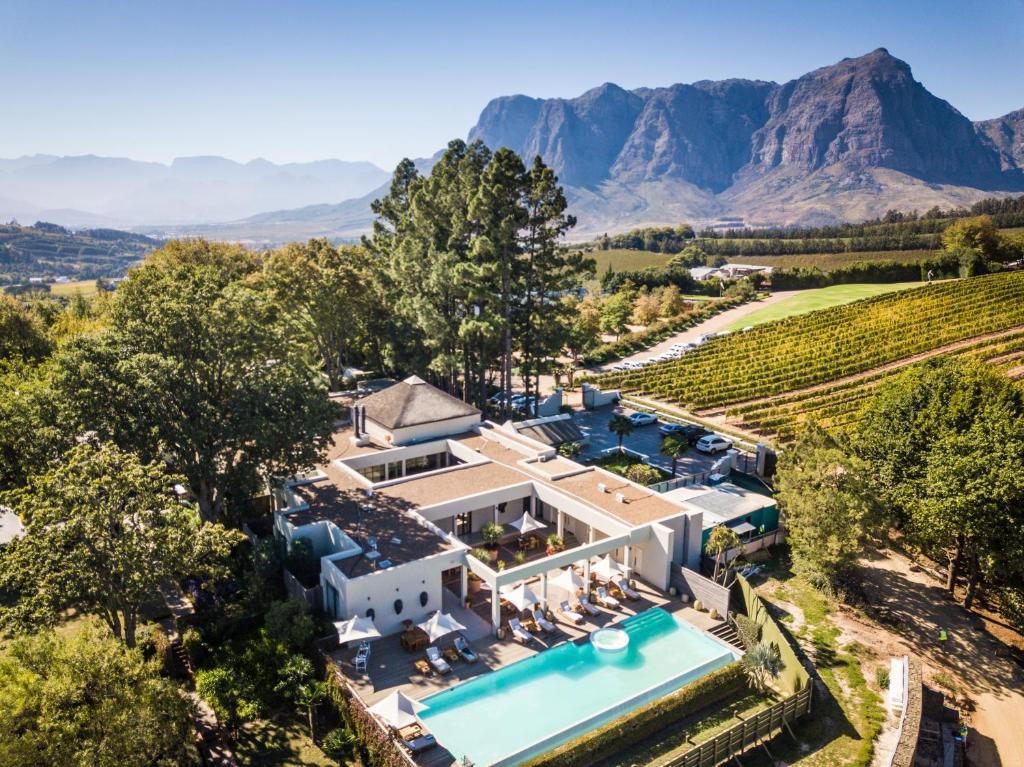
The gardens themselves have drawn sustained attention as a landscaping achievement with historical roots in the Cape's agricultural heritage. The scale of the cultivated beds, the organization by plant family and use, and the documented history of the property make the grounds worth time before or after eating. The restaurant sits within this environment rather than being the reason for it, which shifts the visitor experience away from a purely gastronomic frame and toward something closer to a full-day engagement with the farm.
For visitors building a wider Winelands itinerary, the practical resources below provide regional context beyond this single venue. Our full Simondium restaurants guide, Simondium hotels guide, bars guide, wineries guide, and experiences guide map the area more completely. Simondium sits between Paarl and Franschhoek, making it a logical base or stopping point for itineraries that also include Ellerman House in Bantry Bay or any of the Cape Town-anchored venues on a longer circuit.
Planning a Visit
Babylonstoren is located at Klapmuts-Simondium Road, Simondium 7670, accessible by car from both Stellenbosch and Franschhoek in under 30 minutes. Given that the menu is tied to seasonal garden output, timing a visit to align with the Cape's warmer growing months , broadly October through April , will generally produce more varied produce at the table, though the farm operates year-round. The property receives significant visitor volume, and the restaurant draws from both day-trippers and guests staying on the estate, so advance booking is advisable rather than optional. The scale of the grounds means the experience rewards arriving with time to walk the garden before eating rather than treating the restaurant as a quick stop.
For South African dining at a different register , more urban, more technically ambitious , the reference points are Gigi in Johannesburg and Klein Jan in the Kalahari, both of which operate within a farm-and-landscape context but with a different level of kitchen intervention. For international comparisons of ingredient-led philosophy taken to a higher technical level, Le Bernardin in New York City and Emeril's in New Orleans represent what sustained culinary commitment looks like when the ingredient sourcing story is matched with equivalent technical depth. Babylonstoren has chosen a different path, and on the right day in the right season, it is one that holds up.
Quick Comparison
These are the closest comparables we have in our database for quick context.
| Venue | Cuisine | Price | Awards | Notes |
|---|---|---|---|---|
| Babylonstoren | The moment we waited impatiently and for a long time that we could sit in these… | This venue | ||
| Fyn | Japanese Fusion | World's 50 Best | Japanese Fusion | |
| La Colombe | South African | World's 50 Best | South African | |
| Le Quartier Français | French Cuisine | World's 50 Best | French Cuisine | |
| Salsify at the Roundhouse | South African | World's 50 Best | South African | |
| The Test Kitchen | South African | World's 50 Best | South African |
Continue exploring
More in Simondium
Restaurants in Simondium
Browse all →
Bars in Simondium
Browse all →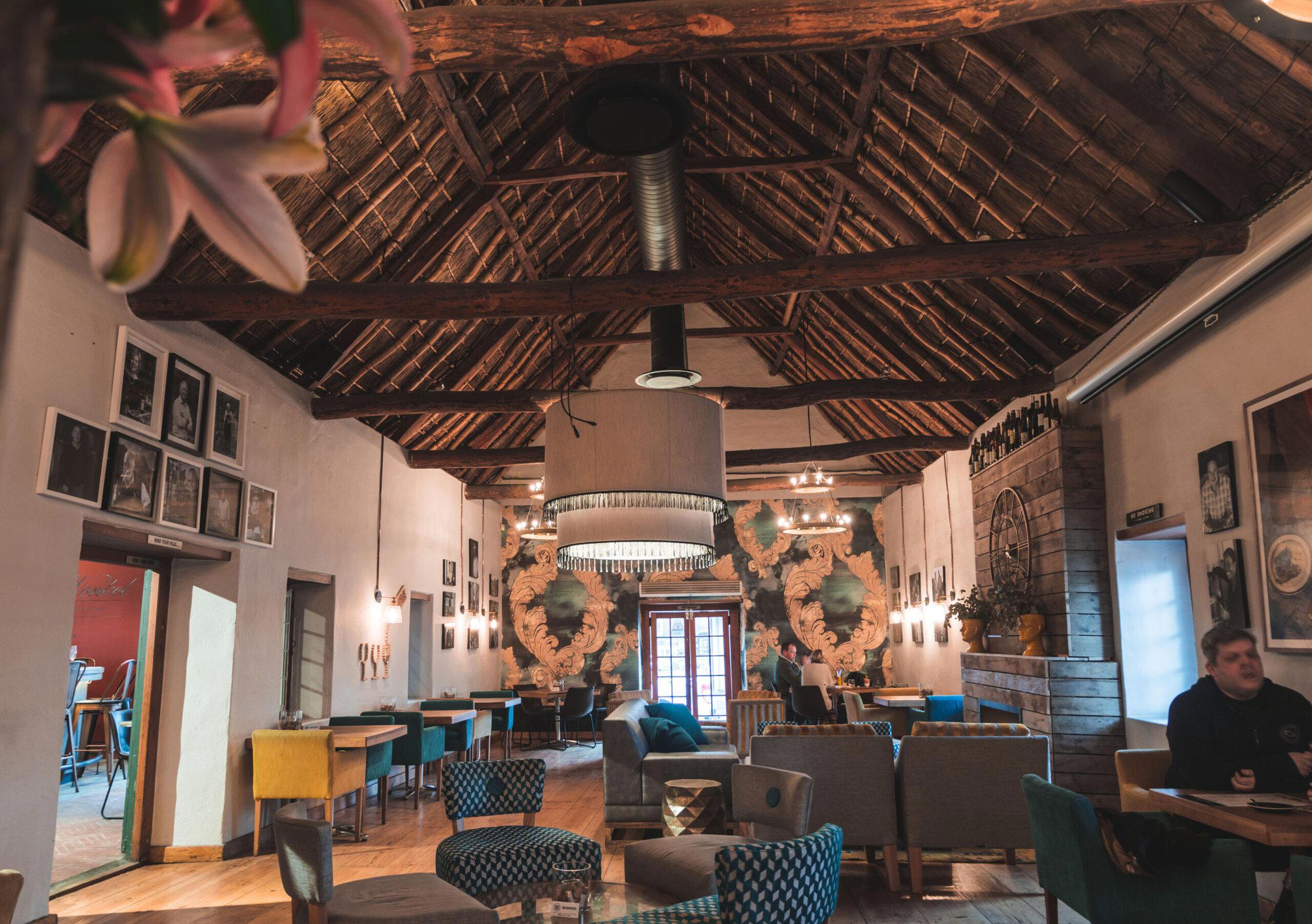
Hotels in Simondium
Browse all →

At a Glance
- Scenic
- Elegant
- Rustic
- Cozy
- Family
- Special Occasion
- Garden
- Extensive Wine List
- Farm To Table
- Local Sourcing
- Garden
- Mountain
- Vineyard
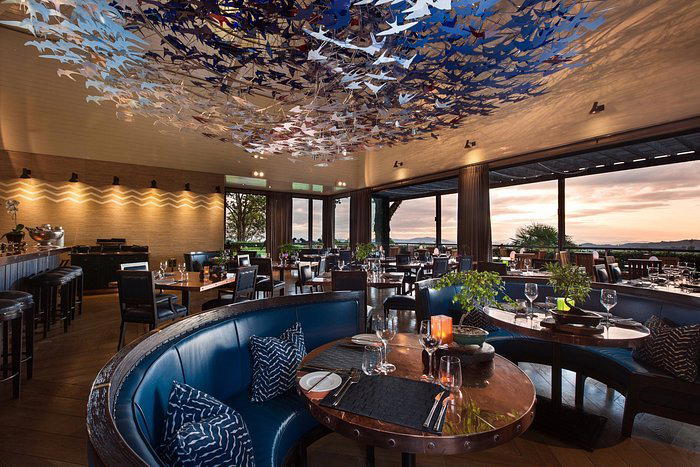
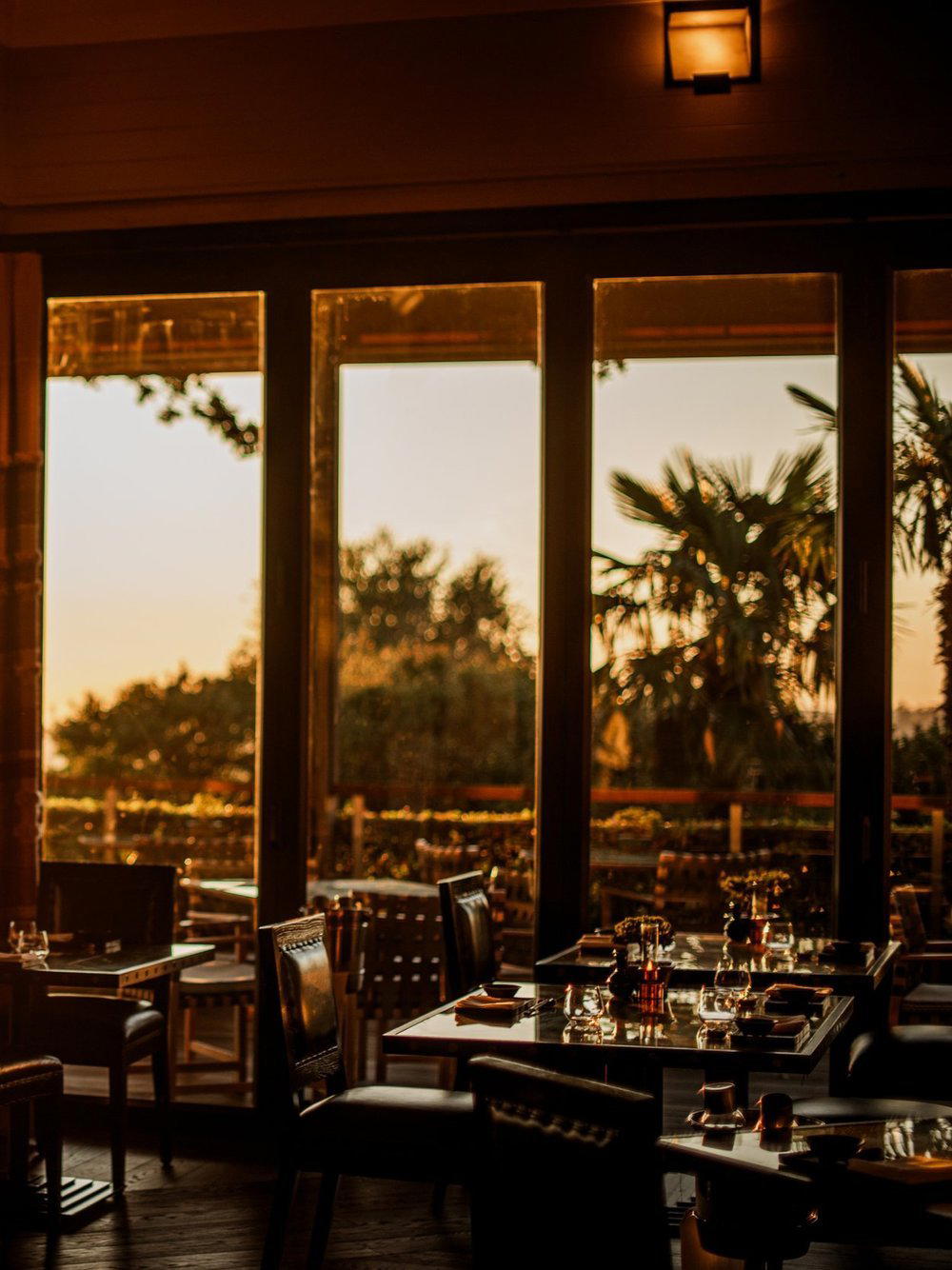
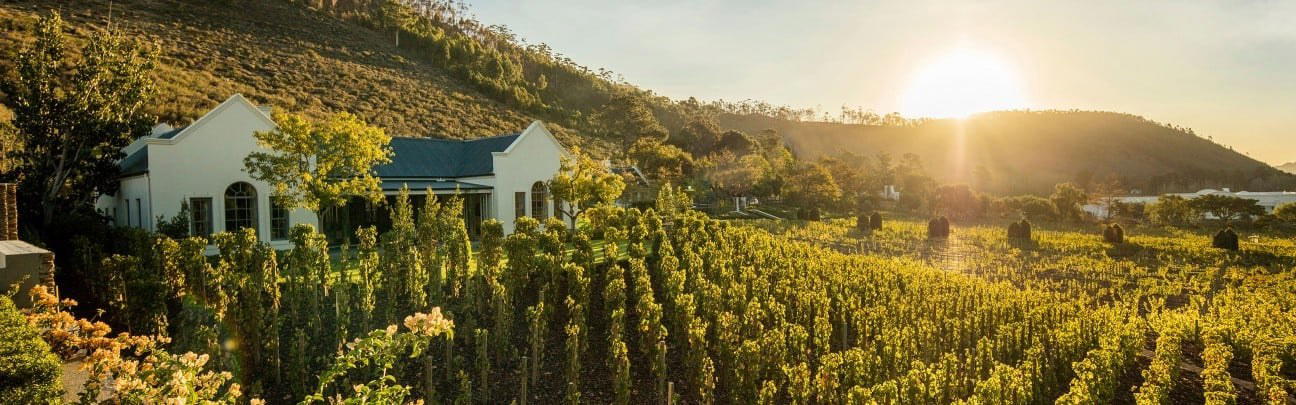
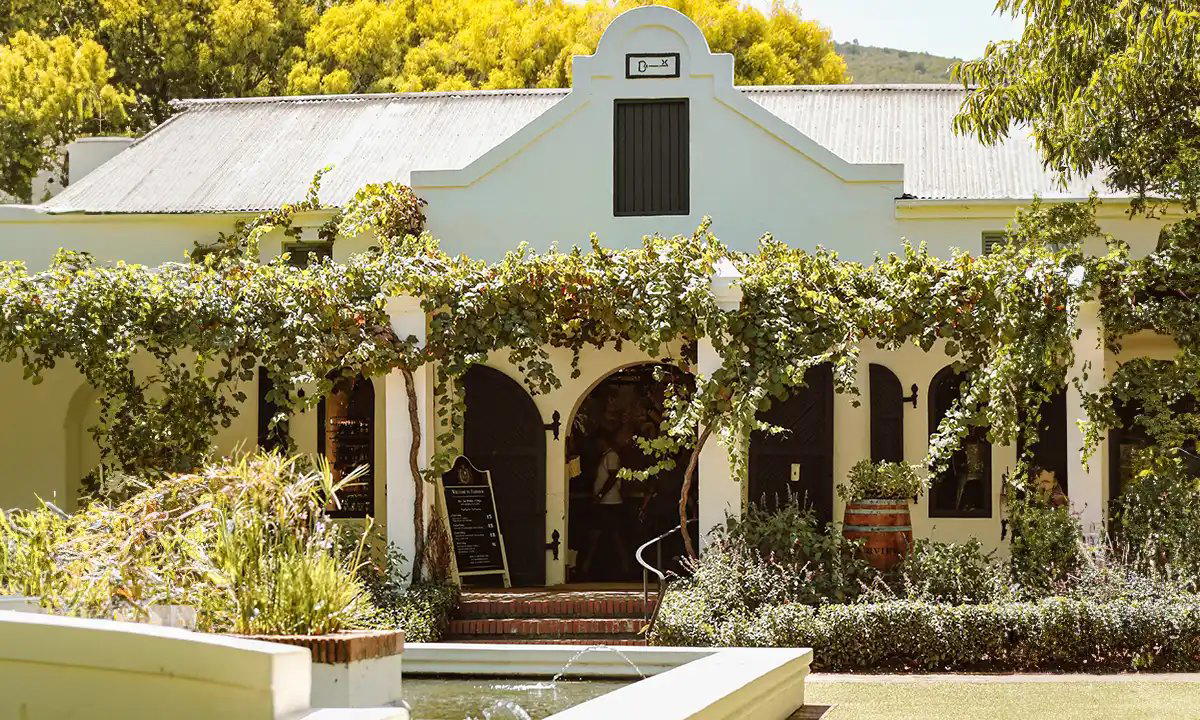
Calm and elegant with natural light from contemporary glass walls blending Cape Dutch architecture.