Constantia Glen

Falstaff Winery - Listed
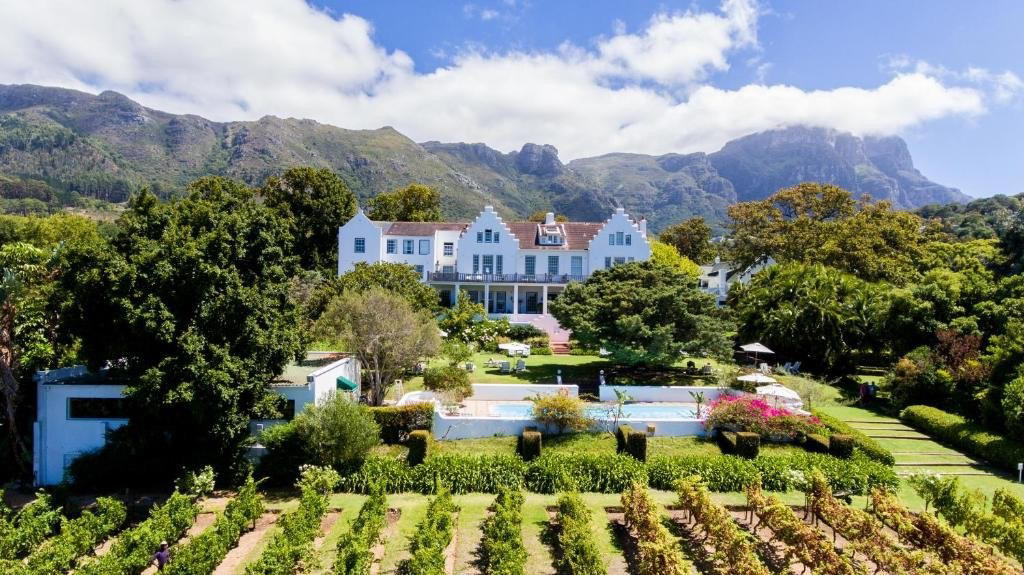
Constantia Glen sits on Constantia Main Road within Cape Town's oldest wine-producing valley. The estate operates within a corridor of historic vineyards where cool southerly winds off False Bay shape the growing season, making it a reference point for the valley's Bordeaux-influenced style. Visitors approaching through the valley's oak-lined roads arrive at a property that takes its terroir seriously.

Pearl is the En Primeur Club membership app — saves, bookings, and concierge access live there. Same editors, same standards.
- Address
- Constantia Main Rd, Constantia, Cape Town, 7806
- Phone
- +27 21 795 5639
- Website
- constantiaglen.com
- Directions
- Get directions
The Valley That Shaped South African Wine
The drive along Constantia Main Road tells you something before you arrive anywhere. The Constantia Valley sits at the southern edge of the Cape Peninsula, close enough to False Bay that the prevailing southerly winds — locals call them the Cape Doctor — push cool maritime air through the vineyards through the afternoon. This is the oldest wine-producing region in the Western Cape, and possibly in the southern hemisphere, with recorded viticulture stretching back to the late seventeenth century under Simon van der Stel. The result is a valley floor and hillside combination where diurnal temperature variation is sharp, ripening is slow, and wines retain an acidity that distinguishes them clearly from the warmer Stellenbosch floor or Robertson's inland heat.
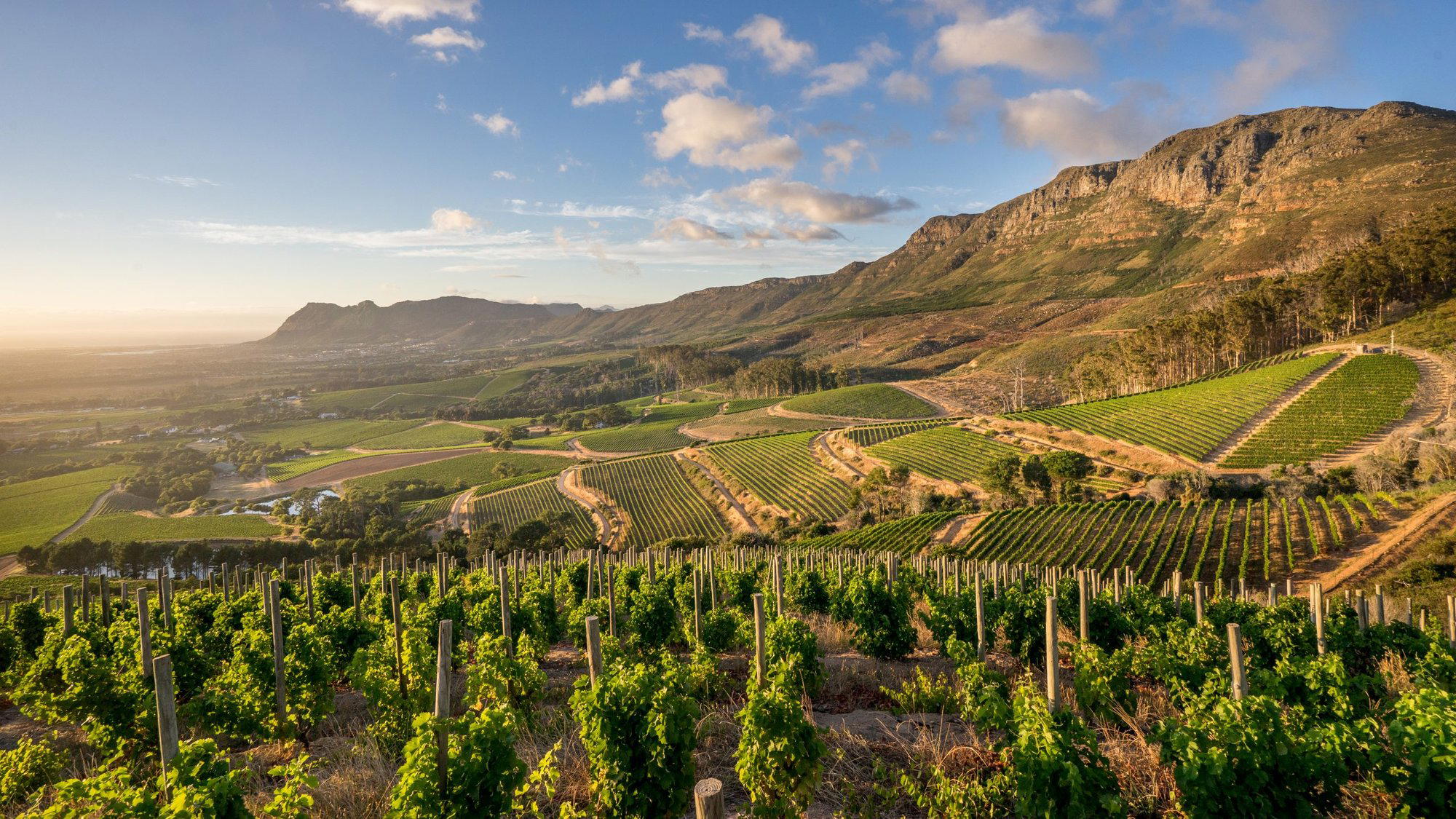
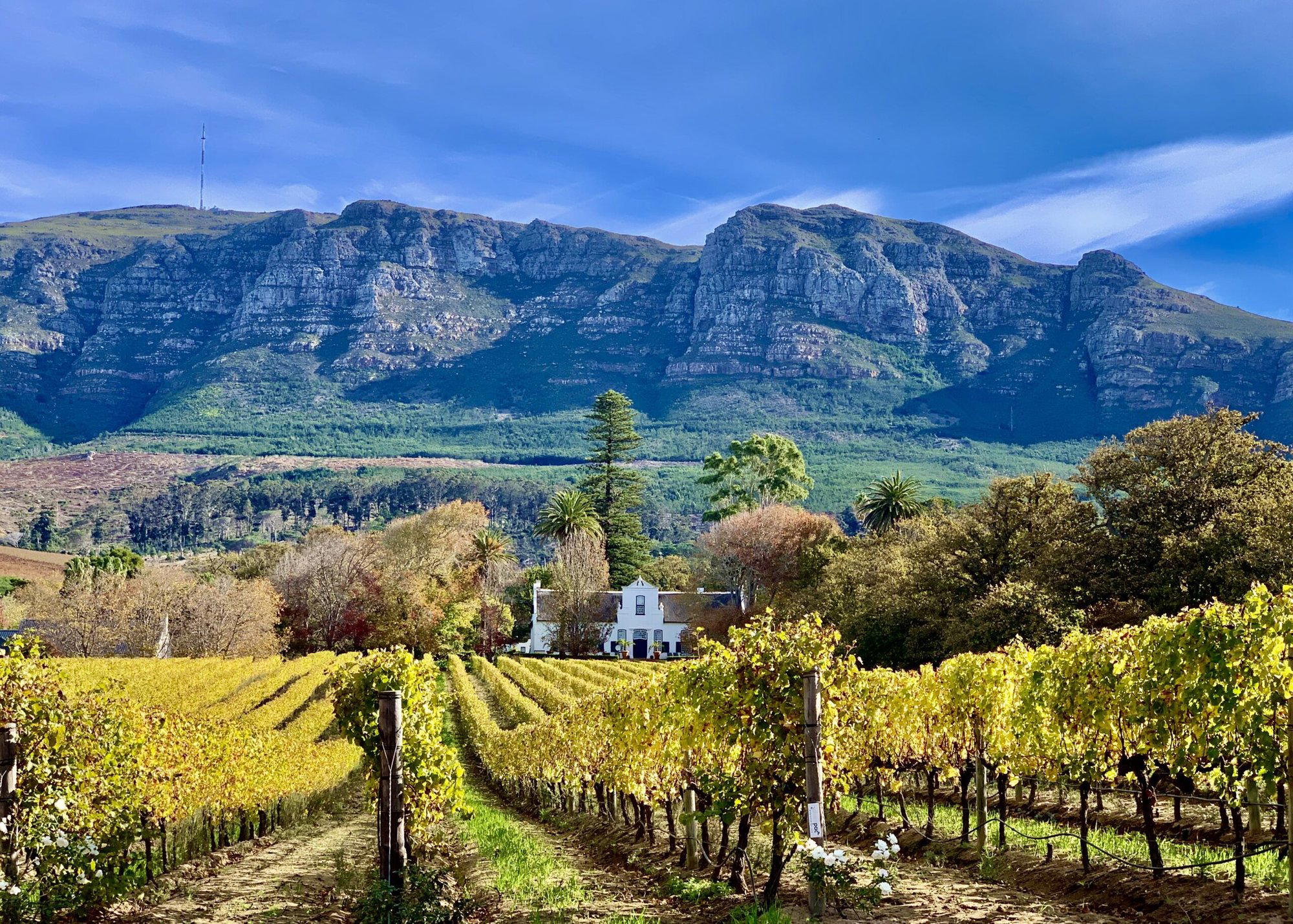
Constantia Glen sits within this context at the upper end of Constantia Main Road, where the valley narrows and the vineyard blocks climb the eastern face of the Constantiaberg. The elevation here matters: higher blocks face different wind exposure than the lower estates closer to the valley floor, and soil composition shifts from deeper alluvial profiles to the decomposed granite and sandstone that characterises much of the Cape's premium winemaking ground.
Viticulture in a Cooling Maritime Corridor
The broader Constantia Valley conversation increasingly centres on what makes this terroir worth defending against development pressure and urban sprawl. The valley is surrounded by the Cape Peninsula's mountainous protected area on multiple sides, which limits expansion but also maintains the ecological buffer that keeps the microclimate stable. Across the valley, producers, Groot Constantia, Beau Constantia, Buitenverwachting, and Cape Point Vineyards among them, have each staked out positions on what Constantia's cooler, wetter season relative to other Western Cape zones can do with Sauvignon Blanc, Semillon, and Bordeaux red varieties.
The sustainability question is central to how the valley's smaller estates are differentiating themselves in an era when certification and practice are increasingly visible to buyers. The Cape Winelands have seen a gradual shift toward reduced intervention, fewer synthetic inputs, greater attention to soil biology, and closer scrutiny of water use in a region that has lived through severe drought cycles. Constantia's higher rainfall relative to Stellenbosch or Paarl gives producers here a structural advantage in that conversation, though it introduces its own management pressures around fungal disease in a maritime, sometimes humid environment. The discipline required to farm this valley well is different from farming in a drier inland zone, and producers who manage it consistently earn credibility that extends beyond local recognition.
Within the Constantia Valley, the competitive set breaks into a few distinct positions. Groot Constantia functions as the historic anchor, a national heritage site with high visitor volumes and wines positioned accordingly. Beau Constantia operates at the top of the valley with a restaurant component and a smaller production footprint. Buitenverwachting carries a long-established export reputation, particularly for its Bordeaux blends. That distinction matters when the question is about wine quality rather than visitor experience volume.
For travellers approaching the Constantia Valley from Cape Town's southern suburbs, the comparison set naturally extends beyond the valley itself. Cape Point Vineyards and Cape of Storms Distilling Co. represent the Cape Peninsula's further-south producers, where maritime influence is even more pronounced. Further afield in the broader Western Cape, estates like Babylonstoren in Franschhoek or Vergelegen Wine Estate in Somerset West offer different terroir profiles and visitor formats, and Creation Wines in Hermanus occupies a similar cool-climate, prestige-tier position on the Hemel-en-Aarde side. Understanding where Constantia Glen fits requires knowing where the valley fits in that larger map.
Arriving and Planning Your Visit
The estate is located at Constantia Main Road, Constantia, Cape Town, 7806, roughly twenty minutes by car from the city bowl, depending on traffic through the southern suburbs. The valley is accessible via the M3 or M41, and most visitors arrive by car or hired transport; there is no practical public transit option for this part of the peninsula. The Constantia Valley works well as a half-day or full-day circuit: the estates are close enough together that it is reasonable to visit two or three in a single session, though serious tasting visits to each require time. Morning arrivals are generally quieter at most valley properties. Those planning a wider Western Cape wine tour might add Neethlingshof Estate in Stellenbosch, Val de Vie Estate in Paarl, or Graham Beck Wines in Robertson as part of a broader itinerary extending over several days. Our full Cape Town restaurants and venues guide covers the wider dining and drinking context for the city.
Booking details, current tasting hours, and specific format options are best confirmed directly through the estate's own channels before visiting, as these can vary seasonally. Constantia's vine cycle means summer (December to February) sees the vineyard at its most active, harvest runs from late February through April depending on the vintage, and winter months bring quieter conditions with less visitor traffic. Each season offers a different version of the valley.
Accolades, Compared
Comparable venues nearby, for context on price, style, and recognition.
| Venue | Cuisine | Price | Awards | Notes |
|---|---|---|---|---|
| Constantia GlenThis venue — the venue you are viewing | Sauvignon Blanc, Sémillon | $20–30 | Falstaff Winery - Listed | Not listed |
| De Grendel Wine Estate | Sauvignon Blanc, Cabernet | Not listed | Not listed | Panorama |
| Meerendal Wine Estate | Pinotage, Sauvignon Blanc | $20–30 | Not listed | Durbanville |
| Nitida Wine Farm | Sauvignon Blanc, Semillon | Not listed | Not listed | Durbanville |
| Cape Point Vineyards | Sauvignon Blanc, Semillon | $20–30 | Falstaff Winery - Listed | Noordhoek |
Recognition history
Dated appearances from independent guides and award organizations, with the underlying list record or original source where available.
Falstaff Winery - Listed
Falstaff
Continue exploring
More in Cape Town
Wineries in Cape Town
Browse all →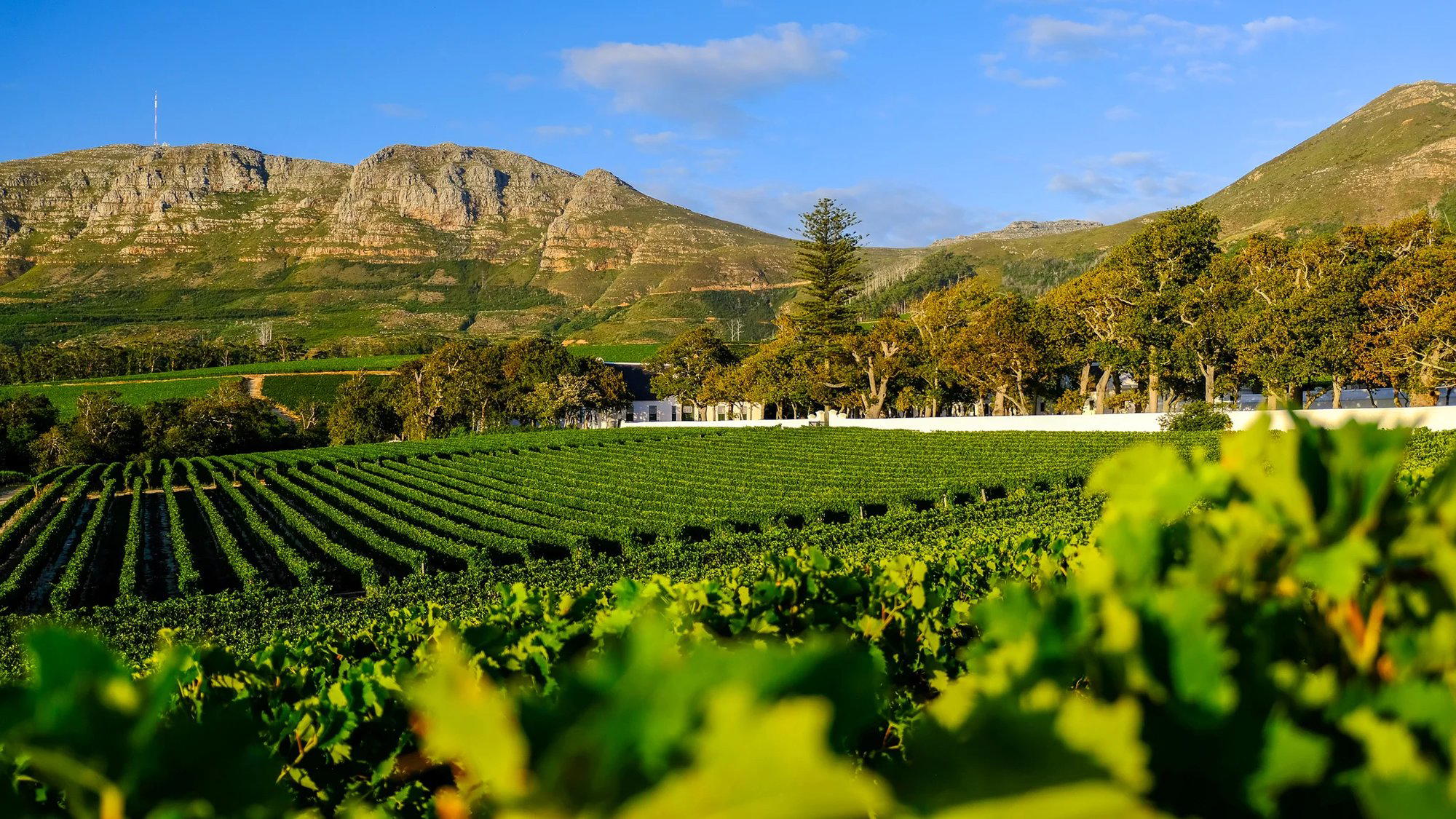
Bars in Cape Town
Browse all →
Restaurants in Cape Town
Browse all →
Details
- Scenic
- Elegant
- Quiet
- Sophisticated
- Romantic Getaway
- Celebration
- Group Outing
- Wine Education
- Terrace
- Panoramic View
- Estate Grounds
- Sustainable
- Dry Farmed
- Mountain
- Vineyard
- Sauvignon Blanc
- Sémillon
- Merlot
- Cabernet Sauvignon
- Cabernet Franc
- Malbec
- Petit Verdot
- Still White
- Still Red
- Still Rosé
- Cave Tasting
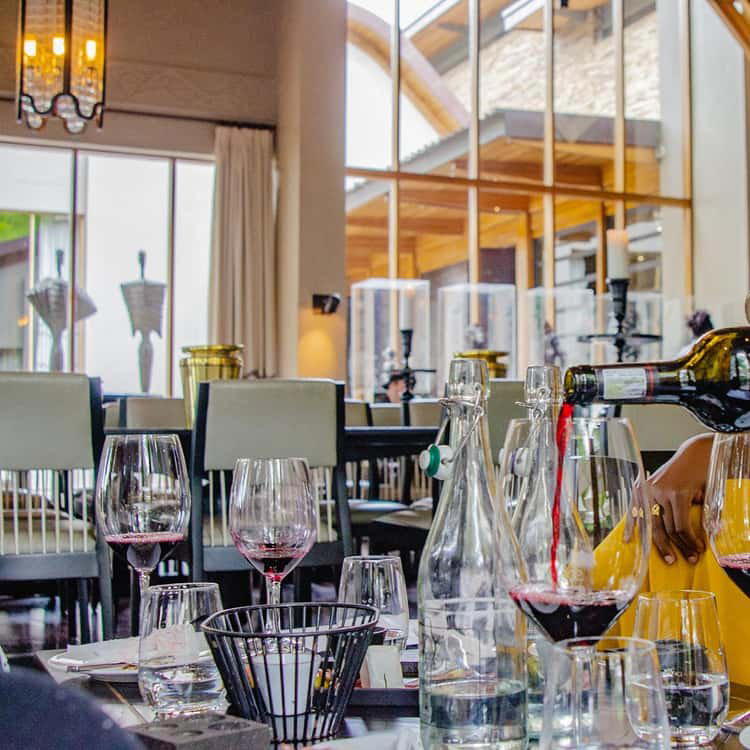
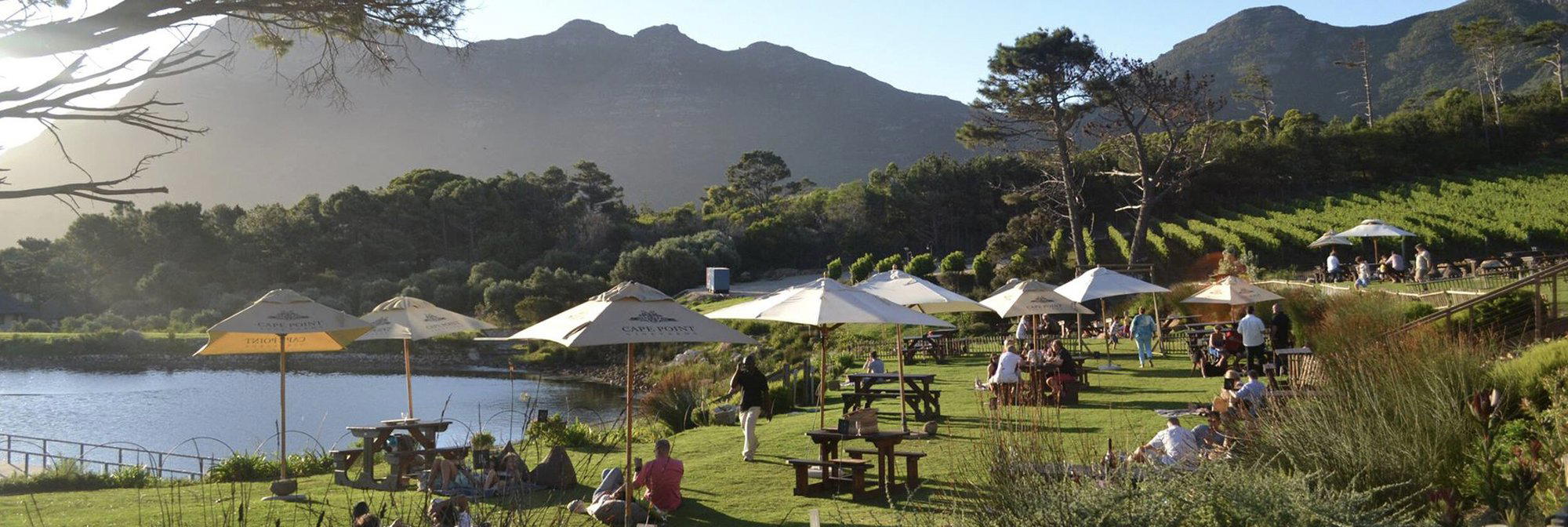
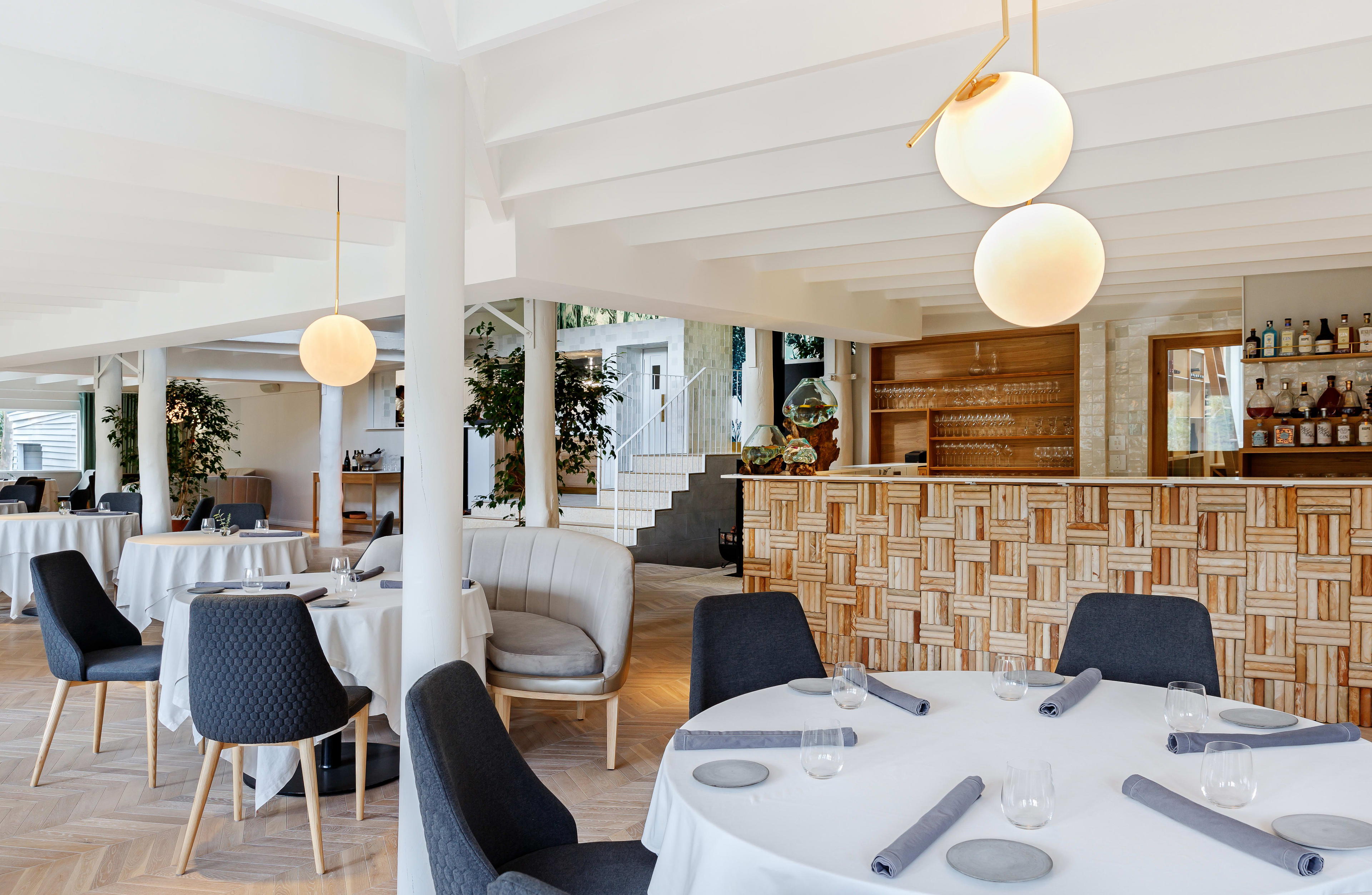
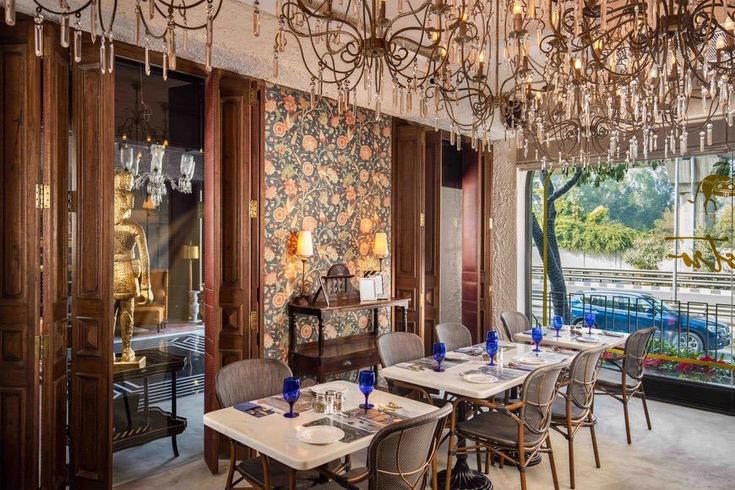
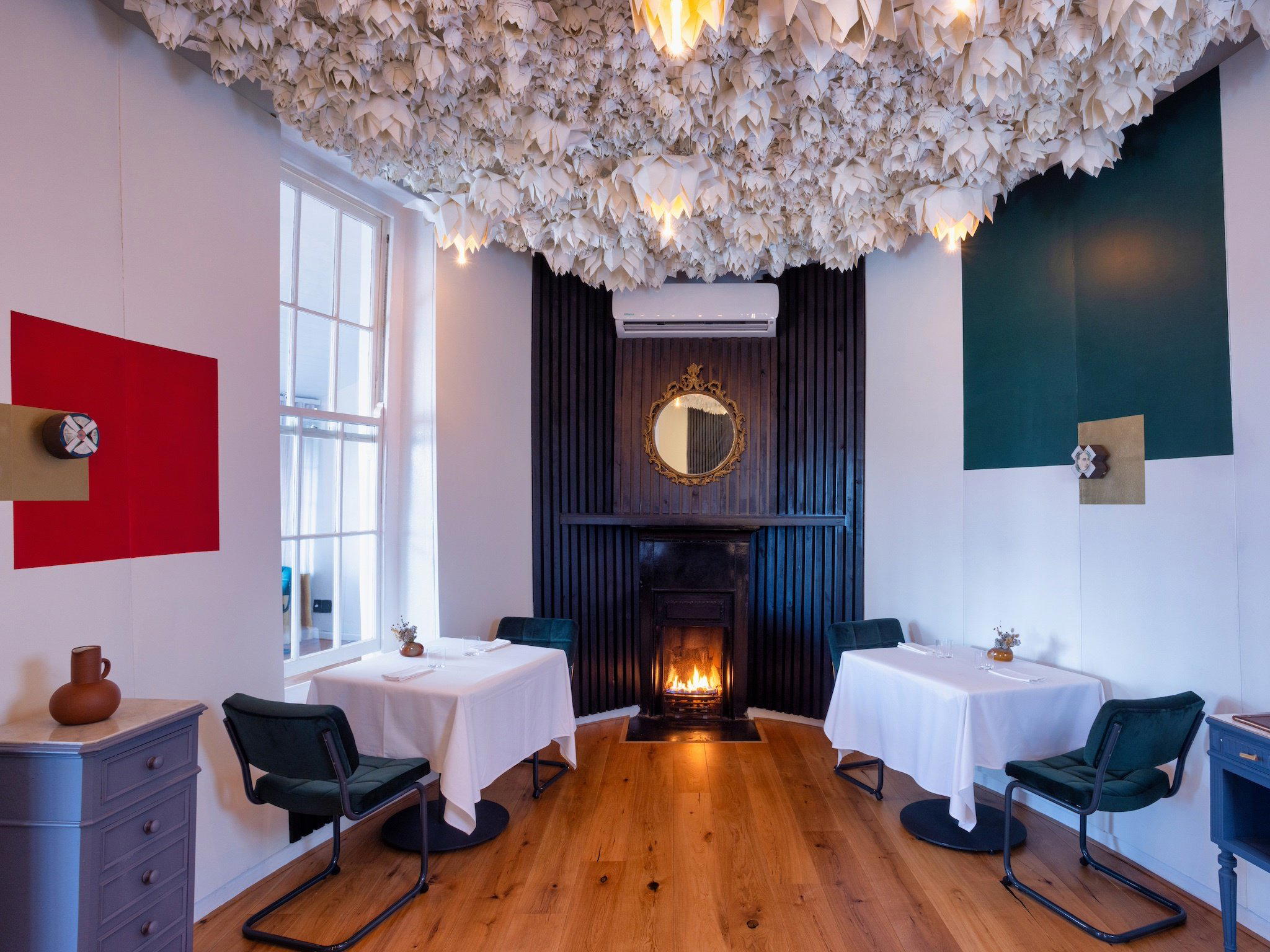
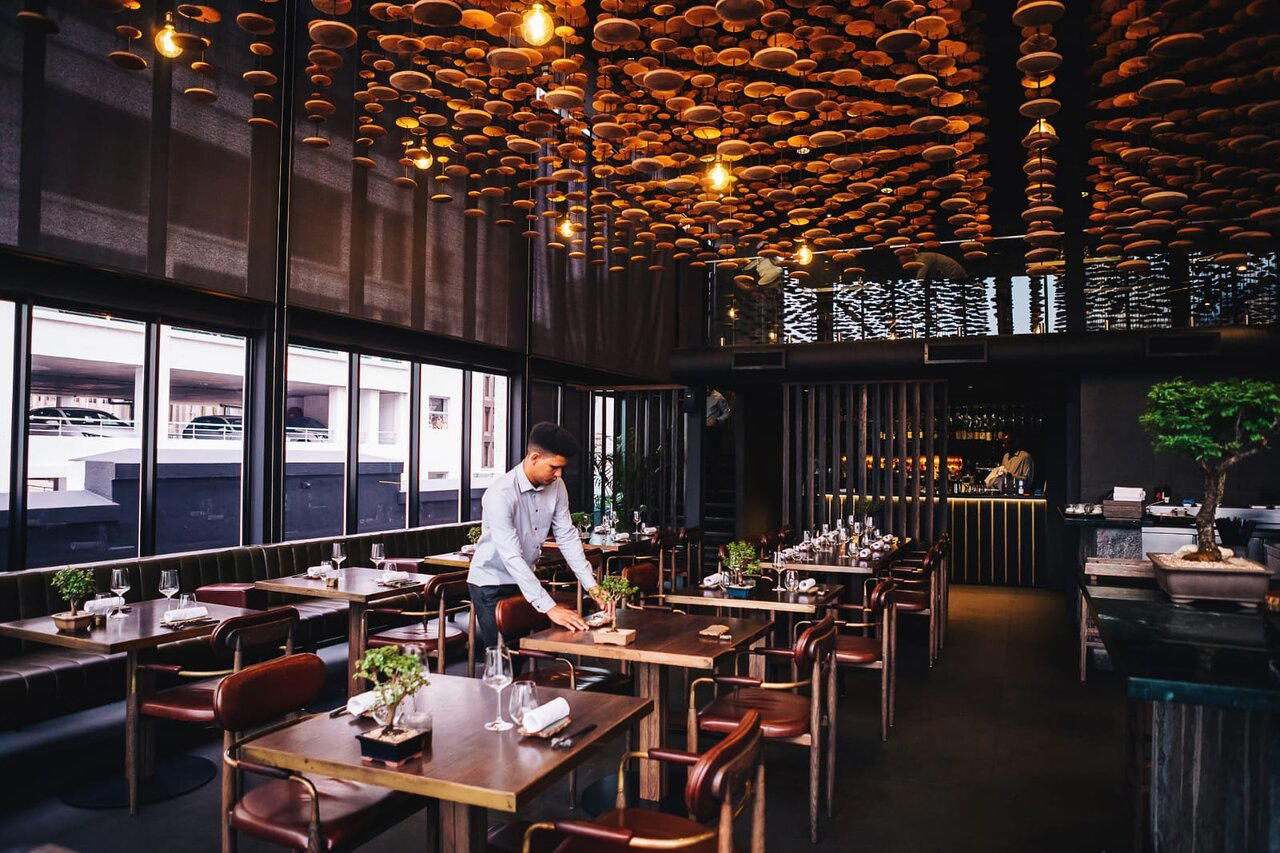
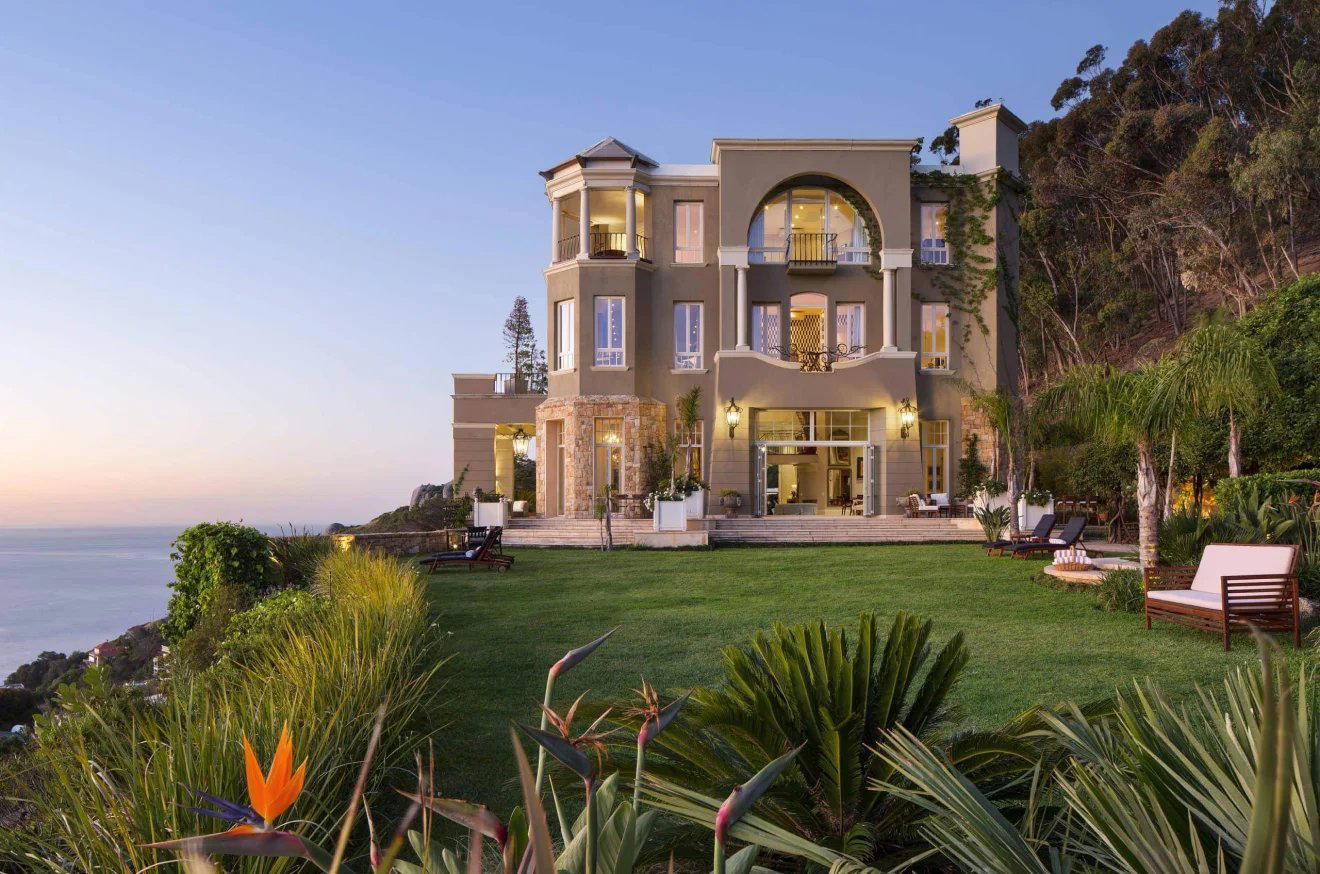
Tranquil and relaxing atmosphere in a glass-enclosed terrace-style room with mesmerising vineyard and valley views, enhanced by natural light and scenic serenity.