Babylonstoren



Set on a historic Cape Dutch farm in Paarl's wine country, Babylonstoren occupies an eighteenth-century homestead surrounded by one of the most substantial working gardens in the Western Cape. Recognised by La Liste's Top Hotels ranking with 93 points in 2026, the property operates across farming, hospitality, and dining as a coherent whole rather than separate departments. It belongs to a small tier of South African estates where the land itself is the primary design material.
 Discover on Pearl
Pearl is the En Primeur Club membership app — saves, bookings, and concierge access live there. Same editors, same standards.
- Address
- Klapmuts - Simondium Rd, Simondium, 7670
- Phone
- +27 21 863 3852
- Website
- babylonstoren.com
Where the Farm Is the Architecture
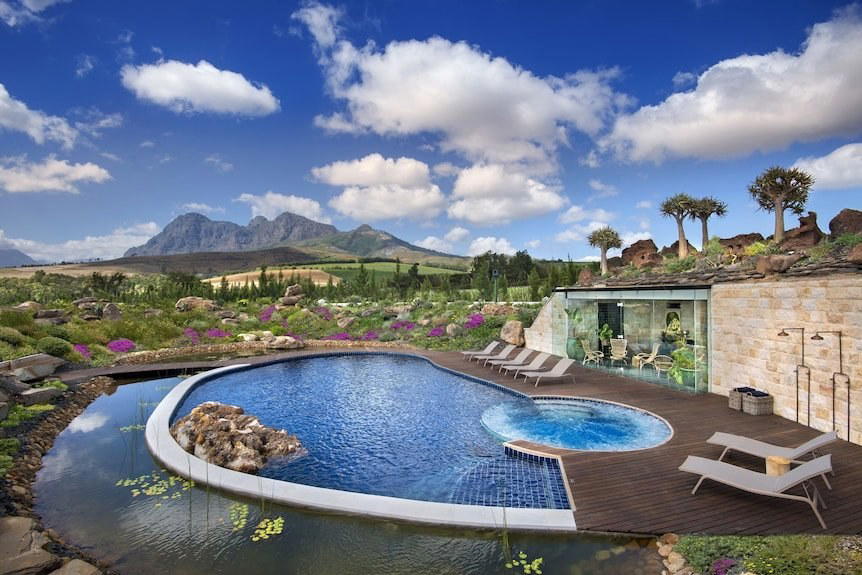
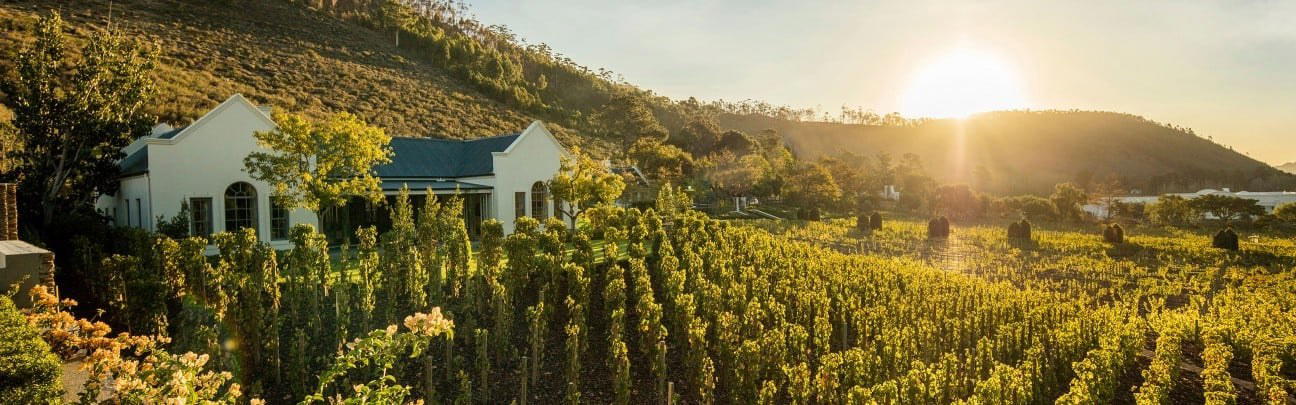
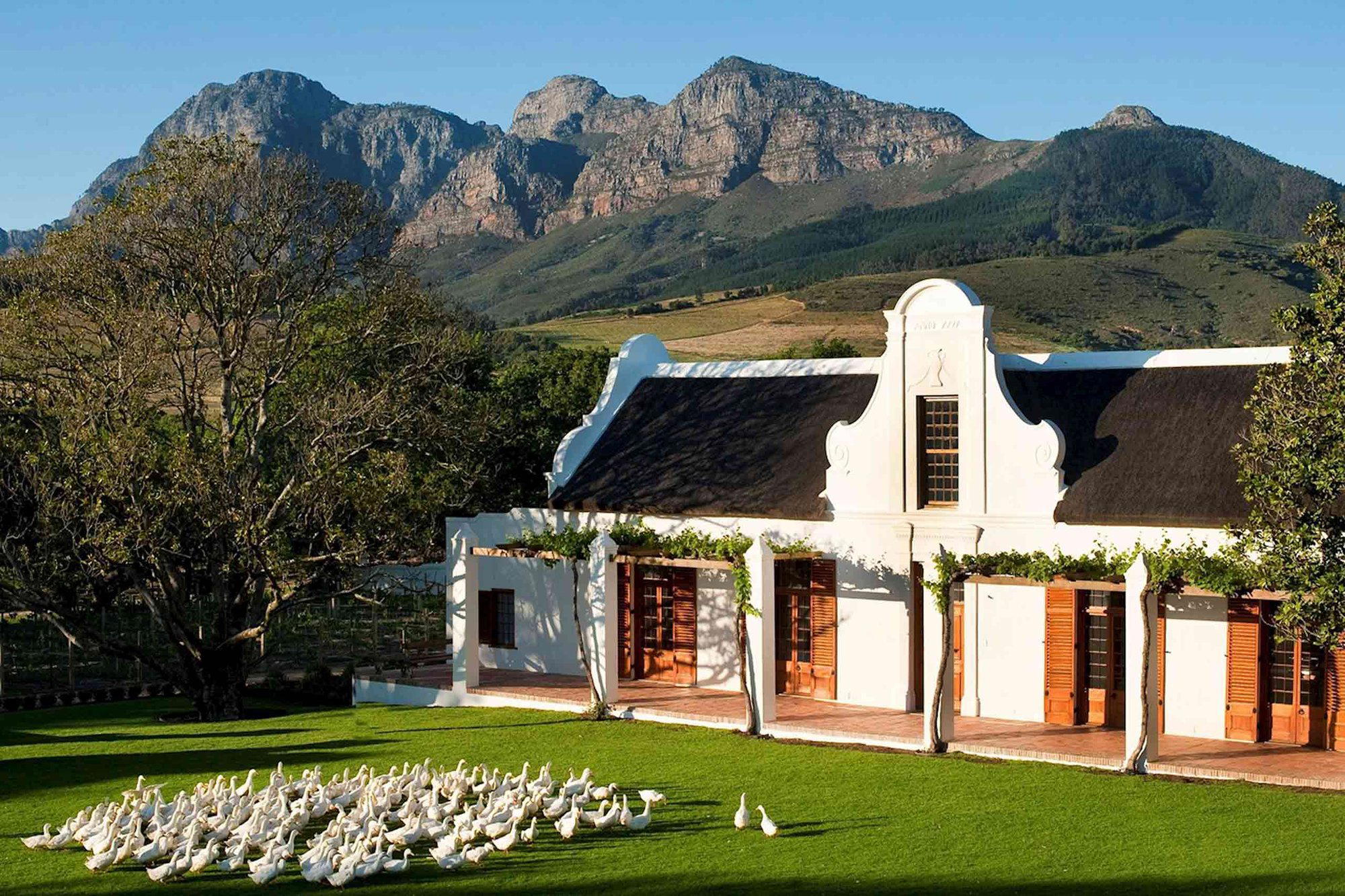
The Western Cape's wine estates divide fairly cleanly into two operating models: those that treat agriculture as backdrop, and those that treat it as structure. Babylonstoren, on the Klapmuts-Simondium Road outside Paarl, belongs firmly to the second category. The farm's eighteenth-century Cape Dutch homestead and its surrounding landscape are not decorative elements arranged around a hotel; they are the building logic from which everything else follows. Arriving along the estate road, before any formal reception or lobby presents itself, you pass working fields, fruit trees, and the kind of organised productive land that takes generations to establish. The experience begins in the agricultural register.
That positioning places Babylonstoren in a comparable set that has little to do with the urban luxury properties of Cape Town, including the polished Mount Nelson, A Belmond Hotel, Cape Town or the harbour-facing Hyatt Regency Cape Town, and everything to do with the small international cohort of working-farm estates that use land stewardship as the primary credential. La Liste's 2026 Leading Hotels ranking, which awarded the property 93 points, positions it within this specialist tier at an international competitive level rather than merely a regional one.
Cape Dutch Form as Design Discipline
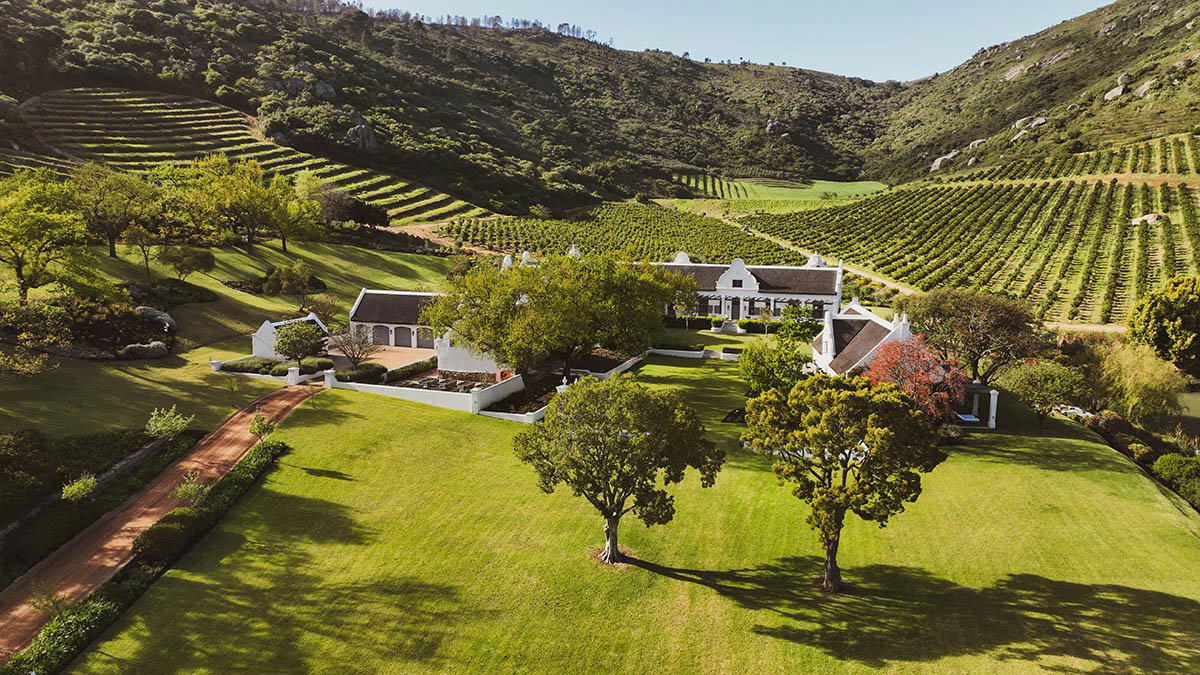
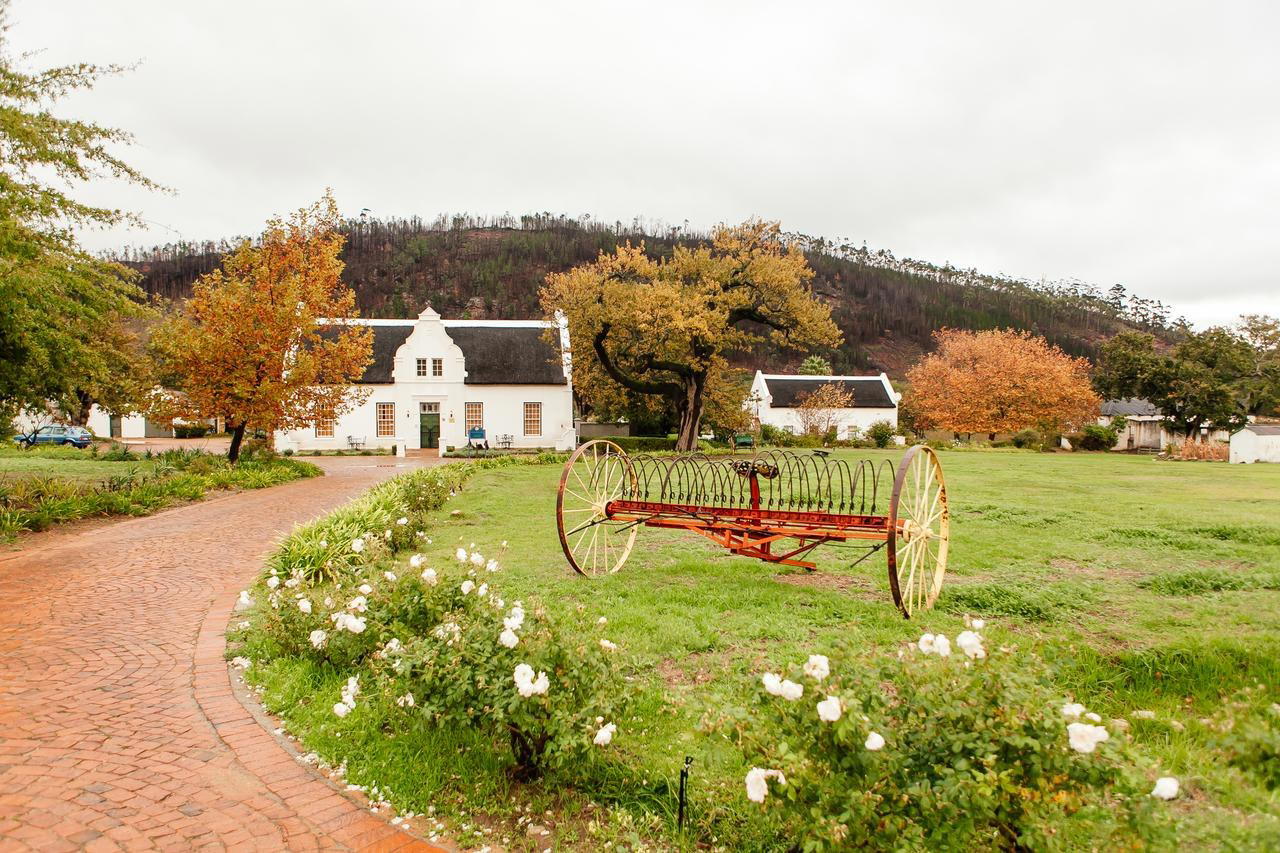
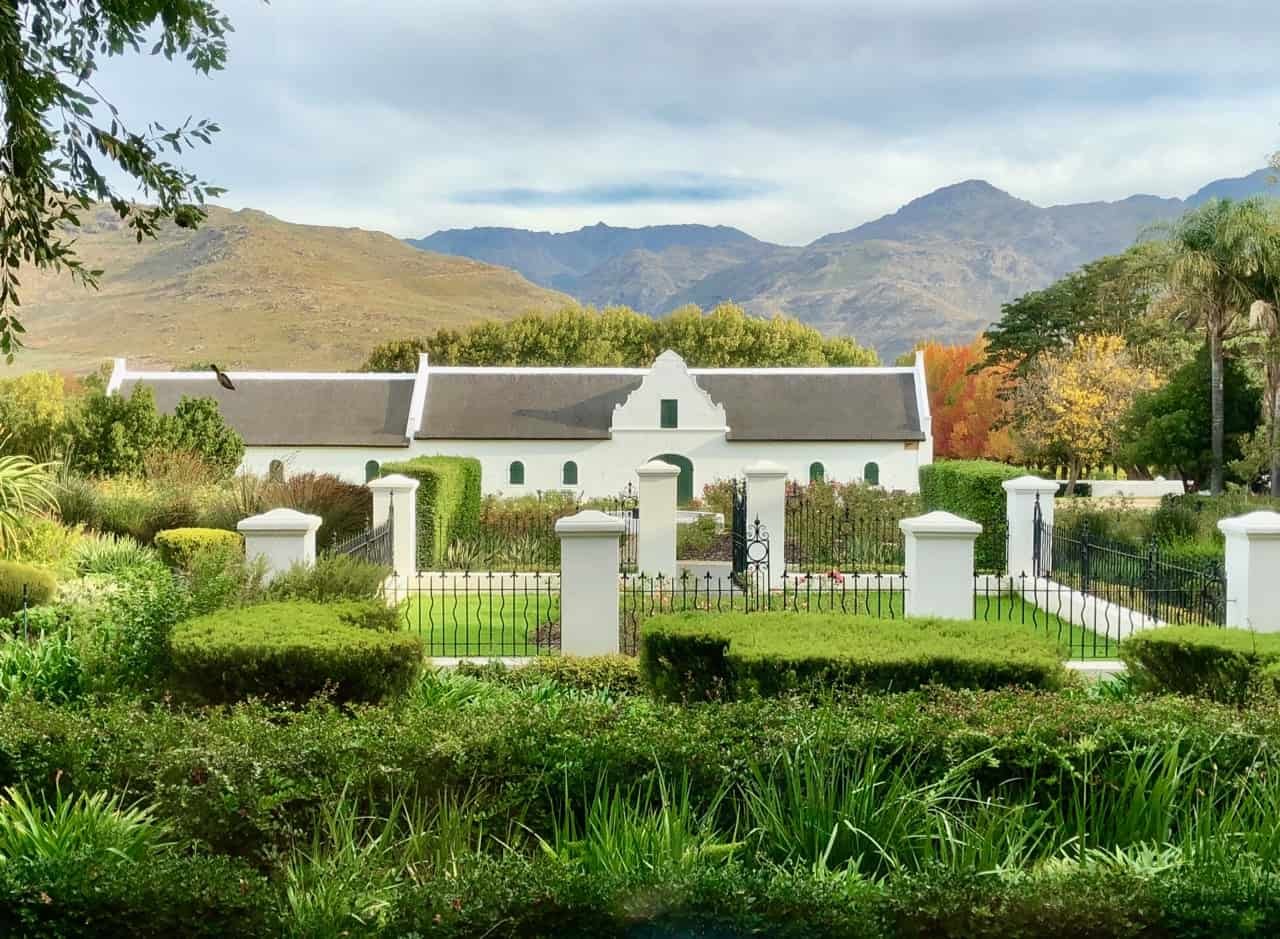
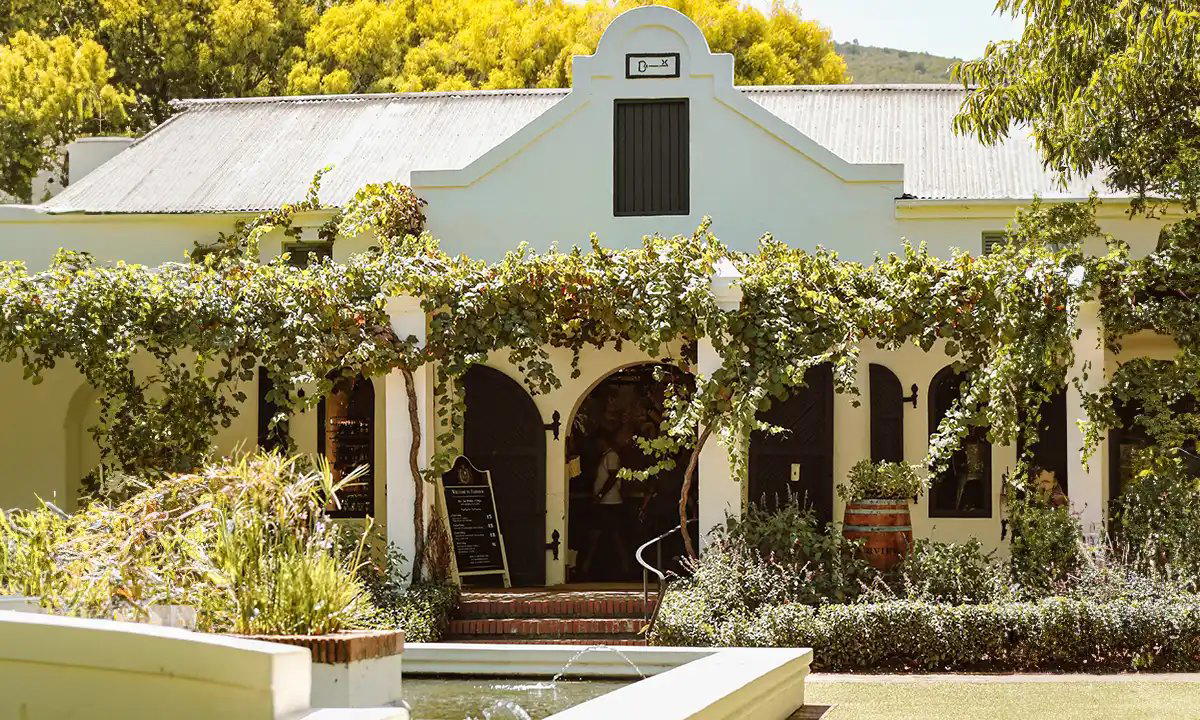
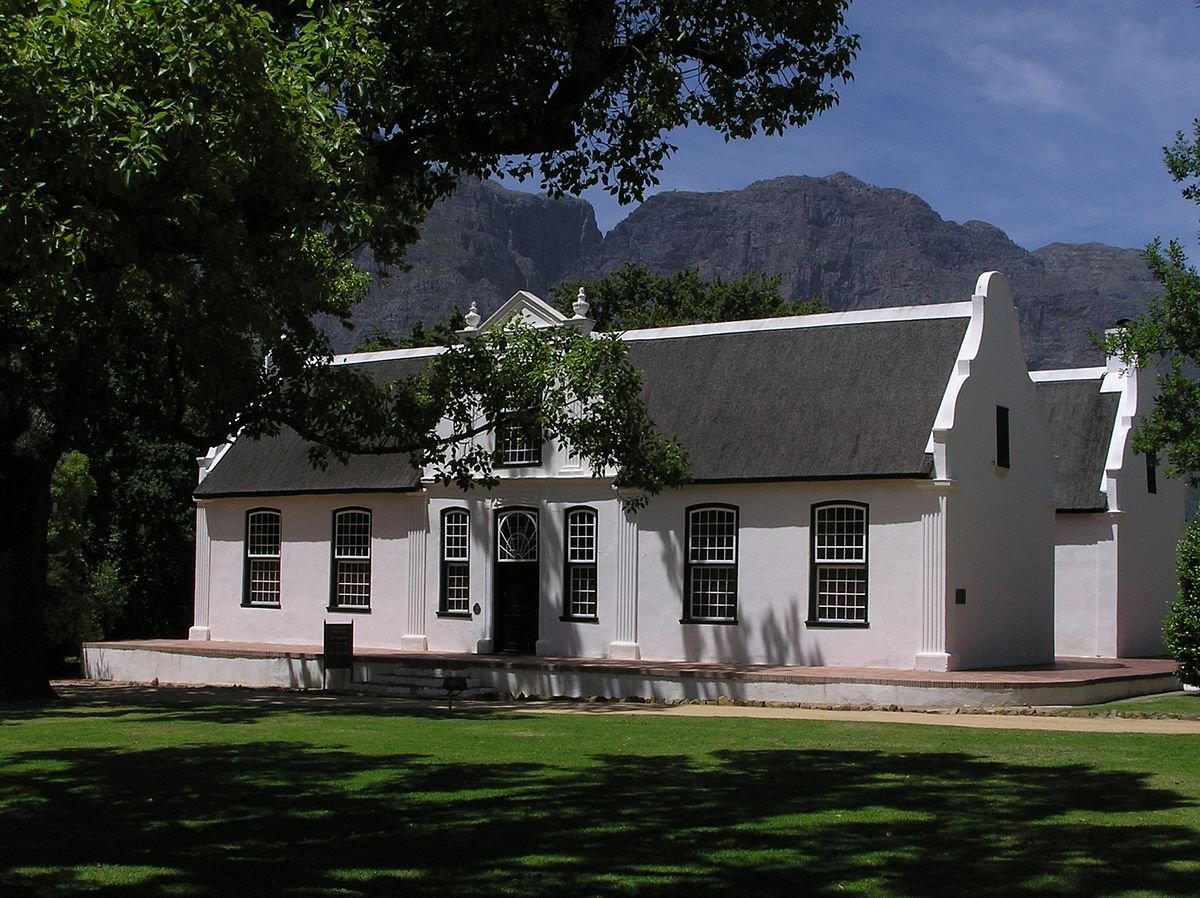
Cape Dutch architecture carries specific formal demands: whitewashed gables, symmetrical facades, the deep-shaded stoep, thick walls that manage heat before any mechanical system is involved. At Babylonstoren, that vocabulary is not applied as heritage pastiche but maintained as a functional system. The original homestead dates to the eighteenth century, and the property's physical language stays within that idiom rather than layering contemporary hospitality design over it.
This is a meaningful distinction in the current South African luxury hotel market. Properties like Clouds Estate in Stellenbosch or Bosjes Manor House in Witzenberg each engage with the Western Cape's heritage architecture differently, some abstracting it, some contrasting it with contemporary intervention. Babylonstoren's approach is closer to conservation with precision: the formal elements of Cape Dutch design are legible and intact, and the accommodation structures work within rather than against that established grammar. The result reads as coherent because the design problem was defined narrowly and solved on its own terms.
The garden, which covers a substantial portion of the estate, functions as the connective tissue between built structures. Its layout references historical Cape garden traditions, with organised beds, espaliered trees, and defined pathways that create a navigable geometry across what would otherwise be simply open agricultural land. The garden is not incidental to the guest experience; it is the primary circulation space and the dominant visual context from almost any point on the property.
The Winelands Context and What It Requires
Paarl sits at the northern edge of the Cape Winelands, beyond Stellenbosch and Franschhoek, in a valley that runs warmer and wider than its more famous neighbours. The wine region produces a broad range of varieties across diverse soils, and the town itself has a less curated tourism infrastructure than Franschhoek specifically. That means properties in the Paarl orbit operate with slightly less ambient foot traffic and must generate their own gravitational pull. Babylonstoren's model, where the farm's productive activity and the kitchen's sourcing relationship with the garden create a reason to visit independently, is well-suited to that dynamic.
For guests combining the property with broader Winelands travel, Paarl connects efficiently with Stellenbosch and the Franschhoek valley, where Akademie Street Boutique Hotel and Guest House represents a more compact, village-embedded alternative. Further into the region, Owloon Manor House offers another Paarl-based reference point, operating at a different scale and format.
South Africa's premium hospitality market spans a wide geographic and experiential range, from urban addresses to game reserve lodges such as Singita in Kruger National Park, Makanyane Safari Lodge in Thabazimbi, and andBeyond Phinda Forest Lodge in Hluhluwe. Babylonstoren occupies a distinct position within that range: not wilderness, not urban, but working agricultural estate, a category that requires different expectations and different reading from the guest.
Farm-to-Table as Operational Structure, Not Marketing Frame
In most contemporary hotel contexts, farm-to-table sourcing is a communication strategy layered onto an otherwise conventional supply chain. At Babylonstoren, the garden's productive output has a structural relationship with what the kitchen produces, which changes the character of the dining program. The menu's scope and content shift with what the land is producing at a given time of year, which means visiting in different seasons produces meaningfully different experiences in the restaurant context. Spring and early summer, when the garden's output broadens rapidly, and harvest periods in late summer and autumn each carry distinct agricultural logic that reaches the table.
This temporal dimension is relevant to planning. A visit in peak winter will present a different property than one in the spring bloom period, not merely in weather terms but in the productive and visual identity of the garden itself. That seasonal specificity is one of the characteristics that separates this model from hotel properties whose offer is broadly consistent year-round.
Planning a Stay
Babylonstoren sits on Klapmuts-Simondium Road in Simondium, placing it within easy driving distance of both Paarl and Stellenbosch, and roughly forty-five minutes from Cape Town's city centre depending on traffic.
Side-by-Side Snapshot
Comparable venues nearby, for context on price, style, and recognition.
| Venue | Cuisine | Price | Awards | Notes |
|---|---|---|---|---|
| BabylonstorenThis venue — the venue you are viewing | Restored Cape Dutch farmstead with contemporary art decor | $$$$ | 5-Star | |
| Grande Roche Hotel | Historic Cape Dutch estate reimagined as a luxury boutique hotel, blending 18th-century heritage with contemporary winelands aesthetic and designer finishes. | $$$$ | 5-Star | Paarl, Cape Winelands |
| Owloon Manor House | Restored Cape Dutch estate villa for exclusive group rentals | $$$$ | 1 recognition | Paarl |
| Radisson Collection Hotel, Waterfront Cape Town | Coastal luxury resort-style hotel at the water’s edge, combining resort relaxation with proximity to Cape Town’s urban attractions. | $$$$ | 5-Star | Granger Bay / V&A Waterfront |
| Grootbos Private Nature Reserve | Family-run eco-luxury nature reserve with two lodges and private villas | $$$$ | 5-Star | Gansbaai |
| Hyatt Regency Cape Town | Modern urban hotel in historic district | $$$$ | 5-Star | Bo-Kaap |
Continue exploring
More in Paarl
Hotels in Paarl
Browse all →
Bars in Paarl
Browse all →
Restaurants in Paarl
Browse all →
At a Glance
- Scenic
- Rustic
- Elegant
- Whimsical
- Romantic Getaway
- Wellness Retreat
- Weekend Escape
- Garden
- Wifi
- Pool
- Spa
- Gym
- Room Service
- Restaurant
- Concierge
- Laundry
- Garden
- Vineyard
- Mountain
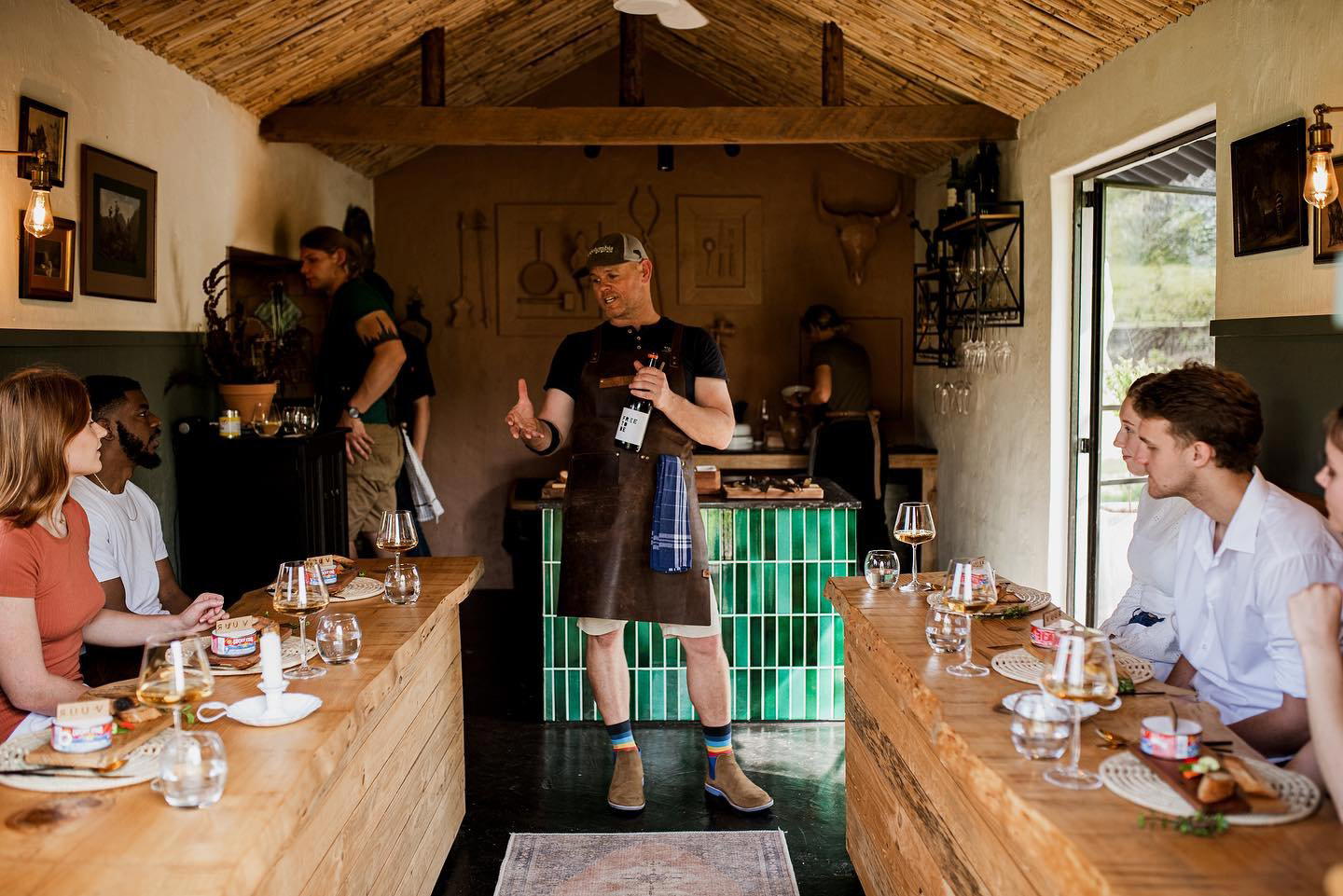
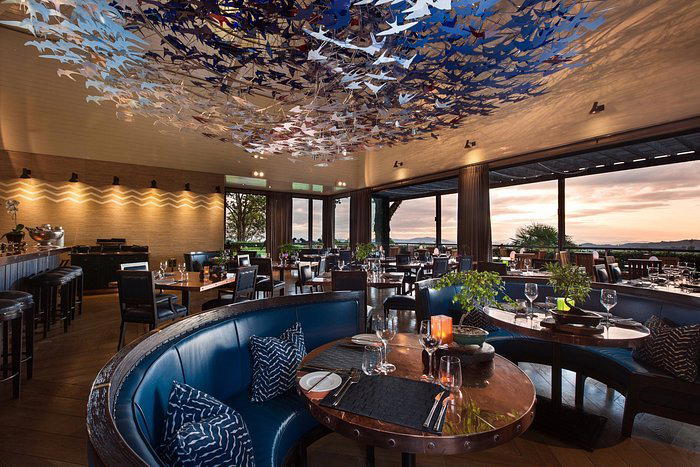
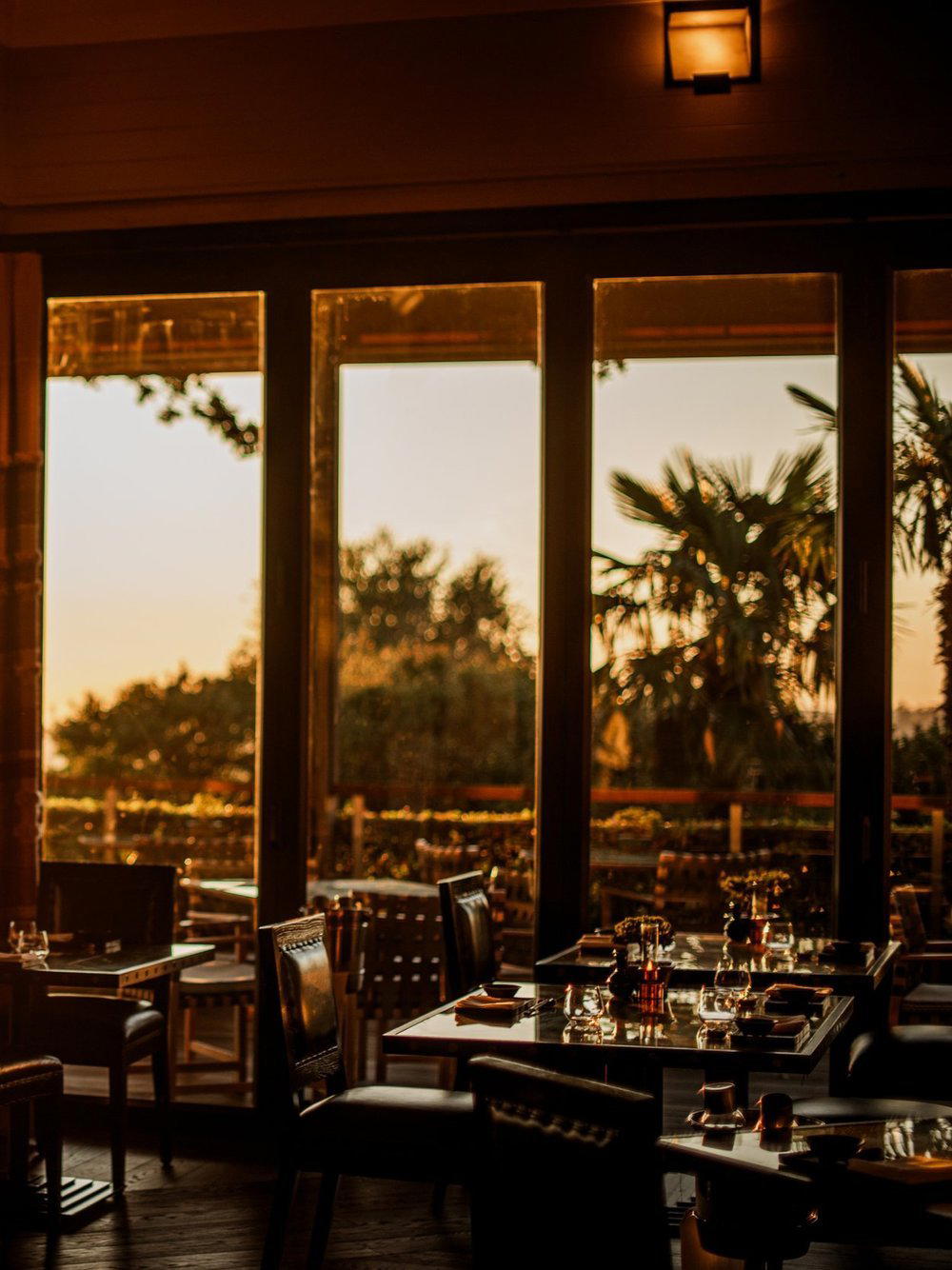
Relaxed farmhouse chic with whitewashed walls, colorful contrasts, fireplaces, and natural light framing lush gardens and vines.