Merus Wines
Merus Wines operates from Crystal Springs Road in St. Helena. The winery sits within the competitive range of small-production houses where farming philosophy and vineyard sourcing carry as much weight as cellar technique. Plan visits and tastings through direct outreach.

Pearl is the En Primeur Club membership app — saves, bookings, and concierge access live there. Same editors, same standards.
- Address
- 424 Crystal Springs Rd, St Helena, CA 94574
- Phone
- (707) 251-5551
- Website
- meruswines.com
- Directions
- Get directions
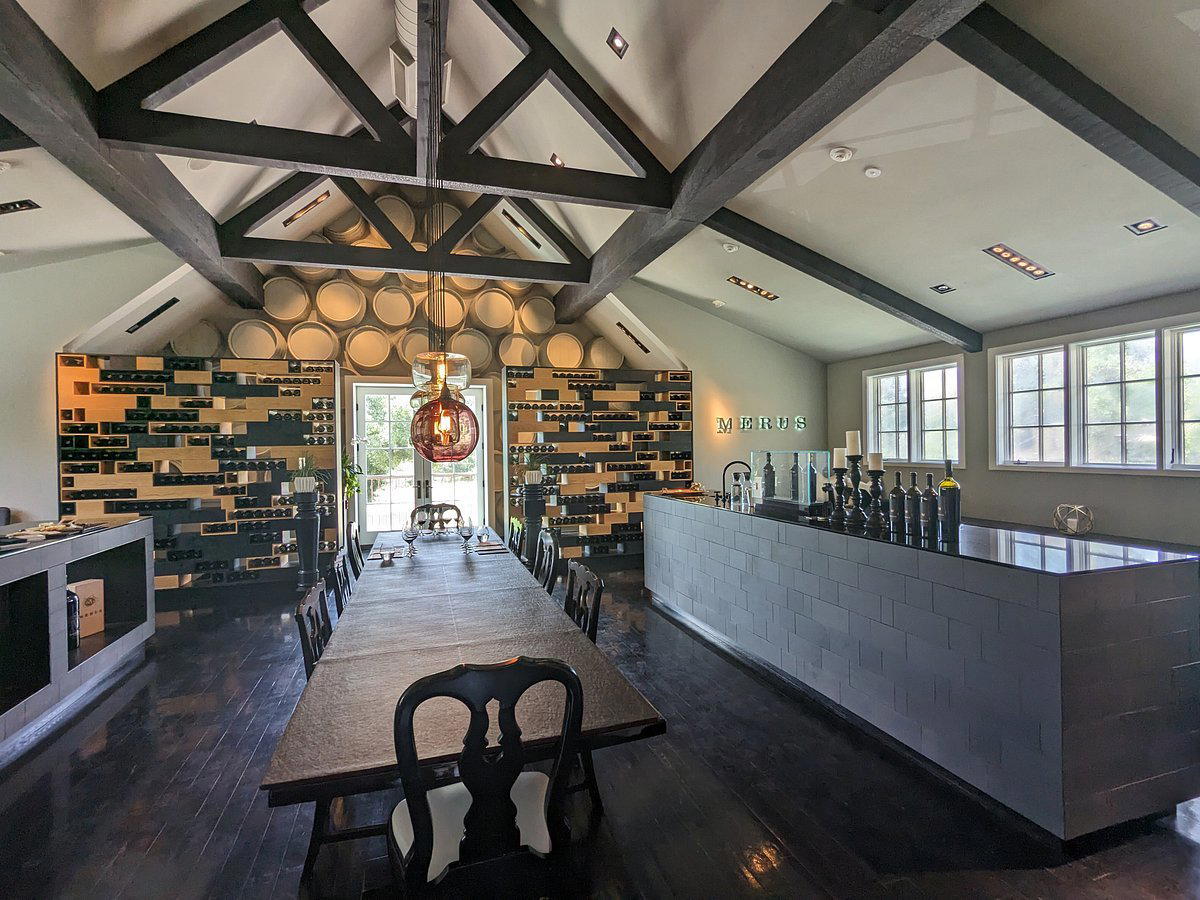
Crystal Springs Road and the Quiet End of St. Helena Viticulture
The approach to 424 Crystal Springs Road tells you something before you taste anything. St. Helena's eastern and western flanks diverge sharply in character: the valley floor carries the commercial weight of the appellation, while the hillside and canyon addresses — where sourcing pressure is higher and yields are lower — tend to attract producers operating outside the tourist-volume model. Merus Wines holds that latter position, working from an address that places it among a cohort of small Napa houses where the appointment book matters more than walk-in traffic and where the wines themselves carry the primary argument for attention.
Within St.
Where Napa's Viticulture Conversation Has Moved
The broader question animating Napa's serious producers over the past decade has less to do with winemaking style and more to do with what happens before harvest. Farming approach, whether organic certification, biodynamic practice, or regenerative methods, has become the primary differentiator inside price tiers that were once separated mainly by cellar technique and brand age. Buyers who pay at the allocation level increasingly want to understand root depth, cover-crop management, compost sourcing, and water-use decisions as much as they want to read tasting notes.
This shift is structural, not cosmetic. Vineyards farmed with synthetic intervention tend toward consistency at volume; vineyards managed with soil biology in mind produce smaller crops with greater vintage-to-vintage expression. For producers in St. Helena's premium tier, that trade-off is not abstract, it shows up in fruit weight, in the way tannins resolve over time, and in whether a wine reads as place-specific or as category-type. Producers like Accendo Cellars and Brand Napa Valley have staked positioning around exactly this question, and Merus operates within the same conversation.
California's wider wine community has provided useful reference points for what committed regenerative or organic viticulture looks like at the smaller-producer scale. Adelaida Vineyards in Paso Robles has pursued certified organic and biodynamic farming across estate blocks for over a decade. Alban Vineyards in Arroyo Grande operates with a similarly soil-focused orientation in its Rhône-variety plantings. And in Oregon's Willamette Valley, Adelsheim Vineyard in Newberg has built a long record of sustainable viticulture that informs how Northwest buyers think about farming credentials. These are the reference producers that have moved the premium conversation away from intervention-heavy winemaking and toward what is happening in the ground.
The Allocation Model and What It Signals
Small Napa producers at the Prestige tier rarely distribute broadly. The allocation model, where buyers sign up for annual releases and quantities are capped, is not a marketing device but a practical outcome of constrained production. When yields per acre are kept low, either by design or by farming method, there is simply less wine to sell. The allocation list becomes the primary commercial channel, and the waiting dynamic that results tends to concentrate buyers who are willing to engage with the producer on the producer's terms.
For visitors, this means that a tasting at Merus is structurally different from walking into a valley-floor tasting room with a broad retail portfolio. The experience is calibrated for people already interested in the program or seriously considering joining an allocation, and the wines poured reflect that context. Charles Krug, one of Napa's oldest estate producers and also based in St. Helena, operates at the opposite end of the access spectrum, open to the public with a full visitor facility. The contrast between those two models captures something important about how St. Helena's wine identity has bifurcated: volume heritage on one side, appointment-only precision on the other.
For a broader orientation to what St. Helena offers across price points and styles, our full St. Helena restaurants and winery guide maps the appellation's main corridors and producers in detail.
California Context Beyond Napa
Understanding where Merus sits within Napa requires some sense of how Napa itself relates to California's other premium wine regions. Artesa Vineyards and Winery in Napa and Alpha Omega Winery in Rutherford both sit within the valley but occupy different tiers and audience segments than the Crystal Springs Road address. Further north, Alexander Valley Vineyards in Geyserville produces Cabernet from Sonoma County's warmer inland corridor, a comparative reference point for how climate and farming interact differently across northern California's premium zones. And in Santa Barbara County, Andrew Murray Vineyards in Los Olivos demonstrates that small-production, farming-forward philosophy extends well beyond Napa into California's southern premium appellations.
These regional comparisons matter because they shape the vocabulary serious wine buyers bring to any Napa tasting. A visitor arriving at Merus who has spent time at Aberlour in Scotland or Achaia Clauss in Patras carries a cross-category frame, an awareness of how terroir-specific production in other traditions differs from volume-industrial approaches, that informs how they read Napa's premium tier. That cross-category fluency is increasingly characteristic of the buyers who end up on allocation lists at houses like Merus.
Planning a Visit to Merus Wines
Merus Wines is located at 424 Crystal Springs Road, St. Helena, California 94574. Given the appointment-only orientation typical of producers at this tier, direct contact with the winery ahead of any visit is advisable; showing up without a scheduled appointment at a small Napa house is rarely productive, and the experience is better when framed correctly in advance. Timing a visit during the quieter shoulder seasons, late January through March, or October after harvest, tends to allow more focused engagement than the peak summer window when valley traffic is at its highest.
Comparison Snapshot
Comparable venues nearby, for context on price, style, and recognition.
| Venue | Cuisine | Price | Awards | Notes |
|---|---|---|---|---|
| Merus WinesThis venue — the venue you are viewing | Cabernet Sauvignon, Petit Verdot | Not listed | Not listed | Not listed |
| Sherwin Family Vineyards | Cabernet Sauvignon, Merlot | $50–100 | Not listed | Spring Mountain District |
| Sloan Estate | Cabernet Sauvignon, Merlot | Not listed | Falstaff Winery - Listed | Rutherford |
| Bryant Family Vineyard | Cabernet Sauvignon, Cabernet Franc | Not listed | Falstaff Winery - Listed | Pritchard Hill |
| Saint Helena Winery | Cabernet Sauvignon, Cabernet Franc | Not listed | Not listed | St. Helena |
| Crocker & Starr Wines | Cabernet Franc, Cabernet Sauvignon | Not listed | Not listed | St. Helena |
Continue exploring
More in St. Helena
Wineries in St. Helena
Browse all →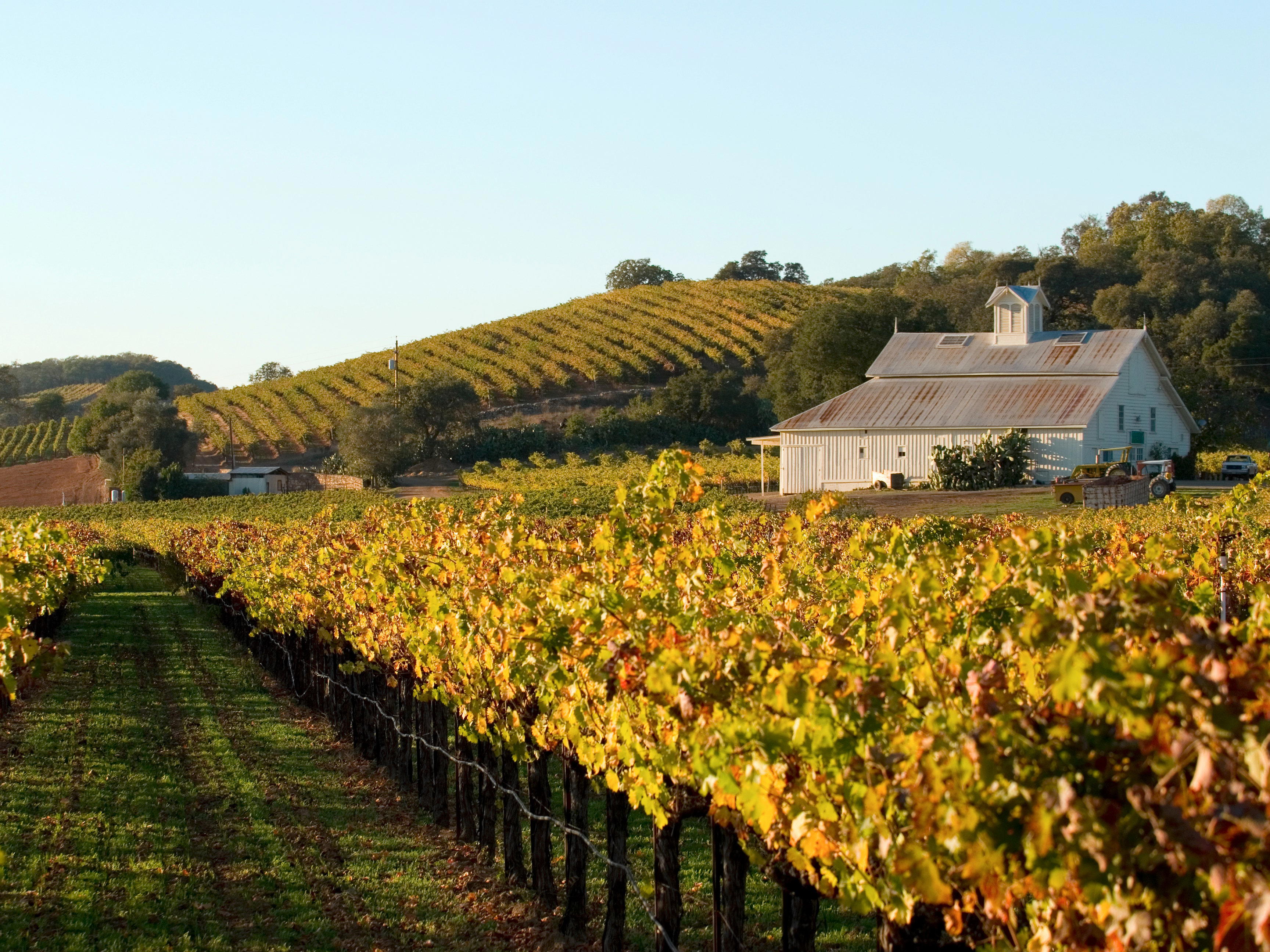
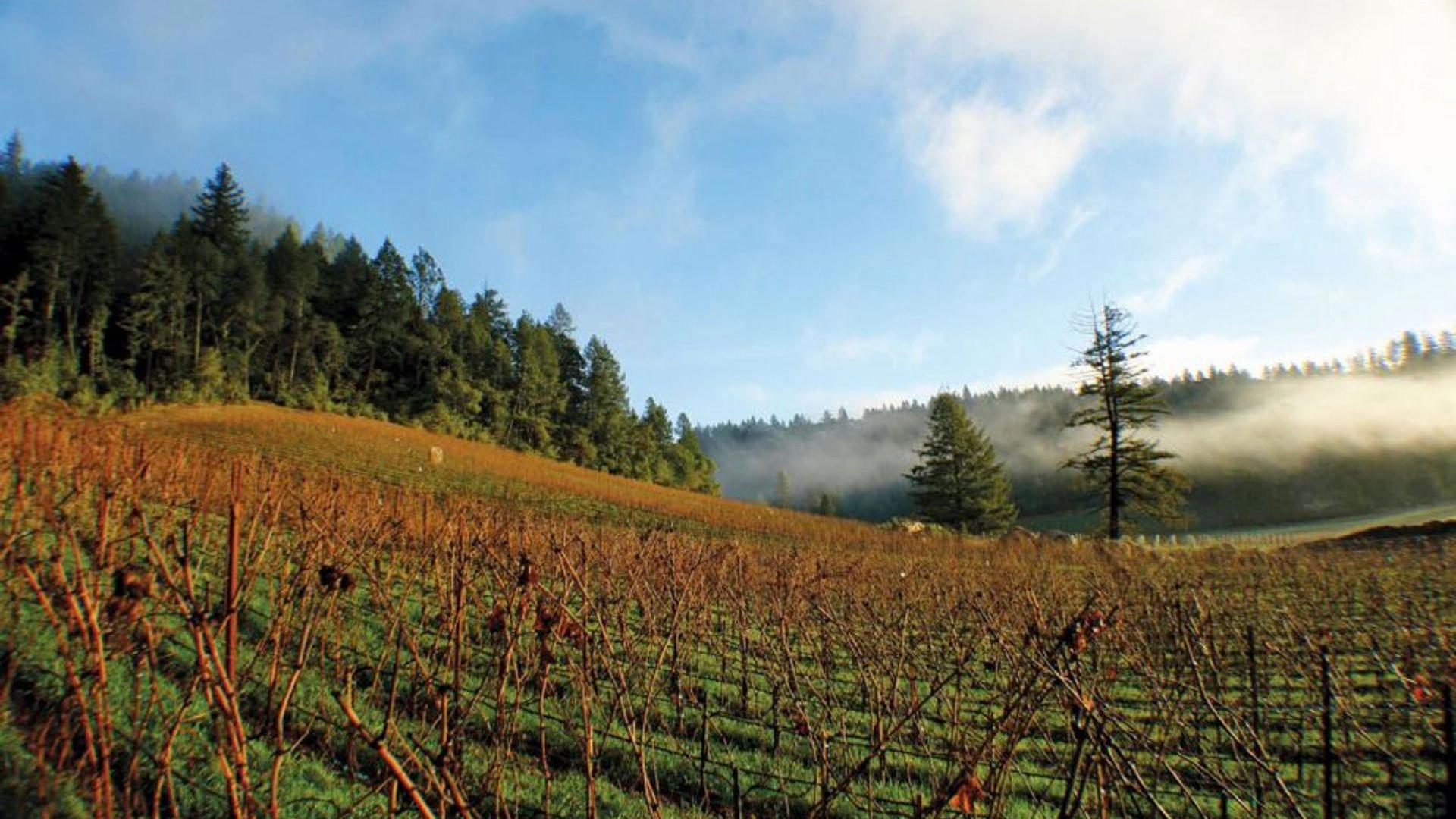
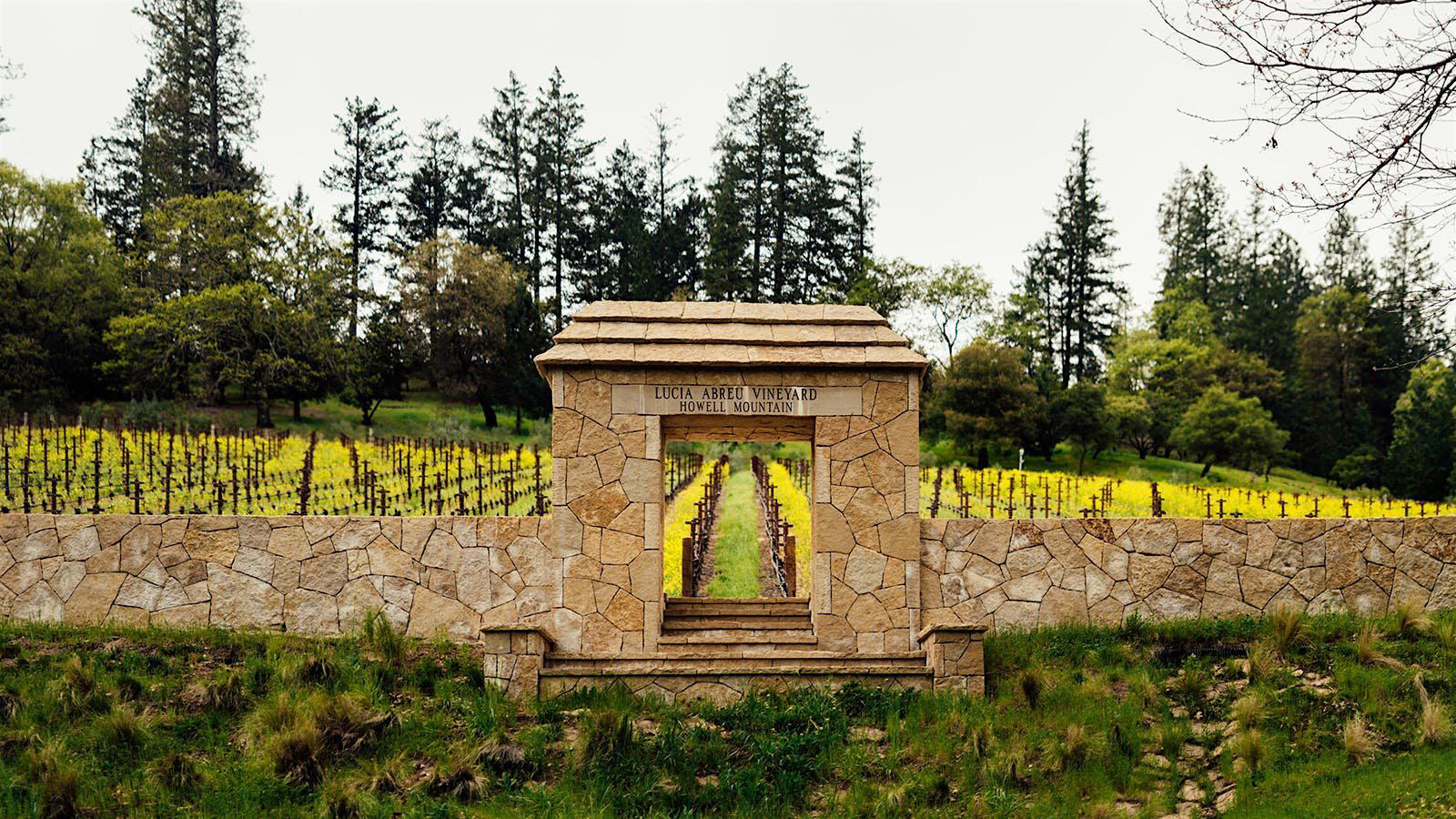
Bars in St. Helena
Browse all →
Restaurants in St. Helena
Browse all →

Details
- Elegant
- Intimate
- Sophisticated
- Rustic
- Special Occasion
- Wine Education
- Cave Tasting
- Historic Building
- Sustainable
- Vineyard
- Mountain
- Cabernet Sauvignon
- Petit Verdot
- Still Red
- Private Tasting
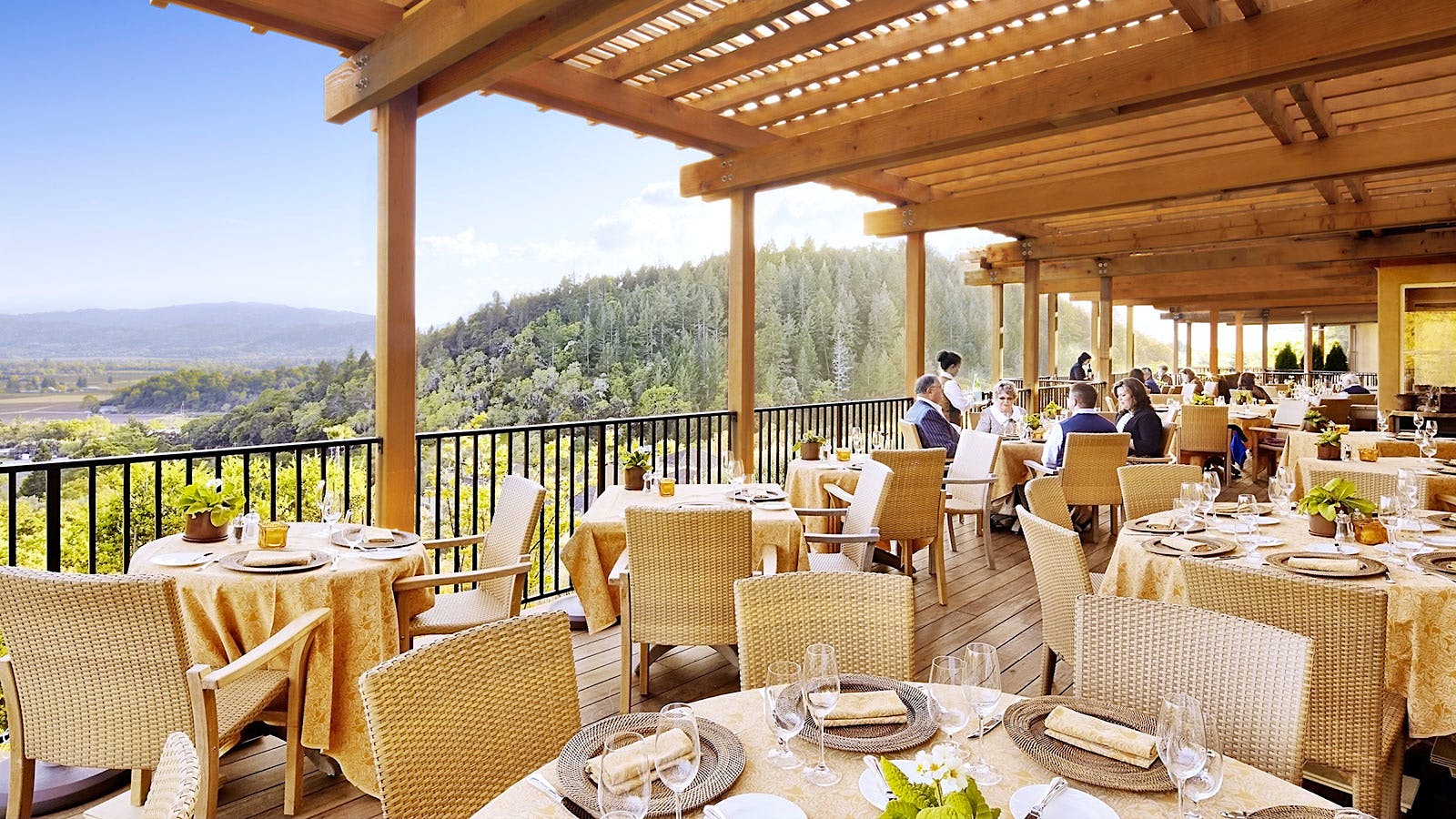
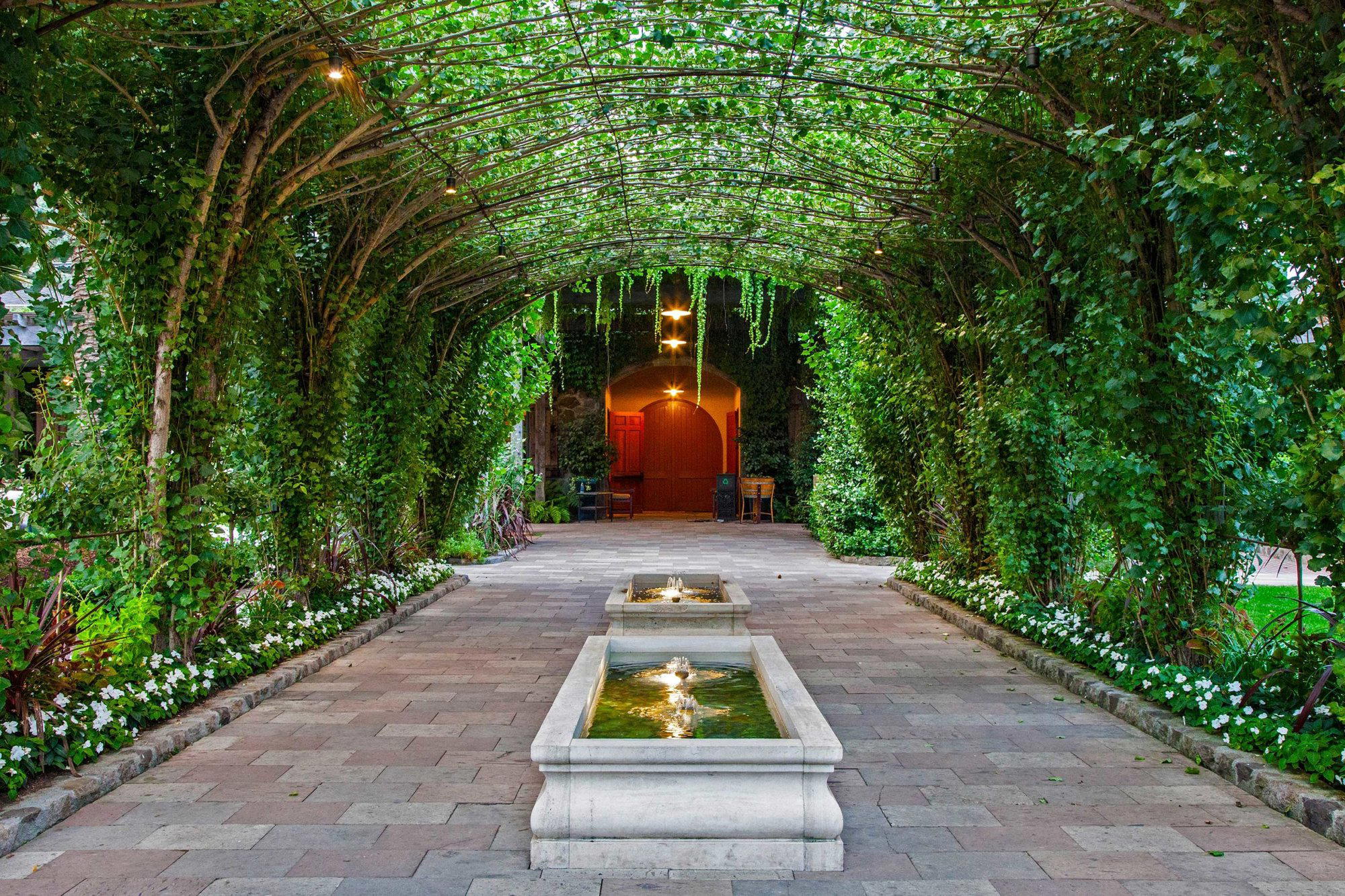
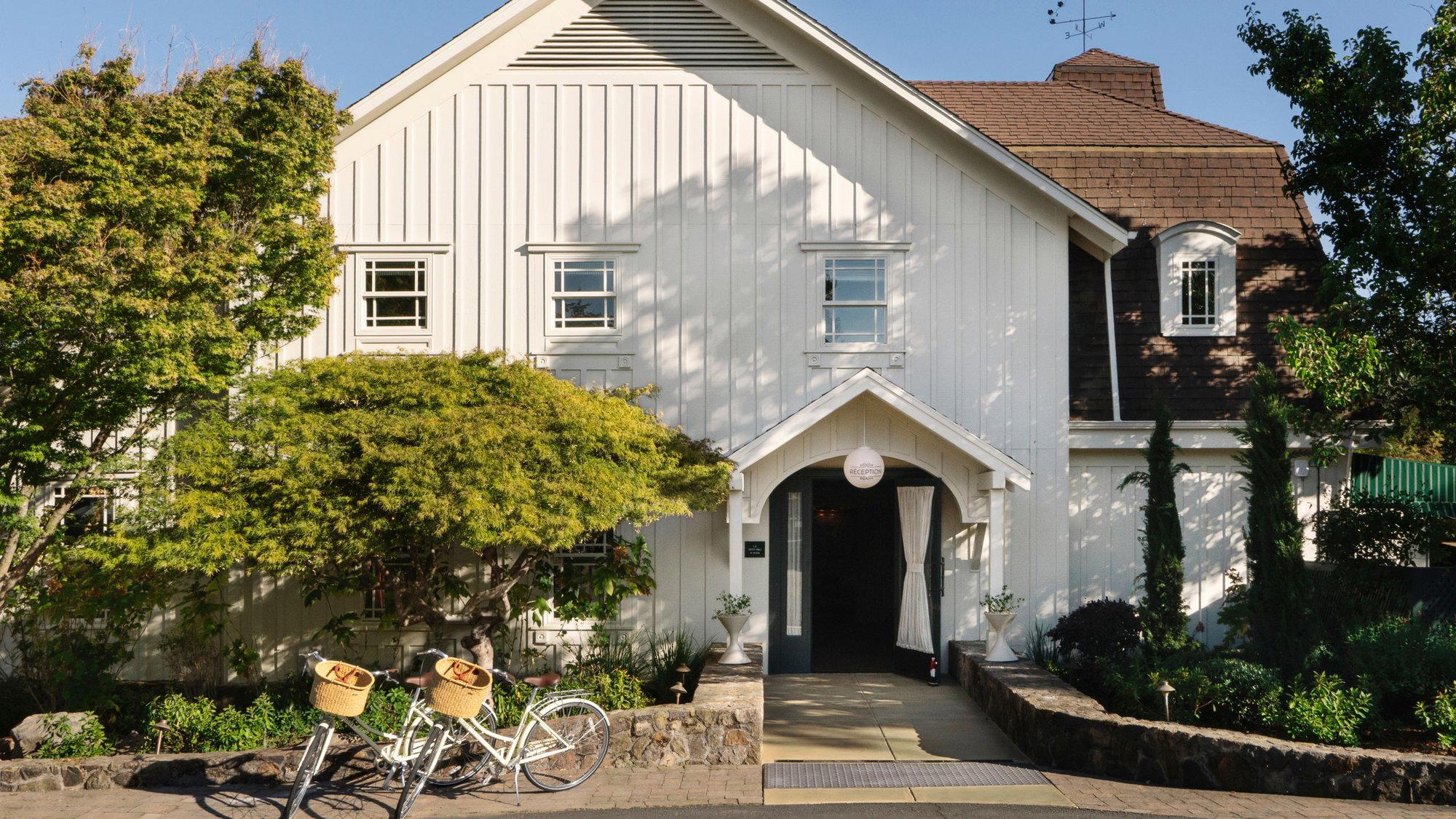
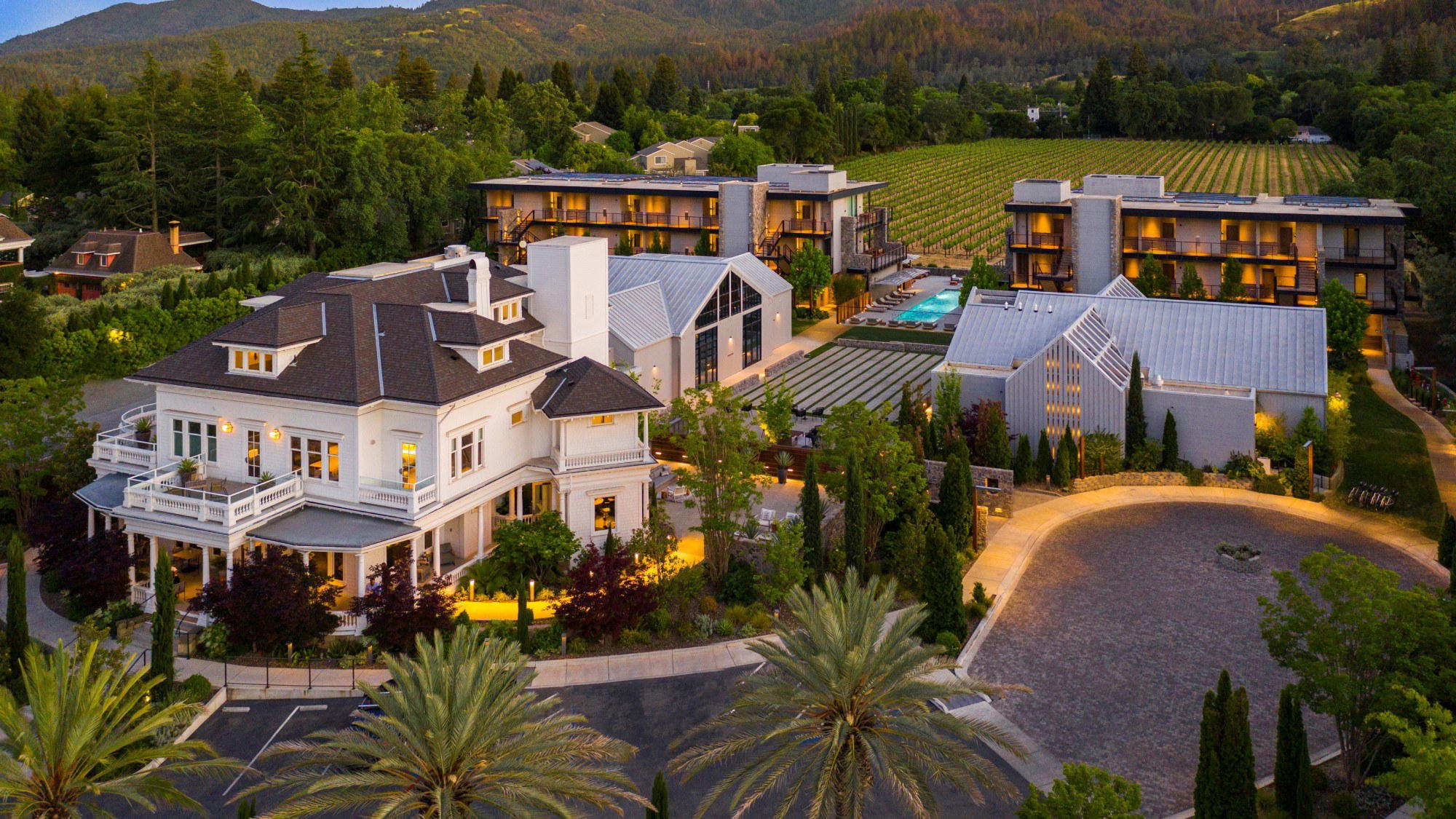
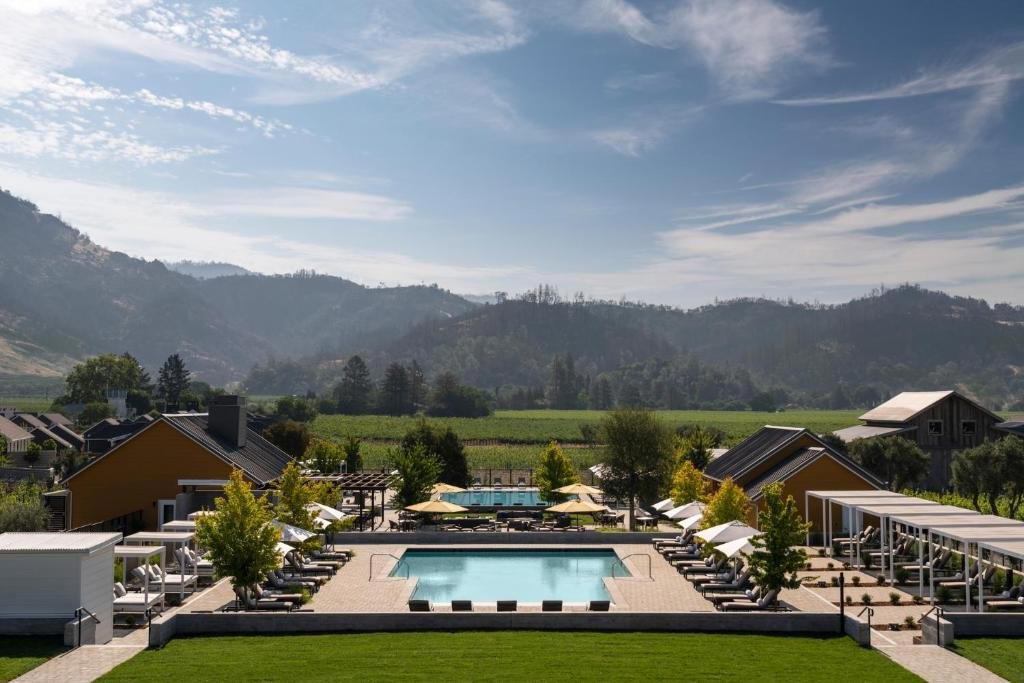
Serene and elegant with beautiful cave tastings, precise decor, and a peaceful historic setting featuring a brook and blackberry vines.