Sherwin Family Vineyards
Sherwin Family Vineyards sits on Spring Mountain Road in St. Helena, producing estate wines from one of Napa Valley's most demanding mountain appellations. Visits are appointment-based, in keeping with the small-production mountain winery model that defines this part of the AVA.
Pearl is the En Primeur Club membership app — saves, bookings, and concierge access live there. Same editors, same standards.
- Address
- 4060 Spring Mountain Rd, St Helena, CA 94574
- Phone
- +1 707-963-1154
- Website
- sherwinfamilyvineyards.com
- Directions
- Get directions
 Saves & bookings on Pearl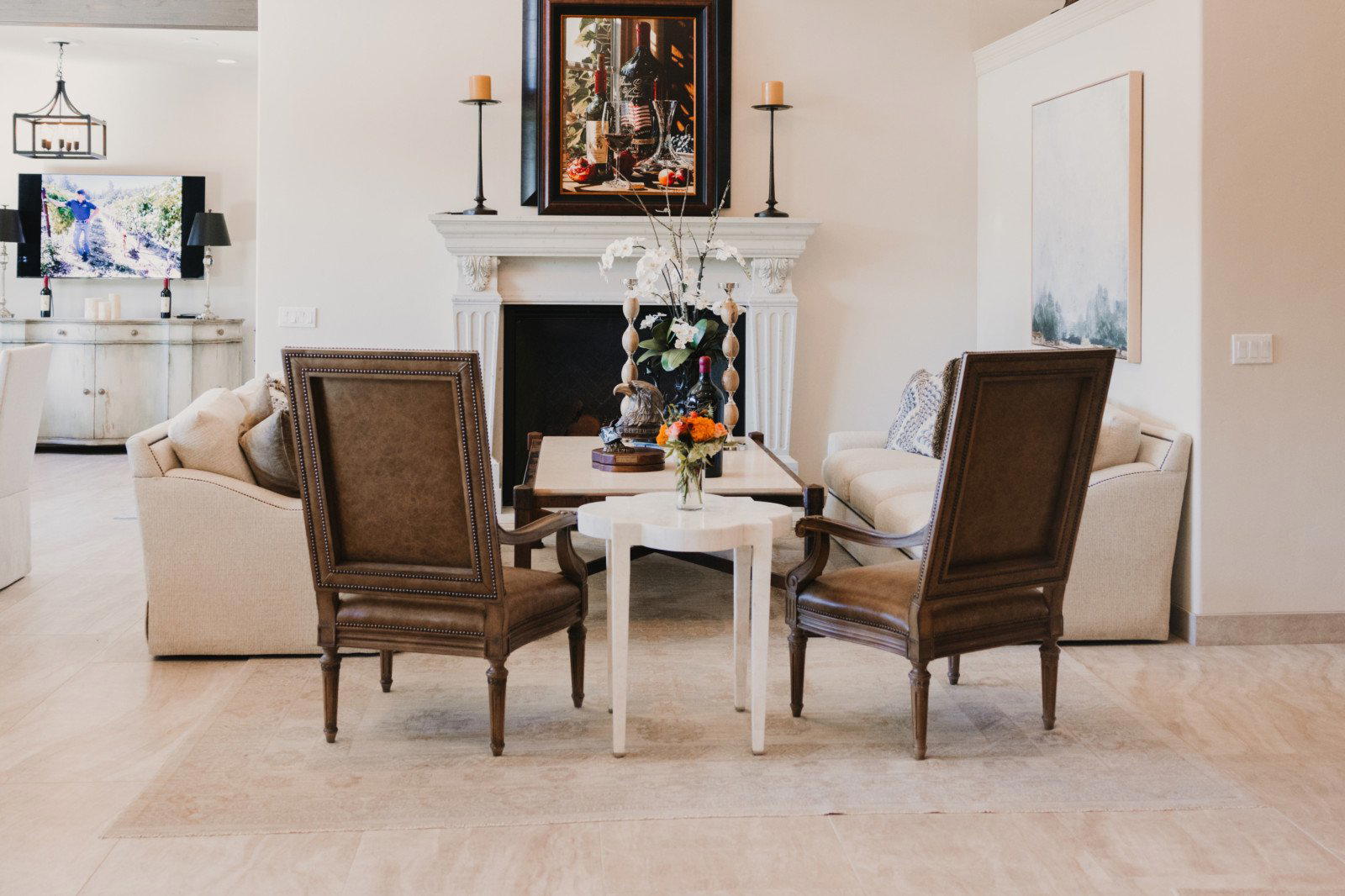
Spring Mountain and the Logic of Altitude
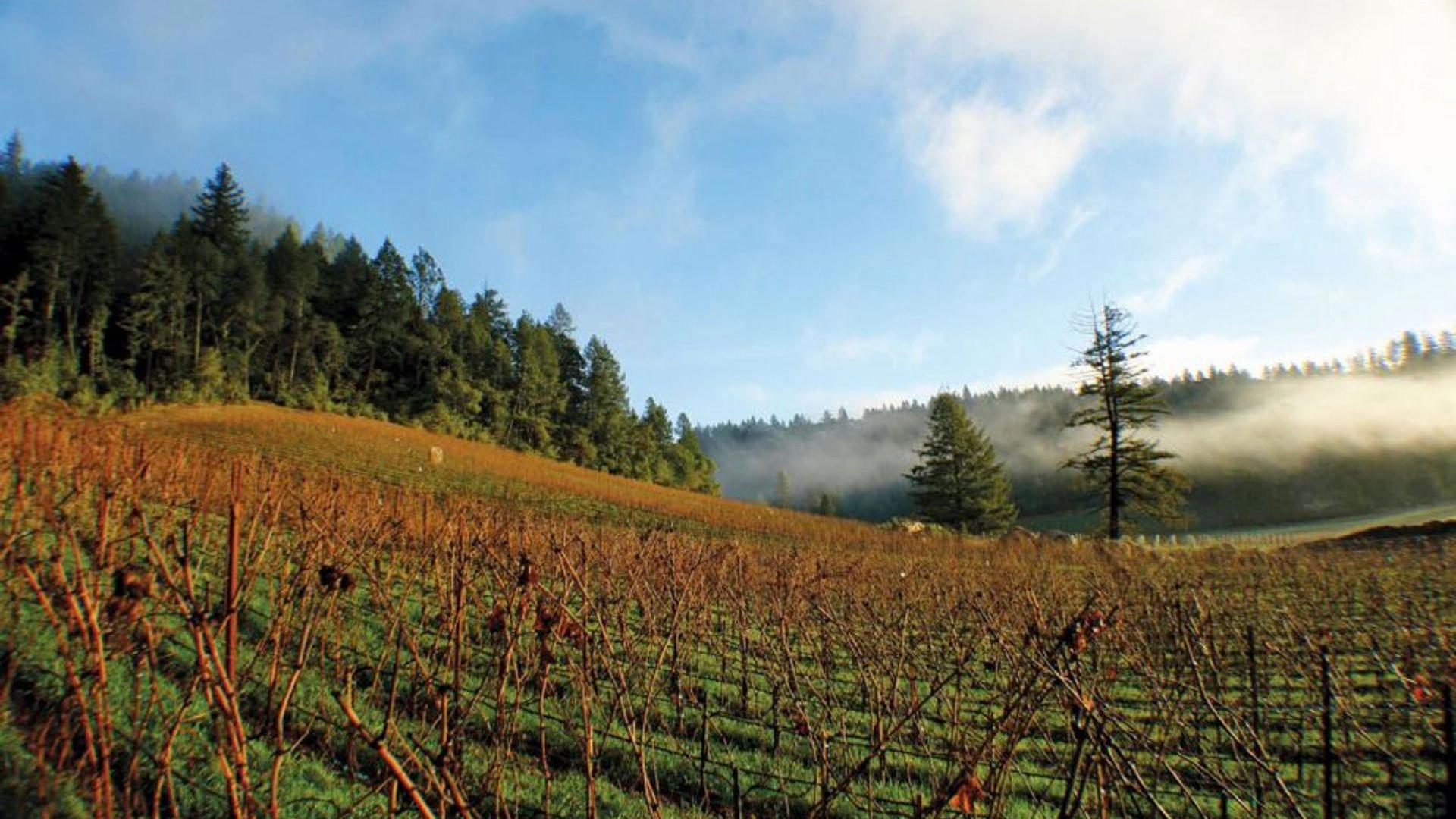
Spring Mountain District occupies the western slopes above St. Helena, where the valley floor's warmth gives way to elevation, fog, and fractured volcanic soils. The appellation sits inside Napa Valley's boundaries but operates on different terms: cooler growing seasons, smaller yields, and a concentration of family-owned estates that have largely resisted the consolidation reshaping the valley below. Cabernet Sauvignon from this part of the mountain tends toward structure over opulence, with tannin architecture that needs time to resolve. That profile sits at some remove from the approachable, fruit-forward style that defines much of commercial Napa, and it attracts a specific kind of collector.
Sherwin Family Vineyards is a winery in St. Helena, California, with a price tier of $95 per person and an appointment-only visiting policy. Sherwin Family Vineyards, at 4060 Spring Mountain Road, belongs to this tradition. The address places it deep into the district, past the transition point where the road narrows and the canopy closes in.
The Spring Mountain District in Context
To understand what Sherwin occupies, it helps to understand where Spring Mountain sits within California's broader wine geography. Napa Valley's mountain AVAs, Spring Mountain, Howell Mountain, Mount Veeder, Diamond Mountain, share a common premise: altitude moderates temperature, reduces water stress, and concentrates flavors in ways that flat-valley farming cannot replicate at the same scale. Spring Mountain's western exposure and proximity to the Mayacamas Range give it maritime influence from the Pacific that the valley floor rarely receives directly.
Within California's premium tier, mountain-district Cabernet competes on a different axis than Oakville or Rutherford benchland wines. The comparison is less about fruit weight and more about longevity, site specificity, and what the wine business loosely calls terroir expression. Producers in this district, from the long-established Keenan Winery to newer entrants, share an alignment around those values even when their winemaking approaches differ. The result is an appellation with a coherent identity, which is rarer than it might seem in a valley as commercially diverse as Napa.
For comparison outside the immediate neighborhood, the structural profile of Spring Mountain Cabernet has more in common with mountain-grown California reds from producers like Accendo Cellars in St. Helena or the cooler-climate Rhône-influenced work at Alban Vineyards in Arroyo Grande than with the generously extracted valley-floor style. The through-line is restraint earned by site conditions rather than imposed by winemaking intervention.
At this tier, a winery is expected to demonstrate consistent estate quality, site coherence, and a production philosophy that goes beyond commercial optimization. For Sherwin, the rating places it above the majority of Spring Mountain producers in EP Club's tracked universe and within a comparable set where the differentiating variables are vineyard management precision, aging protocol, and allocation structure rather than brand scale.
Mountain-district wineries at this level tend to operate on tight allocations and mailing-list access structures. That is partly a function of small yield, mountain soils simply produce less fruit per acre than valley floor sites, and partly a deliberate positioning choice. The prestige tier in Spring Mountain is not defined by bottle price alone but by the ratio of demand to supply, which at the 2 Star level typically favors the producer significantly. Visitors who arrive without prior mailing-list or membership standing should expect that current-release wine access may be limited, and that tasting availability operates on an appointment basis.
Arriving and Planning Your Visit
Spring Mountain Road is a winding, two-lane ascent that takes visitors from the commercial center of St. Helena into a different register entirely. The drive itself frames expectations: this is not a destination built for high-volume traffic, and the properties along the road reflect that. Calla Lily Estate and Winery sits along the same corridor, and the density of recognized producers per mile here is among the highest in California's mountain appellations.
Given that Sherwin operates as a family estate, visitors should secure appointments well in advance, particularly for weekend visits during harvest (September through November) and the spring release season (March through May), when tasting slots at Spring Mountain producers fill months ahead. The winery operates by appointment only. Reaching out through the winery's own channels or through EP Club's concierge resources is the practical path to confirmed access.
Those building a full day on the mountain can anchor at Sherwin and complement the visit with stops at neighboring estates. The Spring Mountain District's geography means that most of the district's recognized producers sit within a short drive of each other, making sequential tasting appointments feasible without the cross-valley logistics that can fragment a Napa itinerary.
Spring Mountain in the Wider California Wine Conversation
California's premium wine conversation has broadened considerably over the past decade. Oregon Pinot from producers like Adelsheim Vineyard in Newberg has claimed space in collections that once defaulted to Napa. Paso Robles properties such as Adelaida Vineyards have built credibility for Rhône and Bordeaux varieties at different price points. Alexander Valley producers like Alexander Valley Vineyards in Geyserville offer a warmer, more immediately accessible Cabernet style. And within Napa itself, benchland appellations such as Rutherford, home to Alpha Omega Winery, represent a contrasting paradigm built on different soil types and sun exposure.
Within that competition, Spring Mountain's value proposition is specificity. The wines that come off these slopes are not interchangeable with valley-floor Napa, and producers at the Sherwin level are banking on collectors who understand and seek that distinction.
For those who prefer Santa Barbara County's cooler growing conditions, the Rhône-focused work at Andrew Murray Vineyards in Los Olivos offers a reference point for how California's mountain and coastal producers are each carving out defined identities against the Napa mainstream. The through-line in all these cases is site specificity over brand ubiquity, a value that the Spring Mountain District, and Sherwin within it, has built its reputation around.
Price and Recognition
Comparable venues nearby, for context on price, style, and recognition.
| Venue | Cuisine | Price | Notes |
|---|---|---|---|
| Sherwin Family VineyardsThis venue — the venue you are viewing | Not listed | $$$$ | Not listed |
| Gandona Estate | Not listed | $$$$ | Pritchard Hill, Cabernet Sauvignon, Cabernet Franc |
| Faust | Coombsville, Cabernet Sauvignon, Merlot | $$$$ | Not listed |
| Somerston Estate | Not listed | $$$$ | Eastern Napa Valley, Cabernet Sauvignon, Merlot |
| GRO Wines | Not listed | $$$ | St. Helena, St. Helena AVA |
| Orin Swift Cellars | Not listed | $$$ | downtown St. Helena, Zinfandel, Syrah |
Continue exploring
More in St. Helena
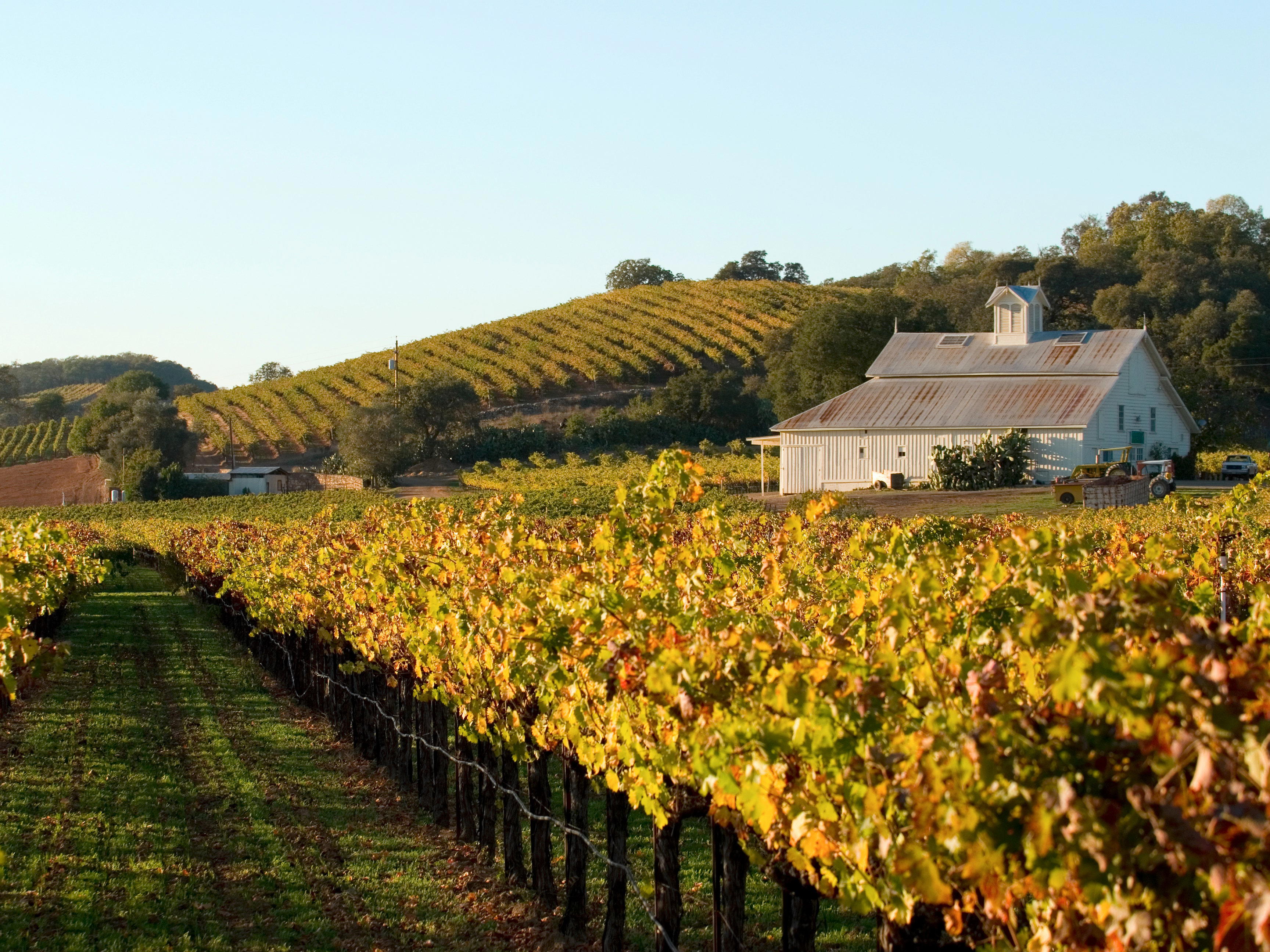
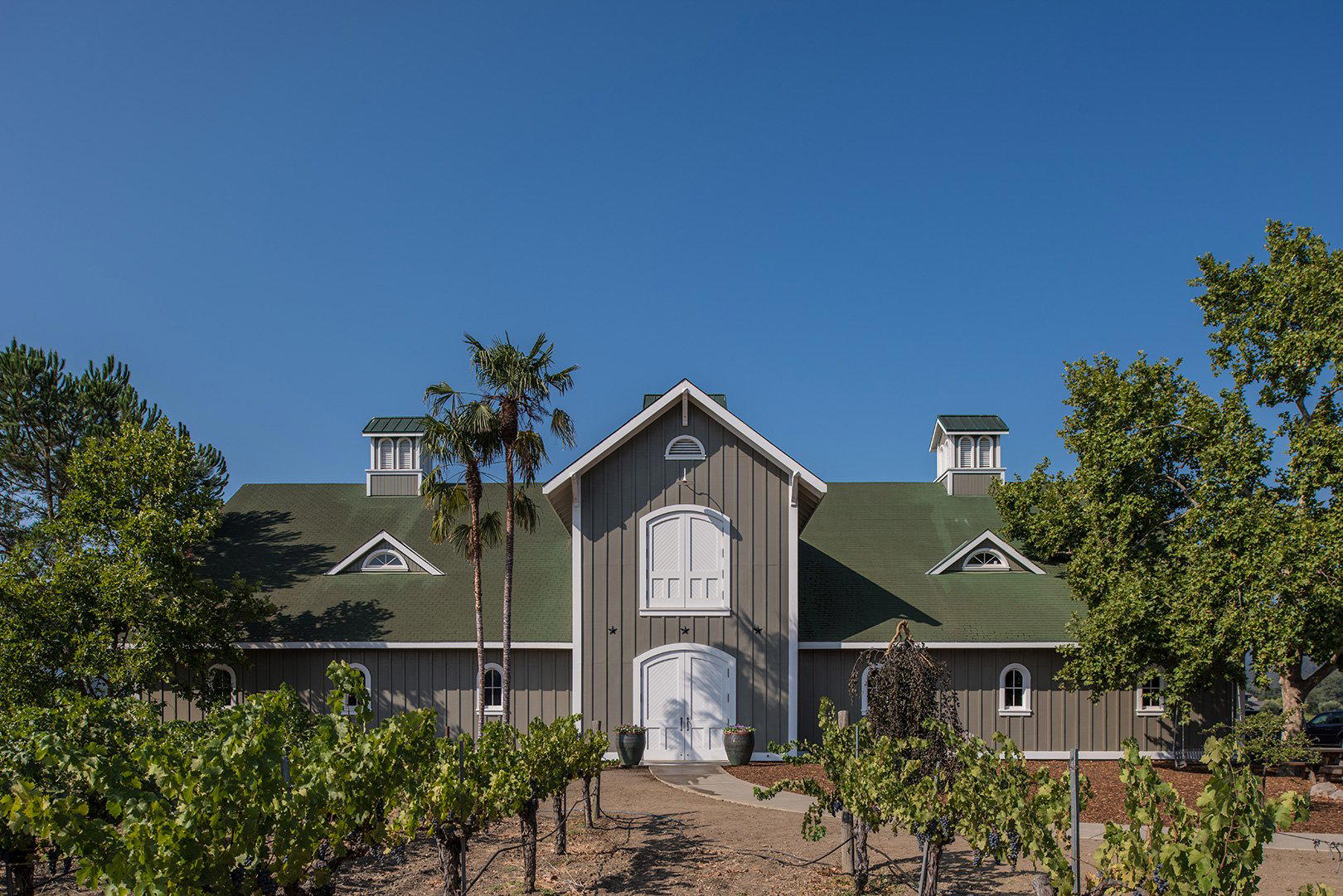
Wineries in St. Helena
Browse all →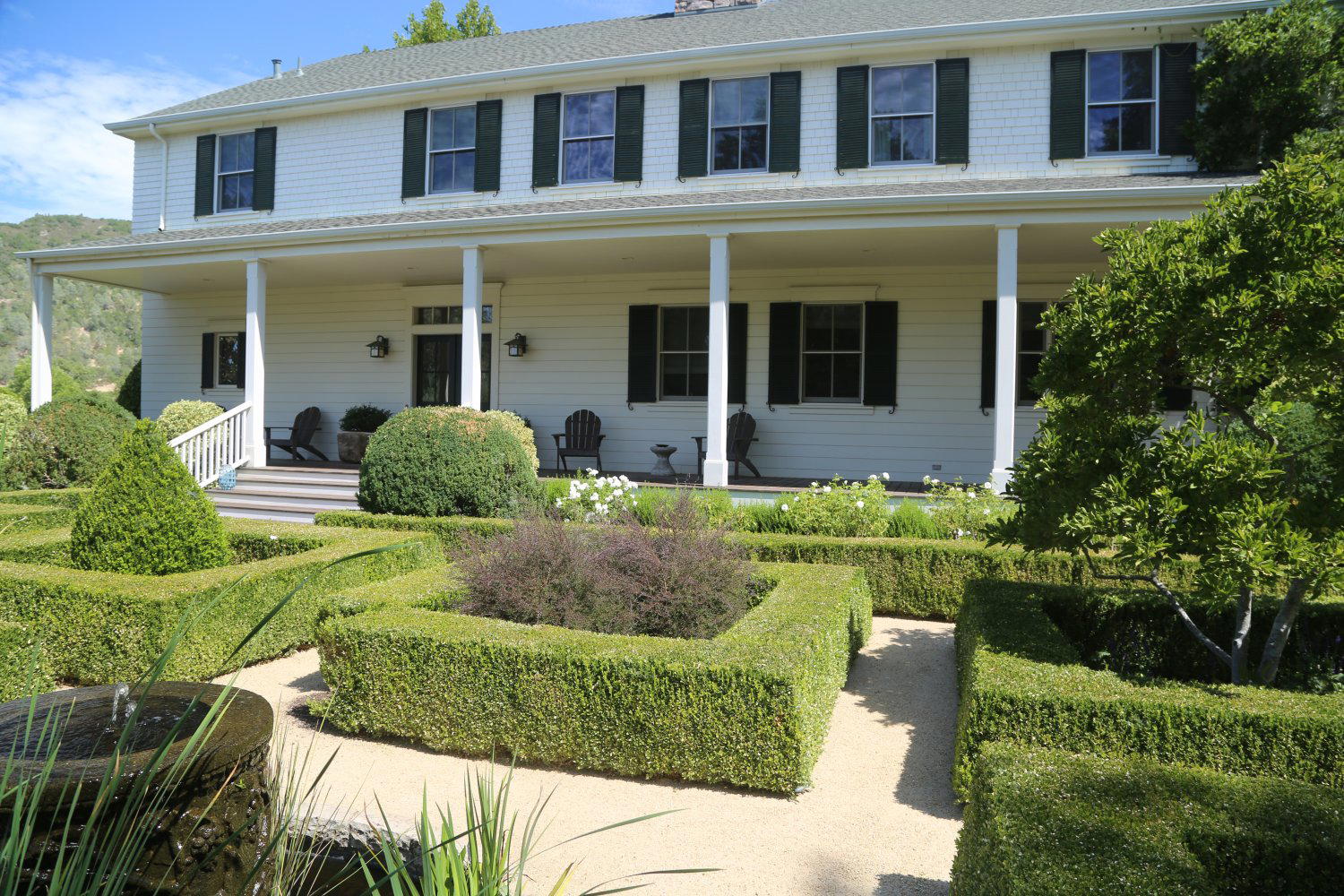
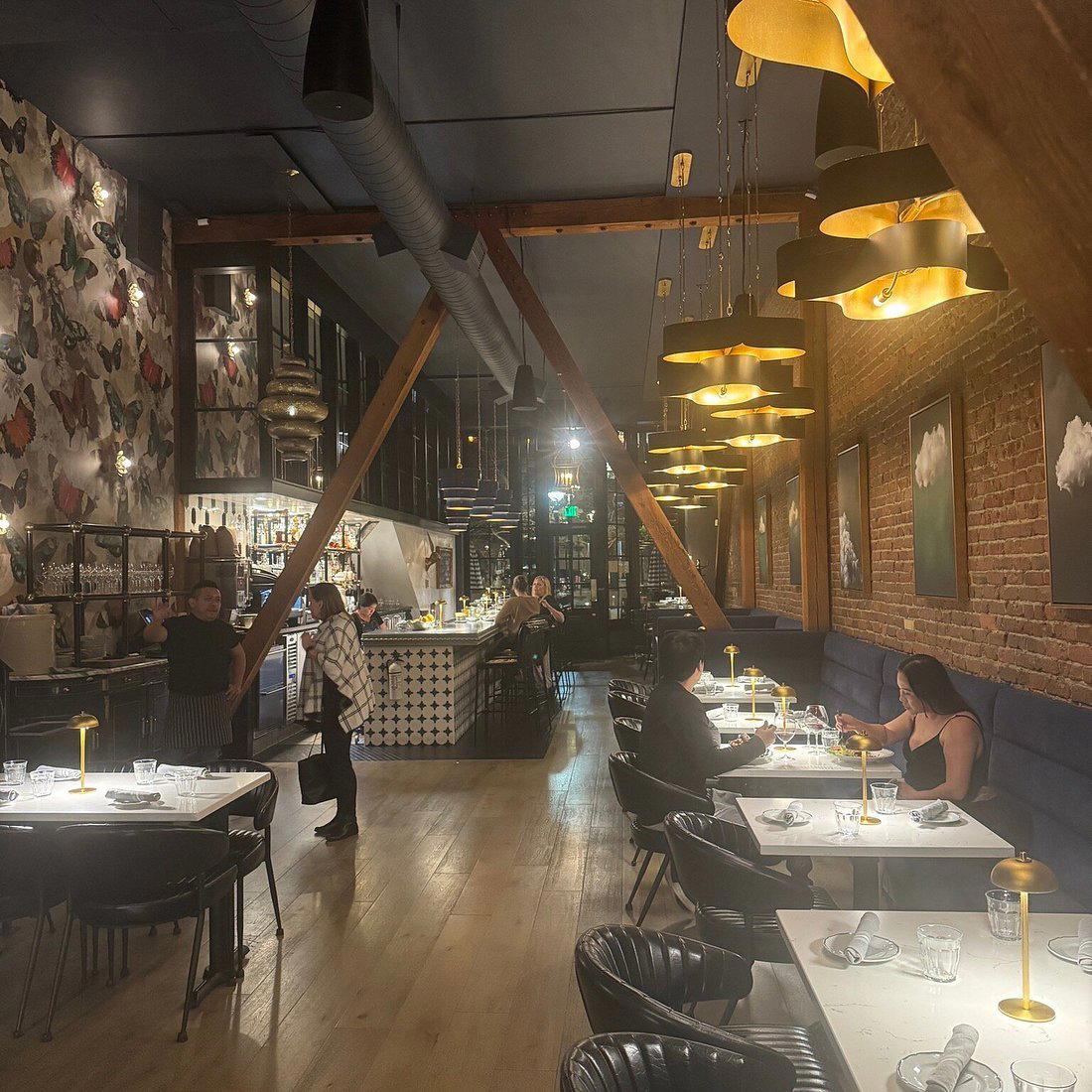
Bars in St. Helena
Browse all →
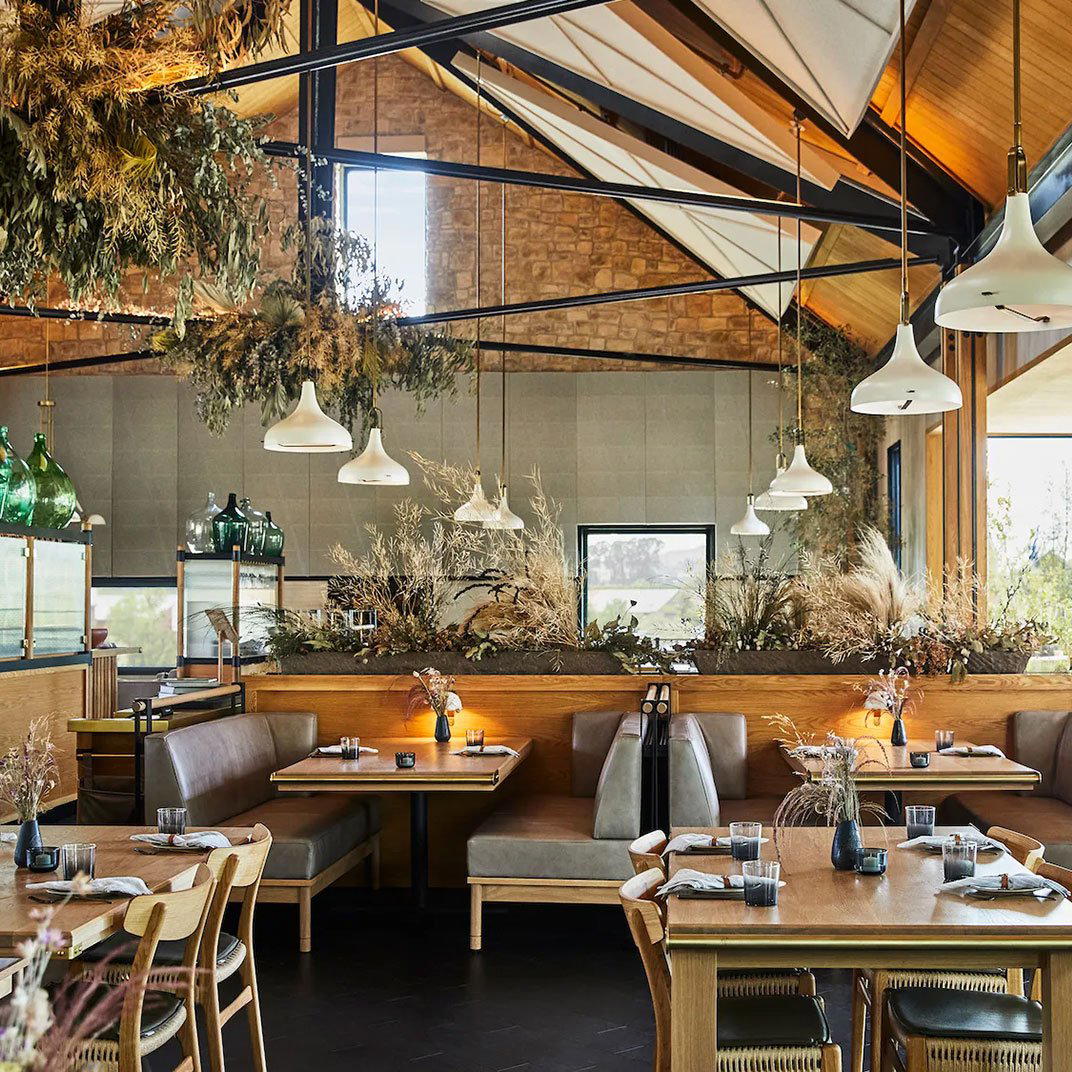
Restaurants in St. Helena
Browse all →

At a Glance
- Romantic
- Scenic
- Cozy
- Elegant
- Intimate
- Rustic
- Romantic Getaway
- Solo Exploration
- Wine Education
- Special Occasion
- Estate Grounds
- Picnic Area
- Panoramic View
- Sustainable
- Mountain
- Vineyard
- Spring Mountain District AVA
- Cabernet Sauvignon
- Merlot
- Cabernet Franc
- Still Red
- Seated Tasting
- Private Tasting
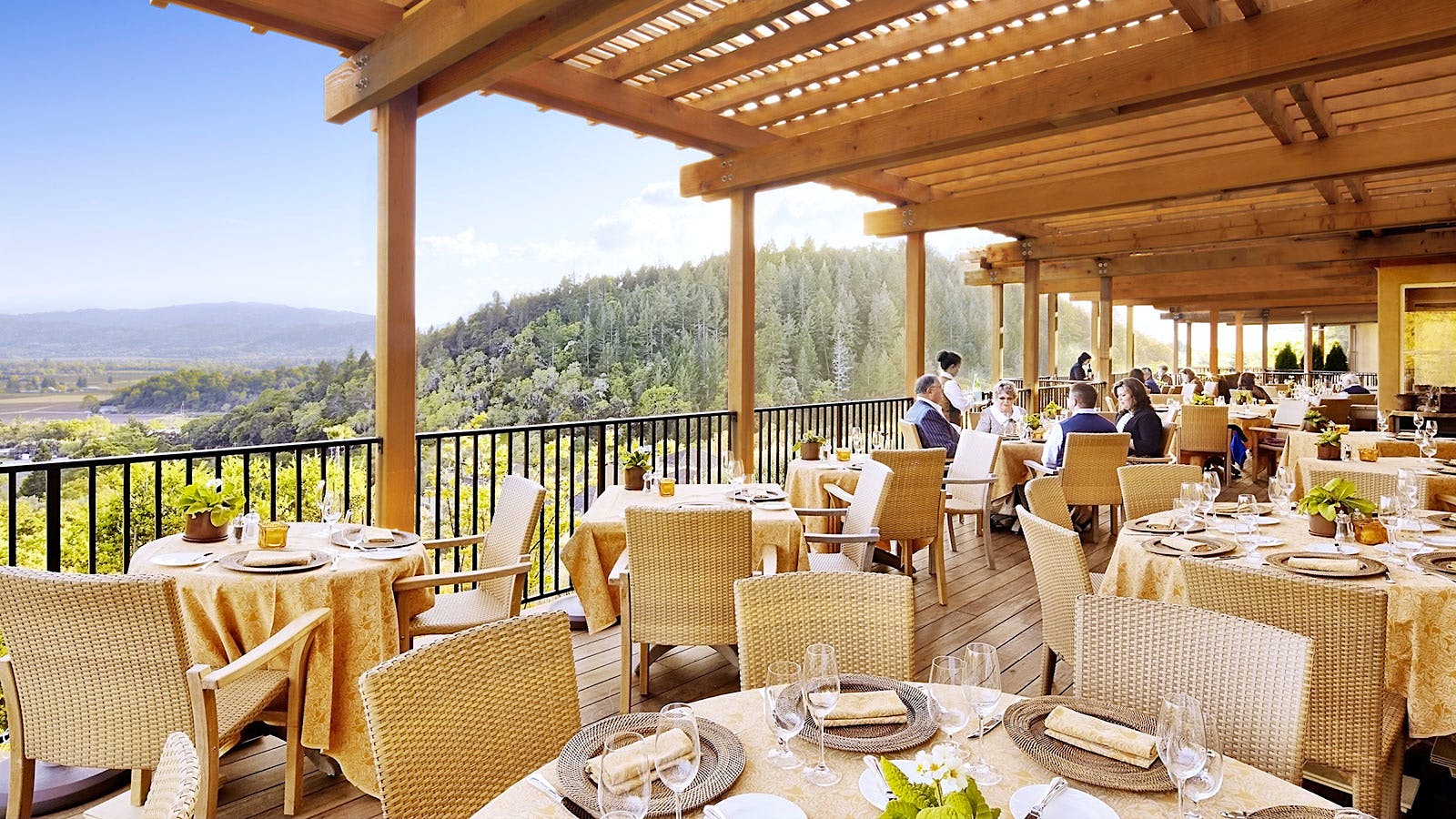
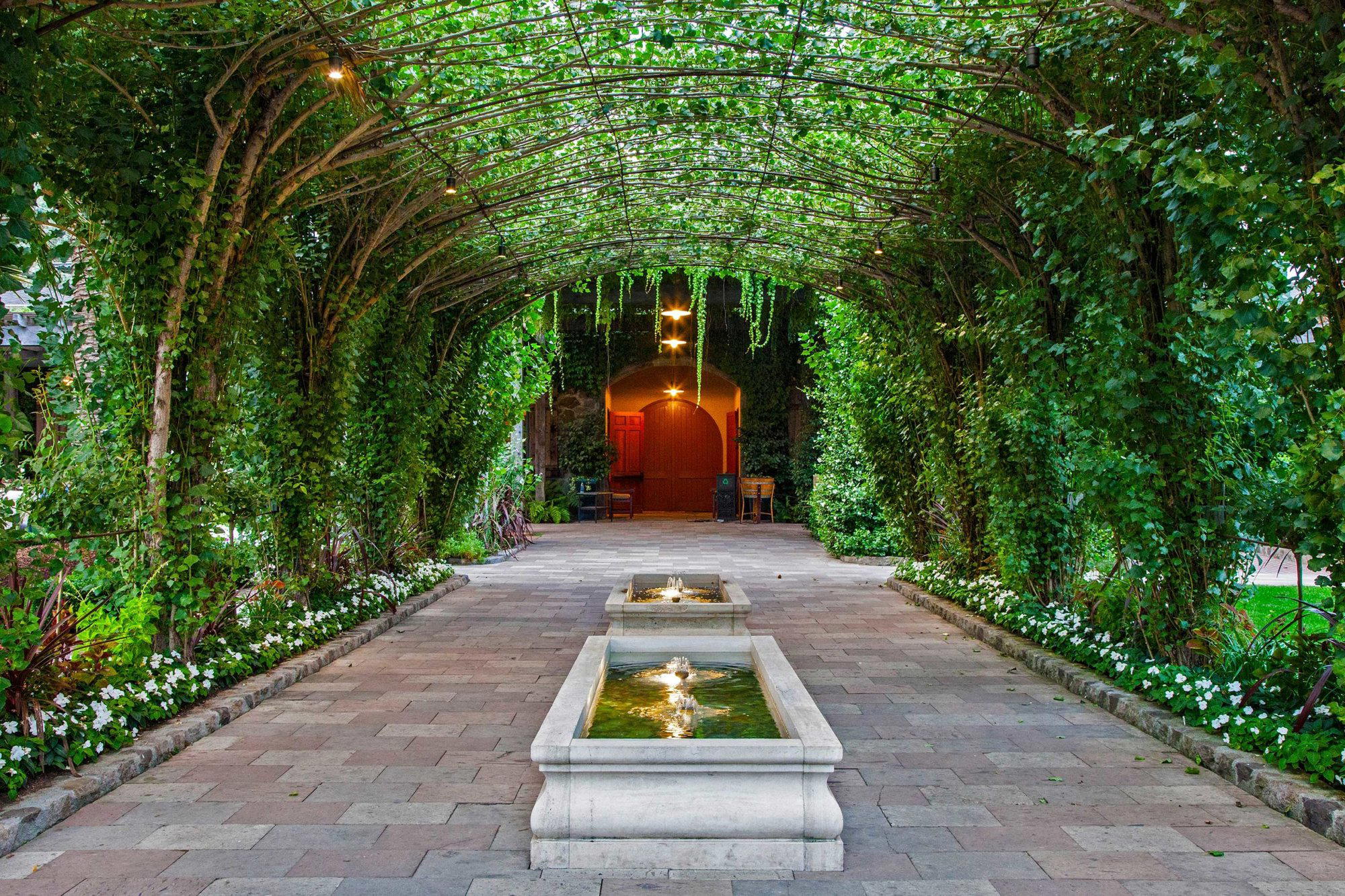
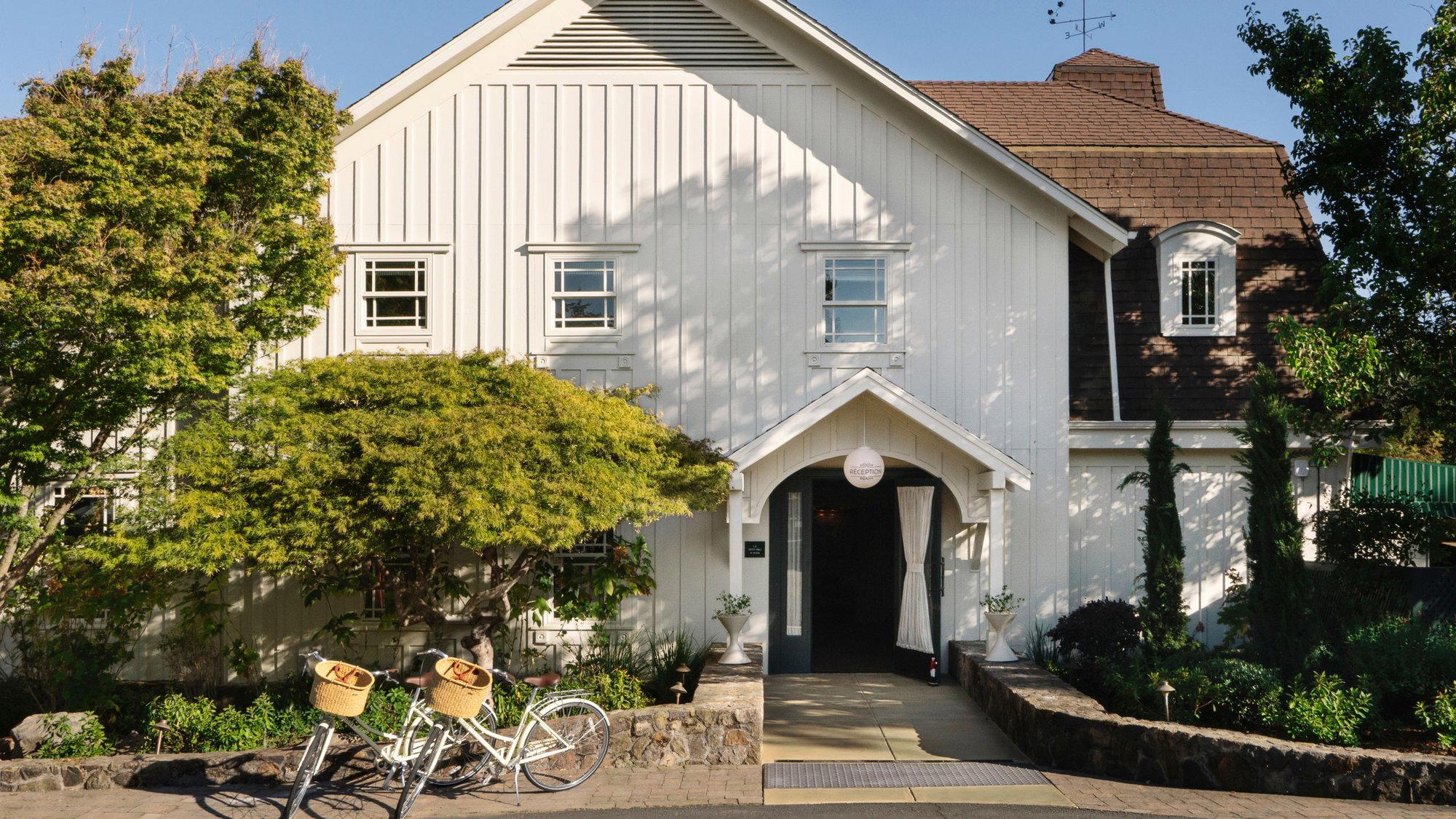
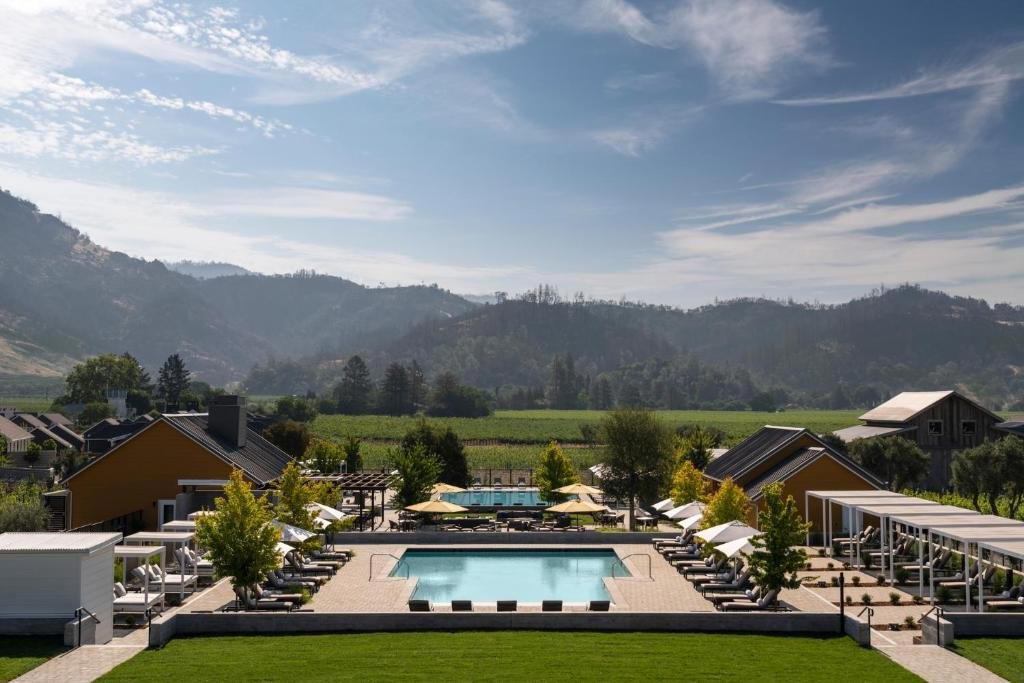
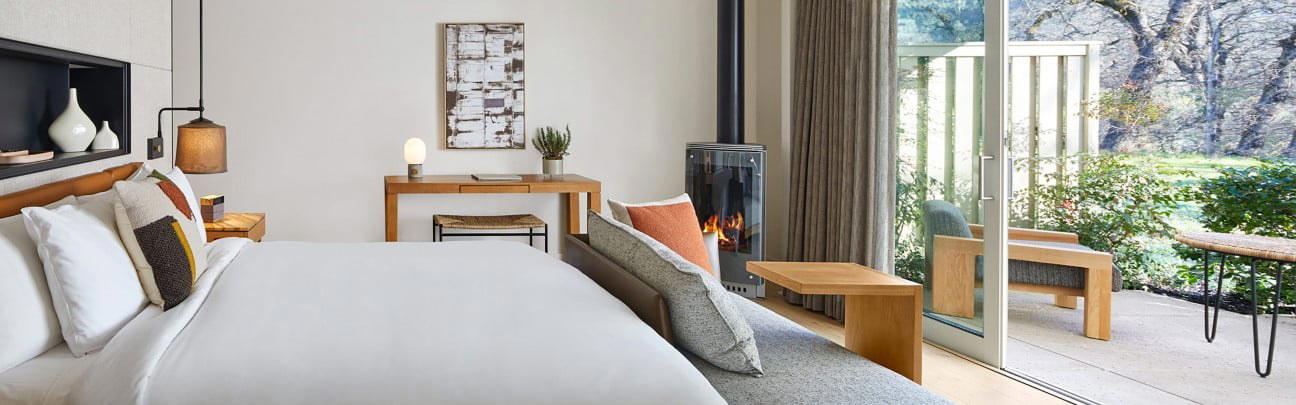
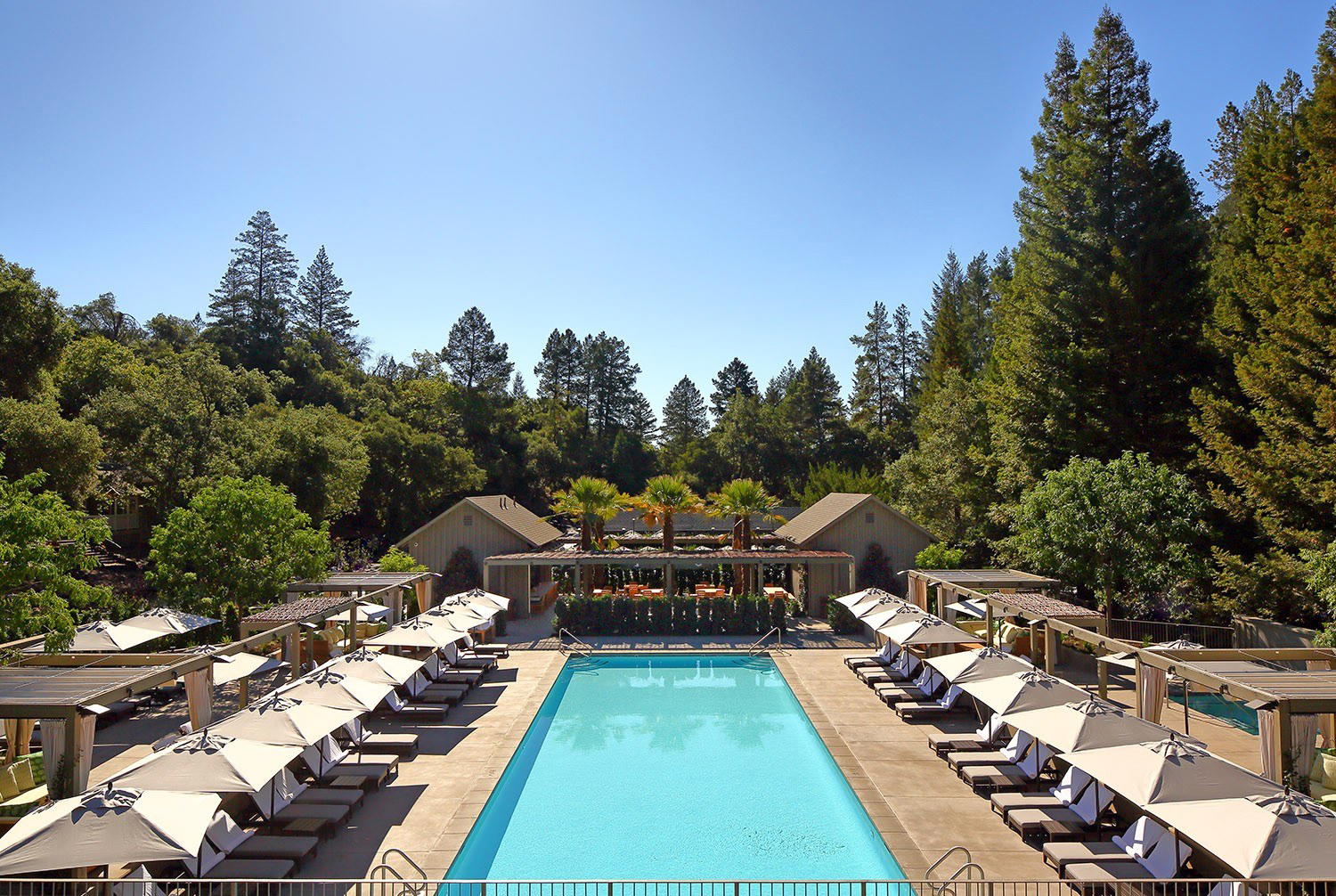
Cozy living room-style tasting room with warm decor, crackling fireplace in winter, and relaxing patio overlooking vineyards and lake in summer.