Mannucci Droandi

Falstaff Winery - 3 Stars
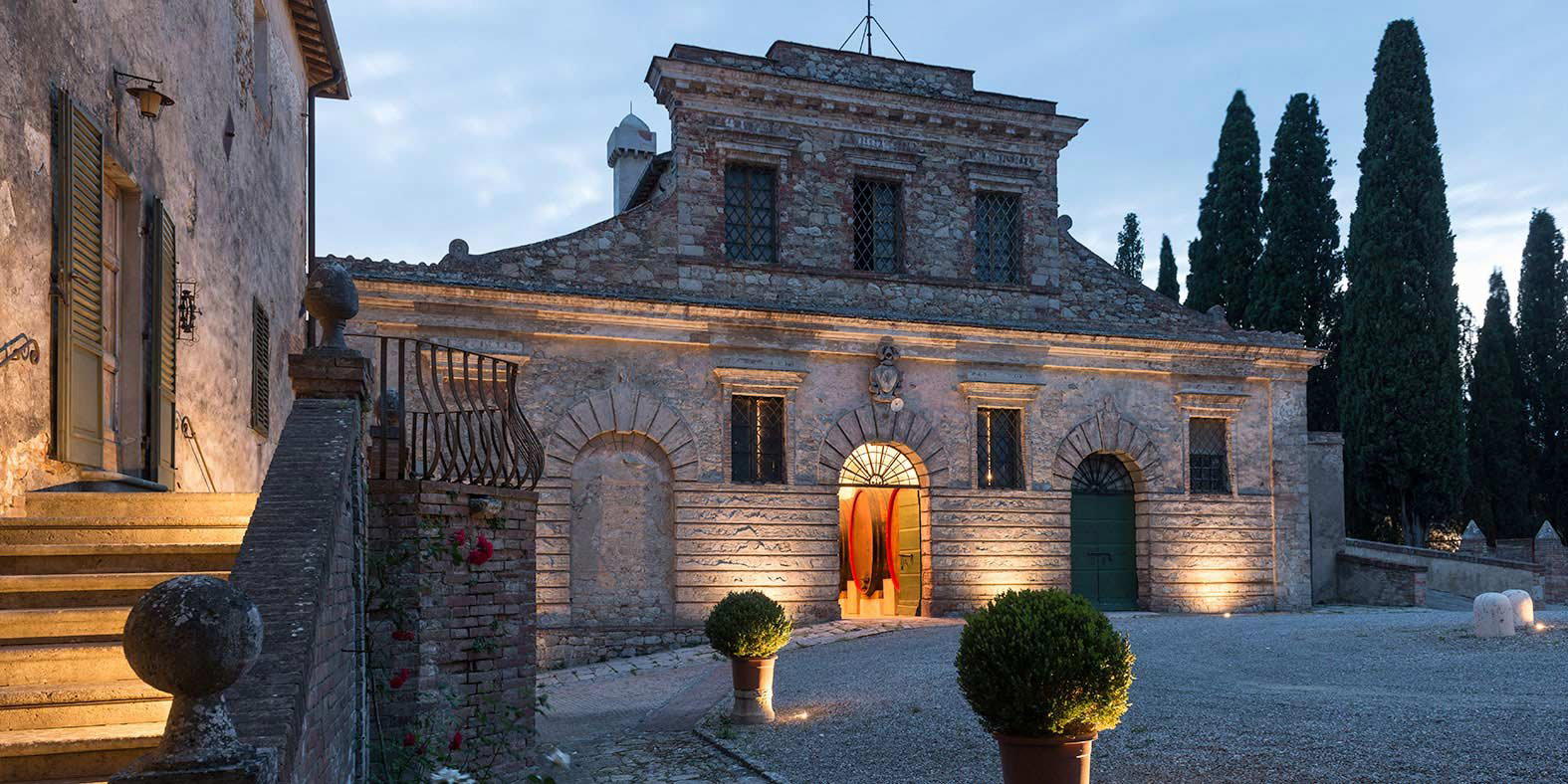
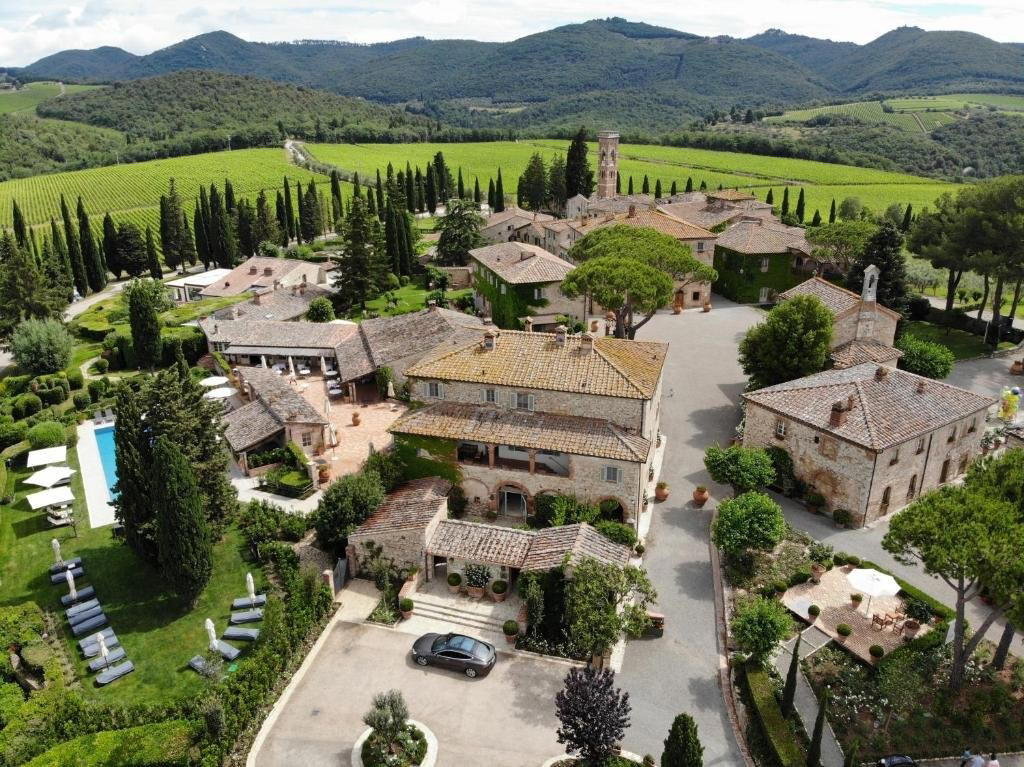
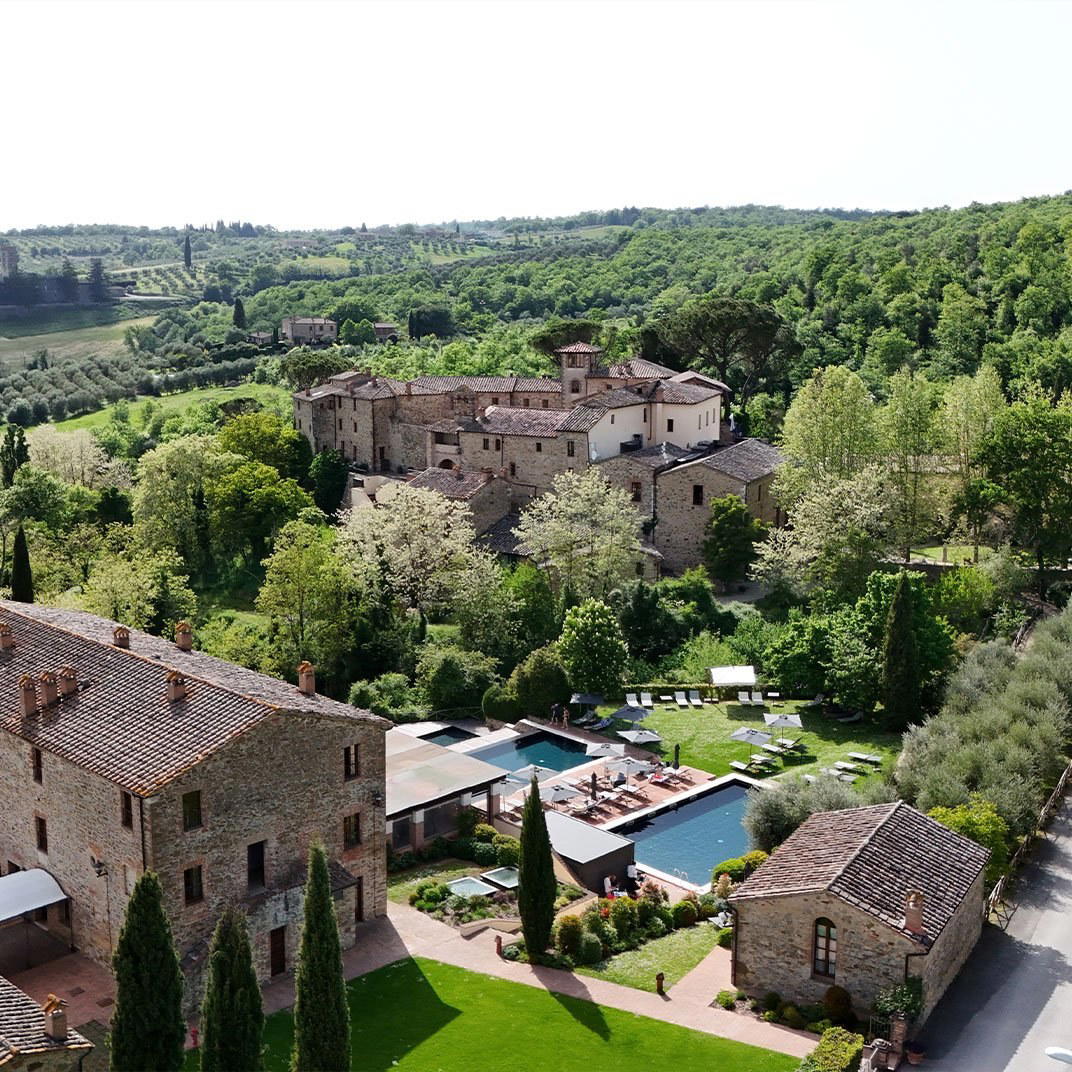
Mannucci Droandi is a small organic estate winery in Montevarchi, set among vineyards and olive groves on the eastern slopes of the Chianti hills. Its interest lies in a Tuscan model where terroir, cellar-door hospitality and the preservation of rare local grapes carry as much weight as formal awards or international rankings.

Pearl is the En Primeur Club membership app, where members save venues, book tables and use the concierge.

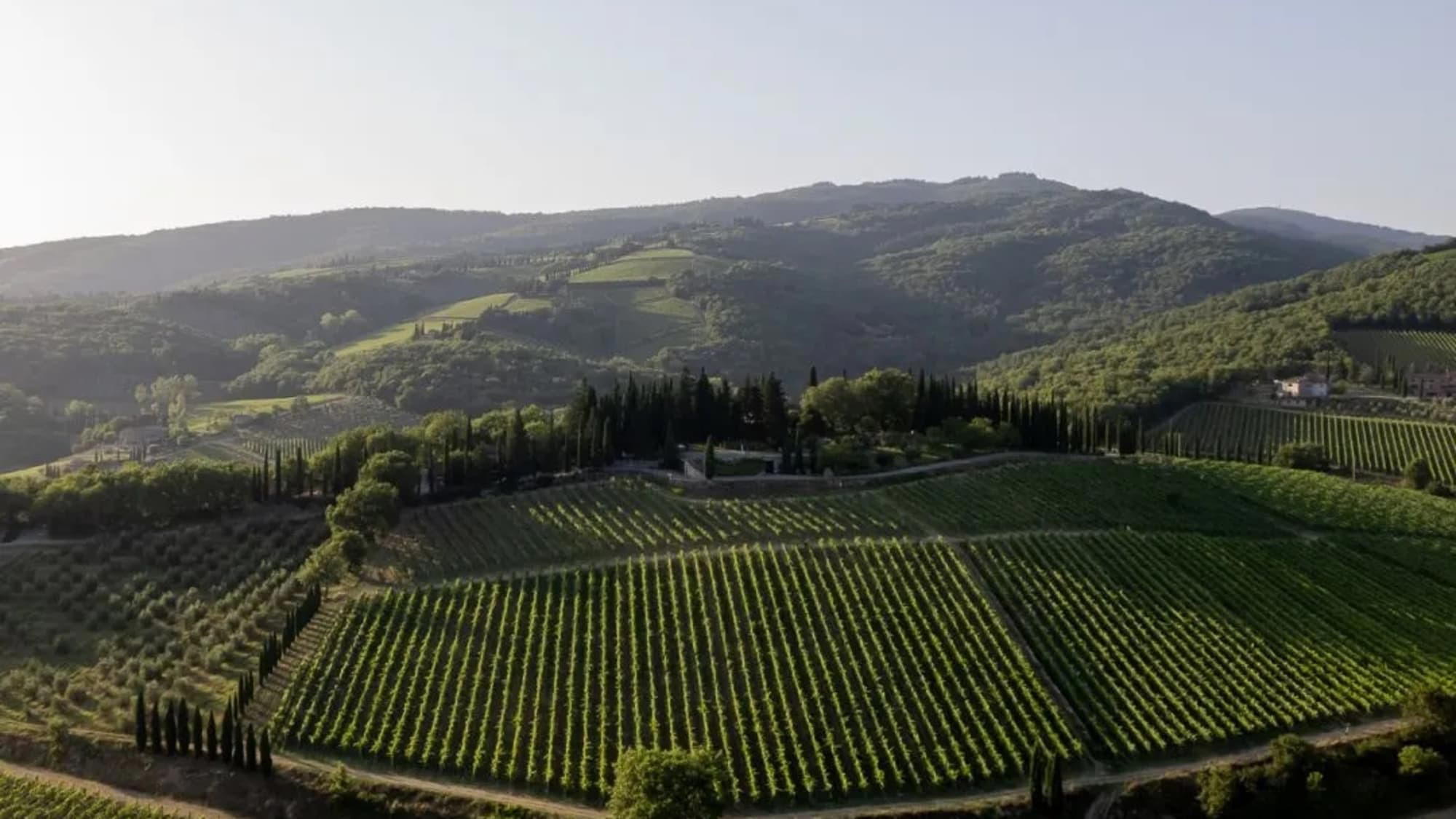
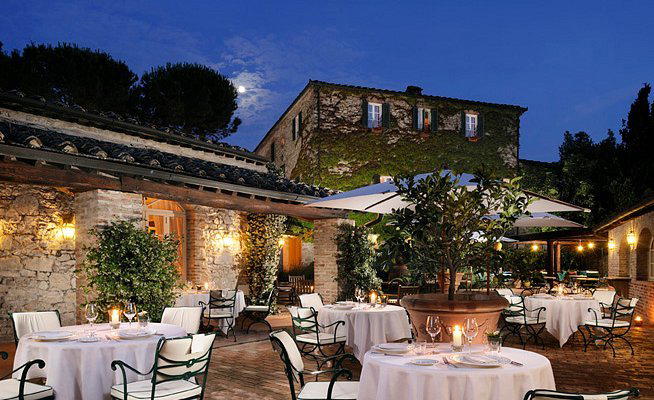
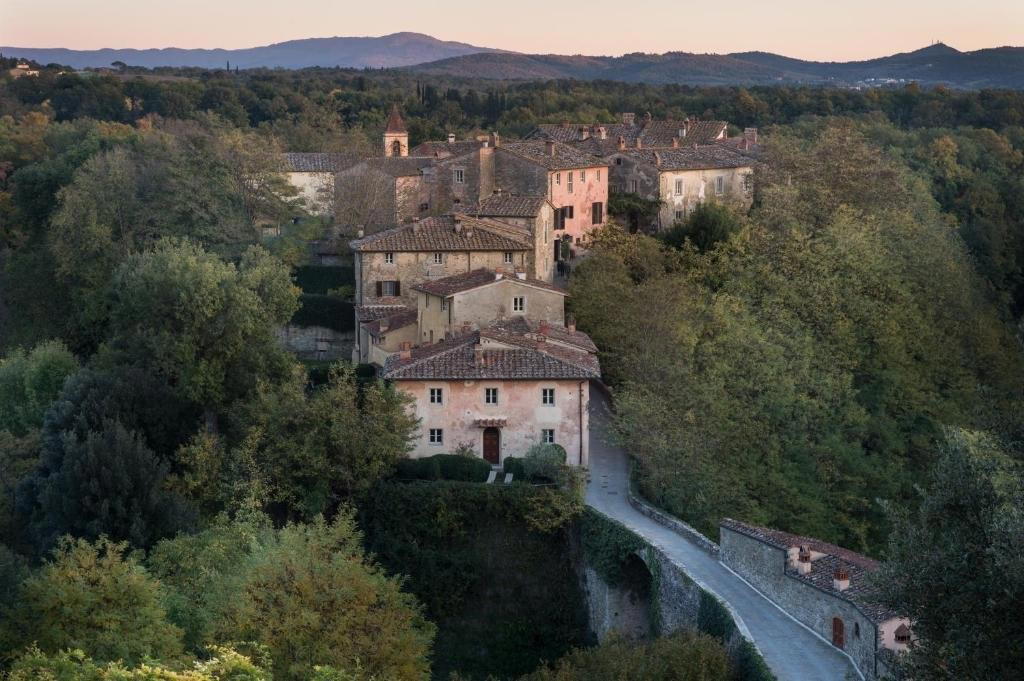
Approaching a Tuscan estate in Montevarchi, the first argument is made by agriculture rather than architecture: vines, olive trees and the slow visual grammar of Chianti country. Mannucci Droandi fits that register. Its setting among vineyards and olive groves places wine inside a broader rural system, where the landscape is not decorative scenery but the working context for how local producers explain place. The effect is deliberately grounded. Before any bottle is considered, the estate’s surroundings already establish the terms of the visit: cultivated land, seasonal rhythm and a sense that wine is part of a larger agricultural landscape.
That matters because Tuscany’s wine culture is often understood through land, farming and continuity. Mannucci Droandi’s draw is not a trophy-led narrative. It is an organic Tuscan estate winery on the eastern slopes of the Chianti hills, with a serene rural atmosphere and a focus on terroir-driven wines and the preservation of historic grape varieties. For travelers seeking a quieter reading of the region, those details are the point. The estate is best approached less as a checklist stop and more as a place where Tuscan wine identity is expressed through soil, vines and inherited agricultural memory.
Chianti terrain, organic farming and the rare-grape argument
Mannucci Droandi is best read through its setting: vineyards, olive groves and the rustic scenery of the eastern Chianti hills in Montevarchi. The appeal is agricultural and place-led rather than built around formal rankings, elaborate service claims or a restaurant-style format. That makes the terrain more than a visual advantage. It becomes the organizing principle for understanding why the estate feels specific to this part of Tuscany, and why the surrounding countryside remains central to the experience.
The estate’s organic identity gives it a clear point of definition. In a region where wine can be presented through scenery first, farming helps separate estates that use the landscape as backdrop from those that make cultivation part of the story. Here, the vineyard-and-olive-grove surroundings and quiet rural atmosphere point toward a terroir-focused identity shaped by land, grape preservation and the character of Chianti countryside. Organic farming also reinforces the sense of continuity between the view and the bottle: the same land that creates the atmosphere is the land being interpreted through wine.
The preservation of historic grape varieties is also central to the estate’s identity. Without relying on lists or production details, the important point is that Mannucci Droandi presents wine as a continuity project: a way to keep local agricultural memory visible while still speaking to those drawn to Montevarchi for a grounded Tuscan wine setting. In that sense, the rare-grape argument is not about novelty for its own sake. It is about retaining texture in a wine landscape that can otherwise be reduced to familiar regional shorthand.
A rural estate experience rather than a mass-tourism frame
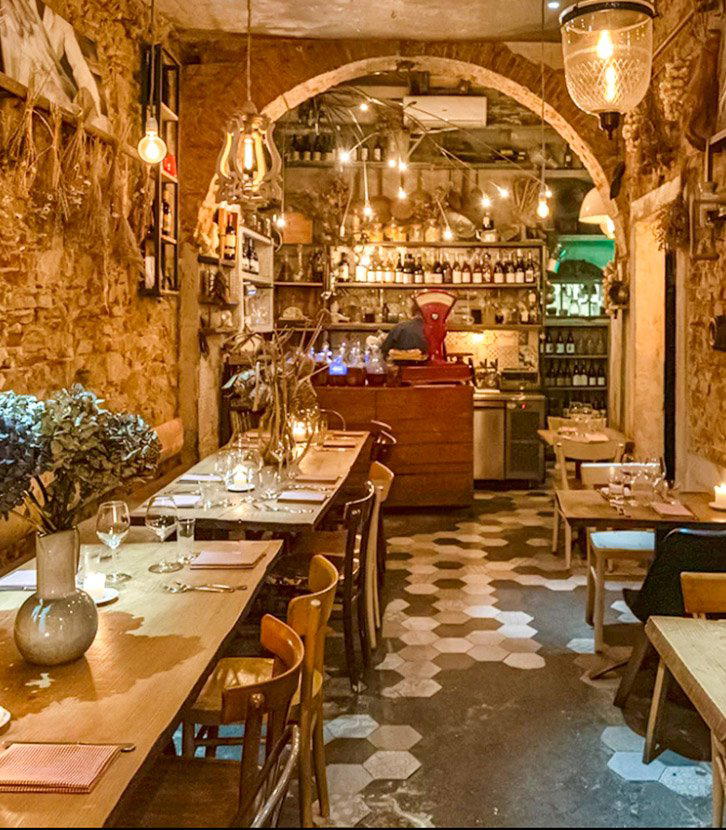
Strongest reason to place Mannucci Droandi on a Montevarchi itinerary is its atmosphere. It is rustic and scenic, set among vineyards and olive groves, and focused on a calm encounter with the land rather than a high-gloss narrative. The appeal is especially clear for visitors who prefer a winery experience where the rural context remains visible and unhurried, rather than one dominated by staging or a scripted sense of luxury.
Price level is listed as $$, which supports an accessible, moderate positioning. Beyond that, specific claims about service formats, tour duration, seating, parking, food pairings, language availability or appointment rules should be treated cautiously unless confirmed directly with the estate. That is not a weakness of the recommendation; it is the right way to handle a place whose value here rests on setting, farming identity and wine focus rather than on logistical promises.
That restraint is useful for planning. Mannucci Droandi is a good fit for travelers who want the agricultural side of Chianti to remain visible: organic farming, historic grape preservation, terroir-driven wines and the quiet setting of an estate on the eastern slopes of the Chianti hills. It suits an itinerary built around atmosphere and context, where the pleasure comes from connecting wine to the surrounding rural fabric rather than simply moving from one tasting counter to another.
How to place it in a Montevarchi wine day
Montevarchi rewards a slower itinerary because its wine identity sits between better-known Tuscan names and local routes that tie cellars to olive groves and agricultural roads. Mannucci Droandi belongs in that second category. It is not framed here through medals, scores or luxury staging; it is the sharper choice for those interested in how an organic Tuscan estate presents land, grape diversity and a rural setting without turning the experience into theater. Its role is to keep the day anchored in the countryside, with Chianti understood as a lived agricultural zone rather than only as a label.
For planning around the area, keep the wine day focused and avoid overloading the route. Compare Mannucci Droandi with other Montevarchi dining and wine options generically, or use it as the rural anchor for a broader day in the area. The best fit is a measured pace: enough time to let the estate’s vineyard-and-olive-grove setting register, and enough restraint to preserve the calm that makes this kind of Tuscan stop worthwhile.
Recognition history
Dated appearances from independent guides and award organizations, with the underlying list record or original source where available.
Falstaff Winery - 3 Stars
Falstaff
Continue exploring
More in Montevarchi
Wineries in Montevarchi
All wineries in Montevarchi →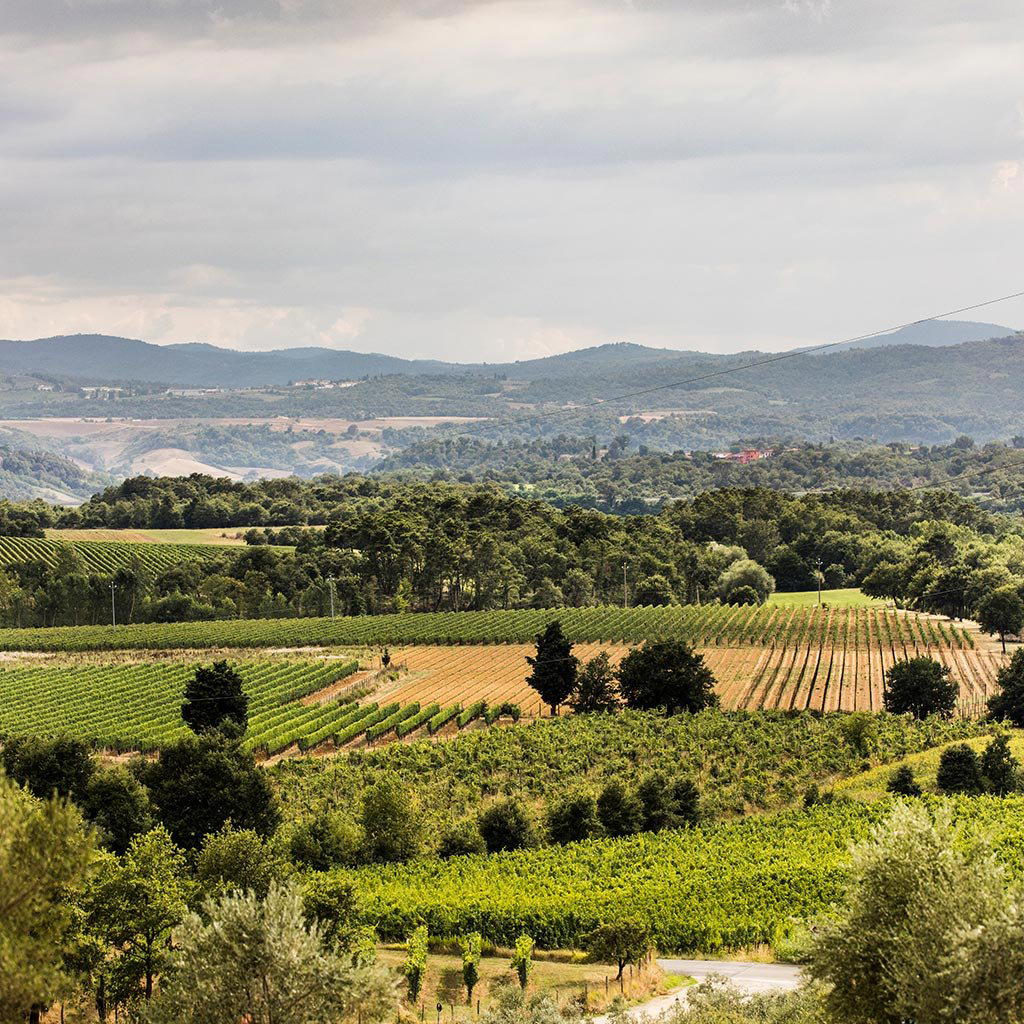
Bars in Montevarchi
Browse all →
Restaurants in Montevarchi
All restaurants in Montevarchi →
Details
- Rustic
- Scenic
- Classic
- Intimate
- Group Outing
- Romantic Getaway
- Wine Education
- Solo Exploration
- Special Occasion
- Vineyard Tour
- Estate Grounds
- Historic Building
- Private Tasting
- Panoramic View
- Organic
- Sustainable
- Vineyard
- Mountain
- Garden
- Italian
- English
Organic Tuscan estate winery set among vineyards and olive groves on the eastern slopes of the Chianti hills, offering a serene, rural atmosphere focused on terroir-driven wines and preservation of historic grape varieties.