Inserrata Organic Farm

Falstaff Winery - Listed
Inserrata Organic Farm is a family-run organic winery in San Miniato, shaped by Tuscan farm culture, small-group tastings, and a visible art-and-design streak. The estate’s appeal lies in the link between vines, olive groves, biodiversity, and a concise portfolio built around Merlot, Sangiovese, and Chardonnay.

Pearl is the En Primeur Club membership app — saves, bookings, and concierge access live there. Same editors, same standards.
- Address
- San Miniato, Pisa, Italien
- Directions
- Get directions

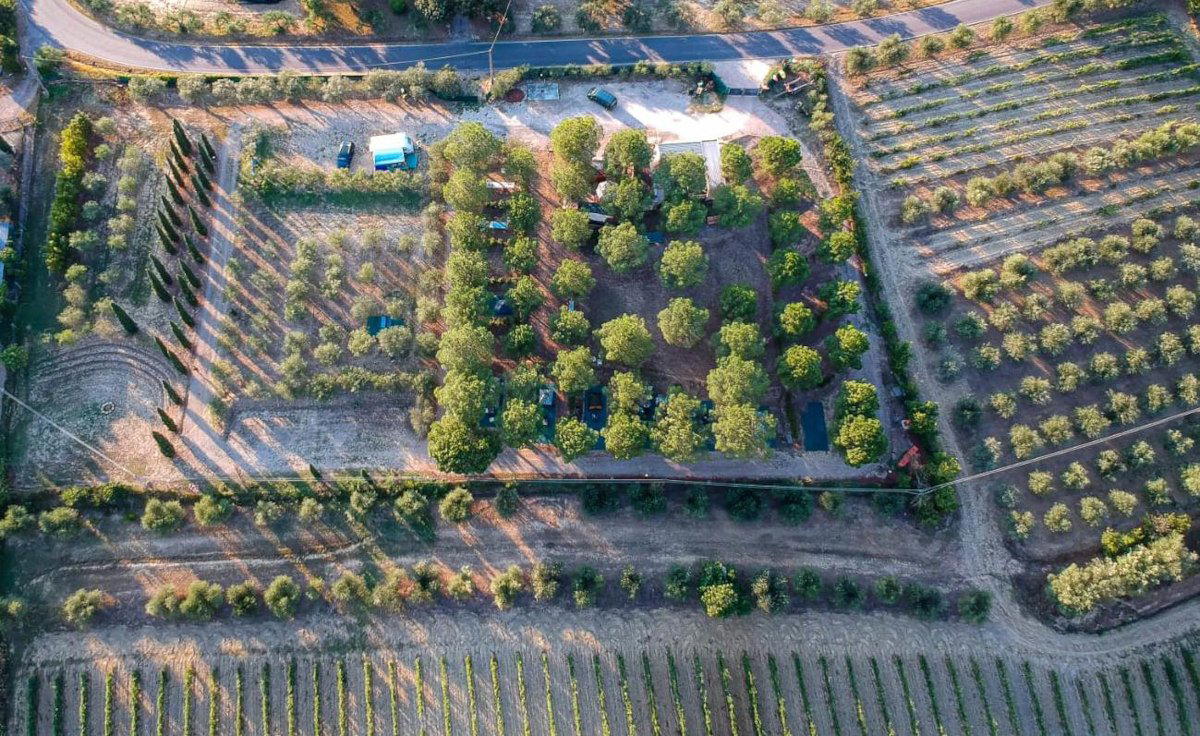
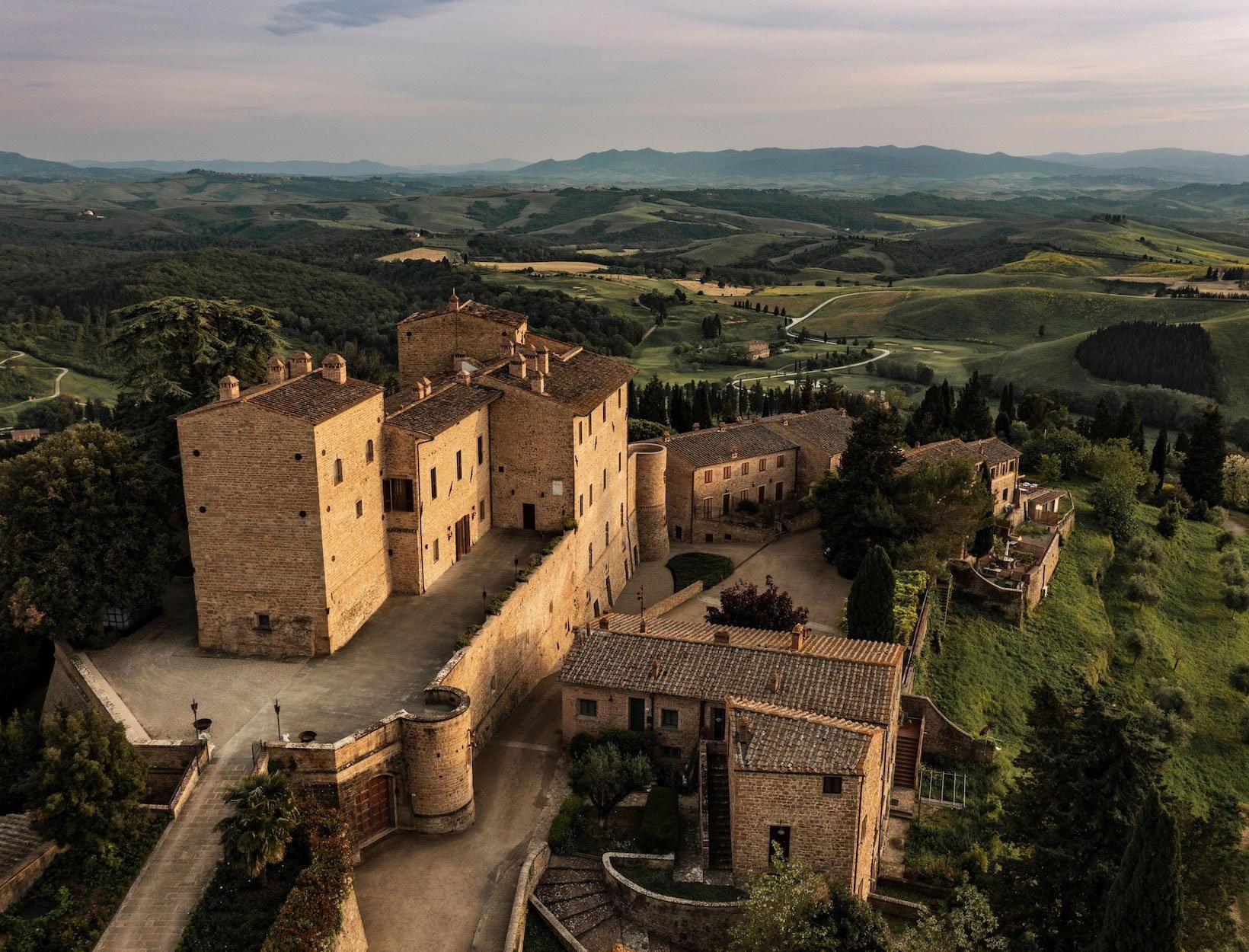
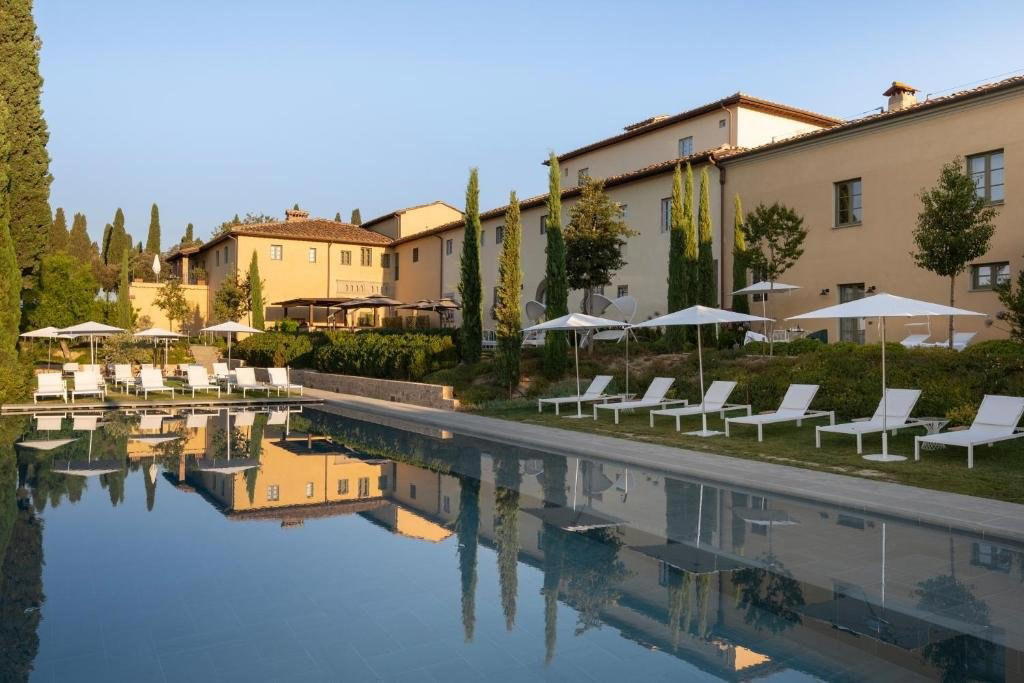
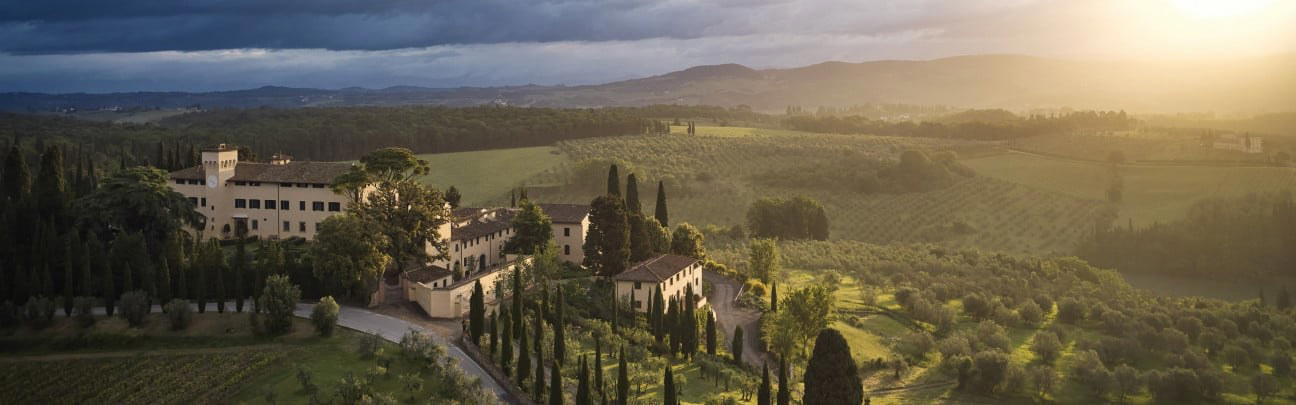
Approach the San Miniato countryside and the winery experience shifts from bottle to farm: vineyards, olive groves, rural quiet, and a visual identity that treats wine tourism as part agriculture, part design encounter. In Tuscany, where cellar doors often lean on heritage language, Inserrata Organic Farm belongs to a newer strain of small producer: organic in its farming message, family-run in scale, and unusually explicit about the role of contemporary art in how the wines are presented.
The important point is not spectacle. The format is compact, built around tasting flights rather than grand architecture or formal prestige signals. That suits this part of Tuscany, where wine, olive cultivation, and landscape remain tightly linked. San Miniato sits in a broader rural corridor where visitors tend to read wine through place: the slope, the farm, the grove, the way a producer chooses to interpret familiar grapes without turning the experience into a museum piece.
Organic Tuscan farming, read through Sangiovese, Merlot, and Chardonnay
Inserrata has cultivated its land organically since 1997, a long enough span to make stewardship part of the estate’s identity rather than a recent hospitality add-on. The production message is clear: environmental care, biodiversity, and controlled cellar work sit at the centre of the project. The available portfolio points to a pragmatic Tuscan mix rather than a single-variety manifesto, with Merlot, Sangiovese, and Chardonnay all appearing in the tasting range.
That grape selection says something about contemporary Tuscan wine tourism. Sangiovese keeps the estate tied to regional expectation, while Merlot and Chardonnay make the tasting more legible to international visitors who may not arrive with appellation knowledge. The estate’s named wines include Insieme Rosso Merlot, Inusuale Bianco Sangiovese, Inebriante Rosato Sangiovese, Indigo Rosato Merlot Sangiovese, and Intrigo Bianco Chardonnay. The list covers red, white, and rosé styles, so the tasting reads as a cross-section of the farm’s range rather than a narrow march toward a flagship bottle.
The terroir story here is best understood at farm level. Inserrata’s identity is tied to San Miniato, the Pisa area of Tuscany, and an agrarian setting where vines and olive groves form part of the same visitor narrative. There is no need to inflate that into technical geology. The more useful reading is that the estate presents land as a working ecosystem: organically farmed vines, biodiversity language, and a hospitality format that can include the surrounding grounds. For travellers comparing winery experiences across Tuscany, that farm-based clarity matters more than ornamental cellar rhetoric.
Small-group tastings with an art-house edge
The tasting programme is deliberately easy to understand. The estate offers 3-wine and 5-wine formats, both listed at 1 hour 30 minutes and designed for small groups. A shorter tasting format also appears in public booking material, so the guest-facing pattern is clear even without overcomplicating it: this is a concise cellar-door visit, not a half-day technical seminar. Vineyard and olive grove visits are available on request, which gives the experience an agritourism dimension rather than leaving it at the glassware level.
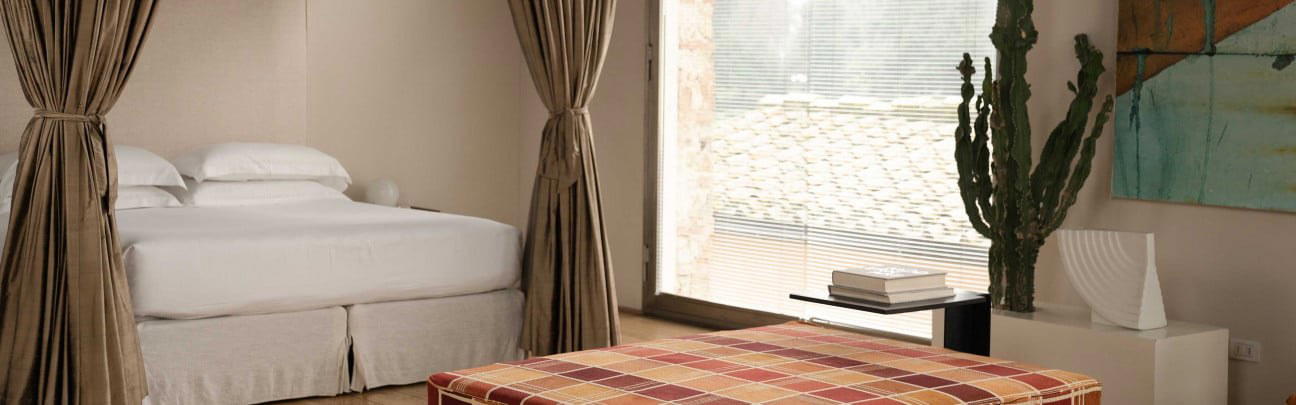
Design is the other defining cue. Inserrata works with European artists and hosts exhibitions across photography, art, and design, while its bottles are associated with artwork by Alexandria Coe. That matters because wine tourism increasingly splits between producers that rely on rustic atmosphere alone and producers that frame the bottle as part of a broader visual culture. Here, the artistic layer does not replace the farm story; it gives the visit a contemporary surface without cutting it loose from vines and soil.
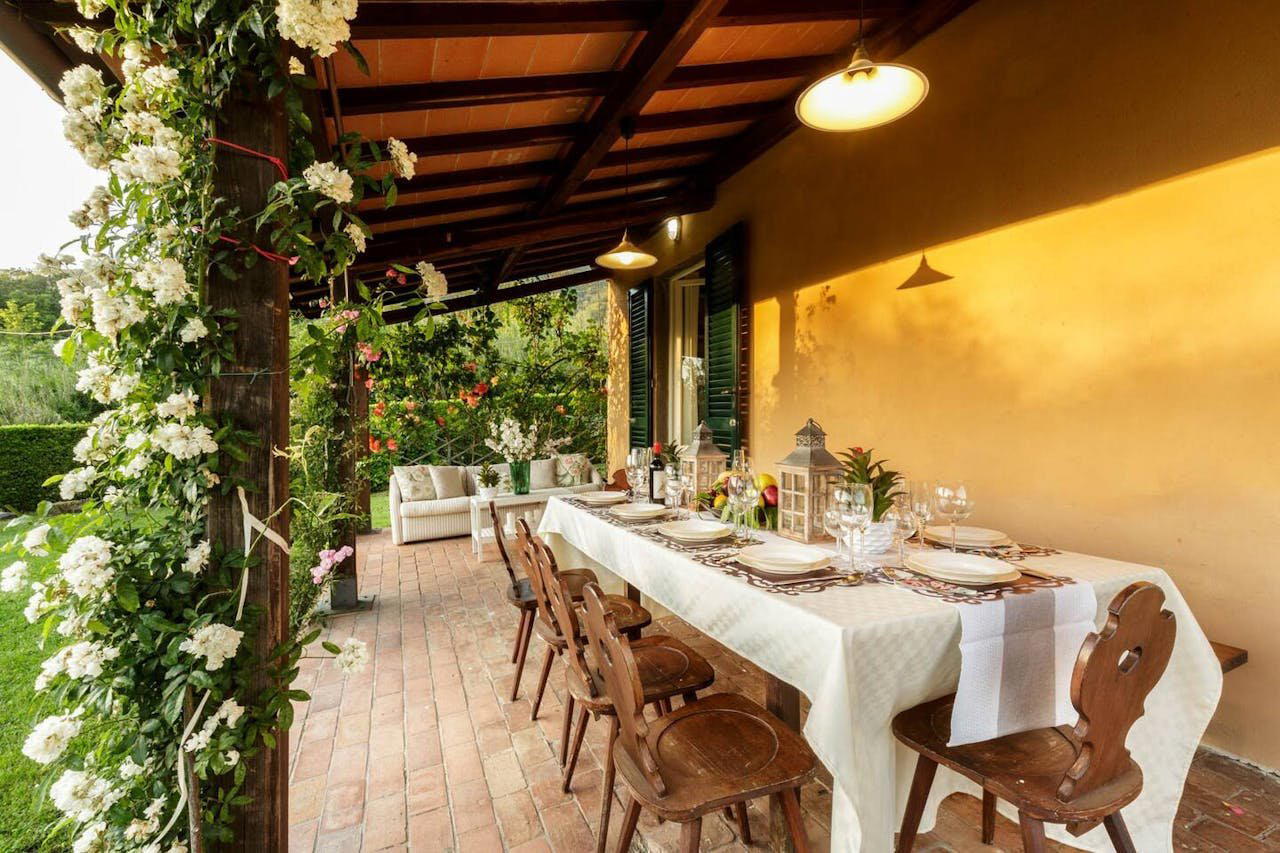
The room tone is better suited to conversation than ceremony. Dress is casual, the visit type is by reservation, and the hospitality signals favour small groups, wine education, and private tasting formats over large-scale throughput. Outdoor seating, onsite parking, credit-card payment, Wi-Fi, and wine sales support the practical side of the visit, but the editorial reason to go is the combination of organic farming, compact tasting structure, and visual identity. In a region crowded with vineyard stops, that combination gives the experience a defined point of view.
Where it fits in a San Miniato itinerary
Inserrata works well as a rural wine stop for travellers who want a controlled tasting rather than a broad commercial tour. It is not the address to choose for a documented awards chase, chef-led dining, or a food-pairing programme; the stronger case is wine, farm setting, and design-led presentation. The lack of listed formal accolades shifts the assessment away from medal culture and toward format: small capacity, organic farming since 1997, named wines across three styles, and optional time on the estate grounds.
For a wine-focused day in the area, it pairs naturally with broader San Miniato planning. Readers building a cellar-door route can start with our full San Miniato wineries guide and add nearby context through our full San Miniato restaurants guide, our full San Miniato hotels guide, our full San Miniato bars guide, and our full San Miniato experiences guide. Pietro Beconcini is also useful for readers staying within the same city’s winery circuit.
For wider Italian and European wine browsing, EP Club’s winery archive also includes 3GP SRL in Treviso, 47 Anno Domini in Trebaseleghe, A Mano Wine in Noci, a6mani in Fragagnano, Abbadia Ardenga in Torrenieri, Abbazia di Crapolla in Neapel, Abbazia Monte Oliveto in Asciano, »der Steiner« Hans Steiner in Podersdorf am See, and & Handwein in Mannheim.
Recognition history
Dated appearances from independent guides and award organizations, with the underlying list record or original source where available.
Falstaff Winery - Listed
Falstaff
Continue exploring
More in San Miniato
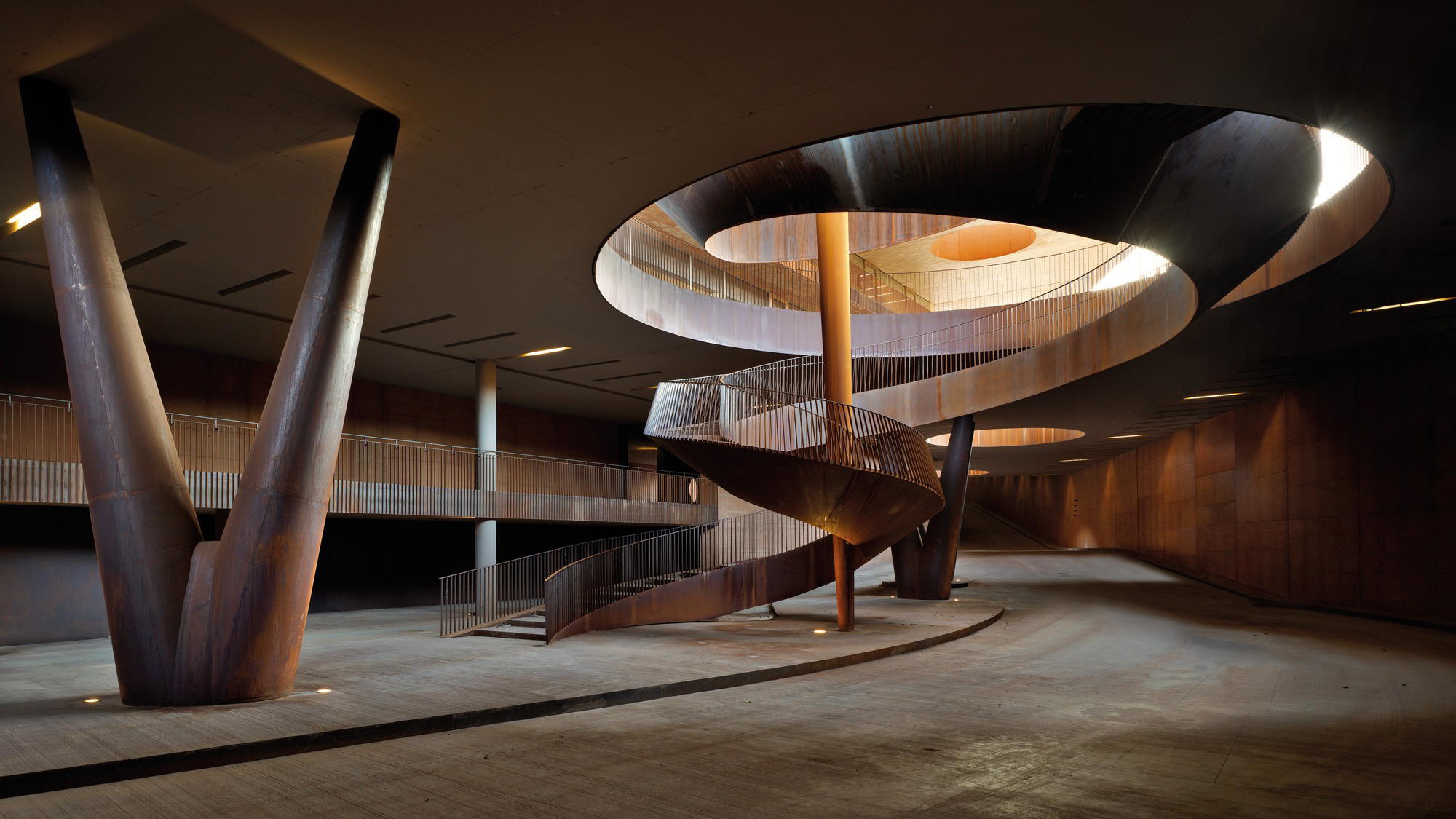
Wineries in San Miniato
Browse all →
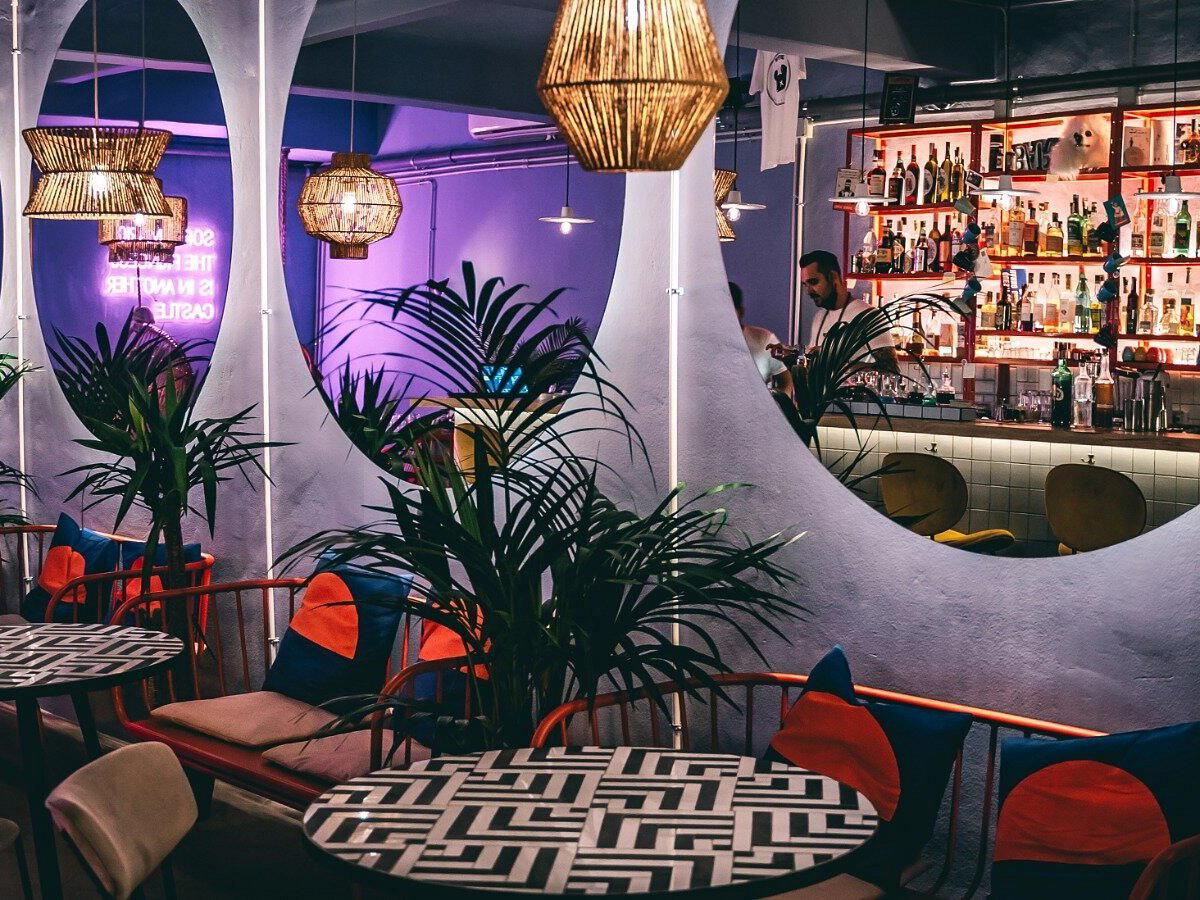
Bars in San Miniato
Browse all →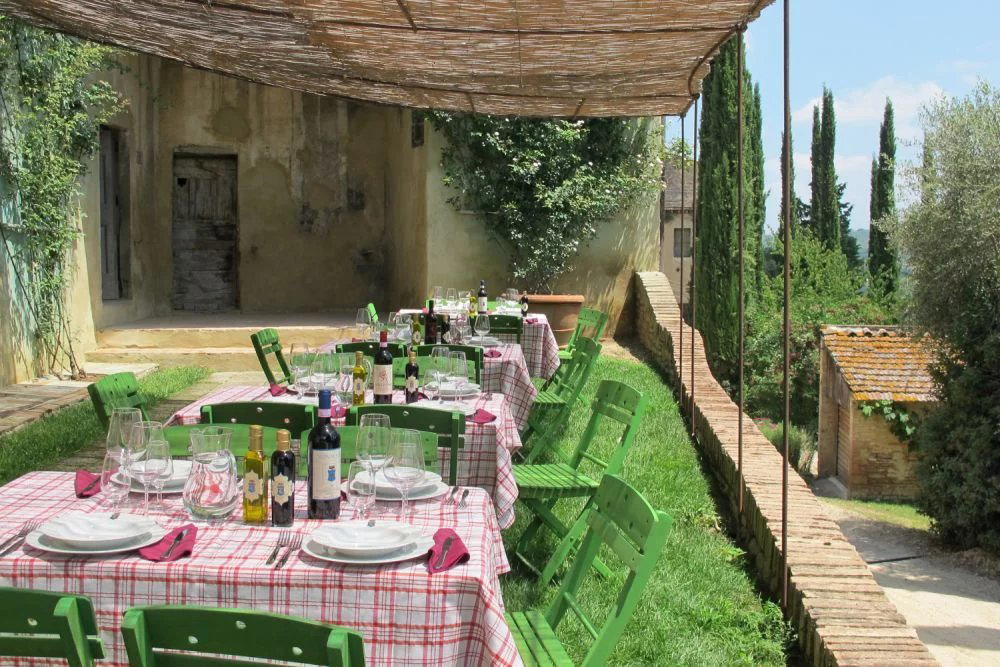
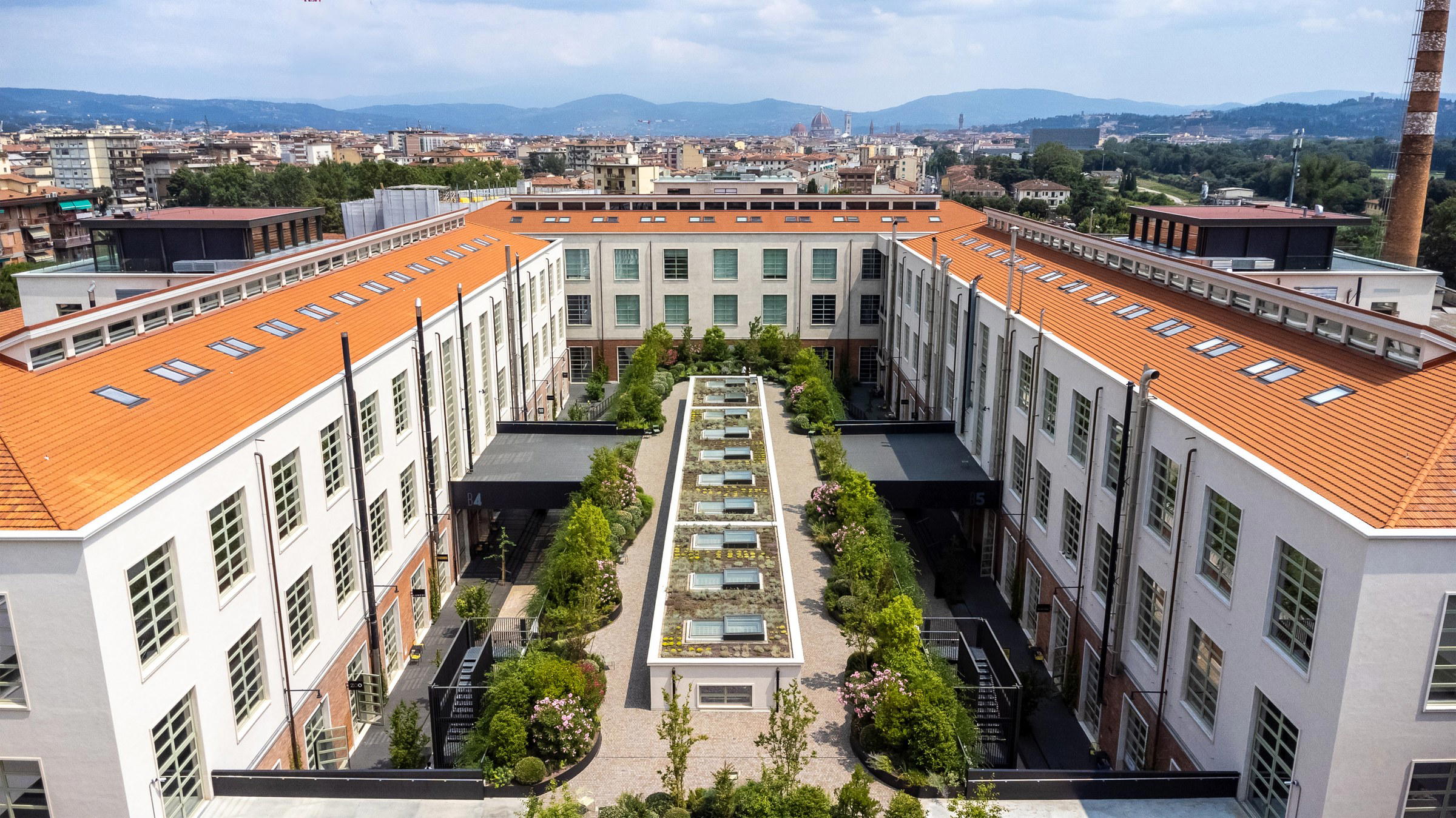
Restaurants in San Miniato
Browse all →
Details
- Scenic
- Rustic
- Elegant
- Intimate
- Group Outing
- Romantic Getaway
- Wine Education
- Special Occasion
- Solo Exploration
- Vineyard Tour
- Estate Grounds
- Design Destination
- Private Tasting
- Organic
- Vineyard
- Garden
- Merlot
- Sangiovese
- Chardonnay
- Still Red
- Still White
- Still Rosé
- Standard Tasting
- Extended Tasting
- Private Experience
- English
- Italian
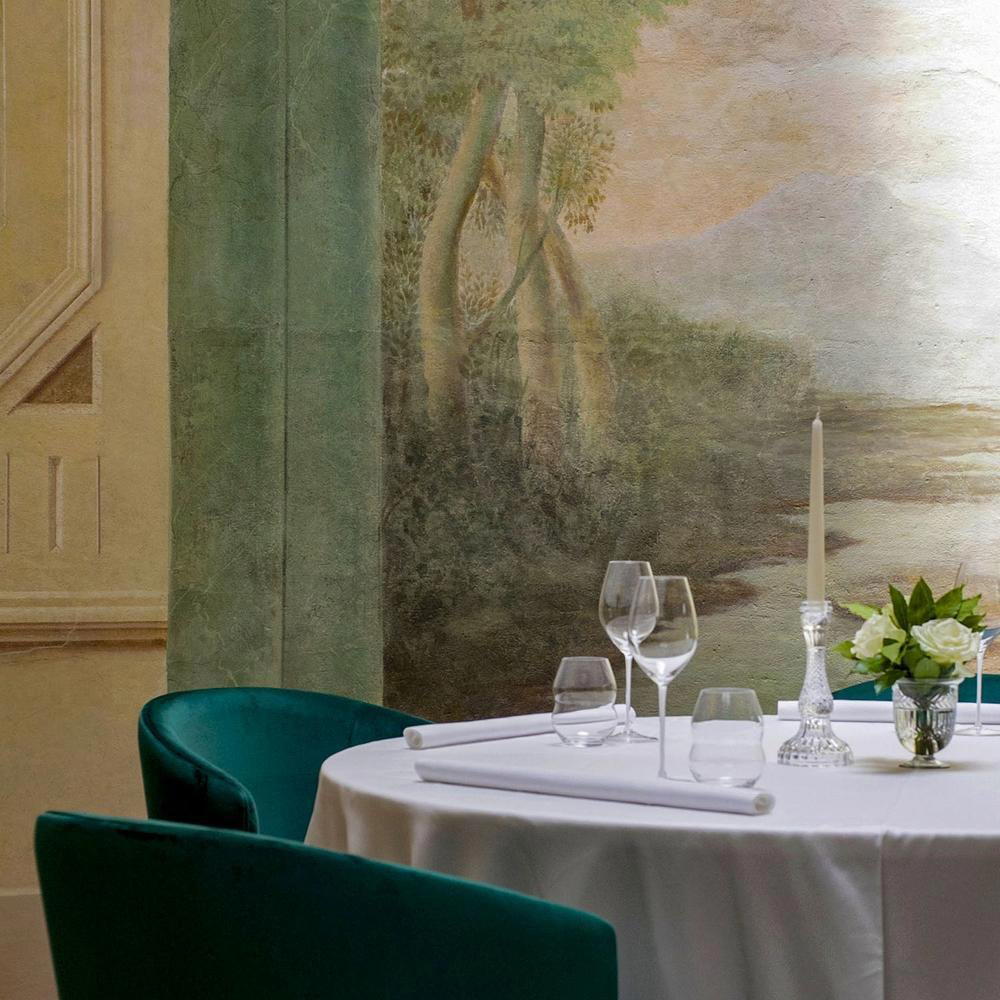
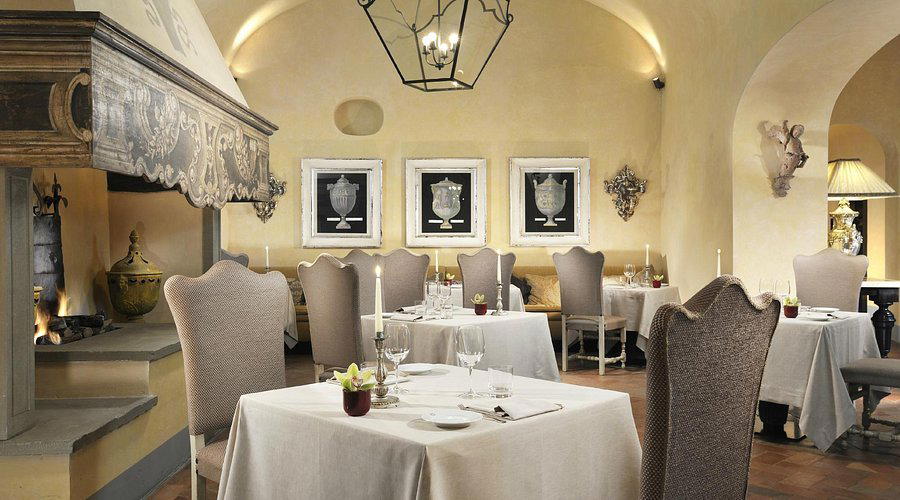
Family-run organic winery immersed in the scenic Tuscan countryside, with a contemporary, artistic atmosphere created through collaborations with European artists and exhibitions of photography, art, and design.