
Domaine des Moriers is a small Beaujolais domaine in Lancié working 13 hectares of Gamay across village and cru sites, with manual vineyard work, horse-assisted plowing, organic certification and biodynamic farming at the core. The interest here is terroir translation: granite, sand, manganese and decomposed granite expressed through whole-cluster fermentation, natural vinification in cement, and aging that avoids new-oak gloss.
Pearl is the En Primeur Club membership app — saves, bookings, and concierge access live there. Same editors, same standards.
- Address
- Lancie, Auvergne-Rhône-Alpes, Frankreich
- Directions
- Get directions
 Saves & bookings on Pearl
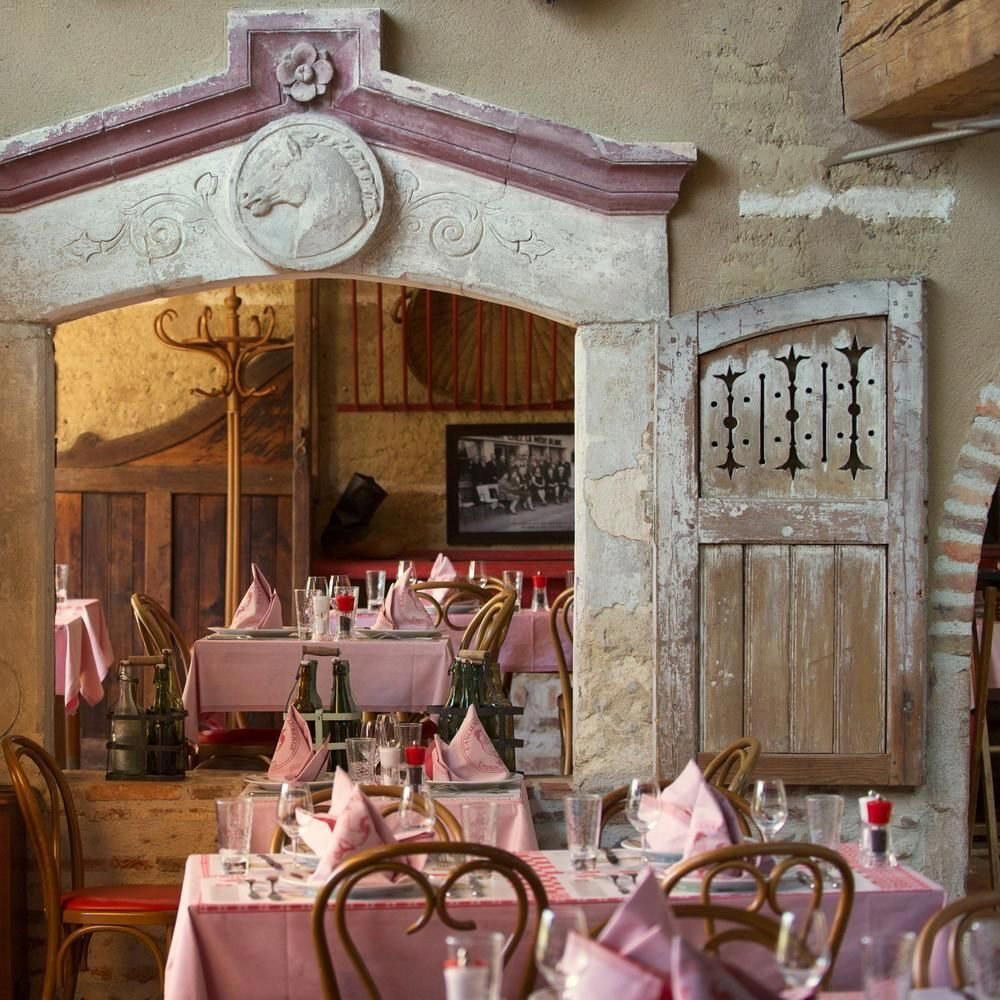
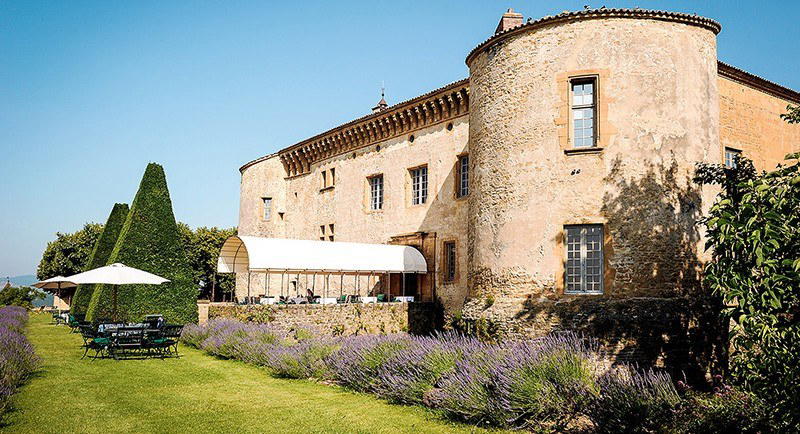
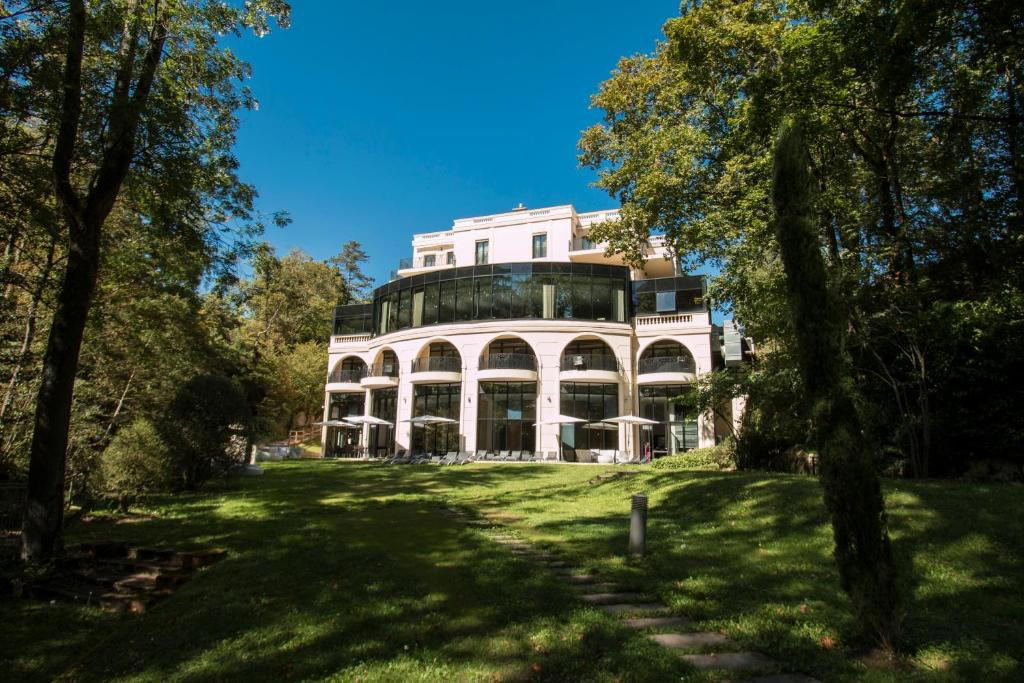
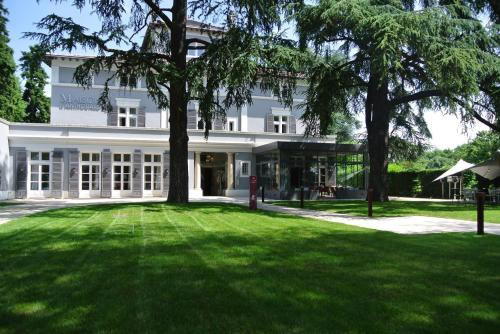
Domaine des Moriers is a small, quietly serious Beaujolais estate in Lancie. The appeal is not a tourist-focused visitor center or a spectacle-driven stop, but a rustic, agricultural setting where the emphasis is on the estate’s work and the expression of individual crus. In practical terms, that means the domaine is best approached through the lens of farming, place and bottle rather than through the usual checklist of hospitality features. Its personality, as presented here, is deliberately unshowy: a working Beaujolais address with a sense of craft, patience and local specificity.
For planning around Lancie, treat Domaine des Moriers as a focused wine-country name rather than a broad hospitality complex. The available picture is deliberately simple: a Beaujolais domaine with an artisanal, terroir-driven feel, manual vineyard work, low-intervention intent and gentle élevage. That simplicity matters, because it keeps the emphasis on what is actually known. This is not a page that can responsibly promise a polished visitor circuit, elaborate facilities or a highly choreographed tasting experience. It can, however, identify the domaine as the kind of place whose interest lies in the relationship between vineyards, cru identity and a restrained cellar philosophy.
Beaujolais, cru identity and estate focus
The clearest reason to pay attention to Domaine des Moriers is its focus on expressing individual Beaujolais crus. Rather than presenting the estate as a general visitor attraction, the information points to a producer concerned with place, vineyard work and a restrained cellar approach. That distinction is important in Beaujolais, where the language of cru identity is central to how many serious drinkers understand the region. The value is not in broad branding or scenic theater, but in the quieter question of how a domaine lets different sites and origins show themselves through the wine.
What can be said with confidence is that the domaine’s identity is built around a serious, terroir-led reading of Beaujolais. The phrase is useful because it describes an orientation rather than an invented credential. It suggests that the estate’s purpose is not simply to produce a generic regional style, but to work with the character of specific crus and to allow those distinctions to remain visible. For readers, that makes the domaine easier to place: it belongs to the more thoughtful side of Beaujolais, where restraint and clarity are part of the appeal.
That makes the estate most relevant for readers who want a quieter producer profile in Lancie. It is better framed as a rustic Beaujolais domaine than as a venue defined by amenities, rankings or a polished tasting-room format. Anyone seeking a highly packaged wine-tourism experience may find the available description too spare, but that spareness is also the point. The winery reads as a working estate first, and its interest comes from that grounded, agricultural character rather than from external decoration.
Low-intervention craft without the natural-wine costume
The winery is described through low-intervention work, manual vineyard practice and gentle élevage. Those details support an artisanal profile without needing to add claims about certifications, cellar equipment, production scale or named winemaking techniques. The language is careful: low-intervention here should be understood as an approach and a sensibility, not as a marketing costume or a set of technical promises. Manual vineyard work points the attention back to the vines, while gentle élevage suggests a cellar role that supports rather than overwhelms the raw material.
The estate’s seriousness comes from restraint: a focus on vineyard work, cru expression and a less commercial posture. Price is listed as $$, which places it in a moderate bracket without confirming any specific bottle prices or tasting fees. That moderate positioning fits the overall tone of the profile, which is neither luxury-driven nor bargain-framed. It is more useful to think of the winery as a carefully held Beaujolais name whose appeal depends on authenticity of purpose, not on a long list of extras. The lack of spectacle does not weaken the profile; it helps define it.
For that reason, the domaine should be presented on the strength of its grounded identity rather than on accolades. This is also one accurate way to talk about it: without rankings, the editorial emphasis should stay with the estate’s stated character, its connection to Beaujolais crus and the quiet confidence implied by its low-intervention, manual and gentle working style. In a region often discussed through both tradition and immediacy, that kind of steadiness is enough to make the domaine worth noting.
How to read the visit and the wider wine map
This is best understood as a small, quiet Beaujolais estate profile in Lancie. The information suggests a place defined by farming detail, terroir and a serious but rustic atmosphere rather than a tourist-focused setup. For a visitor or planner, particularly sensible expectation is therefore modest and specific: this is a wine-country address to understand through the producer’s approach, not through a catalogue of amenities. Its appeal is concentrated, and that concentration is part of the charm.
Within Lancie, other dining and wine-country options can be considered generically, but the winery stands on its own as the only named comparison here. Its value is the disciplined, low-key expression of Beaujolais through an artisanal estate lens. Read it as a reminder that not every worthwhile venue needs to be expansive or highly public-facing. Some are compelling because they remain close to the work itself: the vineyards, the crus, the restrained choices in the cellar and the quiet seriousness of a small domaine in its own landscape.
Recognition history
Dated appearances from independent guides and award organizations, with the underlying list record or original source where available.
Falstaff Winery - Listed
Falstaff
Continue exploring
More in Lancie
Wineries in Lancie
Browse all →
Bars in Lancie
Browse all →
Restaurants in Lancie
Browse all →
At a Glance
- Rustic
- Classic
- Scenic
- Intimate
- Solo Exploration
- Wine Education
- Estate Grounds
- Organic
- Biodynamic
- Vineyard
- Beaujolais
- Gamay
- Still Red
- Estate Tasting
Small, quietly serious Beaujolais estate focused on expressing individual crus through low-intervention, manual vineyard work and gentle élevage, giving an artisanal, terroir-driven feel rather than a tourist-focused visitor center.