
Falstaff Winery - Listed
Domaine de la Grand'Cour is a small family-run Fleurie estate focused on old-vine Gamay, organic farming, and low-intervention cellar work. The draw is terroir rather than tasting-room theatre: granite soils, single-parcel cuvées, and a private, appointment-led estate culture shaped by the Dutraive family since 1969.
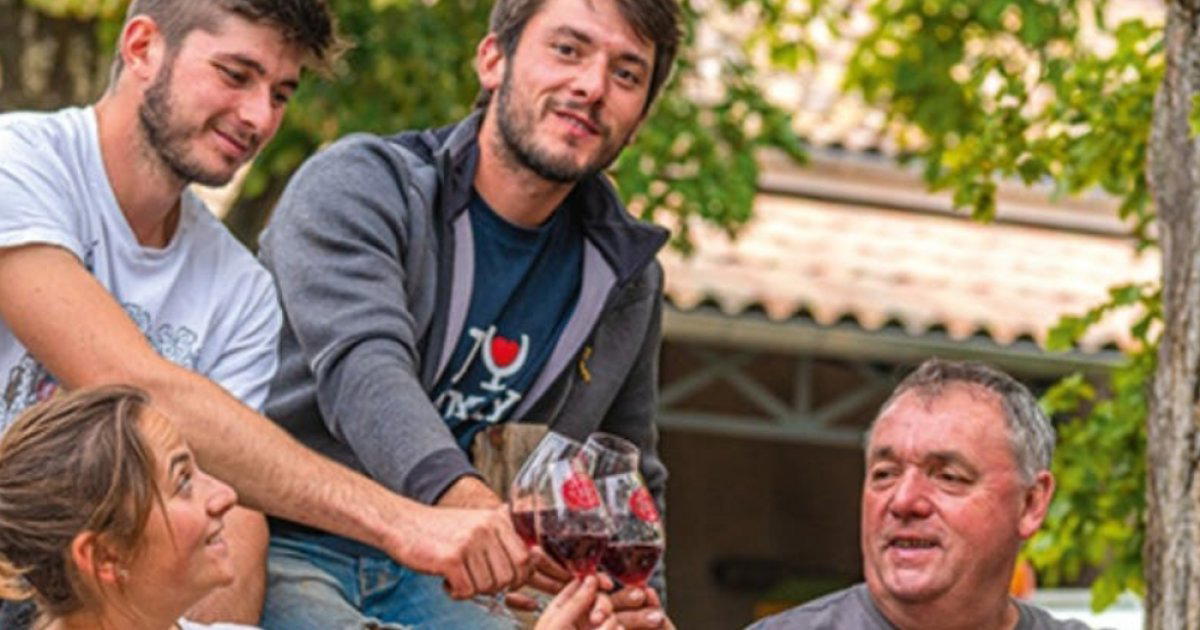
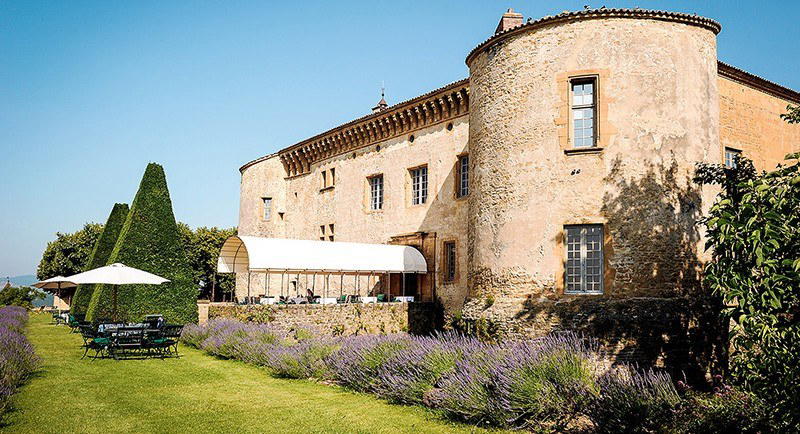
Domaine de la Grand'Cour is a historic Beaujolais family estate in Fleurie, where the home and cellar sit amid old Gamay vineyards. The appeal is not built around a highly polished hospitality setting or a scripted visitor experience; it comes from the feeling of being close to the vines, the cellar, and the everyday rhythms of an estate. In that sense, the venue reads less like a destination designed to impress from the outside and more like a place whose character comes from its immediate surroundings.
The mood is warm, convivial, rustic, and tucked-away. For travellers who want Fleurie to feel like a lived-in wine village rather than a formal showroom, Domaine de la Grand'Cour offers a grounded sense of place: family estate, old vines, cellar context, and a setting shaped by Beaujolais wine culture. Its appeal is strongest when approached with that lens. The point is not luxury polish, elaborate staging, or an overly defined format, but the quieter pleasure of being in a wine estate environment where the landscape and the cellar help set the tone.
Old Gamay vineyards and a Fleurie estate atmosphere
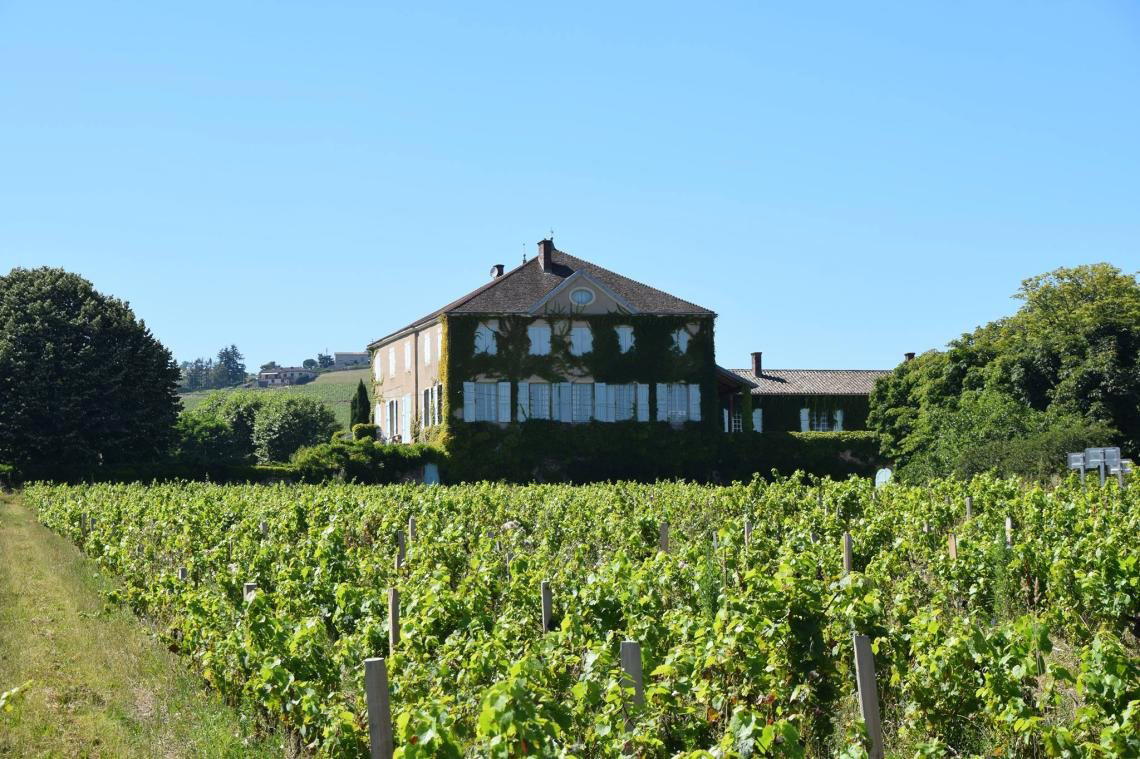
The draw here is the setting itself: a Beaujolais family estate in Fleurie surrounded by old Gamay vineyards. Old vines, a cellar, and a family-estate setting already provide enough context to understand why the place has resonance for wine-minded visitors. The estate atmosphere is part of the experience, because the sense of place is not separate from the vines around it.
Visitors should think of it as a classic, cozy, rustic estate rather than a conventional dining room or luxury venue. The home-and-cellar setting matters because it frames the experience around the vineyard landscape and the estate's convivial culture. It also helps explain why the venue is best understood through atmosphere and context rather than through a checklist of amenities. The experience is rooted in proximity: to Gamay, to Fleurie, to cellar life, and to a family-estate rhythm that feels more personal than generic.
That distinction is important when planning expectations. A polished restaurant or formal tasting room can be evaluated by service sequence, décor, and a published offer. Domaine de la Grand'Cour, as described here, is more about the impression created by its estate setting. The old Gamay vineyards are not just a backdrop; they are central to the way the place should be read. They give the visit a Beaujolais identity that is immediate, local, and connected to the landscape.
A convivial estate setting, not a generic stop
Domaine de la Grand'Cour is associated with shared meals, cellar tastings, and visits from fellow vignerons. Those details point to a warm estate culture rather than a transactional venue model. The emphasis is on conviviality: a place where wine, conversation, and cellar context naturally belong together. That does not require overstating the formality of the offer; it simply suggests that the estate's personality is tied to gathering, tasting, and the presence of people connected to wine.
For planning, the price level is listed as $$$. Beyond that, specific service formats, schedules, menu details, bottle prices, or visitor arrangements should be confirmed directly with the venue before making plans. This is especially important because the appeal described here is atmospheric and estate-centered, not dependent on a fixed set of public-facing details.
For broader Fleurie planning, treat Domaine de la Grand'Cour as one estate-centered reference point and compare it with other dining or wine-focused options in Fleurie generically, depending on the kind of visit you want. If the goal is a polished meal with a predictable format, this may not be the comparison point that matters most. If the goal is to feel anchored in Beaujolais wine culture, with a rustic and convivial frame, then the estate context becomes the reason to include it.
That estate-centered quality is what separates it from a generic stop on an itinerary. The value is not simply that it is in Fleurie, but that it expresses Fleurie through a family estate, old Gamay vineyards, cellar life, and a mood that feels warm rather than staged. For visitors moving through Beaujolais, that kind of stop can help balance more conventional appointments or dining plans, provided practical details are checked in advance.
How to place it within a Beaujolais itinerary
The editorial case for Domaine de la Grand'Cour is strongest for travellers who value atmosphere, estate context, and a sense of connection to old Gamay vineyards in Beaujolais. It is better understood as a warm, rustic family-estate experience than as a venue defined by formal service claims. The setting gives it a clear role: not necessarily the most predictable stop, but one that can bring texture and local feeling to a Fleurie-focused route.
As a planning anchor, it suits a quieter Fleurie stop built around place, conversation, and cellar culture. Keep expectations flexible, verify practical details in advance, and let the draw be what is confirmed: a historic Beaujolais family estate with a cozy, convivial setting among old Gamay vines. Approached that way, Domaine de la Grand'Cour works well as a reminder that in Beaujolais, some of the most meaningful experiences are not separated from the vineyards and cellars around them. They come from being in the right place, with the right expectations, and allowing the estate's own rhythm to shape the visit.
Frequently asked questions
What's the general vibe of Domaine de la Grand'Cour?
Expect a classic, cozy, rustic estate atmosphere in Fleurie, with the home and cellar set amid old Gamay vineyards. The tone is warm and convivial, with an estate culture associated with shared meals, cellar tastings, and visits from fellow vignerons.
How much does Domaine de la Grand'Cour cost?
Pricing at Domaine de la Grand'Cour is listed as $$$.
What part of town is Domaine de la Grand'Cour in?
Domaine de la Grand'Cour is in Fleurie.
What makes Domaine de la Grand'Cour worth visiting?
The draw is its historic Beaujolais family-estate setting in Fleurie, with the home and cellar surrounded by old Gamay vineyards. It suits travellers looking for a warm, rustic, place-driven wine stop.
Is Domaine de la Grand'Cour reservation-only?
Check Domaine de la Grand'Cour's official channels before planning a visit.
When does Domaine de la Grand'Cour make the most sense to choose?
It makes the most sense for a wine-focused stop in Fleurie when you want a historic family-estate atmosphere, old Gamay vineyard context, and a convivial Beaujolais setting.
Recognition history
Dated appearances from independent guides and award organizations, with the underlying list record or original source where available.
Falstaff Winery - Listed
Falstaff
Enquire about visiting Domaine de la Grand'Cour or buying its wine
Visits to Domaine de la Grand'Cour are usually kept for the estate's regular buyers and the wine trade. Tell us when you would like to go and a little about how you buy, and we put the request to the estate and reply to you by email. For buying, we source directly from the producer or from a licensed seller we know and vouch for, and tell you the route before you pay.
Continue exploring
More in Fleurie
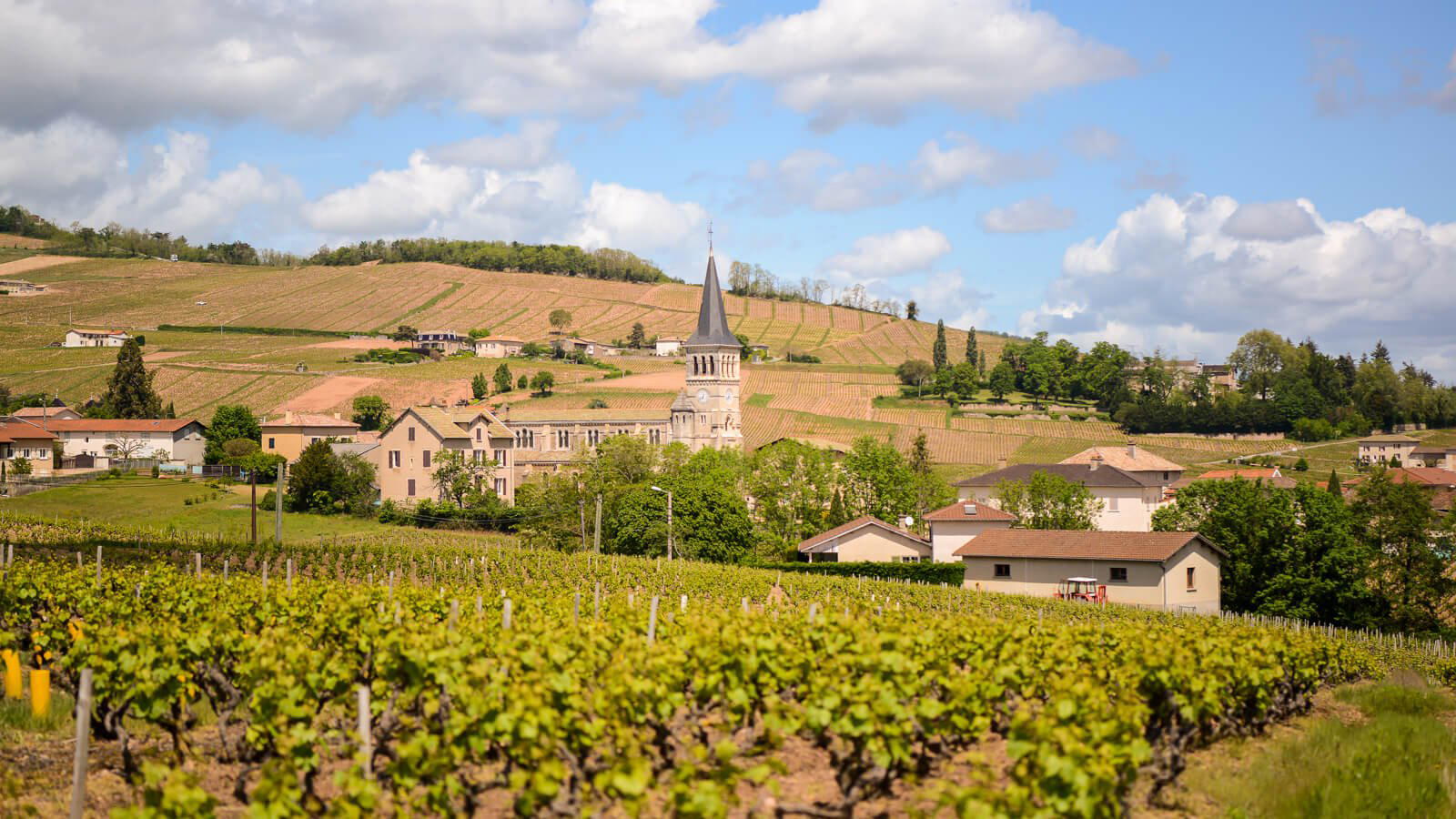
Wineries in Fleurie
All wineries in Fleurie →
Bars in Fleurie
Browse all →
Details
- Classic
- Cozy
- Rustic
- Well Known
- Intimate
- Romantic Getaway
- Group Outing
- Solo Exploration
- Wine Education
- Special Occasion
- Estate Grounds
- Vineyard Tour
- Historic Building
- Private Tasting
- Organic
- Sustainable
- Vineyard
- Gamay
- Still Red
- Estate Tasting
- Vineyard Visit
- Barrel Room
Historic Beaujolais family estate where the home and cellar sit amid old Gamay vineyards, creating a warm, convivial atmosphere with frequent shared meals, cellar tastings, and visits from fellow vignerons.