Futo Estate
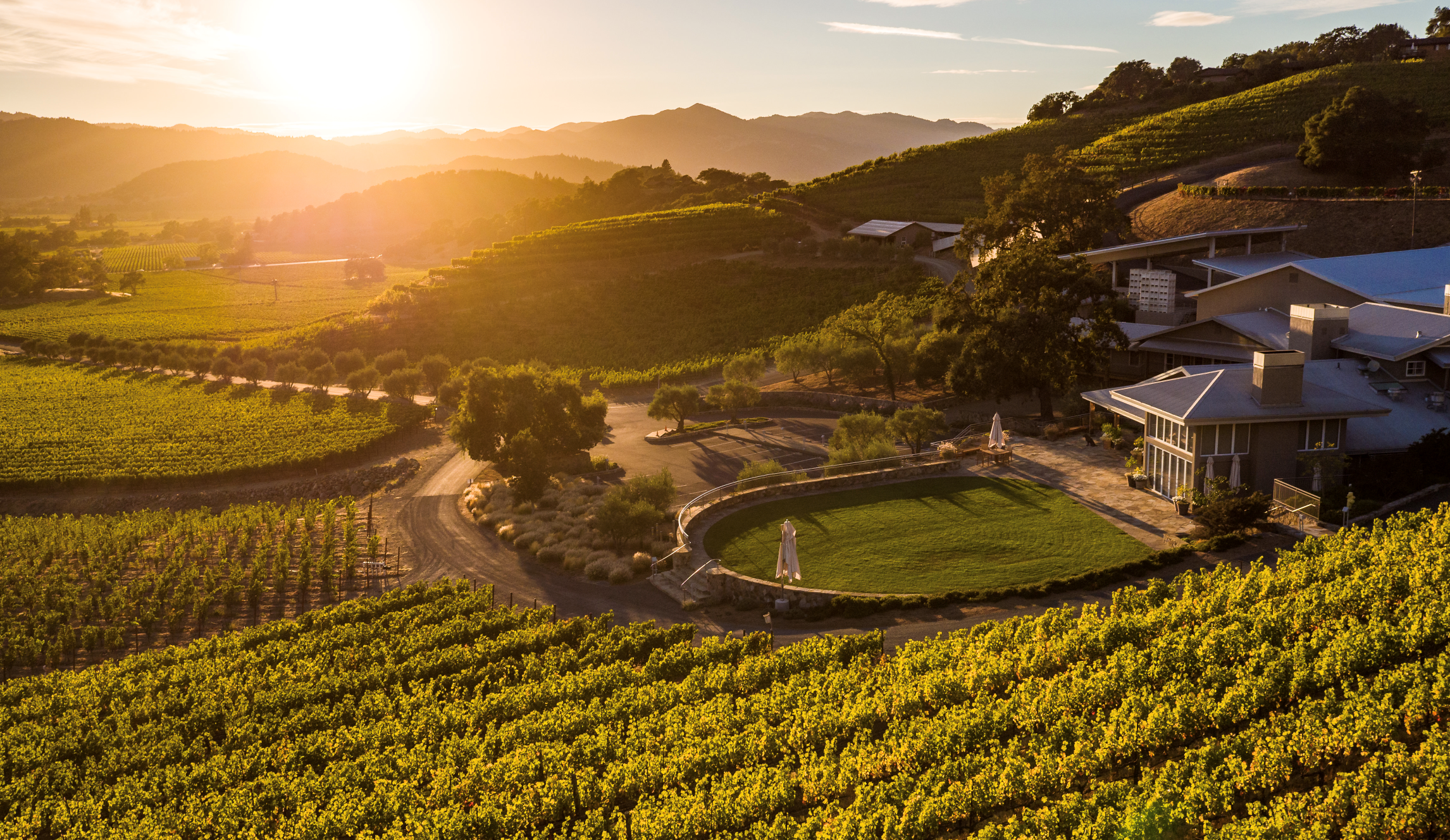
Futo Estate sits on the Oakville Grade in one of Napa Valley's most closely watched Cabernet corridors. The property works at small production scale, with farming and winemaking practices that align it with the restrained, terroir-focused tier of Oakville viticulture. For visitors seeking the serious end of the appellation, Futo is a reference point worth understanding.
Pearl is the En Primeur Club membership app — saves, bookings, and concierge access live there. Same editors, same standards.
- Address
- 1575 Oakville Grade Rd, Oakville, CA 94562
- Phone
- +1 707-944-9333
- Website
- futoestate.com
- Directions
- Get directions
 Saves & bookings on Pearl
Where the Oakville Grade Meets the Mountain Transition
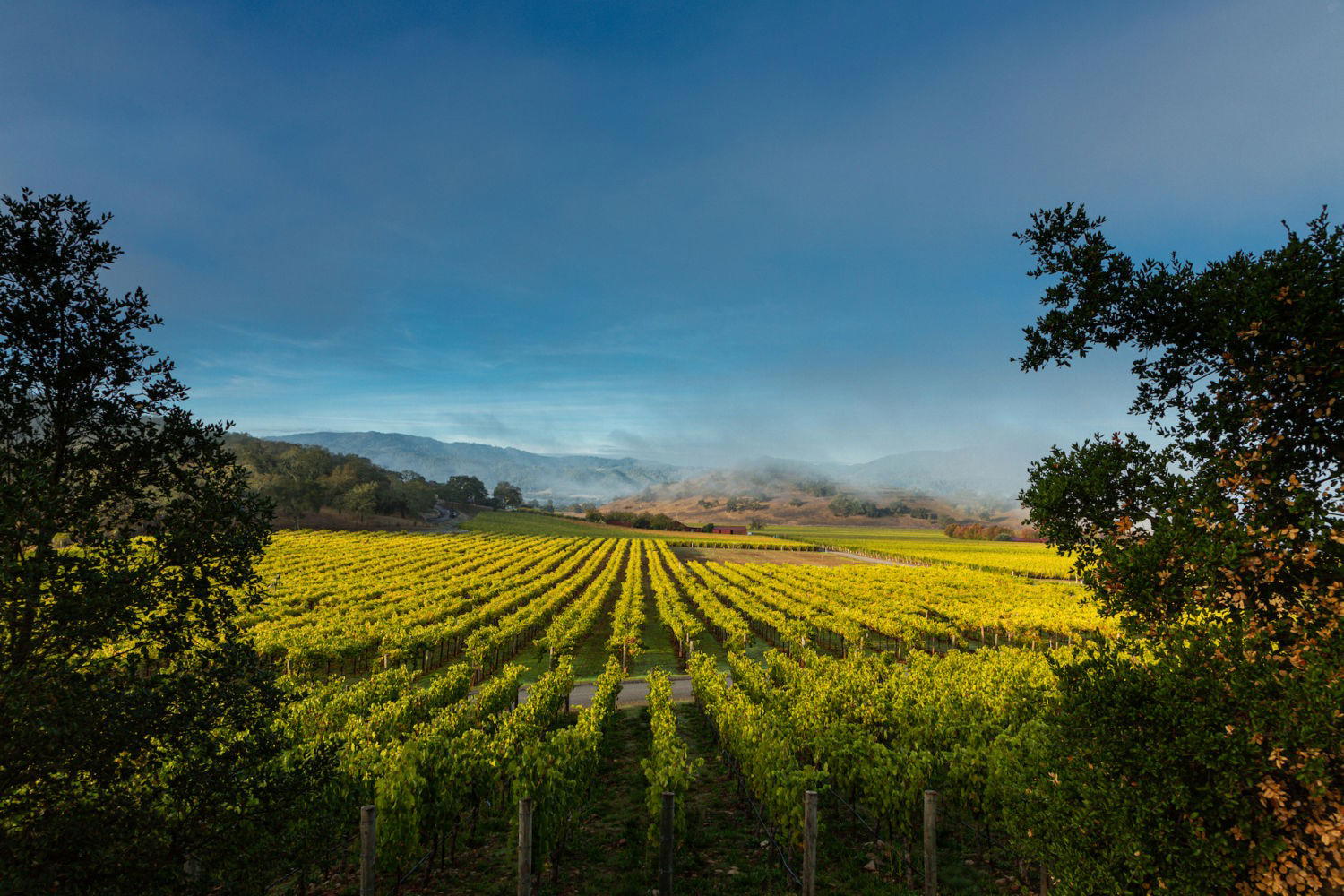
The Oakville Grade Road climbs from the valley floor toward the Mayacamas range, and the properties along it occupy a transitional band that viticulturalists have studied for decades. Here, soils shift from the deep alluvial benchland that defines mid-valley Oakville toward the rockier, better-drained ground that begins to influence wine structure in ways that set these wines apart from their valley-floor neighbors. Futo Estate sits within this band, at 1575 Oakville Grade Rd, in terrain that asks something different of both the vines and the farming team. That geography is not incidental, it is the argument the wine makes in every vintage.
Oakville as an appellation carries outsized weight in Napa Valley's Cabernet hierarchy. Properties like Opus One, Nickel & Nickel, and Groth Vineyards & Winery have shaped the appellation's international reputation across multiple decades. Within that competitive set, smaller estate producers who farm toward terroir expression rather than volume operate in a distinct and increasingly scrutinized niche. Futo is a member of that cohort.
A Viticulture Argument, Not a Volume Play
Across California wine country, the conversation around farming practice has moved from fringe to center in the past fifteen years. What once distinguished a handful of biodynamic or organically farmed properties is now a wider competitive differentiator: buyers at the premium end of the market want to know how the land is managed, not just what the label says. Futo Estate's position on the Oakville Grade places it within this debate geographically and philosophically. Mountain-adjacent sites like this tend toward lower yields by nature, thin soils, irregular terrain, and water stress that concentrates fruit but limits tonnage. That structural constraint aligns naturally with a farming ethos that prioritizes soil health and vine balance over maximizing production.
The premium Oakville tier has increasingly split between large-footprint operations with strong distribution and small-scale estate producers who restrict access to drive both quality and scarcity. Futo belongs to the latter group. That positioning carries implications for how the wine is acquired, how it is experienced, and what comparable set it is measured against. Properties like Cardinale Winery and PlumpJack Winery operate in the same appellation but at different scales and with different distribution philosophies. Understanding where Futo sits in that spectrum matters for anyone approaching the property seriously.
That designation reflects assessment across multiple criteria, and for a small estate property, it signals consistent performance at a level that holds up against the appellation's well-established names.
For collectors and wine buyers tracking the next tier of serious Napa estates, that signal is worth paying attention to.
Situating Futo Within California's Broader Terroir Conversation
Napa Valley occupies stronger examples from California's fine wine hierarchy, but the conversation around farming philosophy extends well beyond the valley. Properties like Adelaida Vineyards in Paso Robles and Alban Vineyards in Arroyo Grande have built reputations grounded in site-specific farming and restrained winemaking in regions that operate outside the Napa premium tier entirely. In Oregon, Adelsheim Vineyard in Newberg and the broader Willamette Valley have made low-intervention viticulture a defining characteristic of the appellation's identity. Even in California's Rhone-focused Santa Barbara corridor, producers like Andrew Murray Vineyards in Los Olivos operate with a site-first philosophy that mirrors what the Oakville Grade's leading estates pursue in Cabernet terms.
What connects these producers across regions is a shared premise: that the farming decisions made in the vineyard determine the ceiling of what the winemaker can achieve, and that protecting soil biology and vine balance matters more than any intervention in the cellar. Futo Estate's geography on the Oakville Grade places it within that tradition on Napa's terms, where the stakes are higher and the scrutiny is more intense, but the underlying argument is the same one being made in Paso Robles, in the Willamette Valley, and across the Rhone-variety estates of Santa Barbara County.
Farther afield, the terroir-first philosophy has equivalents in Alexander Valley Vineyards in Geyserville and in the concentrated, place-specific approach of Accendo Cellars in St. Helena, which operates at small scale with an emphasis on vineyard sourcing from within Napa Valley's most closely tracked blocks. These comparisons are useful because they show that Futo's approach is not anomalous within the California premium tier; it is part of a coherent and growing movement that buyers at the serious end of the market are increasingly tracking.
Planning a Visit to the Oakville Corridor
The Oakville Grade requires advance booking, and visits are by appointment only. Spring visits from March through May can offer a quieter experience.
Recognition Snapshot
Comparable venues nearby, for context on price, style, and recognition.
| Venue | Cuisine | Price | Notes |
|---|---|---|---|
| Futo EstateThis venue — the venue you are viewing | Cabernet Sauvignon, Cabernet Franc | $$$$ | Not listed |
| Morlet Family Vineyards | Cabernet Sauvignon, Cabernet Franc | $$$$ | St. Helena |
| Nickel & Nickel | Cabernet Sauvignon, Chardonnay | $$$$ | Oakville |
| Detert Family Vineyards | Cabernet Franc, Cabernet Sauvignon | $$$$ | Oakville |
| Miner Family Winery | Cabernet Sauvignon, Chardonnay | $$$ | Oakville |
| Favia Wines | Cabernet Sauvignon, Cabernet Franc | $$$$ | Oakville |
Continue exploring
More in Oakville
Wineries in Oakville
Browse all →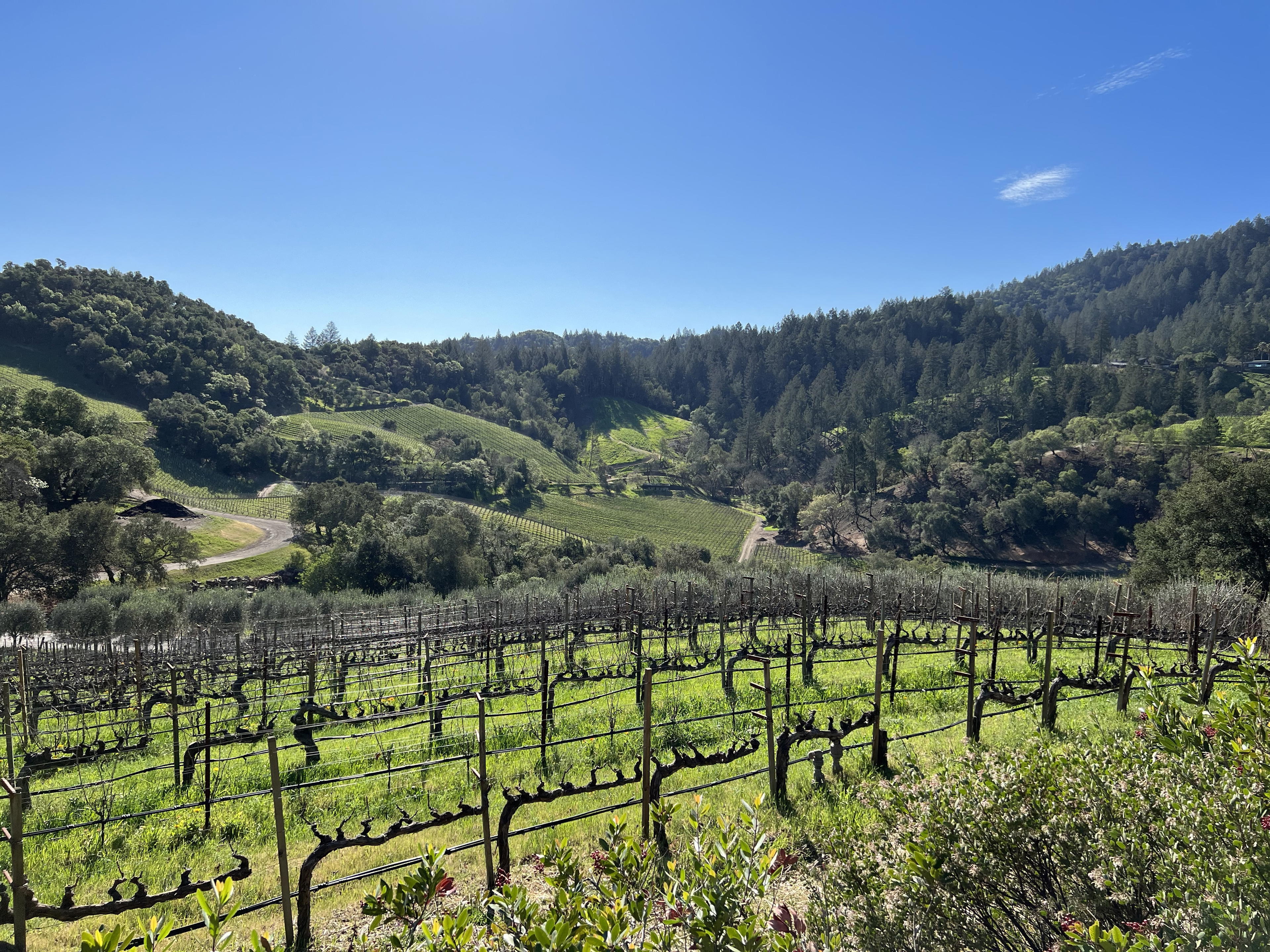

Bars in Oakville
Browse all →
Restaurants in Oakville
Browse all →

At a Glance
- Elegant
- Sophisticated
- Scenic
- Quiet
- Wine Education
- Special Occasion
- Romantic Getaway
- Celebration
- Estate Grounds
- Vineyard Tour
- Barrel Room
- Private Tasting
- Panoramic View
- Sustainable
- Dry Farmed
- Vineyard
- Mountain
- Oakville Ava, Stags Leap District AVA
- Cabernet Sauvignon
- Cabernet Franc
- Merlot
- Petit Verdot
- Sauvignon Blanc
- Still Red
- Still White
- Private Tasting
- Estate Tasting
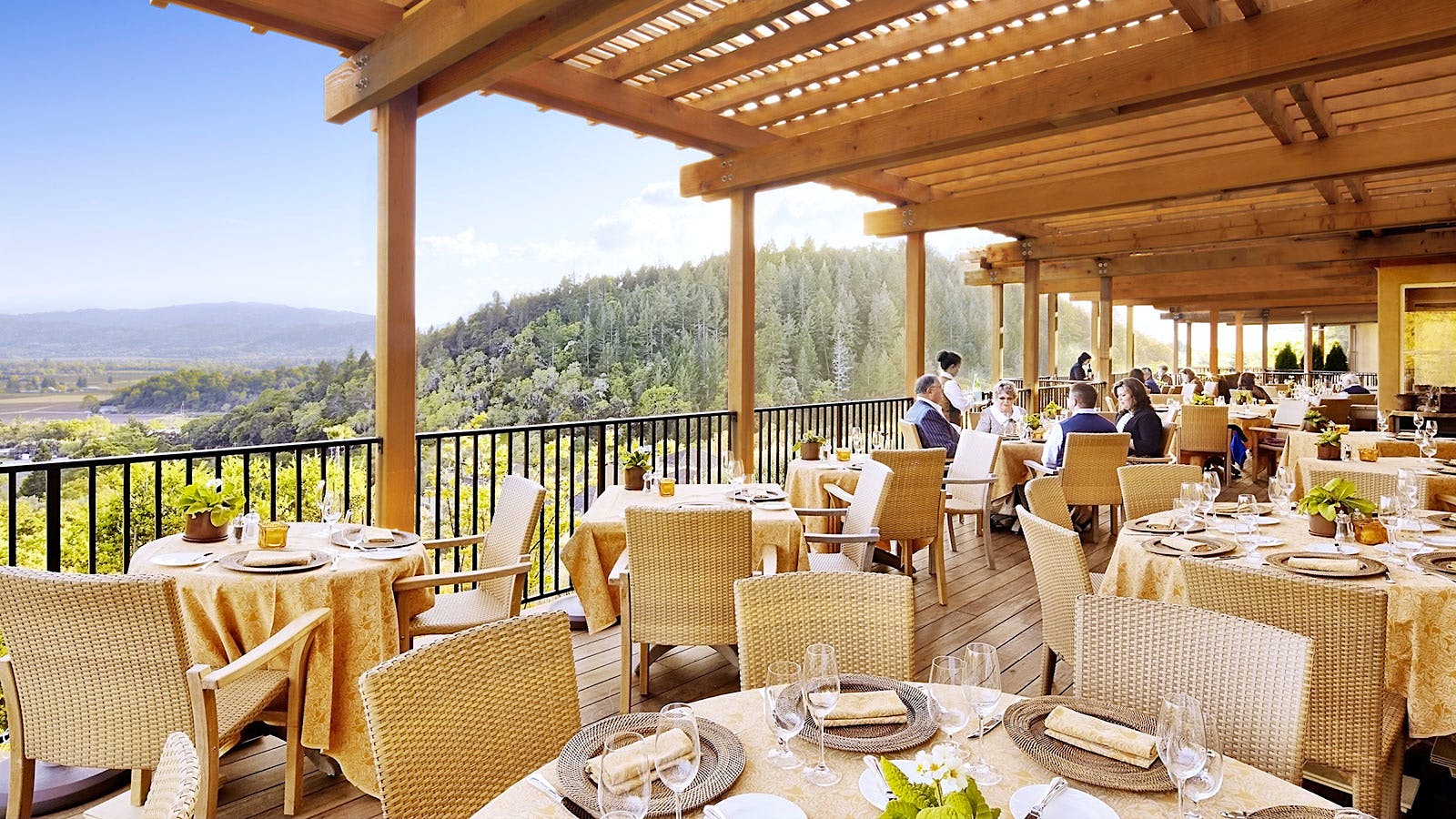
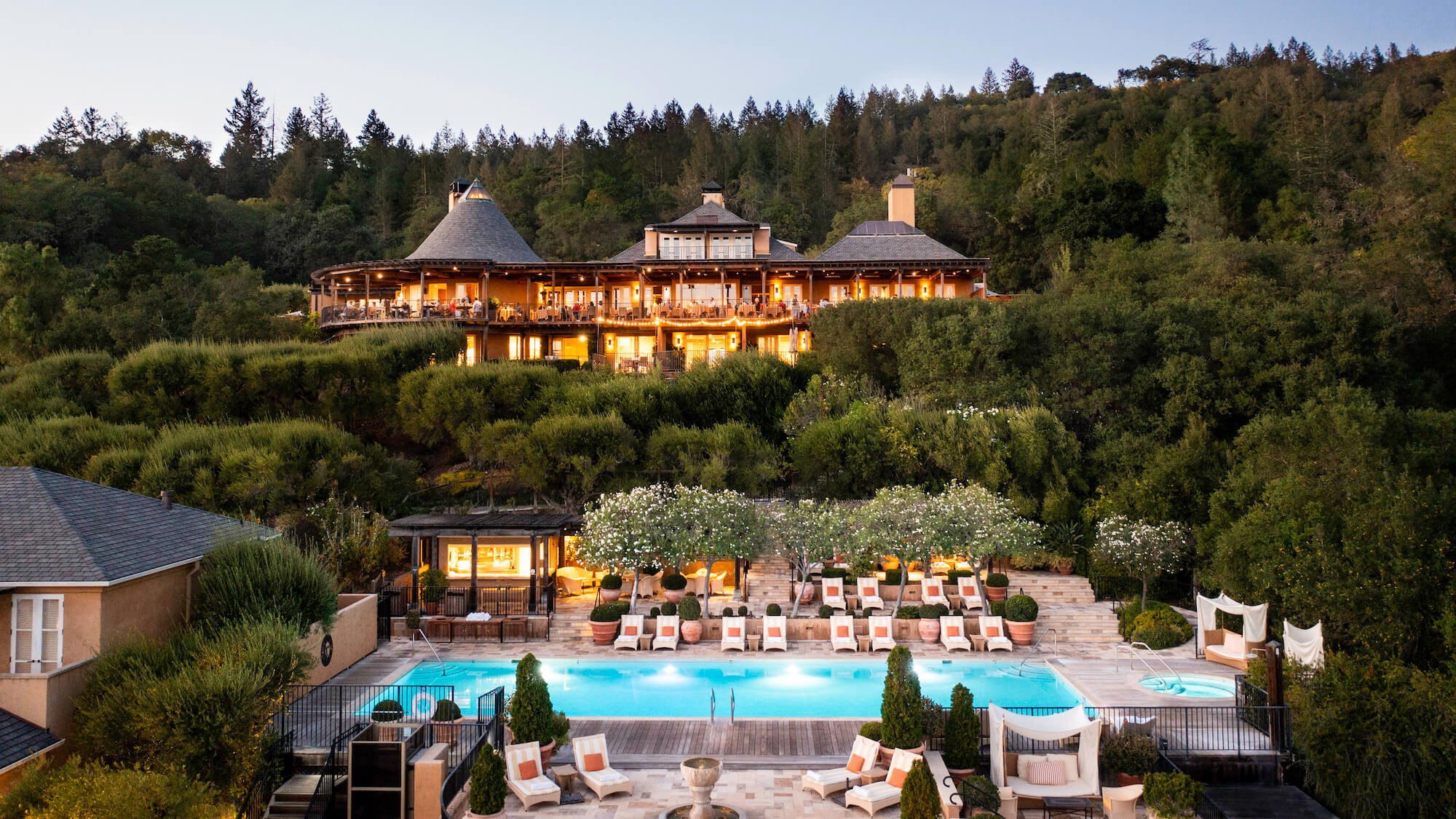
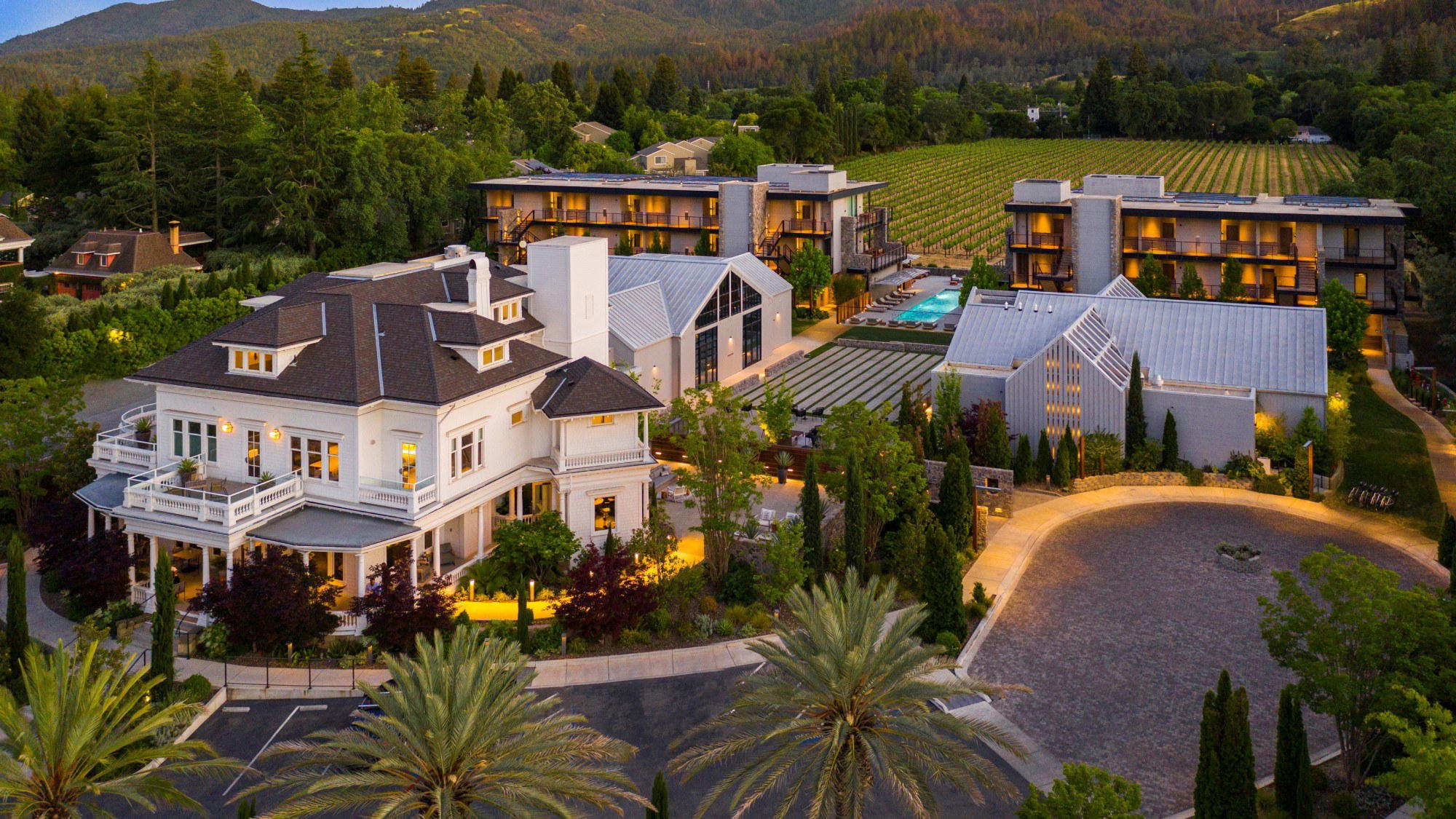
Intimate and refined, with a compact, functional winery designed to complement the property; natural light filters through the forest setting, creating a serene and exclusive atmosphere focused on the wine experience.