Silver Oak Napa Valley

Silver Oak Napa Valley has been making Oakville Cabernet Sauvignon since 1972. The Oakville Cross Road estate sits at the centre of one of Napa's most competitive Cabernet corridors, where allocation culture and architectural ambition increasingly define the visitor experience as much as the wine itself.
Pearl is the En Primeur Club membership app — saves, bookings, and concierge access live there. Same editors, same standards.
- Address
- 915 Oakville Cross Rd, Oakville, CA 94562
- Phone
- +1 707-942-7022
- Website
- silveroak.com
- Directions
- Get directions
 Saves & bookings on Pearl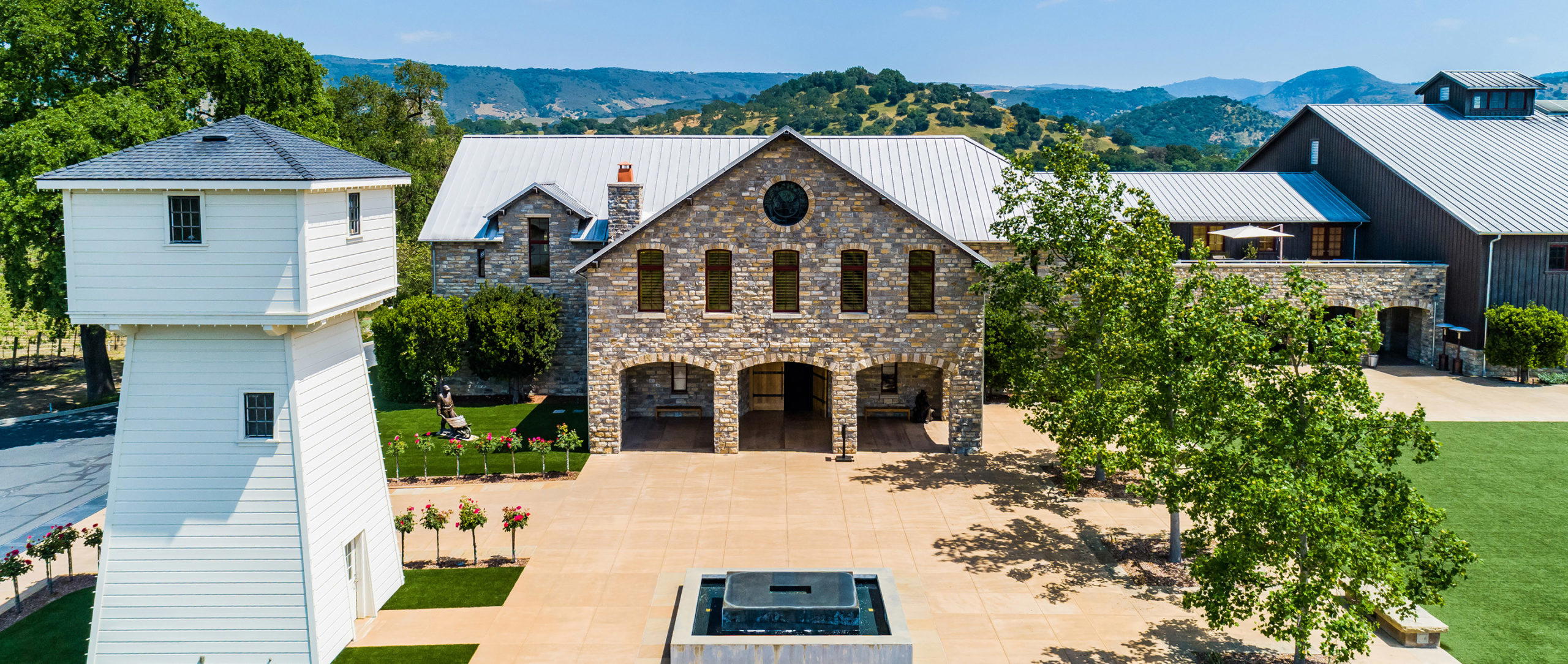
The Architecture of Expectation on Oakville Cross Road
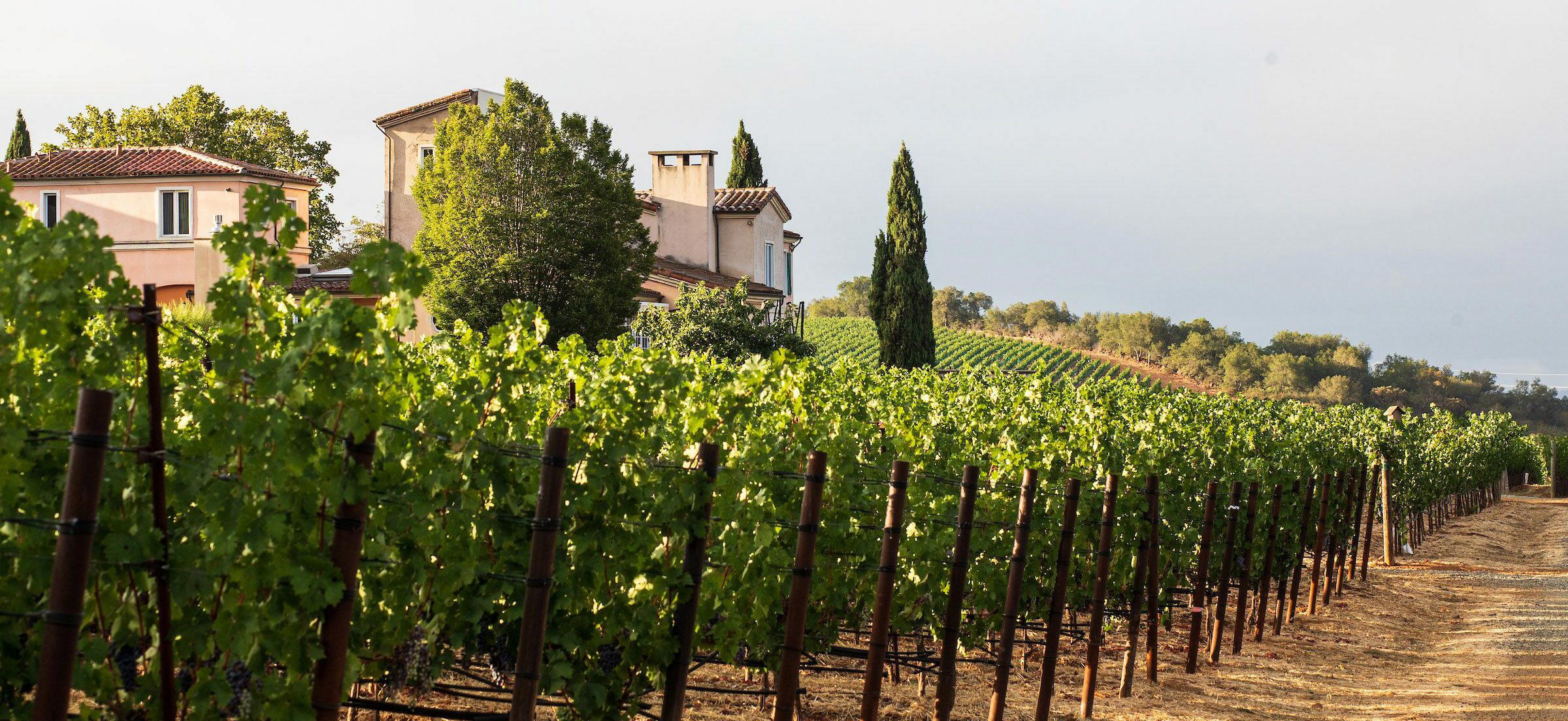
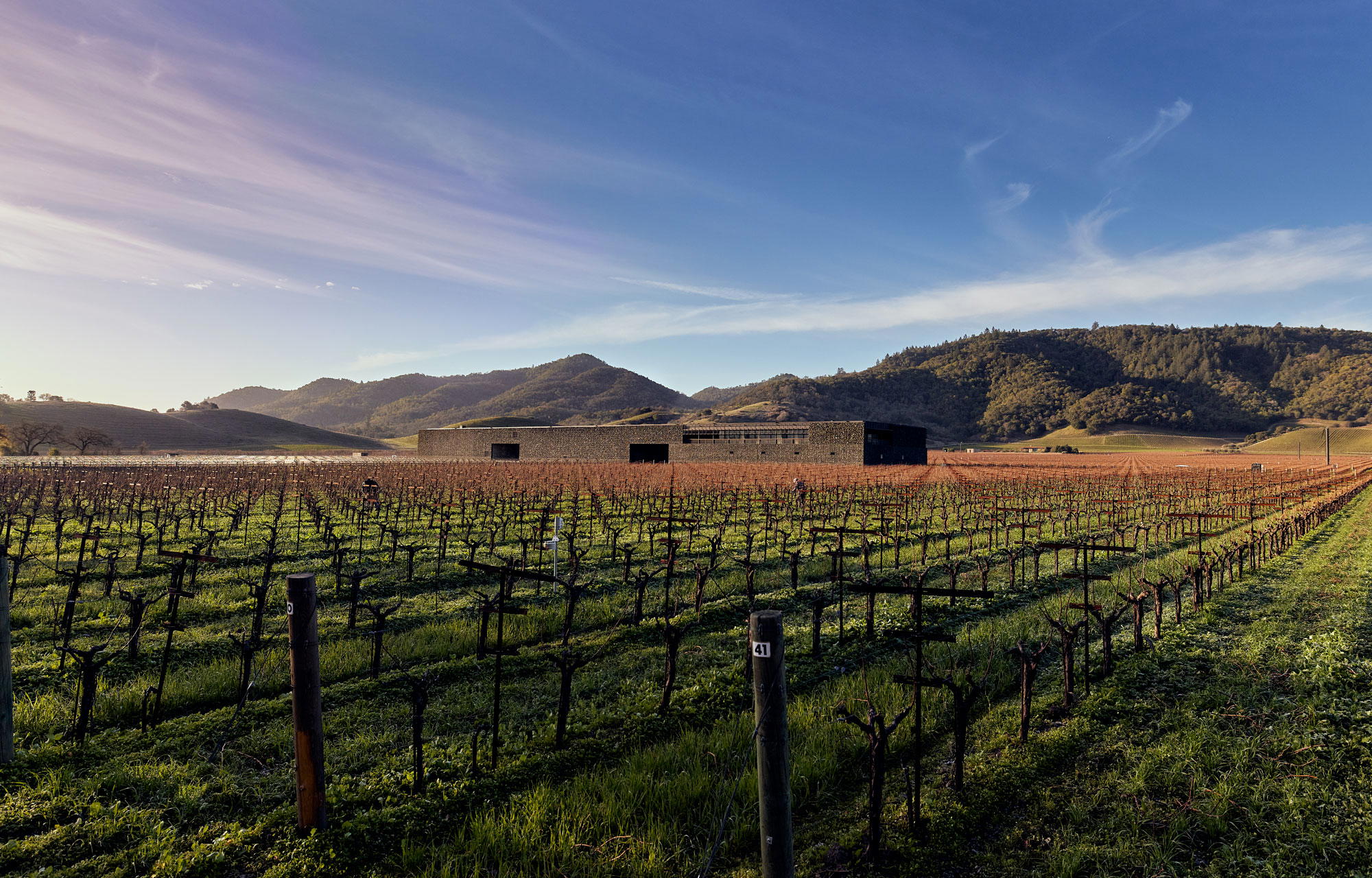
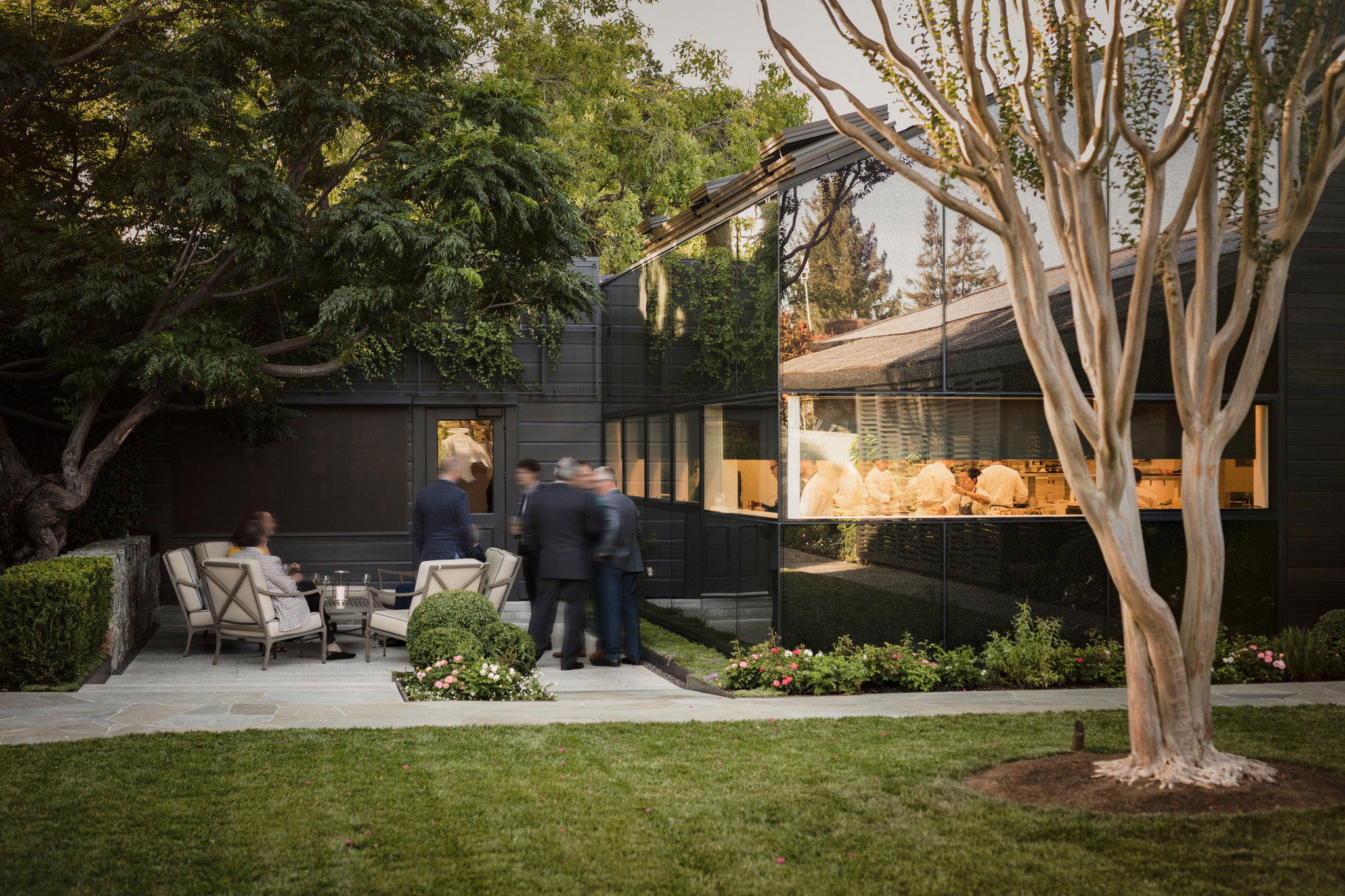
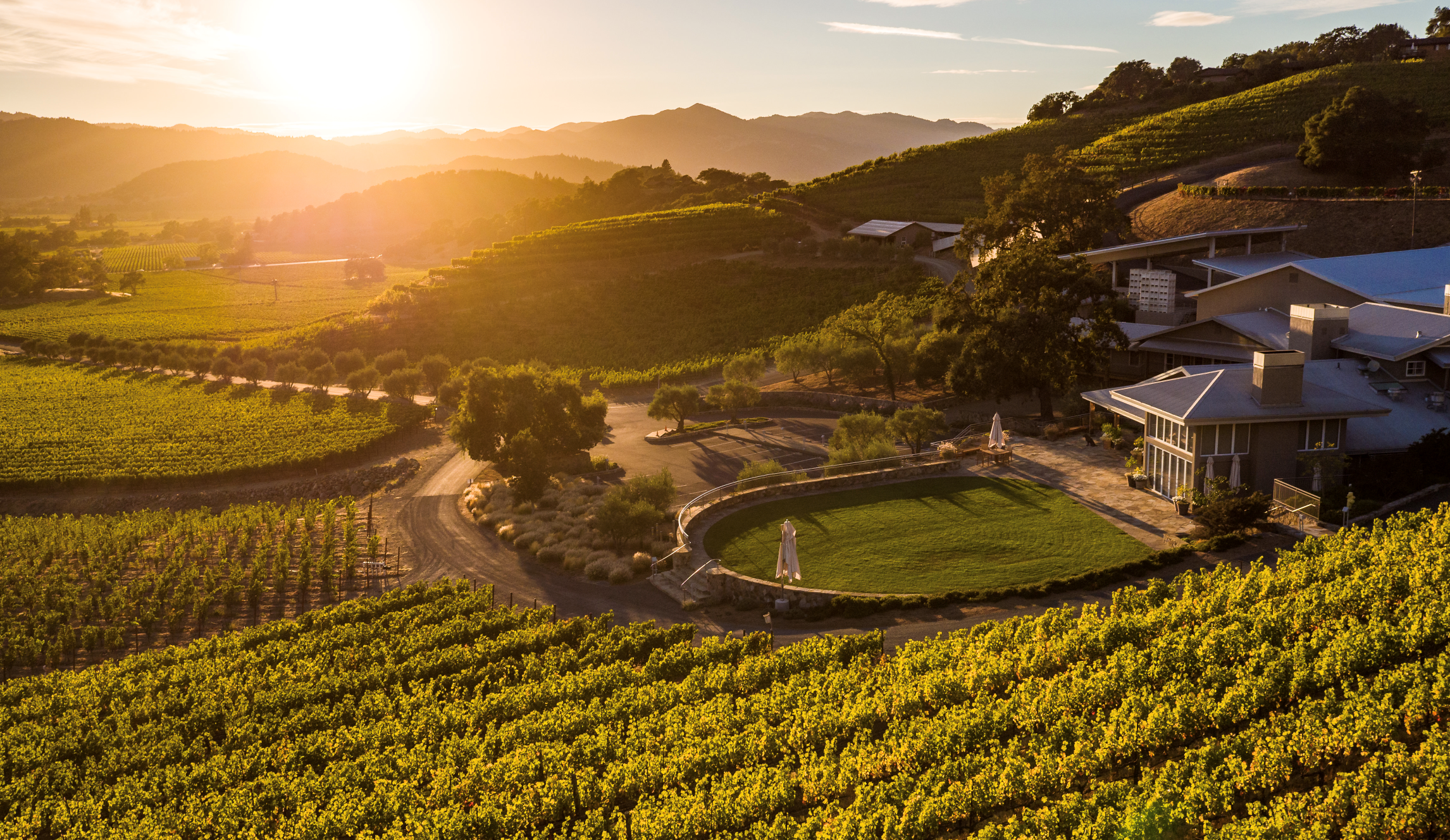
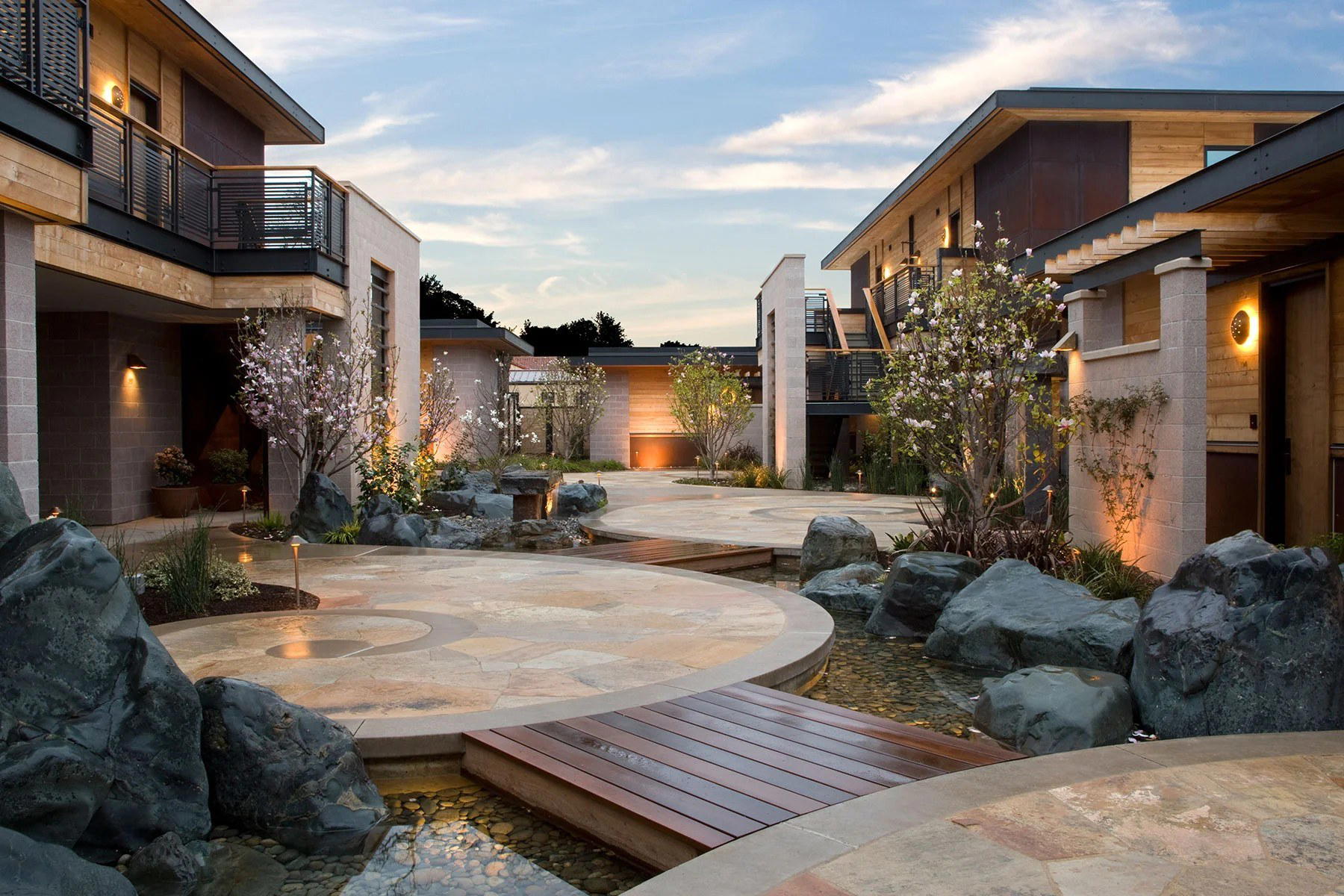
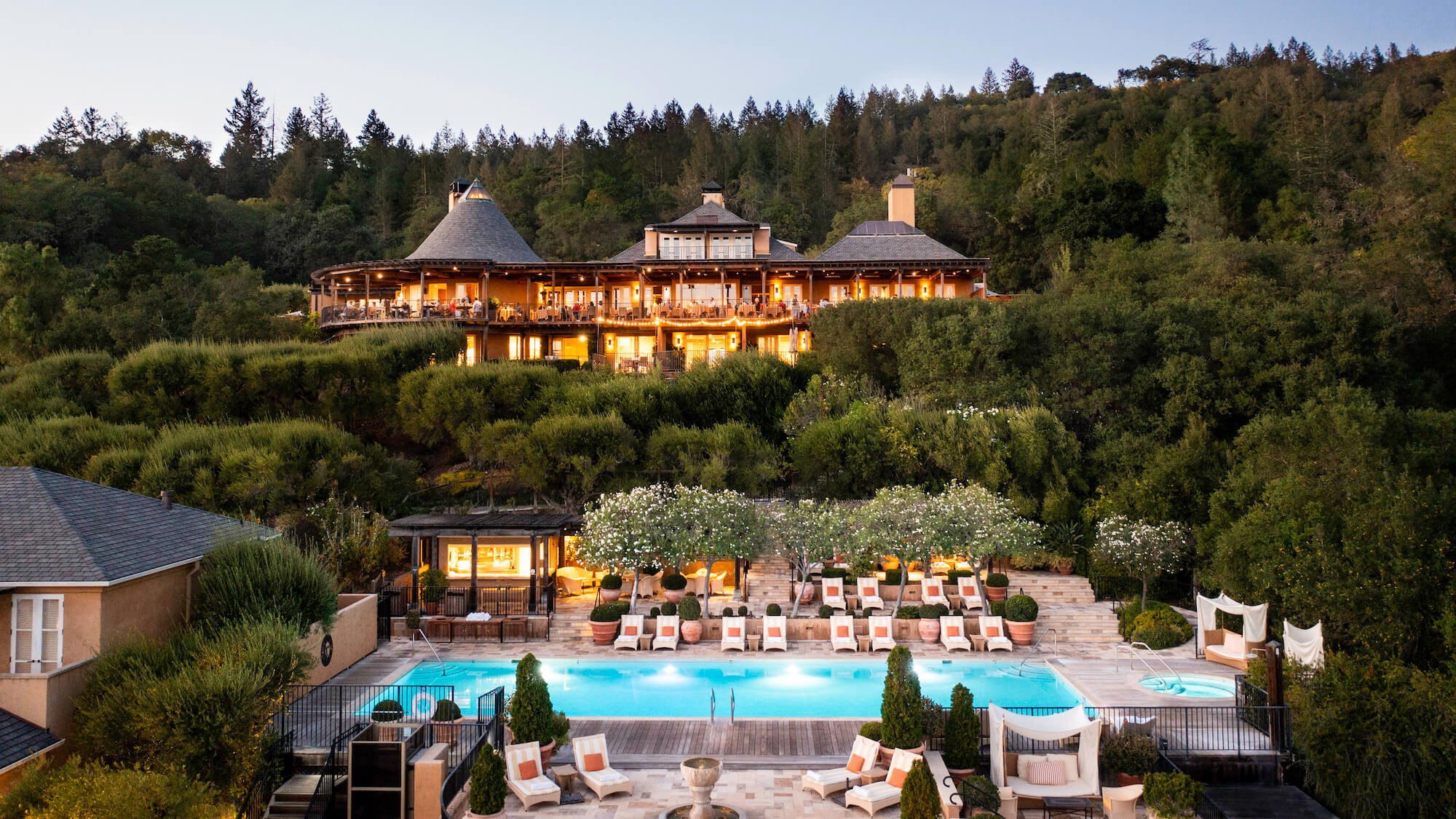
Arriving at 915 Oakville Cross Road, the physical language of the Silver Oak Napa Valley estate communicates something that takes most Napa wineries decades to earn: a sense of permanence. The wine country visitor corridor that runs along this stretch of Oakville has become one of the most architecturally self-conscious in California, where tasting rooms double as spatial arguments about what a winery should be. Silver Oak participates in that conversation from a position of unusual depth. The estate's structures carry the weight of a production history stretching back to 1972, and the built environment reflects accumulated decisions rather than a single design statement from a recent renovation cycle.
That distinction matters more than it might appear. Across Napa, a wave of new construction has delivered tasting pavilions that read as hospitality venues with wine as a secondary function. The Silver Oak property reads differently: the architecture serves the winemaking context rather than decorating it. Visitors arriving from the Silverado Trail or Highway 29 encounter a facility that has been shaped by the logic of production over five decades, with tasting spaces that open onto working infrastructure rather than concealing it behind lifestyle staging.
Fifty Years of Oakville Cabernet
The 1972 first vintage places Silver Oak in a founding generation of Napa estate wineries. For context, Napa Valley's modern fine wine identity was still assembling itself in the early 1970s, and producers who established Cabernet Sauvignon programs in that period were making structural bets on a regional identity that had not yet been confirmed by the market. The 1976 Paris Tasting, which catalysed international recognition for California wine, came four years after Silver Oak's first release. The winery's early history is therefore inseparable from the emergence of the Napa Valley appellation as a serious fine wine address.
Oakville, where Silver Oak's Napa Valley production is centred, occupies a particular position within that story. The sub-appellation sits on the valley floor between Rutherford to the north and Yountville to the south, with the Oakville AVA's alluvial soils providing the kind of deep, well-drained substrate that Cabernet Sauvignon responds to with structured tannins and sustained mid-palate weight. PlumpJack Winery and TOR Wines extend that Oakville conversation further, and the cumulative density of serious producers within this sub-appellation is without equivalent in California.
Winemaker Nate Weis and the Continuity Question
Winemaking continuity at a multi-decade estate is one of the more analytically useful signals in the Napa market. When a winery changes winemakers, the critical establishment watches the subsequent releases closely for style drift, and the allocation market adjusts accordingly. Nate Weis now holds the winemaker position at Silver Oak's Napa Valley operation, which carries the implicit responsibility of holding a house style that collectors have been building vertical libraries around for decades. That is a different brief from building a program from scratch, and the most instructive comparison is probably not with newer Oakville producers but with other long-established houses where winemaker transitions have had to navigate accumulated legacy expectations.
That credential functions as a datapoint within the broader Oakville competitive set: it confirms ongoing critical relevance at a moment when many legacy Napa houses are negotiating the tension between historical identity and contemporary palate preferences. The rating aligns Silver Oak with producers such as Alpha Omega Winery in Rutherford and Accendo Cellars in St. Helena, both of whom operate in the premium Napa tier where critical scores and allocation access intersect.
The Physical Experience: Tasting in Context
The design logic at Silver Oak Napa Valley rewards visitors who approach the estate as a working production site rather than a hospitality venue. The spatial arrangement allows the visitor to read the relationship between the winery's architecture and its operational requirements, which is precisely the kind of transparency that a new-build tasting room cannot manufacture. The materials and volumes of the estate buildings have been shaped by decades of practical decision-making, and that accumulation gives the space a textural specificity that visitor-facing design projects rarely achieve.
For those planning a visit, Oakville sits roughly central in the Napa Valley corridor, accessible from the Silverado Trail to the east via Oakville Cross Road. The estate address at 915 Oakville Cross Road is specific enough to plan a half-day that includes adjacent producers, and the density of serious wineries within a short radius makes Oakville one of the more efficient sub-appellations for a structured tasting itinerary. Visitors building a longer valley programme might consider extending north toward Accendo Cellars in St. Helena or south toward Yountville. The full scope of what the Oakville corridor offers is mapped in our full Oakville restaurants and winery guide.
Silver Oak in the California Fine Wine Context
Situating Silver Oak within the wider California fine wine map requires acknowledging that Napa Cabernet operates as a category apart from the state's other premium production zones. Producers such as Adelaida Vineyards in Paso Robles, Alban Vineyards in Arroyo Grande, Andrew Murray Vineyards in Los Olivos, and Alexander Valley Vineyards in Geyserville each occupy distinct positions within California's premium wine geography, but none operate within the specific economics of Napa Valley Cabernet, where land values, critical attention, and allocation culture combine to create a market structure that functions more like Bordeaux's left bank than like any other American wine region.
That Bordeaux parallel is not merely aesthetic. The Oakville AVA's most serious producers, Silver Oak among them, are subject to the same allocation-driven demand mechanics that define Pauillac and St-Julien at the leading end: finite production, collector-driven secondary market activity, and critical scores that function as access signals rather than simple quality assessments. Internationally, the analogy extends further. Producers such as Adelsheim Vineyard in Newberg work in a fundamentally different register, as does the European end of the spectrum represented by Aberlour in Scotland or Achaia Clauss in Patras. Silver Oak's competitive set is narrow and specific: Oakville Cabernet estates with multi-decade track records and active critical attention.
Planning Your Visit
Silver Oak Napa Valley is located at 915 Oakville Cross Road, Oakville, CA 94562. The estate sits within the Oakville AVA, which is leading visited from mid-morning to avoid the peak traffic on Highway 29 and the Silverado Trail that builds through the afternoon, particularly on weekends between May and October when Napa Valley visit volumes are at their highest. Planning your visit as part of a focused Oakville day rather than a valley-wide sweep will yield a more considered experience, with sufficient time at each estate to engage with the wines in proper sequence.
Recognition history
Dated appearances from independent guides and award organizations, with the underlying list record or original source where available.
Falstaff Winery - Listed
Falstaff
Continue exploring
More in Oakville
Wineries in Oakville
Browse all →
Bars in Oakville
Browse all →
Restaurants in Oakville
Browse all →
At a Glance
- Elegant
- Sophisticated
- Classic
- Scenic
- Wine Education
- Special Occasion
- Group Outing
- Vineyard Tour
- Estate Grounds
- Private Tasting
- Sustainable
- Vineyard
- Napa Valley AVA
- Cabernet Sauvignon
- Still Red
- Seated Tasting
- Food Pairing
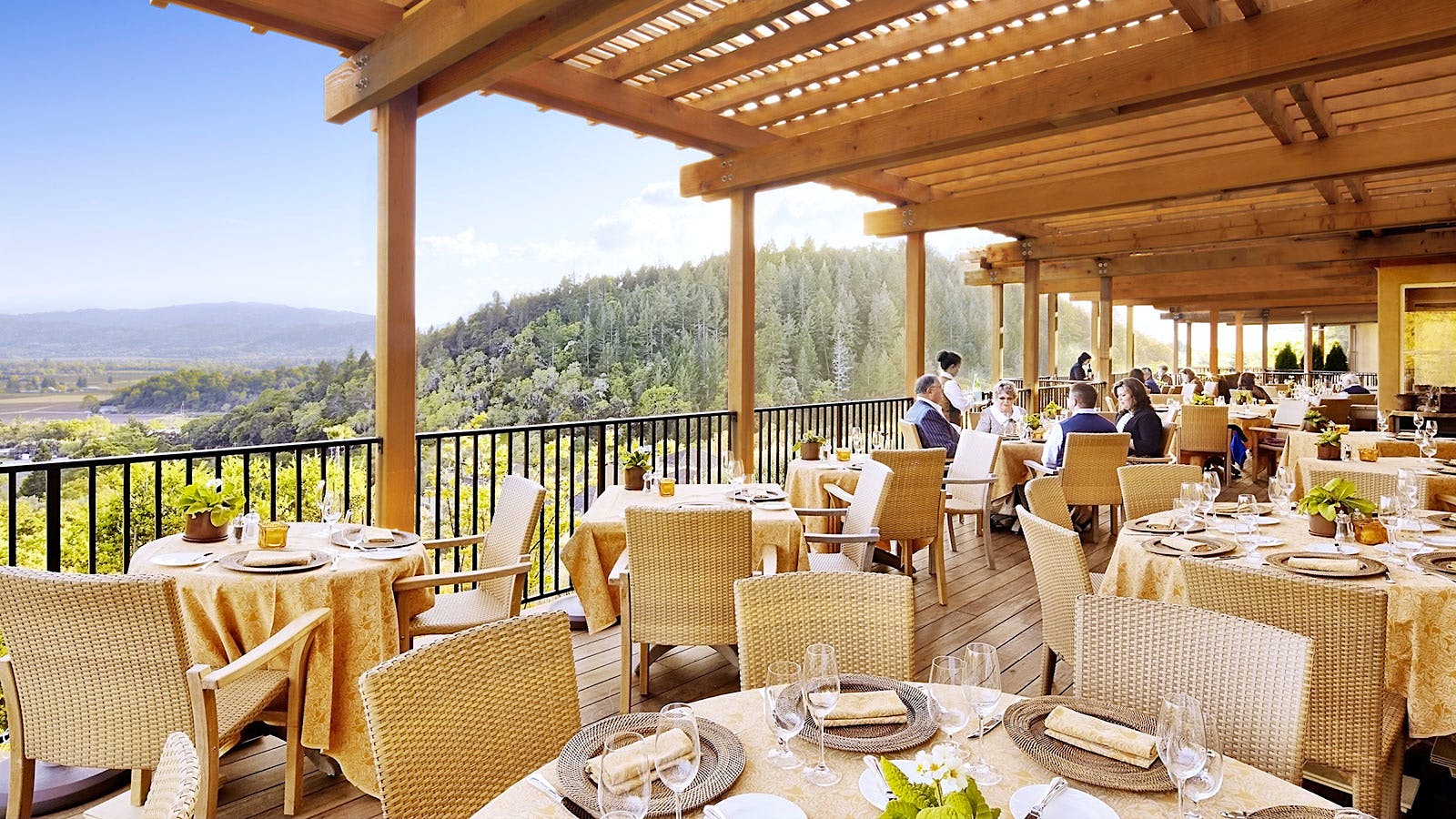
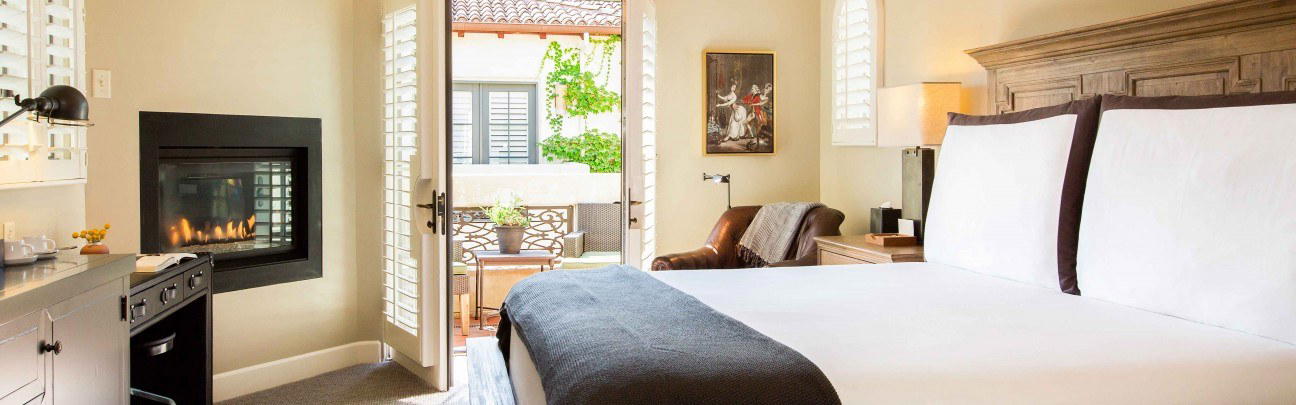
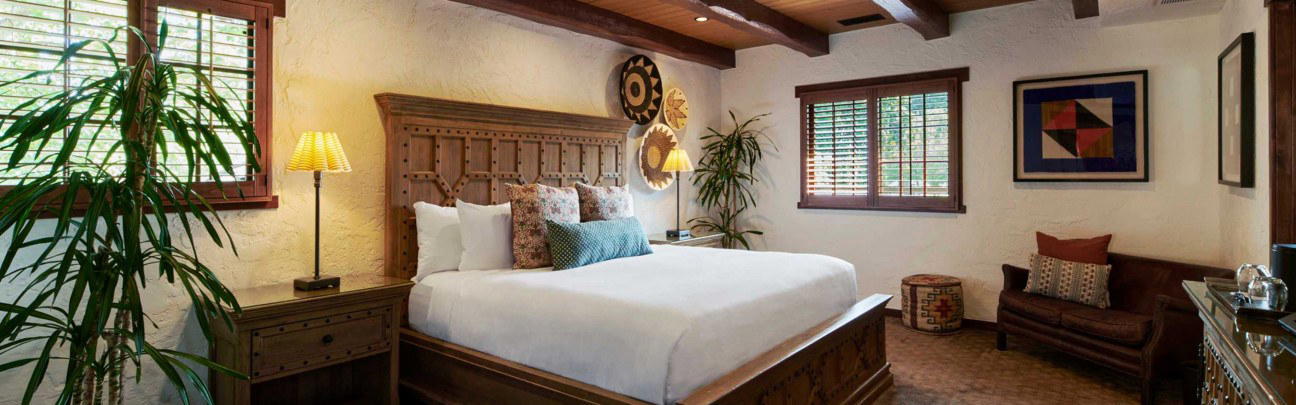
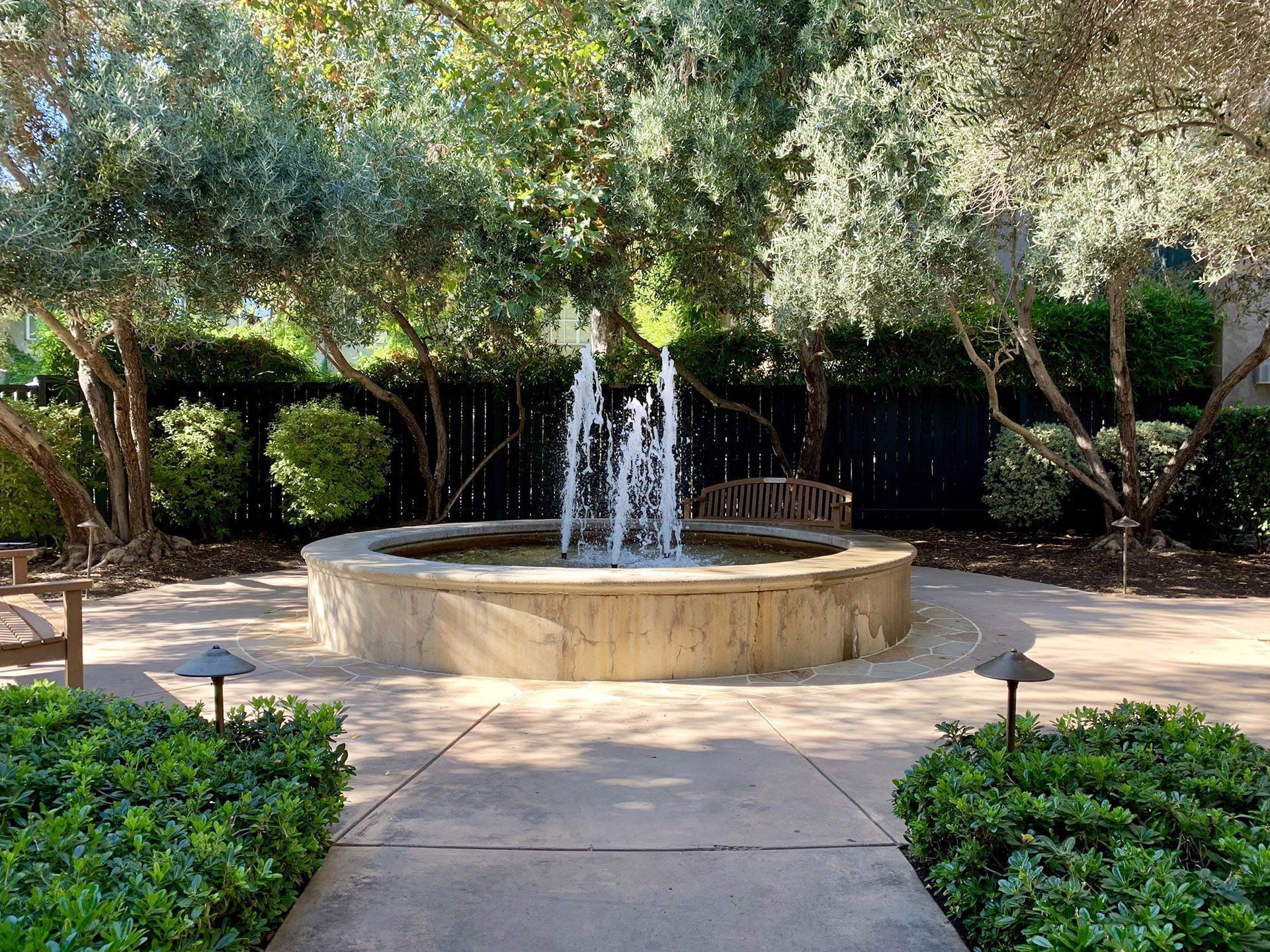
Elegant and sophisticated with beautiful Glass House library featuring rare library vintages, scenic patio seating, and a welcoming craftsmanship-focused atmosphere.
Know Before You Go
- Getting there
- 915 Oakville Cross Rd, Oakville, CA 94562