Favia Wines

Falstaff Winery - Listed
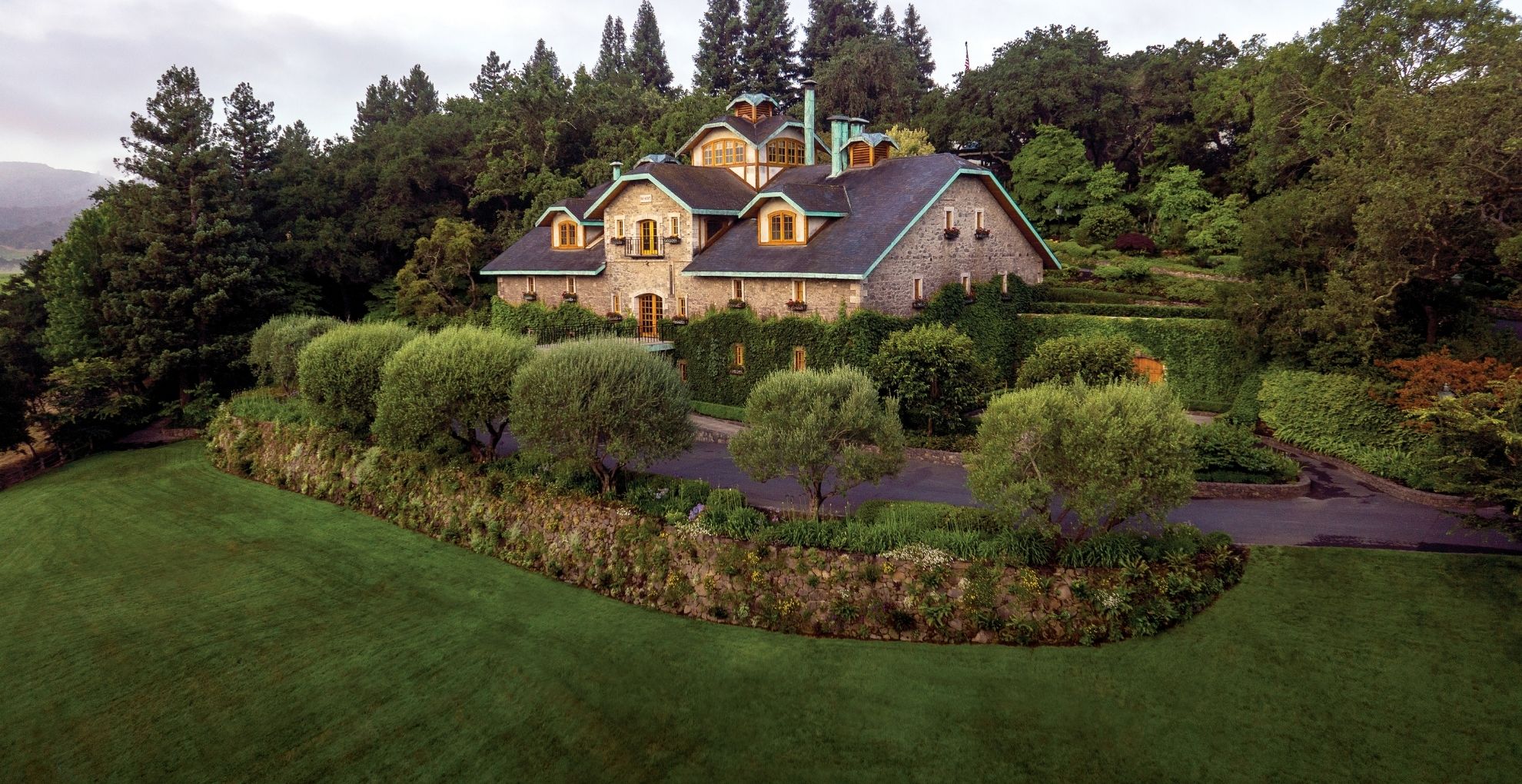
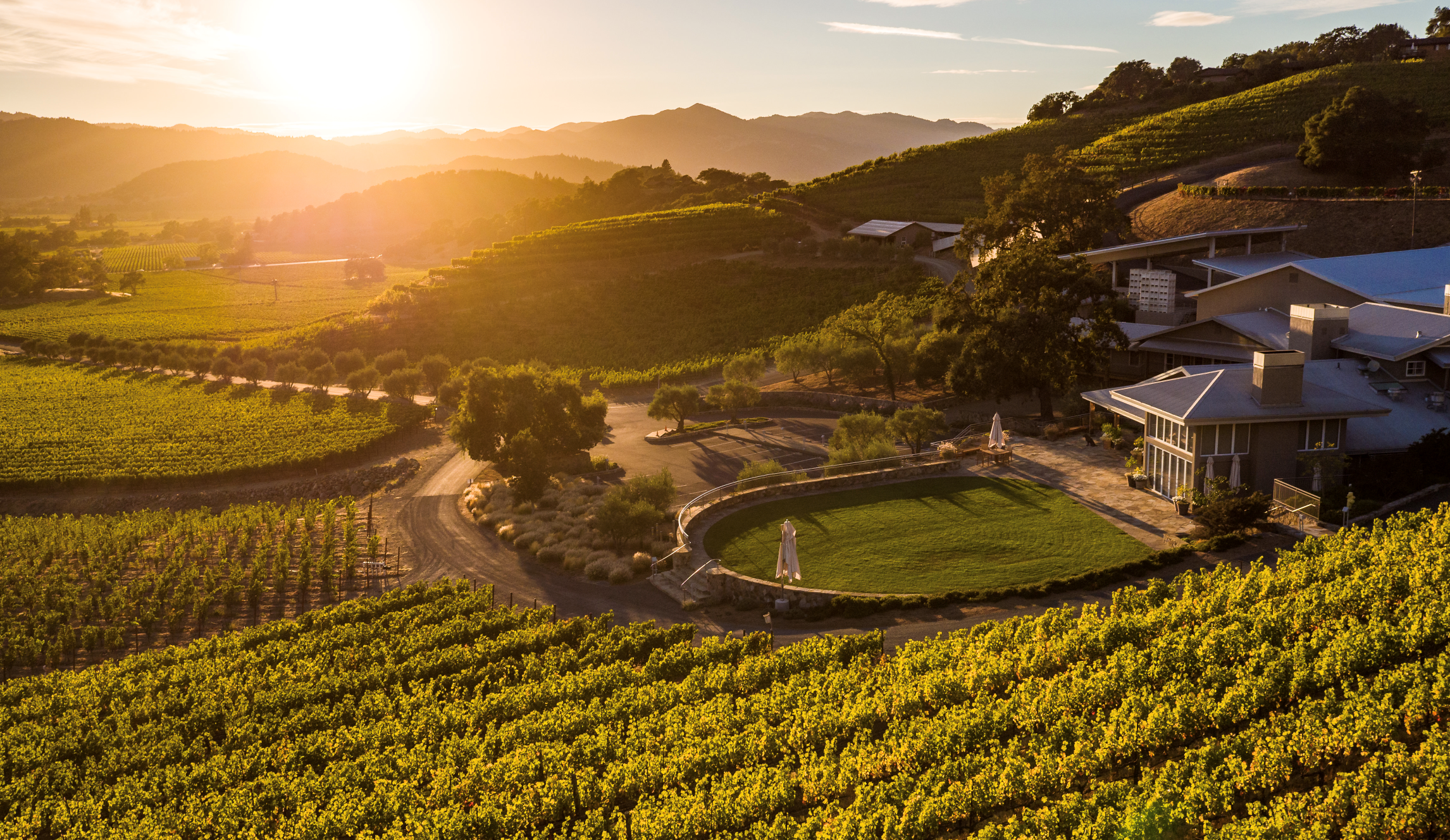
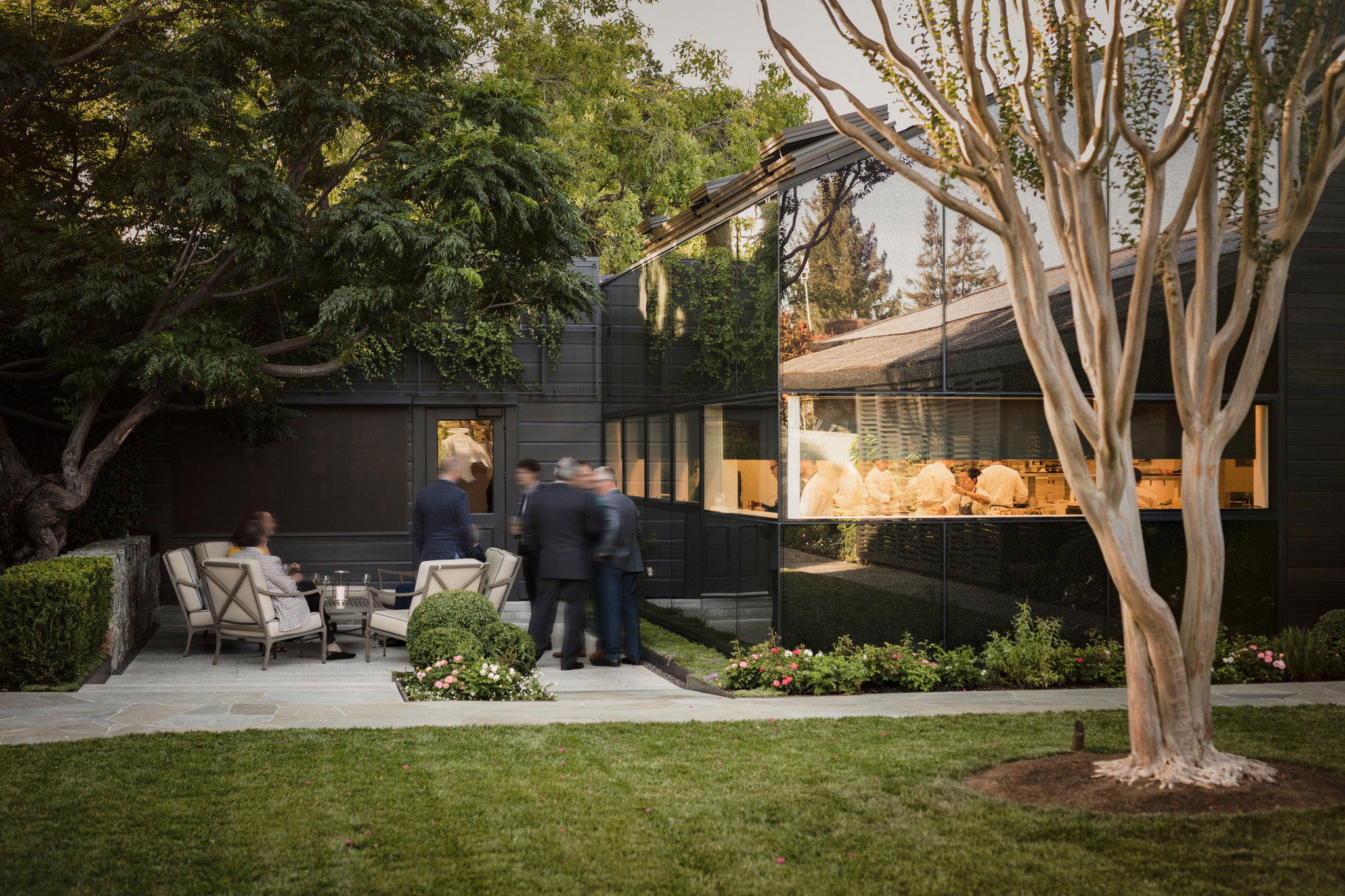
Founded in 2003 by viticulturist Annie Favia and winemaker Andy Erickson, Favia Wines grew from a restored historic property in Napa's Coombsville AVA and now also stewards an 86-acre Oakville estate. The wines emphasize Cabernet Franc, Cabernet Sauvignon, and Vaca Mountain sites, with private visits to the Coombsville property available by appointment.

Pearl is the En Primeur Club membership app — saves, bookings, and concierge access live there. Same editors, same standards.
- Address
- 2031 Coombsville Rd, Napa, CA 94558
- Phone
- (707) 256-0875
- Website
- faviawines.com
- Directions
- Get directions
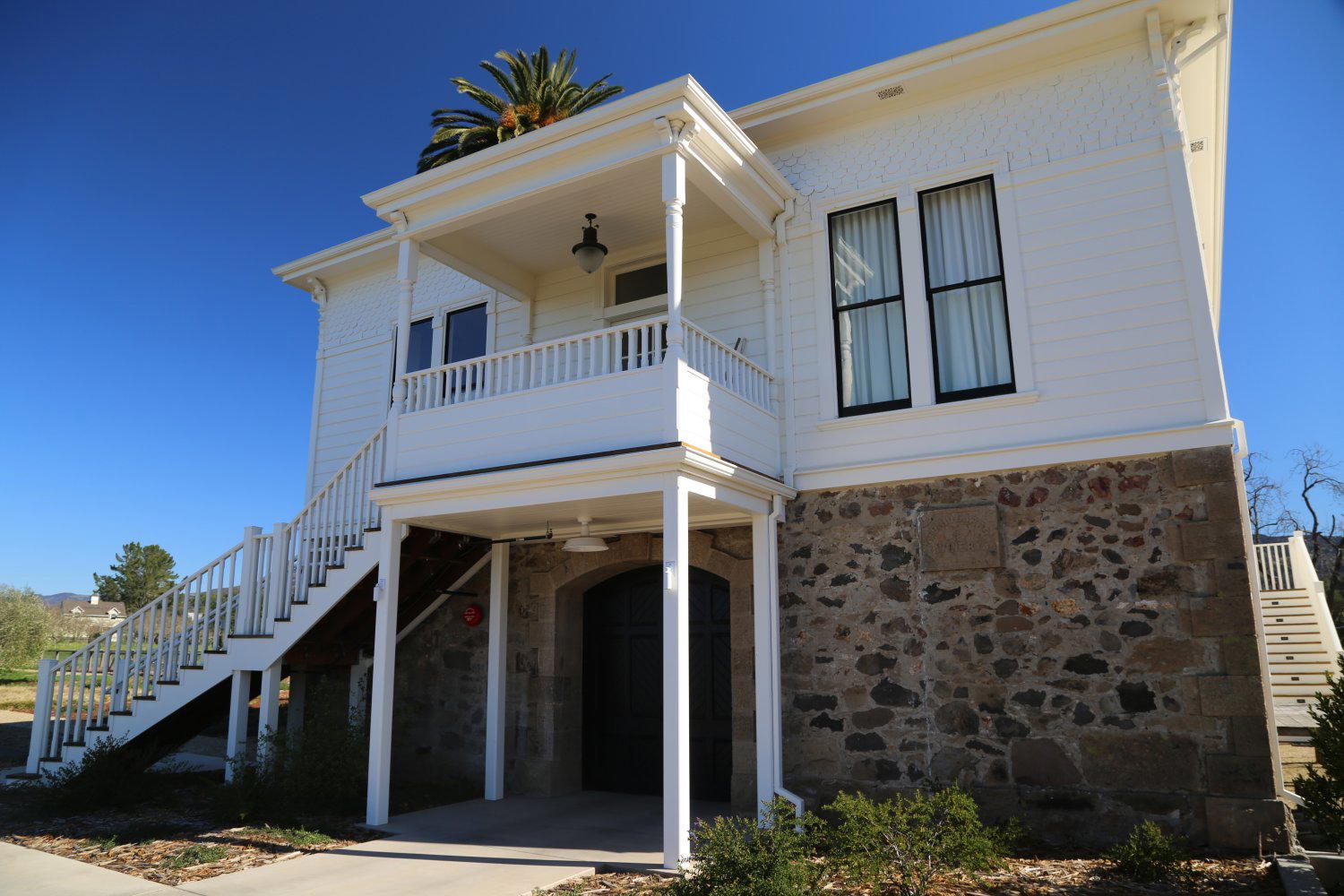
Where Coombsville Road Meets Oakville Ambition
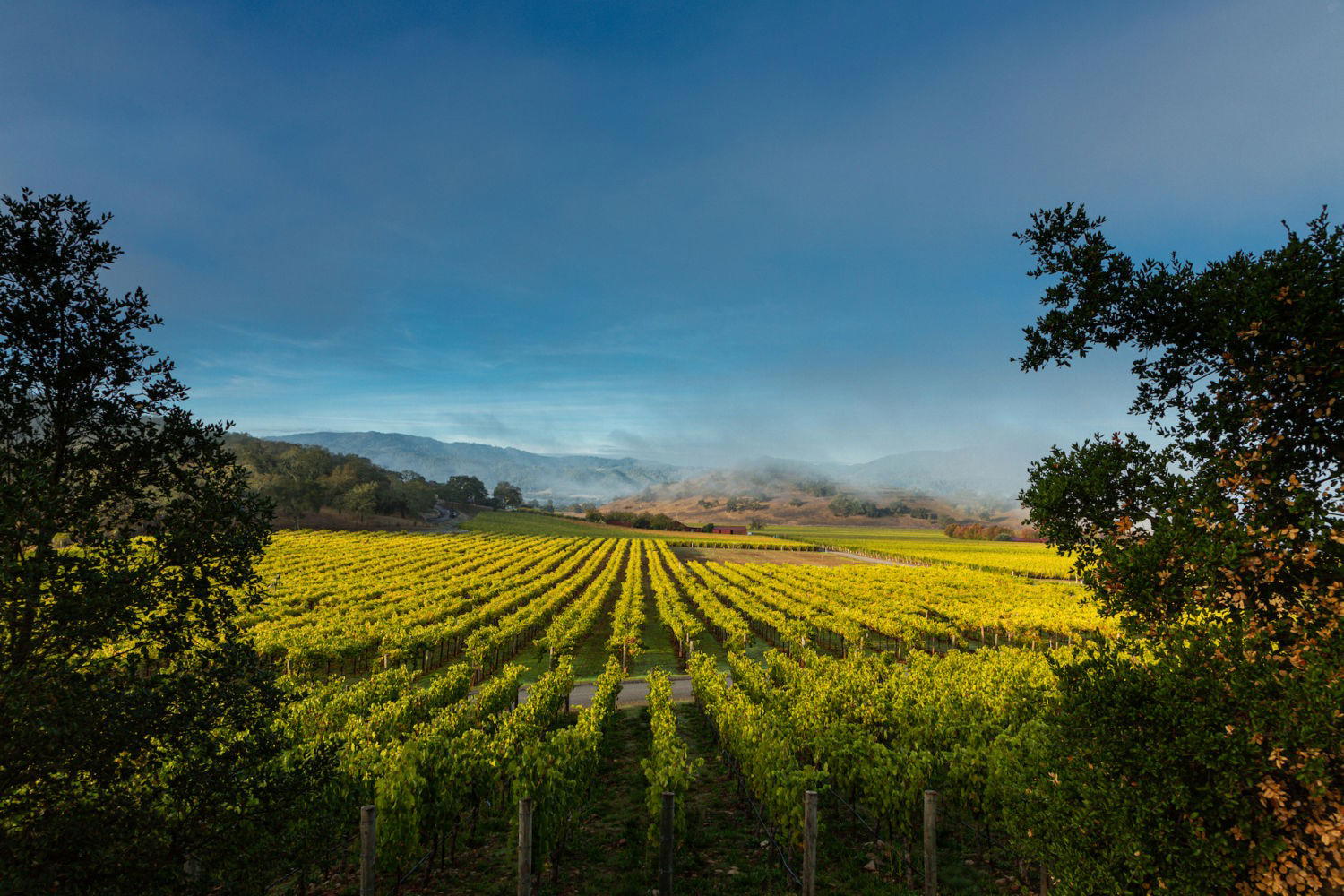
The drive along Coombsville Road sets expectations before you arrive. Napa Valley's more theatrical wine destinations announce themselves with gates, fountains, and staffed visitor pavilions. This stretch behaves differently. The land is quieter, the sight lines longer, and the properties more contained — a physical register that maps onto a particular style of Napa winemaking: smaller-scaled, allocation-focused, less concerned with walk-in volume than with what ends up in the bottle.
Oakville as an appellation has long carried premium Cabernet weight. Opus One, Cardinale Winery, and Nickel & Nickel have each defined distinct tiers of that identity — the grand estate, the prestige négociant model, the single-vineyard specialist. Favia operates with less institutional infrastructure than any of them, which places it in a cohort where the wines do the credentialing work.
The Physical Logic of the Site
Coombsville, technically an AVA adjoining the southeastern edge of Napa Valley proper, shares some of the cooler-temperature influence that defines that zone, longer hang times, less diurnal swing than the valley floor benchlands further north. Oakville's own AVA status rests on well-drained benchland soils and a central valley position that accumulates heat efficiently without the extremes of Calistoga. The address at 2031 Coombsville Rd places Favia at a transition point between those two thermal regimes, a position that has practical implications for how fruit develops. Producers working near this boundary often describe a structural precision that benchland Oakville alone doesn't always yield, a tighter acid spine alongside the extraction that the appellation is known for.
That kind of site specificity matters more now than it did twenty years ago. Napa's top tier has moved away from appellation-wide generalizations toward individual vineyard arguments, and the most credible operations in this price bracket are the ones that can articulate why a particular parcel behaves as it does across vintages. Groth Vineyards, working Oakville for decades, built its reputation on exactly that kind of parcel-level consistency. The same logic applies to smaller, newer operations, the physical argument has to hold up over time.
Oakville attracts a wide spectrum of producers, from high-volume estate operations to single-barrel negociant projects. PlumpJack Winery represents one model: estate-grown, visitor-facing, with enough critical mass to sustain a hospitality program alongside production. Silver Oak Napa Valley operates at a different scale entirely, with national distribution and brand recognition that extends well outside the wine trade. Favia sits closer to the opposite end of that spectrum, a producer where allocation lists and direct relationships with buyers matter more than tasting room throughput.
Across California more broadly, this model has proven durable. Accendo Cellars in St. Helena works a similar allocation logic in a different Napa subzone. Further afield, Alban Vineyards in Arroyo Grande and Andrew Murray Vineyards in Los Olivos demonstrate how small-production, site-specific producers in California can hold serious critical standing without extensive retail presence. The pattern is consistent: credibility comes from the specificity of the vineyard argument and the quality signal from independent recognition, not from marketing infrastructure.
What distinguishes Favia within Oakville's premium bracket is the combination of that production philosophy and a formal award credential. For comparison, operations like Alpha Omega Winery in Rutherford occupy a more visitor-accessible position in the Napa premium tier, Favia's profile skews more toward the trade and allocation collector than the drive-in tasting visitor.
How to Approach a Visit
Because Favia operates at small production scale, the standard Napa approach of arriving without prior contact is unlikely to work. Allocation-model wineries in this bracket typically require advance contact through their mailing list or direct inquiry, a pattern shared by most of Favia's true peers. The winery's address is 2031 Coombsville Rd, Napa, CA 94558, and given the absence of a public-facing tasting room listing, any visit should be arranged directly and in advance. The timing logic follows the standard Napa calendar: spring and early summer see the valley before harvest pressure builds; late October through November captures post-harvest when many small producers are more available for serious conversation about the vintage just finished.
For visitors structuring a broader Oakville itinerary, the combination of a Favia visit with calls to Nickel & Nickel and Cardinale creates a coherent range across the appellation's production philosophies, single-vineyard specialist, prestige estate, and small allocation producer. Those with time to extend north can add Adelsheim Vineyard in Newberg as a point of contrast for how Oregon's Willamette Valley handles cool-climate Pinot relative to Napa's Cabernet-dominant structure. See our full Oakville guide for broader itinerary options across the appellation.
The Coombsville corridor also rewards visitors who engage with it as a zone rather than a single destination. Adelaida Vineyards in Paso Robles and Alexander Valley Vineyards in Geyserville offer useful California comparison points for how different thermal regimes shape Cabernet-focused production, if you're building a broader study of California's Bordeaux-variety producers.
The Credential in Context
It places Favia in a tier that demands sustained critical engagement with the wine rather than general goodwill toward the address.
For context on what that tier looks like across the California winemaking scene, producers like Accendo Cellars and the allocation-model houses in Paso Robles (Adelaida Vineyards holds its own regional standing there) demonstrate that small-production credentialism is not exclusively a Napa phenomenon. Favia earns its place in that conversation through the wine, which is the only argument that holds up in a market as saturated with premium positioning as Oakville.
The Quick Read
Comparable venues nearby, for context on price, style, and recognition.
| Venue | Cuisine | Price | Awards | Notes |
|---|---|---|---|---|
| Favia WinesThis venue — the venue you are viewing | Not listed | Not listed | Falstaff Winery - Listed | Not listed |
| Detert Family Vineyards | Not listed | Not listed | Not listed | Oakville, Cabernet Franc, Cabernet Sauvignon |
| Kelleher Family Vineyards | Not listed | $50–100 | Not listed | Oakville, Cabernet Sauvignon, Sauvignon Blanc |
| Tamber Bey Vineyards | Calistoga, Cabernet Sauvignon, Merlot | $50–100 | Not listed | Not listed |
| Miner Family Winery | Oakville, Cabernet Sauvignon, Chardonnay | Not listed | Not listed | Not listed |
| Silver Oak Napa Valley | Oakville, Cabernet Sauvignon | Not listed | Falstaff Winery - Listed | Not listed |
Recognition history
Dated appearances from independent guides and award organizations, with the underlying list record or original source where available.
Falstaff Winery - Listed
Falstaff
Continue exploring
More in Napa
Wineries in Napa
Browse all →
Bars in Napa
Browse all →
Restaurants in Napa
Browse all →
Details
- Quiet
- Intimate
- Sophisticated
- Solo Exploration
- Special Occasion
- Wine Education
- Private Tasting
- Historic Building
- Design Destination
- Sustainable
- Vineyard
- Cabernet Sauvignon
- Cabernet Franc
- Sauvignon Blanc
- Petit Verdot
- Still Red
- Still White
- Private Tasting
Intimate, boutique, and small-production with a historic Coombsville home base and a Napa tasting environment described as set in an industrial area.