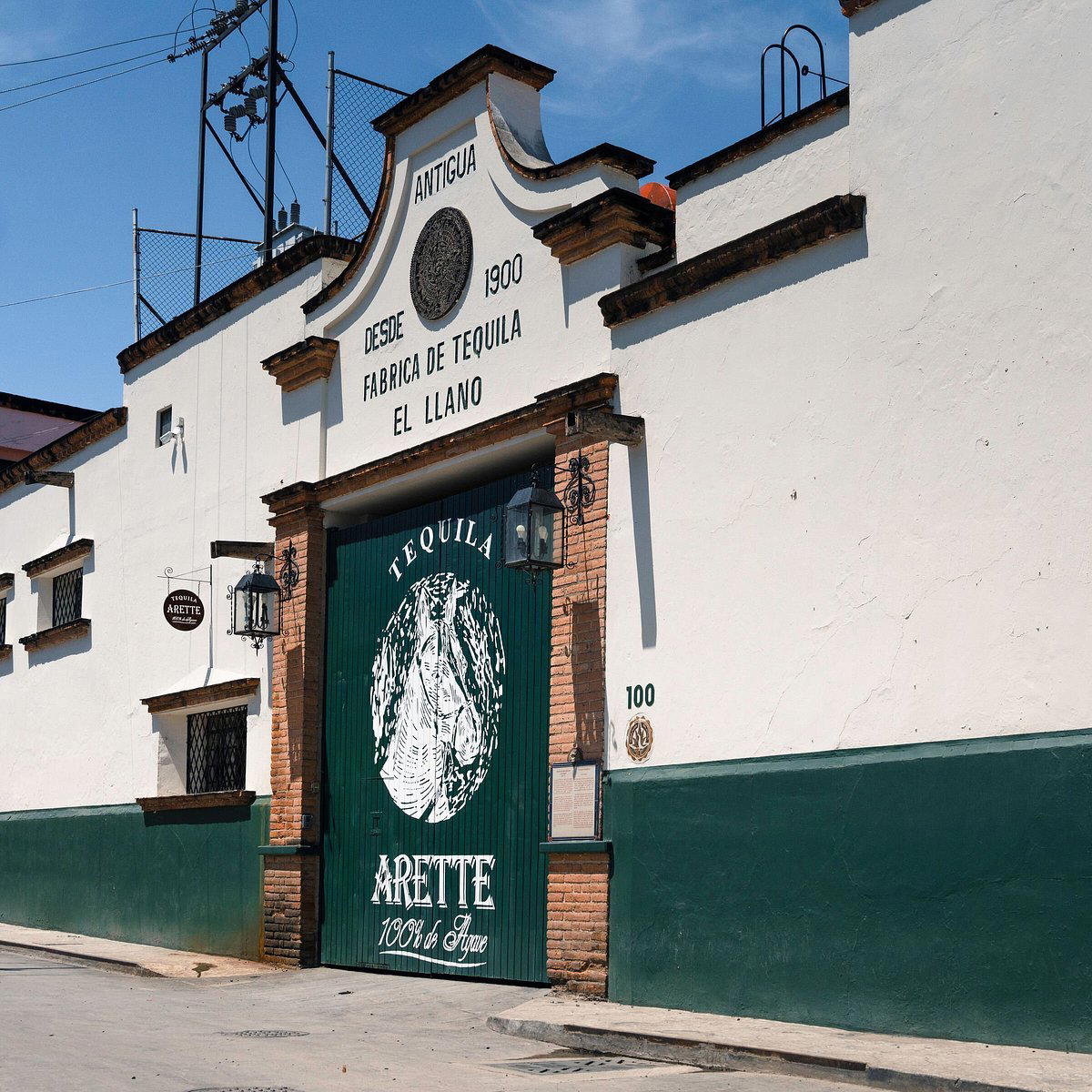
The facility operates along the Fábrica de Tequila El Llano address on Silverio Nuñez, placing it within walking distance of the town's oldest agave-spirit institutions. For visitors focused on aging programmes and barrel-aged expression, it represents one of the more substantive stops in Jalisco.

Pearl is the En Primeur Club membership app — saves, bookings, and concierge access live there. Same editors, same standards.
- Address
- Fábrica de Tequila El Llano Silverio Nuñez No. 100, Col. Centro Tequila, Jalisco, México 46400
- Phone
- +523336150192
- Website
- tequilaarette.com
- Directions
- Get directions
Where the Agave Season Ends and the Barrel Work Begins
The town of Tequila, Jalisco sits on volcanic highland soil that has shaped agave farming for centuries, and the distilleries along its centre carry the accumulated logic of that geography in every decision made after harvest. Approaching the Fábrica de Tequila El Llano on Silverio Nuñez, the physical scale of production infrastructure is immediate: brick facades, large ventilation openings, and the faint caramel-and-earth smell that settles over this part of Calle Centro on warm afternoons. This is not a visitor attraction assembled for tourism; it is a working facility where post-fermentation decisions drive the character of what ends up in the bottle.
In Tequila's hierarchy of distilleries, that distinction matters.
What Happens After the Still: Aging and Barrel Selection
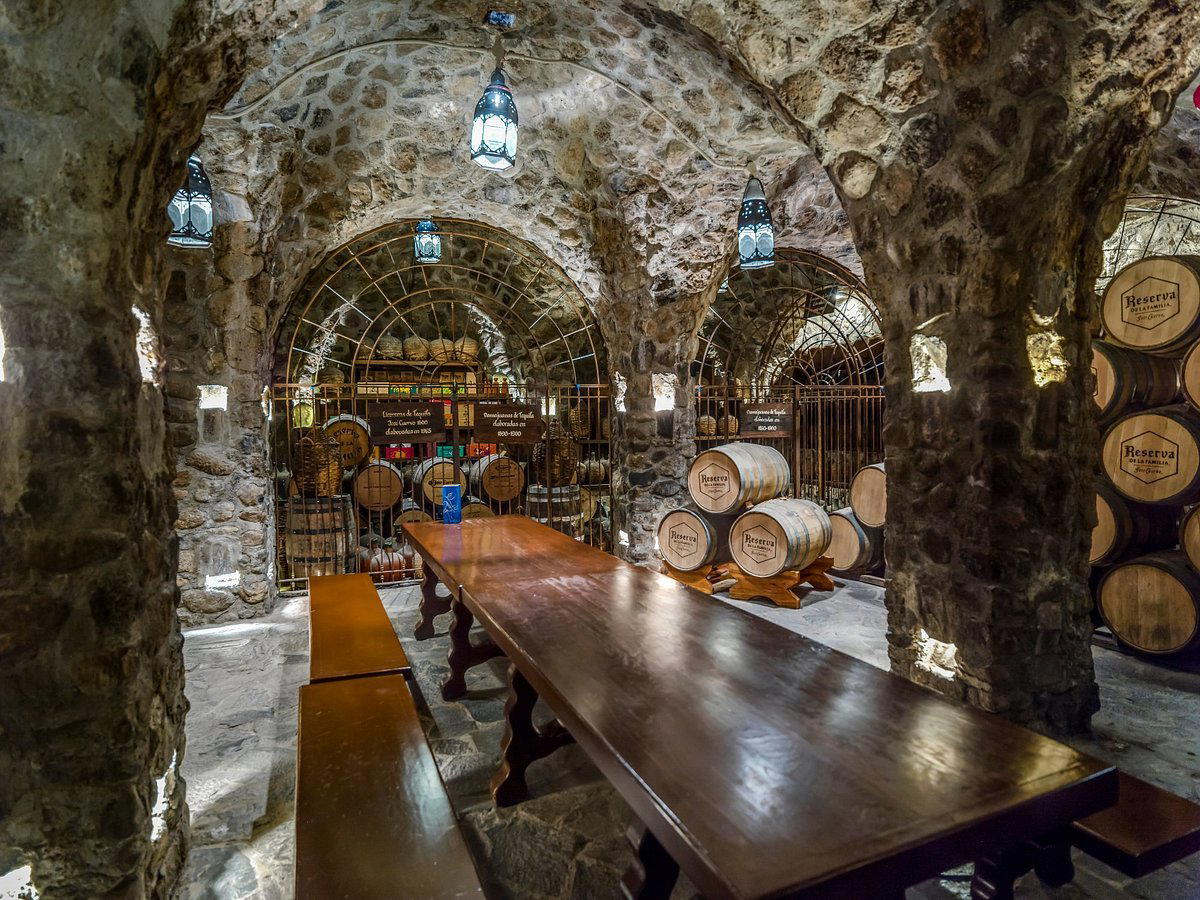
Tequila's regulatory framework divides aged spirit into three categories: reposado (two months to one year in oak), añejo (one to three years), and extra añejo (more than three years). Where a distillery places its attention within those bands, and which oak programme it applies, does more to define a house style than any single decision at the fermentation stage. The Arette line has historically been associated with direct agave character and careful oak integration rather than heavy extraction from new wood, a positioning that places it alongside other Tequila town producers who treat barrel influence as a supporting element rather than the dominant note.
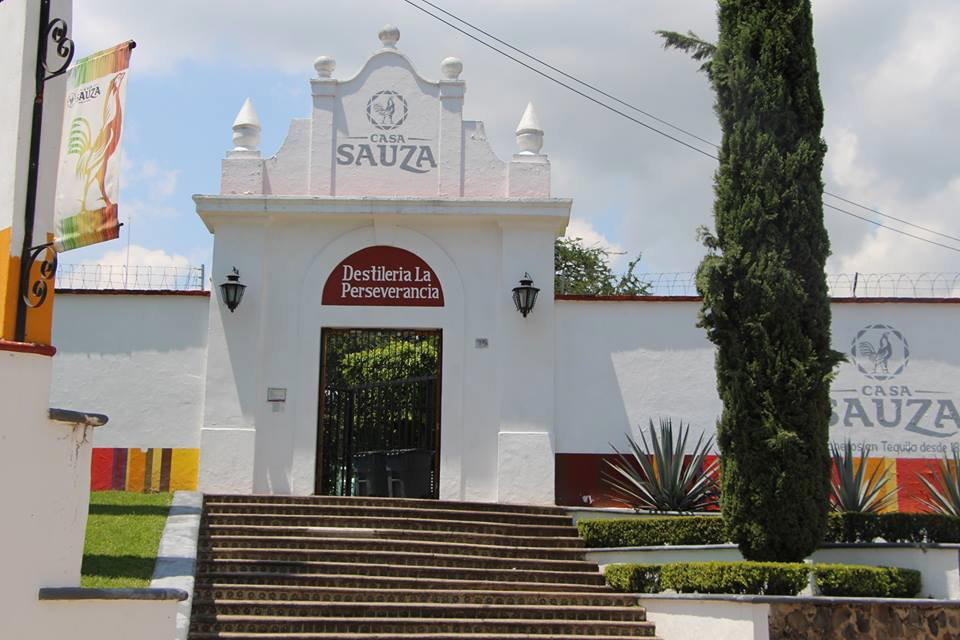
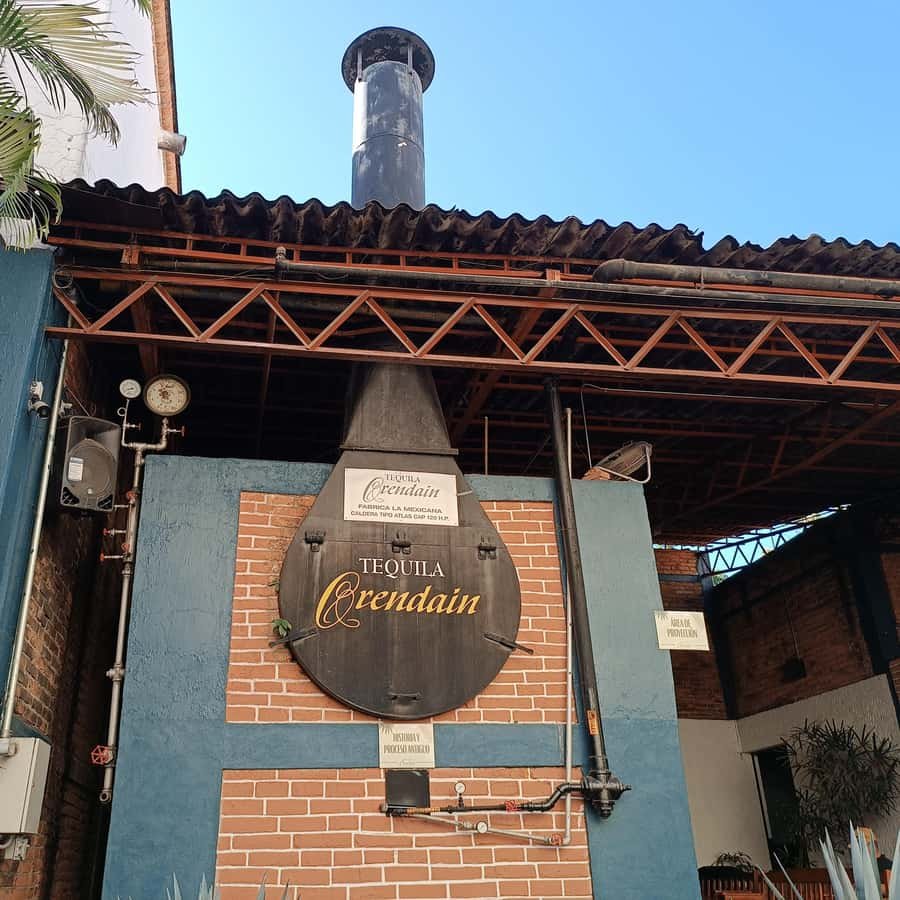
Comparing approaches across the town, producers like La Perseverancia (Casa Sauza) and Jose Cuervo (La Rojeña) operate with large-format cooperage that tends to moderate wood influence across high volumes, while El Tequileño (La Guarreña) and Casa Orendain (La Mexicana) sit in the mid-tier of production scale with their own oak philosophies. That opacity is common across Jalisco; distilleries guard aging specifics in the same way wine estates protect their blending formulas.
The extra añejo category, which requires a minimum three-year barrel stay, represents the sharpest test of any tequila house's commitment to long-format aging. Producing it well requires warehouse space, capital patience, and a stable oak programme, since spirit sitting in barrel for three or more years will amplify any inconsistency in wood selection or fill proof. For producers in Tequila town specifically, the highland altitude and temperature variation introduce different conditions than lowland Jalisco facilities, and those environmental variables compound over extended aging periods. La Cofradía, another Tequila town producer, approaches the premium and aged segment with its own format, providing a useful reference point for understanding how El Llano's programme fits within the local competitive set.
The Town as Production District
Tequila's identity as a named origin is formally protected under Mexican law and the appellation covers a defined territory within Jalisco, including the municipality of Tequila itself. The town's centre contains a concentration of active distilleries that few spirits regions anywhere can match in terms of density relative to a walkable area. Within a few blocks of the El Llano address on Silverio Nuñez, visitors can access the production floors of multiple historic operations, creating a comparison context that is genuinely useful for understanding how each house interprets the same raw material and regulatory framework differently.
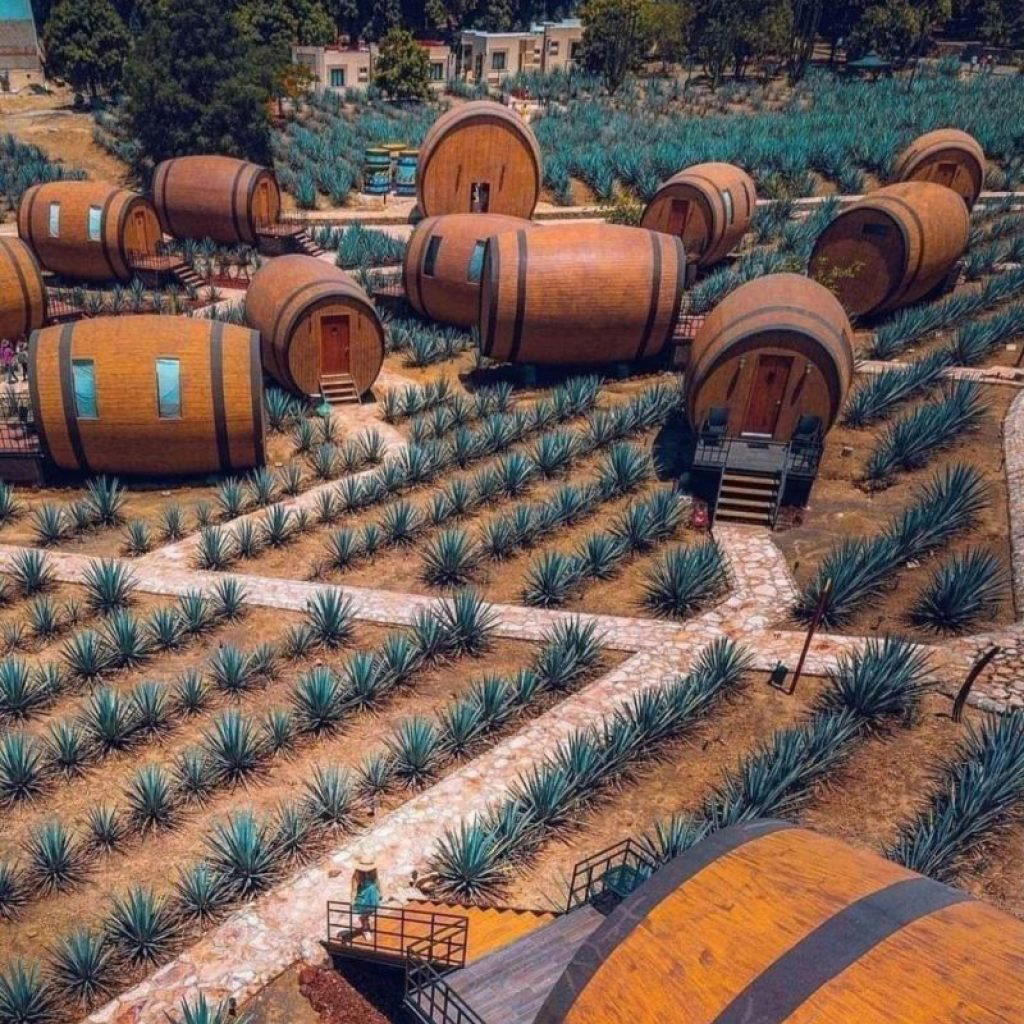
The highland terroir, sitting at around 1,200 metres above sea level, supports blue agave grown in red clay volcanic soil. Agave harvested from this environment tends to produce spirit with more mineral and herbal register compared to lowland Jalisco production, which typically pulls richer, sweeter profiles from warmer, lower-altitude growing conditions. Distilleries anchored in the town carry that highland character as a baseline, and the aging programme then works with or against it depending on barrel selection and fill volume. For a visitor trying to read the differences between highland and lowland tequila in real time, the town of Tequila provides an unusually direct classroom.
For those extending their trip beyond Jalisco's tequila appellation zone, La Primavera (Don Julio) in Atotonilco El Alto and the Cazadores Distillery in Arandas both operate in the Los Altos highlands region, offering a different interpretive lens on the same highland-versus-lowland debate. Oaxaca's mezcal corridor, with producers like Los Danzantes in Santiago Matatlán, Don Amado in Santa Catarina Minas, Banhez in San Miguel Ejutla, and Casa Cortés in La Compañía, operates under entirely different appellation rules and agave species, but the contrast sharpens understanding of what the tequila denomination actually specifies.
Planning a Visit
El Llano is located at Fábrica de Tequila El Llano, Silverio Nuñez No. 100, Col. Centro, Tequila, Jalisco, 46400. The optimal season for visiting the town is between October and March, when temperatures are cooler and the post-harvest period brings recently pressed agave piñas into the production cycle, giving distillery visits a more active, in-season character. The summer rainy season, while agriculturally important for agave fields, can make outdoor movement around the town's production blocks less comfortable. Guadalajara's Miguel Hidalgo International Airport serves as the primary gateway, roughly 60 kilometres from the town, with road transfers taking under an hour by car. The town itself is compact enough that most production facilities within the centro histórico are reachable on foot once accommodation is arranged locally. See our full Tequila restaurants and distillery guide for neighbourhood-level planning across the town.
For those building itineraries that span spirits categories and regions, the comparison set extends far beyond Jalisco. Aberlour in Scotland's Speyside and Accendo Cellars in St. Helena represent entirely different traditions of wood-ageing and terroir expression, but the underlying logic of barrel selection, maturation environment, and blending philosophy connects across categories for any visitor serious about understanding what happens between fermentation and bottling.
Peers Worth Knowing
Comparable venues nearby, for context on price, style, and recognition.
| Venue | Cuisine | Price | Notes |
|---|---|---|---|
| El Llano (Arette)This venue — the venue you are viewing | Blue Weber Agave | $30–50 | Not listed |
| La Perseverancia (Casa Sauza) | Blue Weber Agave | $30–50 | Tequila |
| La Cofradía | Agave tequilana Weber azul | Not listed | Tequila |
| Casa Orendain (La Mexicana) | Blue Weber Agave | Not listed | Tequila |
| El Tequileño (La Guarreña) | Blue Weber Agave | $50–100 | Tequila |
| Jose Cuervo (La Rojeña) | blue_agave | Not listed | Tequila |
Continue exploring
More in Tequila
Wineries in Tequila
Browse all →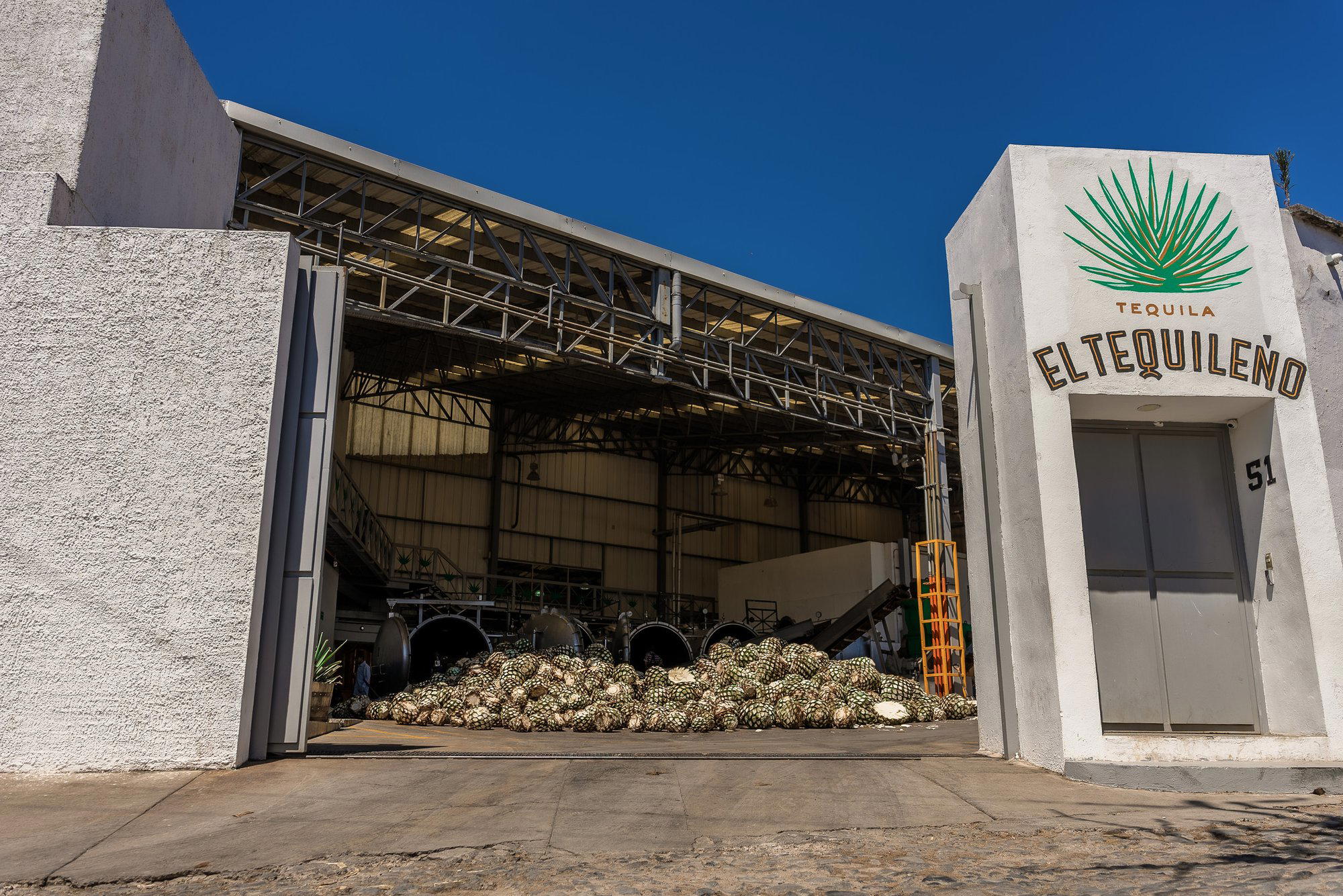
Bars in Tequila
Browse all →
Restaurants in Tequila
Browse all →

Details
- Rustic
- Classic
- Well Known
- Wine Education
- Group Outing
- Special Occasion
- Barrel Room
- Estate Grounds
- Historic Building
- Organic
- Sustainable
- Vineyard
- Blue Weber Agave
- Blanco Tasting
- Reposado Tasting
- Añejo Tasting
- Production Tour
- Spanish
- English
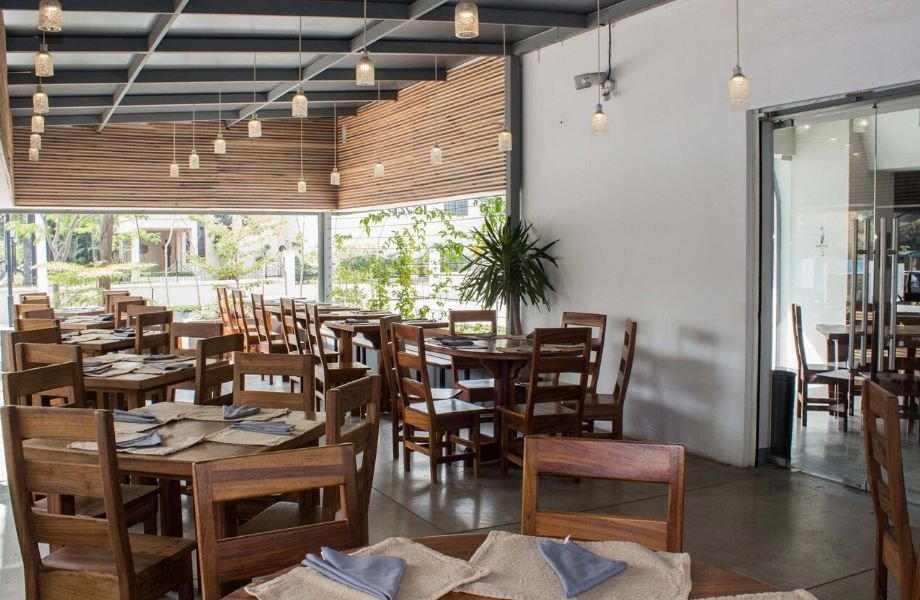
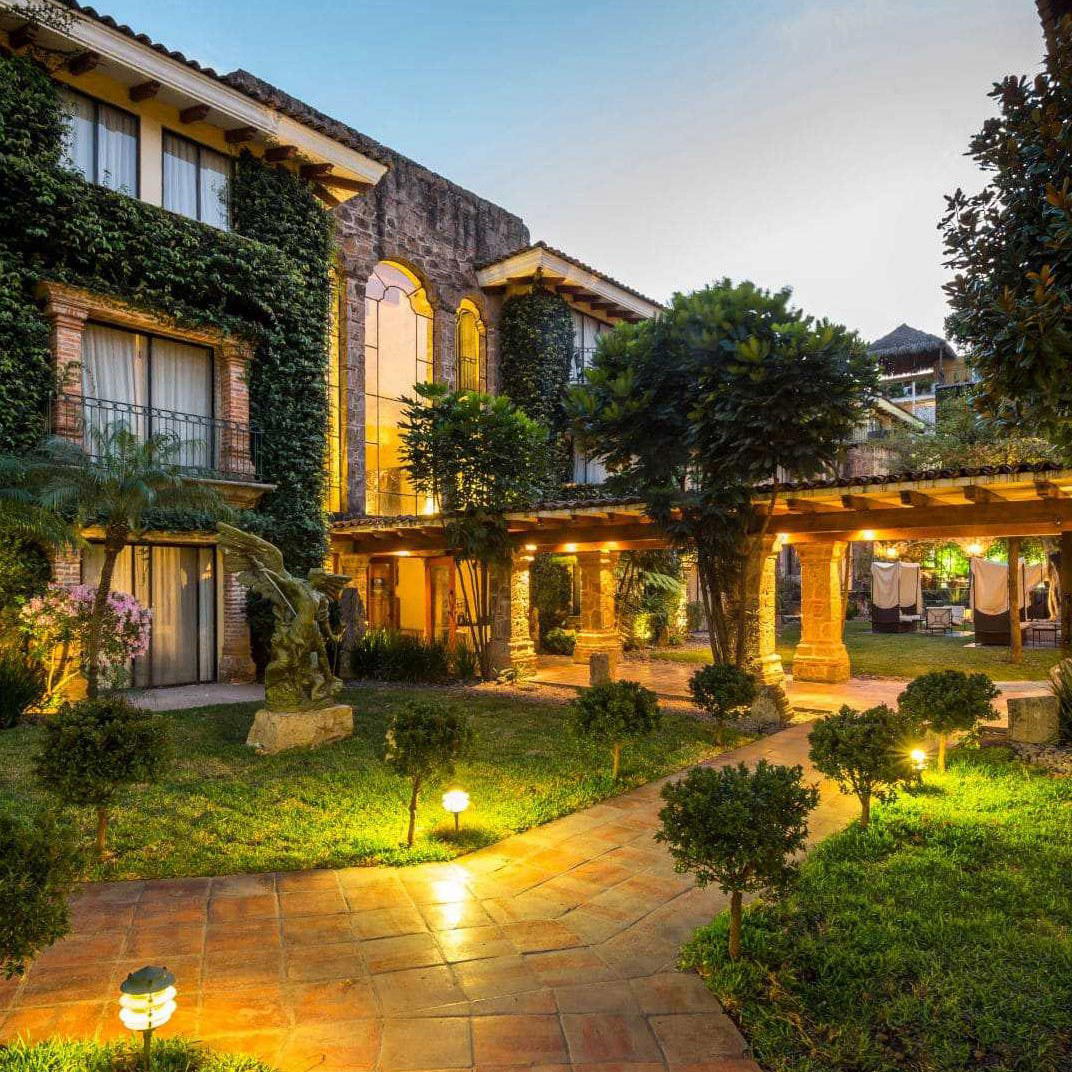
Historic, traditional distillery atmosphere with authentic production facilities; natural lighting from the original building structure; mineral-rich environment influenced by proximity to Tequila volcano.