Casa Habita


Casa Habita occupies a restored Art Deco tower in Guadalajara's Lafayette district, one of the city's most walkable and architecturally coherent neighbourhoods. The 37-room property sits at the intersection of early 20th-century design and contemporary hospitality, offering a sharply different proposition from the large international hotels that dominate the city's premium tier.
Pearl is the En Primeur Club membership app — saves, bookings, and concierge access live there. Same editors, same standards.
- Address
- Lerdo de Tejada no. 2308, Col. Americana, Guadalajara 44150, Mexico
- Phone
- +52 333 679 2000
- Website
- marriott.com
- Directions
- Get directions
 Saves & bookings on Pearl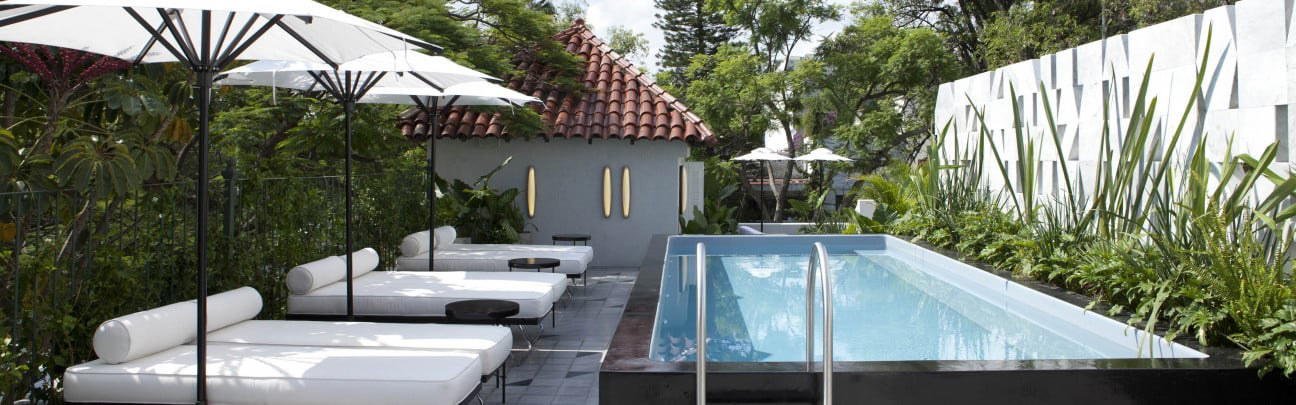
Lafayette's Art Deco Address
Guadalajara's Colonia Americana and the adjacent Lafayette district have spent the better part of a decade consolidating a reputation as the city's most compelling neighbourhood for design-conscious travellers. The streets around Lerdo de Tejada carry a coherent architectural character, early 20th-century residential towers, tree-lined sidewalks, and a concentration of independent restaurants and bars that has no real equivalent elsewhere in the city. It is in this context that Casa Habita makes its argument. The property occupies a 37-room Art Deco building at Lerdo de Tejada no. 2308, Col. Americana, and its address is, in practical terms, its most decisive asset.
Mexico's premium hotel market has split along a clear axis in recent years. On the other side, a smaller cohort of design-led independents has emerged, trading square footage and meeting rooms for neighbourhood integration and architectural specificity. Casa Habita belongs firmly to the second group, as does the nearby Hotel Demetria, which operates on a comparable boutique-independent logic a short distance away. The distinction matters for how you use the hotel: Lafayette's walkability means the building functions less as a self-contained resort and more as a well-positioned base.
The Building as Context
Art Deco architecture in Guadalajara is not incidental, the city's early 20th-century building stock reflects a period of significant economic expansion, and Lafayette retains more of that fabric intact than most Mexican cities of comparable size. The decision to work within the existing tower rather than against it places Casa Habita in a tradition of adaptive reuse that has become the dominant language of premium boutique hospitality in Latin America. The approach is visible across the region: Casa de Sierra Nevada, A Belmond Hotel, San Miguel de Allende works within colonial-era structures in San Miguel, while Casa Polanco in Mexico City draws on the residential architecture of the Polanco district. In each case, the building is the primary editorial statement, and the interior is calibrated to reinforce rather than override it.
With 37 rooms, the hotel occupies a scale that keeps service ratios manageable without tipping into the hyper-exclusive territory of properties like Xinalani in Quimixto or Casa Silencio in San Pablo Villa de Mitla, both of which operate at much lower key counts. It is a size that allows genuine hotel programming, a restaurant, a rooftop, communal spaces with some critical mass, while retaining the character of a place where staff can know guests by name within a day.
What the Address Provides
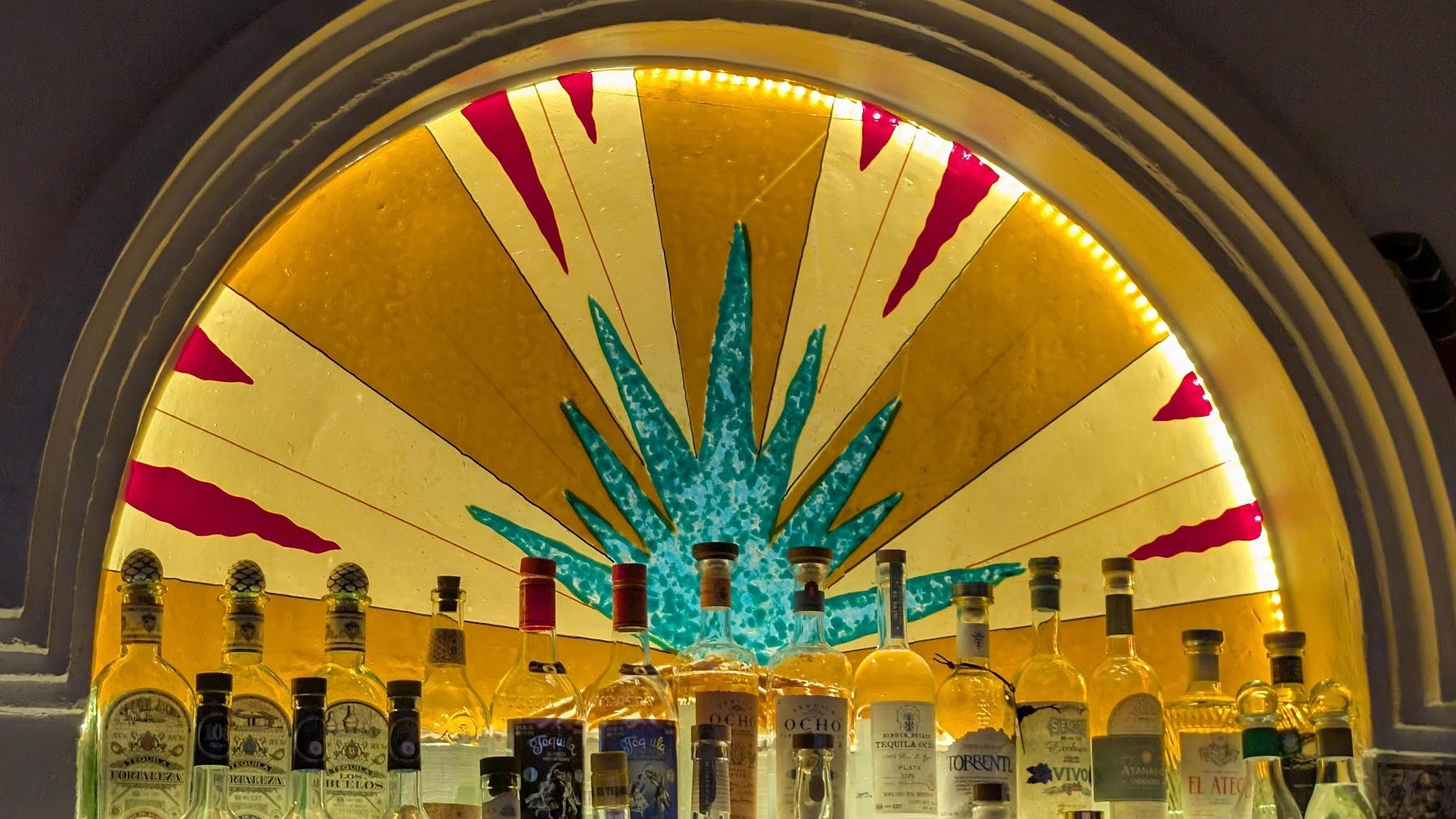
The specific value of Lerdo de Tejada as a location is worth stating plainly. Colonia Americana is where Guadalajara's most interesting independent food-and-drink scene has concentrated. The neighbourhood holds a density of mezcalerias, contemporary Mexican restaurants, and design-forward cafes that has made it the reference point for the city's culinary evolution over the past five years. For guests whose interest in Guadalajara extends beyond the historic centre's churches and markets, a hotel in this corridor provides access on foot to a circuit of venues that would otherwise require transport from the city's more conventional hotel districts.
The contrast with resort-oriented Mexican luxury properties is instructive. A property like Hotel Esencia in Tulum or One&Only Mandarina in Riviera Nayarit positions its guests outside the town, insulated from local street life by design. Chablé Yucatán in Merida operates on a hacienda estate that similarly separates guests from the urban fabric. The hotel takes the opposite position: the neighbourhood is the amenity, and the hotel is the point of access to it. That is a meaningful distinction for travellers who come to Guadalajara specifically for its food scene, its design culture, or its tequila and mezcal industry connections.
comparable set and Competitive Position
Within Guadalajara itself, the competitive set for a 37-room Art Deco boutique in Lafayette is narrow. The hotel's combination of Art Deco fabric, neighbourhood positioning, and tower format puts it in a distinct sub-niche. The closest analogues in the broader Mexican premium market are properties that have similarly tied their identity to a specific building and a specific urban district, rather than to a branded service standard or a remote natural setting.
For the international traveller building a Mexico itinerary that moves between city and coast, Guadalajara increasingly functions as a serious stop rather than a transit point, and the properties that make that case most effectively are the ones embedded in the city's most active neighbourhoods. Properties like Las Ventanas al Paraíso, A Rosewood Resort in San José del Cabo, Montage Los Cabos in Cabo San Lucas, or Zadun, A Ritz-Carlton Reserve in Los Cabos serve a fundamentally different travel mode. The hotel's proposition is urban and specific, which limits its audience but also sharpens its relevance for the traveller who fits that profile.
Planning a Stay
The hotel's address in Colonia Americana places it within easy reach of the neighbourhood's concentration of restaurants and bars, and reasonably close to the historic centre by taxi or app-based car service. Given the boutique scale and the Lafayette district's growing profile among both domestic and international design-conscious travellers, bookings during festival periods, Guadalajara hosts a major international book fair each November and a film festival in March, warrant earlier planning than the property's relatively modest room count might otherwise suggest. For travellers comparing the city with other Mexican urban destinations, the relevant urban-boutique analogues outside Mexico include The Fifth Avenue Hotel in New York City and Aman New York in New York City, both of which similarly anchor their identity in a specific building's architectural history. Those reaching further across the Atlantic might draw comparison with Aman Venice in Venice, where the palazzo is the product. The logic is the same: the address is not incidental, it is the point.
The Minimal Set
Comparable venues nearby, for context on price, style, and recognition.
| Venue | Price | Notes |
|---|---|---|
| Casa HabitaThis venue — the venue you are viewing | $$$ | Not listed |
| voco Guadalajara Neruda | $$$ | Providencia, Modern urban hotel with local Mexican influences |
| Grand Fiesta Americana Guadalajara Country Club | $$$$ | 1403900010308, Urban luxury hotel with modern conference facilities and personalized service. |
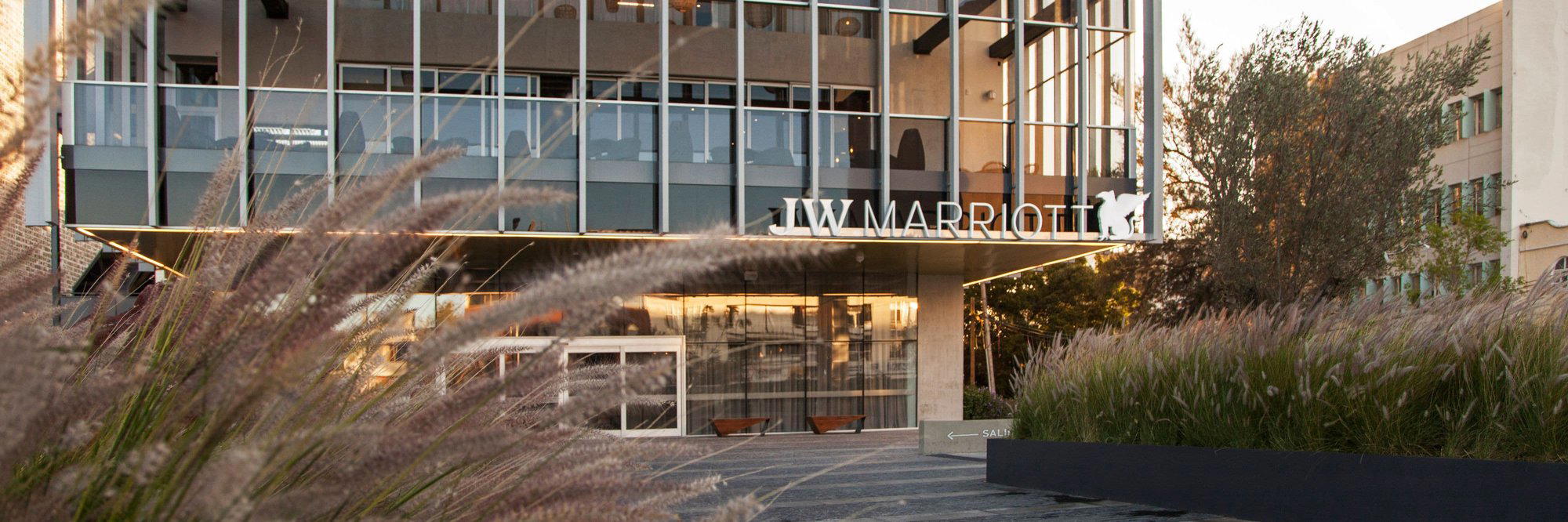
| JW Marriott Hotel Guadalajara | $$$$ | 1403900010030, Contemporary luxury hotel emphasizing mindful wellness and refined comfort in an exclusive urban setting. |
| PALPATIO HOTEL | $$$ | 1403900011359, Historic boutique hotel in a renovated 19th-century convent with modern comforts and Mexican craftsmanship. |
| Quinta Real Guadalajara | $$$$ | 1403900011293, Colonial-influenced residential luxury blending Jalisco's rich heritage with contemporary amenities in an intimate hacienda setting. |
Recognition history
Dated appearances from independent guides and award organizations, with the underlying list record or original source where available.
Design Hotels Member
Design Hotels
Mr & Mrs Smith Smith Seal of Approval
Mr & Mrs Smith
Michelin Selected
Michelin
Continue exploring
More in Guadalajara
Hotels in Guadalajara
Browse all →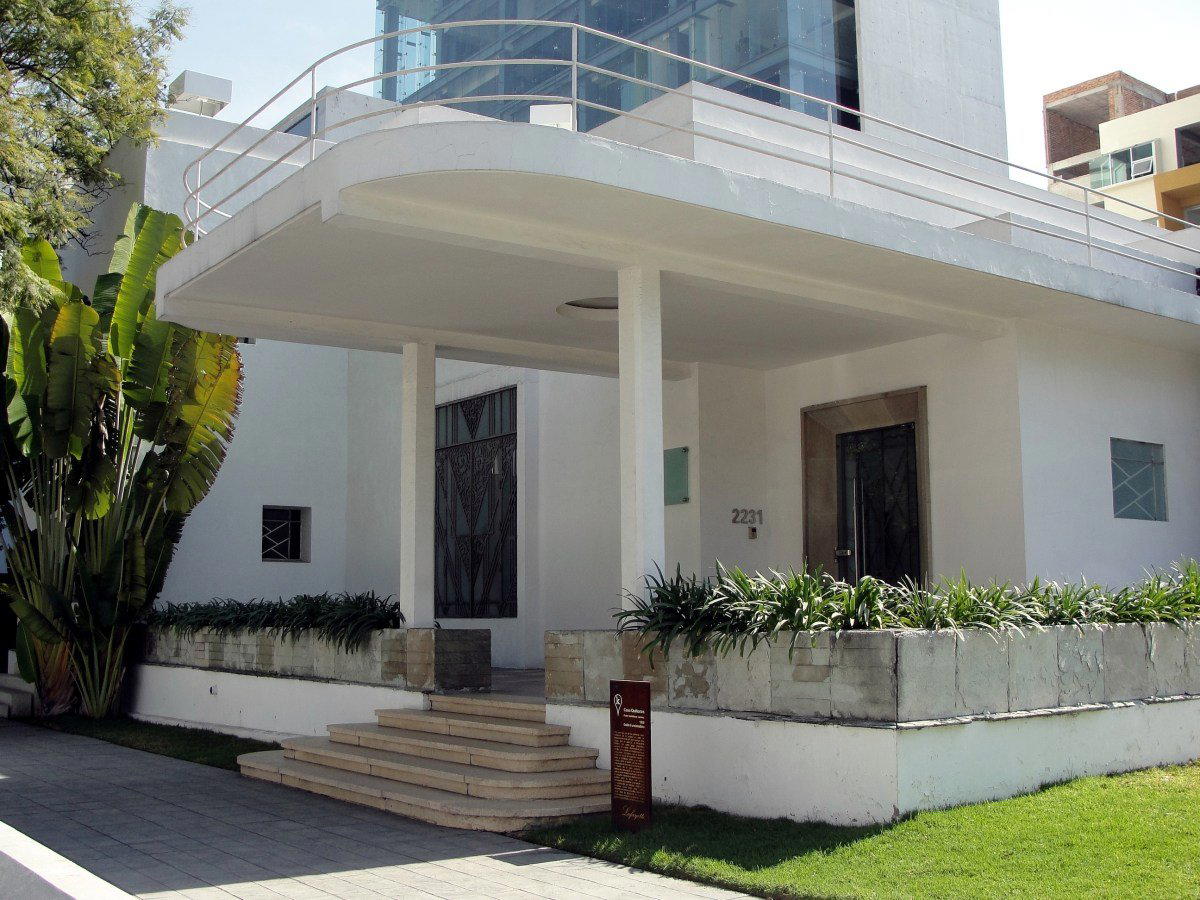
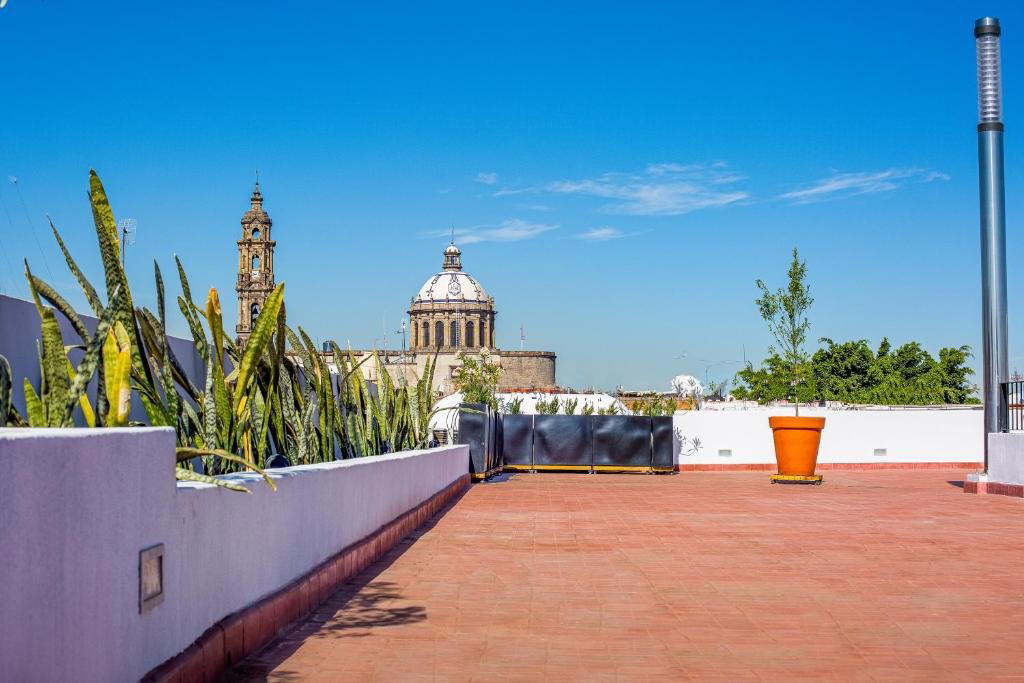
Bars in Guadalajara
Browse all →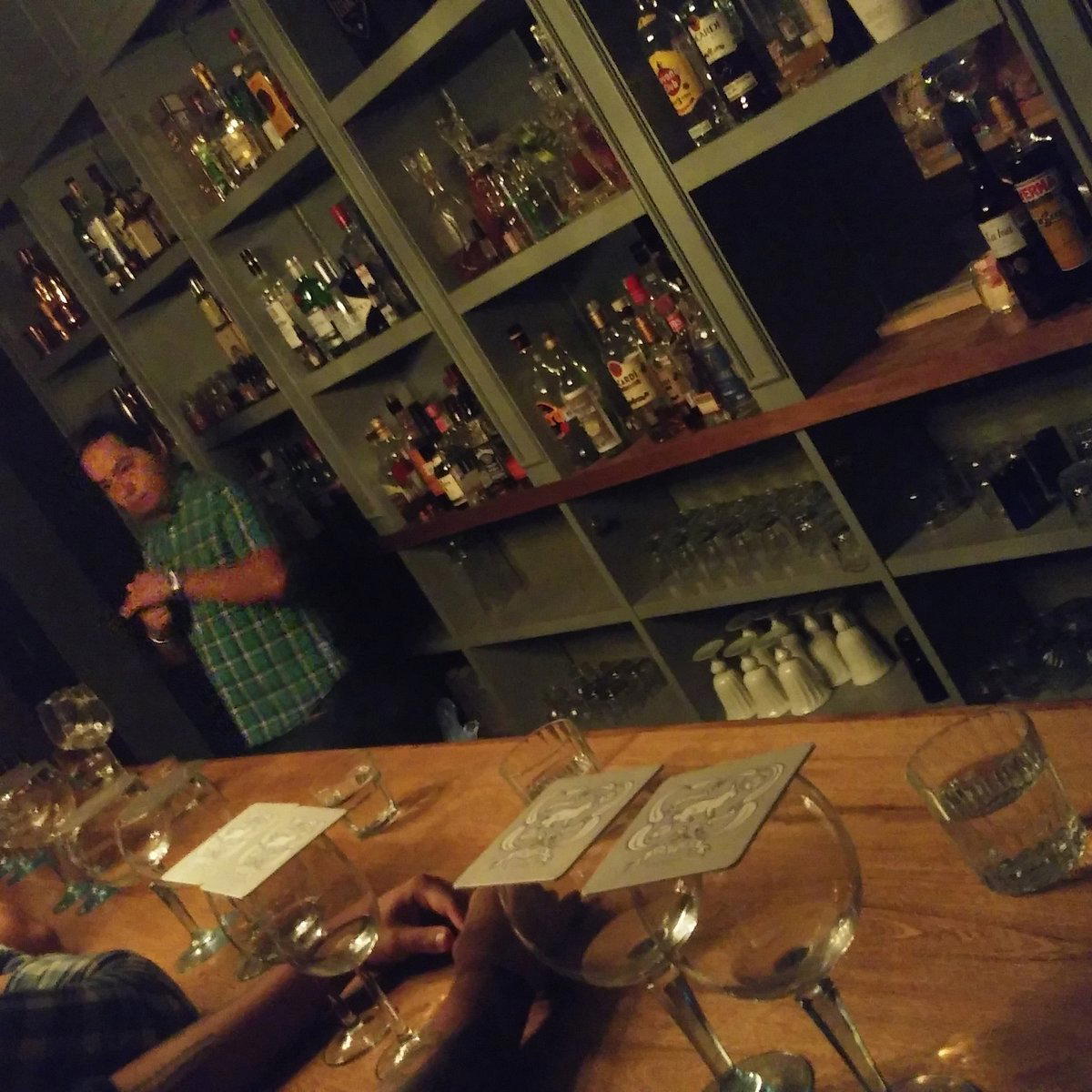
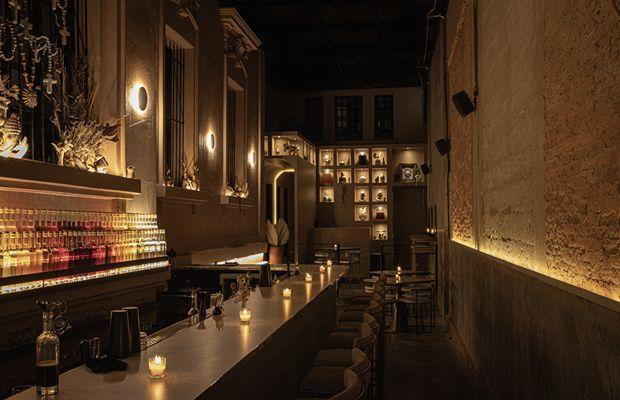
Restaurants in Guadalajara
Browse all →
At a Glance
- Modern
- Elegant
- Minimalist
- Trendy
- Sophisticated
- Romantic Getaway
- Business Trip
- Weekend Escape
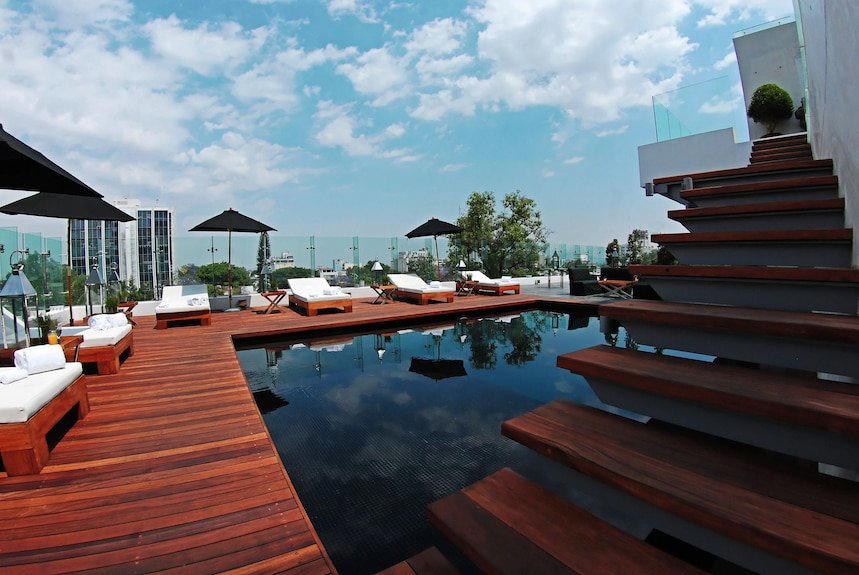
- Rooftop Pool
- Panoramic View
- Terrace
- Wi Fi
- Pool
- Spa
- Fitness Center
- Room Service
- Concierge
- Valet Parking
- Skyline
- Street Scene
- Wi Fi
- Pool
- Spa
- Fitness Center
- Room Service
- Concierge
- Valet Parking
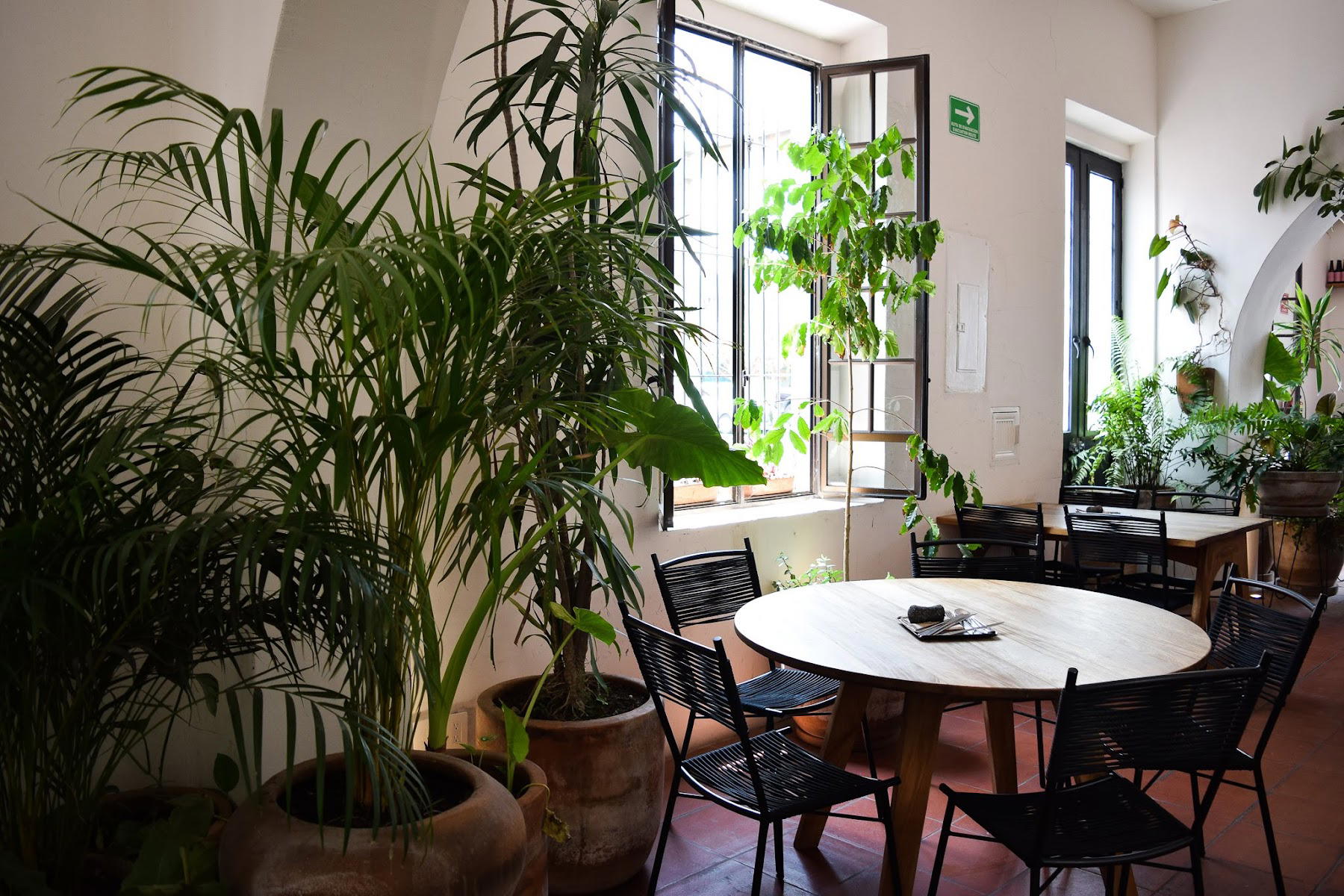
Warm sunlight-filled spaces with minimalist aesthetic, cool color palette of celeste, white, grass green and slate gray, creating a relaxing and sophisticated atmosphere.