
Virtuoso Luxury Hotel Partner
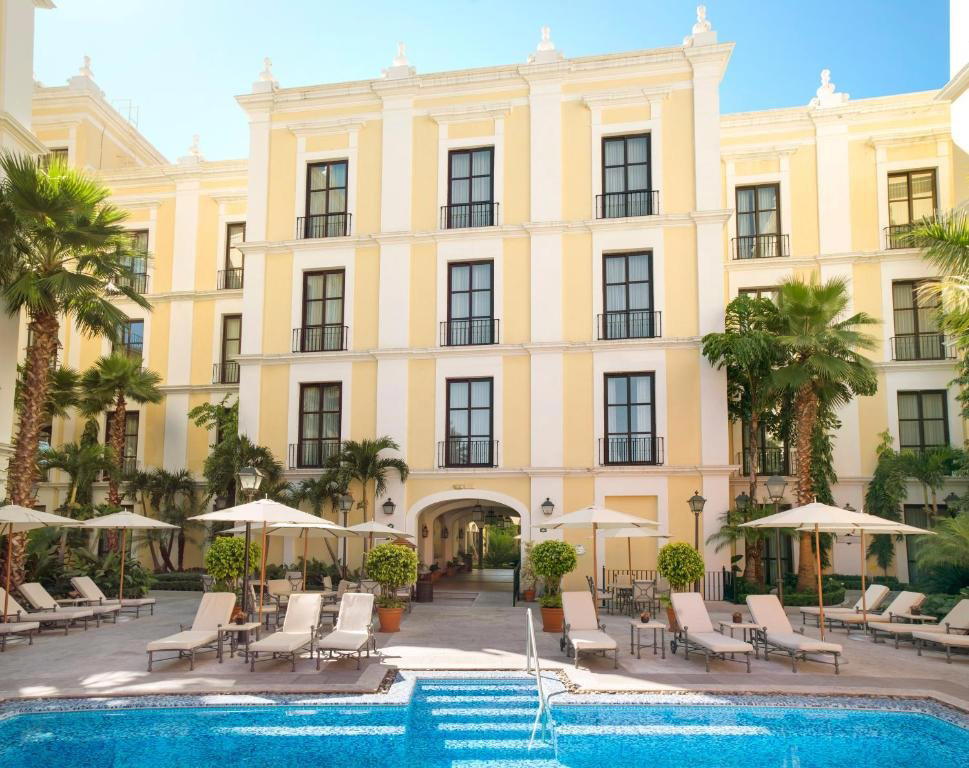
Set directly opposite the Iglesia de Santiago Apóstol in the heart of Tequila's Pueblo Mágico, Hotel Solar de las Ánimas occupies a colonial-era building modelled on the Creole hacienda architecture of the seventeenth and eighteenth centuries. Its 93 rooms place it among the larger properties in a town where most accommodation runs small, making it the practical base for distillery touring without sacrificing architectural character.

Pearl is the En Primeur Club membership app — saves, bookings, and concierge access live there. Same editors, same standards.
- Address
- Calle Ramón Corona 86, Col. Centro
- Directions
- Get directions
Where Colonial Architecture Meets the Agave Heartland
Tequila is one of Mexico's designated Pueblos Mágicos, a federal classification that requires a town to demonstrate cultural heritage, historical continuity, and visual coherence in its built environment. The designation matters here because the town genuinely earns it. The streets around the central plaza are lined with late colonial and nineteenth-century buildings in the ochre, terracotta, and white palette that defines the Jalisco highlands, and the volcano that gave the agave fields their mineral-rich soil dominates the skyline to the northwest. Any hotel operating inside this frame is competing not just against other properties but against the town itself as a visual experience.
Hotel Solar de las Ánimas positions itself at the centre of that frame, literally. The property sits on Calle Ramón Corona 86, directly alongside the Iglesia de Santiago Apóstol, the parish church of St. James the Apostle that anchors the town's main plaza. That address is not incidental. In Mexican colonial town planning, proximity to the parish church and the zócalo signified civic importance, and the Creole colonial house form that the hotel's design references was the architectural expression of that importance for the merchant and landowning class of the seventeenth and eighteenth centuries. The building speaks to a specific historical moment in western Mexico, one in which agave cultivation and the early distillation trade were beginning to shape the region's economy and its architecture simultaneously.
The Architecture as Argument
The Creole colonial house typology that Solar de las Ánimas draws from is distinct from the grander viceregal baroque of Mexico City or Puebla. In Jalisco, the vernacular colonial form tended toward thick load-bearing walls, interior courtyards that managed heat and provided privacy, and façades that referenced Spanish precedent without the ornamentation budgets of the capital. The result was a functional elegance: buildings that endured because their logic was sound, not because they were decorated into permanence.
The hotel's 93 rooms represent a significant scale for Tequila, where most properties operate with far fewer keys. That scale sits alongside a design programme that integrates contemporary technology and comfort within the colonial shell, a pairing that characterises a broader approach in Mexican heritage hospitality. Properties like Casa de Sierra Nevada, A Belmond Hotel, San Miguel de Allende and Casa Antonieta in Oaxaca City occupy the same general territory: colonial structures updated for contemporary expectations without erasure of the original form. The question in each case is how faithfully the update respects the architectural logic rather than simply preserving the façade while gutting the interior's spatial intelligence.
At Solar de las Ánimas, the Creole colonial reference is legible in the building's relationship to the street and to the adjacent church. Colonial houses of that period were designed to be read as part of an ensemble, their proportions and materials calibrated to their neighbours. A hotel that maintains that calibration in a working Pueblo Mágico is doing something more demanding than a resort that reconstructs colonial aesthetics in an isolated setting. The context is live, not curated.
Tequila as a Destination, Not a Day Trip
Most visitors to the town of Tequila arrive on organised tours from Guadalajara, roughly an hour to the southeast, or on the José Cuervo Express train that runs on weekends from the city. They spend a day on distillery visits and return before dark. Staying overnight reframes the experience entirely. The early morning light on the agave fields and the volcano, the quieter streets before the tour groups arrive, and the texture of ordinary town life in a Pueblo Mágico are only accessible to guests who stay.
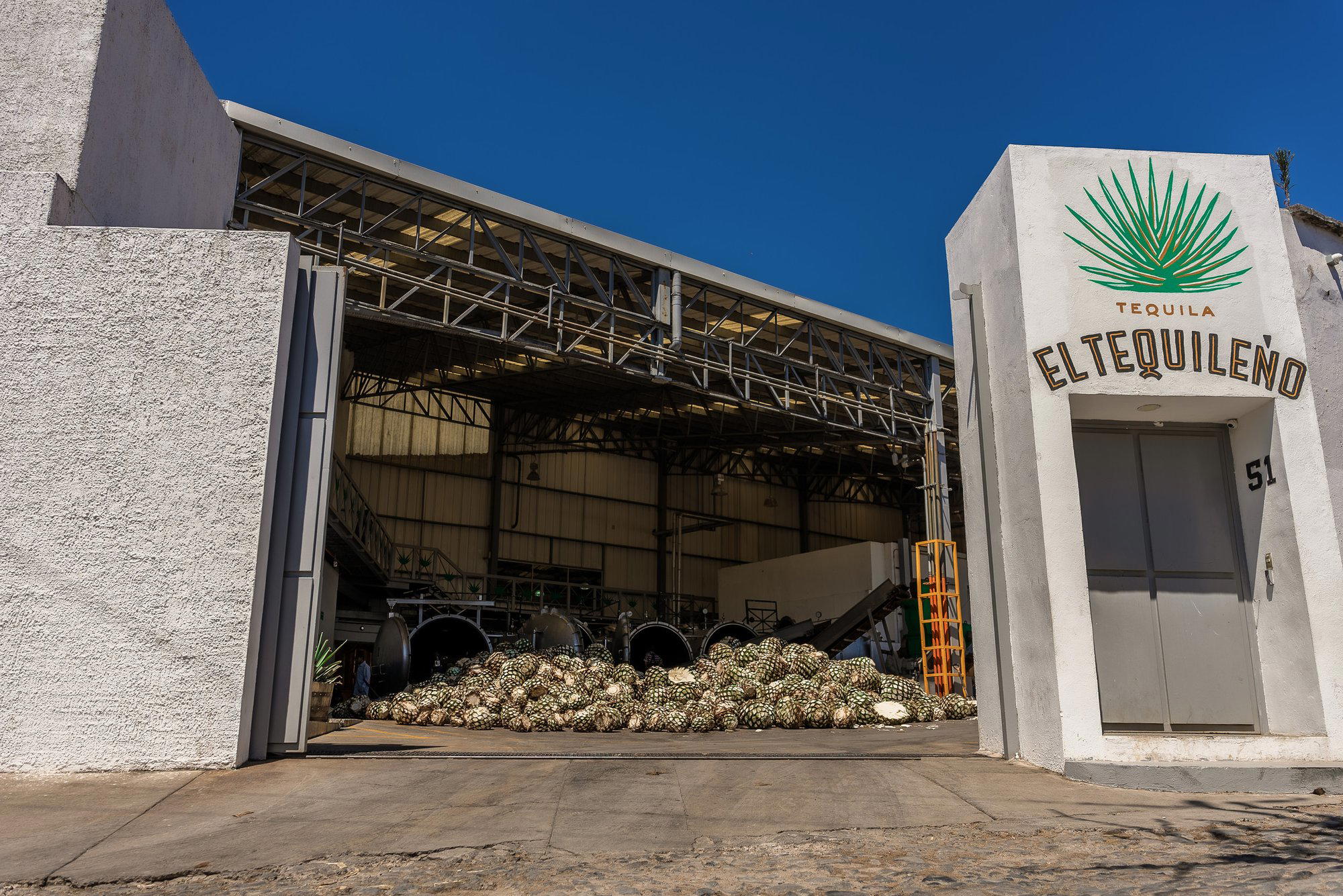
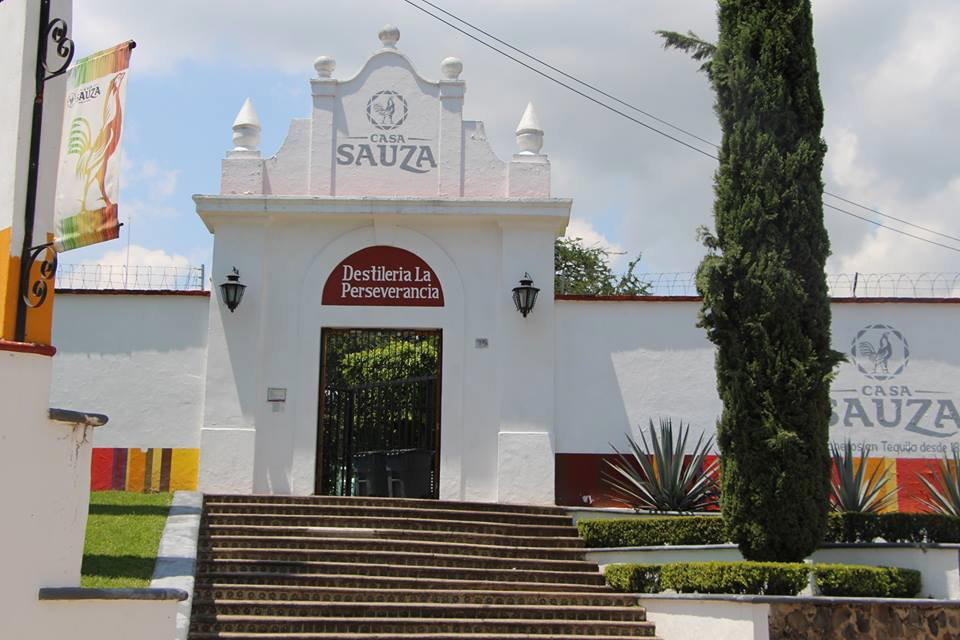
The hotel's central location makes it the practical anchor for that longer engagement. The major distilleries including Herradura, Sauza, and Casa Cuervo are within reach on foot or by short taxi, and the town's own market and plaza life are immediately outside the door. For guests coming from Guadalajara, the drive or train connection is manageable, and the hotel's 93 rooms mean availability is more consistent than at smaller properties that sell out quickly during festival periods. Check availability well in advance around the Fiestas de Octubre in Guadalajara and during the agave harvest season, when regional tourism runs high.
Guests comparing Mexican hotel options in a similar cultural-heritage register should look at Hotel Demetria in Guadalajara as the city counterpart, or consider whether the trip warrants extending into the broader Jalisco and Nayarit corridor where properties like One&Only; Mandarina in Riviera Nayarit and Four Seasons Resort Punta Mita offer a coastal counterpoint to the highland interior experience.
For those building a wider Mexican heritage circuit, Casa Polanco in Mexico City and Casa Silencio in San Pablo Villa de Mitla represent the capital and Oaxacan nodes of a country whose colonial built environment is among the most geographically varied in Latin America. See our full Tequila restaurants guide for eating and drinking options within the town. Further afield across Mexico's premium hotel tier, Hotel Esencia in Tulum, Chablé Yucatán in Merida, Maroma in Riviera Maya, and Etéreo, Auberge Resorts Collection in Punta Maroma anchor the Yucatán Peninsula end of the country's luxury accommodation spectrum. On the Pacific south, Las Ventanas al Paraíso, A Rosewood Resort in San José del Cabo, Montage Los Cabos, and Zadun, A Ritz-Carlton Reserve in Los Cabos form the Baja cluster. The interior colonial circuit, by contrast, rewards a different kind of attention: slower, more historically specific, and rooted in place rather than landscape.
Planning a Stay
The hotel's address at Calle Ramón Corona 86 puts guests within walking distance of the town's core attractions, including the Museo Nacional del Tequila and the Sauza distillery. Guadalajara's Miguel Hidalgo International Airport is the practical arrival point, with the drive to Tequila taking approximately one hour. The José Cuervo Express train from Guadalajara operates on selected weekend schedules and provides an alternative that includes distillery access, though its departure and return times structure the day differently from independent travel. Booking directly with the hotel or through a qualified travel adviser is advisable; no online booking channel or phone contact is confirmed in current public records, so verification before arrival is sensible. With 93 rooms, the hotel absorbs demand better than its smaller competitors in town, but holiday weekends and festival periods in Jalisco fill quickly across all accommodation categories.
In Context: Similar Options
Comparable venues nearby, for context on price, style, and recognition.
| Venue | Cuisine | Price | Awards | Notes |
|---|---|---|---|---|
| Hotel Solar De Las AnimasThis venue — the venue you are viewing | Luxury boutique property blending traditional Mexican colonial architecture with contemporary upscale hospitality, positioned as a refined destination within the Tequila region. | $200–300 | Virtuoso Luxury Hotel Partner | Not listed |
| Rodavento Valle de Bravo | Contemporary nature-inspired hospitality with wood-and-steel architecture in a forest setting. | $100–200 | Michelin Selected · Mr & Mrs Smith Seal of Approval | Valle de Bravo |
| Hotel Demetria | Contemporary Mexican boutique hotel blending preserved colonial architectural details with modernist design, positioned as a cultural and artistic destination. | $100–200 | Not listed | 1403900011791 |
| Playa Viva | Regenerative luxury eco-resort with open-air construction using traditional techniques and locally harvested sustainable materials; designed as an immersive nature experience without modern technological distractions. | $300–500 | 2 Michelin Keys | Juluchuca |
| Alila Mayakoba | Sustainable luxury resort with Mayan cultural integration | $500–750 | Not listed | Mayakoba |
| Esperanza, Auberge Collection | contemporary beachfront resort | Not listed | 2 Michelin Keys · La Liste Top Hotels | Punta Ballena |
Recognition history
Dated appearances from independent guides and award organizations, with the underlying list record or original source where available.
Virtuoso Luxury Hotel Partner
Virtuoso
Continue exploring
More in Tequila
Hotels in Tequila
Browse all →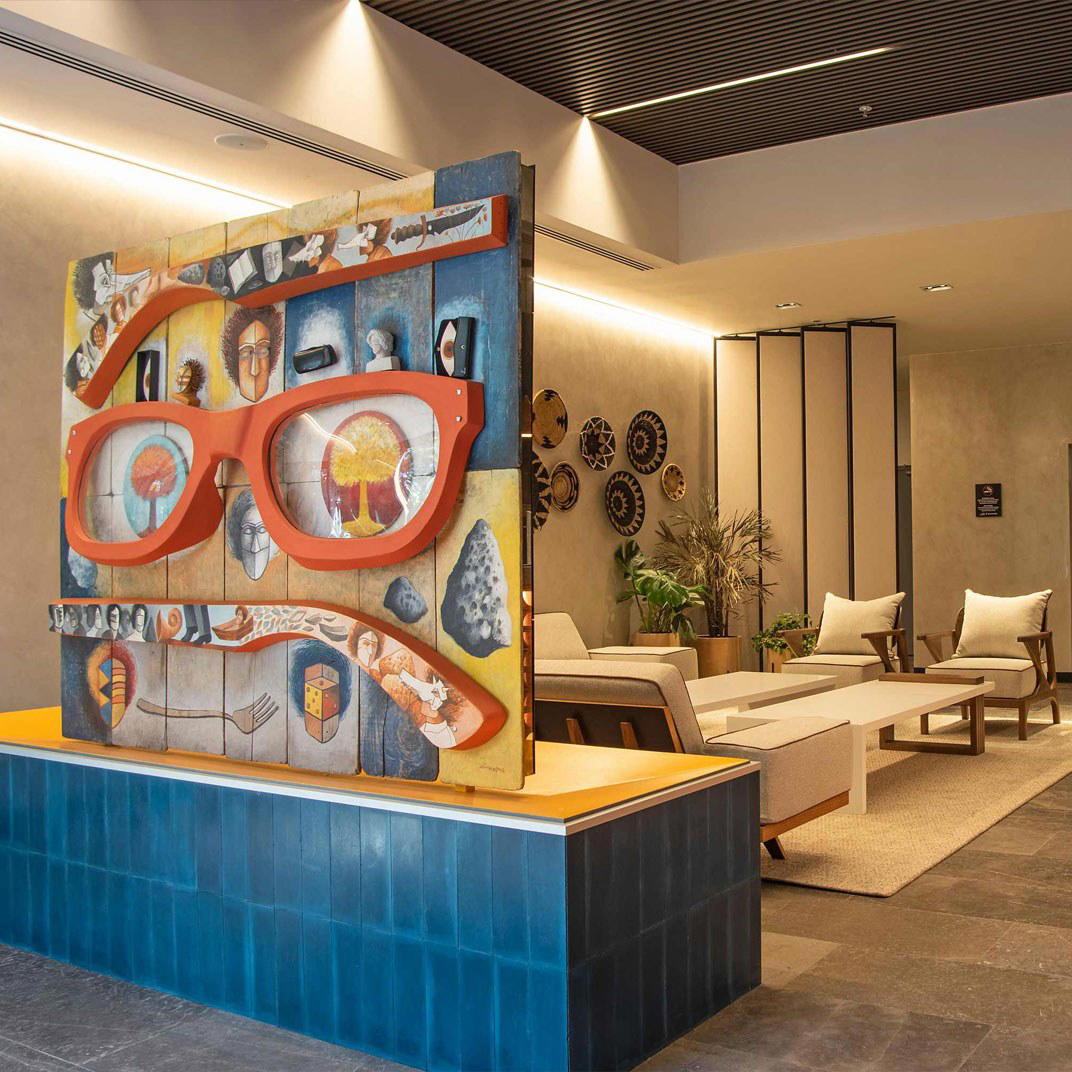
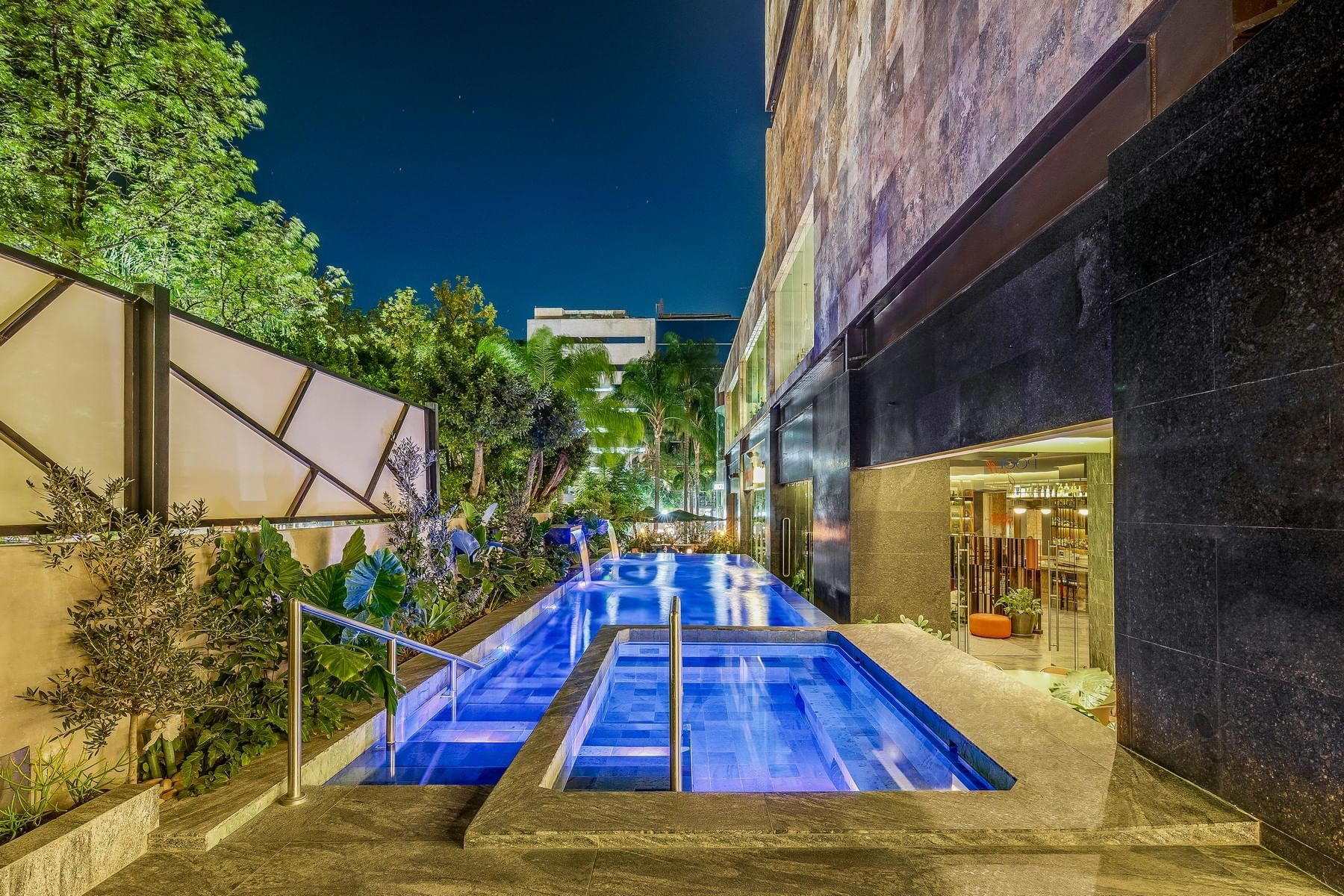
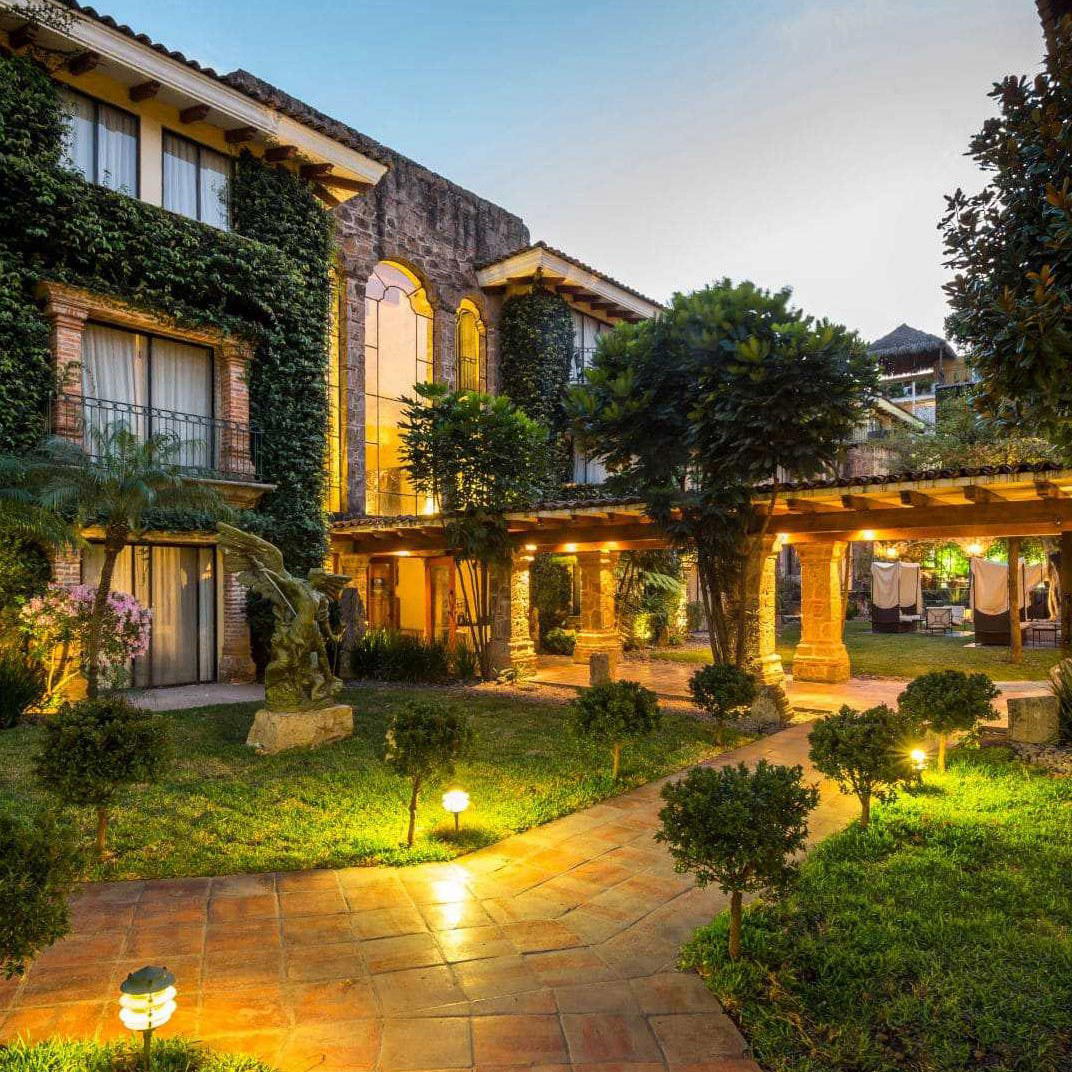
Bars in Tequila
Browse all →
Restaurants in Tequila
Browse all →
Details
- Elegant
- Romantic
- Sophisticated
- Scenic
- Romantic Getaway
- Anniversary
- Wellness Retreat
- Destination Wedding
- Rooftop Pool
- Garden
- Terrace
- Panoramic View
- Destination Spa
- Butler Service
- Wi Fi
- Pool
- Spa
- Fitness Center
- Room Service
- Concierge
- Business Center
- Valet Parking
- Restaurant
- Sauna
- Bicycle Rental
- Garden
- Mountain
- Wheelchair Accessible
- Elevator
- Accessible Restroom
- Accessible Parking
Warm Mediterranean-inspired ambiance with fine furnishings, garden courtyards, and evening rooftop views; guests praise the well-lit, beautifully landscaped grounds and attentive service.