
Tequila Fortaleza sits on the main strip of Mexico's most famous agave town, holding a Pearl 2 Star Prestige rating for 2025. The distillery occupies the historic Sauza estate and operates as one of the region's more deliberately small-scale producers, positioning it against craft-oriented peers rather than the high-volume operations that dominate the town's output.
Pearl is the En Primeur Club membership app — saves, bookings, and concierge access live there. Same editors, same standards.
- Address
- Francisco Javier Sauza Mora 567, Centro, 46400 Tequila, Jal.
- Phone
- +52 374 742 0154
- Website
- tequilafortaleza.com
 Saves & bookings on Pearl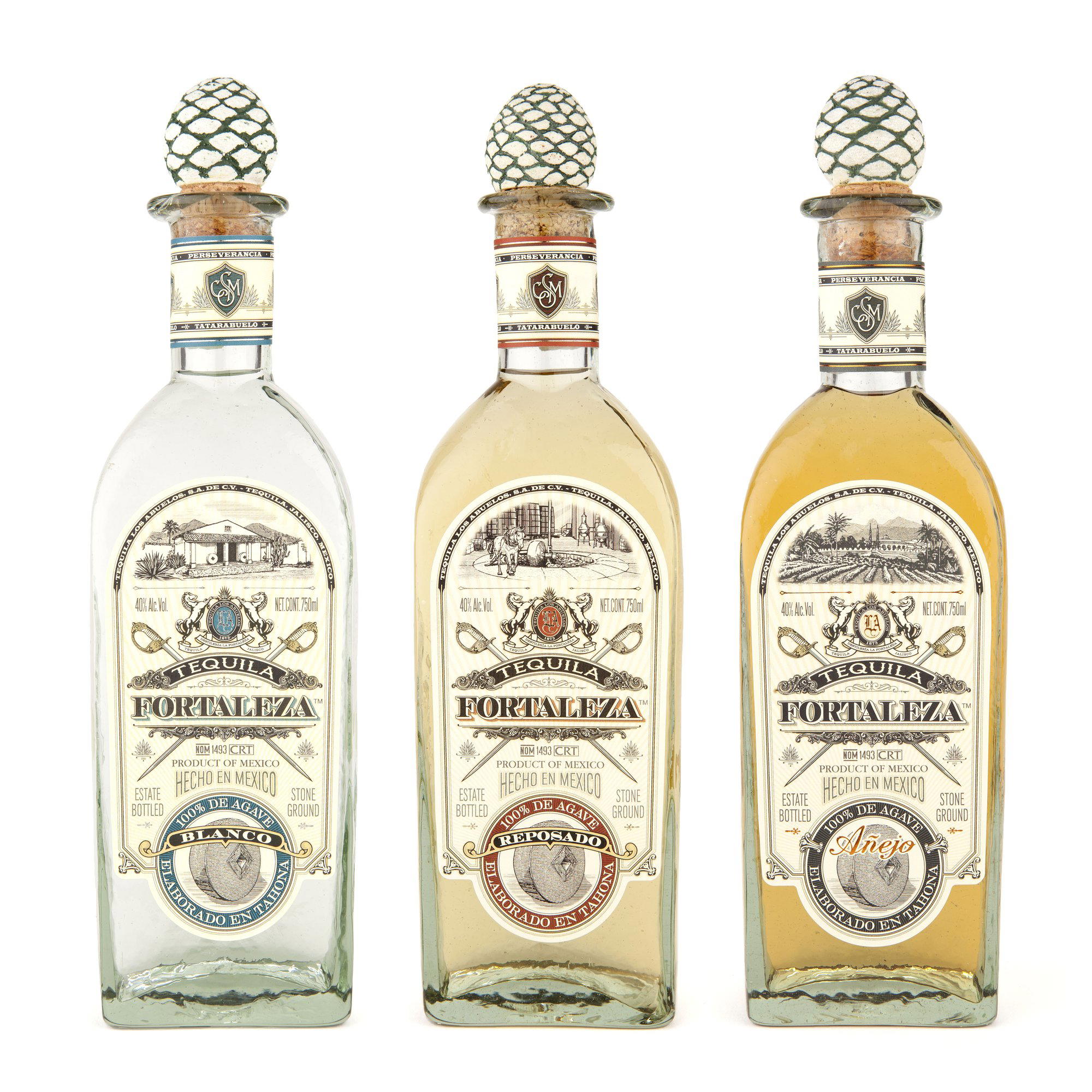
The Town, the Estate, and What the Address Tells You
Calle Francisco Javier Sauza Mora runs through the colonial centre of Tequila, Jalisco, a town where agave production is not a background industry but the entire reason for the streetplan. Arrive on foot from the central plaza and the distilleries announce themselves through scent before signage: the sweet, vegetal steam of cooking agave that has defined this corridor of Jalisco for well over a century. Fortaleza sits at number 567 on that street, on a parcel of land that carries the Sauza surname in its address, which itself signals the depth of lineage operating here. This is not a new facility built to serve a tequila tourism boom; it is a working production site layered into the older residential and commercial fabric of the town centre.
For visitors accustomed to the larger, more visitor-ready campuses operated by producers such as Jose Cuervo (La Rojeña) or Casa Orendain (La Mexicana), the Fortaleza site reads differently. The scale is deliberate. Where those operations have expanded infrastructure to handle coach-tour volumes, Fortaleza occupies a more constrained footprint that keeps production and hospitality in close physical proximity. What you observe on a visit is what actually produces the liquid in the bottle.
Where Fortaleza Sits in the Tequila comparable set
The Mexican spirits industry has split along a familiar axis: high-volume, diffuser-equipped industrial producers on one side, and small-batch tahona- or roller-mill operations with limited output and allocation-style distribution on the other. Fortaleza belongs to the second category. Its 2025 Pearl 2 Star Prestige recognition places it in a tier occupied by producers whose scores reflect depth of process, ingredient quality, and hospitality credentials, not just scale or marketing spend.
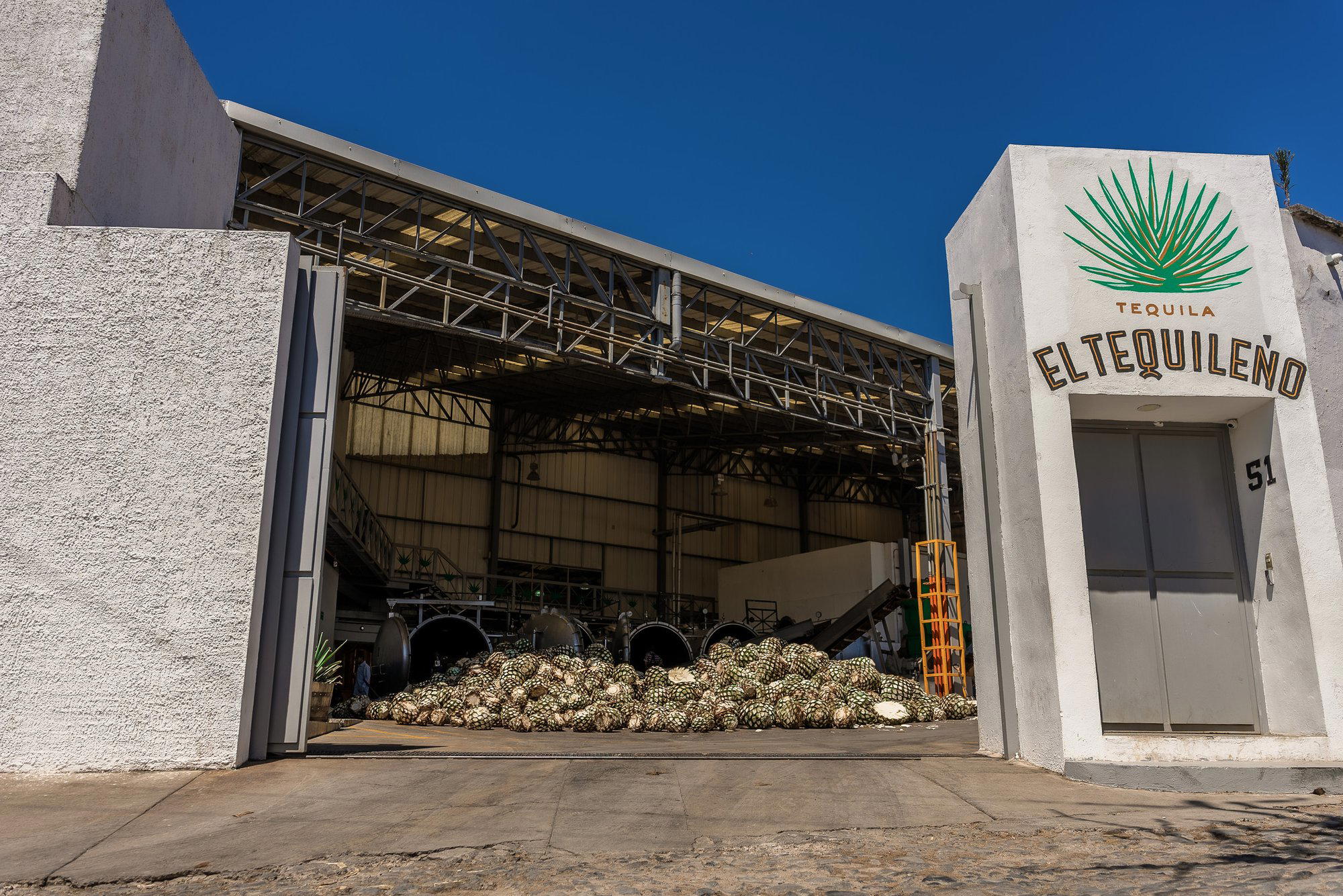
Within Tequila town itself, that positions Fortaleza alongside El Tequileño (La Guarreña) and El Llano (Arette) as the producers whose reputations rest on production methodology rather than category breadth. It operates in a different register from La Cofradía, which has built a larger hospitality complex and targets a broader visitor demographic. The competitive set Fortaleza prices and programmes against is tighter, more craft-aligned, and increasingly international in its audience.
Across the wider Jalisco highlands, the comparison extends to operations like La Primavera (Don Julio) in Atotonilco El Alto and Cazadores in Arandas, both of which operate in the Los Altos highlands with a different agave character profile than the valley-floor production typical of Tequila town. Fortaleza's valley provenance is part of its identity within that regional conversation.
Food, Pairing, and the Hospitality Format
The editorial angle that matters most for Fortaleza is not simply what it produces but how the site frames the relationship between spirit and food. Tequila has historically lagged behind wine regions and even mezcal in building a hospitality culture that puts serious food programming alongside the liquid. The distilleries that have moved furthest in that direction tend to be those with both the physical space and the production story to support longer, more engaged visits. Fortaleza's position in the town centre, combined with its Sauza lineage, gives it a backdrop that lends itself to structured tasting experiences where regional Jaliscan food traditions can be set alongside different expression of agave spirit.
Pairing tequila with food is a practice that rewards specificity. Blanco expressions, with their unaged, high-ester character, align well with the citrus-forward and herb-driven notes of coastal Mexican cuisine. Reposado, with its wood-contact softening the raw agave, handles the fat and spice of braised preparations more comfortably. Añejo, where time in barrel has introduced vanilla and dried-fruit register, pairs logically with the darker, richer elements of mole. A site visit to Fortaleza, structured around those progression points, delivers something that a bottle purchase alone cannot: the physical context of production and the pairing intelligence that makes the spirit more legible at the table afterward.
For visitors travelling a wider spirits circuit through western Mexico, the hospitality infrastructure in Tequila town contrasts with the more remote palenque model you encounter in Oaxaca. Operations such as Los Danzantes in Santiago Matatlán, Don Amado (Arellanes family) in Santa Catarina Minas, and Casa Cortés in La Compañía (Ejutla) operate in production settings where the hospitality is incidental to the craft, not designed around it. The Banhez (UPADEC cooperative) in San Miguel Ejutla represents the cooperative end of that same Oaxacan tradition. Tequila town, by contrast, has the infrastructure, road access, and visitor volume to support more considered food and pairing programming, and Fortaleza is among the producers best placed to offer it.
Planning the Visit
Tequila town sits roughly an hour northwest of Guadalajara by road, and the most efficient approach from the city is the tequila train (José Cuervo Express) or a direct drive on the highway. Arriving independently gives you scheduling flexibility that group packages do not. The town centre is compact enough to cover multiple distillery visits in a single day, though the combination of tastings and midday heat makes a slower pace more productive.
Fortaleza's Pearl 2 Star Prestige rating for 2025 puts it in the upper tier of what the town offers. If you are building a day around serious production visits rather than tourist-circuit sampling, anchor your itinerary here and use the surrounding estates, including the large-scale operations open for walk-in visitors, as secondary stops for comparative context. Booking ahead for guided visits is advisable; availability is not unlimited and the more structured experience formats fill faster than walk-in tastings.
For the wider Jalisco and Arandas highlands circuit, Casa Herradura (Hacienda San José del Refugio) in Amatitán is a logical addition, sitting close enough to Tequila town to include in an extended day.
The Broader Spirits Context
Tequila's international standing has benefited from the same premiumisation wave that lifted Scotch whisky and Napa Cabernet over the past two decades. Consumers who once treated it as a category defined by shots and mixers now approach it with the vocabulary and patience they bring to aged spirits from other traditions. For reference, that same shift happened earlier and more dramatically in Speyside, where operations like Aberlour represent decades of investment in visitor experience tied directly to production heritage. In Napa, the allocation-model winery approach seen at producers like Accendo Cellars in St. Helena offers a parallel for how scarcity and provenance interact to shape hospitality at the premium end. Fortaleza, with its lineage address and 2 Star Prestige recognition, is operating in that same premium-provenance space within the tequila category.
In Context: Similar Options
Comparable venues nearby, for context on price, style, and recognition.
| Venue | Cuisine | Price | Notes |
|---|---|---|---|
| Tequila FortalezaThis venue — the venue you are viewing | blue agave | $$$ | |
| El Tequileño (La Guarreña) | Blue Weber Agave | $$$ | Tequila |
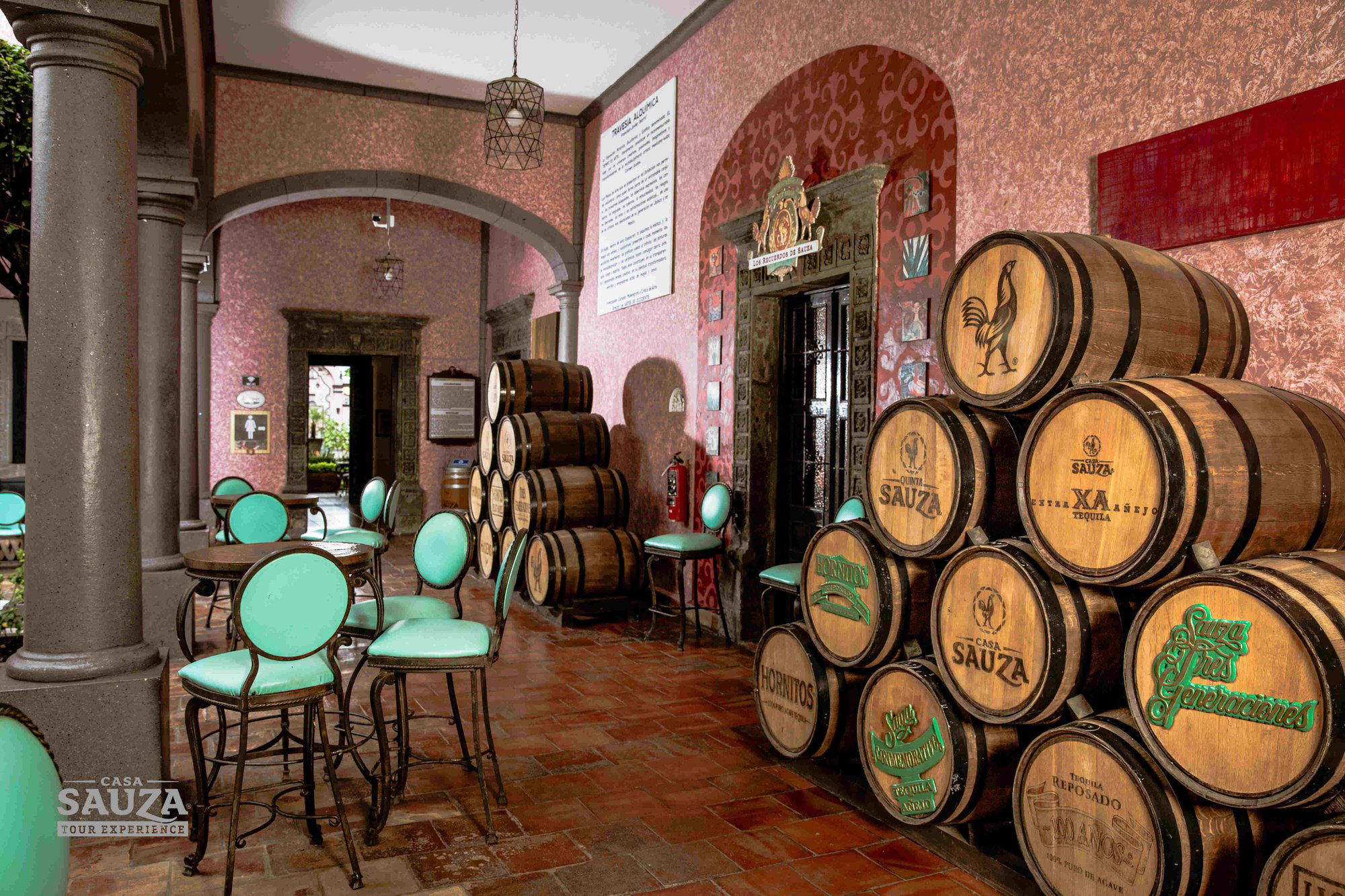
| La Perseverancia (Casa Sauza) | Blue Weber Agave | $$ | Tequila |
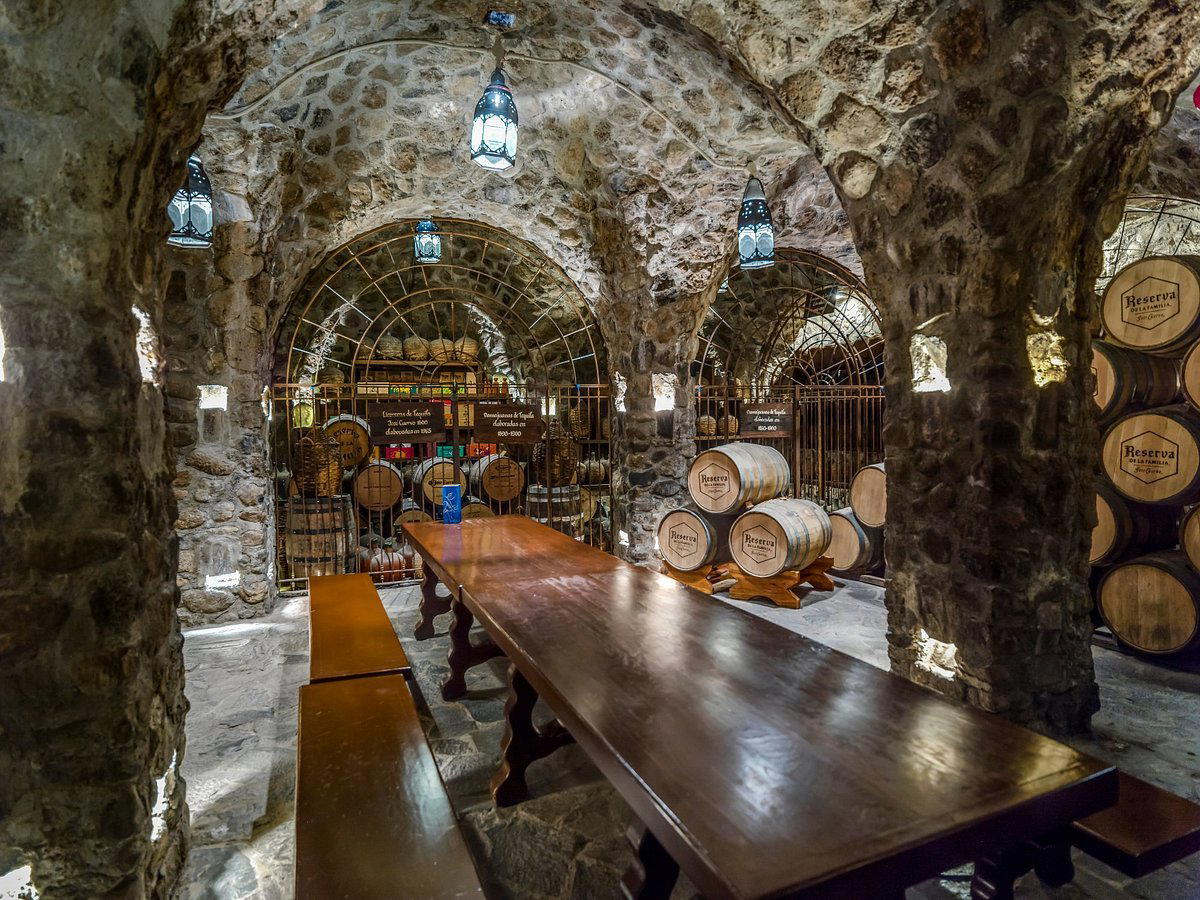
| Jose Cuervo (La Rojeña) | blue_agave | $$ | Tequila |
| Casa Orendain (La Mexicana) | Blue Weber Agave | $$ | Tequila |
| El Llano (Arette) | Blue Weber Agave | $$ | Tequila |
Continue exploring
More in Tequila
Wineries in Tequila
Browse all →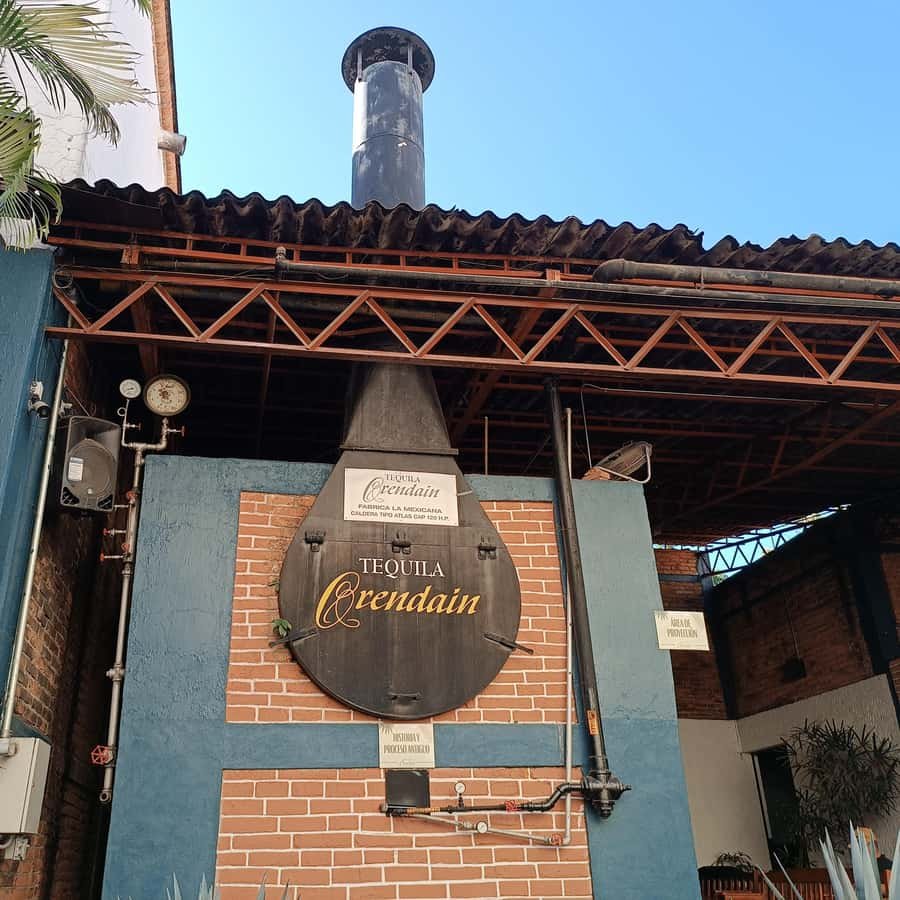
Bars in Tequila
Browse all →

Restaurants in Tequila
Browse all →
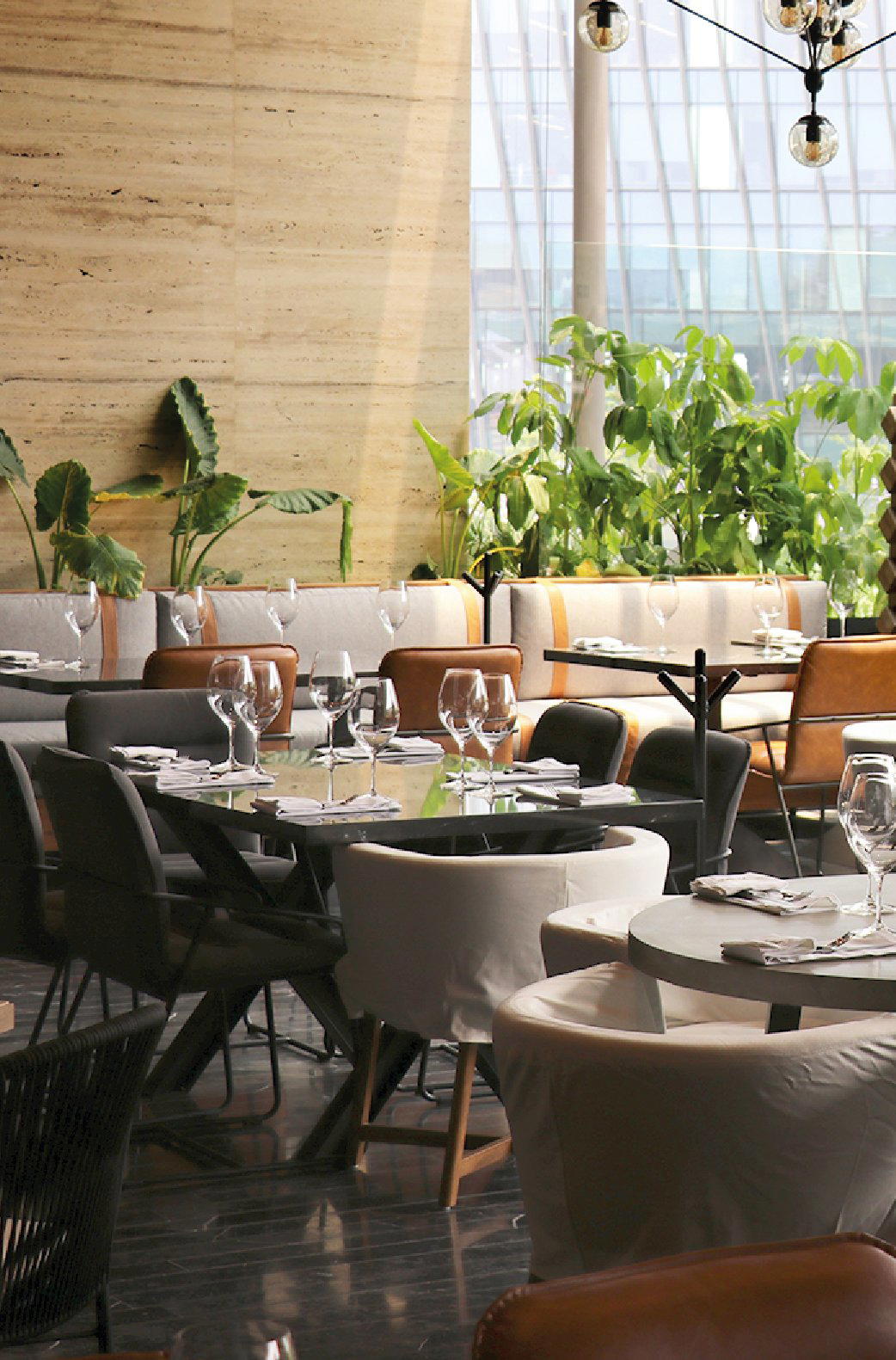
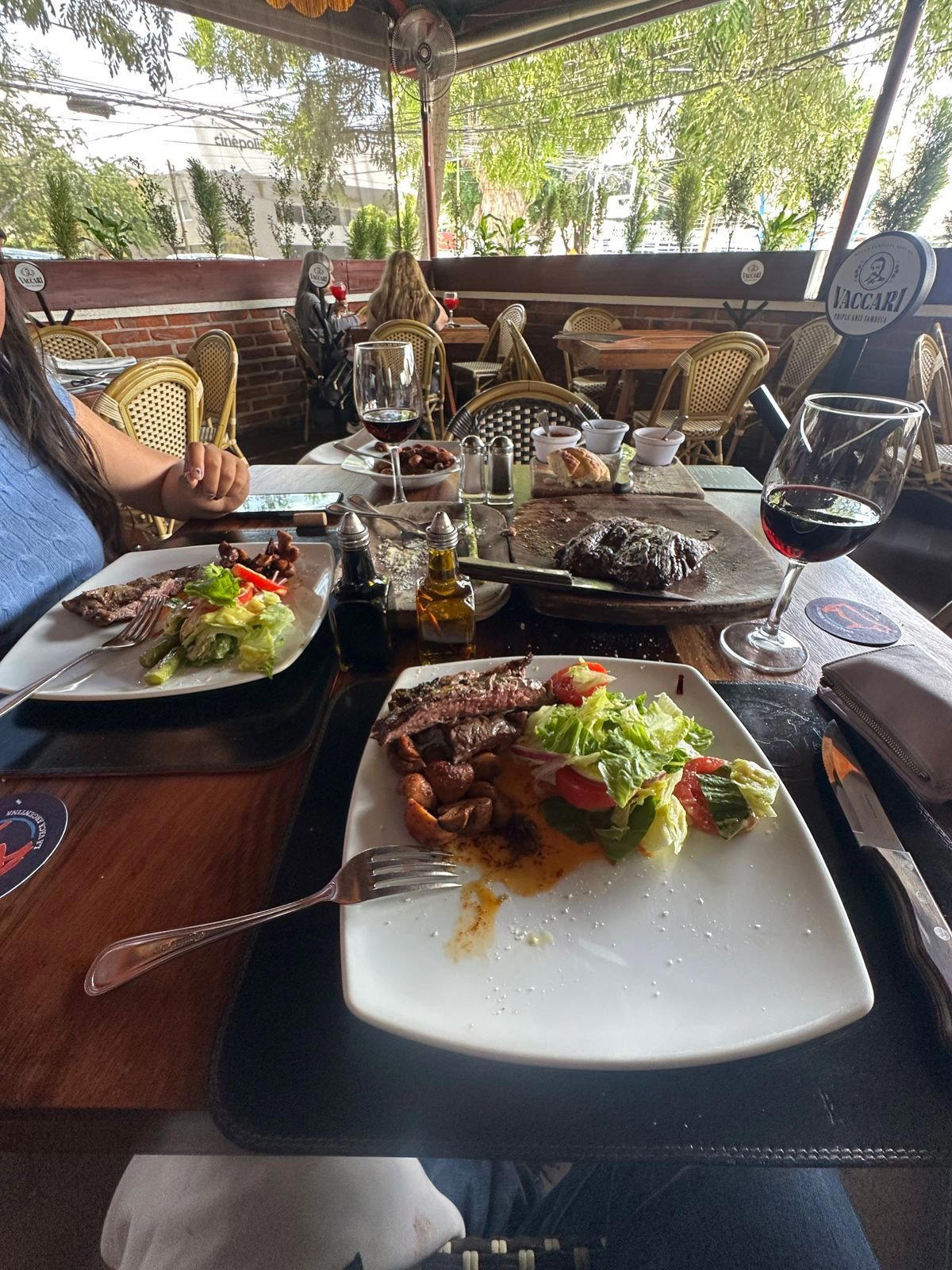
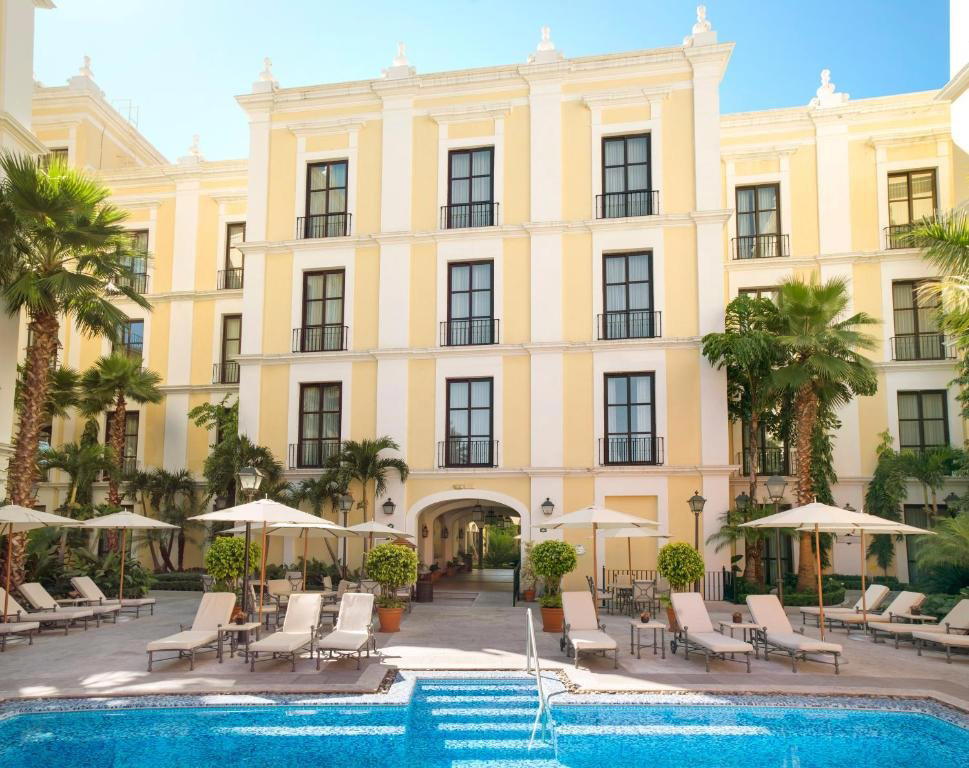
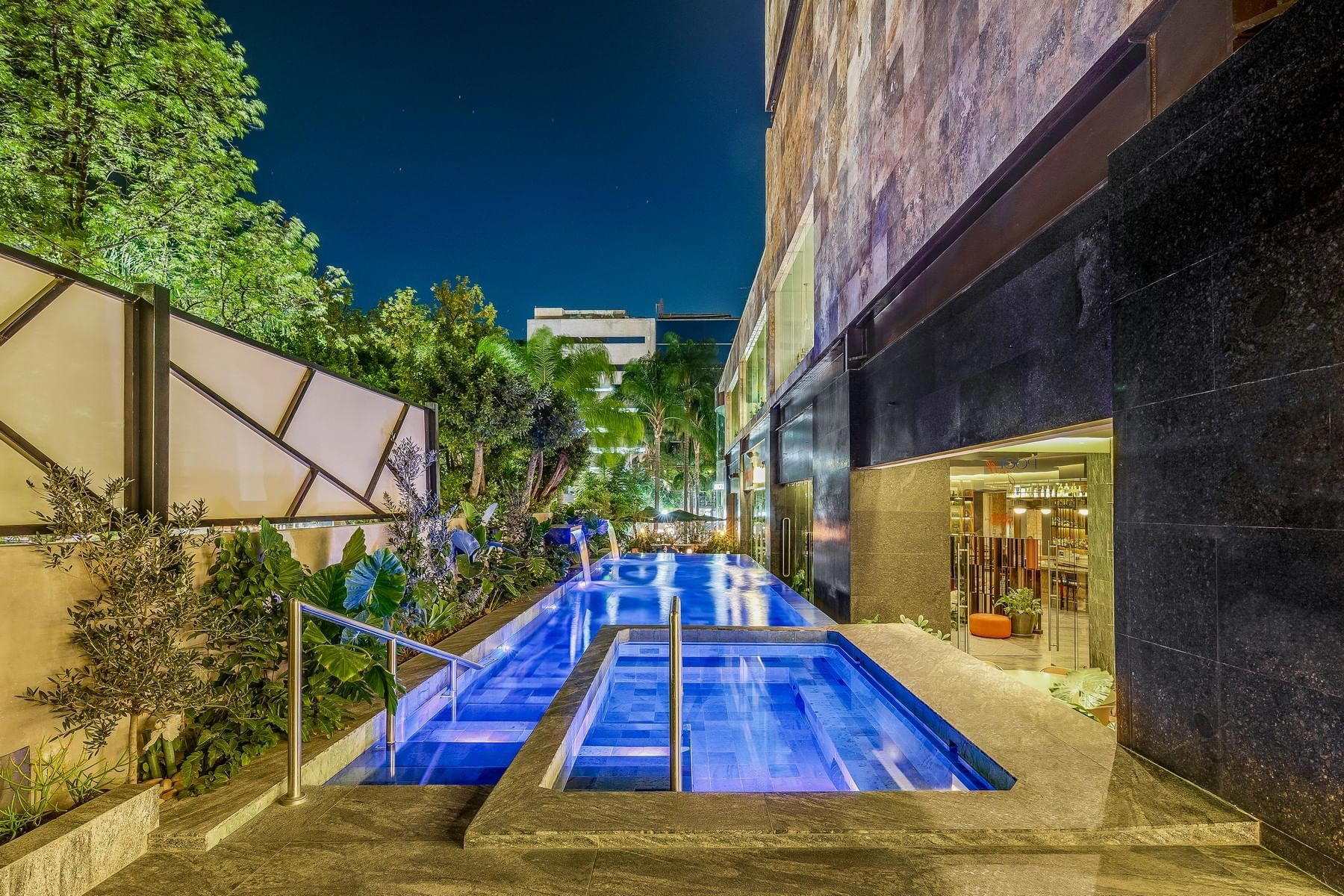
At a Glance
- Rustic
- Historic
- Intimate
- Scenic
- Group Outing
- Wine Education
- Solo Exploration
- Vineyard Tour
- Estate Grounds
- Cave Tasting
- Historic Building
- Vineyard
- Garden
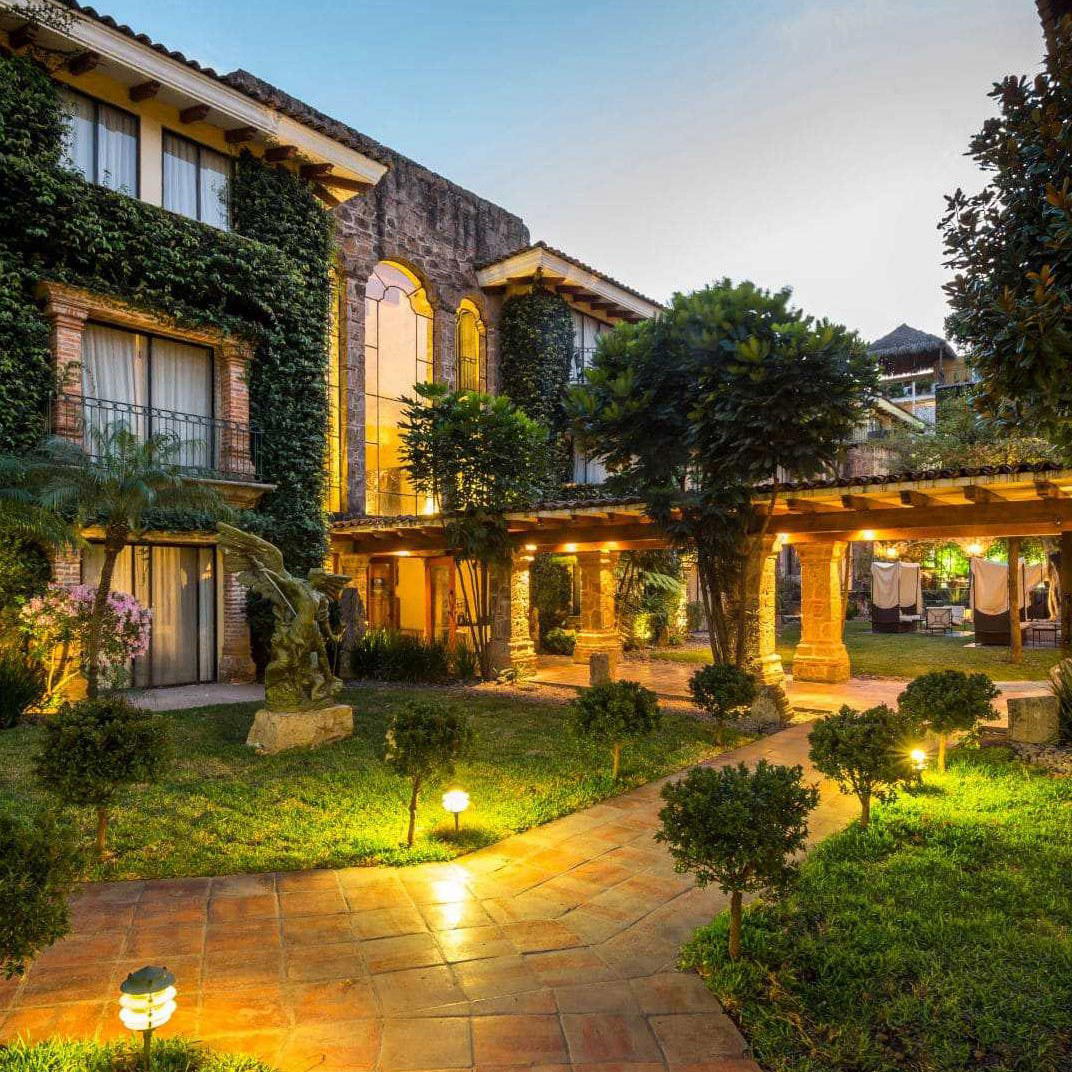
Warm, authentic atmosphere with beautiful grounds, cave tasting room, and lakeside settings praised for tradition and craftsmanship.