Campomar
Our verdict
Campomar occupies a address in Guadalajara's Providencia district, one of the city's established residential dining corridors. The restaurant draws a loyal local clientele whose repeat visits signal something more durable than novelty. For travellers mapping Mexican dining beyond the capital's well-documented scene, Providencia's neighbourhood restaurants offer a different register entirely.

Pearl is the En Primeur Club membership app — saves, bookings, and concierge access live there. Same editors, same standards.
- Address
- Av Providencia 2422, Providencia, 44630 Guadalajara, Jal., Mexico
- Phone
- +523331135949
- Hours
- Mon–Thu 12:30–6:30 PMFri–Sun 12–7 PM
- Website
- campomar.mx
- Directions
- Get directions
- Booking
- Book on OpenTable
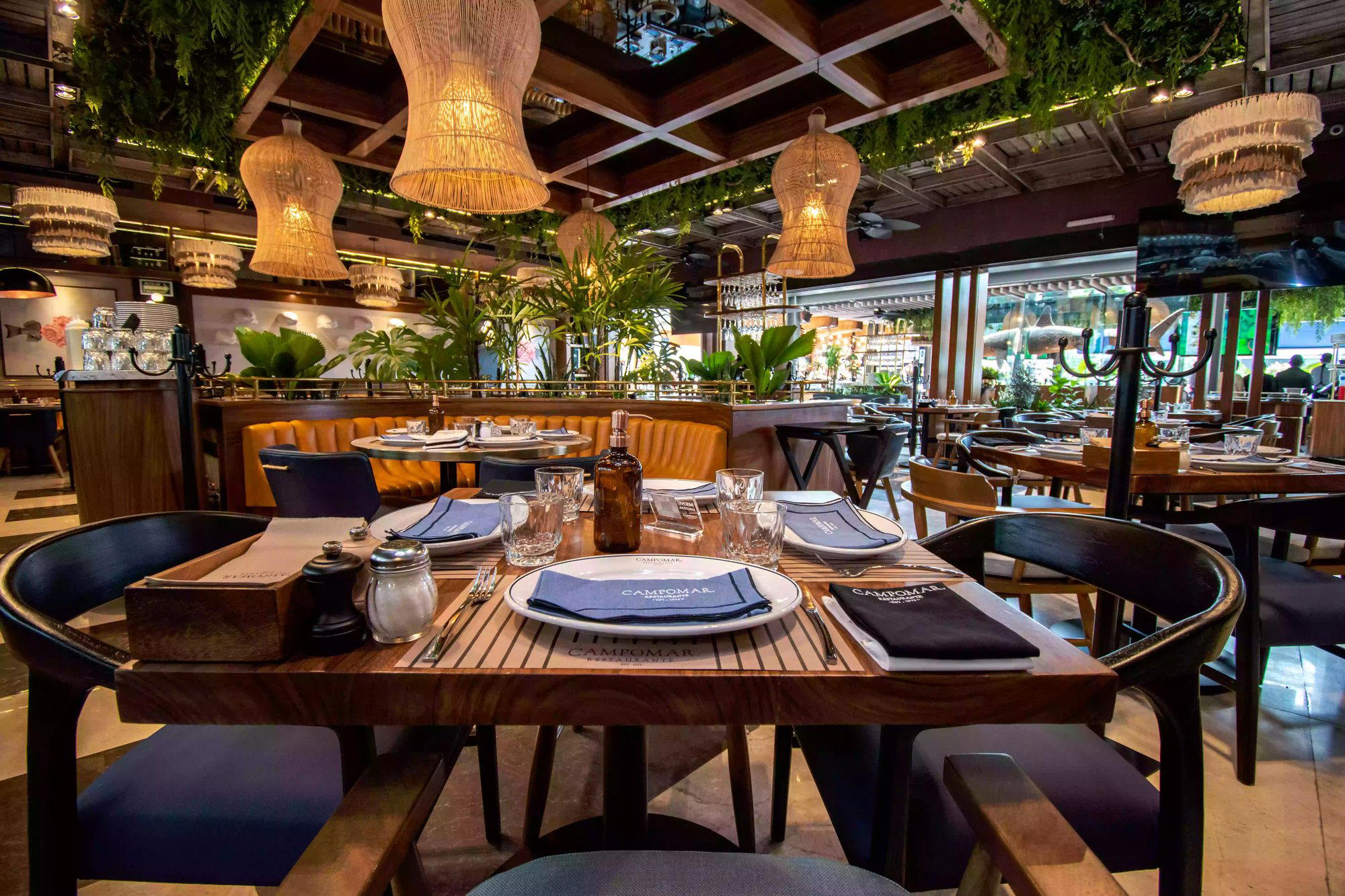
Providencia's Dining Rhythm and Where Campomar Fits
Guadalajara's Providencia district operates on a different frequency than the Centro Histórico or the tourist-facing corridors further west. The restaurants along Avenida Providencia and its surrounding streets are built for regulars, not for first impressions. Repeat business is the currency here, and the addresses that survive a decade do so because a specific kind of diner keeps coming back, not because a press cycle sustains them. Campomar, at Av Providencia 2422, sits inside this logic. Its address places it in a residential-commercial stretch where the dining room is an extension of neighbourhood life rather than a destination engineered from the outside.
This matters because Mexican fine and mid-tier dining has bifurcated sharply over the past decade. In Mexico City, addresses like Pujol have become reference points in a global conversation about Mexican cuisine's ambition and technique. In Guadalajara, the story is more layered. Alcalde and a cluster of modernist kitchens have drawn international attention to what the city's chefs are doing with regional ingredients. But parallel to that track runs a denser, quieter network of neighbourhood restaurants whose clientele measures quality not in Instagram reach but in whether the kitchen knows what they want before they ask.
The Regulars' Logic
The most instructive measure of a neighbourhood restaurant's standing is what its regulars eat, not what the printed menu says. In Providencia's dining culture, tables that return weekly develop an understanding with the kitchen that operates outside the formal menu structure. Dishes get adjusted. Preferences get noted. A table that has been coming for two years orders differently than a table that arrived last month. This is not a phenomenon exclusive to Guadalajara, but it is particularly legible in a district like Providencia, where the ratio of returning diners to first-timers skews heavily toward the former.
For a traveller arriving at Campomar without that history, the practical implication is to pay attention to what neighbouring tables are eating and to ask directly what the kitchen has been doing well this week. Guadalajara's proximity to the Jalisco interior means seasonal produce cycles move faster and more visibly than in cities dependent on longer supply chains. What arrived at the kitchen on a Tuesday from a producer in the highlands will inform what the kitchen is most confident about by Thursday. This is the kind of intelligence that regulars accumulate over time and that visitors have to ask for explicitly.
This dynamic also defines how Campomar positions within Guadalajara's broader dining map. It is not competing in the same tier as Alcalde or the technically ambitious kitchens that have drawn coverage in international publications. It is operating in a tier where Bruna and comparable Providencia addresses hold loyal followings built on consistency and neighbourhood fit rather than on tasting-menu ambition. The comparison set for Campomar is local and residential, not international.
Guadalajara's Wider Dining Context
Understanding where Campomar sits requires some mapping of what Guadalajara's dining scene has produced across different registers. At the more documented end, kitchens in Tlaquepaque and the Centro have positioned themselves within Mexico's new-wave culinary conversation alongside peers like KOLI Cocina de Origen in Monterrey and Levadura de Olla in Oaxaca, all drawing on regional specificity as a point of culinary identity. At the other end, the city's birria tradition sustains institutions like Birriería las 9 Esquinas and Birrieria Chololo Las Juntas, where the dish itself is the entire point and the format has not changed in decades.
Providencia sits between these poles. Its restaurants are neither heritage-format institutions nor technically driven kitchens seeking external validation. They are mid-register neighbourhood addresses where the food is serious without being performative, and where the dining room's social function is as important as what arrives on the plate. For visitors accustomed to the scale of ambition at something like Le Chique in Puerto Morelos or the produce-driven rigor of Animalón in Valle de Guadalupe, Providencia's neighbourhood restaurants offer a useful counterpoint: cooking that is accountable to a local audience rather than to a travelling one.
The meat-focused traditions of Jalisco also surface in addresses like Asador La Vaca Argentina Pérgolas, where the Argentine-influenced asador format has found a durable audience in Guadalajara. The city's appetite for grilled and slow-cooked protein runs deep, and a restaurant in Providencia drawing on any version of that tradition has a reliable base to work from. Our full Guadalajara restaurants guide maps this range more completely for visitors planning across multiple meals.
Planning a Visit
Avenida Providencia is accessible by taxi or ride-share from the Centro Histórico and from most of the city's hotel stock, and the neighbourhood rewards an early-evening arrival when the residential character of the district is most legible. Provindencia's streets are quieter than the Centro and the experience of arriving on foot from a nearby street is part of understanding what kind of place this is. First-time visitors who treat the meal as an exploratory one, asking the kitchen what it has been cooking well rather than anchoring to a fixed expectation, tend to leave with a more accurate read of what the address actually does.
For travellers building a broader Mexican itinerary, Campomar fits into a trip that already includes higher-profile addresses elsewhere: technically ambitious kitchens in Mexico City, the coastal produce-driven work happening at places like Arca in Tulum or HA' in Playa del Carmen, or the seafood-focused precision at Le Bernardin in New York City as a reference point for what rigorous fish cooking looks like at the top of its register. Against those reference points, a neighbourhood restaurant in Providencia is not trying to compete. It is doing something adjacent and, for the right traveller, equally worth the meal.
Frequently asked questions
What's the address for Campomar?
Campomar is located at Av Providencia 2422, Providencia, 44630 Guadalajara, Jal. Mexico, Guadalajara.
Is Campomar suitable for a business lunch in Guadalajara's Providencia district?
Campomar's address on Avenida Providencia places it in one of Guadalajara's more composed residential neighbourhoods, which tends to suit lower-key professional meals better than the louder, more scene-driven options further west. No private dining or event space is documented. The neighbourhood's general character makes it a reasonable choice when the priority is conversation over spectacle.
What's the best thing to order at Campomar?
In Guadalajara's neighbourhood restaurants, the daily catch or market-driven plates are typically more reliable than anything printed. Ask specifically what the kitchen is running rather than scanning for a signature dish by name.
Should I book Campomar in advance?
No reservation system is documented for Campomar. Providencia restaurants in this register tend to fill on weekend evenings without much notice, so arriving early or timing a visit for a weekday lunch reduces the risk of a wait. A call ahead, if contact details become available, would be the practical safeguard.
What makes Campomar worth seeking out?
Campomar sits on Avenida Providencia in a district where the primary audience is residents, not visitors — which tends to keep kitchens honest in a way that tourist-facing addresses are not required to be. Guadalajara's most-covered dining narrative concentrates on destination tasting menus; Campomar operates in a quieter, more accountable register. That accountability, to a returning local crowd, is its clearest credential.
Do they accommodate allergies at Campomar?
No documented allergy policy exists for Campomar. Smaller neighbourhood restaurants in Guadalajara's Providencia district typically handle dietary needs through direct conversation with staff rather than formal written policies. Communicating requirements clearly when you arrive, or when making contact ahead of a visit, is the most reliable approach.
What It’s Closest To
Comparable venues nearby, for context on price, style, and recognition.
| Venue | Cuisine | Price | Awards | Notes |
|---|---|---|---|---|
| CampomarThis venue — the venue you are viewing | Nayarit-Style Mexican Seafood | $20–30 | Not listed | Not listed |
| I Latina | Mexican-Asian Fusion | $30–50 | Not listed | 1403900011556 |
| Restaurante Allium | Farm-to-Table Mexican Contemporary | $50–100 | Michelin Plate | 1403900010308 |
| La Chata de Guadalajara | Traditional Jalisco Mexican | $10–20 | Not listed | 1403900011626 |
| Birriería las 9 Esquinas | Traditional Guadalajara Birria | $10–20 | Michelin Plate | 1403900011626 |
| Tortas Ahogadas El Príncipe Heredero | Traditional Guadalajara Tortas Ahogadas | $10–20 | Not listed | 1403900011861 |
Continue exploring
More in Guadalajara
Restaurants in Guadalajara
Browse all →
Bars in Guadalajara
Browse all →
Hotels in Guadalajara
Browse all →



Details
- Lively
- Cozy
- Family
- Group Dining
- Casual Hangout
- Local Sourcing
- A La Carte
- Family Style
Current opening hours
- Monday
- 12:30–6:30 PM
- Tuesday
- 12:30–6:30 PM
- Wednesday
- 12:30–6:30 PM
- Thursday
- 12:30–6:30 PM
- Friday
- 12–7 PM
- Saturday
- 12–7 PM
- Sunday
- 12–7 PM
Hours can change for holidays and private events. Last verified .
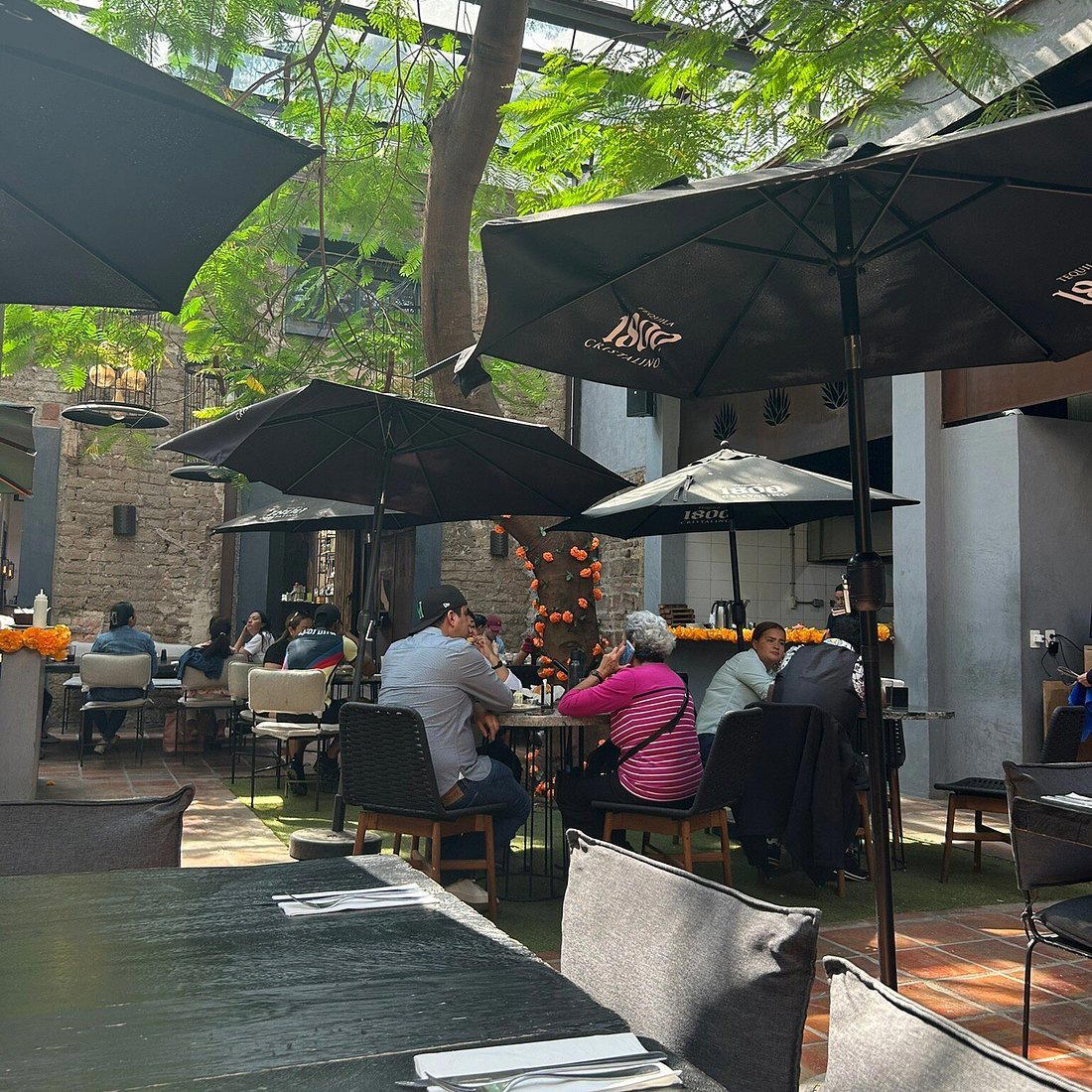
Inviting and comfortable with a lively atmosphere, praised for its welcoming environment and excellent service.