Domaine Paul Pernot et ses Fils
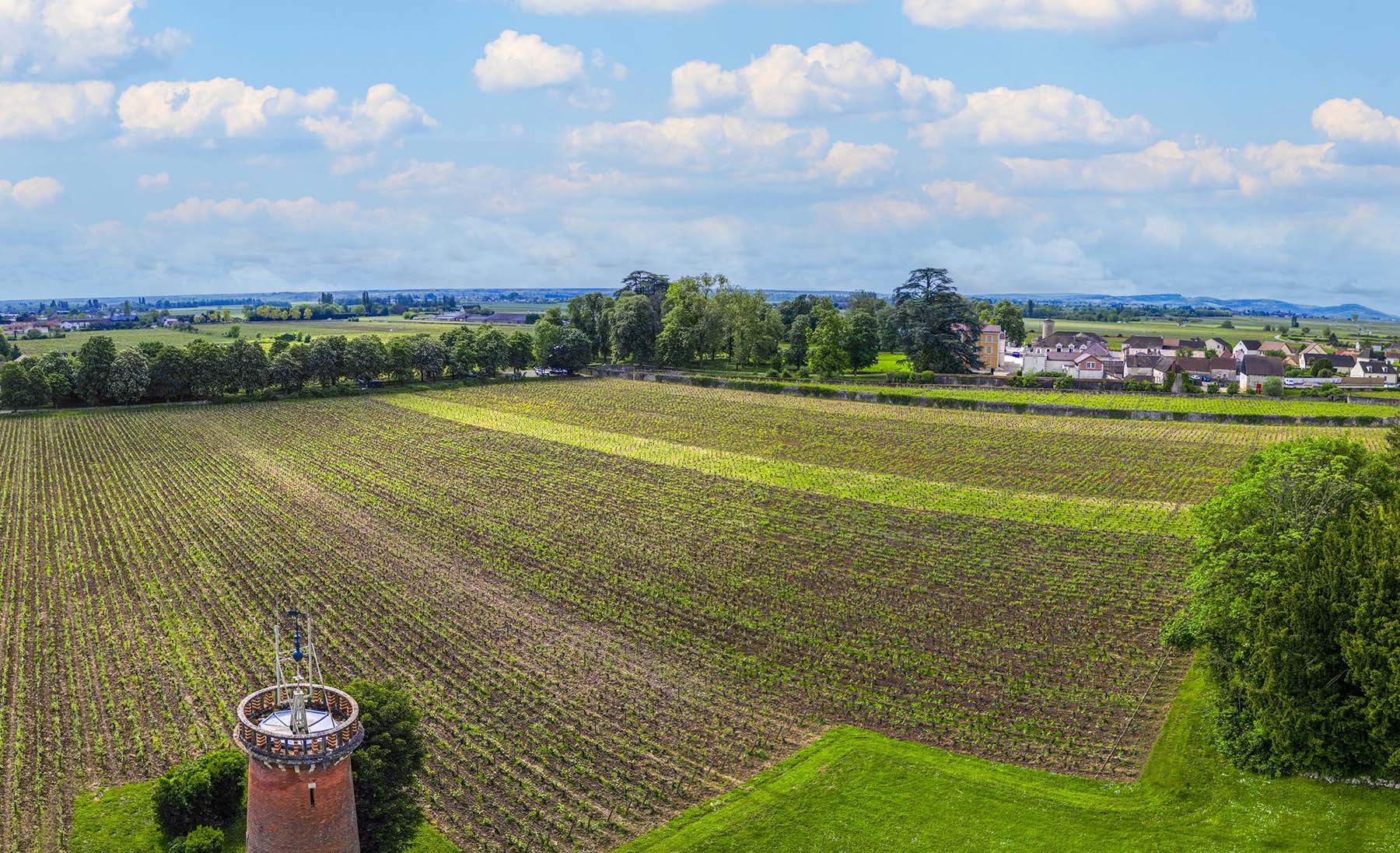
Domaine Paul Pernot et ses Fils operates from the village of Puligny-Montrachet. The domaine works across the appellation's hierarchy of premier and grand cru vineyards, with an aging programme that places it among the serious family estates of the Côte de Beaune. Access is typically by appointment, in keeping with the low-volume, cellar-door culture of the village.

Pearl is the En Primeur Club membership app — saves, bookings, and concierge access live there. Same editors, same standards.
- Address
- Rue de But, 21190 Puligny-Montrachet
- Phone
- +33 3 80 21 32 35
- Directions
- Get directions
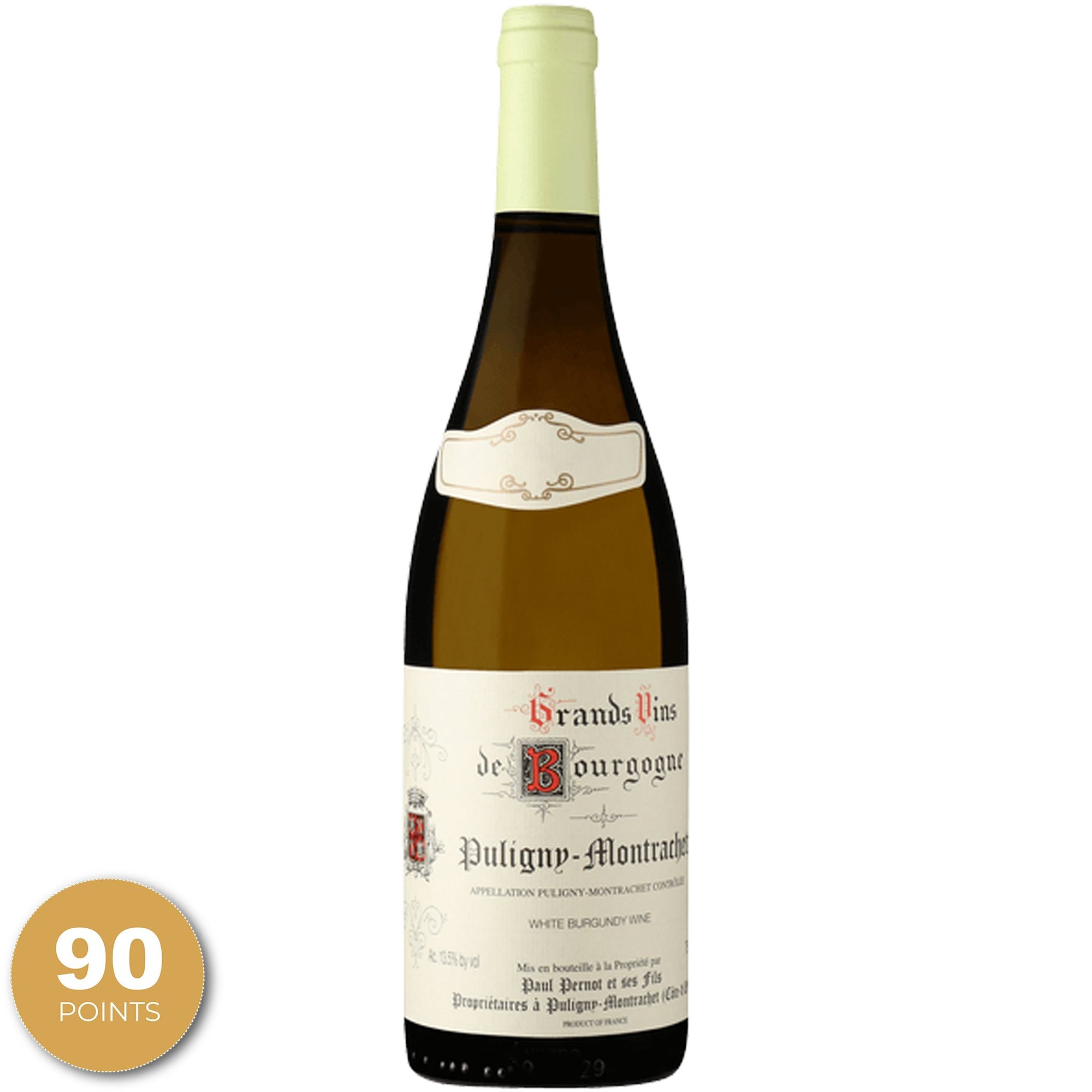
White Burgundy at the Source: Puligny-Montrachet's Family Cellar Tradition
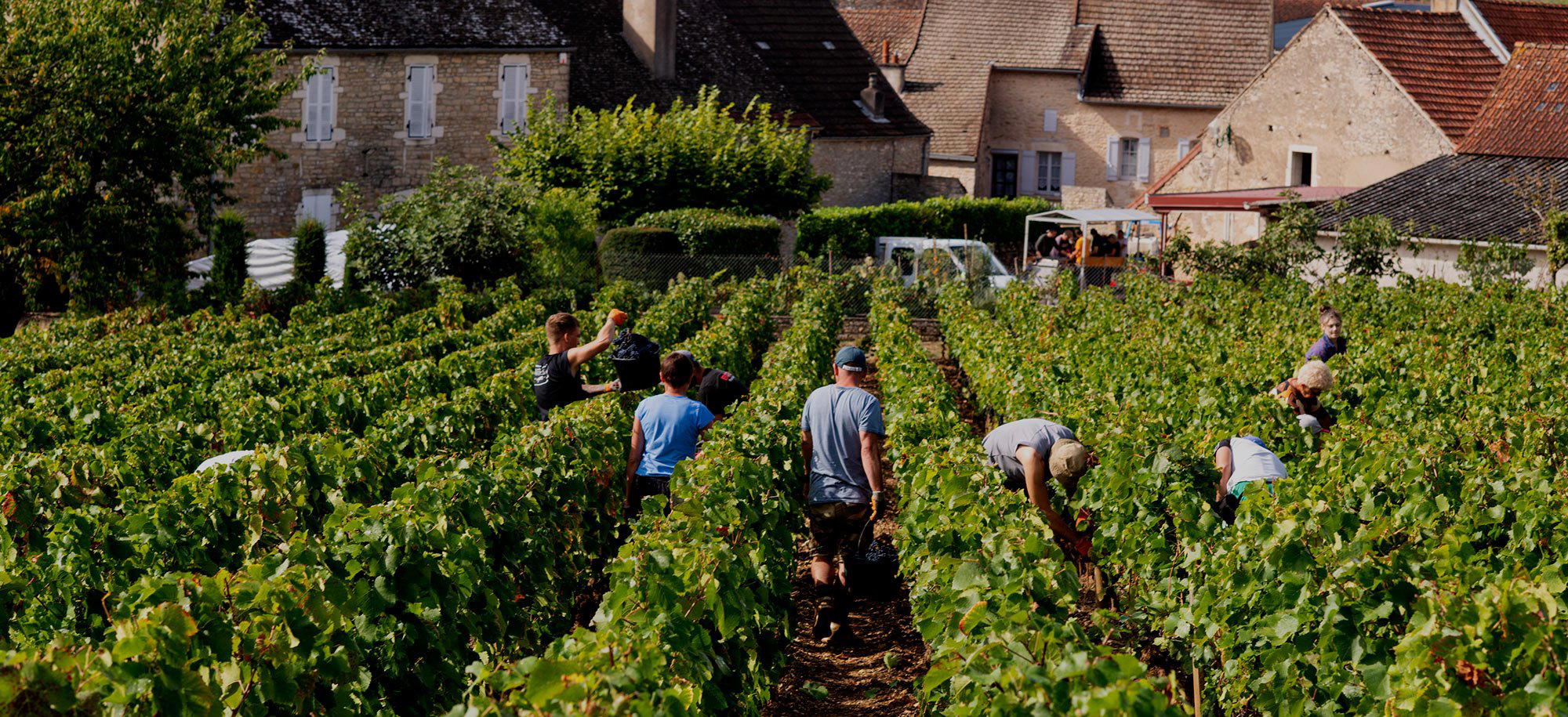
There is a particular quality to arriving in Puligny-Montrachet in late autumn or early spring, when the vines are either stripped bare or just beginning to bud, and the village itself offers almost nothing to the casual visitor. No wine bars lining the street, no tasting rooms open to walk-ins. What the village offers instead is something rarer: direct access to family domaines that have shaped the international understanding of Chardonnay over generations. Domaine Paul Pernot et ses Fils, located on the Rue de But, belongs to that tradition. The address alone situates it in the working heart of the village, close to the cellars and vineyards that give Puligny its character, rather than on any tourist circuit.
Puligny-Montrachet's prestige rests on a relatively small number of family estates that control parcels across a demanding hierarchy, from village-level appellations through premier crus to the grand crus that sit at the top of white Burgundy's classification. That positioning matters for the visiting wine traveller: it describes a cellar where quality is documented and consistent, but where access is still possible without the intermediary of a major négociant or a long-standing importer relationship.
The Logic of the Cellar: Aging Decisions in the Côte de Beaune
The editorial angle that makes Puligny-Montrachet worth understanding in depth is not the vineyard itself, which is extensively documented, but what happens after harvest, in the cellars beneath these village houses. White Burgundy from this appellation is almost exclusively aged in oak barrels, with the proportion of new oak and the duration of élevage forming the primary technical variables that distinguish one producer's style from another's. The debate between those who favour extended lees contact and minimal new oak versus those who use a higher proportion of new barrique to add structure to richer fruit-years has been running in the Côte de Beaune for decades.
For a domaine working across multiple appellations within the Puligny hierarchy, barrel selection is not a single decision but a cascade of choices made parcel by parcel. Grand cru fruit typically receives different treatment from village wine, and premier cru vineyards with distinct exposures, such as Les Pucelles or Les Folatières, may be aged on different timelines to allow their character to express rather than be homogenised. This kind of parcel-sensitive approach is what separates estate production from commodity Burgundy, and it is the central argument for buying at cellar-door level from a domaine with holdings across the classification.
Blending decisions in white Burgundy are less dramatic than in Bordeaux or the southern Rhône, where multiple varieties and sometimes multiple vineyards are combined. Here, blending is more about lot selection within a single vineyard or a single appellation, drawing on barrels that have developed differently over the course of élevage and assembling the final wine from those that leading represent the vintage's character. A good cellar visit to a domaine like this one is partly an education in how that selection process works, and partly a chance to taste wines at different stages of development before bottling.
Puligny-Montrachet has a clearly stratified group of family domaines, and understanding where any one producer sits requires knowing who the neighbours are. At the very best of the allocation hierarchy sit producers like Domaine Etienne Sauzet, whose wines reach secondary markets at prices that reflect decades of critical attention and limited production. Further along the spectrum, Domaine François Carillon and Domaine Jacques Carillon represent the kind of serious, appointment-based family production that characterises the village's working culture. Across the hill in Chassagne, Domaine Jean-Noël Gagnard offers a useful comparison point for how Côte de Beaune family estates operate at a similar quality level in a neighbouring appellation.
It is not the most allocated name in the village, which is precisely what makes a direct visit viable. The dynamics of Burgundy's allocation system mean that once a domaine crosses into the highest tier of critical recognition, cellar-door access typically closes off. The window for tasting and buying directly from a producer of this calibre, at this address, is a function of where the domaine sits in that curve.
Chapelle de Blagny offers another angle on the broader Puligny area, covering the Blagny hamlet that straddles the boundary between Puligny and Meursault, and is worth understanding as part of the wider appellation geography if you are spending time in the village.
Planning a Cellar Visit
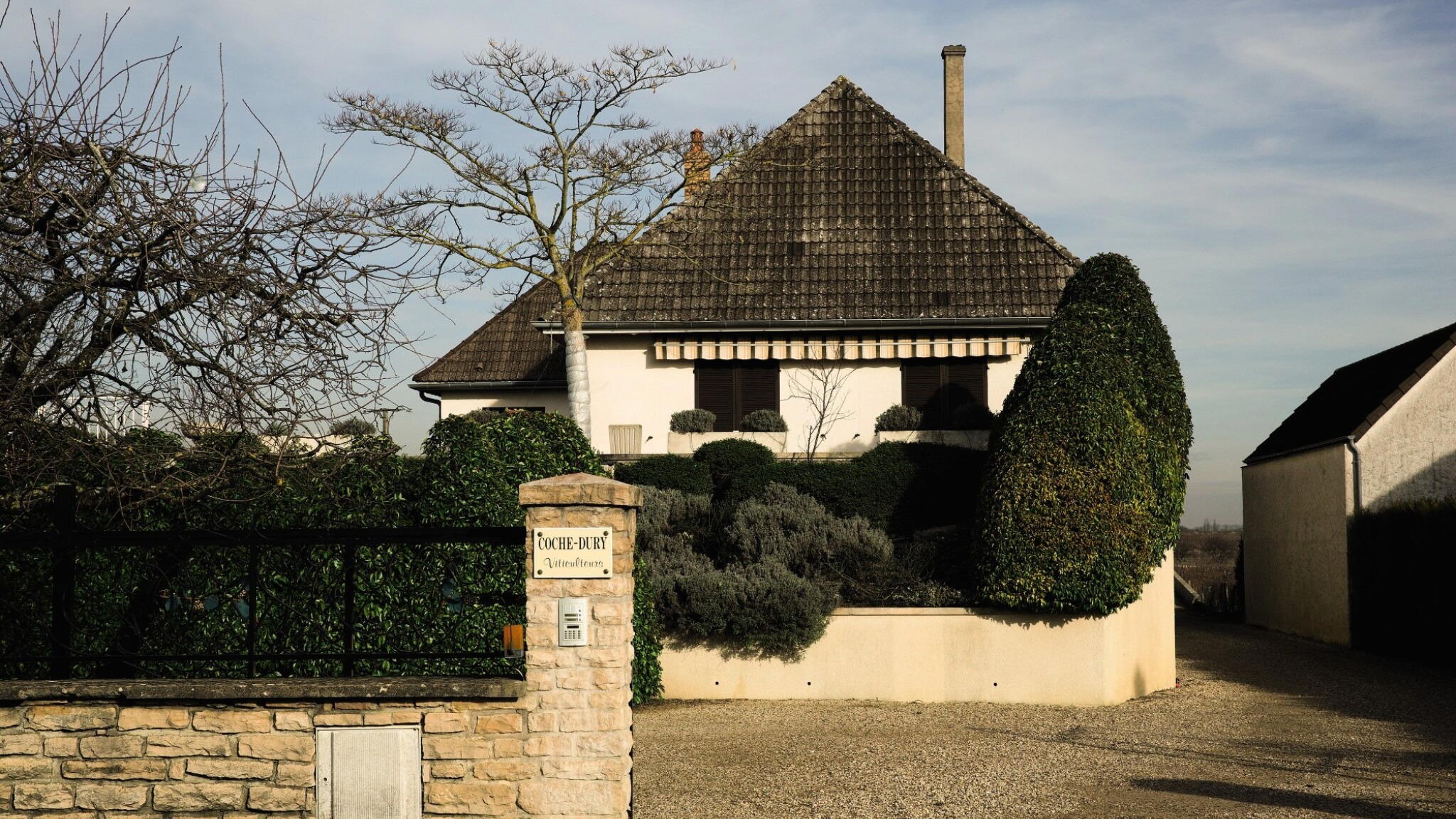
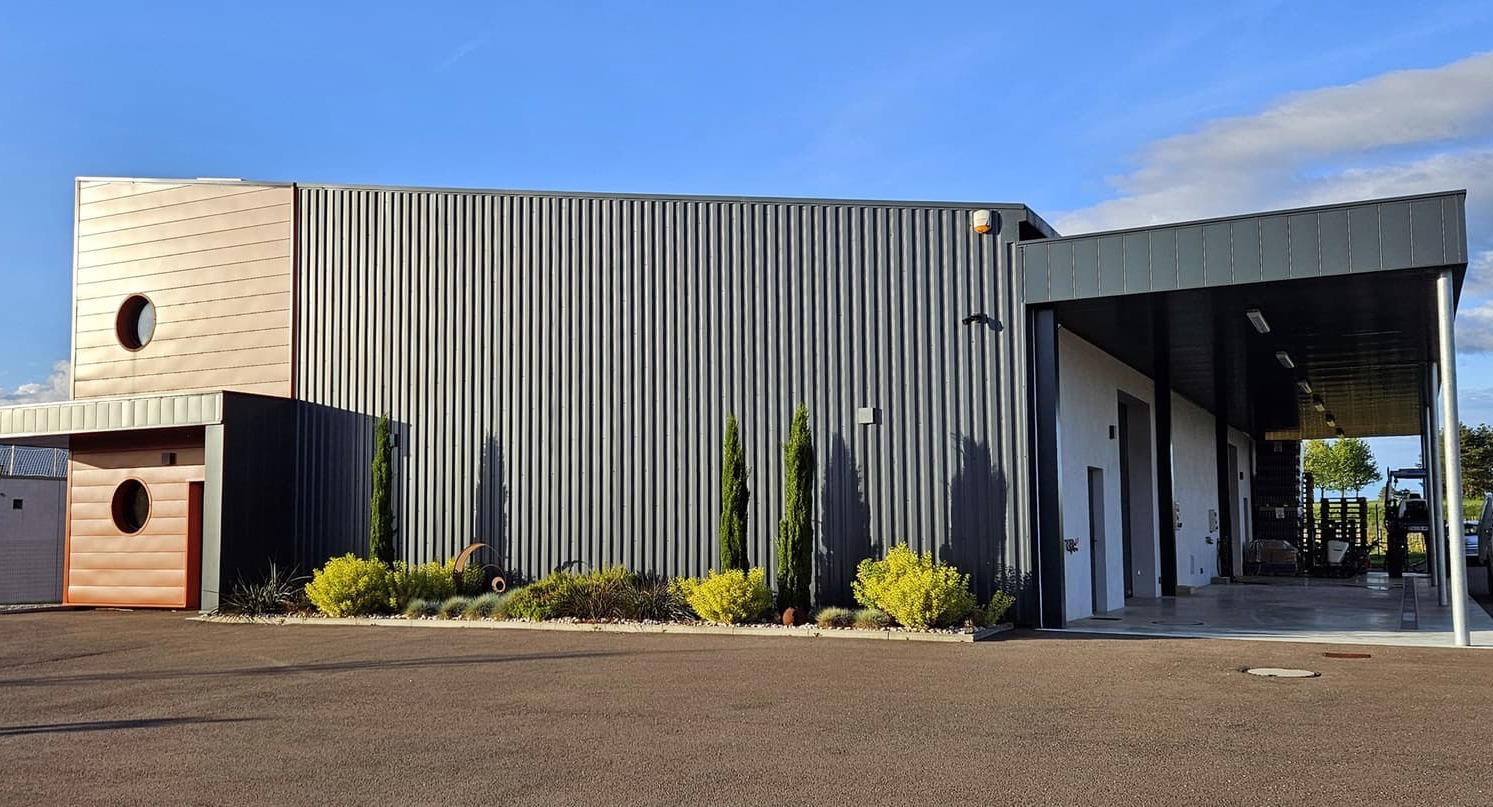
Puligny-Montrachet operates on appointment culture. The village does not have the tourist infrastructure of Beaune, twenty minutes to the north, and that is not incidental. Domaines here allocate tasting time deliberately, which means arriving without contact in advance is unlikely to yield access to the cellar. The practical approach is to reach out directly by email before travel, ideally six to eight weeks ahead for the peak spring and harvest-adjacent seasons. The cellar at Rue de But is consistent with the village pattern: working space, not a purpose-built visitor centre.
The Côte de Beaune repays regional itinerary building. A serious white Burgundy trip from this base might extend north to Meursault or south toward the Maconnais, or reach into Alsace to compare how Albert Boxler in Niedermorschwihr approaches a completely different white wine tradition. Further afield, the production logic connecting this kind of small-estate work to entirely different French traditions, from the liqueur production at Chartreuse in Voiron to the Sauternes estates like Château Bastor-Lamontagne in Preignac, illustrates how France's regional production culture runs on similar principles of terroir specificity and family continuity across very different categories.
For visitors spending time on the Médoc side of Bordeaux, the contrast between Puligny's white wine cellar culture and the classified château system, represented by estates like Château Batailley in Pauillac, Château Branaire Ducru in St-Julien, and Château Boyd-Cantenac in Cantenac, is instructive. Right bank estates like Château Bélair-Monange in Saint-Emilion operate on yet another model. Outside France entirely, Accendo Cellars in St. Helena and Aberlour in Aberlour show how the fine-production logic that drives a Burgundy domaine translates into entirely different terrains and categories.
For a broader view of what Puligny-Montrachet offers beyond this single domaine, the full Puligny-Montrachet guide maps the village's estates, visiting patterns, and appellation hierarchy in detail.
It confirms that the domaine is operating at a level that merits attention from wine travellers building a serious Côte de Beaune itinerary, without placing it in the rarefied group where direct access has effectively disappeared. For the informed visitor, that distinction is the relevant intelligence: it describes a cellar where documented quality and realistic accessibility currently overlap.
Peers You’d Cross-Shop
Comparable venues nearby, for context on price, style, and recognition.
| Venue | Cuisine | Awards | Notes |
|---|---|---|---|
| Domaine Paul Pernot et ses FilsThis venue — the venue you are viewing | Chardonnay | Not listed | Not listed |
| Domaine Etienne Sauzet | Chardonnay | Michelin 2 Grapes · Falstaff Winery - Listed | Puligny-Montrachet |
| Chapelle de Blagny | Chardonnay, Pinot Noir | Not listed | Hameau de Blagny |
| Domaine François Carillon | Chardonnay, Aligoté | Falstaff Winery - Listed | Puligny-Montrachet |
| Domaine Jacques Carillon | Chardonnay | Michelin Main Selection | Puligny-Montrachet |
| Domaine Jean-Noël Gagnard | Chardonnay, Pinot Noir | Falstaff Winery - Listed | Chassagne-Montrachet |
Continue exploring
More in Puligny-Montrachet
Wineries in Puligny-Montrachet
Browse all →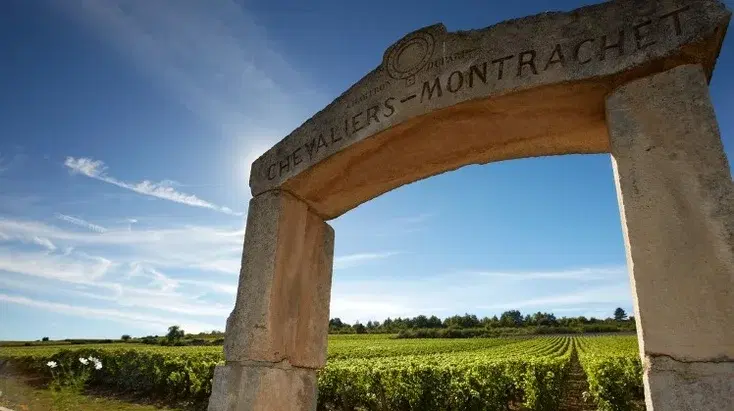
Bars in Puligny-Montrachet
Browse all →
Restaurants in Puligny-Montrachet
Browse all →
Details
- Classic
- Elegant
- Sophisticated
- Wine Education
- Special Occasion
- Cave Tasting
- Vineyard Tour
- Vineyard
- Chardonnay
- Still White
- Premier Cru Tasting
- Grand Cru Tasting
- French
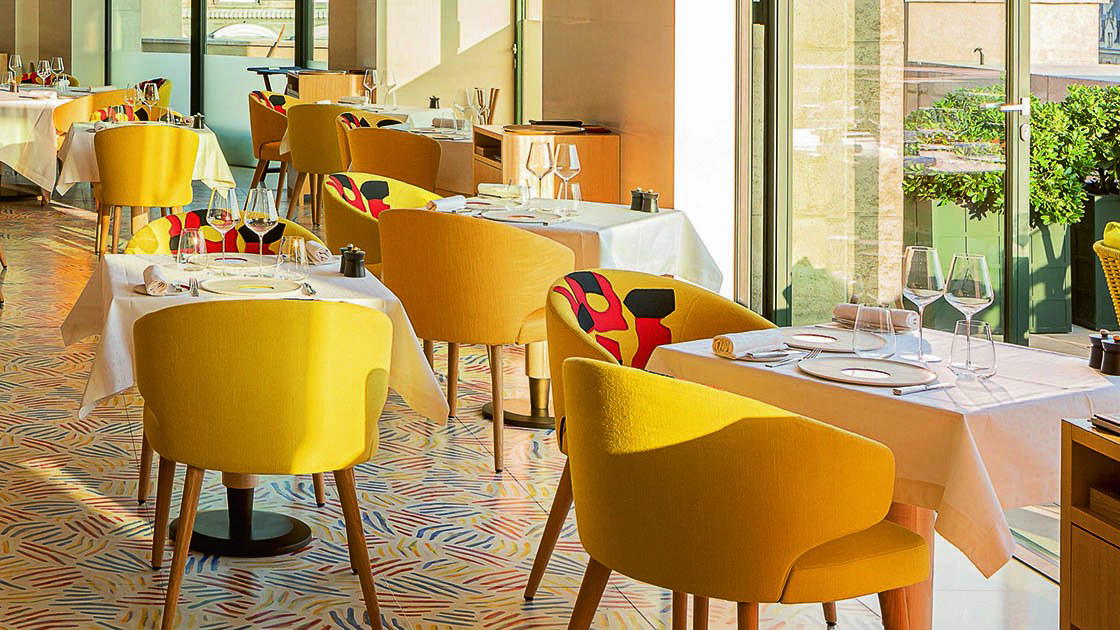
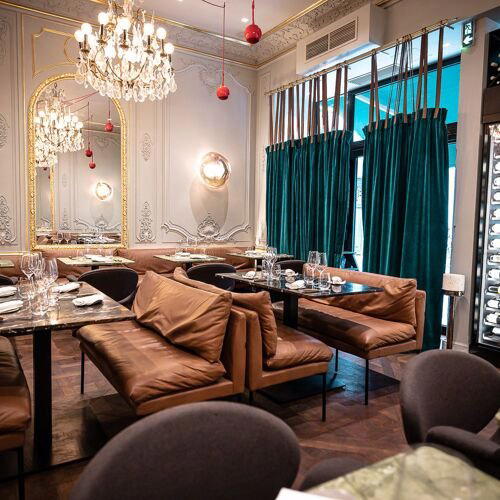
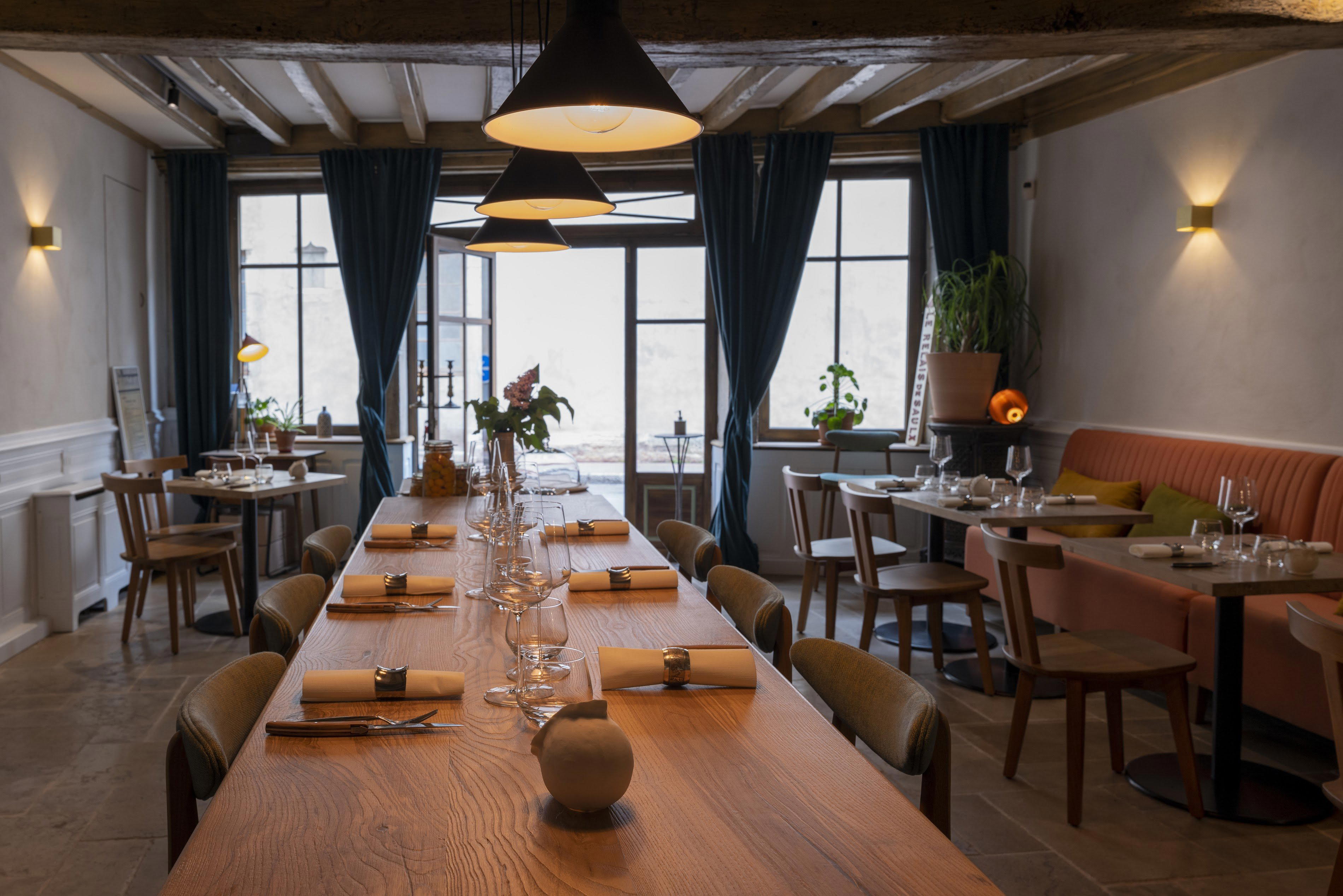
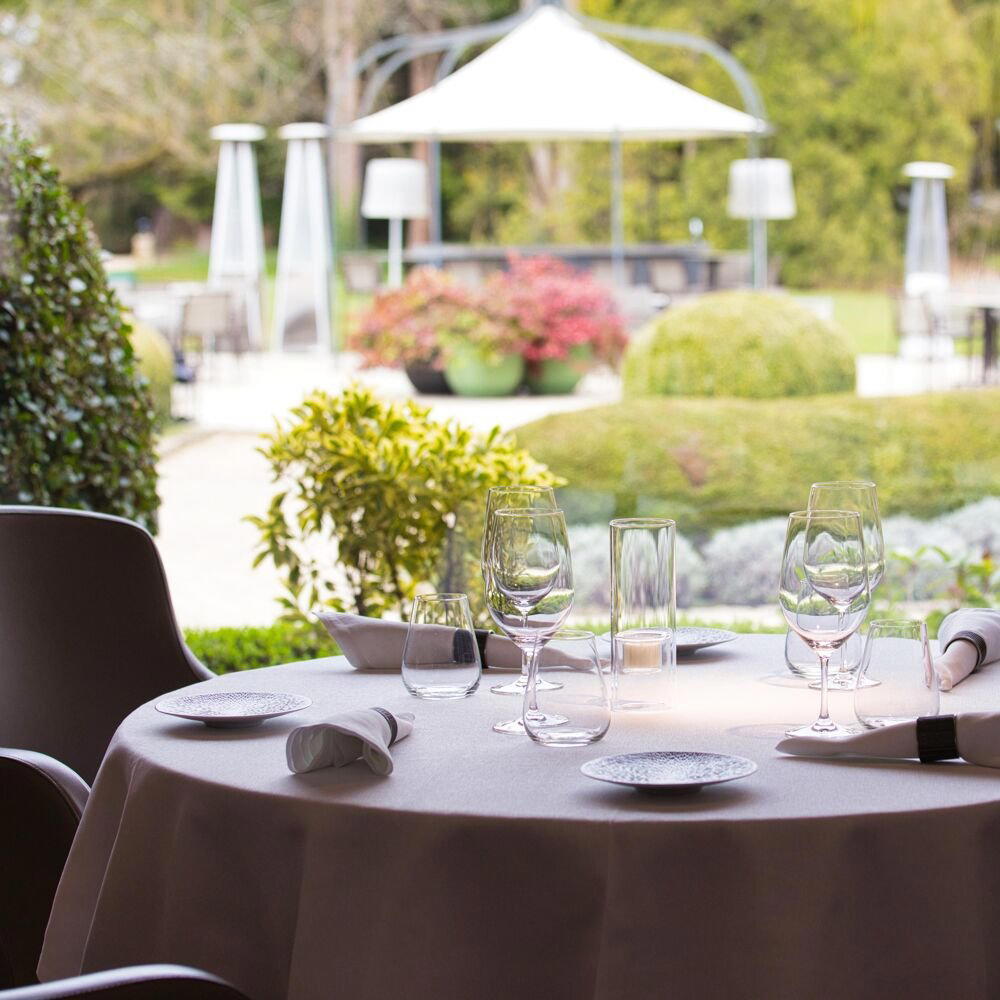
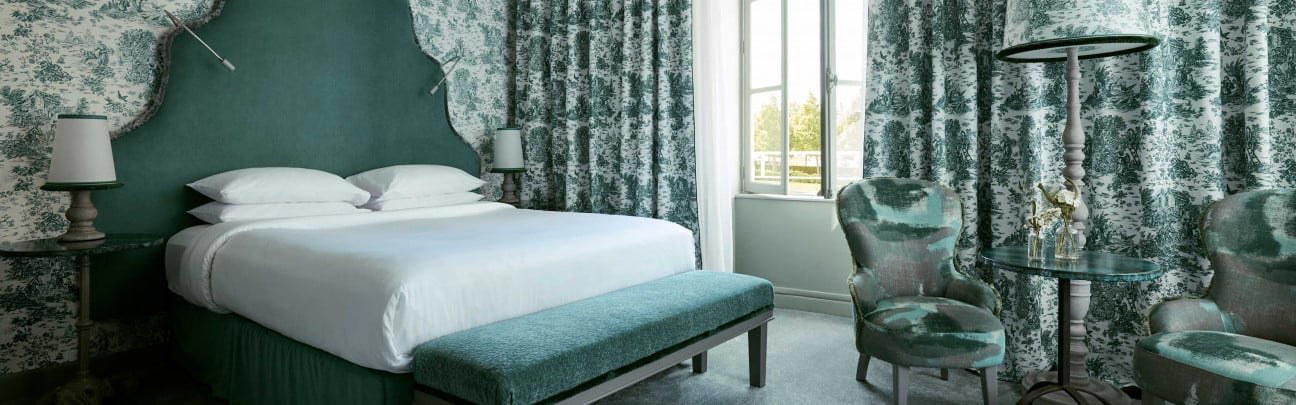
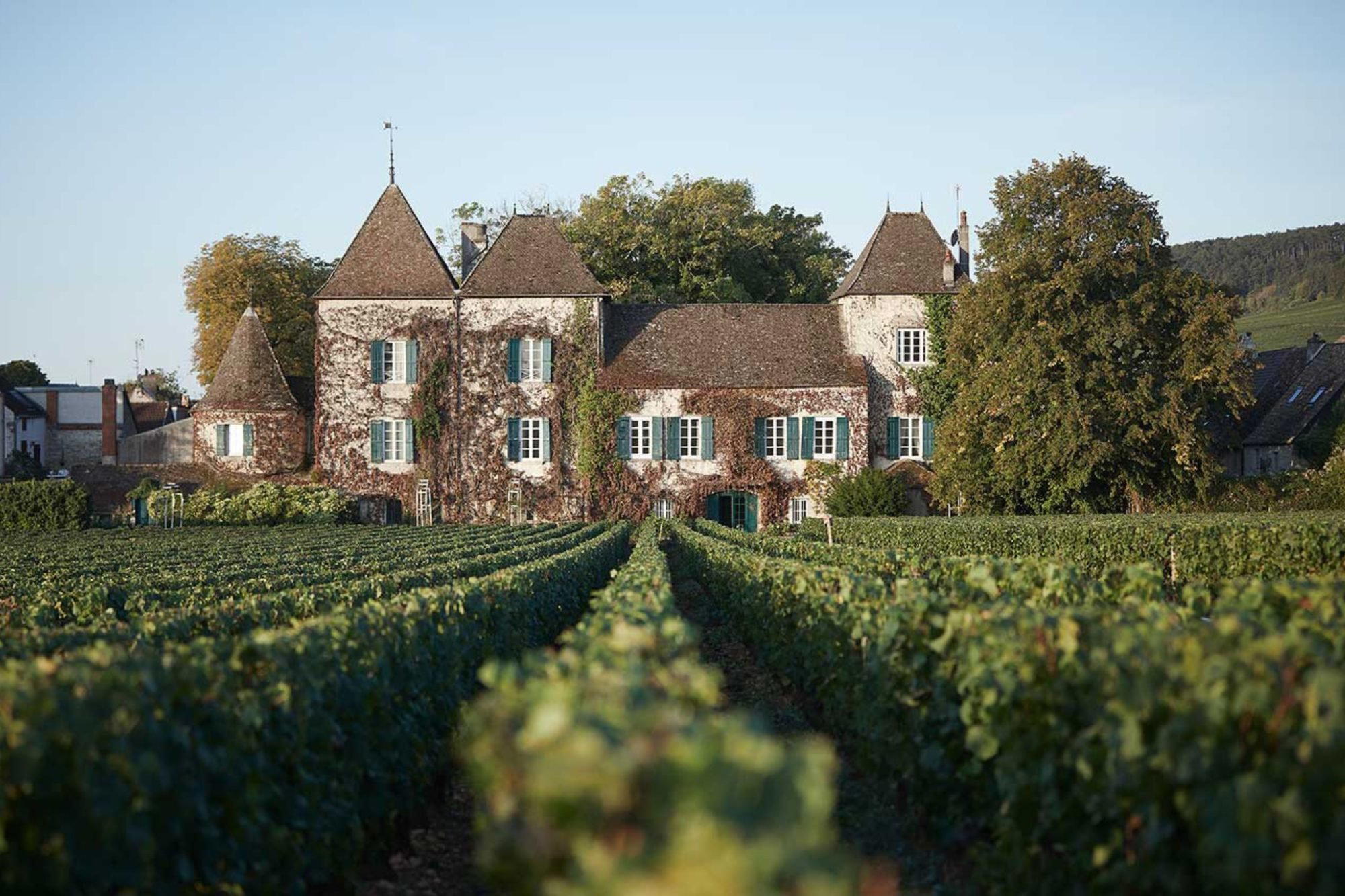
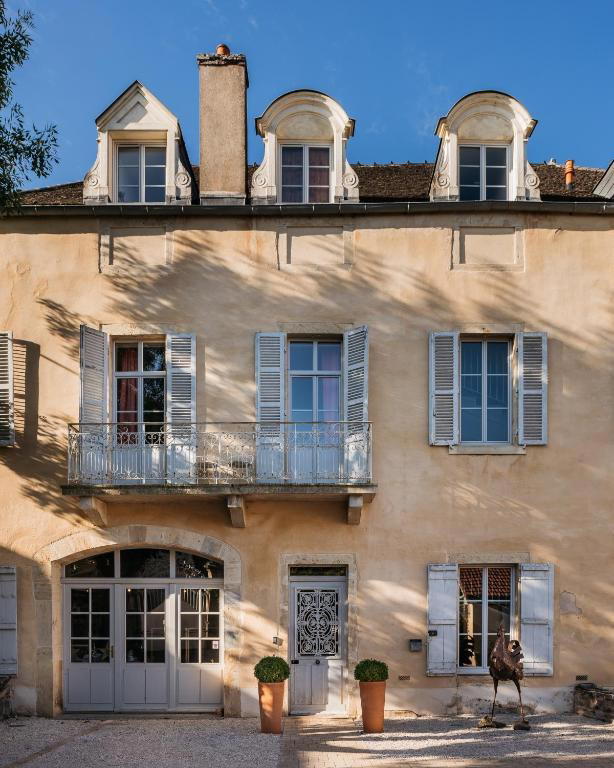
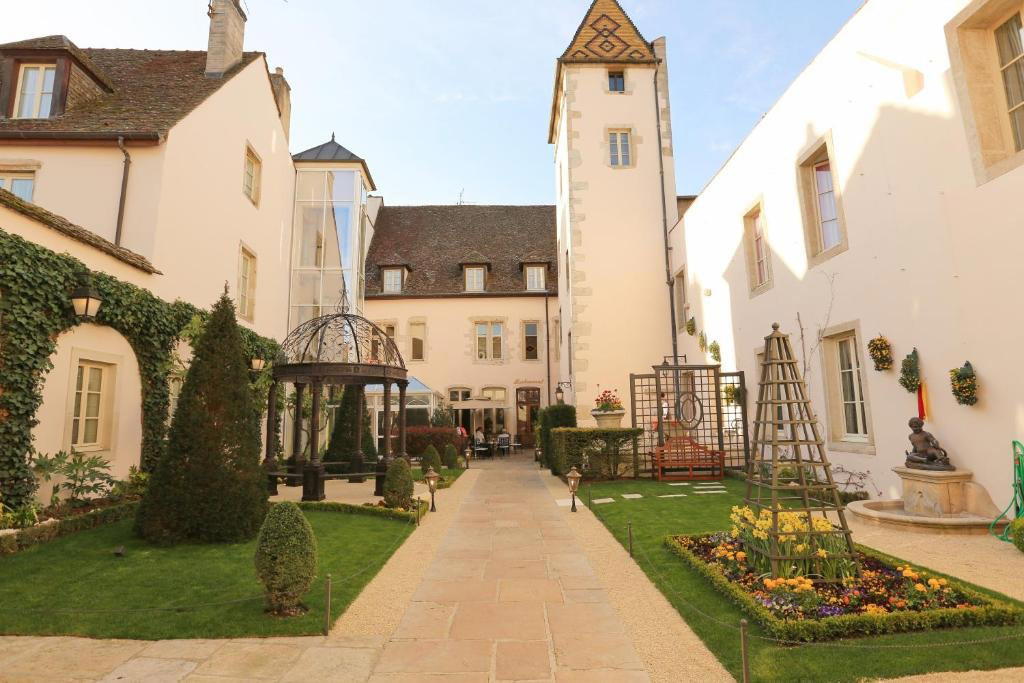
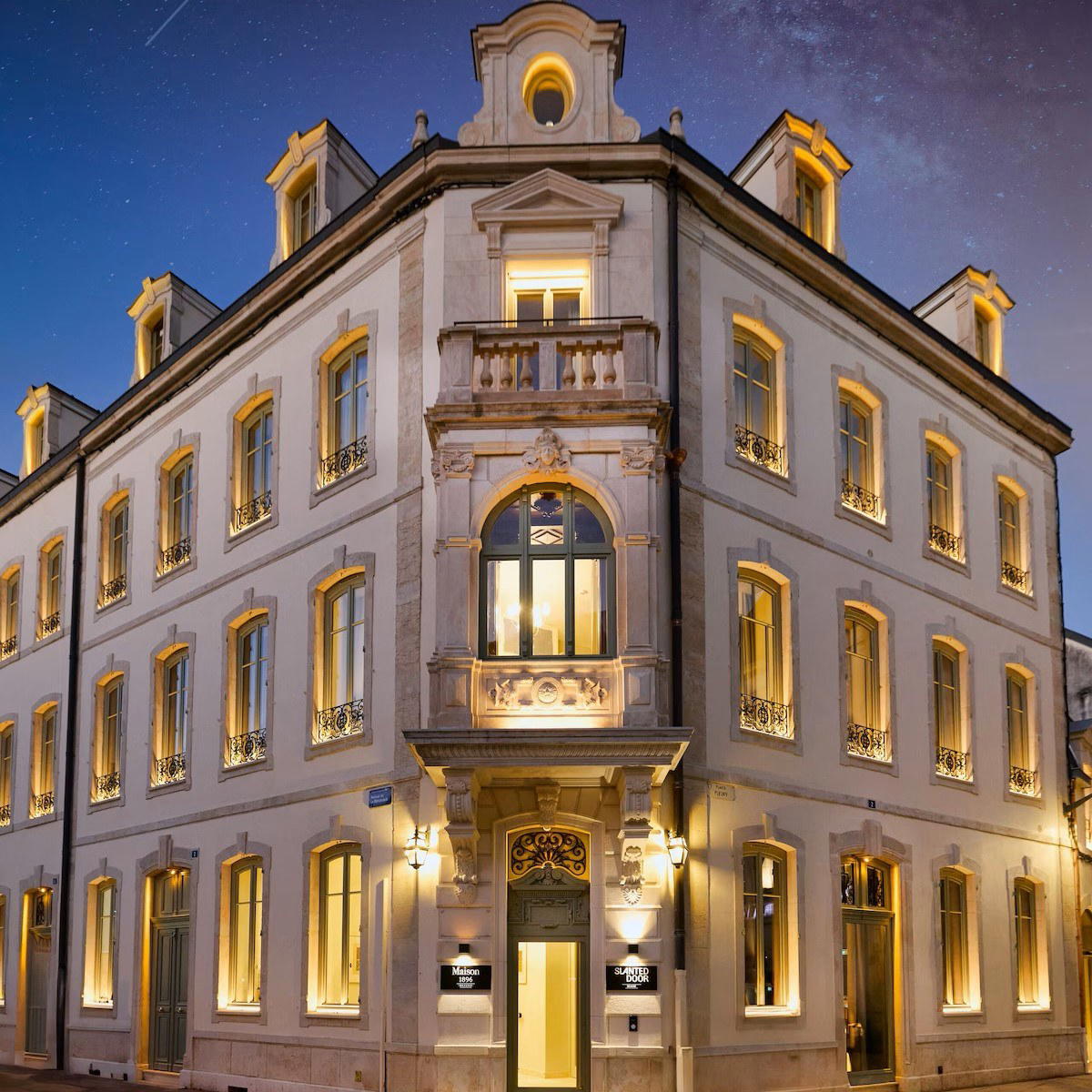
Elegant and refined atmosphere typical of a prestigious Burgundy winery.