Domaine François Carillon

Domaine François Carillon operates from the village of Puligny-Montrachet, producing white Burgundy from one of the Côte de Beaune's most closely watched appellations..
Pearl is the En Primeur Club membership app — saves, bookings, and concierge access live there. Same editors, same standards.
- Address
- 2 Place de l'Église, 21190 Puligny-Montrachet
- Phone
- +33 3 80 21 00 80
- Website
- francoiscarillon.com
- Directions
- Get directions
 Saves & bookings on Pearl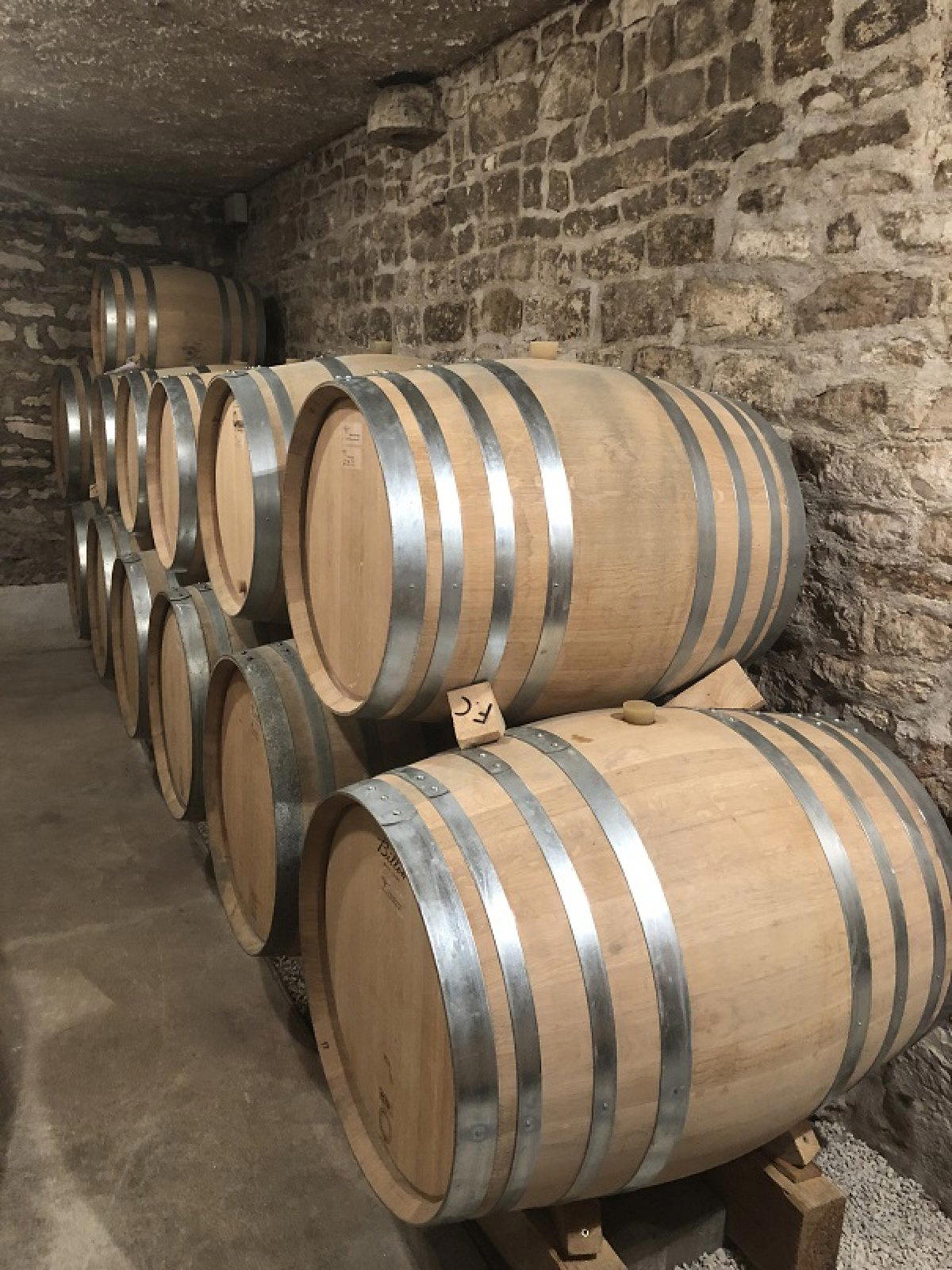
The Village Square in White Burgundy Country
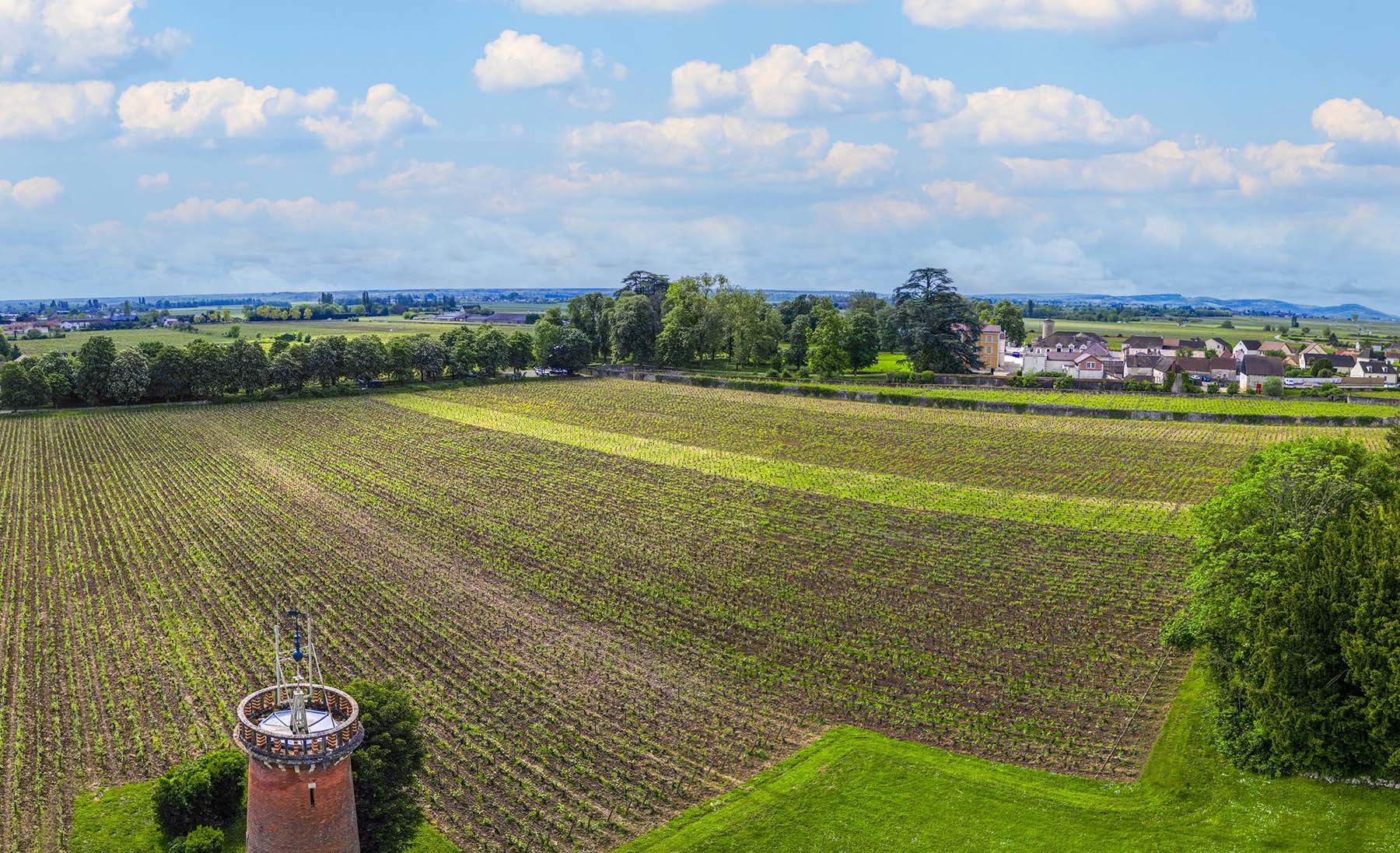
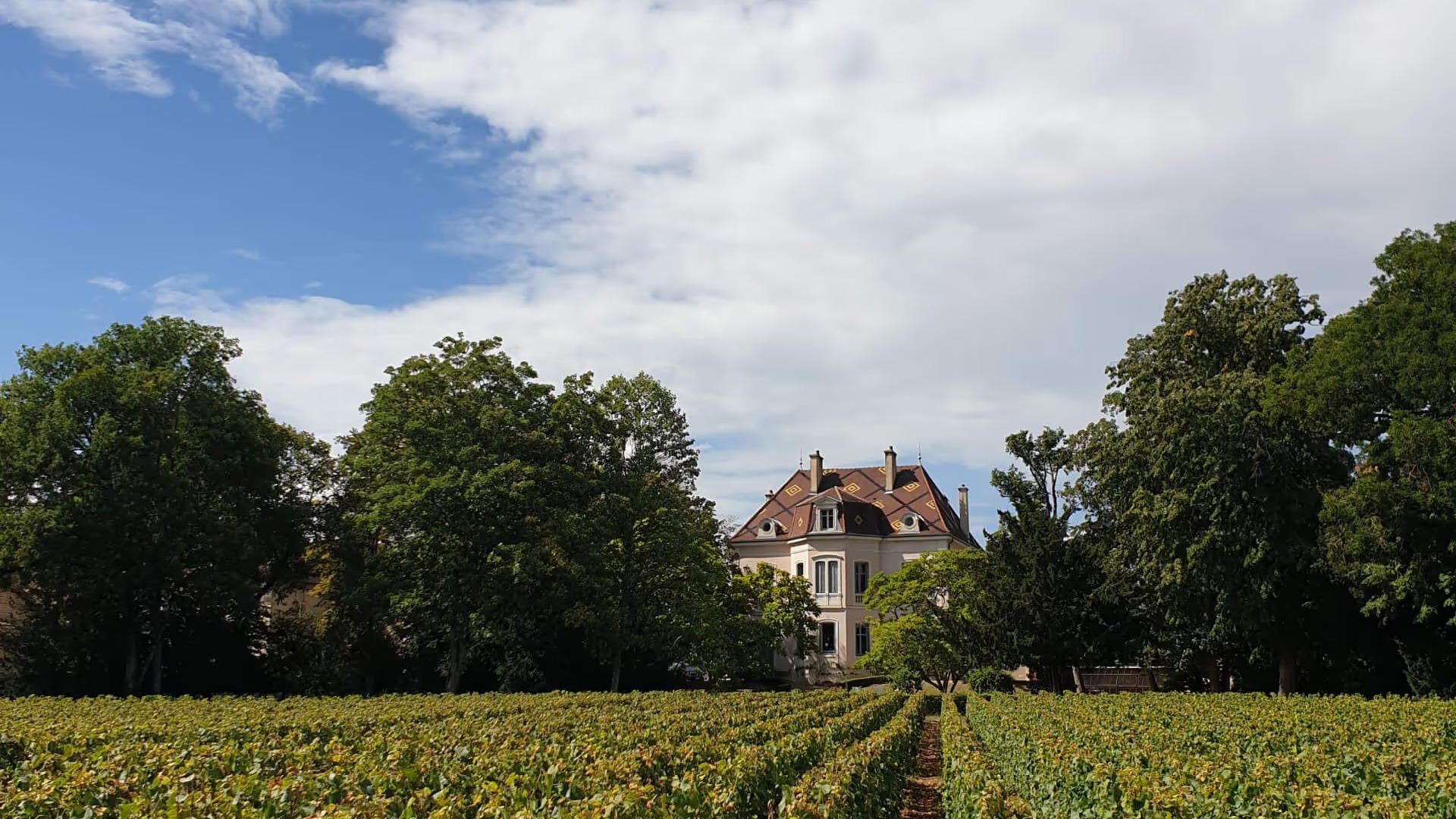
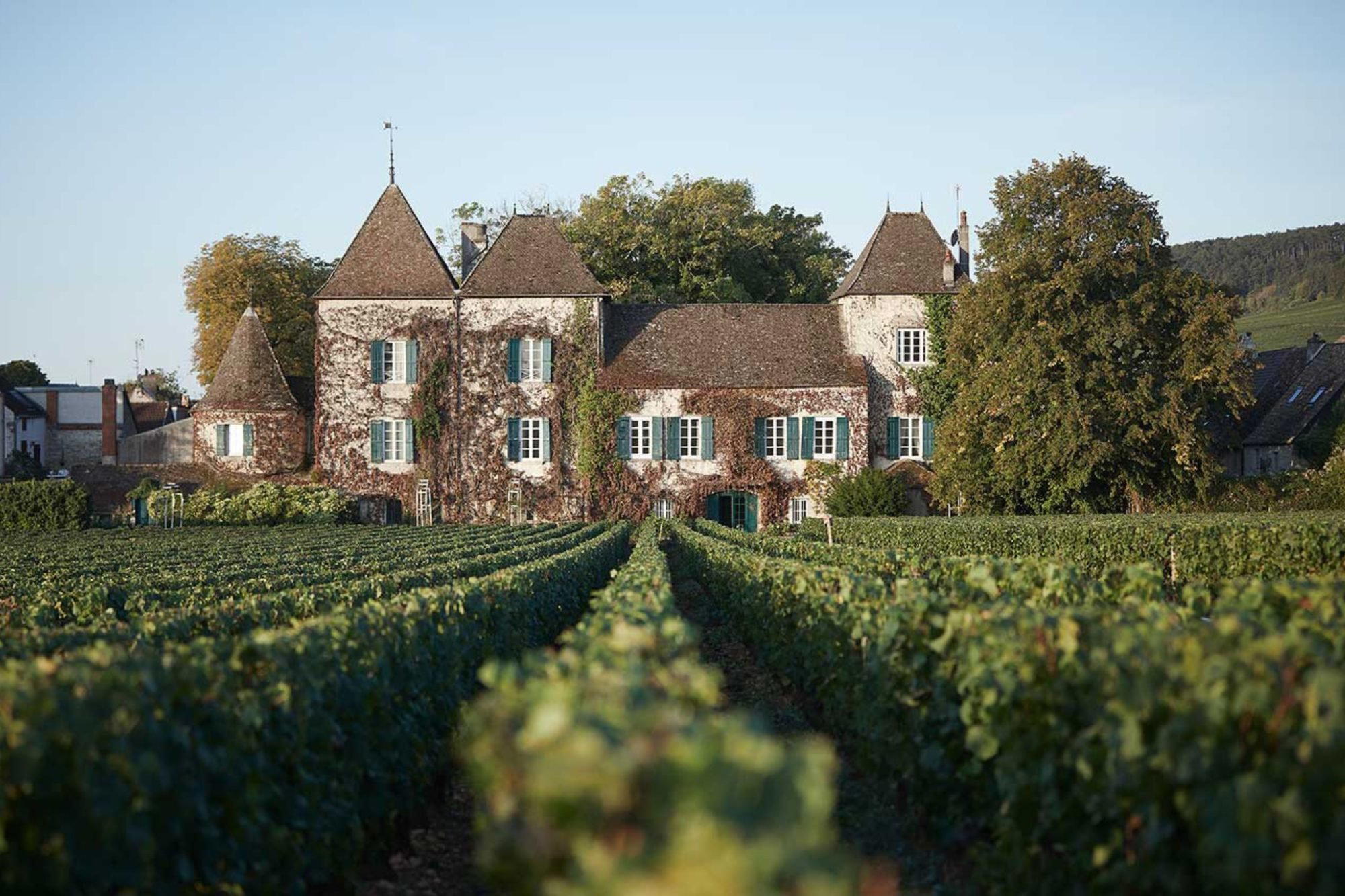
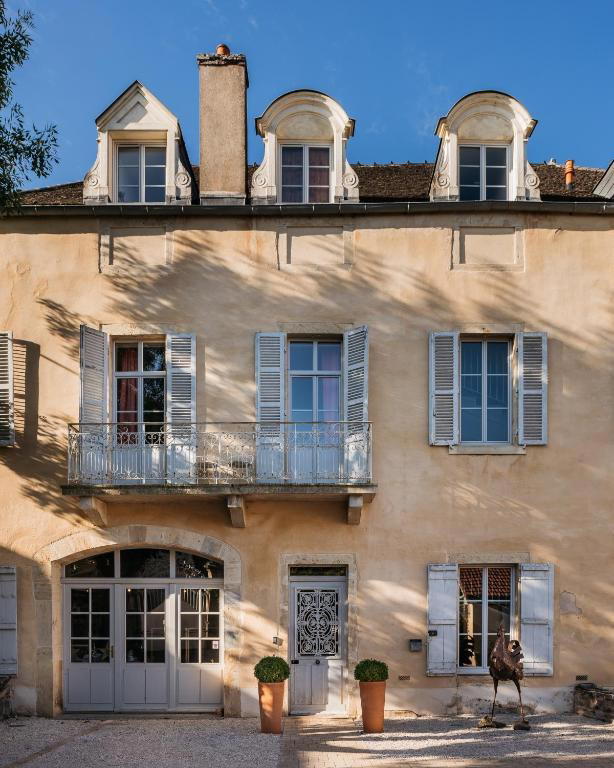
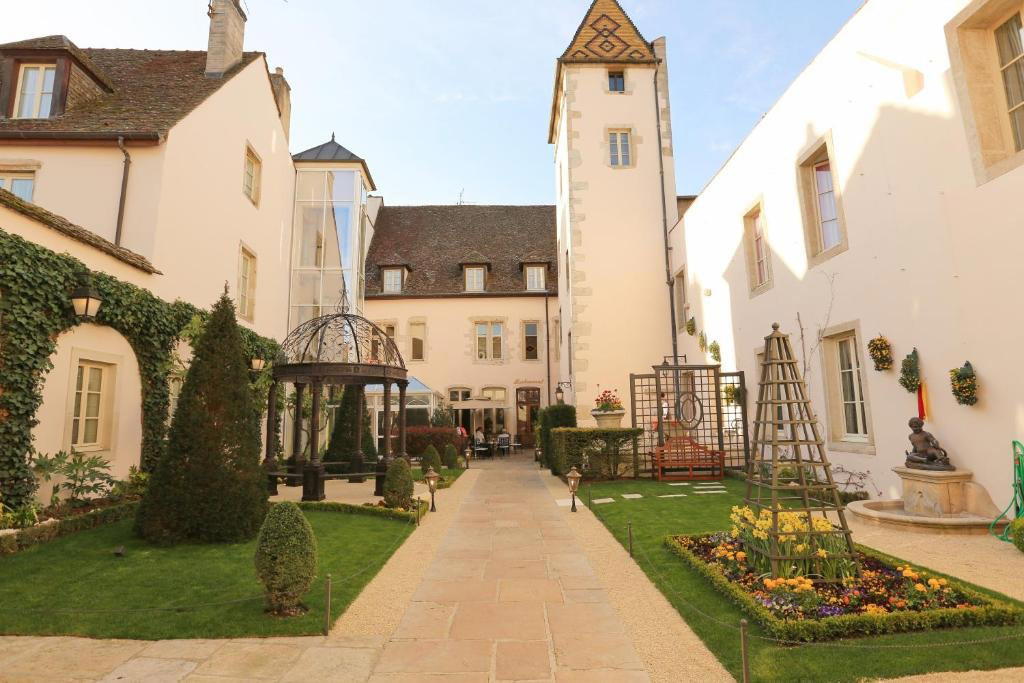
The Place de l'Église in Puligny-Montrachet is not a dramatic address. A stone church, a handful of estate gates, and the particular quiet of a village whose entire economy and identity orbits around Chardonnay. Arriving at Domaine François Carillon's address at number 2, you are already inside among the more concentrated zones of serious white wine production in the world: within walking distance sit the grand cru parcels of Montrachet, Chevalier-Montrachet, and Bâtard-Montrachet, alongside a run of premier crus that collectively define what Chardonnay can do at its most precise. The physical setting is unremarkable by design. In Puligny, the wine is the spectacle.
What separates the upper cohort from the broader field is sourcing depth, the specific premier cru and village-level parcels a domaine controls, and the discipline applied in the cellar, particularly around oak use and oxidative handling.
A Domaine in a Dense comparable set
To understand where Domaine François Carillon sits, it helps to place it among its village peers. Puligny-Montrachet is home to a concentrated cluster of family estates whose wines trade on appellation reputation above all else. Domaine Etienne Sauzet and Domaine Paul Pernot et ses Fils represent different approaches to the same terroir, the former with a more structured style that has driven significant secondary market interest, the latter with a slightly broader portfolio model. Domaine Jacques Carillon shares the family name and the village, offering a direct lineage comparison for those tracing how an estate divides and evolves across generations.
The Carillon name in Puligny has a longer history than many casual visitors realise. The domaine that now operates under François Carillon's name emerged from a split in the original family estate, a common pattern in Burgundy inheritance structures, where successive generations divide parcels and create new legal entities while drawing on shared knowledge. This generational subdivision is neither a weakness nor a selling point in isolation; it is simply the mechanism through which Burgundy regenerates and diversifies its producer base. Weigh it alongside its immediate peers on the basis of the parcels it controls and the consistency its wines have demonstrated.
What a Visit to the Tasting Room Involves
Tasting at a domaine of this type in Puligny differs structurally from visiting a larger négociant house or a Bordeaux château. There is no visitor centre or ticketed tour. The format is appointment-based, and the expectation on both sides is that the visitor arrives with some working knowledge of the appellation. The physical setting, the cellar, the barrel room, the modest tasting space, reflects a working agricultural operation rather than a hospitality product. That is not a criticism; it is the nature of domaine visits at this level across the Côte de Beaune.
What the visit delivers is access to wines poured from barrel or recently bottled, often in a sequence that moves from village-level Puligny through the premier cru hierarchy. The progression matters. A village Puligny-Montrachet from a competent producer is already a serious wine; the same estate's Champ Canet or Perrières shows how additional depth in soil and slope translates into the glass. That direct comparison, tasted in sequence in the cellar where the wine was made, is something a retail purchase does not replicate. For the serious Burgundy drinker, it is the primary reason to visit these estates in person rather than buying through a merchant.
Puligny-Montrachet sees steady wine tourism traffic, particularly in the harvest season and again in spring and early summer when domaines are often more willing to receive visitors. Booking an appointment well in advance is standard practice. Visiting during Hospices de Beaune weekend in November means the entire region is operating at close to capacity, which is useful for those who want to attend the auction context but less useful for those seeking unhurried domaine access. The village itself has limited accommodation; most visitors base themselves in Beaune, roughly a fifteen-minute drive north.
Puligny in the Broader Burgundy Register
Puligny-Montrachet as an appellation commands one of the steepest price premiums in white Burgundy, a position it shares with Chassagne-Montrachet and, at the leading, the grand cru strips shared between the two communes. That premium is built on a combination of geological specificity, the Kimmeridgian and Oxfordian limestone-clay soils of the Côte de Beaune, the aspect and altitude of the individual lieux-dits, and decades of market reinforcement by collectors, restaurants, and wine media. Domaines operating here do not need to build a brand from scratch; they are selling into a category with established global demand. What they compete on is allocation access, critic scores, and the kind of word-of-mouth that circulates within the small international community of serious Burgundy buyers.
For those building a broader understanding of French fine wine geography, the comparison points beyond Burgundy are instructive. Albert Boxler in Niedermorschwihr in Alsace represents a different French white wine tradition, grand cru-focused, Riesling-led, operating on a similarly small family scale with allocation pressure that mirrors the Burgundy model. The contrast illustrates how French fine wine regions have developed parallel systems of terroir-based prestige with different grape varieties and aging trajectories at their core.
For context across broader French and international fine wine categories, EP Club also profiles producers ranging from Château Bélair-Monange in Saint-Emilion and Château Batailley in Pauillac to Château Bastor-Lamontagne in Preignac and Château Branaire Ducru in St-Julien, estates that together map the range of French fine wine production across both classic and lesser-discussed appellations. Further afield, Accendo Cellars in St. Helena and Château Boyd-Cantenac in Cantenac offer contrasting models of how prestige is constructed in Napa and Margaux respectively. For reference outside the wine world entirely, Chartreuse in Voiron and Aberlour in Aberlour represent the French and Scottish spirits traditions, useful context for any collector interested in the full French artisan production spectrum.
Planning a Visit
Domaine François Carillon is located at 2 Place de l'Église, 21190 Puligny-Montrachet. Visiting without prior arrangement is not the norm at family domaines in this appellation. For a broader orientation to the village and its producers, the Puligny-Montrachet guide maps the wider producer landscape, restaurant options, and seasonal considerations for planning a Côte de Beaune itinerary.
Where It Fits
Comparable venues nearby, for context on price, style, and recognition.
| Venue | Cuisine | Price | Notes |
|---|---|---|---|
| Domaine François CarillonThis venue — the venue you are viewing | Chardonnay, Aligoté | $$$$ | Not listed |
| Domaine Etienne Sauzet | Chardonnay | $$$$ | Puligny-Montrachet |
| Domaine Paul Pernot et ses Fils | Chardonnay | $$$$ | Puligny-Montrachet |
| Chapelle de Blagny | Chardonnay, Pinot Noir | $$$$ | Hameau de Blagny |
| Domaine Jacques Carillon | Chardonnay | $$$ | Puligny-Montrachet |
| Domaine Jean-Noël Gagnard | Chardonnay, Pinot Noir | $$$$ | Chassagne-Montrachet |
Recognition history
Dated appearances from independent guides and award organizations, with the underlying list record or original source where available.
Falstaff Winery - Listed
Falstaff
Continue exploring
More in Puligny-Montrachet
Wineries in Puligny-Montrachet
Browse all →
Bars in Puligny-Montrachet
Browse all →
Restaurants in Puligny-Montrachet
Browse all →
At a Glance
- Elegant
- Classic
- Intimate
- Sophisticated
- Wine Education
- Special Occasion
- Solo Exploration
- Vineyard Tour
- Cave Tasting
- Sustainable
- Vineyard
- Puligny Montrachet AOC
- Chardonnay
- Aligoté
- Pinot Noir
- Still White
- Barrel Tasting
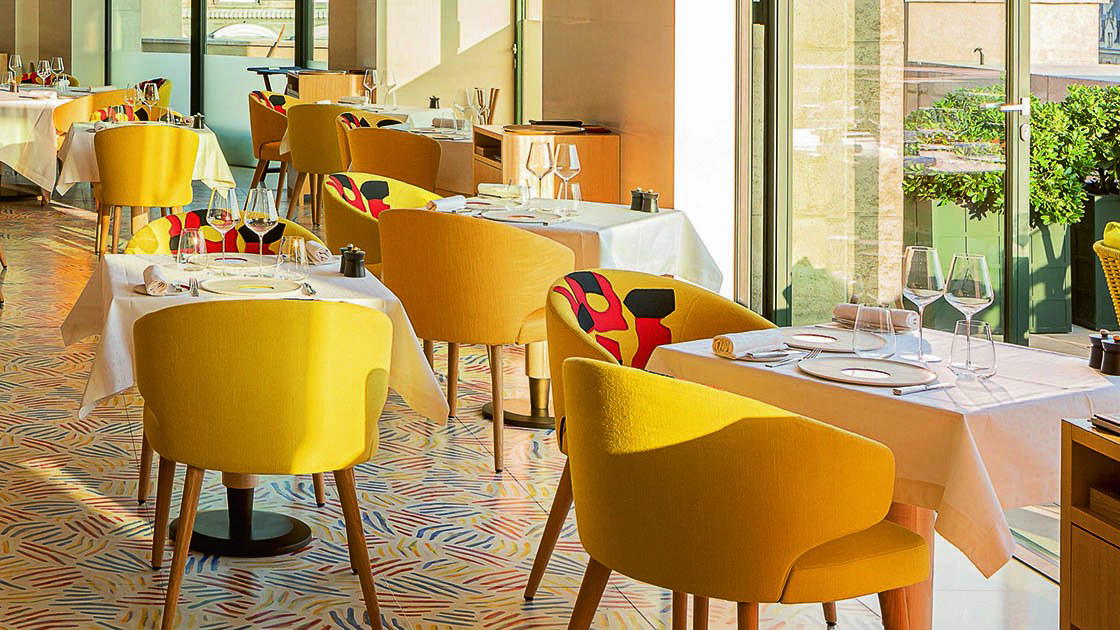
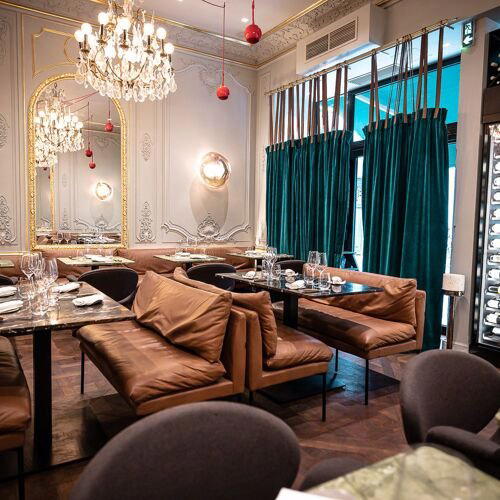
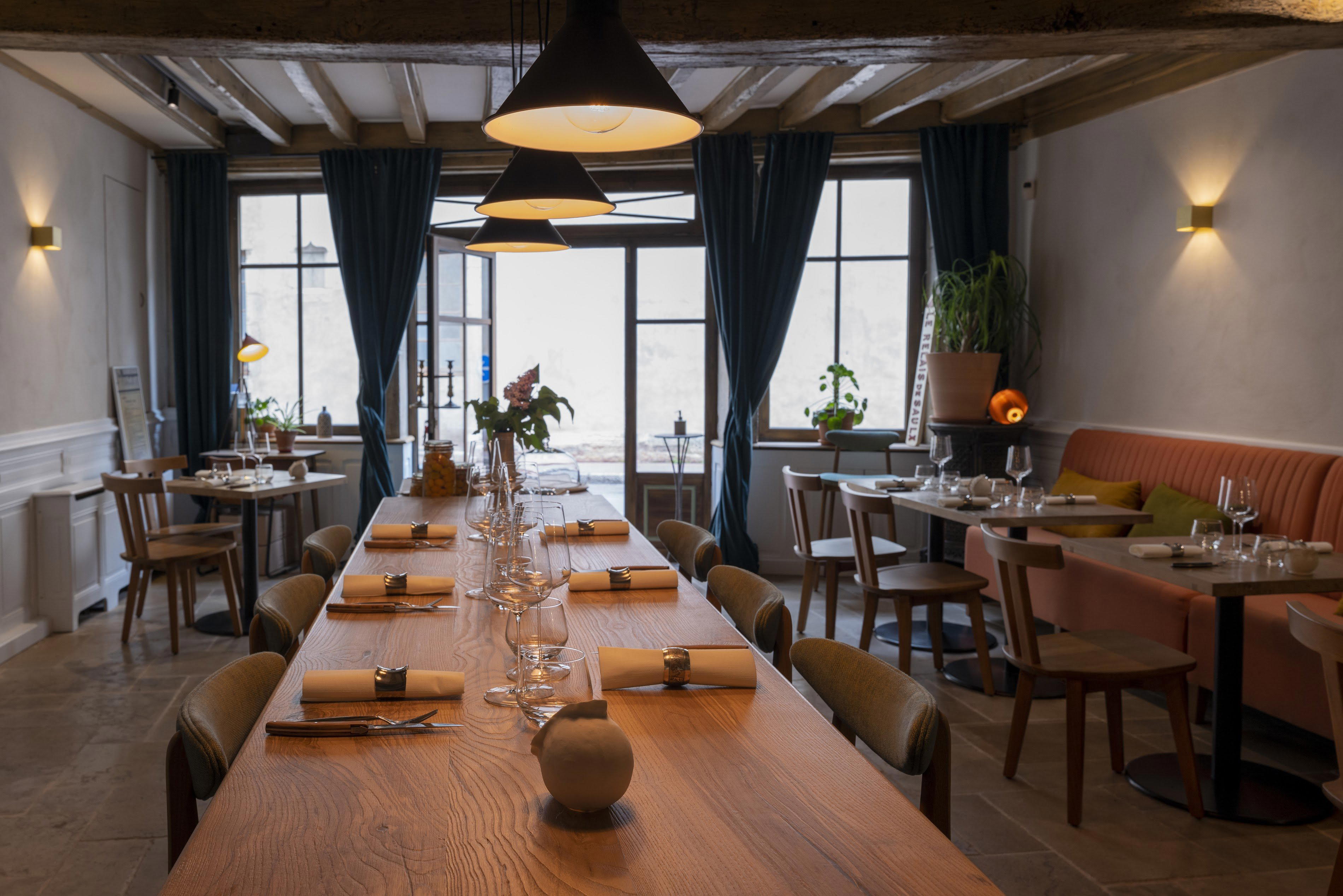
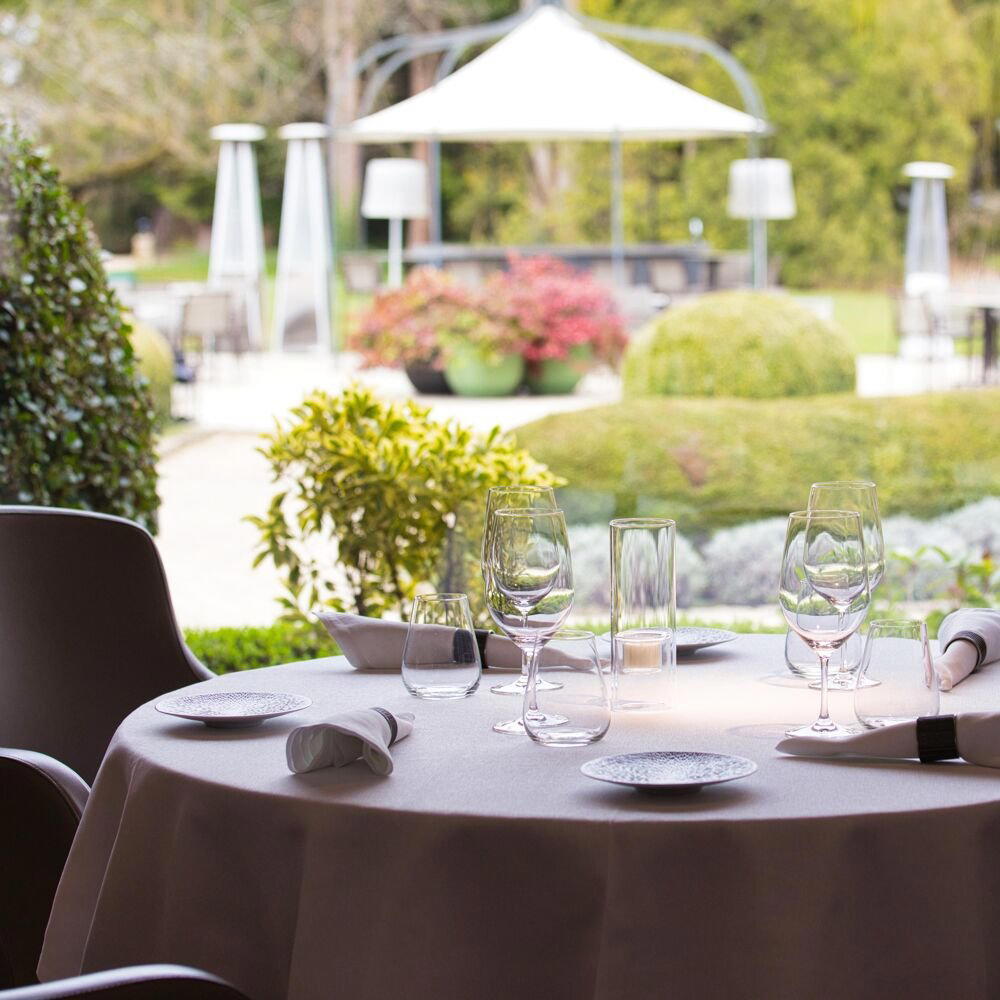
Refined and elegant atmosphere reflecting centuries-old winemaking heritage with focus on purity, precision, and terroir expression.