Chapelle de Blagny
Chapelle de Blagny occupies one of Burgundy's most geologically distinctive addresses, positioned on the limestone-rich ridge between Meursault and Puligny-Montrachet where the Blagny hamlet sits above the premier cru vine line. Recognised within the Pearl prestige tier for the La Paulée 2026 event series, the domaine represents the quieter, altitude-inflected register of Côte de Beaune white wine production, where cooler exposures produce a different tension than the valley-floor grands crus just below.

Pearl is the En Primeur Club membership app — saves, bookings, and concierge access live there. Same editors, same standards.
- Address
- 2, BIS Ham. de Blagny, 21190 Meursault, France
- Phone
- +33 9 72 53 28 00
- Website
- chapelledeblagny.vin
- Directions
- Get directions
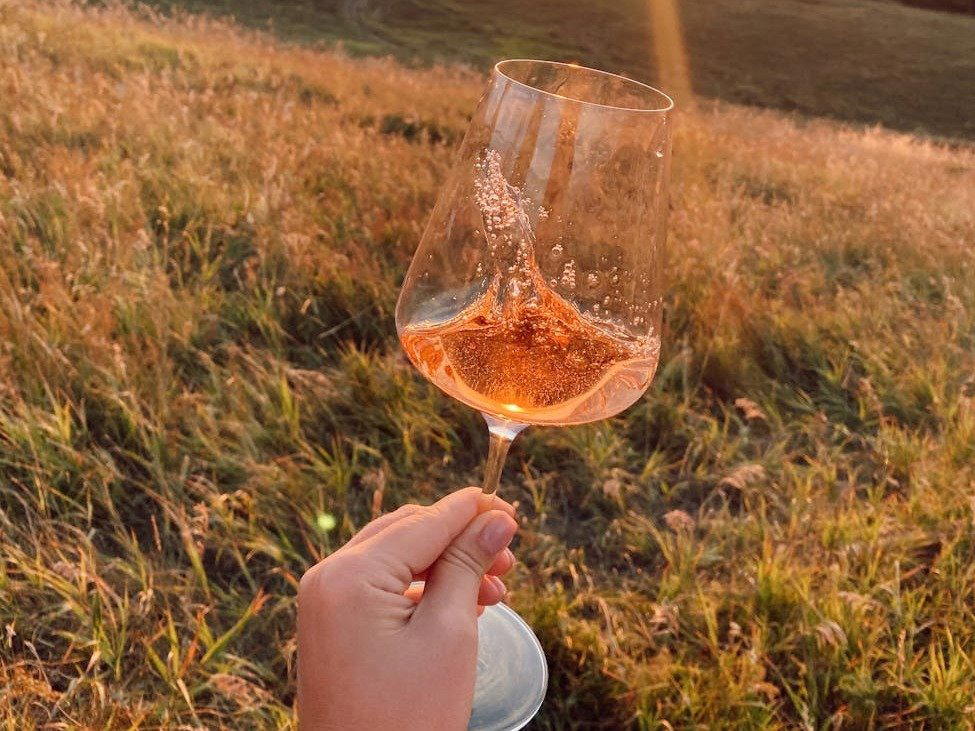
Above the Grand Cru Line: The Blagny Terroir
Most conversations about Côte de Beaune whites anchor to the valley floor — the grands crus of Puligny-Montrachet and Meursault's premiers crus running in a band of almost absurd density. Blagny sits above that band, on a limestone-heavy ridge at roughly 320 to 380 metres where the vine rows stop being about richness and start being about nerves. The hamlet straddles the communal boundary between Meursault and Puligny-Montrachet, which means wines produced here can travel under either appellation depending on exact plot location and colour. White wines produced at altitude from Blagny parcels carrying Puligny-Montrachet premier cru status often show a mineral austerity that contrasts with the more textured, butter-edged premiers crus lower on the slope. Chapelle de Blagny takes its name and its character directly from this geological address.
That address matters because it represents one of Burgundy's more instructive case studies in how altitude and exposure modify the same grape on the same hillside. The Chardonnay planted here does not behave like Chardonnay planted 100 metres lower in Les Pucelles or Les Folatières. The cooler nights extend the growing season slightly, the thinner soils limit vigour, and the limestone fraction in the subsoil pushes the wine toward a chalk-edged precision that takes time to resolve in bottle. Chapelle de Blagny, as a recognised La Paulée 2026 producer calibrated within the Pearl prestige tier, sits within a competitive set that understands this distinction rather than working against it.
Where Chapelle de Blagny Sits in the Puligny Producer Field
Puligny-Montrachet has a dense producer field even by Burgundian standards. Domaines like Domaine Etienne Sauzet, Domaine François Carillon, and Domaine Jacques Carillon anchor the village's international reputation, while estates such as Domaine Paul Pernot et ses Fils and Domaine Jean-Noël Gagnard occupy their own distinct tier across the broader Côte de Beaune. Within that field, Chapelle de Blagny operates from one of the appellation's less commercially trafficked sub-zones. The Blagny premier cru classification covers a modest surface area, and production volumes at this altitude are constrained both by site conditions and the relatively small number of producers working the hamlet's parcels. That combination keeps Chapelle de Blagny in a peer group defined less by price competition and more by appellation specificity.
The La Paulée de New York, which brings together some of Burgundy's most respected small-production estates for its annual celebration of Côte de Beaune wine, included Chapelle de Blagny within its 2026 producer list. Placement in the Pearl prestige tier within that context positions the domaine alongside producers whose wines are sought for their terroir legibility rather than their media profile. That is a meaningful distinction in a region where allocation pressure often runs ahead of critical attention.
Terroir Expression: What Blagny's Limestone and Altitude Deliver
Burgundy's grands crus dominate the global conversation, but the appellation's most instructive terroir contrasts often play out between premier cru sites on the same hill. The Blagny parcels that feed into Chapelle de Blagny's production occupy ground where Oxfordian limestone sits close to the surface. This geology, combined with the site's easterly to south-easterly exposure and elevation, produces a wine profile characterised by angular structure in youth, with the kind of reductive tension that typically requires three to five years of bottle time before the aromatic register opens fully. Chardonnay at this altitude in this soil type tends to prioritise grip over generosity, flint over cream — a profile that separates Blagny from the opulent weight of Meursault Charmes or the broad mid-palate of Puligny-Montrachet Les Combettes.
For a broader sense of how altitude and limestone reshape white wine character across French appellations, the comparison extends well beyond Burgundy. Producers like Albert Boxler in Niedermorschwihr in Alsace work similarly high, rocky terrain where the elevation dividend is precision rather than weight. The principle holds: when soils thin and nights cool, the wine's architecture shifts.
Planning a Visit to Blagny and the Surrounding Area
The hamlet of Blagny is physically closer to Meursault than to the village of Puligny-Montrachet, sitting above and between both on the ridge. The official postal address for the domaine, 2 bis Hameau de Blagny, 21190 Meursault, reflects this geographic ambiguity. Visitors interested in tasting or purchasing directly should plan through La Paulée's network contacts or through specialist Burgundy négociants, as walk-in access to domaines of this scale is rarely the operative model.
The practical logistics of visiting this part of the Côte de Beaune reward a slower approach. Meursault village, roughly two kilometres below, provides the most accessible base, with a concentration of tasting rooms, restaurateurs, and accommodation that connects well to both Puligny-Montrachet and the Blagny ridge. The D23 between Meursault and Saint-Aubin passes close enough to Blagny that the hamlet is reachable by car in under ten minutes from either village centre. For those building a wider Côte de Beaune itinerary, our full Puligny-Montrachet guide maps the key producer visits, dining options, and seasonal timing across the appellation.
La Paulée events, which represent the most structured access point for Chapelle de Blagny's wines in a comparative tasting context, typically take place in early spring in New York. The 2026 edition, for which Chapelle de Blagny holds a confirmed producer position, follows this calendar pattern. Allocation for producer tables at La Paulée tends to be managed several months in advance, and demand from Burgundy specialists consistently outpaces available places.
How It Stacks Up
Comparable venues nearby, for context on price, style, and recognition.
| Venue | Cuisine | Awards | Notes |
|---|---|---|---|
| Chapelle de BlagnyThis venue — the venue you are viewing | Chardonnay, Pinot Noir | Not listed | Not listed |
| Domaine Jean-Noël Gagnard | Chardonnay, Pinot Noir | Falstaff Winery - Listed | Chassagne-Montrachet |
| Domaine François Carillon | Chardonnay, Aligoté | Falstaff Winery - Listed | Puligny-Montrachet |
| Domaine Paul Pernot et ses Fils | Chardonnay | Not listed | Puligny-Montrachet |
| Domaine Etienne Sauzet | Chardonnay | Michelin 2 Grapes · Falstaff Winery - Listed | Puligny-Montrachet |
| Domaine Jacques Carillon | Chardonnay | Michelin Main Selection | Puligny-Montrachet |
Continue exploring
More in Puligny-Montrachet
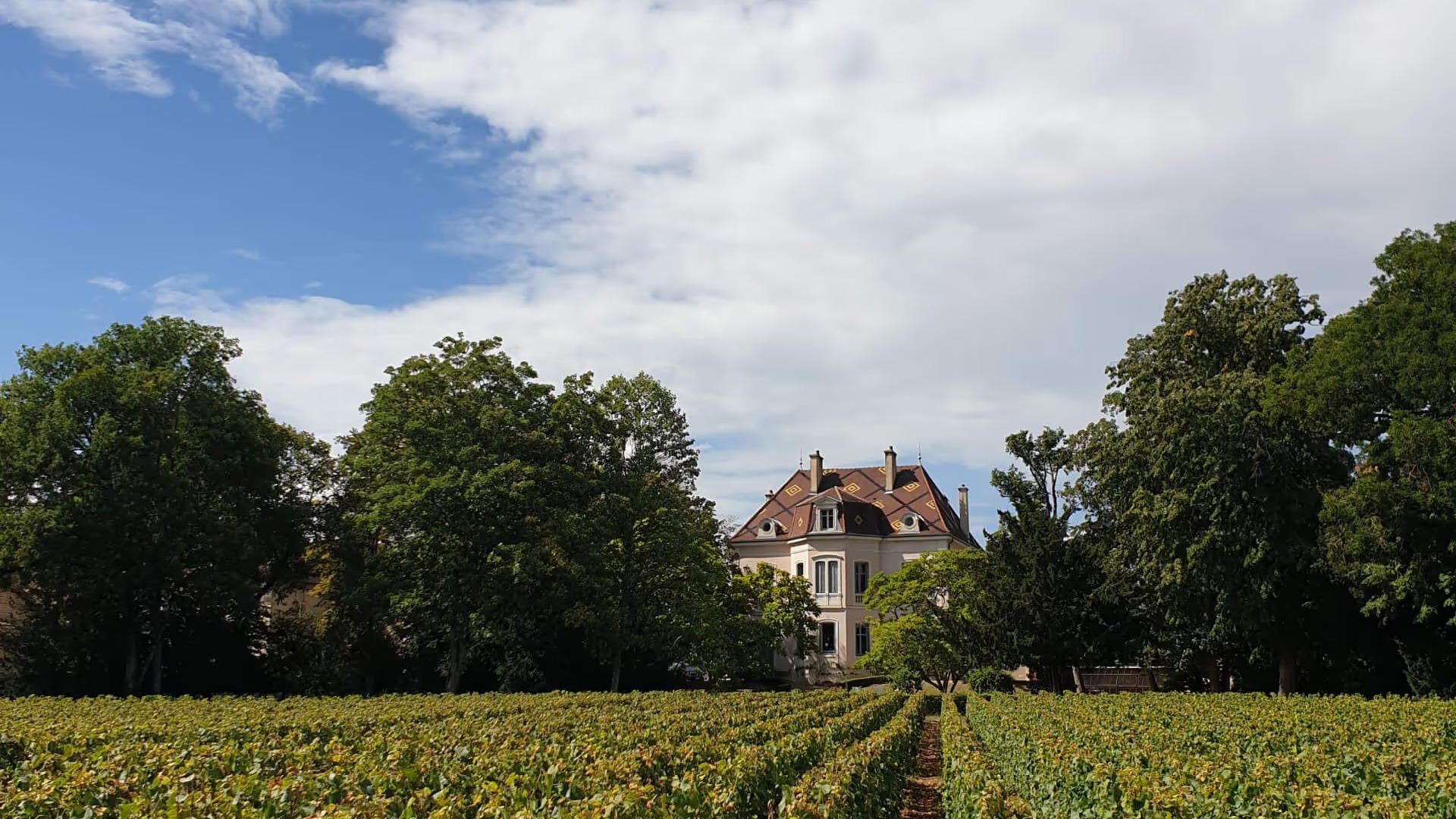
Wineries in Puligny-Montrachet
Browse all →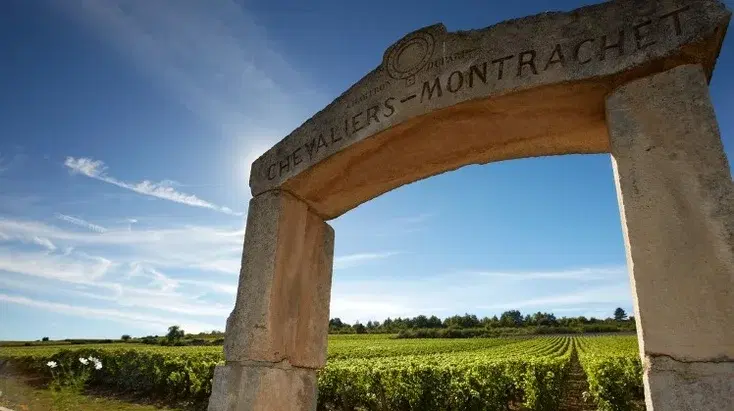
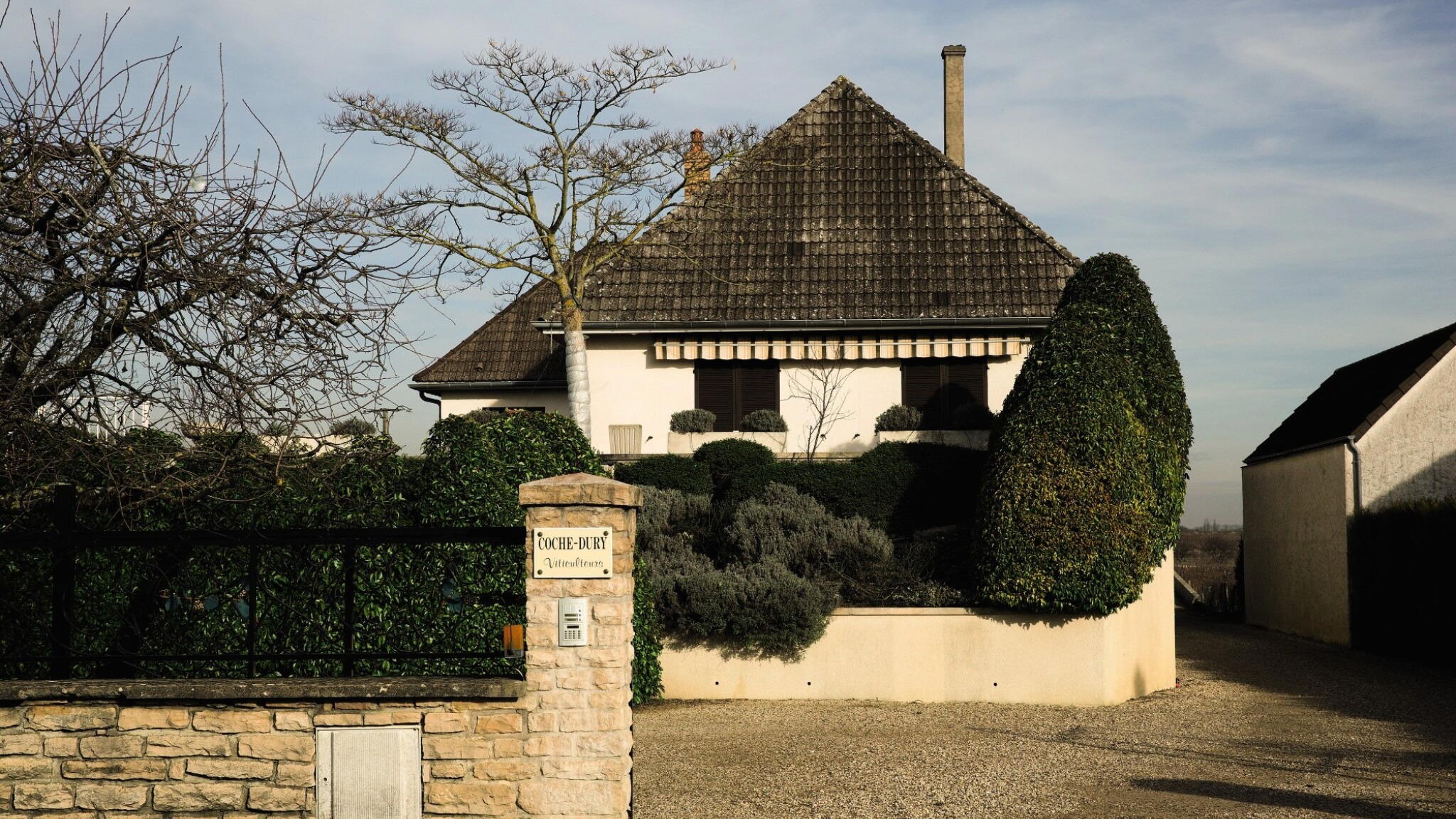
Bars in Puligny-Montrachet
Browse all →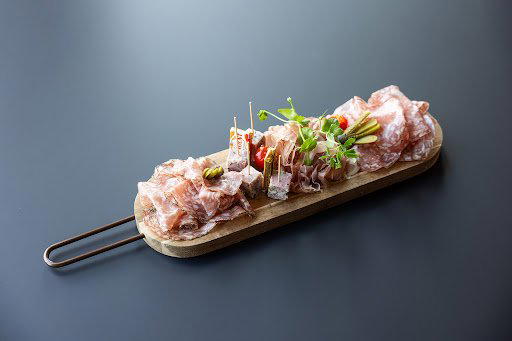
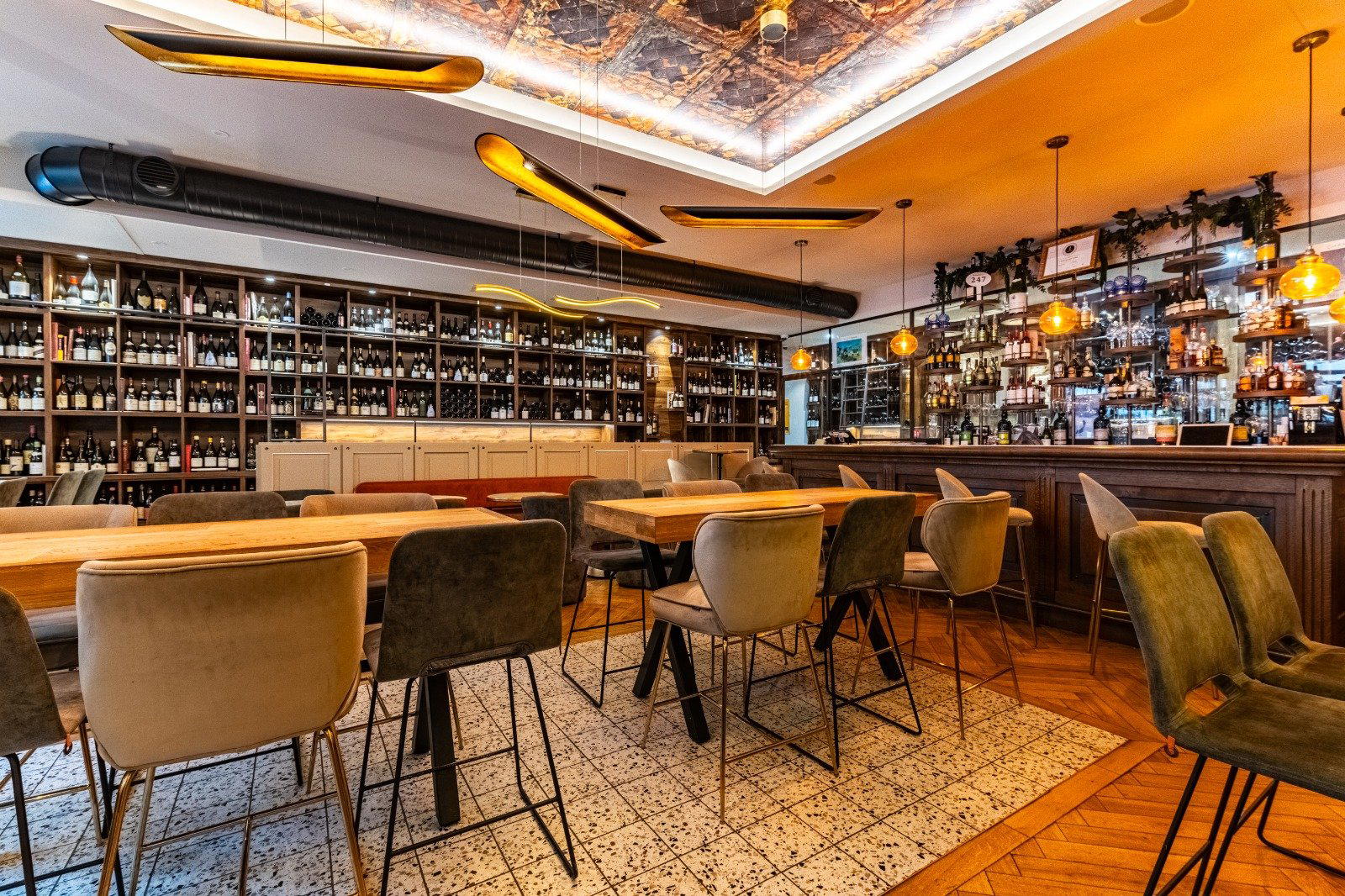
Restaurants in Puligny-Montrachet
Browse all →
Details
- Historic
- Scenic
- Elegant
- Rustic
- Intimate
- Wine Education
- Special Occasion
- Solo Exploration
- Vineyard Tour
- Historic Building
- Panoramic View
- Organic
- Sustainable
- Vineyard
- Chardonnay
- Pinot Noir
- Still White
- Cave Tasting
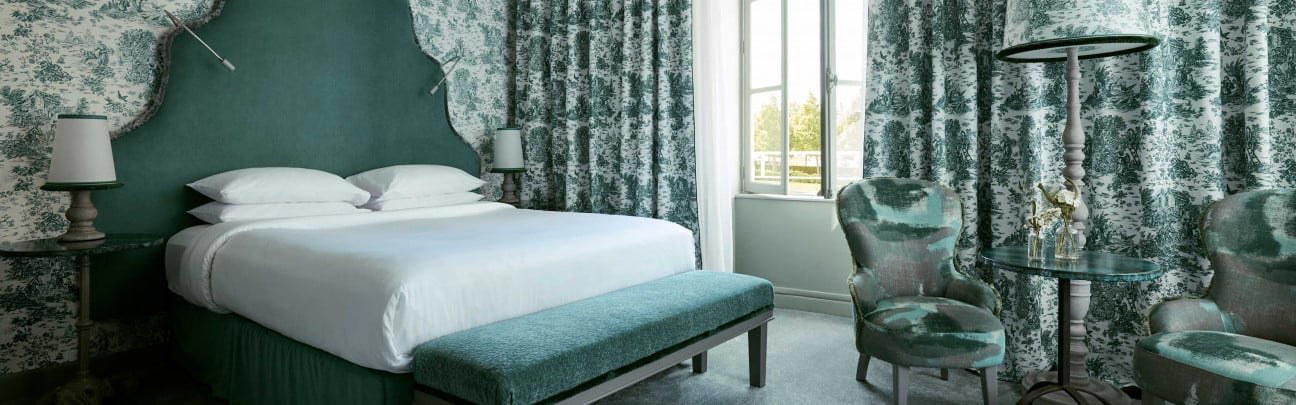
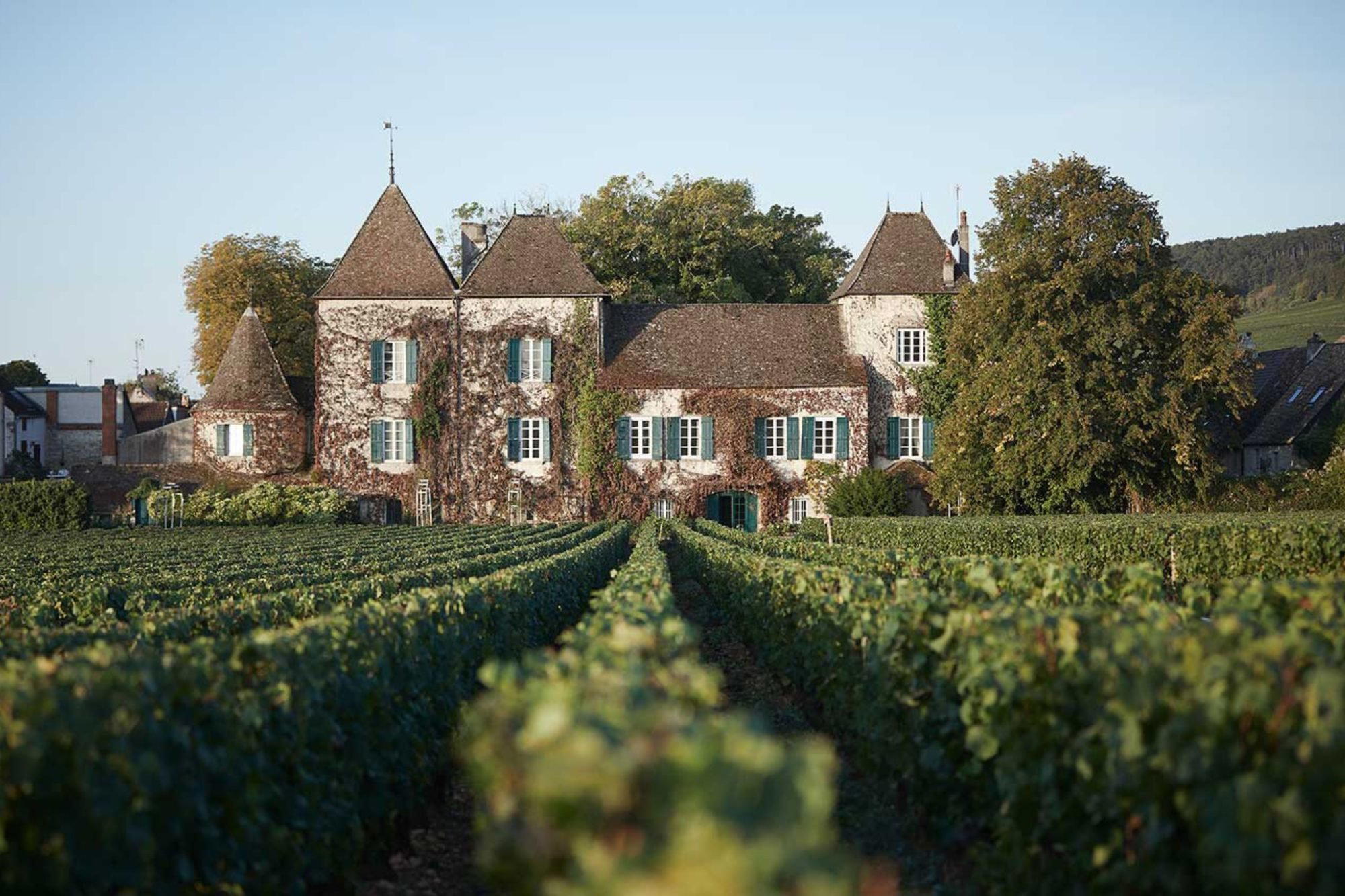
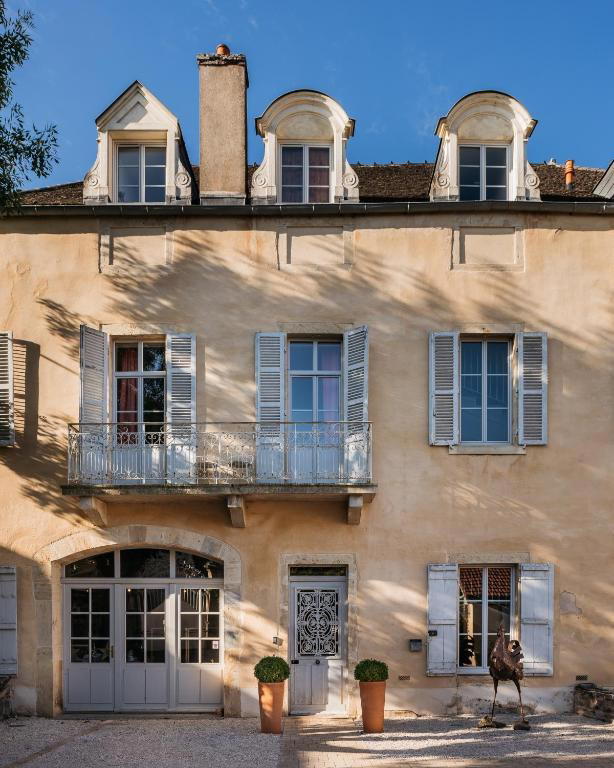
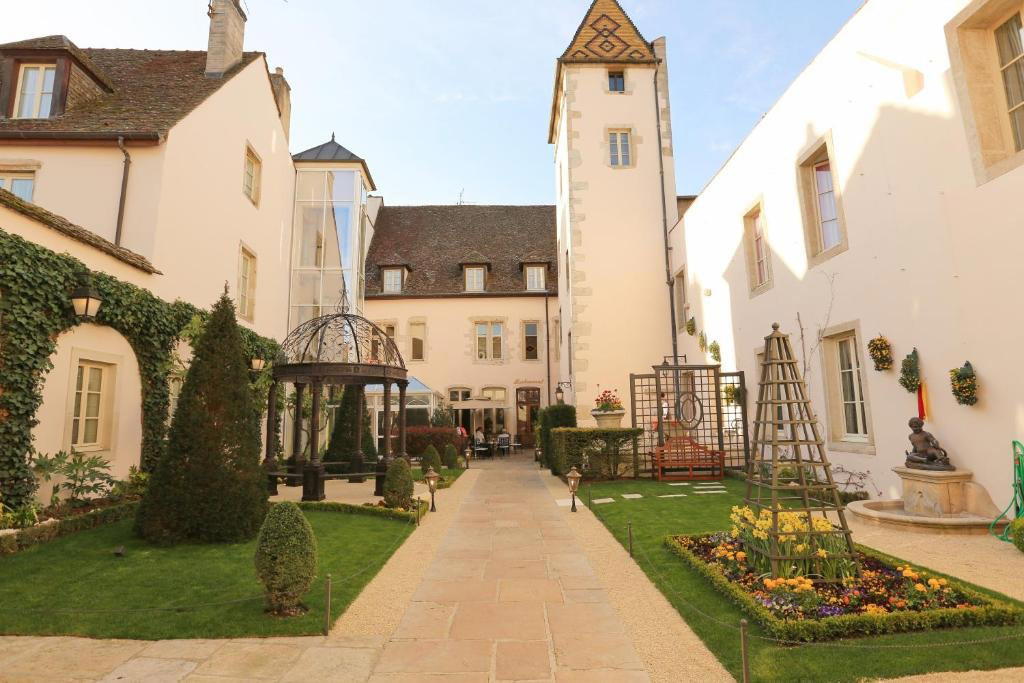
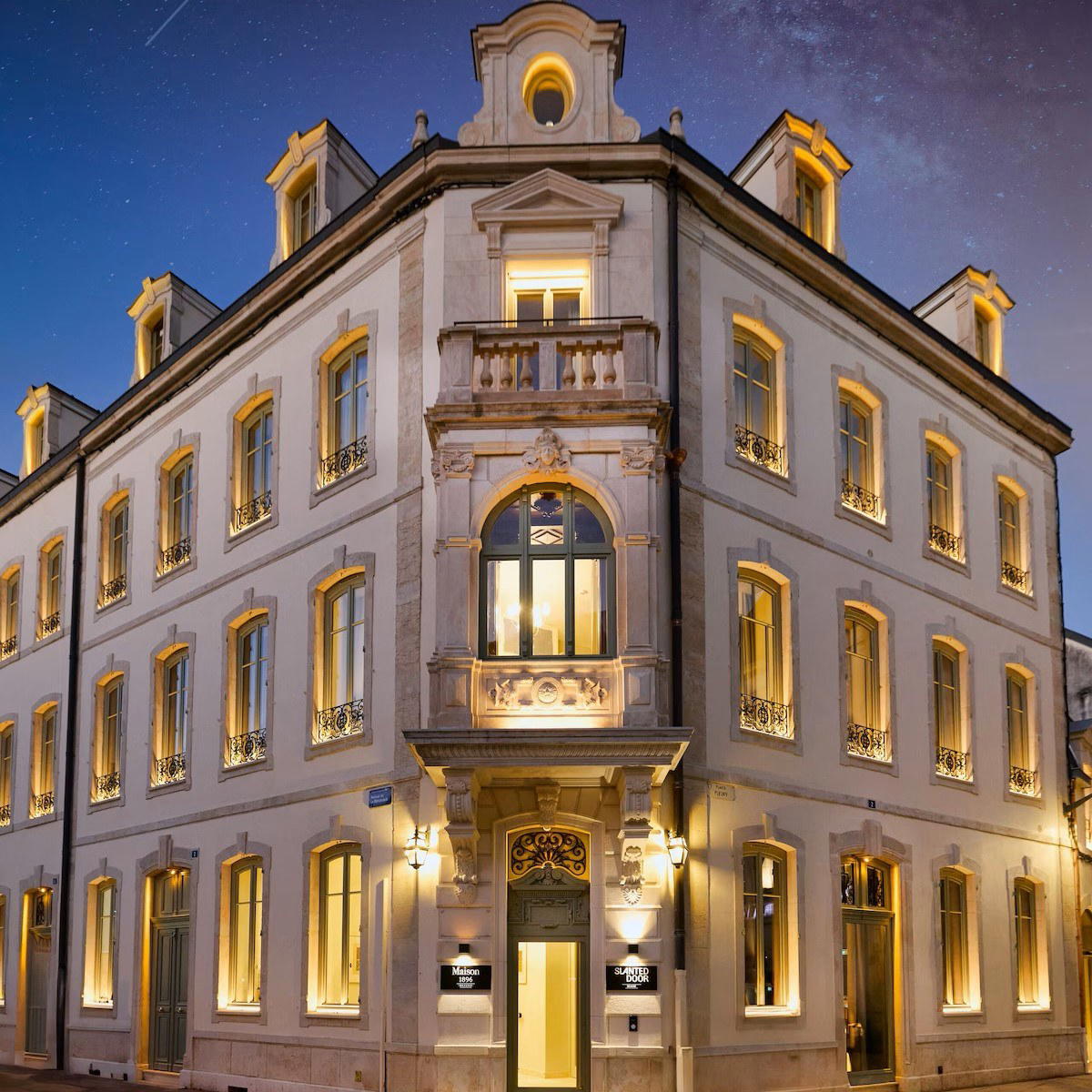
Elegant and serene historic setting with profound heritage, evoking timeless Burgundian sophistication amid cool, mineral-rich slopes.