Domaine Jean-Noël Gagnard
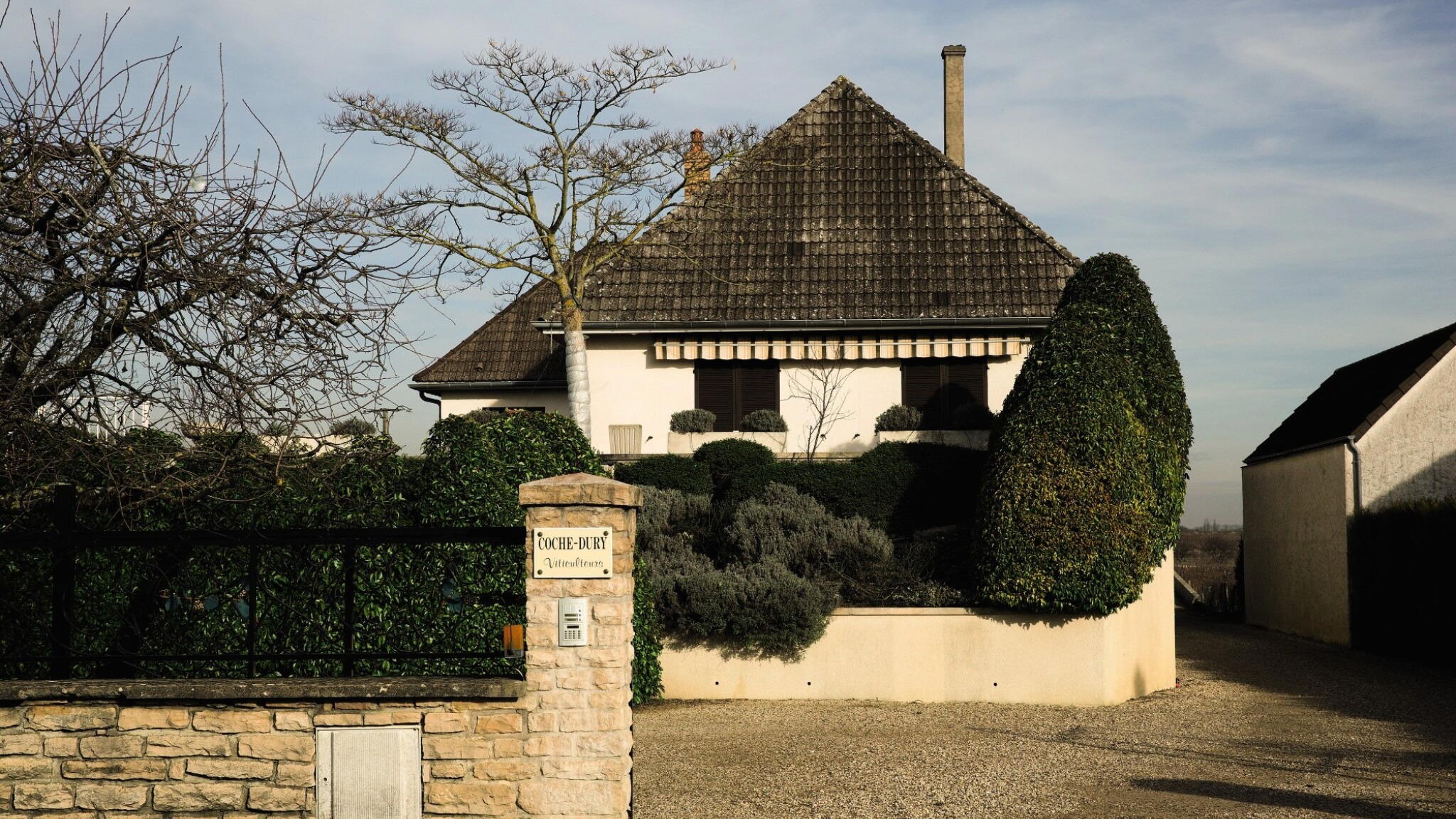
Domaine Jean-Noël Gagnard has been producing Chassagne-Montrachet from its Place des Noyers address since its first vintage in 1959.
Pearl is the En Primeur Club membership app — saves, bookings, and concierge access live there. Same editors, same standards.
- Address
- 9 Pl. des Noyers, 21190 Chassagne-Montrachet
- Phone
- +33 3 80 21 31 68
- Website
- domaine-gagnard.com
- Directions
- Get directions
 Saves & bookings on Pearl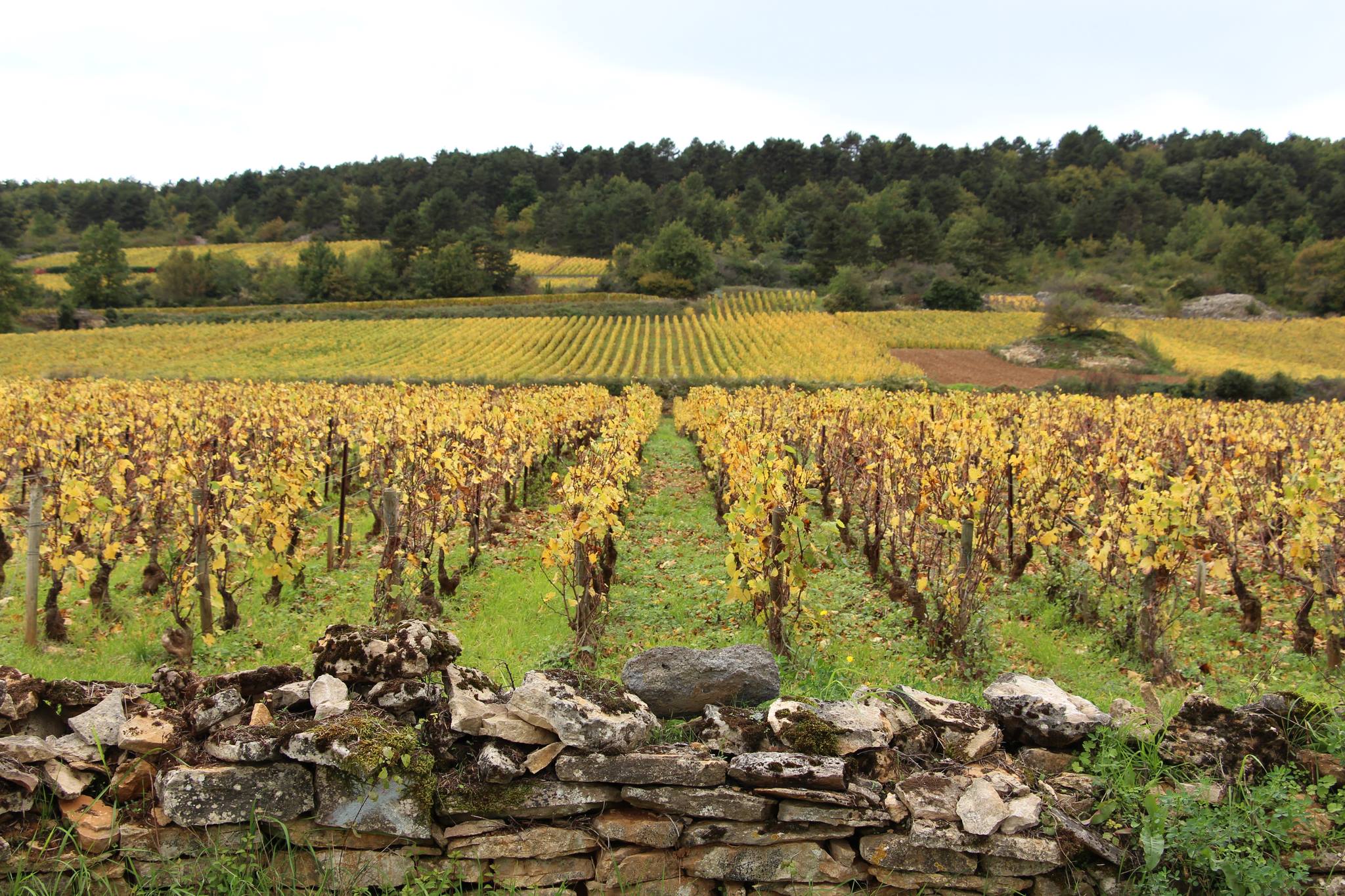
A Village Address, Six Decades of Whites
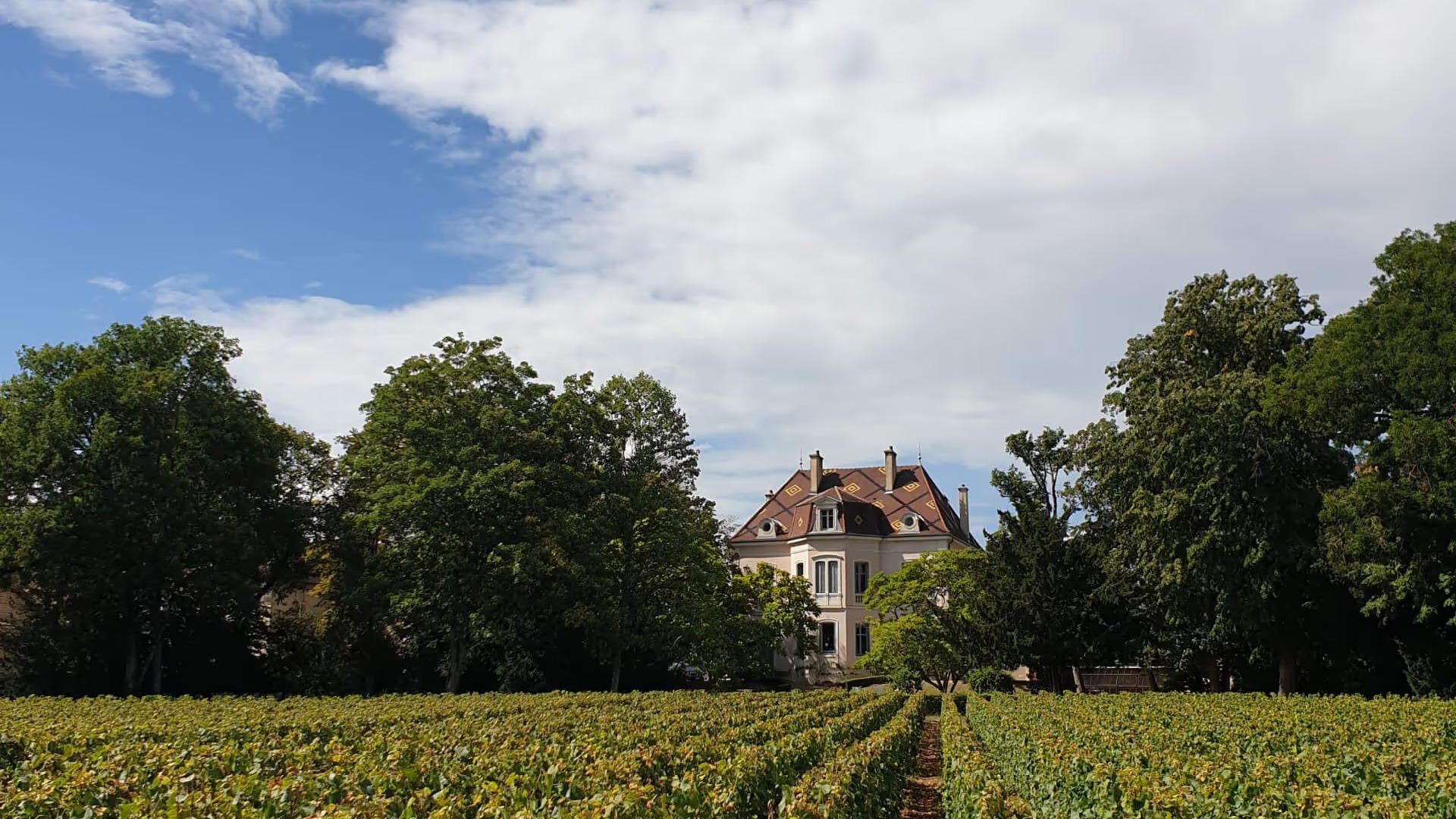
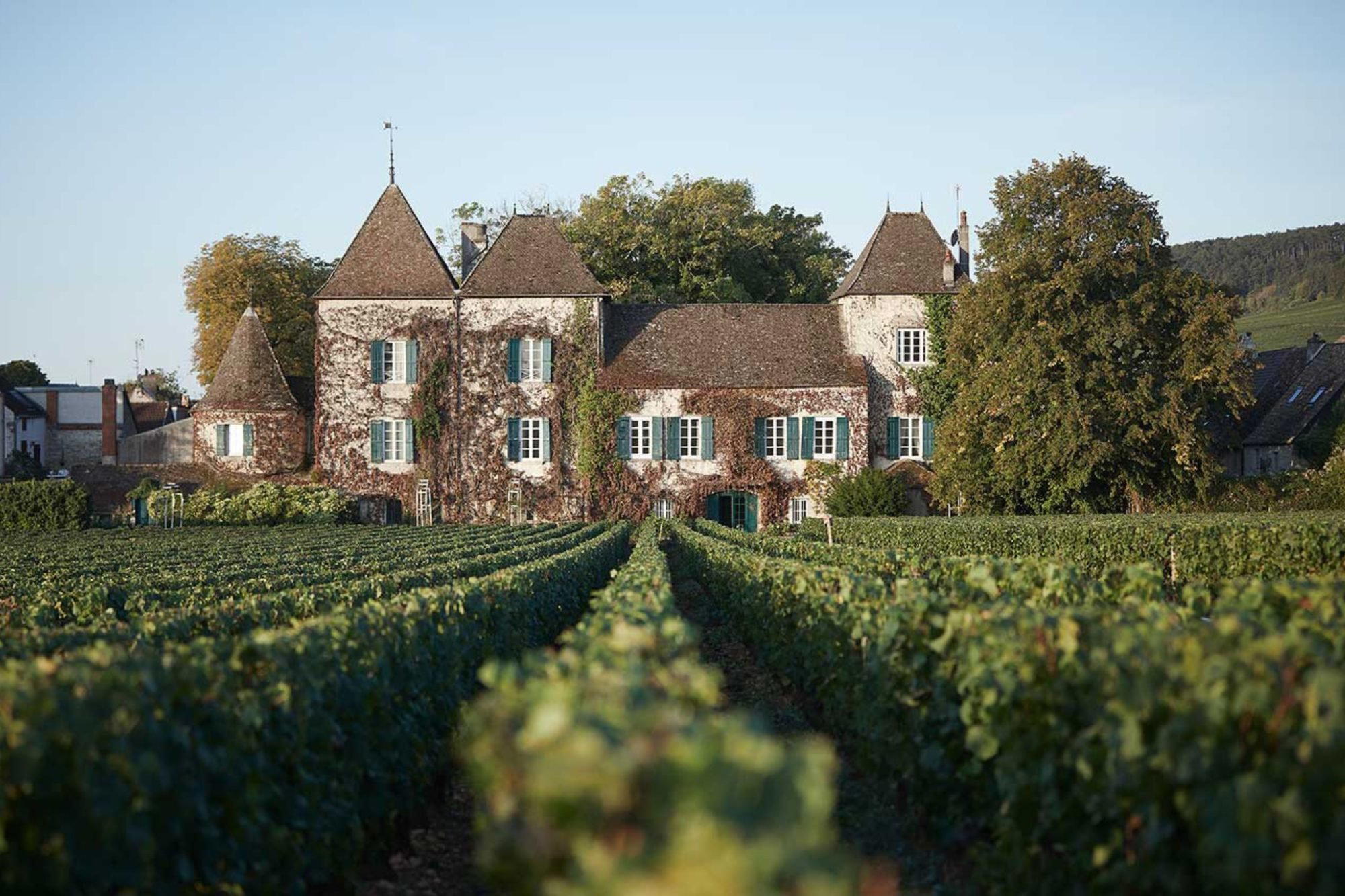
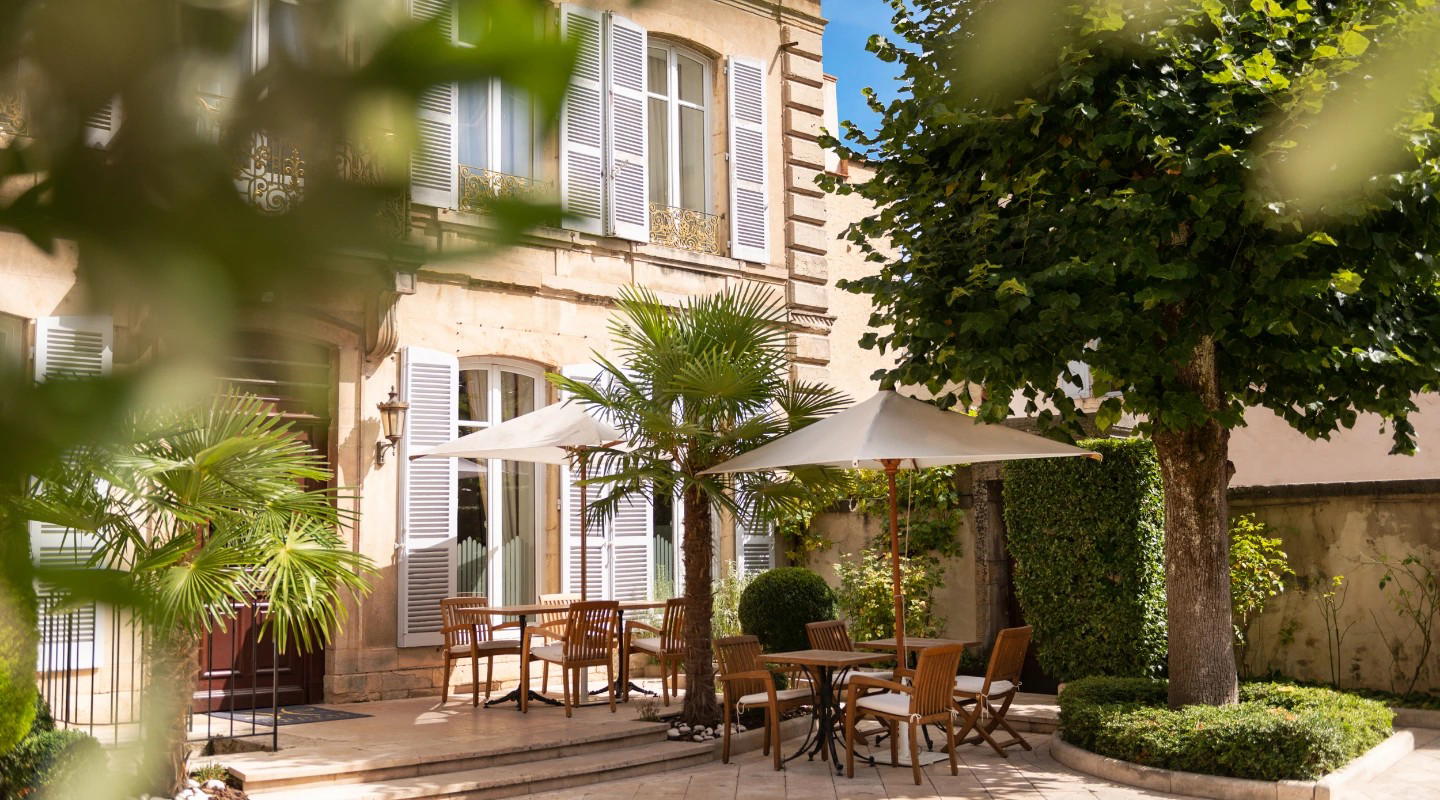
The southern end of the Côte de Beaune has a particular rhythm in late summer. The lanes between Chassagne-Montrachet and Puligny-Montrachet narrow to single tracks between the vines, and the cellar doors of domaines that rarely advertise their presence sit quiet behind stone walls. Domaine Jean-Noël Gagnard sits on Place des Noyers in Chassagne-Montrachet: a winery with a smart-casual, appointment-only profile and a price tier of 4.
White Burgundy is a category where reputation travels through allocation lists and sommelier networks rather than through foot traffic or celebrity, and the Gagnard name belongs in that tradition. The domaine operates in a peer group that includes Domaine François Carillon, Domaine Etienne Sauzet, Domaine Jacques Carillon, Domaine Paul Pernot et ses Fils, and Chapelle de Blagny, a cluster of family-scale, vineyard-focused domaines whose combined output defines what serious Côte de Beaune white Burgundy looks like at its most considered. In that context, longevity matters: a first vintage of 1959 means the domaine has witnessed and adapted to more than six decades of climatic, stylistic, and generational change.
Caroline Lestimé and the Practice of Restraint in the Vineyard
Winemaking in white Burgundy has shifted substantially over the past two decades. The over-oaked, over-extracted style that dominated export markets in the 1990s has been replaced, at the serious end, by an approach that foregrounds minerality and precision, outcomes that depend less on cellar intervention and more on what happens before harvest. Viticulture has become the primary competitive variable, and the domaines that have invested most seriously in soil health and low-intervention canopy management are now producing wines with the kind of structural clarity that ages differently from their predecessors.
Winemaker Caroline Lestimé works within that frame at Domaine Jean-Noël Gagnard. The broader shift in Burgundy toward reduced chemical inputs, greater attention to vine stress management, and organic or near-organic soil treatment reflects an understanding that the region's grand cru and premier cru designations are ultimately expressions of geology, and that geology needs a living soil to translate accurately into the glass. Domaines of this size and reputation do not pivot their viticultural practices without considered reasoning, and the domaine's recognition suggests the approach is producing wines that read as coherent with the terroir rather than despite it.
Across the Côte de Beaune more broadly, the trend points in one direction: smaller, family-run domaines are outpacing négociant houses on critical recognition precisely because they control the full chain from soil to bottle. Compared to production-scale operations, where grapes may travel significant distances before processing, domaine-scale producers in Chassagne-Montrachet work with fruit from plots they have managed across multiple vintages, allowing them to read and respond to the nuance of individual parcels. This is the structural advantage that sustains the reputations of estates like Gagnard through market cycles and vintage variation alike. For broader context across France's wine landscape, similar precision-focused approaches animate producers from Albert Boxler in Niedermorschwihr in Alsace to estate-scale Bordeaux operations such as Château Bélair-Monange in Saint-Emilion and Château Branaire Ducru in St-Julien, where terroir fidelity and vineyard-led thinking have replaced formulaic cellar protocols.
The domaine's recognition operates as a positioning signal within the broader white Burgundy tier. In a region where Michelin-style stratification has long existed through the appellation hierarchy itself, village, premier cru, grand cru, producer-level recognition functions differently. It speaks to consistency across vintages, to the clarity with which terroir expresses through the winemaking, and to the kind of critical confidence that makes a domaine's allocation worth pursuing even in weaker years.
That intersection is exactly where serious white Burgundy lives: not in volume, not in accessibility, but in the depth of relationship between producer, parcel, and patient buyer. The domaine's 1959 first vintage provides institutional context, this is not a récent operation positioning itself against established names, but a house that has been part of the Chassagne conversation for longer than most current buyers have been drinking wine.
How to Approach a Visit
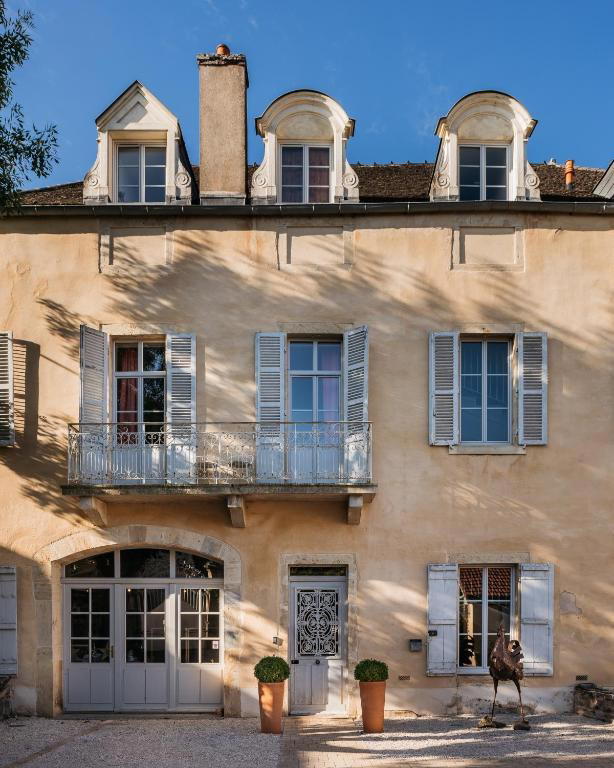
The domaine's address at 9 Place des Noyers, 21190 Chassagne-Montrachet, puts it in the heart of a village that does not organise itself around tourism. Visits are typically arranged in advance and conducted by appointment. The operating model here is consistent with the broader culture of serious Burgundian domaines: visits are typically arranged in advance, conducted by appointment, and oriented around buyers and importers rather than casual walk-ins. If access is the goal, one reliable route runs through a specialist wine merchant or importer with an existing allocation relationship.
Chassagne-Montrachet is approximately 15 kilometres south of Beaune along the D974, and Beaune itself connects to Paris via the A6 autoroute in roughly two and a half hours. The village shares a short road with Puligny-Montrachet to the north, and the two appellations together account for a concentration of serious white Burgundy production that is almost without precedent anywhere in France. For a broader view of what the area offers across domaines, styles, and price points, our full Puligny-Montrachet restaurants and winery guide provides the regional context. Visitors with more time should note that the harvest window, typically late September into early October in Burgundy, is also when domaine staff are least available for tastings.
For those building a broader itinerary around fine wine across France, the EP Club network extends to properties across Bordeaux, including Château Batailley in Pauillac, Château Bastor-Lamontagne in Preignac, and Château Boyd-Cantenac in Cantenac, as well as to producers in Scotland at Aberlour, California at Accendo Cellars in St. Helena, and beyond.
Where the Accolades Land
Comparable venues nearby, for context on price, style, and recognition.
| Venue | Cuisine | Price | Notes |
|---|---|---|---|
| Domaine Jean-Noël GagnardThis venue — the venue you are viewing | Chardonnay, Pinot Noir | $$$$ | Not listed |
| Chapelle de Blagny | Chardonnay, Pinot Noir | $$$$ | Hameau de Blagny |
| Domaine François Carillon | Chardonnay, Aligoté | $$$$ | Puligny-Montrachet |
| Domaine Paul Pernot et ses Fils | Chardonnay | $$$$ | Puligny-Montrachet |
| Domaine Etienne Sauzet | Chardonnay | $$$$ | Puligny-Montrachet |
| Domaine Jacques Carillon | Chardonnay | $$$ | Puligny-Montrachet |
Continue exploring
More in Puligny-Montrachet
Wineries in Puligny-Montrachet
Browse all →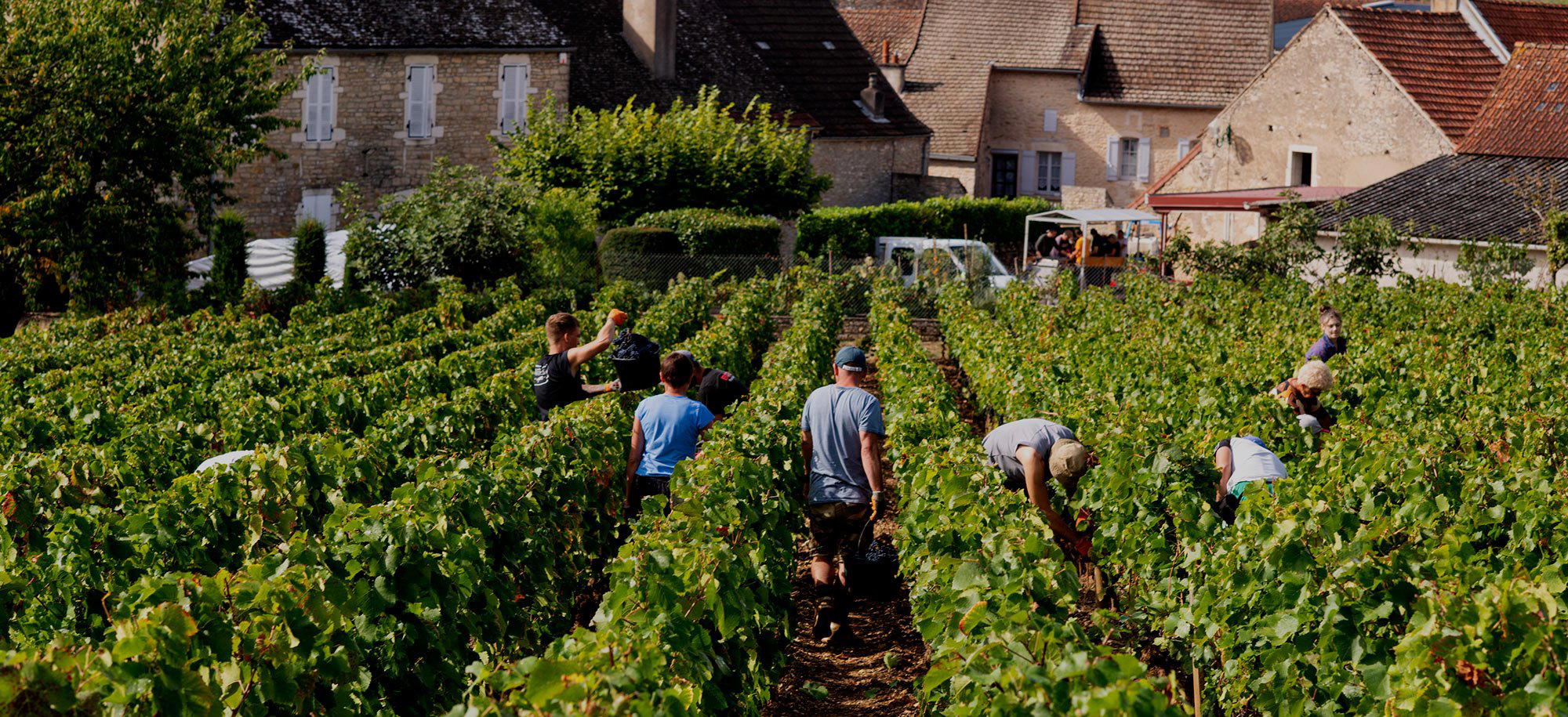
Bars in Puligny-Montrachet
Browse all →
Restaurants in Puligny-Montrachet
Browse all →
At a Glance
- Elegant
- Classic
- Intimate
- Sophisticated
- Wine Education
- Special Occasion
- Cave Tasting
- Vineyard Tour
- Organic
- Biodynamic
- Vineyard
- Chassagne Montrachet
- Chardonnay
- Pinot Noir
- Still White
- Still Red
- Sparkling
- Barrel Tasting
Traditional cellar atmosphere with expressive, terroir-driven wines that evolve beautifully over time.