Delamere Vineyards
Delamere Vineyards sits in Tasmania's Pipers Brook subregion, where a cool maritime climate and ancient dolerite soils consistently shape wines of structural precision. Plan well ahead: the property is working winery first, visitor experience second, and rewards those who arrive with context.

Pearl is the En Primeur Club membership app — saves, bookings, and concierge access live there. Same editors, same standards.
- Address
- 4238 Bridport Rd, Pipers Brook TAS 7254
- Phone
- +61 456 910 274
- Website
- delamerevineyards.com.au
- Directions
- Get directions
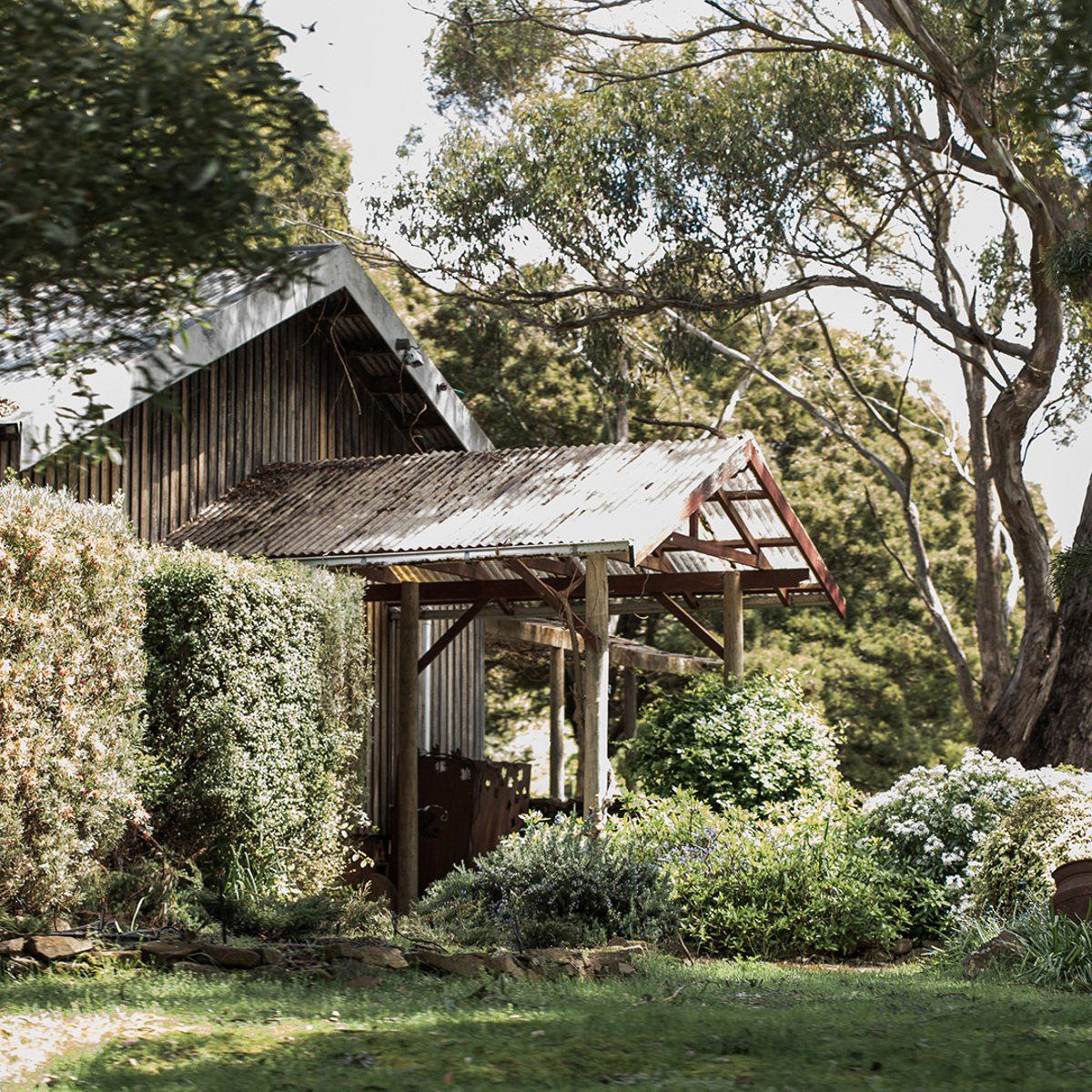
Where Dolerite and Maritime Cold Meet in the Glass
Tasmania's Pipers Brook corridor is not a scenically gentle wine region in the way that, say, Margaret River performs its own beauty. The land here is open and windswept, the skies frequently grey, and the vines planted across ancient dolerite soils that fracture the earth into sharp, mineralised fragments. That geological substrate, combined with one of Australia's coldest and longest ripening seasons, produces a very specific kind of wine: taut, structured, slow to reveal itself.
Understanding Delamere requires understanding what Pipers Brook demands of its growers. The region sits at the northern end of Tasmania's most concentrated cool-climate wine corridor, where average growing-season temperatures rival Burgundy and Champagne. That comparison is not decorative. The same insistence on slow phenolic development, the same acid retention through a drawn-out ripening window, and the same argument that restraint in viticulture produces more complex wine over time — these are the operative principles here, as they are in those French benchmarks. Producers such as Pipers Brook Vineyard have built the region's international reputation on exactly this logic.
Dolerite, Cool Air, and the Case for Tasmanian Terroir
Dolerite is the defining geological fact of much of southern and eastern Tasmania. Where other Australian wine regions contend with sandstone, limestone, or red volcanic soils, Pipers Brook's dolerite weathers into shallow, well-drained profiles that stress the vine usefully — limiting vigour, concentrating flavour, and forcing root systems deep in search of water and mineral nutrition. The results tend toward wines with a stony, saline quality that distinguishes them from mainland cool-climate comparisons.
Compare this to the mineral expression coming from dolerite-influenced blocks at producers like Bass Phillip in Gippsland, where a different soil and climate matrix produces Pinot Noir of an entirely different structural character, and the argument for terroir specificity in Australian wine becomes more concrete. Tasmania's version tends to hold its fruit tighter, age more slowly, and carry a salinity through the mid-palate that mainland producers rarely achieve with the same consistency.
The maritime influence compounds this. Bass Strait sits to the north, and the prevailing westerlies push cool, moist air across the region throughout the growing season. This moderates extreme heat events, largely absent from Pipers Brook anyway, and sustains freshness through harvest. For sparkling wine production, that sustained natural acidity is not merely convenient, it is foundational. For still wines, the long hang-time builds complexity without sacrificing the tension that makes cool-climate wine worth ageing.
For the travelling wine drinker, this matters as a calibration tool. Pipers Brook is not a region you visit on impulse. The drive from Launceston takes roughly thirty minutes, the visitor infrastructure is modest compared to Barossa or Hunter Valley, and the properties here operate on their own terms. That self-sufficiency is a feature, not a flaw, it mirrors the character of the wines themselves. Producers such as Brokenwood in Hunter Valley or Brown Brothers in King Valley have built the kind of visitor-facing operations that accommodate large weekend crowds; Pipers Brook works differently, and Delamere is firmly in that quieter, more focused tradition.
Planning a Visit: What to Expect on the Ground
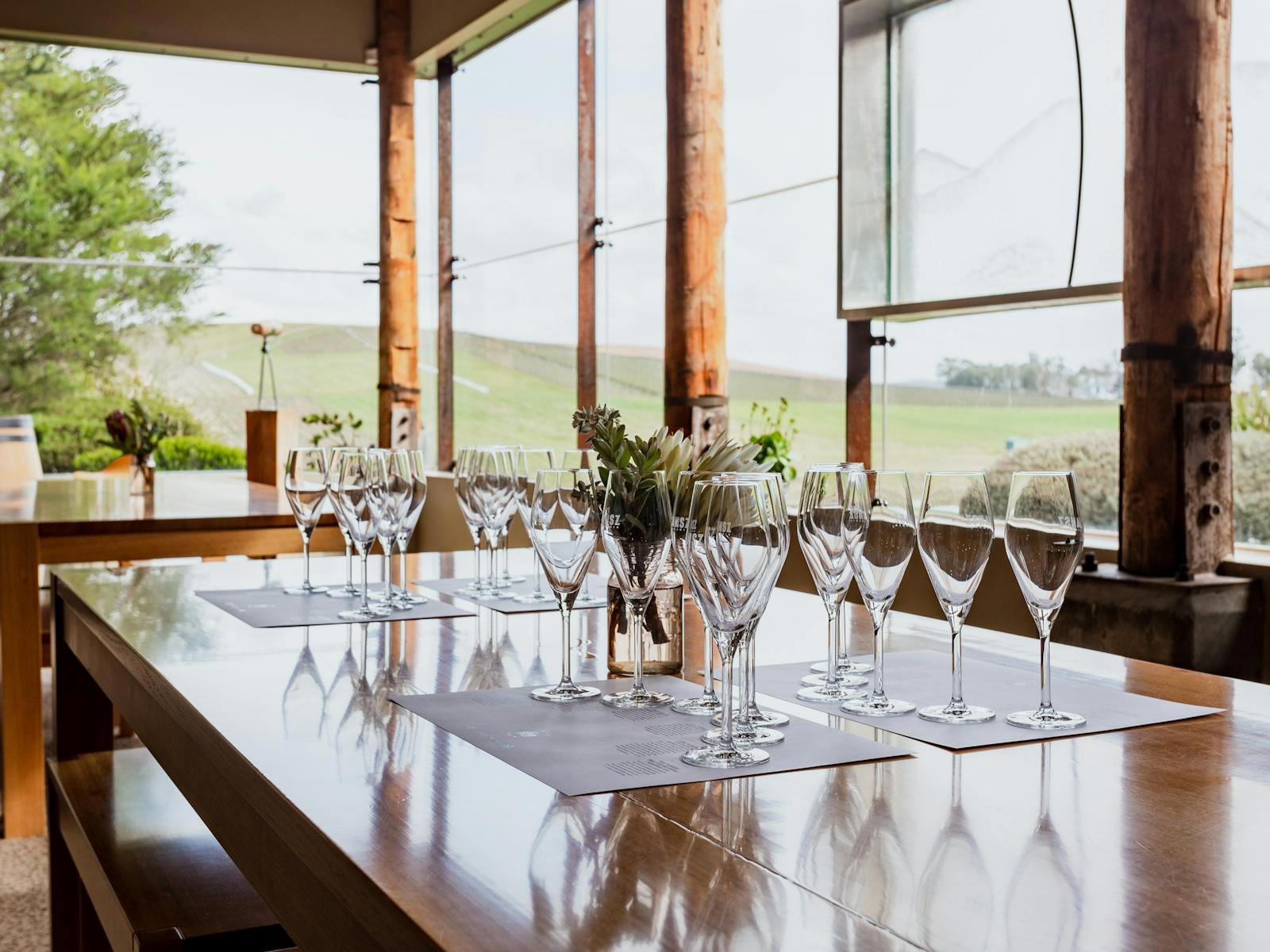
Delamere Vineyards functions as a working estate first. Visitor access exists and tastings are available, but the property is not geared toward the curated hospitality experience you would find at, for instance, Bird in Hand in the Adelaide Hills or Blue Pyrenees Estate in the Pyrenees. Arriving with advance notice, and ideally a direct communication with the cellar door about timing, is sensible practice rather than optional courtesy.
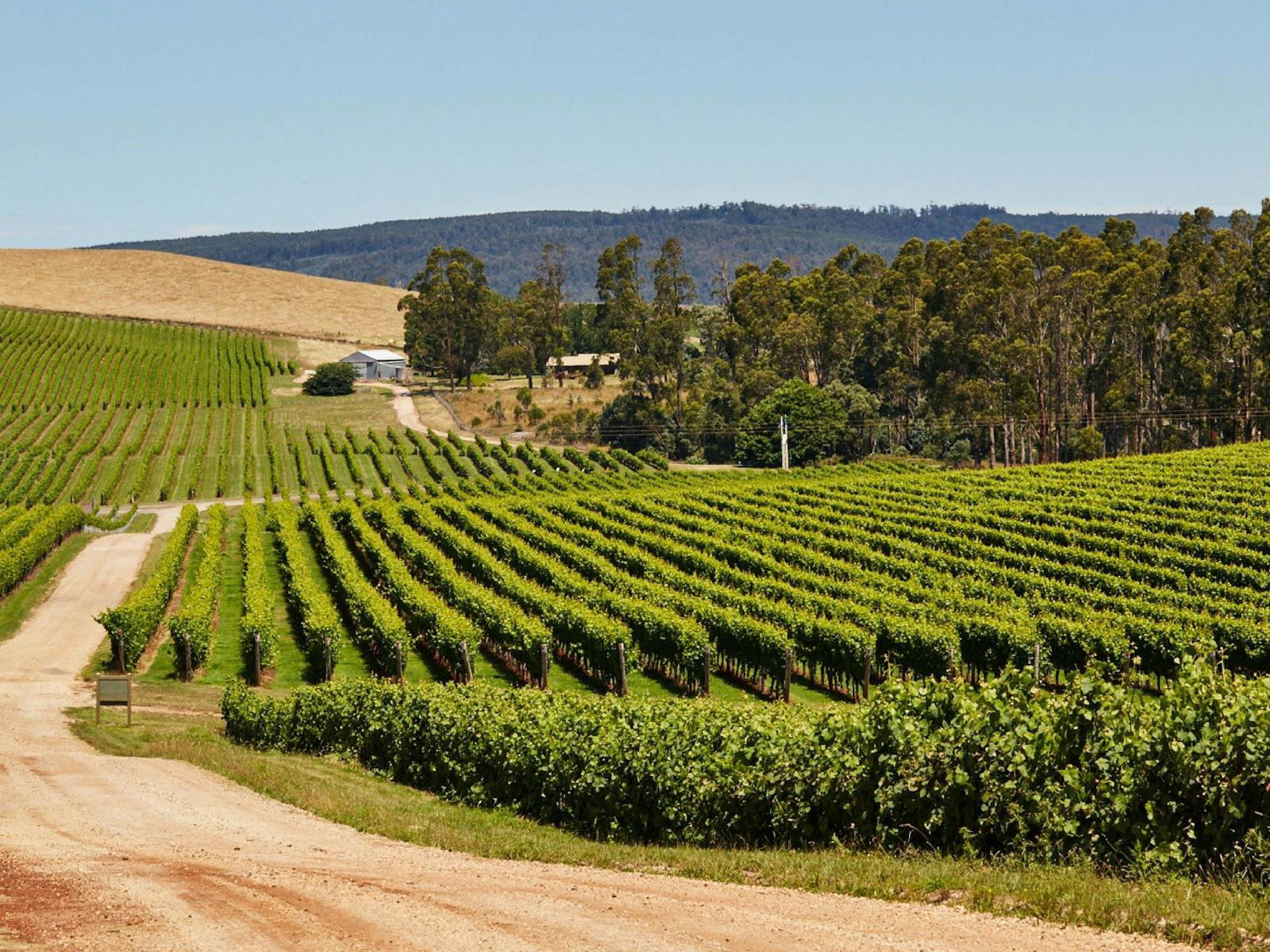
The address at Bridport Road places the property in the agricultural heart of the subregion, accessible from Launceston via the B82 through Lilydale. The surrounding countryside in this part of northern Tasmania reads as quietly pastoral: undulating paddocks, scattered eucalyptus, and the kind of unhurried agricultural pace that makes the wine corridor feel genuinely removed from Tasmania's more touristic southern circuit. For those building a broader northern Tasmanian itinerary, the estate pairs logically with a visit to Pipers Brook Vineyard and the broader network of producers documented in our full Pipers Brook restaurants and producers guide.
This is consistent with how many small Tasmanian estates operate: the welcome is genuine, but the logistics require a small effort from the visitor's side.
What to Taste, and Why the Sparkling Case Matters
Pipers Brook's claim on sparkling wine is structural rather than aspirational. The same climatic conditions that made the region a focus for Champagne house interest in the 1990s, when several French producers investigated Tasmanian sites as potential sourcing alternatives, persist today. The natural acidity and slow autolytic development that cool-climate base wines allow are qualities that take years of mainstream Australian sparkling production to replicate by other means. At Delamere, those conditions are intrinsic to every vintage.
For still wines, the Pinot Noir and Chardonnay programmes are where the dolerite terroir argument becomes most audible. Pinot Noir from dolerite-heavy Tasmanian sites tends to carry more structural tension than its Victorian or South Australian counterparts, less fruit-forward, more reliant on secondary and tertiary development with time in bottle. The parallel in ambition and climate logic to producers like Cape Mentelle in Margaret River exists at the level of seriousness, though the stylistic expressions diverge sharply by region.
The estate's sparkling, Pinot Noir, and Chardonnay each occupy different positions in the cool-climate argument, and understanding how the same terroir inflects different varieties is one of the more instructive exercises available anywhere in Australian wine. For comparison and broader context, the EP Club catalogue includes producers as varied as Leading's Wines in Great Western, Accendo Cellars in St. Helena, and Aberlour in Aberlour, a reminder that the language of terroir expression crosses grape, country, and category in ways that make single-region study more valuable when set against a wider frame.
Quick Comparison
Comparable venues nearby, for context on price, style, and recognition.
| Venue | Cuisine | Price | Awards | Notes |
|---|---|---|---|---|
| Delamere VineyardsThis venue — the venue you are viewing | Pinot Noir, Chardonnay | $20–30 | Not listed | Not listed |
| Pipers Brook Vineyard | Pinot Noir, Chardonnay | Not listed | Not listed | Pipers Brook |
| Garagiste | Chardonnay, Pinot Noir | Not listed | Not listed | Mornington Peninsula |
| Thistledown Wines | Grenache, Shiraz | $50–100 | Not listed | McLaren Vale |
| Pooley | Pinot Noir, Chardonnay | $10–20 | Not listed | Richmond |
| Chatto | Pinot Noir, Gewurztraminer | Not listed | Falstaff Winery - Listed | Huon Valley |
Continue exploring
More in Pipers Brook
Wineries in Pipers Brook
Browse all →
Bars in Pipers Brook
Browse all →
Restaurants in Pipers Brook
Browse all →
Details
- Rustic
- Scenic
- Cozy
- Intimate
- Solo Exploration
- Wine Education
- Family
- Estate Grounds
- Garden
- Vineyard
- Garden
- Pinot Noir
- Chardonnay
- Sparkling
- Still Red
- Still White
- Still Rosé
- Flight Tasting
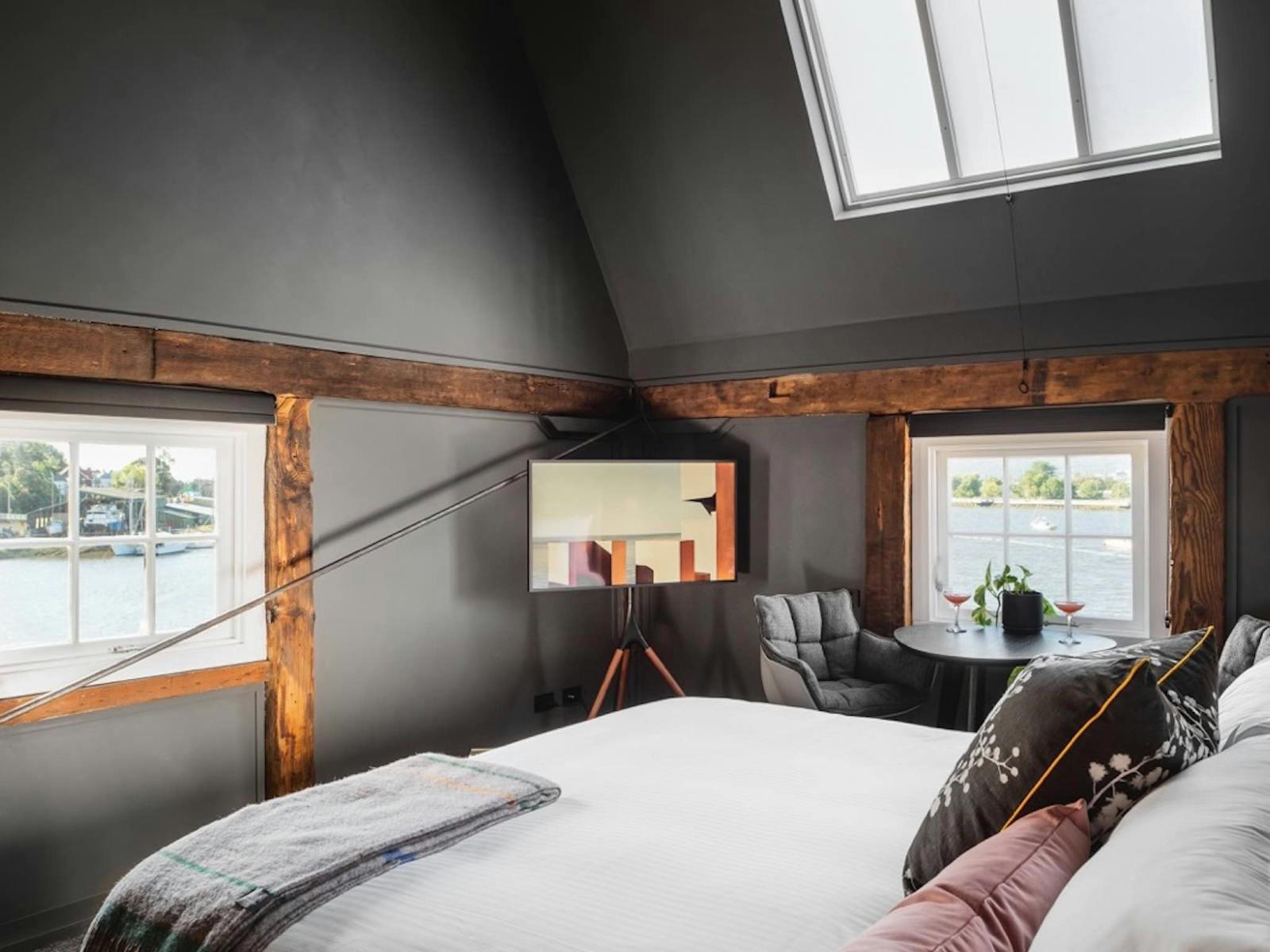
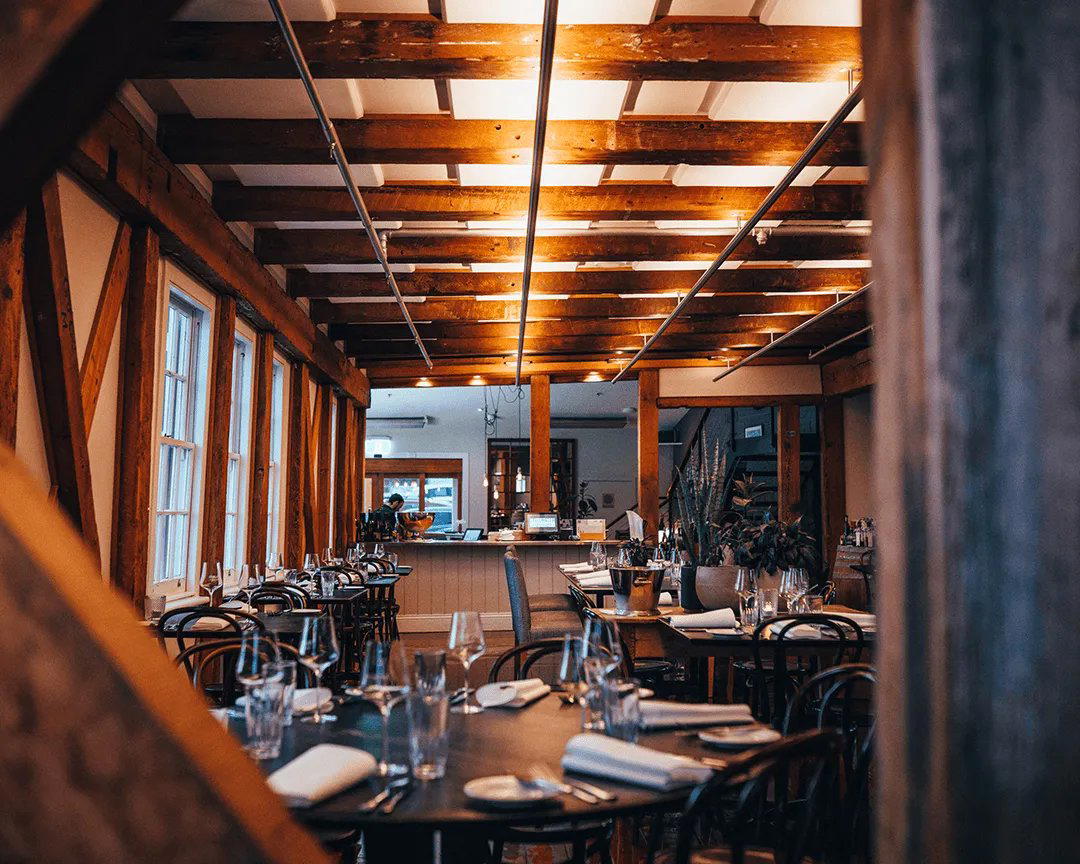
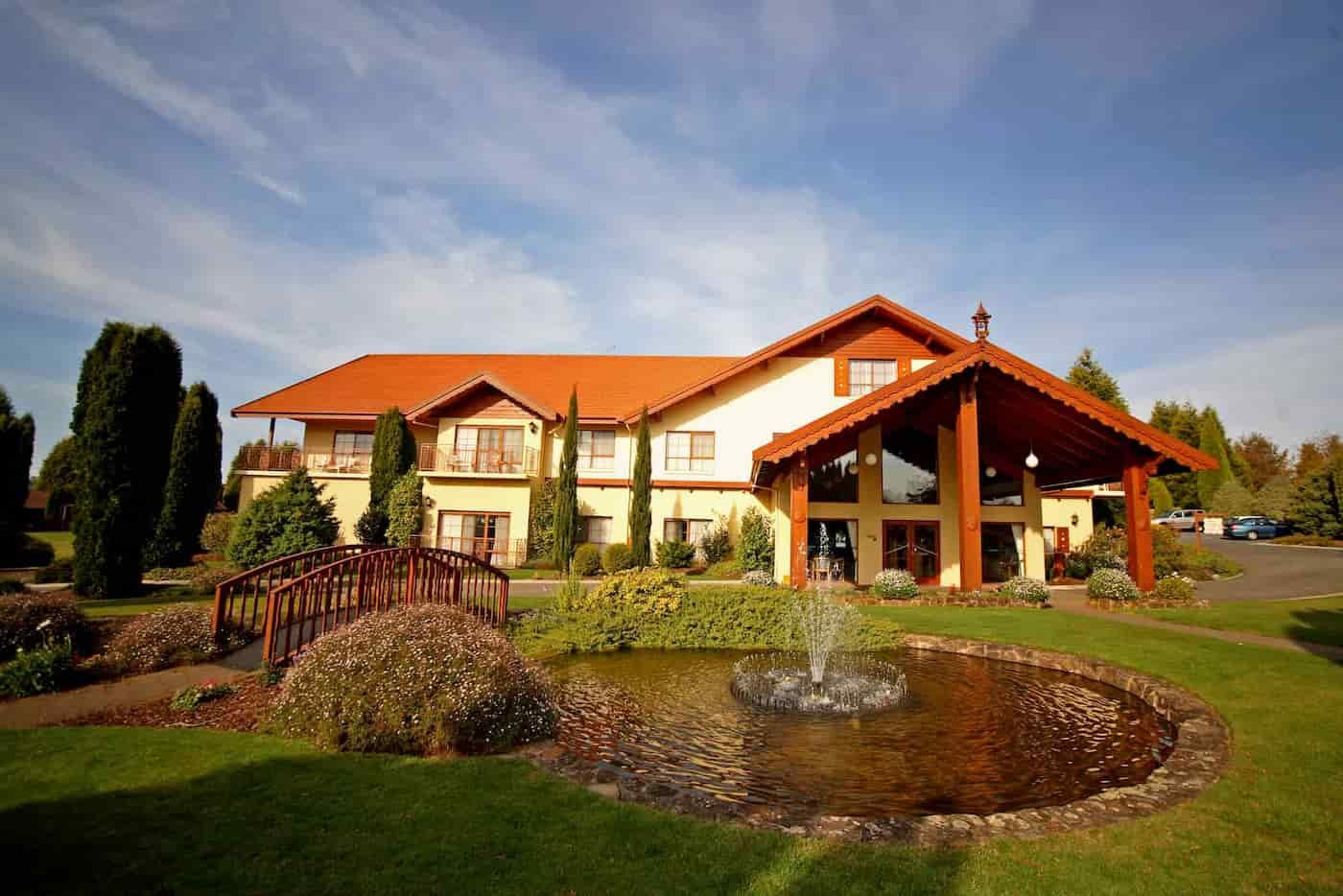
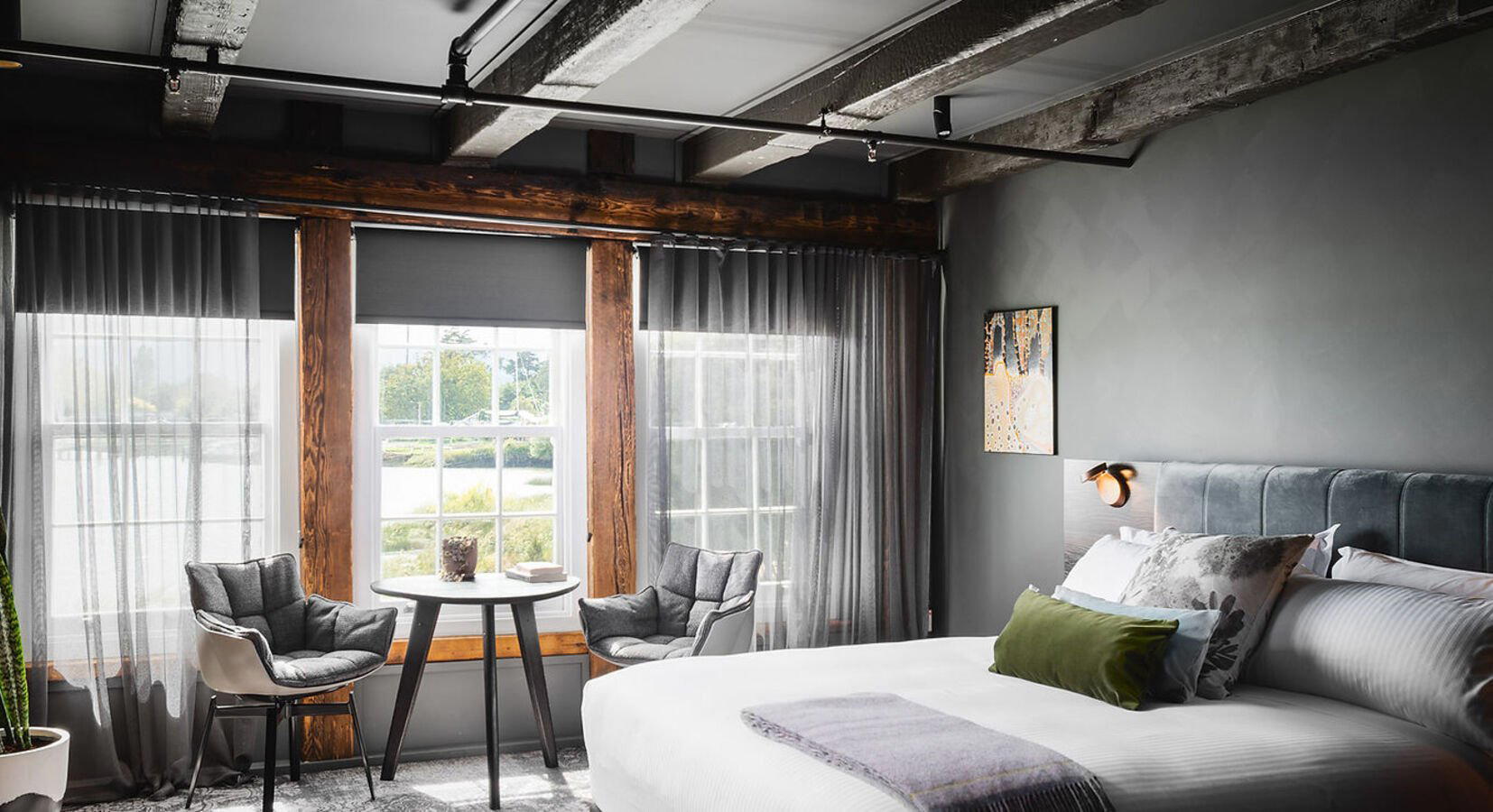
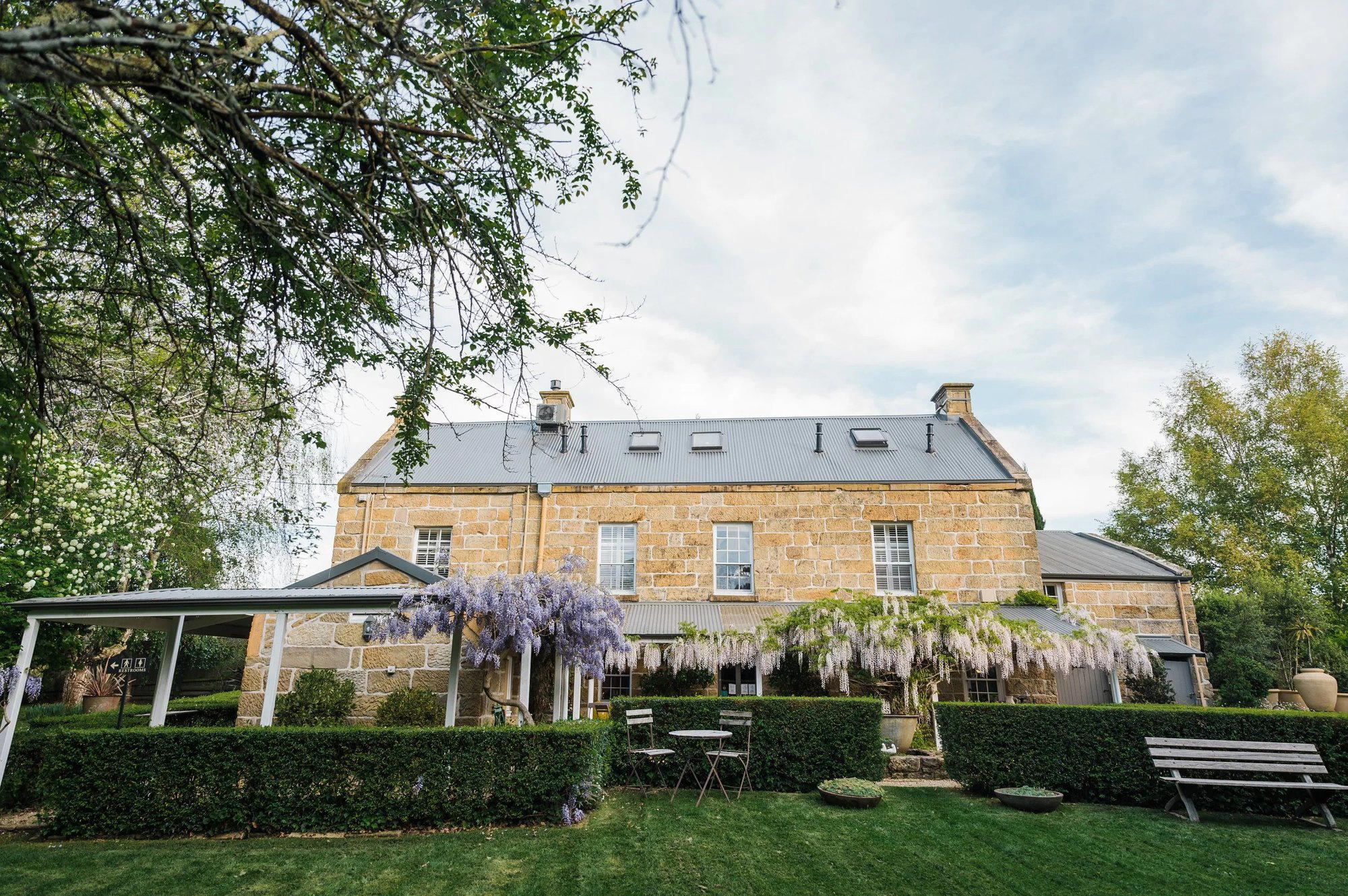
Rustic bush garden setting with beautiful gardens, spacious grounds, and a cozy winery-attached cellar door blending into the landscape.