Pipers Brook Vineyard
Pipers Brook Vineyard sits at the heart of Tasmania's most celebrated cool-climate wine corridor. The property on Pipers Brook Road represents the region's long-standing argument that latitude and basalt soils can produce Pinot Noir and Chardonnay with genuine structural tension. A reference-point address for anyone tracing serious Tasmanian wine.

Pearl is the En Primeur Club membership app — saves, bookings, and concierge access live there. Same editors, same standards.
- Address
- 1216 Pipers Brook Rd, Pipers Brook TAS 7254
- Phone
- +61 3 6382 7555
- Website
- kreglingerwineestates.com
- Directions
- Get directions
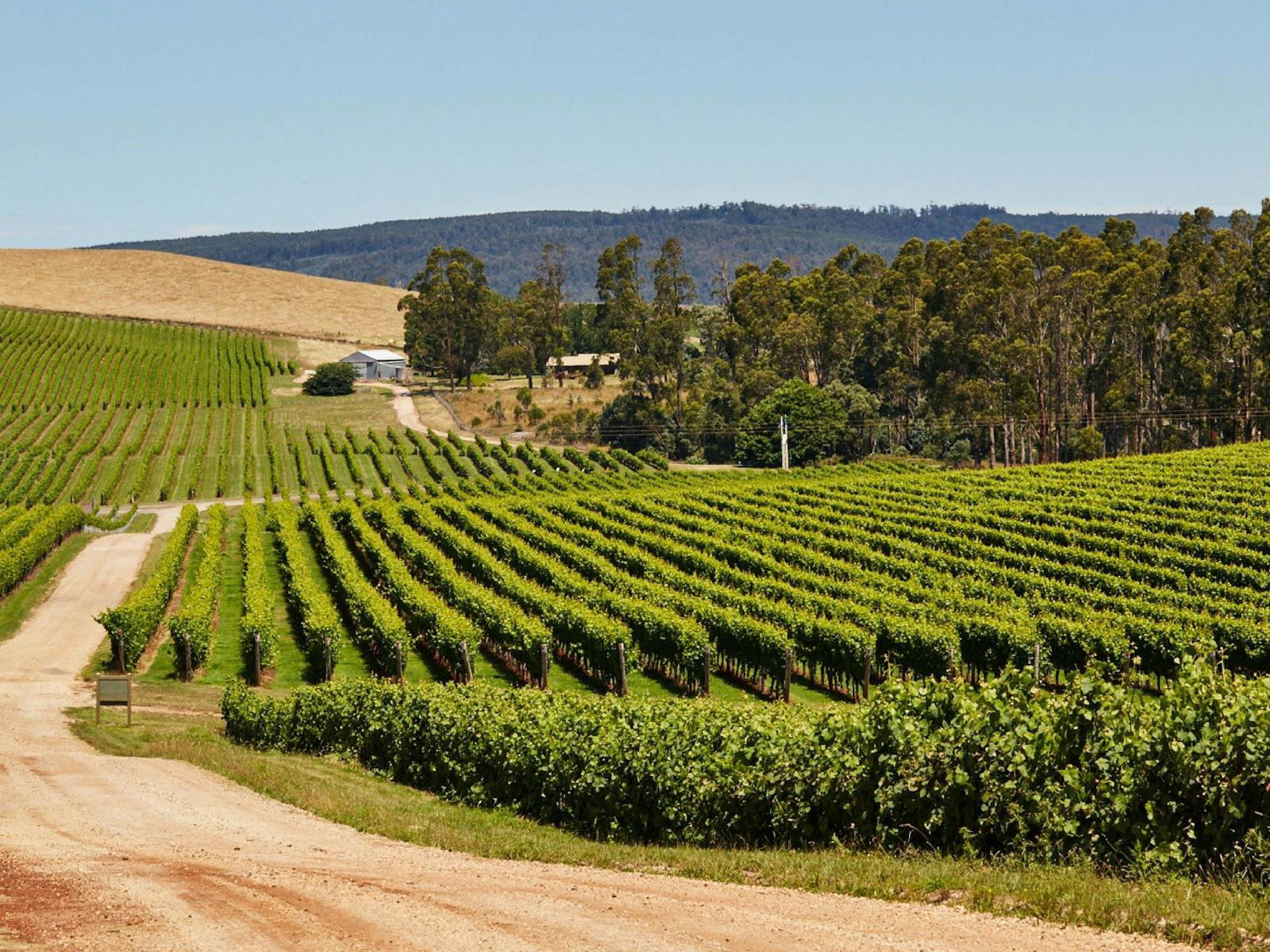
Where Tasmania's Cool-Climate Argument Begins
The drive up Pipers Brook Road through northeastern Tasmania sets expectations before you arrive. The light is colder and more diffuse than mainland Australia, the hills roll without drama, and the vineyards sit at elevations where summer temperatures rarely push past the low twenties Celsius. This is not the warmth of the Barossa or the Mediterranean ease of Margaret River. It is a marginal climate in the technical sense — one where the difference between a fine vintage and a difficult one is measured in days of sunshine and the precise timing of harvest. That marginality is the point. It is what drew serious viticulture here in the first place, and it is what gives wines from this corridor their particular character.
Pipers Brook makes the same argument, from a distinctly Tasmanian position.
The Pipers Brook Region and What It Asks of Its Grapes
The Pipers Brook wine region occupies the northeastern tip of Tasmania, roughly an hour's drive from Launceston. The soils here are predominantly Jurassic dolerite and basalt, dense, free-draining substrates that stress vines in ways that concentrate flavour without excess sugar accumulation. Rainfall is moderate and spread across the growing season, reducing the need for irrigation and preserving natural acidity in the fruit. The growing season extends well into autumn, giving Pinot Noir and Chardonnay the slow ripening window that cool-climate advocates argue is the only way to develop genuine complexity.
Tasmania's wine industry spent the 1970s and 1980s establishing that this argument had merit, and Pipers Brook was central to that case. Today the region produces wines that are regularly benchmarked against cool-climate benchmarks from Burgundy and the Mosel, not because they taste identical, but because they operate by similar logic: low intervention, site expression, and the discipline to harvest before sugar outpaces acid. For a broader view of the Pipers Brook area's wine and hospitality offering, see our full Pipers Brook restaurants guide.
A Winemaking Philosophy Shaped by Place, Not Fashion
The wines produced at Pipers Brook reflect what happens when a growing philosophy prioritises site fidelity over stylistic trend-chasing. Cool-climate Pinot Noir from this address tends toward structural restraint rather than the opulence that warmer regions deliver. Expect tannin that integrates slowly, acidity that extends the palate, and fruit registers that sit closer to red cherry and dried herb than to dark plum or chocolate. These are wines that reward patience, both in the cellar and at the table.
Chardonnay from the region, and from Pipers Brook specifically, occupies a similar register. The tendency toward phenolic grip and linear acidity places it closer to Chablis in structural profile than to the richer, more textured styles found in warmer Australian regions. This is the kind of Chardonnay that pairs with food rather than performing on its own, which is precisely what makes it interesting to serious drinkers. It is also the kind of wine that benefits from a few years of cellaring, where the tension between fruit and acid resolves into something more integrated.
Sparkling wine is another dimension of the Pipers Brook output that deserves attention. Tasmania has emerged as one of Australia's most credible sources of traditional-method sparkling, and the cool temperatures and high natural acidity of the region make it structurally suited to the category. Comparing the sparkling programs of Pipers Brook and Delamere Vineyards, the other major name on the same road, is a useful way to understand how different site choices and dosage philosophies produce distinct results within a shared regional framework.
How Pipers Brook Positions in the Australian Premium Tier
Australian premium wine has fragmented considerably in the past two decades. The heritage estates, Penfolds, Henschke, Clarendon Hills, continue to define the high end of the Shiraz and Cabernet conversation, largely on the strength of branded vineyard sites and decades of critical documentation. But a separate tier has developed around cool-climate specialists, where the argument shifts from power and concentration to precision and site expression. Pipers Brook belongs firmly in that second category.
All Saints Estate in Rutherglen represents a very different Australian wine tradition, fortified wines and warm-climate Shiraz, but operates within the same prestige recognition framework. Similarly, Angove Family Winemakers in Renmark and Brown Brothers in King Valley demonstrate how geographically diverse the Australian premium tier has become. What unites producers at this level is not a shared style but a shared commitment to consistency that warrants sustained critical attention.
For comparative context outside wine entirely, it is worth noting how broader Australian craft production has developed in parallel. Archie Rose Distilling Co in Sydney and Bundaberg Rum Distillery in Bundaberg represent the same appetite for place-specific production that defines serious wine estates. The instinct is the same even if the liquid is different: make something that could only come from this place.
Arriving at Pipers Brook and Planning Your Visit
Pipers Brook Vineyard sits approximately one hour's drive northeast of Launceston, the most practical access point for most visitors. The address at 1216 Pipers Brook Rd places it along the main artery of the wine region, where a handful of serious producers are concentrated within a short drive of each other. Visiting Pipers Brook alongside Delamere Vineyards in the same day is logistically direct and gives a useful comparative view of the region's range.
Given the venue data available, specific opening hours, tasting fees, and booking requirements are best confirmed directly with the vineyard before visiting. Cellar door experiences at this tier of Tasmanian producer tend to operate by appointment or with structured session times, particularly outside the peak summer months of December through February. Visiting in autumn, March to May, offers a different but often more atmospheric experience, when harvest activity is underway and the vineyard is at its most visually present. Those planning broader Australian wine itineraries that include Victoria and South Australia might also explore Brokenwood in Hunter Valley, Bird in Hand in Adelaide Hills, Leading's Wines in Great Western, Blue Pyrenees Estate in Pyrenees, and for international context, Accendo Cellars in St. Helena or Aberlour in Aberlour to understand how cool-climate restraint operates across different wine cultures.
Price and Positioning
Comparable venues nearby, for context on price, style, and recognition.
| Venue | Cuisine | Price | Awards | Notes |
|---|---|---|---|---|
| Pipers Brook VineyardThis venue — the venue you are viewing | Pipers Brook, Pinot Noir, Chardonnay | Not listed | Not listed | Not listed |
| Delamere Vineyards | Pipers Brook, Pinot Noir, Chardonnay | $20–30 | Not listed | Not listed |
| Jansz Tasmania | Not listed | $20–30 | Falstaff Winery - Listed | Pipers River, pinot_noir, chardonnay |
| Joshua Cooper Wines | Winery | Not listed | Not listed | Not listed |
| Overeem Distillery | Huntingfield, Hobart, Tasmania | Not listed | Not listed | Not listed |
| Spring Bay Distillery | Spring Beach, Tasmania | Not listed | Not listed | Not listed |
Continue exploring
More in Pipers Brook
Wineries in Pipers Brook
Browse all →

Bars in Pipers Brook
Browse all →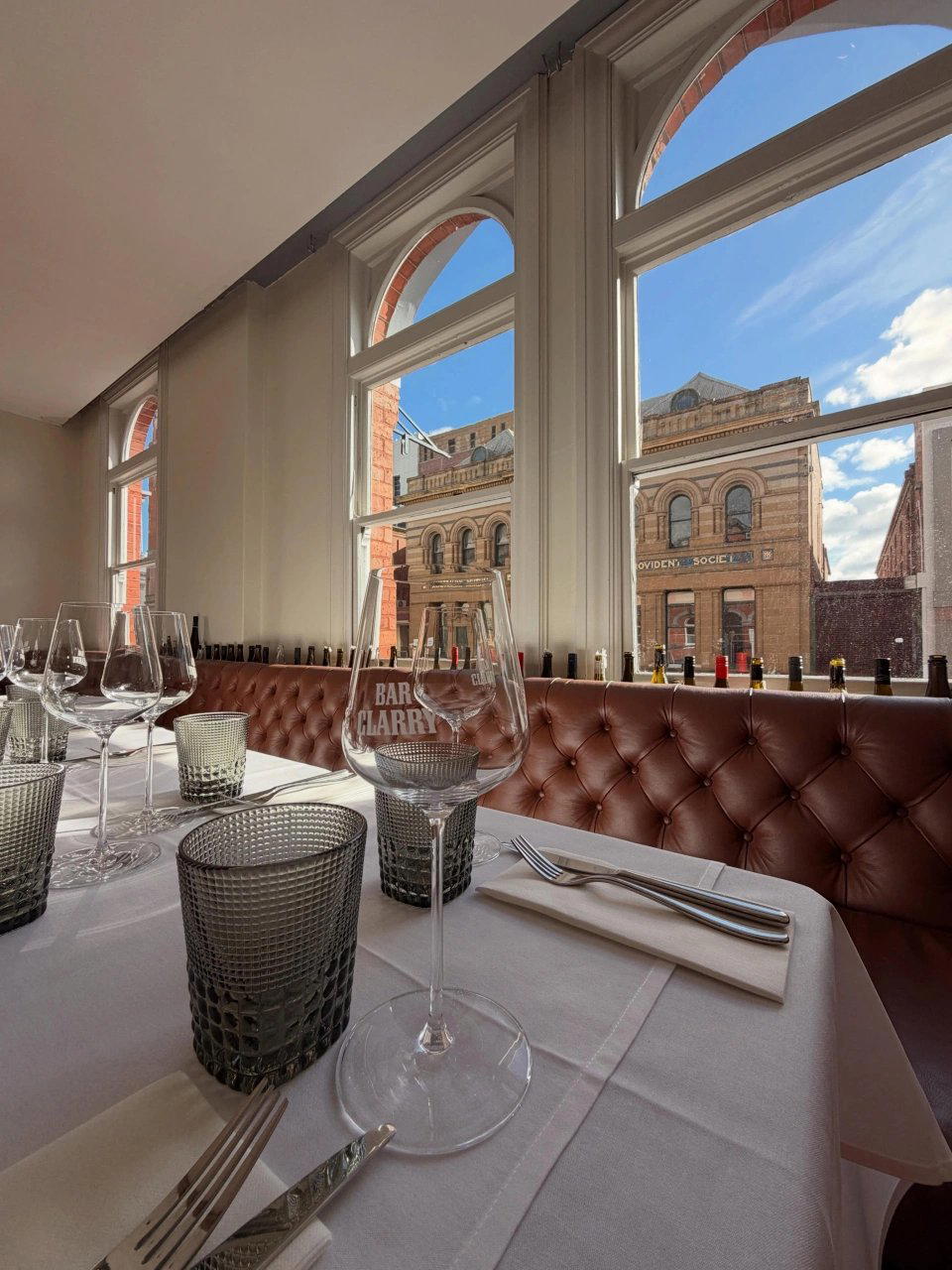
Restaurants in Pipers Brook
Browse all →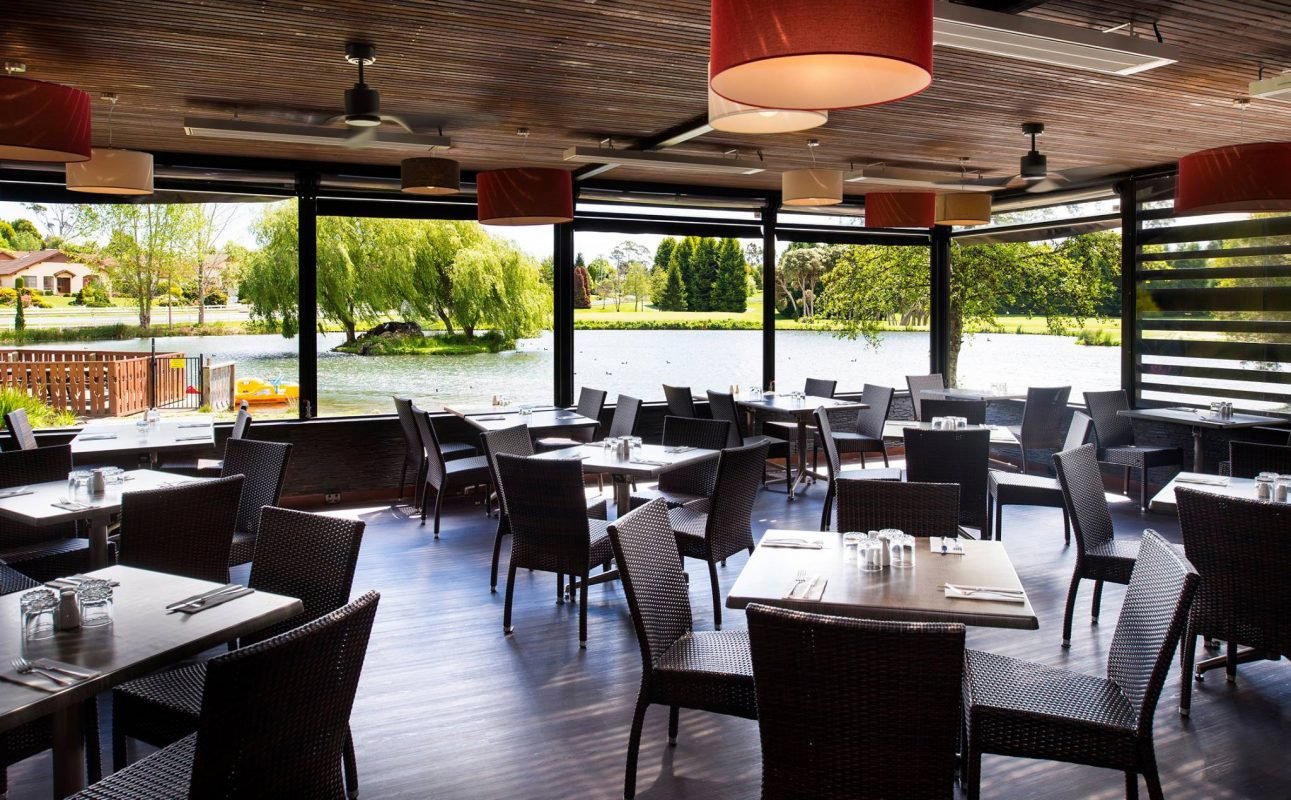

Details
- Scenic
- Rustic
- Elegant
- Quiet
- Wine Education
- Solo Exploration
- Group Outing
- Vineyard Tour
- Estate Grounds
- Sustainable
- Vineyard
- Pinot Noir
- Chardonnay
- Riesling
- Pinot Gris
- Gewürztraminer
- Sauvignon Blanc
- Pinot Meunier
- Still White
- Still Red
- Sparkling
- Still Rosé
- Self Guided Tasting
Relaxed and welcoming atmosphere amidst picturesque vineyard surroundings with a focus on pristine cool-climate terroir.