
A Fourth Growth Margaux estate. The estate rewards visitors who arrive with an interest in what happens between harvest and bottling, rather than those seeking a quick tasting stop.
Pearl is the En Primeur Club membership app — saves, bookings, and concierge access live there. Same editors, same standards.
- Address
- 3 Rte de Rauzan, 33460 Margaux-Cantenac
- Phone
- +33 5 57 88 30 01
- Website
- chateau-marquis-de-terme.com
- Directions
- Get directions
 Saves & bookings on Pearl
What the Médoc Does After the Harvest
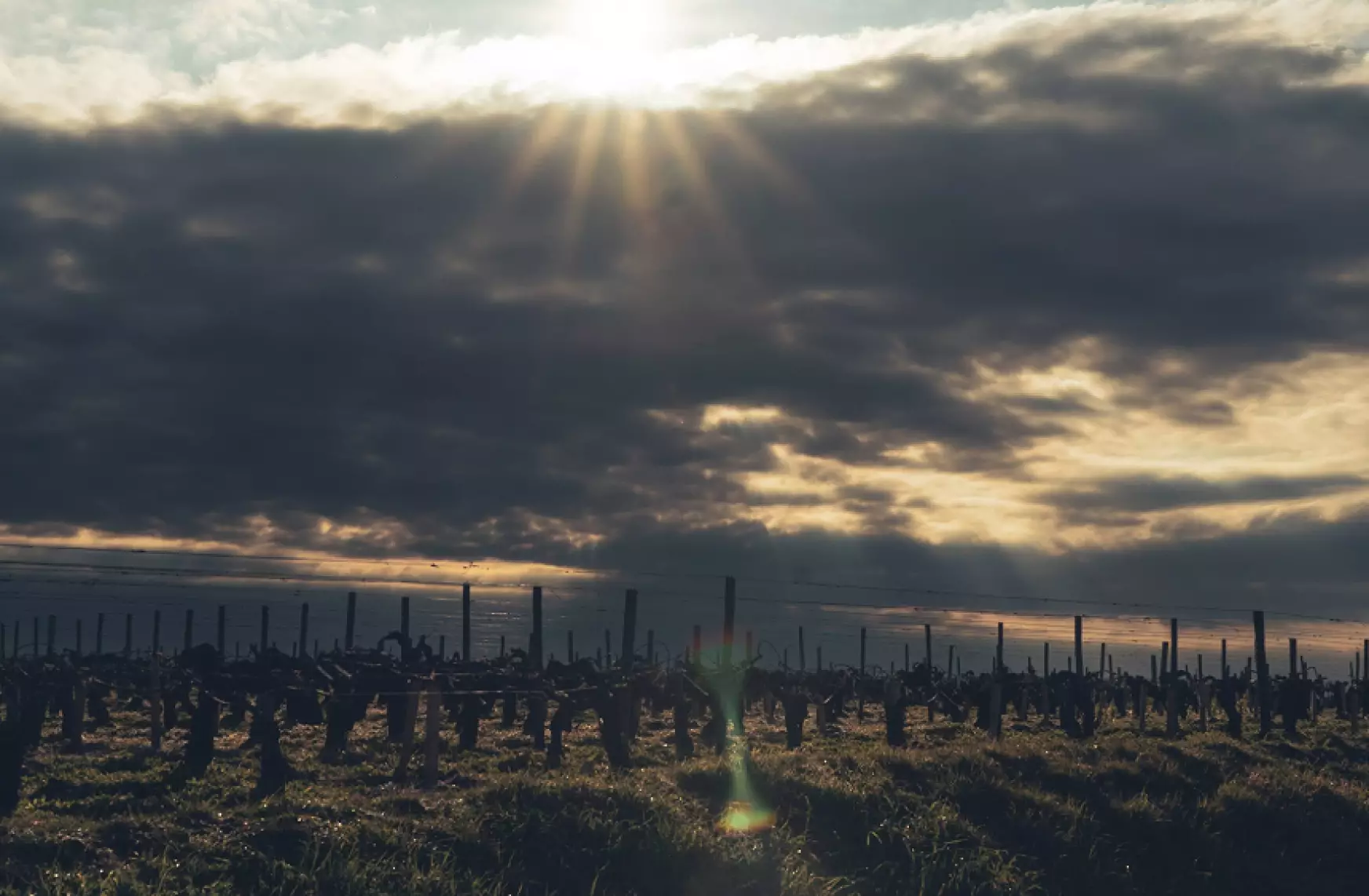
Drive the D2 south from Bordeaux on a grey November morning, past Pauillac and Saint-Julien, and by the time you reach Margaux-Cantenac the landscape has settled into something quieter and more lateral. The plateau here is low and the gravel is visible underfoot at the edges of the road. The châteaux appear as working estates rather than tourist facilities, their barrel halls closer to the road than their reception rooms. Château Marquis-de-Terme, addressed at 3 Route de Rauzan, reads that way from the approach: a property whose serious activity occurs inside, in the dark and the cool, rather than at the gate.
In Margaux, where the appellation's identity is built on aromatic refinement and textural subtlety rather than the structural mass of Pauillac, what happens after harvest matters as much as what happens before it. Marquis-de-Terme occupies that productive space between Fourth Growth classification and the kind of precise cellar management that can tighten the gap to the appellation's upper tier.
Margaux and the Logic of Barrel Aging
The Margaux appellation produces Cabernet Sauvignon-dominant blends on deep gravel beds that drain fast and force vine roots down to subsoils with real mineral complexity. That terroir tends to produce wines with moderate body and fine-grained tannin, characteristics that respond well to time in oak provided the barrel program is calibrated carefully. Too much new oak and the aromatic profile that makes Margaux recognisable, the violet, the dried rose, the graphite, gets buried. Too little and the tannin structure lacks the framework it needs to integrate over a decade in bottle.
Estates across the appellation handle this differently. At the upper end, Château Lascombes and peers in the Second Growth tier tend to carry higher percentages of new oak and longer elevage to match their extraction levels. Further along the rue de Rauzan corridor, Château Rauzan-Gassies represents a different calibration again. Château Desmirail, Château Durfort-Vivens, and Château Ferrière each sit within that mid-tier conversation where cellar decisions rather than name recognition increasingly drive perception. Château Boyd-Cantenac in Cantenac occupies a comparable classification position and faces similar questions about how to define a house style through the barrel hall rather than simply the vineyard.
For the category, that distinction matters.
The Cellar Program as a House Argument
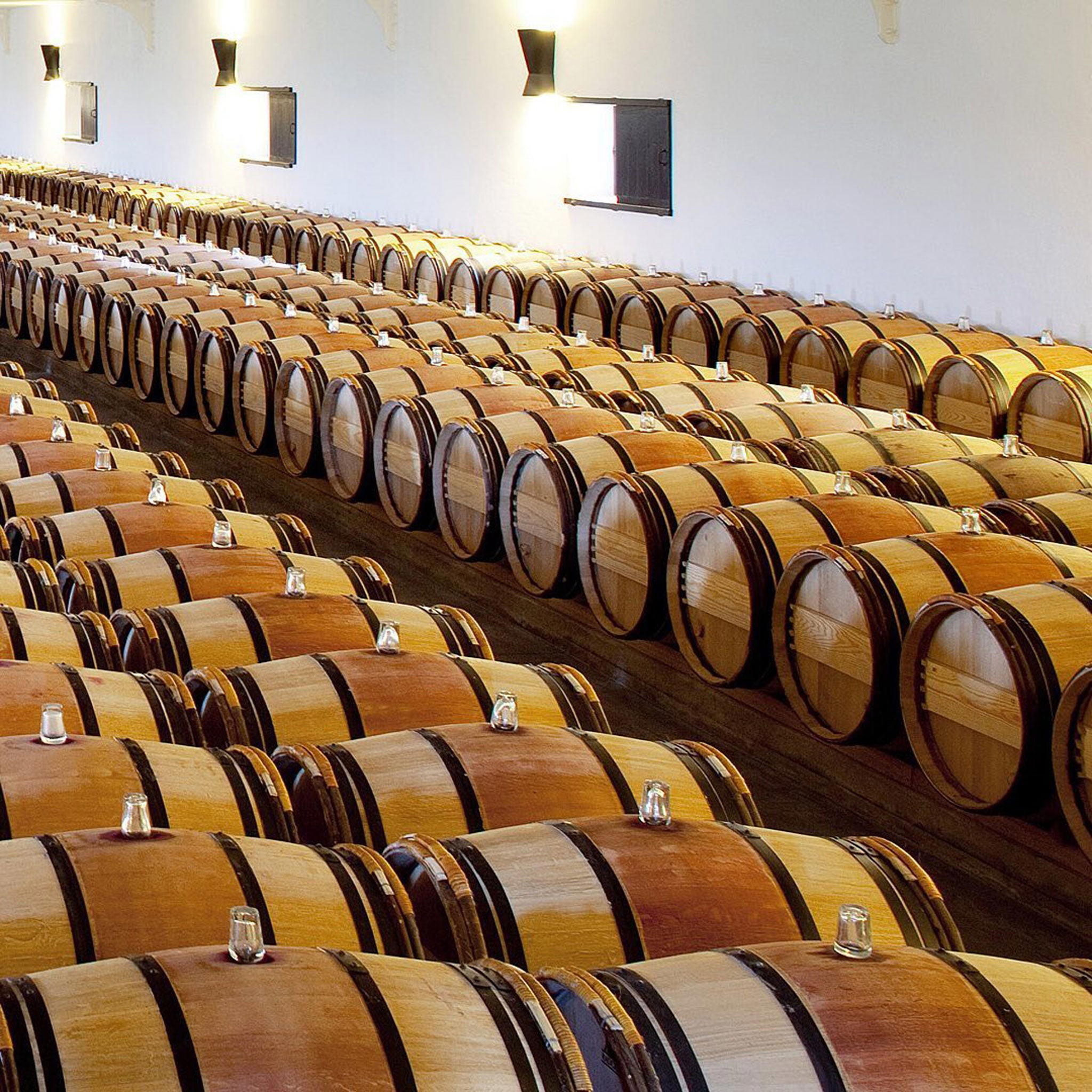
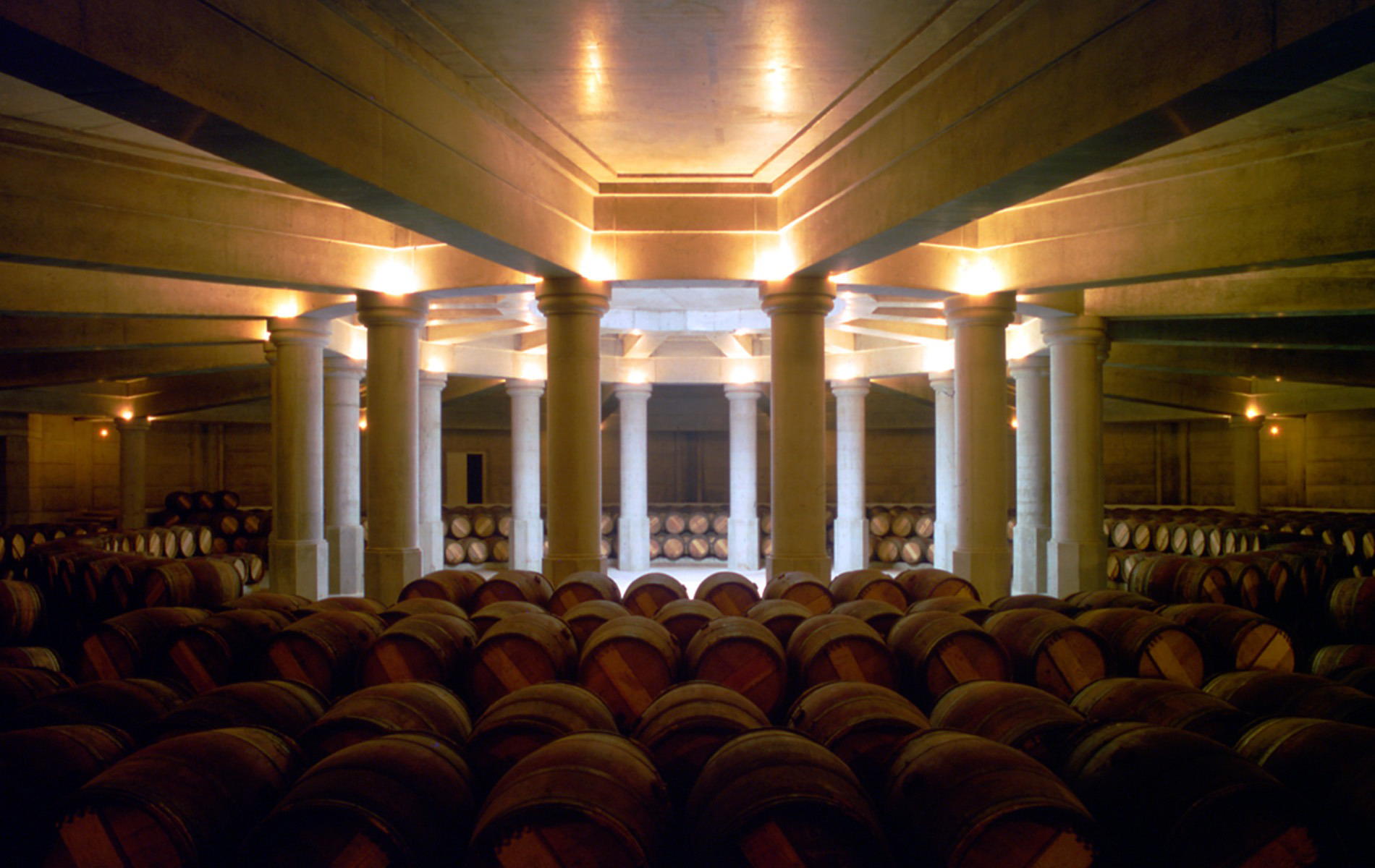
Barrel aging in the Médoc is not standardised practice. The percentage of new oak, the origin of the coopers, the duration of elevage, and the decision about when to assemble the final blend are all judgment calls that accumulate into a house style over decades. For a Fourth Growth estate in an appellation where the gap to Premier Cru is measurable and publicly discussed every year during en primeur, those decisions carry weight beyond the technical.
What distinguishes serious barrel programs in Margaux from those elsewhere in Bordeaux is the appellation's sensitivity to aromatic interference. Winemaking teams at estates of this classification typically taste barrel by barrel through the winter and spring following harvest, sorting lots by parcel and cépage before making blending decisions that will define the grand vin and any second label or surplus allocation. The château's 2025 award suggests the current program is producing assemblages that hold together at a level the international tasting community finds worth distinguishing. That is a concrete signal, not a marketing position.
Comparisons from outside Bordeaux offer a useful frame. Properties like Château Batailley in Pauillac or Château Branaire Ducru in Saint-Julien operate at classification levels where barrel discipline is equally scrutinised, though within different aromatic and structural targets. Beyond France entirely, estate-scale cellar programs at places like Accendo Cellars in St. Helena or the more methodical aging cultures at Château Bélair-Monange in Saint-Emilion show how barrel selection philosophy has become one of the primary differentiation strategies for ambitious producers across appellations and continents. Even outside wine entirely, the patience embedded in long maturation programs finds parallels at Aberlour in Aberlour, where spirit aging is similarly an argument made in oak over years, or at Chartreuse in Voiron, where time in the cellar is the product's primary credential.
Planning a Visit to Margaux-Cantenac
Château Marquis-de-Terme sits at 3 Route de Rauzan in Margaux-Cantenac, reachable from Bordeaux by car in under an hour on the D2, which runs directly through the commune. The village of Margaux itself offers limited accommodation, so most visitors base themselves in Bordeaux and make a half-day or full-day circuit. Autumn, between mid-September and November, is the most instructive season to visit the appellation: harvest activity at some estates and the early stages of the new vintage's elevage give even a brief winery tour a concrete, present-tense quality. Spring visits in April and May, when the previous vintage's barrels are approaching assemblage, are also productive for anyone interested in blending-stage conversations. For specific visit arrangements, contact protocols, and current tasting formats at Marquis-de-Terme, checking directly with the estate is the reliable approach, as booking logistics for Fourth Growth properties in Margaux vary and are not standardised across the appellation. Our full Margaux guide covers the broader circuit of estates and how to structure a day across the appellation. Those with an interest in comparable cellar programs beyond Bordeaux should also consider Albert Boxler in Niedermorschwihr or Château Bastor-Lamontagne in Preignac as part of a wider Bordeaux and Alsace itinerary.
Recognition history
Dated appearances from independent guides and award organizations, with the underlying list record or original source where available.
Falstaff Winery - 1 Stars
Falstaff
Continue exploring
More in Margaux
Wineries in Margaux
Browse all →
Bars in Margaux
Browse all →
Restaurants in Margaux
Browse all →
At a Glance
- Classic
- Elegant
- Sophisticated
- Scenic
- Wine Education
- Special Occasion
- Group Outing
- Romantic Getaway
- Barrel Room
- Vineyard Tour
- Estate Grounds
- Cave Tasting
- Historic Building
- Private Tasting
- Organic
- Sustainable
- Vineyard
- Margaux AOC
- Cabernet Sauvignon
- Merlot
- Petit Verdot
- Still Red
- 1855 Grand Cru Classé Tasting
- Estate Tasting
- Barrel Room Tasting
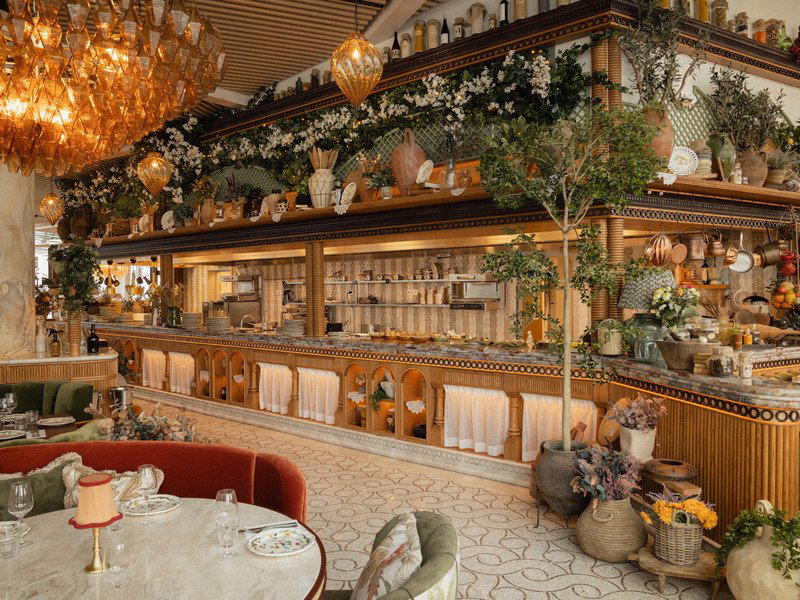
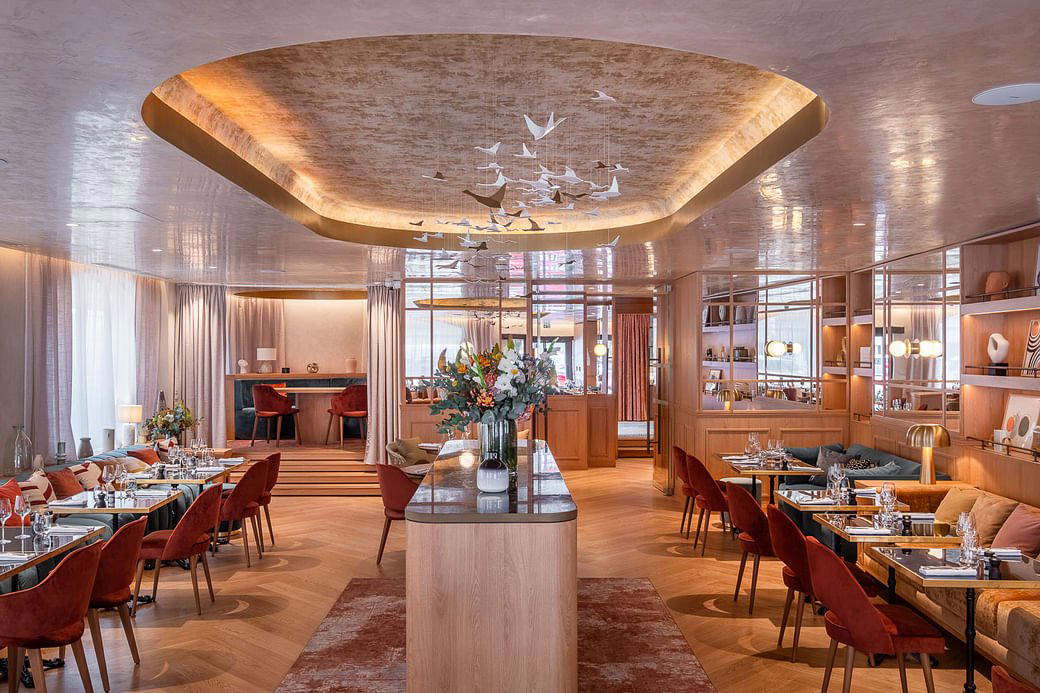
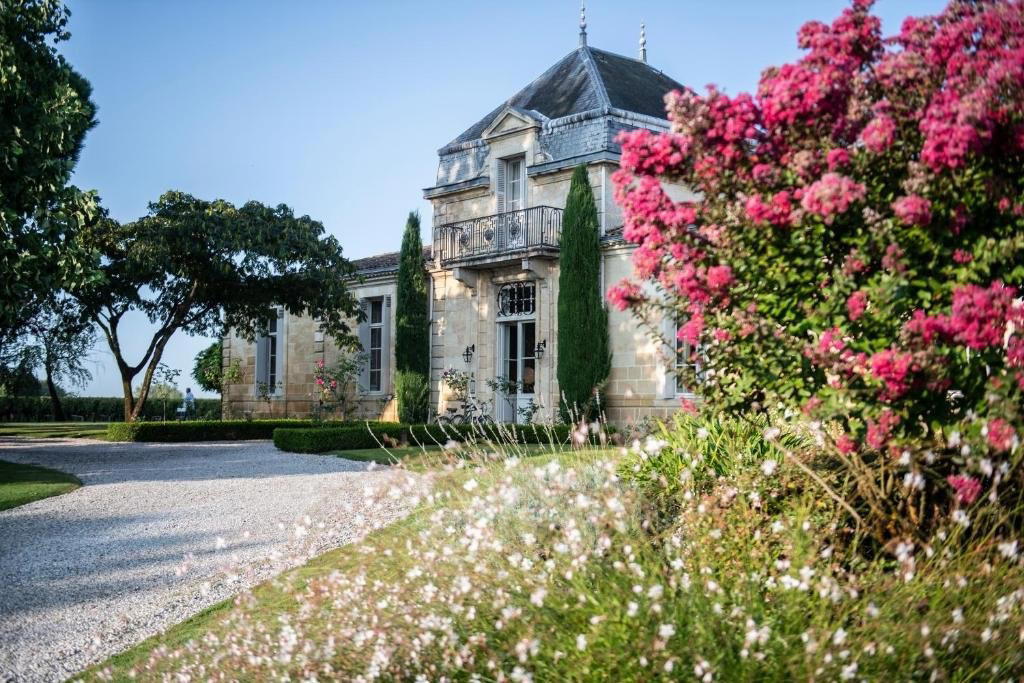
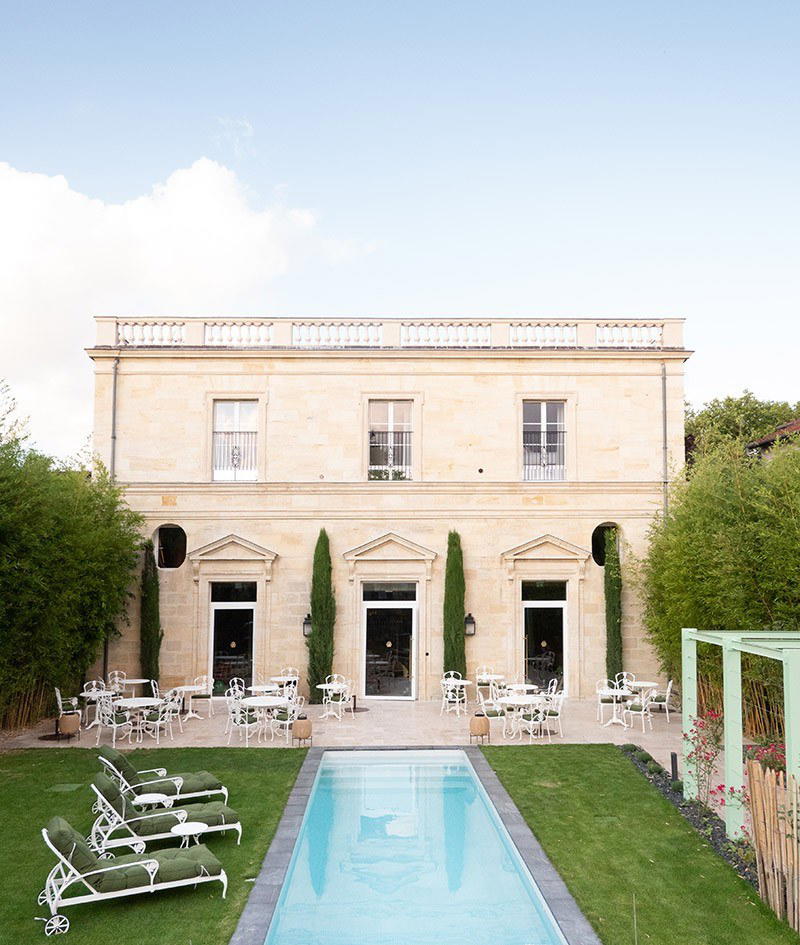
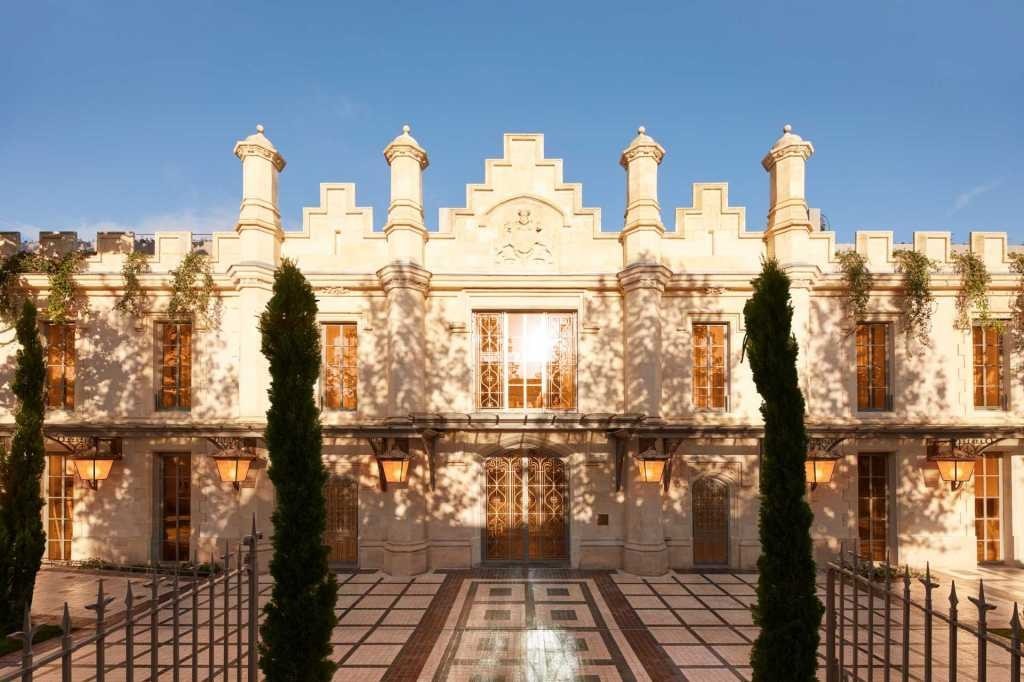
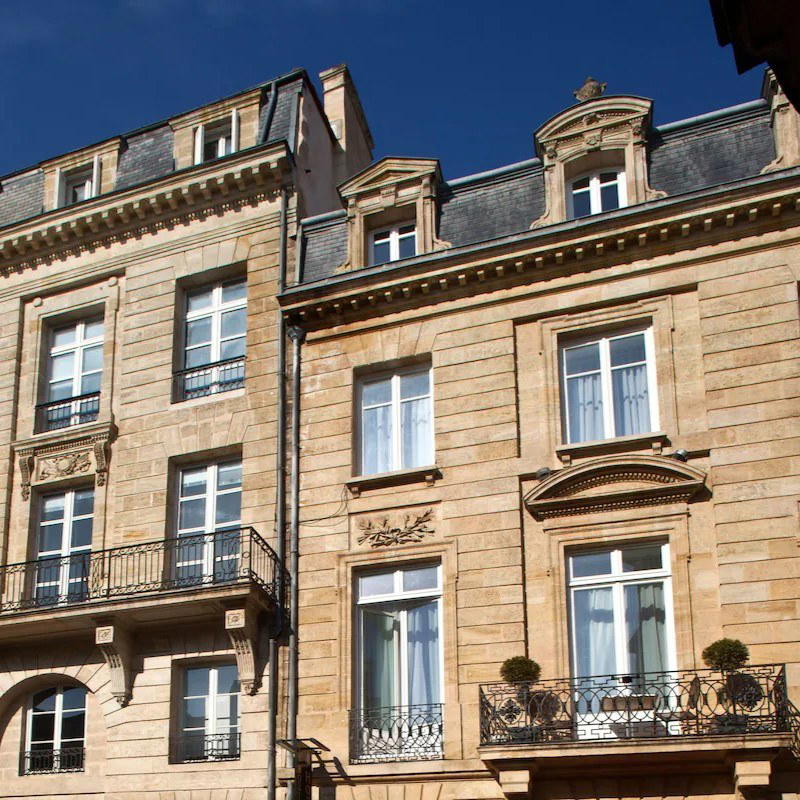
Historic château setting with elegant barrel rooms featuring curated art exhibitions, modern cement vat facilities, and refined tasting spaces that blend ancestral tradition with contemporary design.
Know Before You Go
- Getting there
- 3 Rte de Rauzan, 33460 Margaux-Cantenac