
The estate's address on the Rue du Général de Gaulle places it at the heart of the Margaux commune, within reach of the appellation's most storied neighbours.
Pearl is the En Primeur Club membership app — saves, bookings, and concierge access live there. Same editors, same standards.
- Address
- 3 rue du Général de Gaulle, 33460 Margaux-Cantenac, France
- Phone
- +33557883102
- Website
- gclurton-estates.com
- Directions
- Get directions
 Saves & bookings on Pearl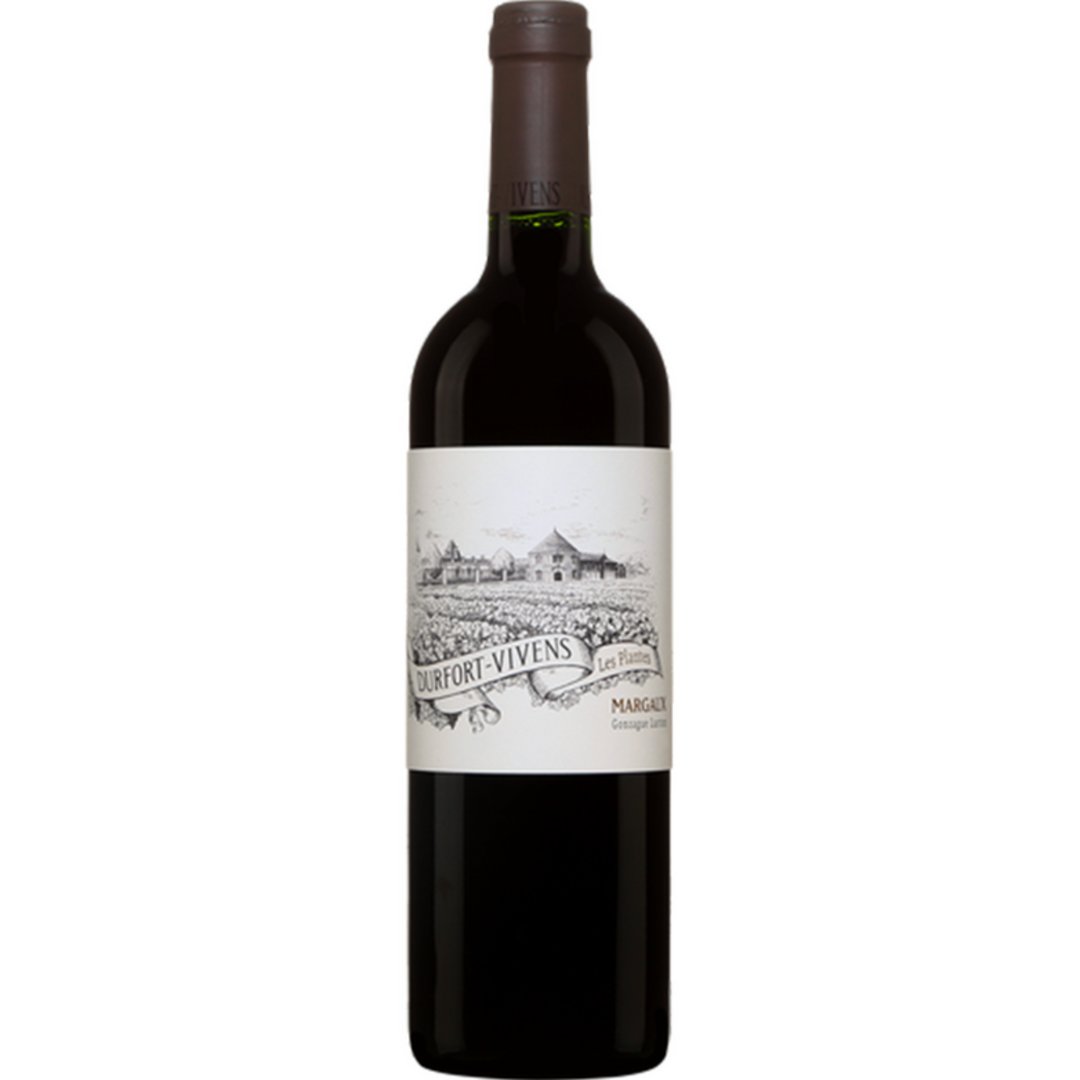
Where Margaux's Second Growths Hold Their Ground
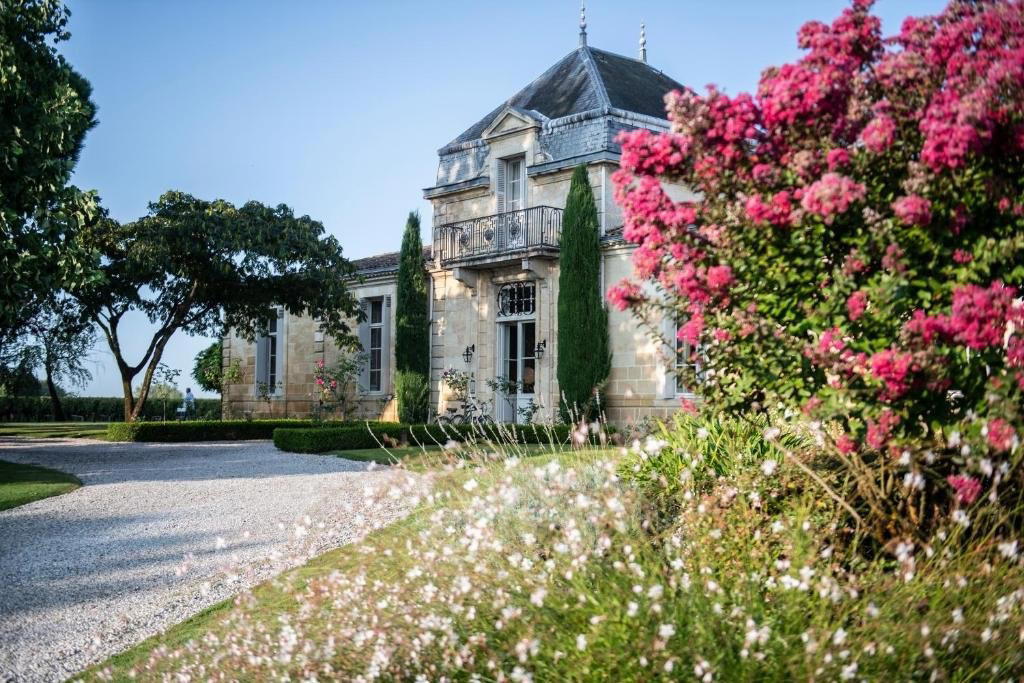
The gravel ridges of the Margaux appellation have a way of sorting ambition from execution. Drive the Rue du Général de Gaulle through Margaux-Cantenac and the sequence of classified estates reads almost like a league table made physical: stone chai walls, wrought-iron gates, and vineyard parcels that have been traded, subdivided, and reassembled across three centuries of Bordelais politics. Château Durfort-Vivens occupies a specific position in this hierarchy — a 1855 Second Growth with the kind of address that places it in direct conversation with neighbours including Château Lascombes, Château Rauzan-Gassies, and Château Ferrière, each working the same appellation soils but with distinct stylistic outcomes.
In a commune where the distance between a polished, commercially reliable claret and a wine that genuinely expresses terroir can be measured in a handful of decisions per vintage, that rating carries weight.
Margaux Terroir and What the Soils Demand
Margaux appellation produces Cabernet Sauvignon-dominant blends from deep gravel and fine sand soils that drain fast and force vine roots to work. The result, across the leading parcels, is a Cabernet with finer tannin structure and more aromatic lift than is typical in Pauillac or Saint-Julien — the appellation's reputation for what Bordeaux traders have historically called finesse derives directly from this geological profile. That reputation creates both an advantage and a standard: wines from this appellation are measured against an expectation of elegance, and producers who miss that mark face a particularly sharp critical response.
Within the appellation, the Cantenac section where Durfort-Vivens sits is geologically coherent with the broader Margaux plateau, though parcel-level variation matters considerably at this classification level. The châteaux that have made the most progress in recent decades have done so largely through viticultural discipline: canopy management, harvest timing, and parcel-by-parcel selection rather than cellar intervention. This reflects a wider Bordeaux shift away from extracted, heavily oaked styles toward wines that read as more complete expressions of their growing season.
The Philosophy Behind the Wine
Across the Margaux appellation, the estates that have attracted the most critical attention in the past decade share a recognisable orientation: low-intervention viticulture, reduced new oak, and a willingness to let a difficult vintage express itself honestly rather than correcting it out of recognition in the chai. This is a meaningful philosophical position in a region where commercial pressure to deliver consistent, accessible wine is considerable. The market for Margaux Second Growth labels is global, and the pull toward crowd-pleasing extraction is constant. Estates that resist it tend to produce wines with better aging curves and stronger critical reputations over time, even if they occasionally read as less immediately approachable in young-vintage tastings.
Durfort-Vivens has built its recent identity around exactly this kind of viticultural seriousness. The commitment to organic or conversion-phase practices that has become a differentiator across the Left Bank's better estates is consistent with the direction visible in the wine's profile and critical reception.
Positioning Within the 1855 Classification
The 1855 Classification is both a commercial infrastructure and a source of ongoing tension in Bordeaux. Its rankings were fixed at a moment in time, and the estates that have chosen to reinvest, replant, and rethink their approach since then have in many cases outperformed their original grade. Durfort-Vivens sits at the Second Growth level, which places it below Château Margaux's Premier Cru status but within the tier that captures serious collector and en primeur attention. The practical implication for buyers is that Second Growth Margaux represents a more accessible price point than First Growth, while the leading performers in the tier offer comparable aging potential and complexity.
The comparison set for Durfort-Vivens includes Rauzan-Gassies and Lascombes on the commercial side, and Ferrière and Desmirail on the smaller, more precise side of the spectrum. Where Durfort-Vivens lands in that range in any given vintage depends on growing conditions and the specific parcel performance that year. For reference against Left Bank peers in adjacent appellations, estates like Château Batailley in Pauillac and Château Bélair-Monange in Saint-Emilion offer a useful cross-appellation frame for understanding where classified Bordeaux quality sits at this level of production seriousness.
Visiting, Buying, and Planning
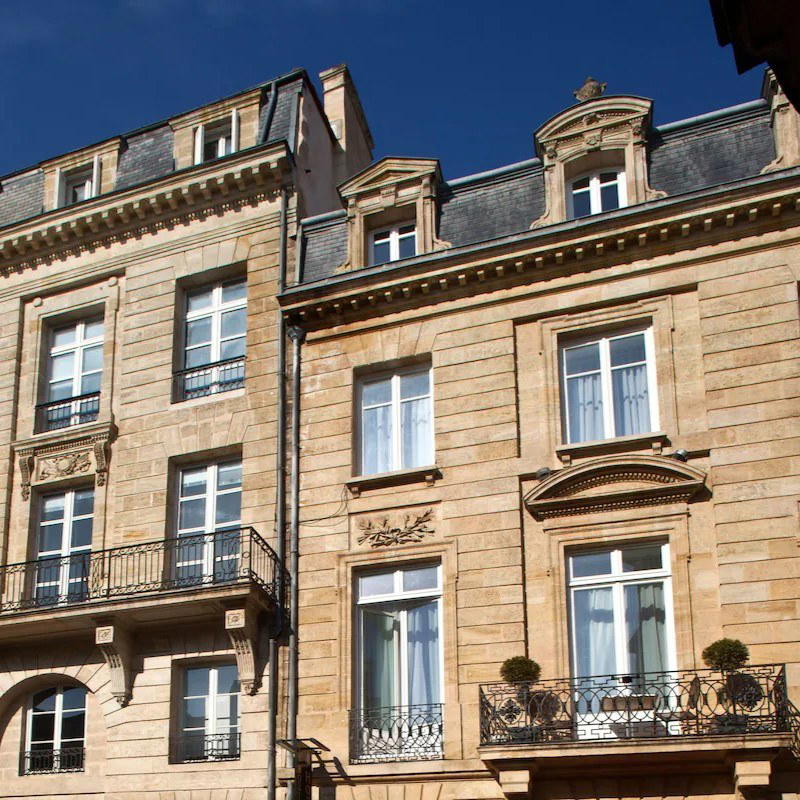
Margaux commune is manageable as a day trip from Bordeaux, with the drive along the D2 wine road taking roughly 40 minutes from the city centre. The village of Margaux-Cantenac itself is small, and classified châteaux line the main road and its immediate surrounds. Durfort-Vivens sits at 3 rue du Général de Gaulle, in the estate cluster that defines the commune's architectural character. Visiting hours and tasting programmes for classified Bordeaux estates vary by season and are typically arranged in advance; the en primeur window in spring (usually April) is the most active period for trade visitors, but private visits outside that window are generally possible with prior contact through the estate's commercial team. For a broader picture of what the appellation offers across dining, tasting, and cultural programming, our full Margaux guide covers the commune in detail.
Buyers working through en primeur allocation should note that Second Growth Margaux demand tends to peak in vintages that attract strong critical scores early in the tasting season. Durfort-Vivens releases through the Bordeaux négociant system, and allocation access typically runs through established merchant relationships rather than direct-to-consumer. For context on other prestige-level producers operating outside the Bordeaux framework, Accendo Cellars in St. Helena and Château Bastor-Lamontagne in Preignac illustrate how different fine wine traditions approach allocation and direct sales quite differently. Within France, the contrast with spirits producers like Chartreuse in Voiron and malt producers like Aberlour in Aberlour underscores how unique the en primeur model remains as a purchasing structure in global fine beverage culture.
Recognition history
Dated appearances from independent guides and award organizations, with the underlying list record or original source where available.
Falstaff Winery - 2 Stars
Falstaff
Continue exploring
More in Margaux
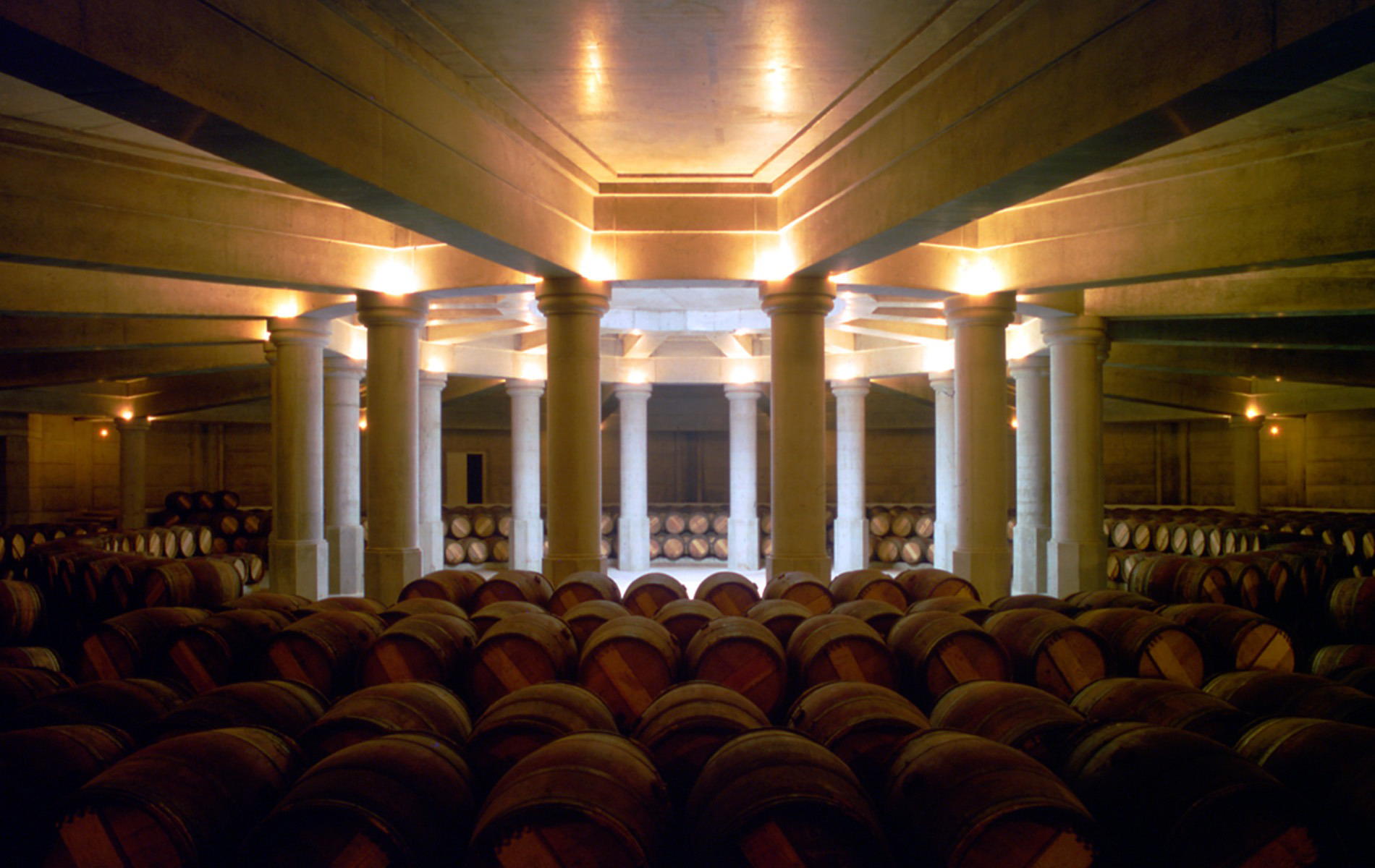
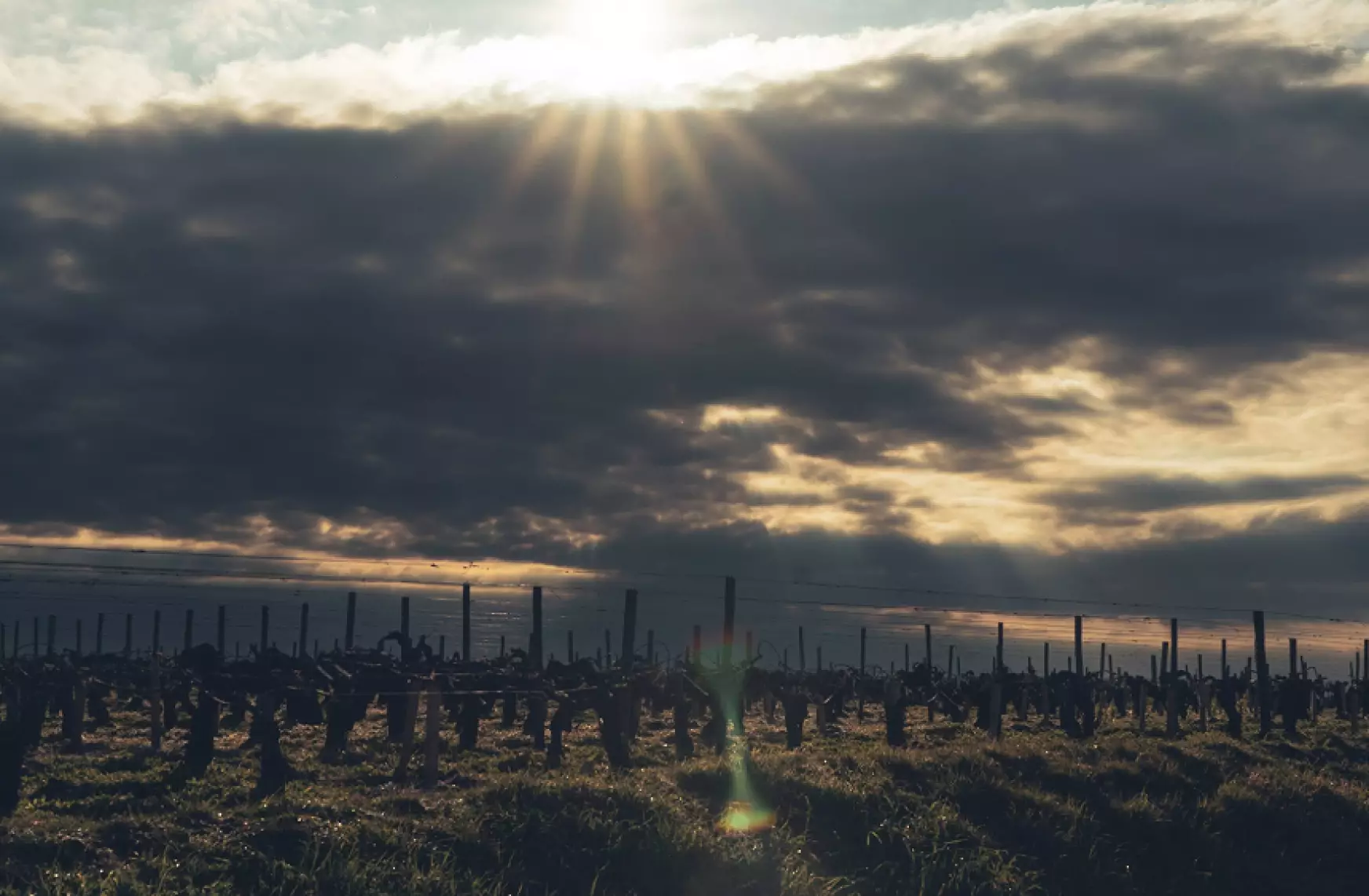
Wineries in Margaux
Browse all →
Bars in Margaux
Browse all →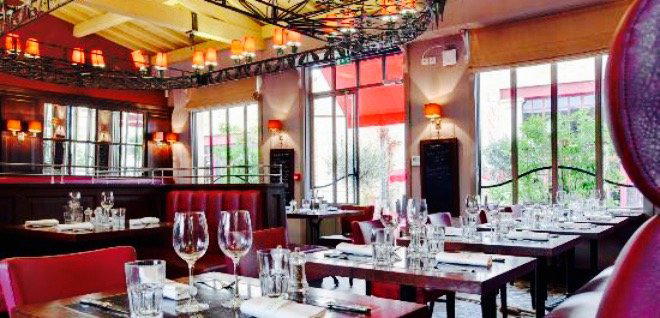
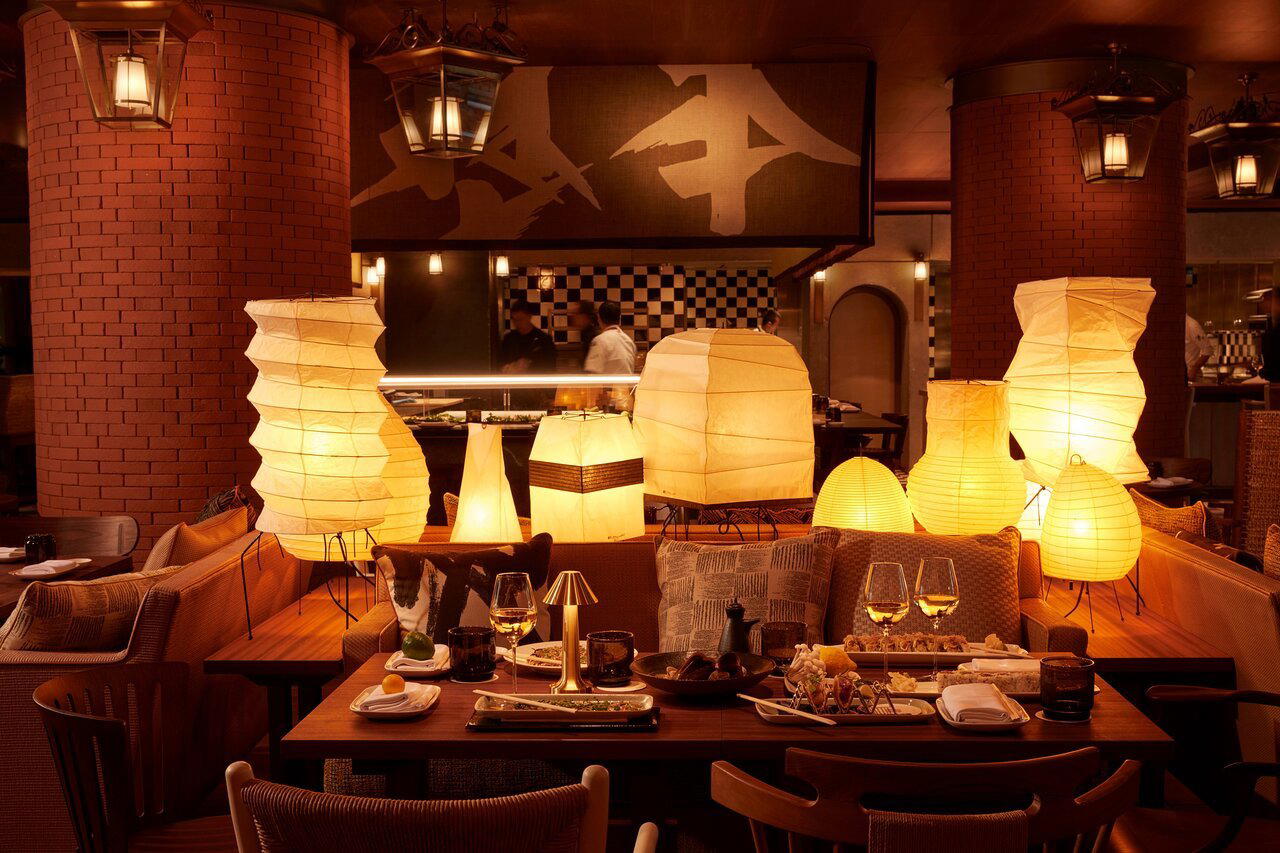
Restaurants in Margaux
Browse all →
At a Glance
- Classic
- Elegant
- Sophisticated
- Well Known
- Wine Education
- Special Occasion
- Vineyard Tour
- Barrel Room
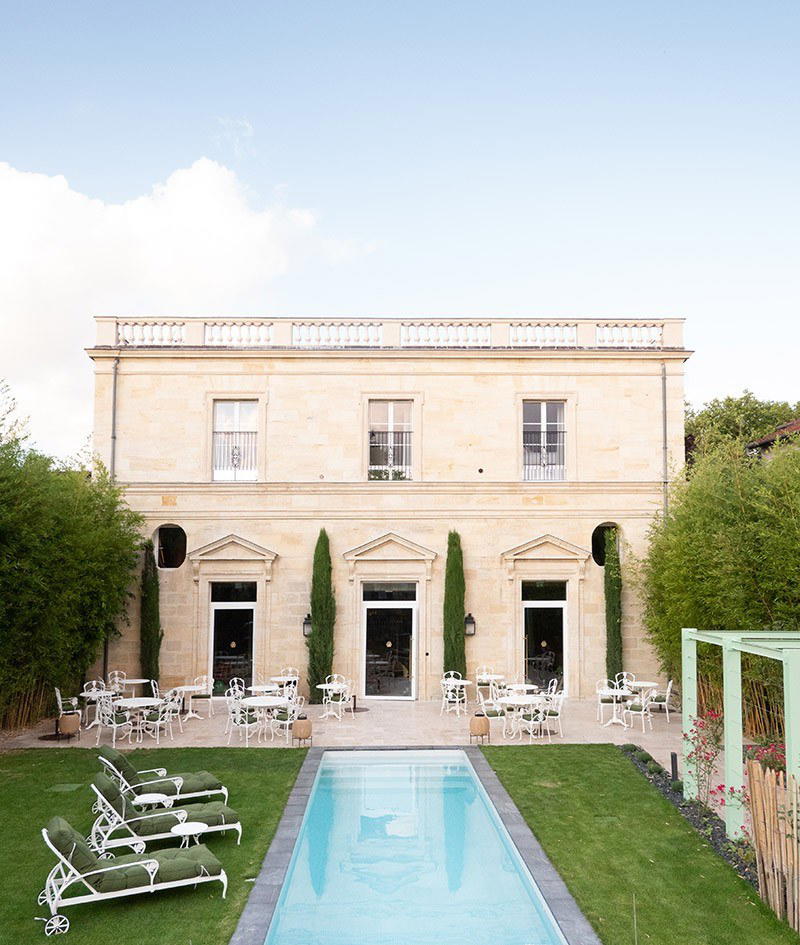
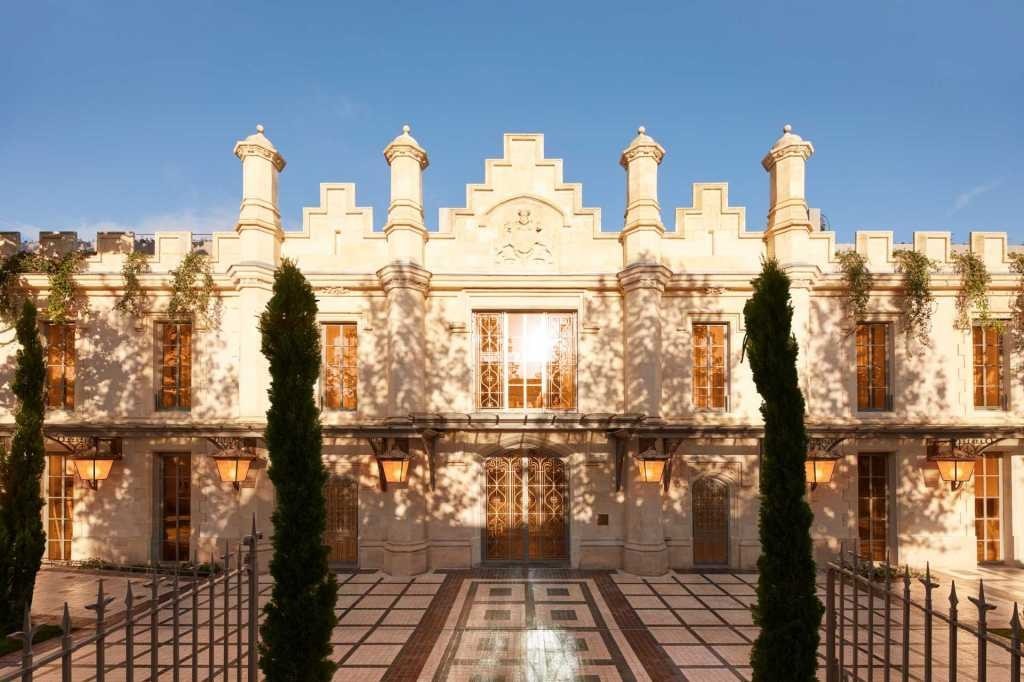
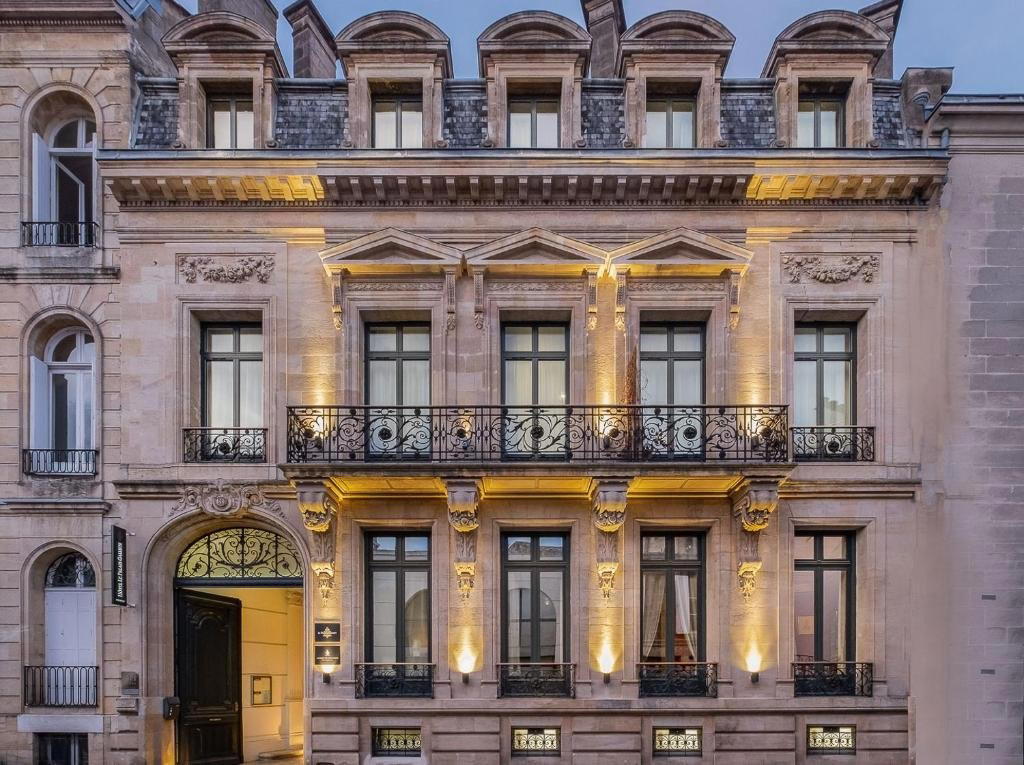
- Historic Building
- Organic
- Biodynamic
- Vineyard
- Margaux AOC
- Cabernet Sauvignon
- Merlot
- Cabernet Franc
- Still Red
- Amphora
- Private Tasting
Current opening hours
- Monday
- 9:30 AM–12:30 PM, 2–5 PM
- Tuesday
- 9:30 AM–12:30 PM, 2–5 PM
- Wednesday
- 9:30 AM–12:30 PM, 2–5 PM
- Thursday
- 9:30 AM–12:30 PM, 2–5 PM
- Friday
- 9:30 AM–12 PM, 2–5 PM
- Saturday
- Closed
- Sunday
- Closed
Hours can change for holidays and private events. Last verified .
Refined and elegant historic château atmosphere with meticulous precision in winemaking.
Know Before You Go
- Getting there
- 3 rue du Général de Gaulle, 33460 Margaux-Cantenac, France