Under winemaker Fabienne Fabre, the property represents the quieter, terroir-focused end of Barsac's premium tier — a counterpoint to the appellation's more commercially visible names.
Pearl is the En Primeur Club membership app — saves, bookings, and concierge access live there. Same editors, same standards.
- Address
- Chateau de Myrat, Myrat-Sud, Barsac, France
- Phone
- +33 4 94 28 20 31
- Website
- aumerade.com
- Directions
- Get directions
 Saves & bookings on Pearl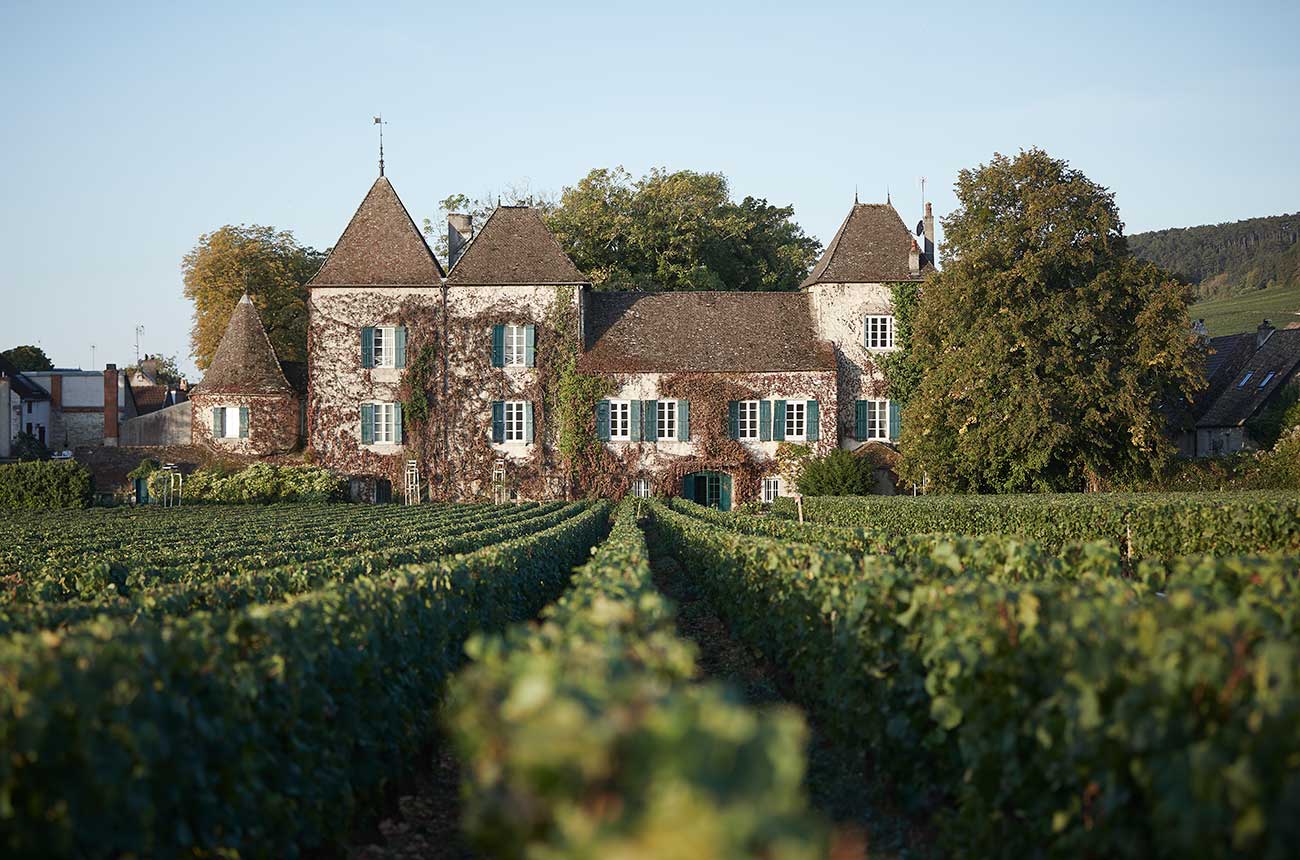
Barsac and the Weight of a Long Vintage Record
Among France's sweet wine appellations, Barsac occupies a specific and demanding position. It sits within the broader Sauternes designation but retains the right to its own appellation name, and producers here navigate a narrow corridor between the richer, more opulent style associated with Sauternes and a leaner, more mineral expression that the clay-limestone soils of Barsac's plateau can produce. The appellation rewards patience — both from producers waiting for botrytis to develop evenly, and from collectors prepared to cellar bottles for years before the wines reach their articulate peak. Château de l'Aumérade, with a first vintage recorded in 1740, carries a production history that predates the 1855 Classification by more than a century. That kind of continuity is not sentiment; it is structural evidence of site quality and institutional commitment to the appellation across changing ownership eras and market conditions.
The estate sits at the address historically associated with Château de Myrat in Barsac's southern sector. That geographical positioning matters in Barsac, where the slight topographic variation across the commune shifts drainage rates and botrytis pressure in ways that affect vintage-to-vintage consistency. Comparable estates in the commune — Château Climens, often cited as Barsac's reference point for mineral precision, and Château Nairac, which sits at the classified-growth tier and pursues a more structured style, define the range within which Barsac's serious producers operate. Château de l'Aumérade occupies this same appellation space, drawing on centuries of site knowledge to position its wines within Barsac's more contemplative register.
Viticulture as the Long Argument
The broader shift in French viticulture over the past two decades has moved progressively toward lower intervention in the vineyard, fewer synthetic inputs, greater attention to soil biology, and a recalibration of what it means to express terroir honestly. In Sauternes and Barsac, this shift carries particular stakes. The appellation's defining process, noble rot (Botrytis cinerea), is a function of microclimatic conditions and vine health that can be disrupted by aggressive chemical programs. Producers who have moved toward organic or low-intervention practices in the region often report more consistent botrytis development and better-integrated acidity in the finished wines, because the vines are working within a more balanced ecosystem rather than compensating for it.
Fabienne Fabre, the winemaker at Château de l'Aumérade, operates within this context. The name on a Barsac label carries weight when it represents continuity of method and a compounding knowledge of a specific site. Fabre's role here is less about personal philosophy as a headline and more about sustained stewardship, the kind of long-tenure winemaking that allows a producer to read a vintage against decades of experience on the same soils. For a wine region where annual variation is the defining challenge, that accumulated site knowledge translates directly into decisions about harvest timing, selective picking passes, and the balance struck between richness and freshness in the press.
Elsewhere in France, estates with similarly deep roots have become reference points for how institutional memory shapes wine quality over time. Albert Boxler in Niedermorschwihr demonstrates how Alsace's complex terroir can be read with increasing clarity through generational continuity. The parallel is instructive for Barsac: long-run site knowledge in a highly variable appellation is not a romantic abstraction but a practical technical advantage.
The distinction matters in Barsac, where reputation is built incrementally through reliable noble rot development, appropriate sugar-acid balance, and cellaring potential, not through the marketing cycles that can inflate short-term recognition in other categories.
Across the river's appellations, estates at this recognition level typically share a commitment to terroir specificity over commercial blending logic. Château Doisy-Daëne, another Barsac property with a track record of balancing appellation character with contemporary precision, and Château Bastor-Lamontagne in nearby Preignac, sit within the same broad quality conversation. The difference between these producers often comes down to site microclimate and the precise balance each team strikes between harvest selection and press pressure, details that separate recognizable Barsac character from generic sweet-wine production.
Barsac in the Wider Bordeaux Context
Barsac sits at the southern edge of the Graves region, separated from the Garonne by a few kilometres of flood plain. The commune shares structural appellation DNA with Sauternes while maintaining its distinctive soil profile: a mix of red sand and clay over a limestone subsoil that drains efficiently and forces vine roots deeper than on heavier clay. This produces grapes with a different weight profile than those from the deeper, richer soils closer to Sauternes' centre, and the wines from committed Barsac producers typically show more tension and a lighter viscosity than the richest Sauternes expressions.
For collectors approaching the appellation for the first time, this distinction is worth understanding before committing to a position. The concentrated, high-sugar Sauternes style has historically attracted the strongest auction prices and critical scores. Barsac's more restrained register has a smaller but loyal following among collectors who prioritise food compatibility and cellaring versatility over immediate impact.
The broader Bordeaux premium tier provides further context. Estates across the region's classified appellations, from Château Batailley in Pauillac and Château Branaire Ducru in St-Julien on the Left Bank, to Château Bélair-Monange in Saint-Emilion on the Right, share the institutional seriousness that characterises a Bordeaux estate with documented centuries of production. Château Boyd-Cantenac in Cantenac and Château Cantemerle in Haut-Médoc similarly represent the kind of classified-growth continuity that gives the Bordeaux system its structural credibility. Château de l'Aumérade contributes to this picture from the sweet wine side of the region, where the appellation's demand for selective manual harvesting and multi-pass picking makes production economics considerably more demanding than in dry wine appellations.
Planning a Visit to Barsac
Barsac is a short drive south of Bordeaux city, accessible within forty minutes from the Bordeaux-Saint-Jean railway station via the regional TER service to Barsac station. The harvest period, typically running from late September through October and occasionally into November depending on botrytis development, brings the appellation to its most active and visually instructive state. At that time of year, the early morning mists that rise from the Ciron river create the humid conditions that trigger botrytis, and the alternating morning fog and afternoon sun that characterise a good Sauternes and Barsac vintage are visible in real time. Visiting the appellation during harvest offers a direct understanding of why noble rot production is inherently variable and why the leading estates' commitment to selective picking is both a quality and a financial decision simultaneously.
For a broader orientation to the commune before or after a visit, our full Barsac guide covers the appellation's character, comparable producers, and practical logistics in detail.
Collectors and travellers who follow a broader French wine itinerary may find useful reference points in how other appellations handle the same institutional-continuity question. Chartreuse in Voiron represents a different tradition of French production longevity, and Accendo Cellars in St. Helena shows how the New World has constructed its own version of small-production, site-specific premium positioning, a useful contrast when considering what Barsac's centuries-old estates are still doing on their original ground. Château de Selle offers yet another angle on French estate winemaking continuity, in a region with its own distinct identity outside Bordeaux's classification structures.
Continue exploring
More in Barsac
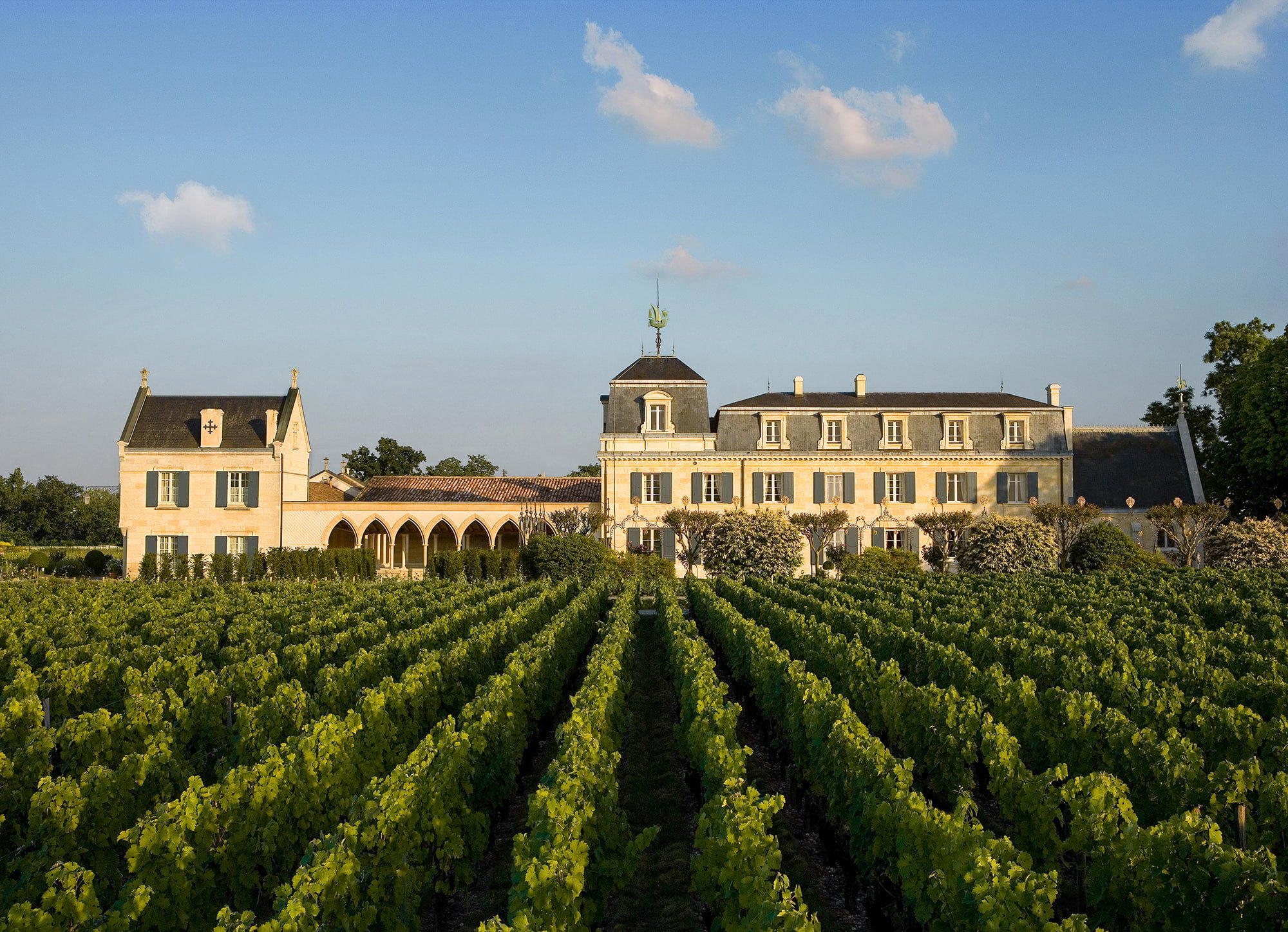
Wineries in Barsac
Browse all →
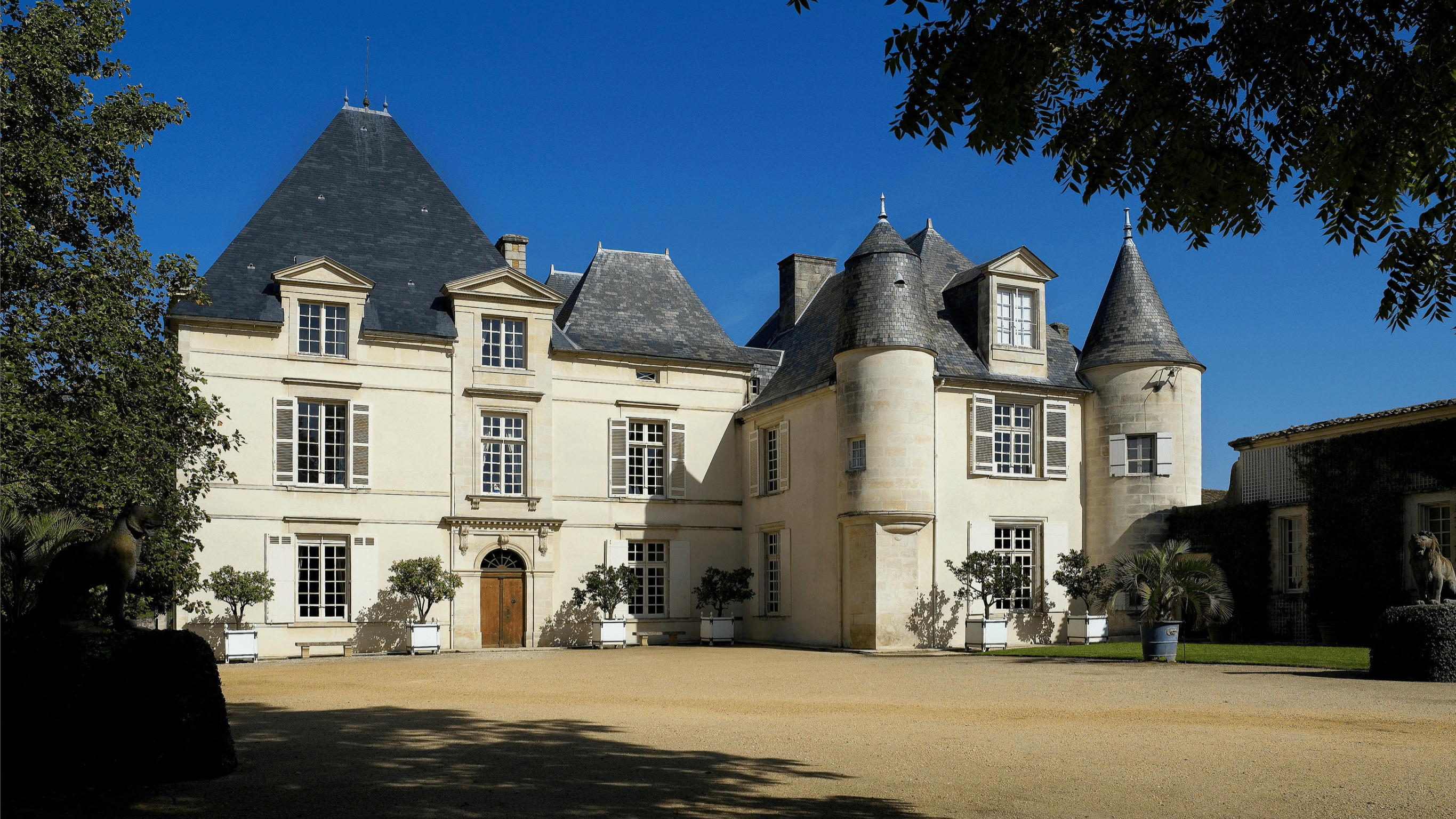
Bars in Barsac
Browse all →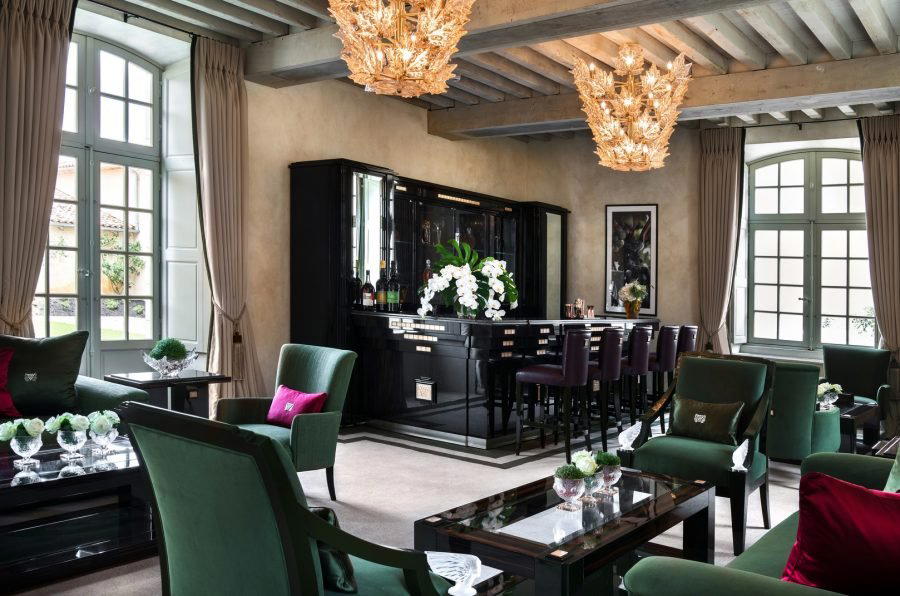
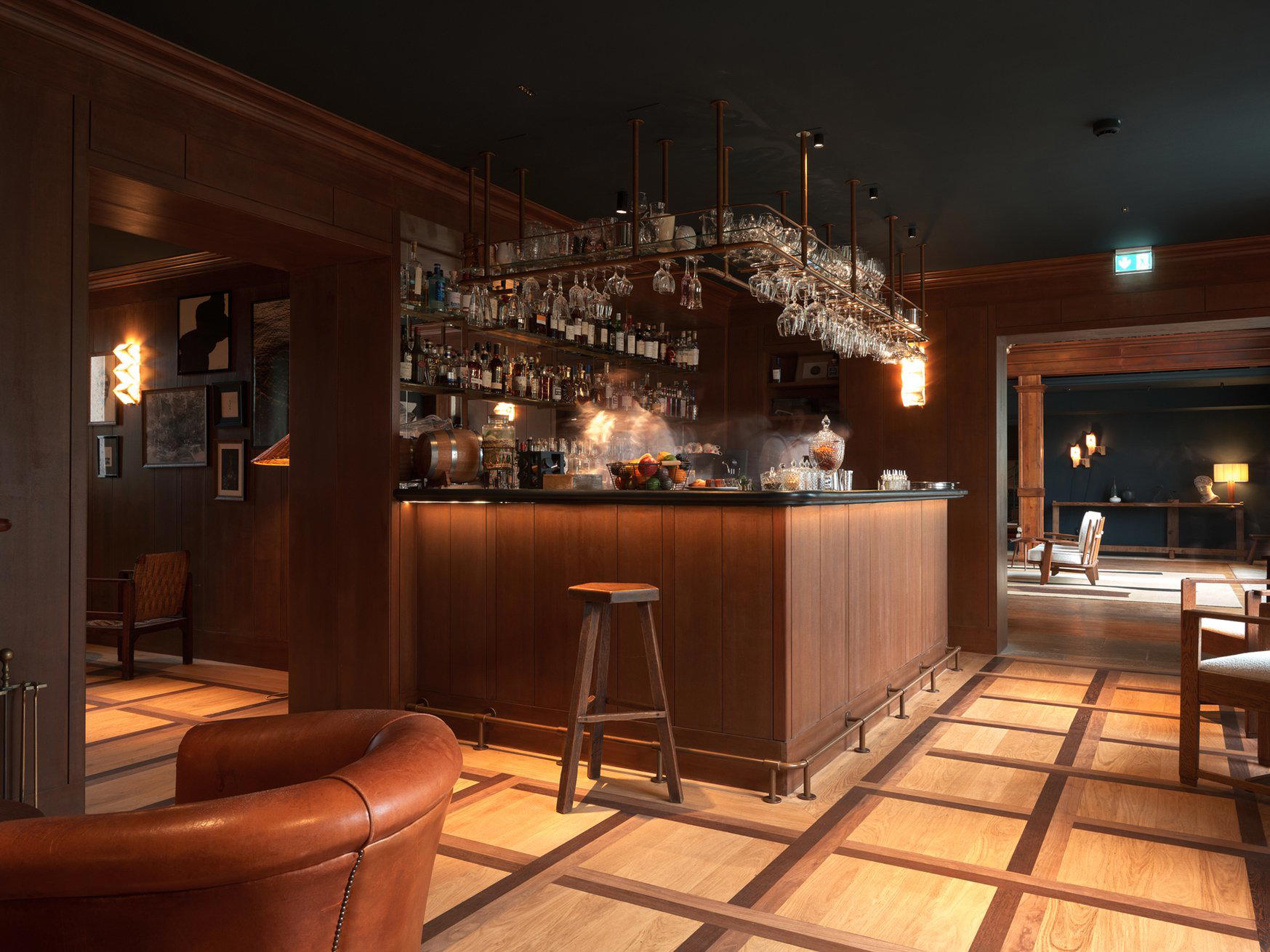
Restaurants in Barsac
Browse all →
At a Glance
- Classic
- Elegant
- Scenic
- Wine Education
- Romantic Getaway
- Group Outing
- Vineyard Tour
- Estate Grounds
- Terrace
- Historic Building
- Vineyard
- Côtes De Provence AOC
- Grenache
- Syrah
- Cinsault
- Still Rosé
- Still Red
- Estate Tasting
- Vineyard Tour
Current opening hours
- Monday
- 9 AM–5 PM
- Tuesday
- 9 AM–5 PM
- Wednesday
- 9 AM–5 PM
- Thursday
- 9 AM–5 PM
- Friday
- 9 AM–5 PM
- Saturday
- Closed
- Sunday
- Closed
Hours can change for holidays and private events. Last verified .
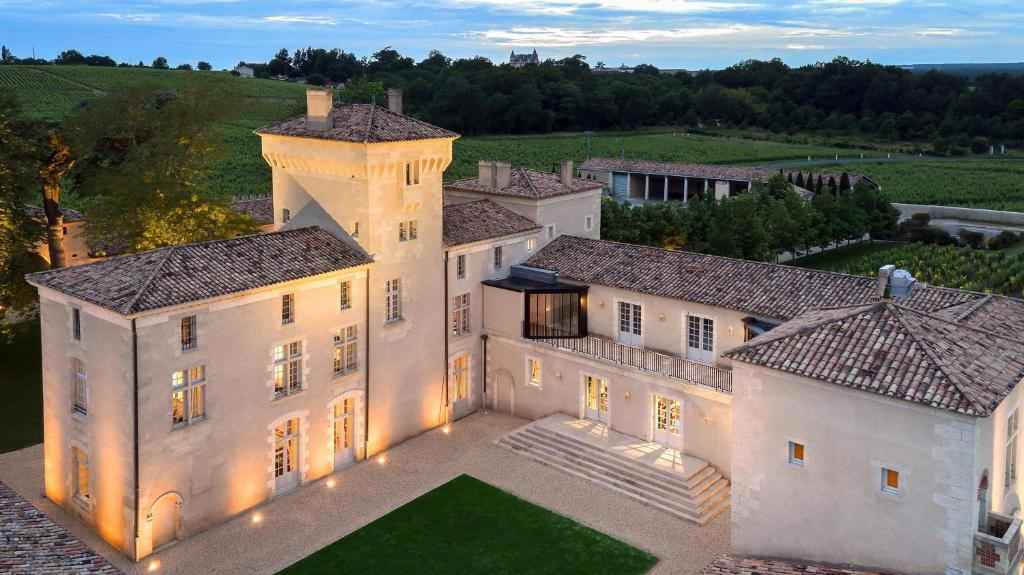
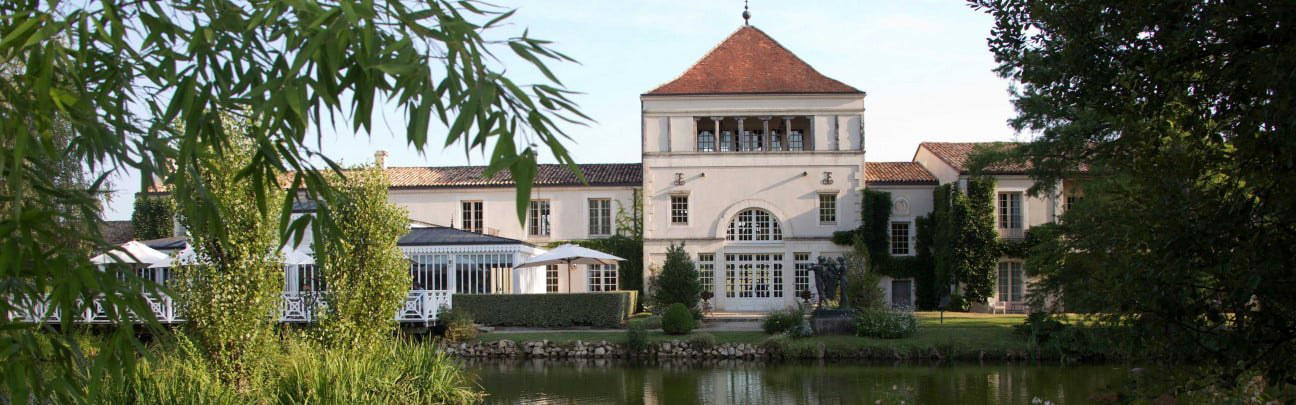
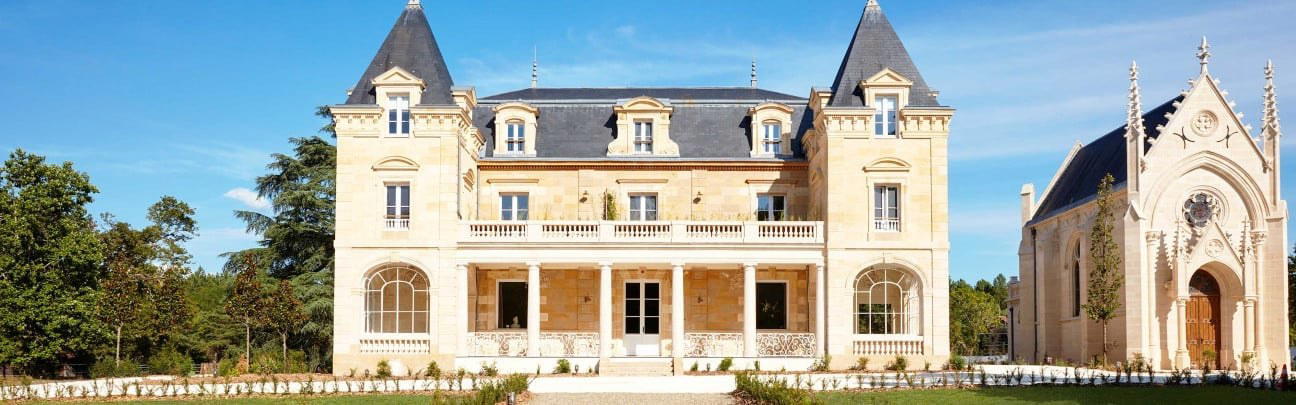
Classic French wine estate atmosphere with traditional charm, vineyard views, and a focus on wine heritage and production.
Know Before You Go
- Getting there
- Chateau de Myrat, Myrat-Sud, Barsac, France