
Champagne Éric Rodez belongs to the grower-Champagne conversation where Ambonnay’s chalk, Pinot Noir and patient blending matter more than spectacle. The estate works about 6–7 hectares of Grand Cru vines, farms biodynamically and builds its style through oak, reserve wines and low-dosage precision rather than house-brand gloss.
Pearl is the En Primeur Club membership app — saves, bookings, and concierge access live there. Same editors, same standards.
- Address
- 4 Rue d'Isse, 51150 Ambonnay, France
- Phone
- +33 3 26 57 04 93
- Website
- champagne-rodez.com
- Directions
- Get directions
 Saves & bookings on Pearl
Ambonnay is the setting for Champagne Éric Rodez, an artisanal grower-Champagne estate whose appeal is rooted in restraint rather than spectacle. The confirmed picture is of a quietly elegant, terroir-focused domaine: a place where biodynamic farming, careful barrel vinification and long aging are central to the identity, and where the tone is sophisticated without leaning on flashy presentation.
Because the available information is deliberately narrow, the safest way to understand the estate is through those core signals rather than through unsupported claims about tour formats, vineyard size, grape proportions, opening hours, individual cuvées or cellar access. Champagne Éric Rodez should be approached as a serious grower-Champagne name in Ambonnay, with a style of hospitality and communication that appears aligned with craft, farming and cellar work rather than high-gloss luxury.
Ambonnay through farming, cellar choices and quiet elegance
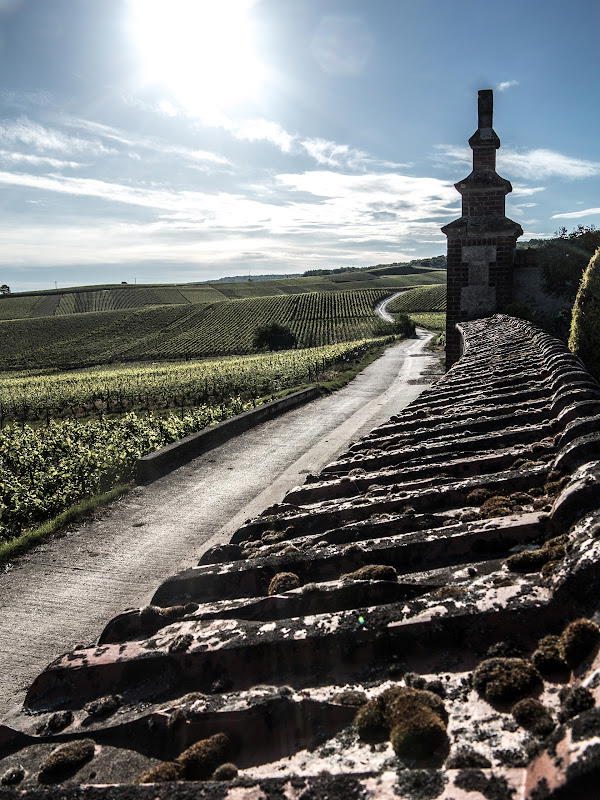
The strongest thread is the estate’s emphasis on biodynamic farming. In a Champagne context, that matters because it places vineyard work at the center of the story. Rather than treating the bottle as a finished luxury object detached from place, Champagne Éric Rodez is framed around the relationship between farming practice, terroir and patient cellar decisions.
Careful barrel vinification is another confirmed part of the estate’s identity. That does not justify making specific claims about barrel types, proportions, fermentation regimes or individual wines, but it does support a broader reading of the domaine as one that values texture, structure and detail. The profile suggests a grower estate where cellar work is not incidental decoration; it is part of how the Champagne is shaped.
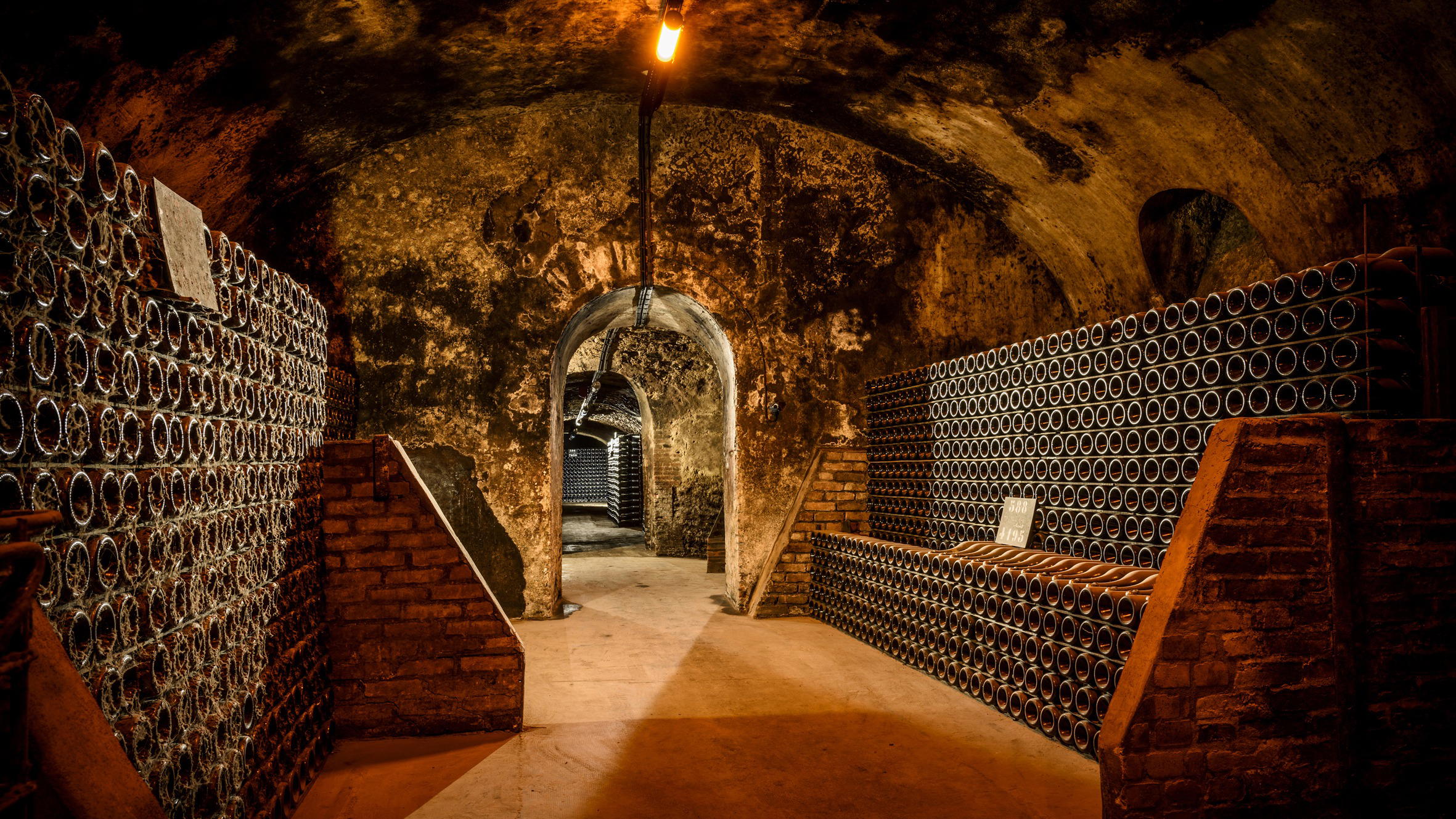
Long aging also belongs to the confirmed picture. Without detail on exact durations or releases, the point should remain general: the estate’s reputation, as presented in the available facts, is tied to patience and development rather than quick, showy immediacy. Together with biodynamic farming and barrel vinification, that gives the winery a clear identity for visitors and collectors who value process and place.
The estate to read as a study in terroir
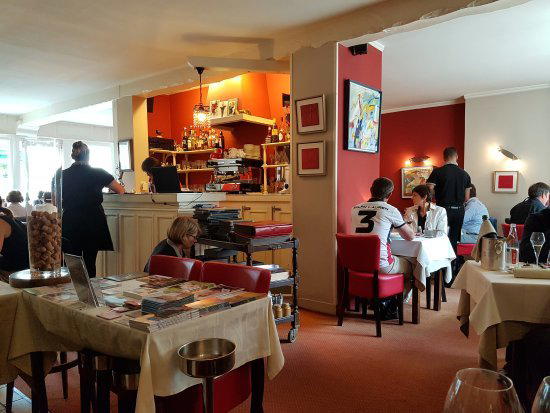
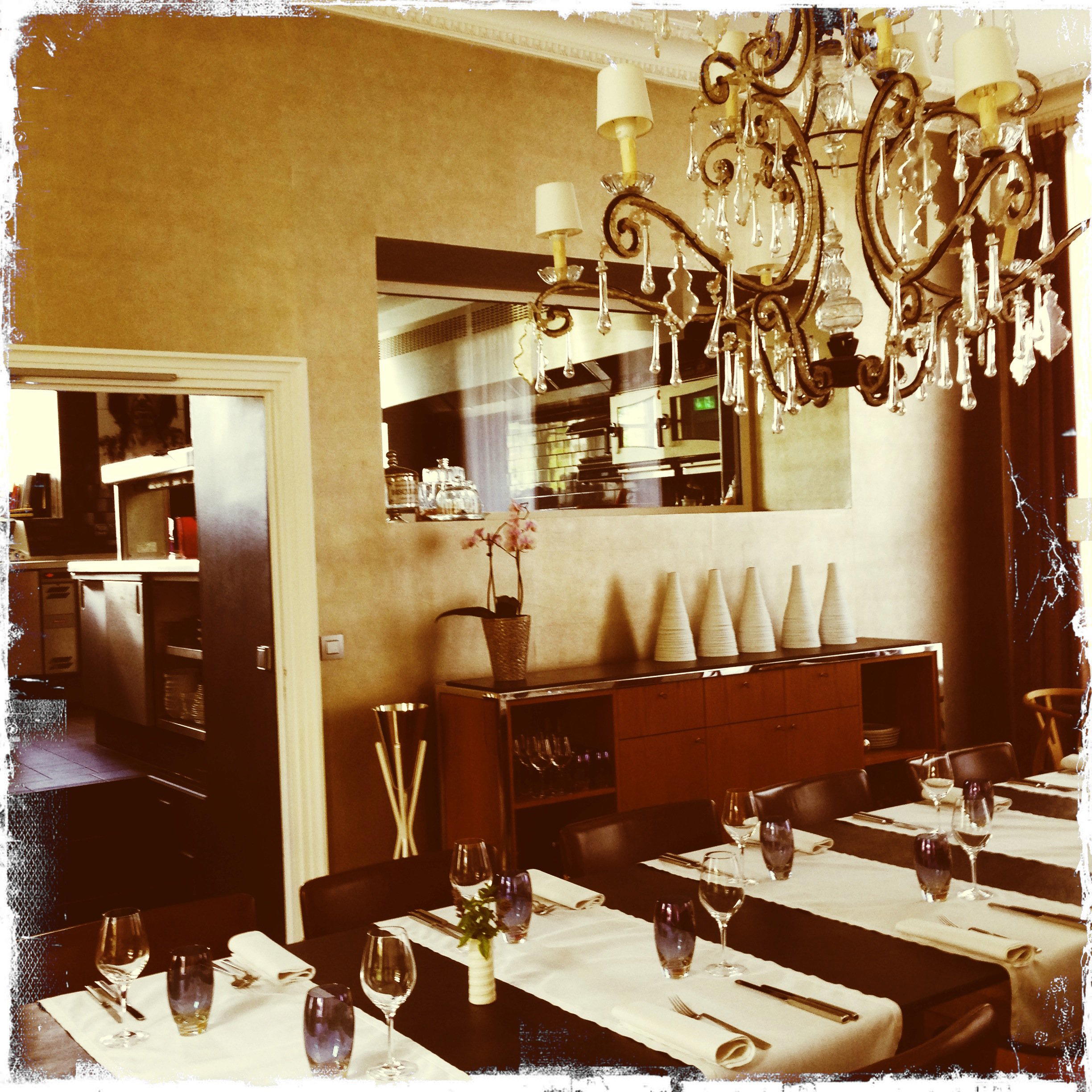
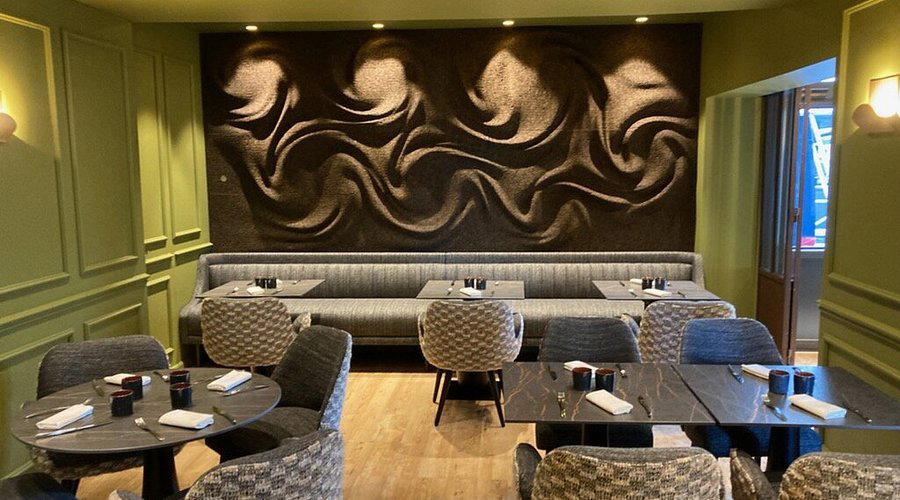
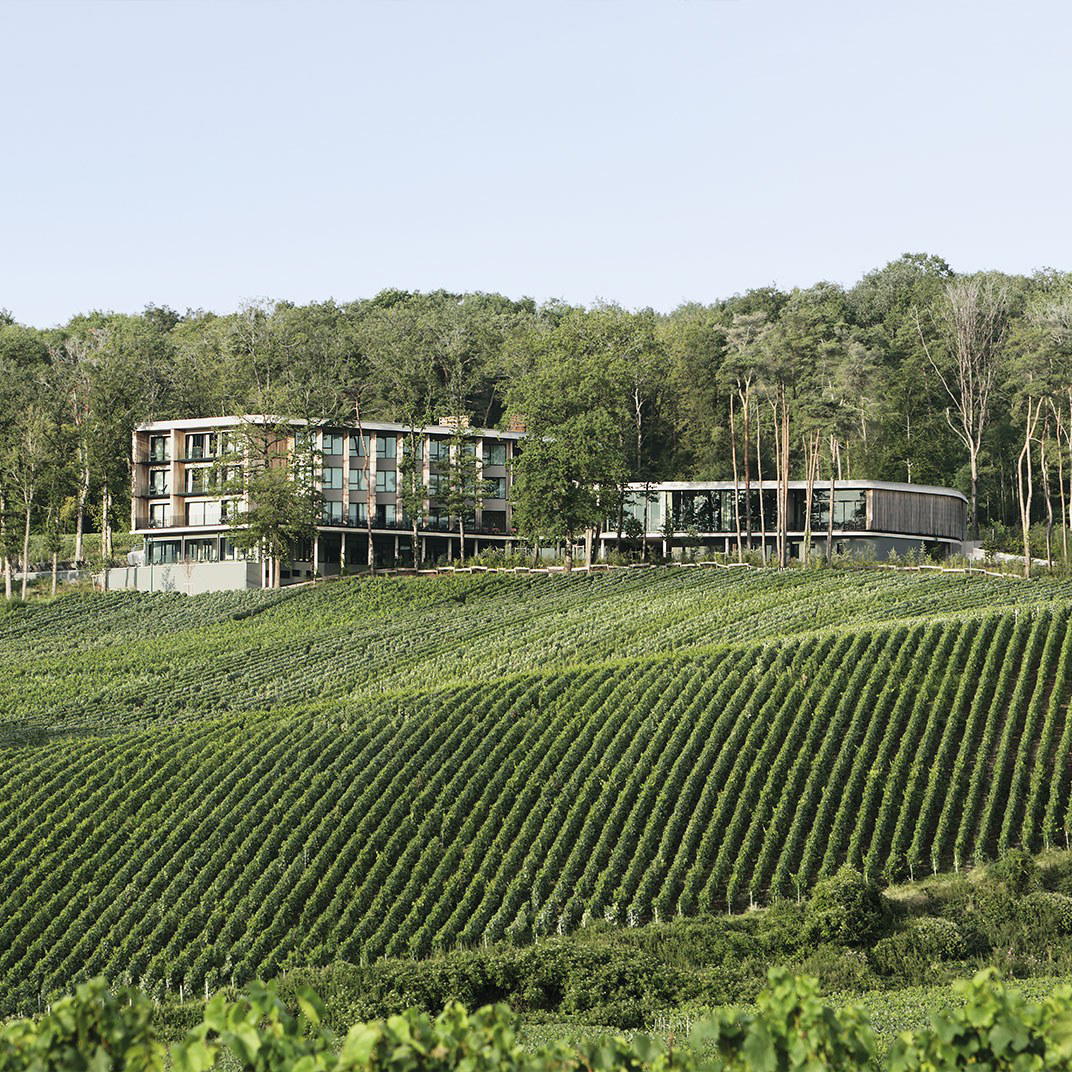
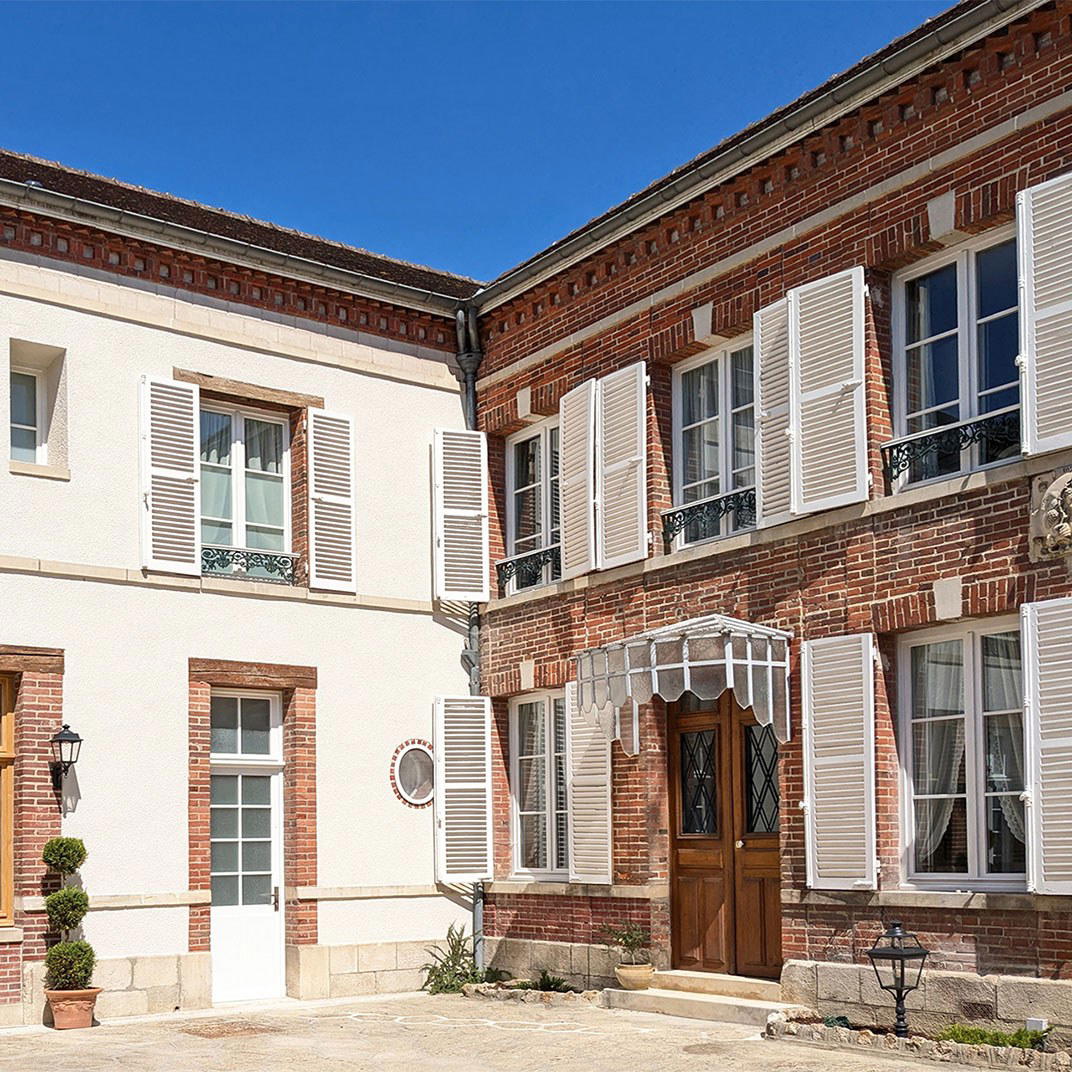
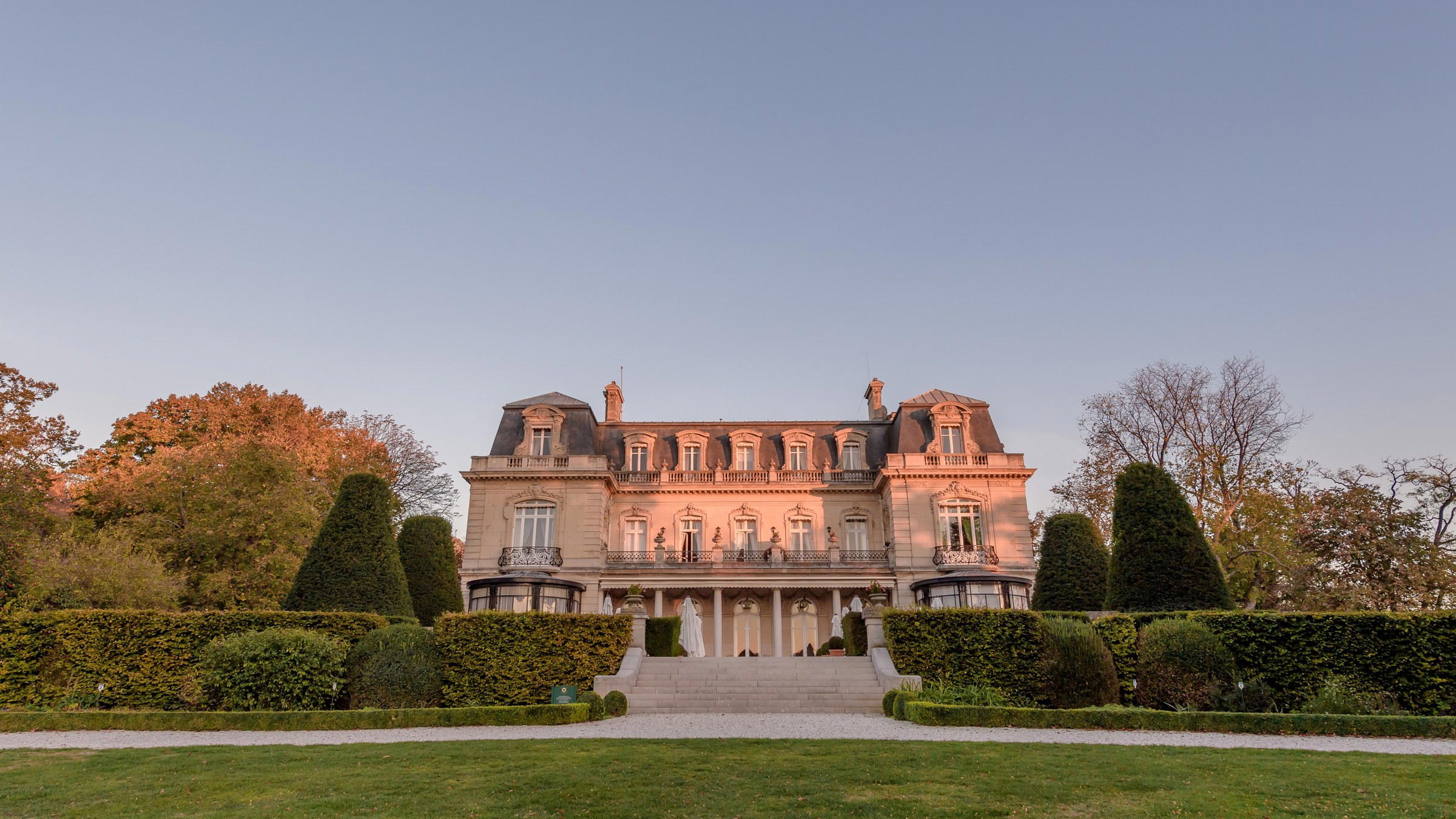
For readers planning around Ambonnay, the useful takeaway is not a checklist of tasting options or named bottles. It is the estate’s broader role as a terroir-focused grower-Champagne address. The description points to an atmosphere that is elegant, classic, scenic, well-known and sophisticated, but also understated. That combination is important: the estate’s appeal is not presented as nightlife, dining or entertainment, but as a focused Champagne experience.
The price level is listed as $$$, which sets expectations for a premium visit or purchase without implying any exact tasting fee, bottle price or menu format.
Within Ambonnay, the winery can be understood as its own point of reference rather than as part of a named comparison circuit. Other dining or drinking options in Ambonnay may help structure a wider day, but the information is focused on the estate itself: biodynamic farming, barrel-led vinification, long aging and a quiet, terroir-minded atmosphere.
Who should make the trip
The winery is well suited to visitors who are interested in grower Champagne as craft. If the draw is understanding how farming choices, barrel work and aging shape a domaine’s identity, the profile gives a clear reason to pay attention. The setting in Ambonnay adds to that appeal, especially for travelers building a Champagne itinerary around villages and producers rather than large-scale spectacle.
It is less useful to describe the estate through unconfirmed practical details. A careful visitor should therefore confirm current arrangements directly with the estate before traveling.
What can be said with confidence is that winery presents as a premium, artisanal grower-Champagne estate in Ambonnay with a quietly elegant character. Its grounded appeal lies in biodynamic farming, careful barrel vinification, long aging and a terroir-focused sensibility. For the right visitor, that is enough of a reason to make it a serious stop; for anyone seeking a more defined hospitality package, the next step is to verify the practical details before committing.
Recognition history
Dated appearances from independent guides and award organizations, with the underlying list record or original source where available.
Falstaff Winery - 4 Stars
Falstaff
Continue exploring
More in Ambonnay
Wineries in Ambonnay
Browse all →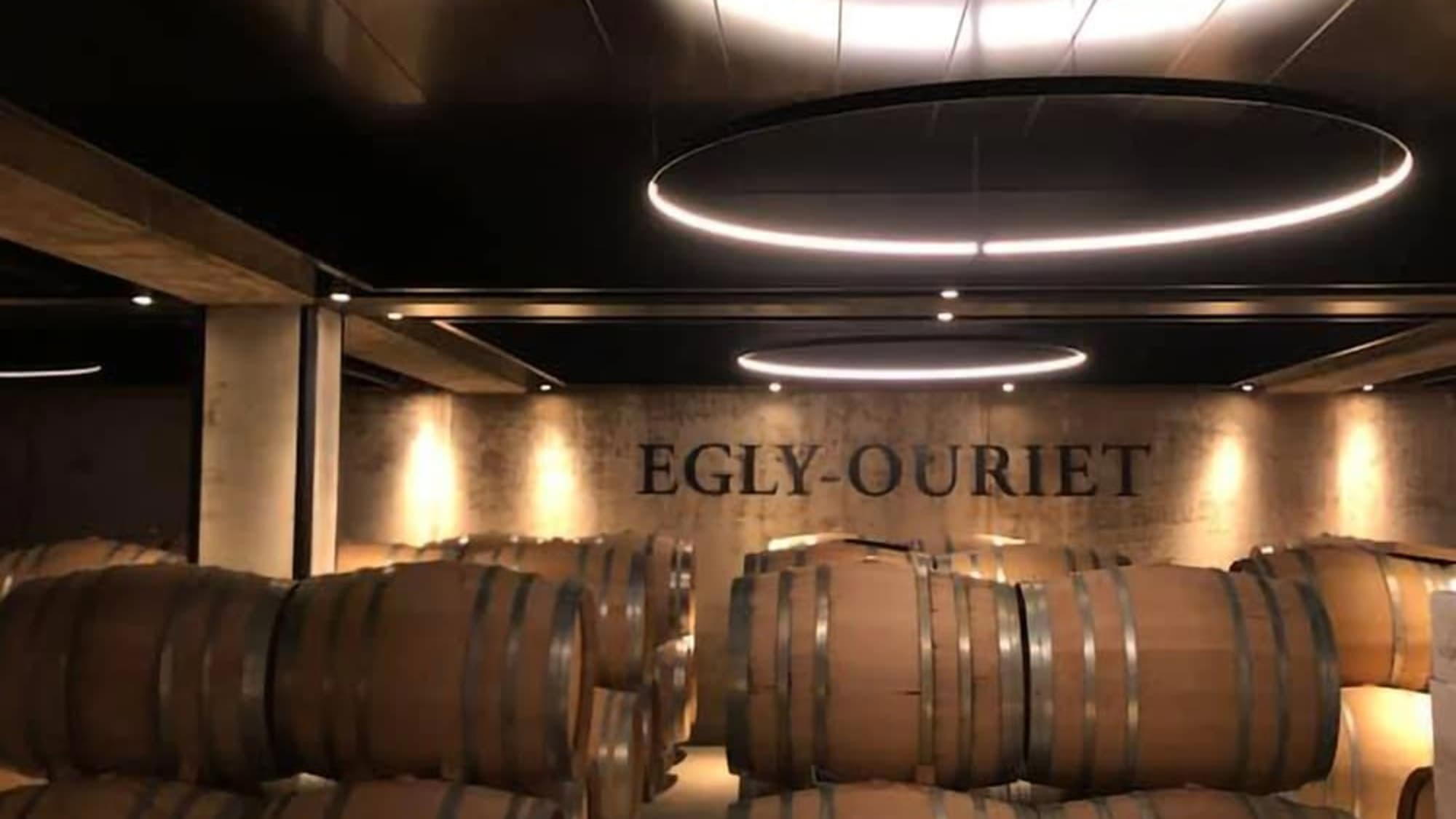
Bars in Ambonnay
Browse all →
Restaurants in Ambonnay
Browse all →
At a Glance
- Elegant
- Classic
- Scenic
- Well Known
- Sophisticated
- Wine Education
- Romantic Getaway
- Special Occasion
- Solo Exploration
- Group Outing
- Estate Grounds
- Barrel Room
- Historic Building
- Private Tasting
- Biodynamic
- Organic
- Sustainable
- Vineyard
- Champagne Aoc, Ambonnay Grand Cru
- Pinot Noir
- Chardonnay
- Sparkling
- Standard Tasting
- Private Tasting
- Cellar Tour
Artisanal grower-Champagne estate with a quietly elegant, terroir-focused atmosphere, emphasizing careful barrel vinification, long aging, and biodynamic farming over flashy presentation.