
Champagne Georges Rémy belongs to Bouzy’s grower-Champagne current rather than the polished-house model: small-scale, Pinot Noir-led, and anchored in parcel expression. The domaine works 4.7 hectares across 17 parcels in Bouzy, Ambonnay, Louvois and Tauxières, with organic farming, biodynamic elements and a production split between Champagne and Coteaux Champenois.
Pearl is the En Primeur Club membership app — saves, bookings, and concierge access live there. Same editors, same standards.
- Address
- Bouzy, Grand Est, Frankreich
- Directions
- Get directions
 Saves & bookings on Pearl
Bouzy is not a soft-focus Champagne village. Its reputation was built on Pinot Noir with muscle, chalk underfoot, and hillside fruit that can turn broad if handled without discipline. The interest at Champagne Georges Rémy is the opposite movement: a Bouzy address using the village’s power as raw material, then tightening it through organic farming, parcel selection, barrel work and restrained dosage.
That makes the domaine a useful lens on where grower Champagne has moved. The old binary of grand maison versus rustic small producer no longer explains the category. A serious grower now has to show exactly where the fruit comes from, how each parcel behaves, and why a cellar choice clarifies rather than decorates the wine. Here, the scale matters: 4.7 hectares divided into 17 parcels across Bouzy, Ambonnay, Louvois and Tauxières, with Pinot Noir carrying the main argument and Chardonnay playing a smaller role.
Pinot Noir in Bouzy, tightened by parcel work rather than house gloss
The domaine’s production makes sense only if Bouzy is understood as a Pinot Noir village first. In the Montagne de Reims, Bouzy’s Grand Cru identity has long been tied to depth, structure and still red wine as much as sparkling Champagne. Georges Rémy works within that inheritance without treating weight as the goal. The estate keeps roughly 20 percent of its organically farmed grapes for its own wines, a selection model that points to concentration of purpose rather than volume.
The portfolio moves between sparkling wines and Coteaux Champenois, which is where the estate’s argument becomes especially clear. Bouzy Rouge, first commercially produced in 2011, places still Pinot Noir back in the conversation rather than treating it as a historical footnote. Sparkling production followed in 2014, and the house style has since leaned into single-parcel vinifications, minimal or zero dosage, and a preference for wines that show site before cellar signature.
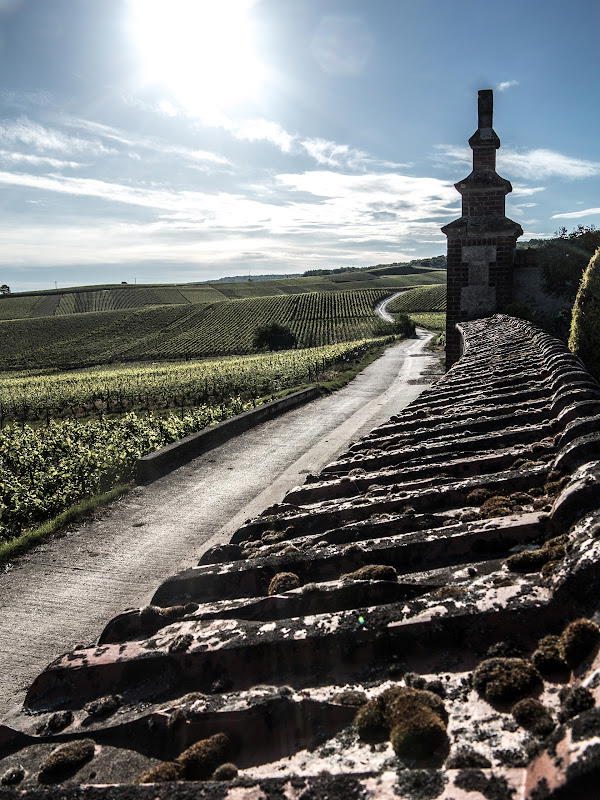
That vocabulary can sound fashionable in Champagne, but the details here give it weight. The vineyards are certified organic, biodynamic practices are part of the farming, and chemical fertilizers are avoided. The soil mix of dark clay, silica and chalk is not an abstract talking point; it is the reason this kind of Pinot Noir can carry structure without needing a heavy hand. Later harvesting is used to reach ripeness while preserving the line of the wine, a choice that separates serious grower work from green, austere minimalism.
The cellar favors tension, oak and low dosage over spectacle
Modern Champagne often divides between branded consistency and site-specific exposure. This domaine belongs to the latter camp, but not in a careless natural-wine register. Spontaneous fermentations in oak barrels, maturation on fine lees for roughly 10 months for Champagne, and longer aging for the still reds create a frame for texture while keeping the focus on fruit origin. Bottling according to lunar cycles sits within the biodynamic approach, but the more consequential signal is the discipline around dosage and parcel identity.
The wines also show how grower Champagne now competes on precision of format. Blanc de Noirs, Extra Brut and Brut Nature bottlings have become shorthand for seriousness in Pinot-led villages, but the words alone are not enough. The stronger case is the combination of Grand Cru Bouzy fruit, organic farming, small retained production, and a portfolio that includes both single-parcel Champagne and still red Coteaux Champenois. That dual focus places the domaine in a narrower lane than producers built solely around non-vintage blends.
Georges Rémy’s background matters as context, not mythology. Family farming in Bouzy reaches back to 1829, while the present commercial phase began in 2011. Training in viticulture and oenology, along with professional experience in Bordeaux, helps explain the comfort with both red-wine structure and Champagne precision. The point is not a personal origin story; it is the way those credentials support a cellar program built around Pinot Noir clarity.
How to read this estate within a Bouzy wine itinerary
For travelers using Bouzy as a wine base, this is the kind of stop that rewards prior interest in terroir rather than a casual sweep through labels. The format is quiet, cellar-led and education-oriented, with estate tastings, barrel-room context and vineyard visits listed among the experience types. It suits drinkers who want to understand why one parcel or village changes the shape of Pinot Noir, not visitors looking for a broad hospitality complex.
The broader Bouzy circuit helps frame that decision. Readers planning around the village can place this domaine alongside other local winery references such as Champagne Andre Clouet, Champagne BARNAUT EARL, Champagne Comtes de Dampierre, Champagne Edmond Barnaut and Champagne Jean Vesselle. For wider planning, use Our full Bouzy wineries guide, then build the rest of the stay through Our full Bouzy restaurants guide, Our full Bouzy hotels guide, Our full Bouzy bars guide and Our full Bouzy experiences guide.
The appeal is clearest for Champagne drinkers who already care about farming and village character. A bottle list built around Pinot Noir, Chardonnay, still red wine and low-dosage sparkling wine demands more attention than a simple celebration pour. It asks the right question for Bouzy in 2026: not how much power the village can produce, but how much detail can be kept when that power is handled with restraint.
For broader wine travel context beyond Bouzy, EP Club also covers grower and estate addresses including A. Margaine in Villers-Marmery, Abbaye de Fontfroide in Narbonne, Abbotts & Delaunay in Marseillette, »der Steiner« Hans Steiner in Podersdorf am See and & Handwein in Mannheim.
Recognition history
Dated appearances from independent guides and award organizations, with the underlying list record or original source where available.
Falstaff Winery - Listed
Falstaff
Continue exploring
More in Bouzy
Wineries in Bouzy
Browse all →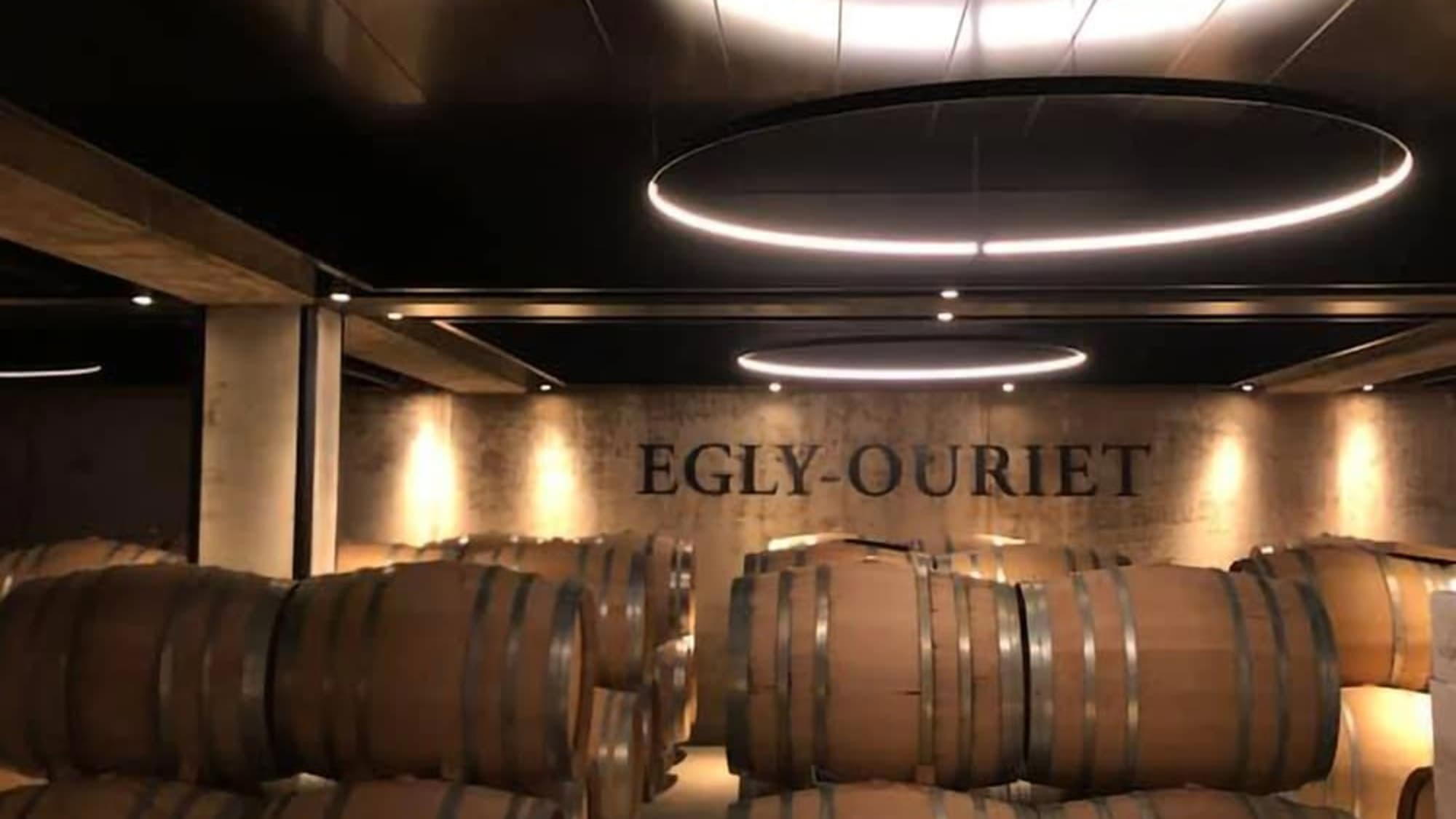
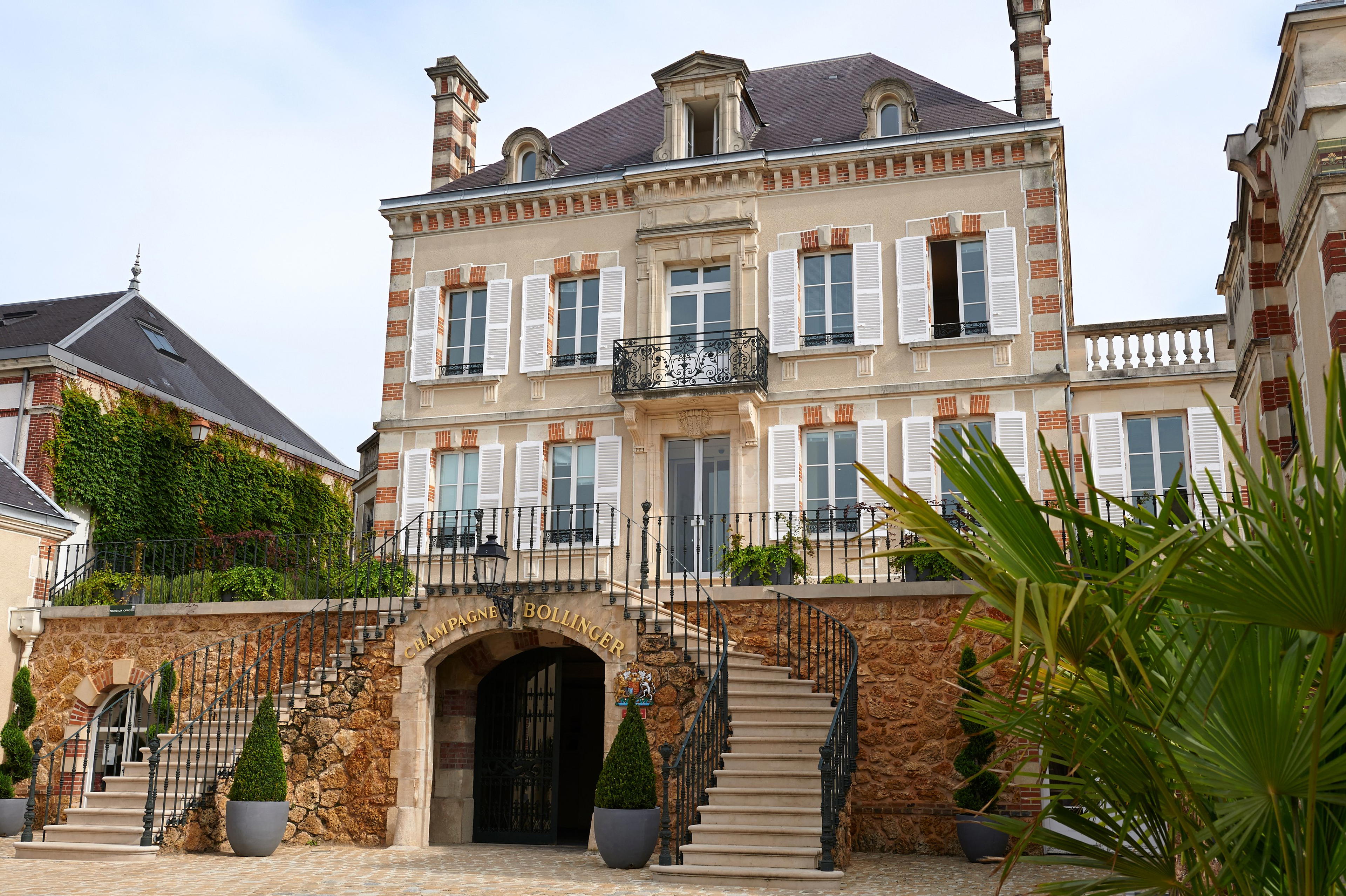
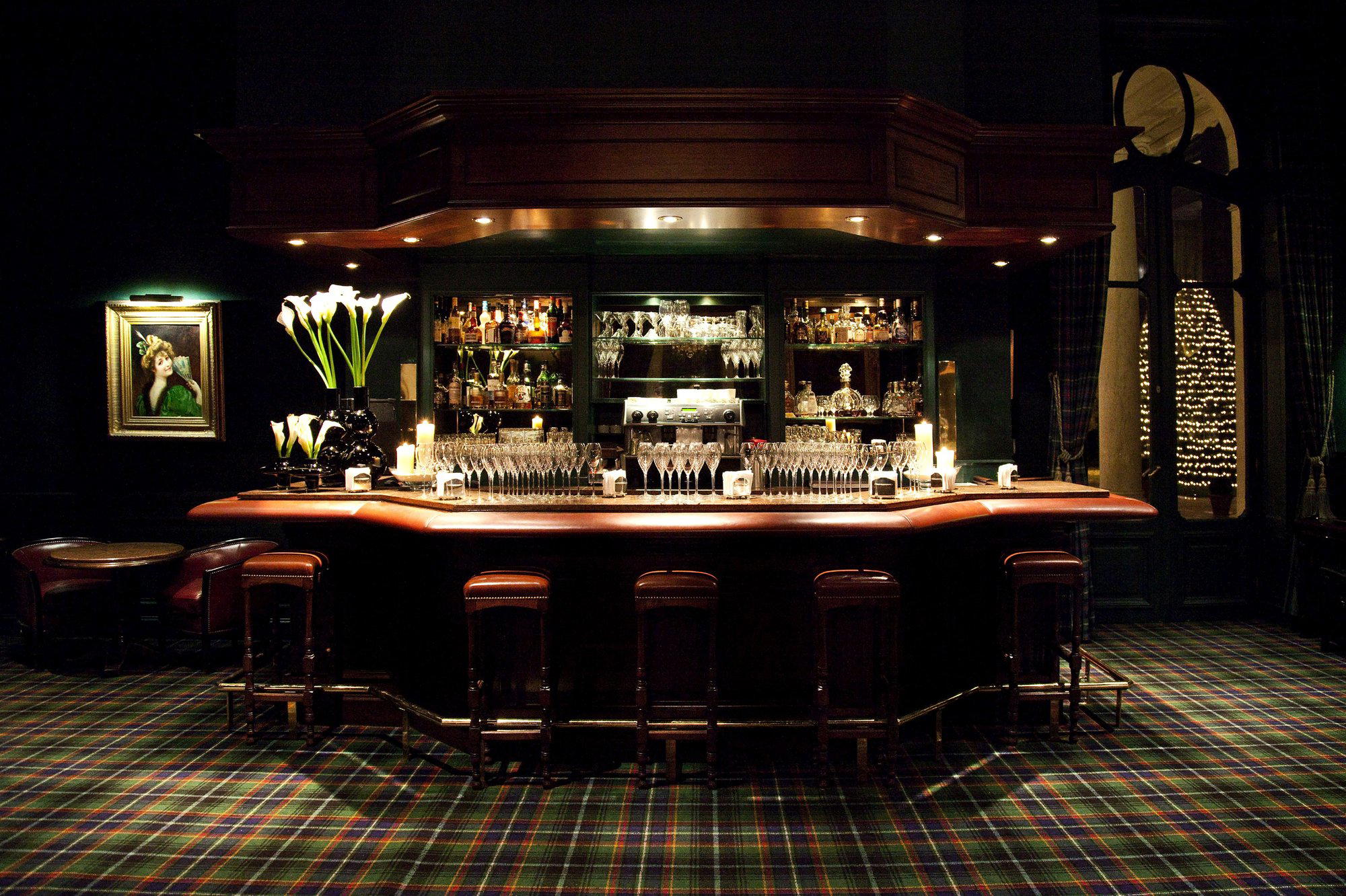
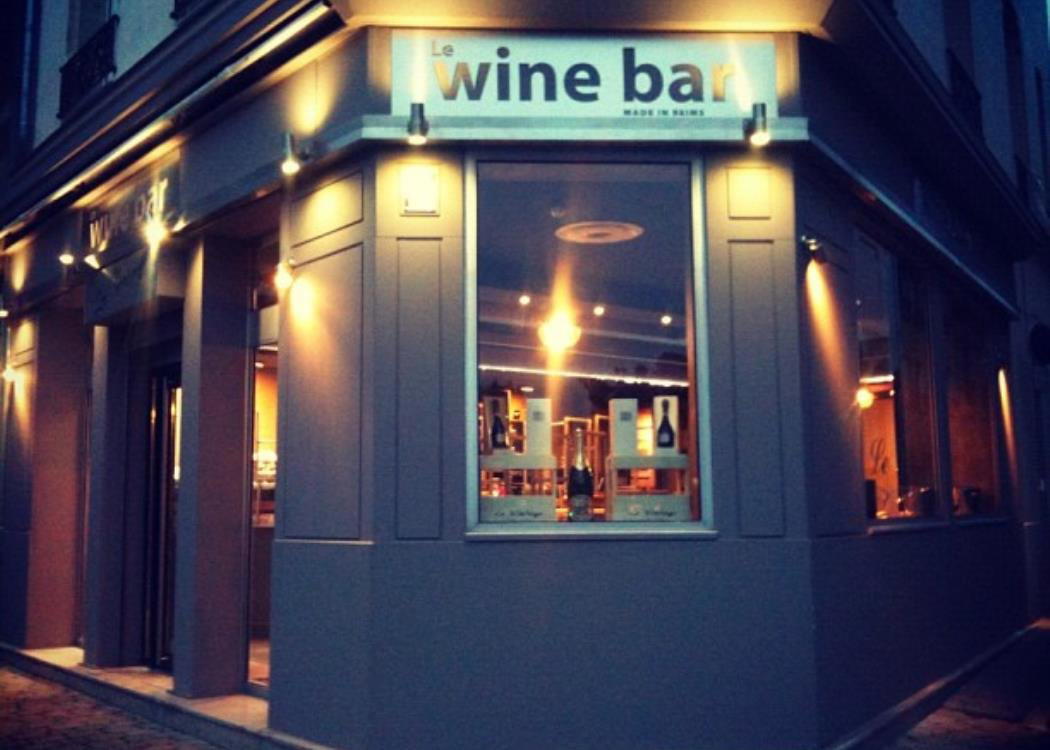
Bars in Bouzy
Browse all →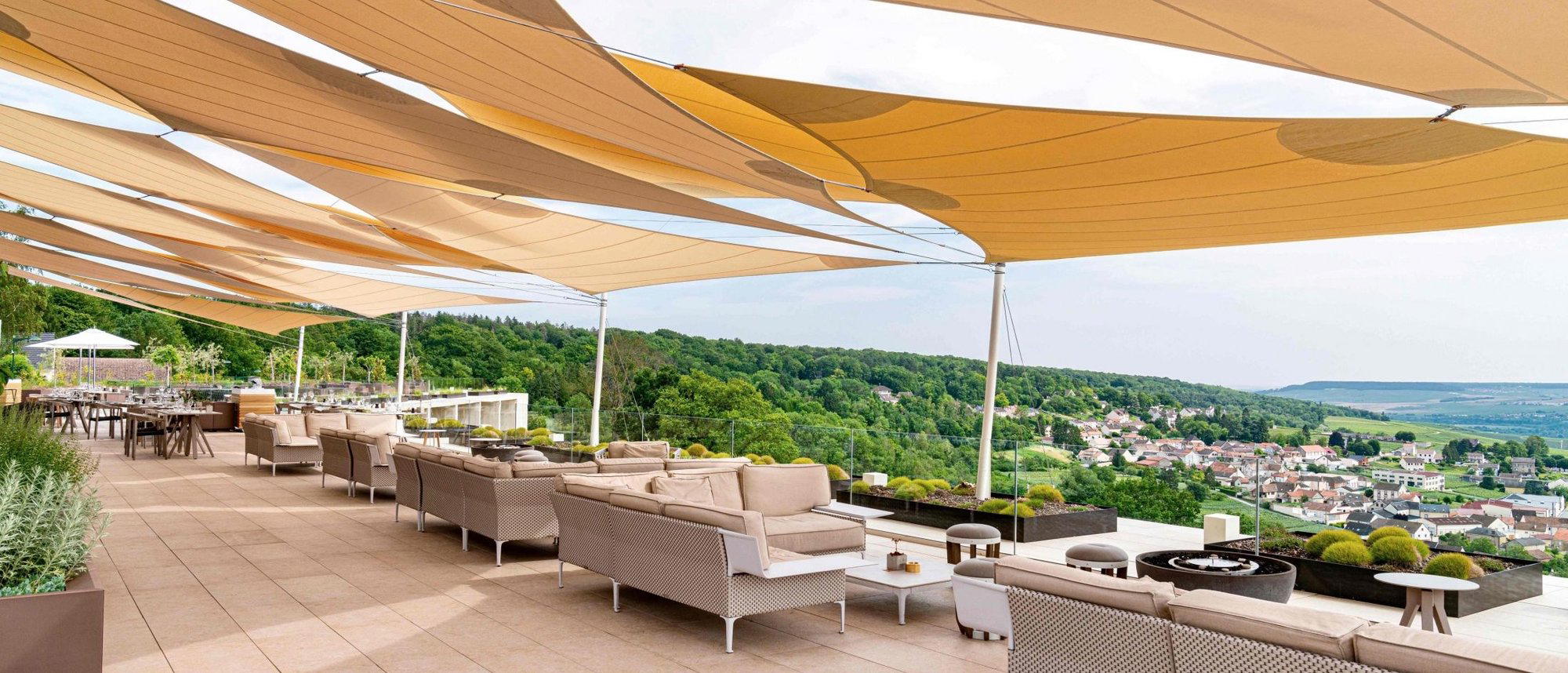
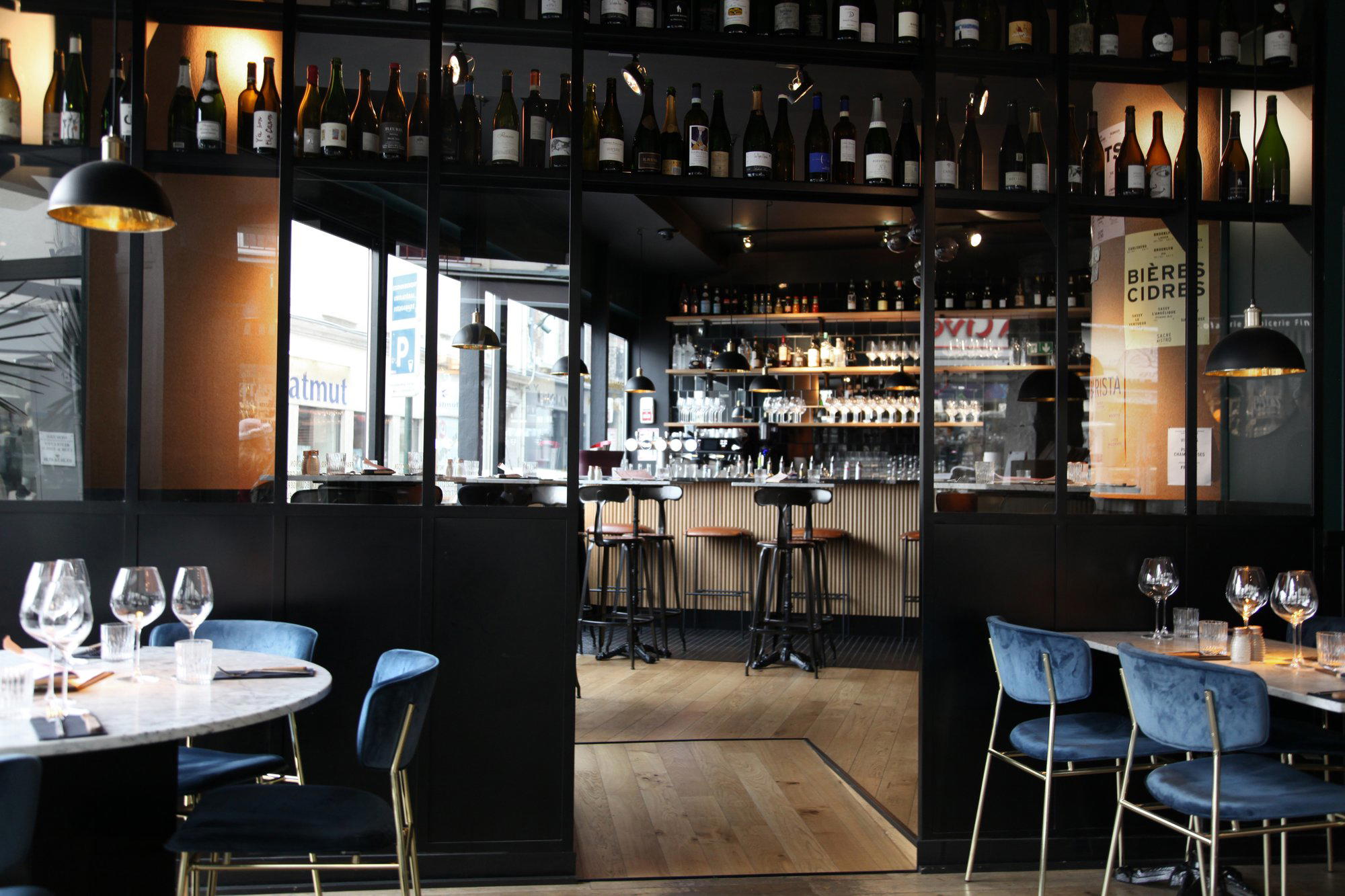
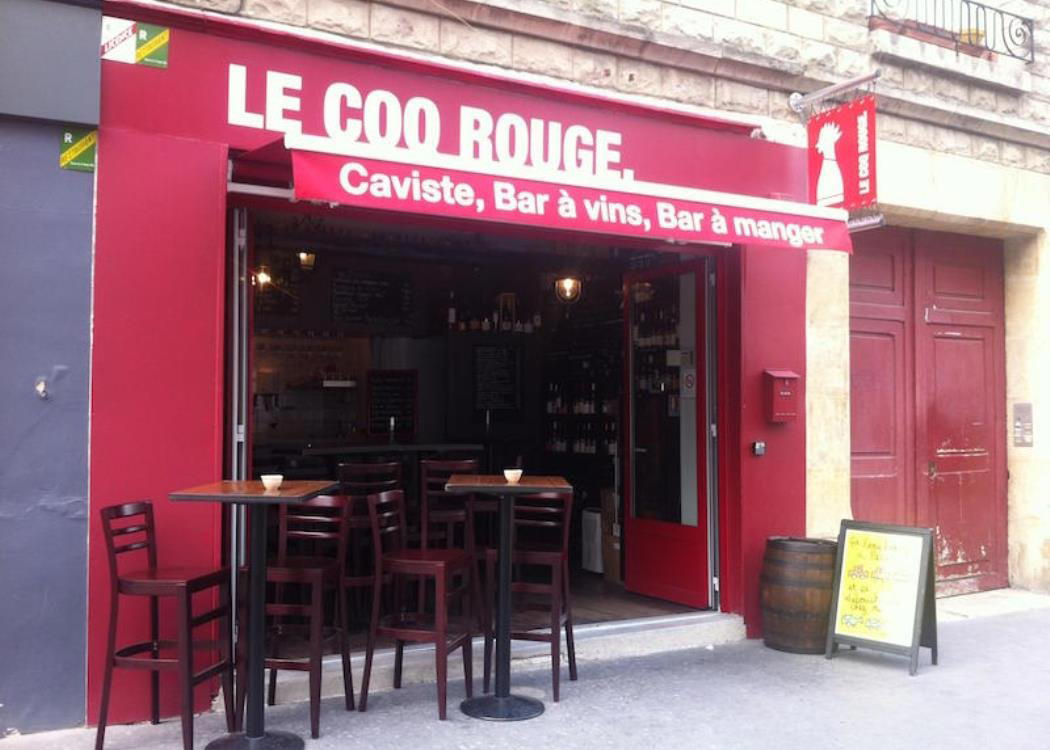
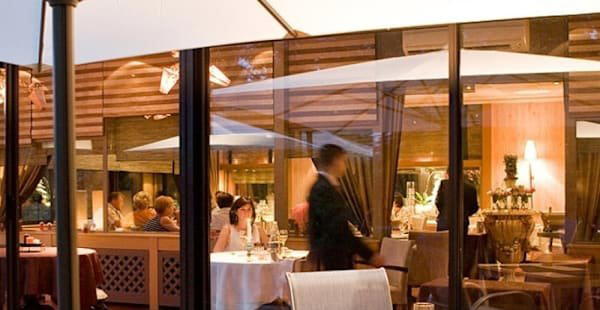
Restaurants in Bouzy
Browse all →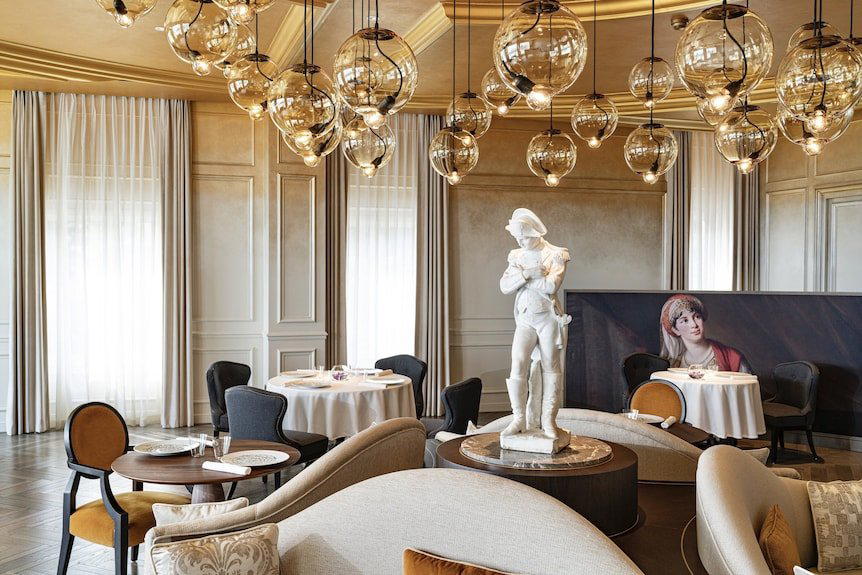

At a Glance
- Classic
- Elegant
- Intimate
- Sophisticated
- Rustic
- Wine Education
- Romantic Getaway
- Solo Exploration
- Special Occasion
- Group Outing
- Estate Grounds
- Barrel Room
- Vineyard Tour
- Private Tasting
- Organic
- Biodynamic
- Sustainable
- Vineyard
- Champagne AOC
- Pinot Noir
- Chardonnay
- Still Red
- Sparkling
- Estate Tasting
- Barrel Tasting
- Vineyard Visit
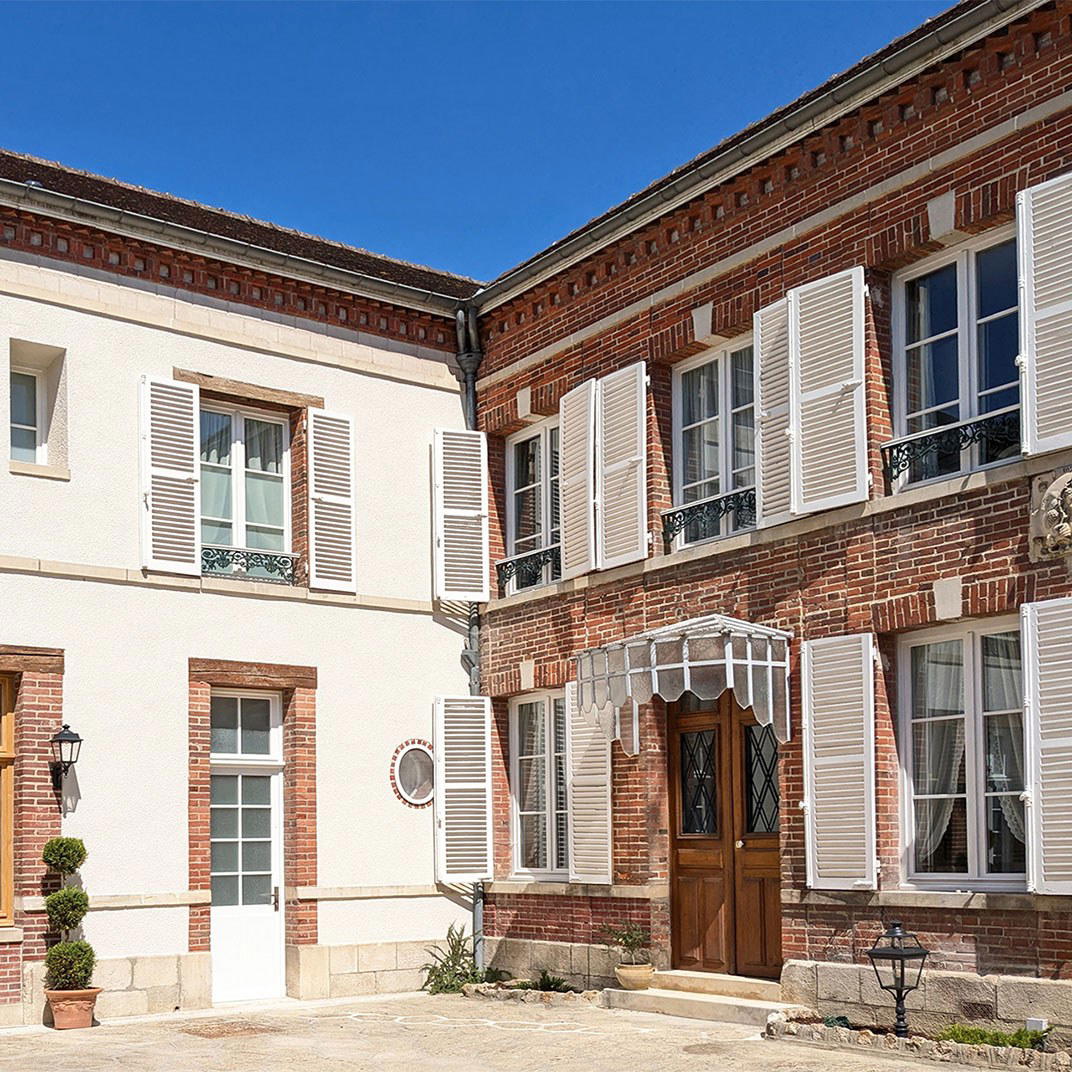
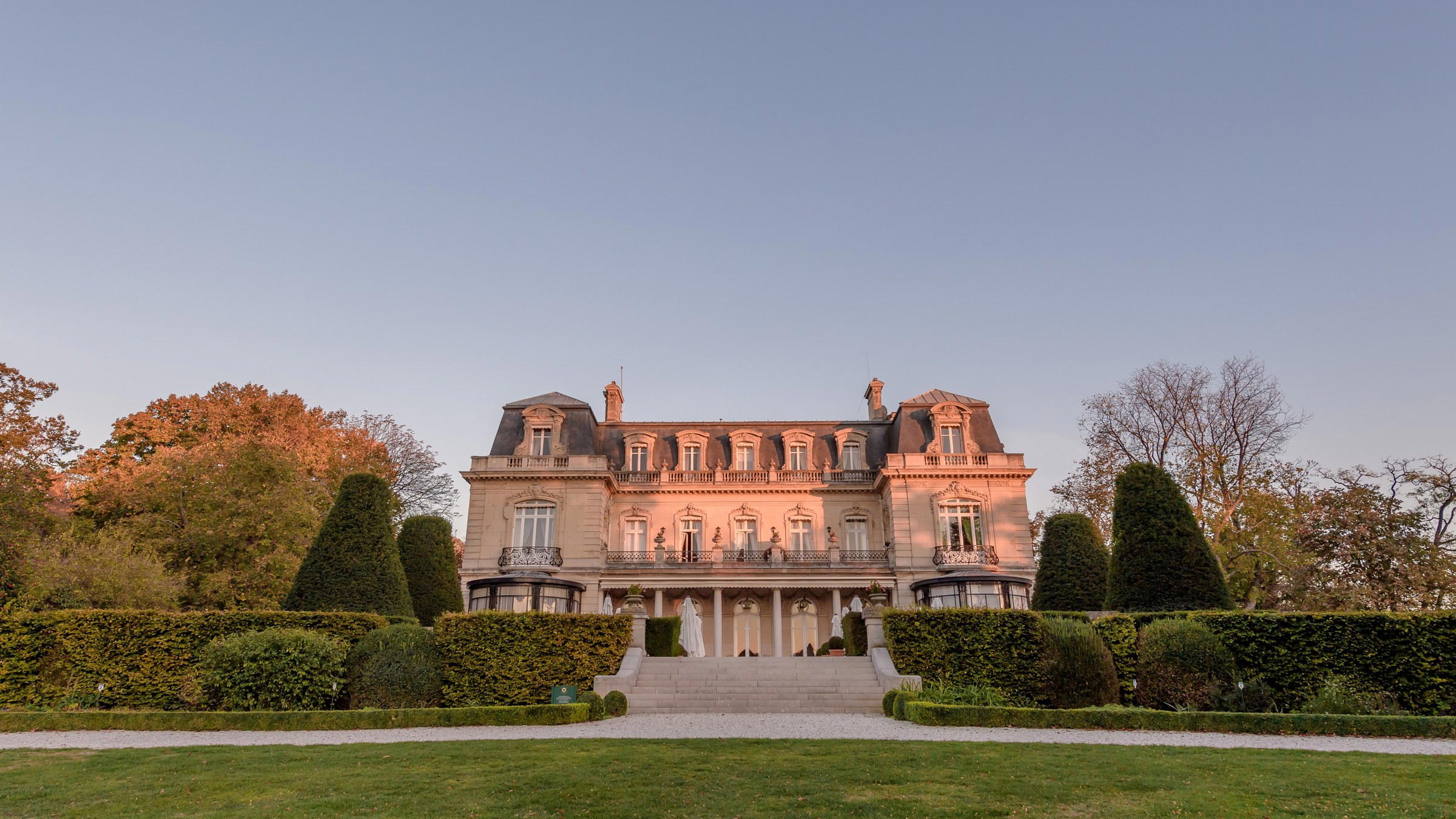
Artisanal grower-champagne domaine rooted in Bouzy’s Grand Cru vineyards, with a cellar-focused, terroir-driven atmosphere where organically farmed, parcel-specific wines are crafted with precision and energy rather than showy opulence.